Contents
Caffeine in Espresso vs Coffee: Which Has More?
TL;DR: Per ounce, espresso has more caffeine than drip coffee — roughly 63mg per 1oz shot vs 12–16mg per oz of drip. But a full mug of drip coffee (8–12oz) almost always delivers more total caffeine than a single or double espresso. Caffeine in espresso vs coffee comes down to concentration vs volume.
Caffeine Per Ounce: Espresso Wins by a Landslide
Direct Answer: A single 1oz espresso shot contains approximately 63mg of caffeine. Drip coffee averages 12–16mg per ounce. Espresso is 4–5x more concentrated — but you drink far less of it, which is why the comparison isn’t as simple as “espresso has more caffeine.”
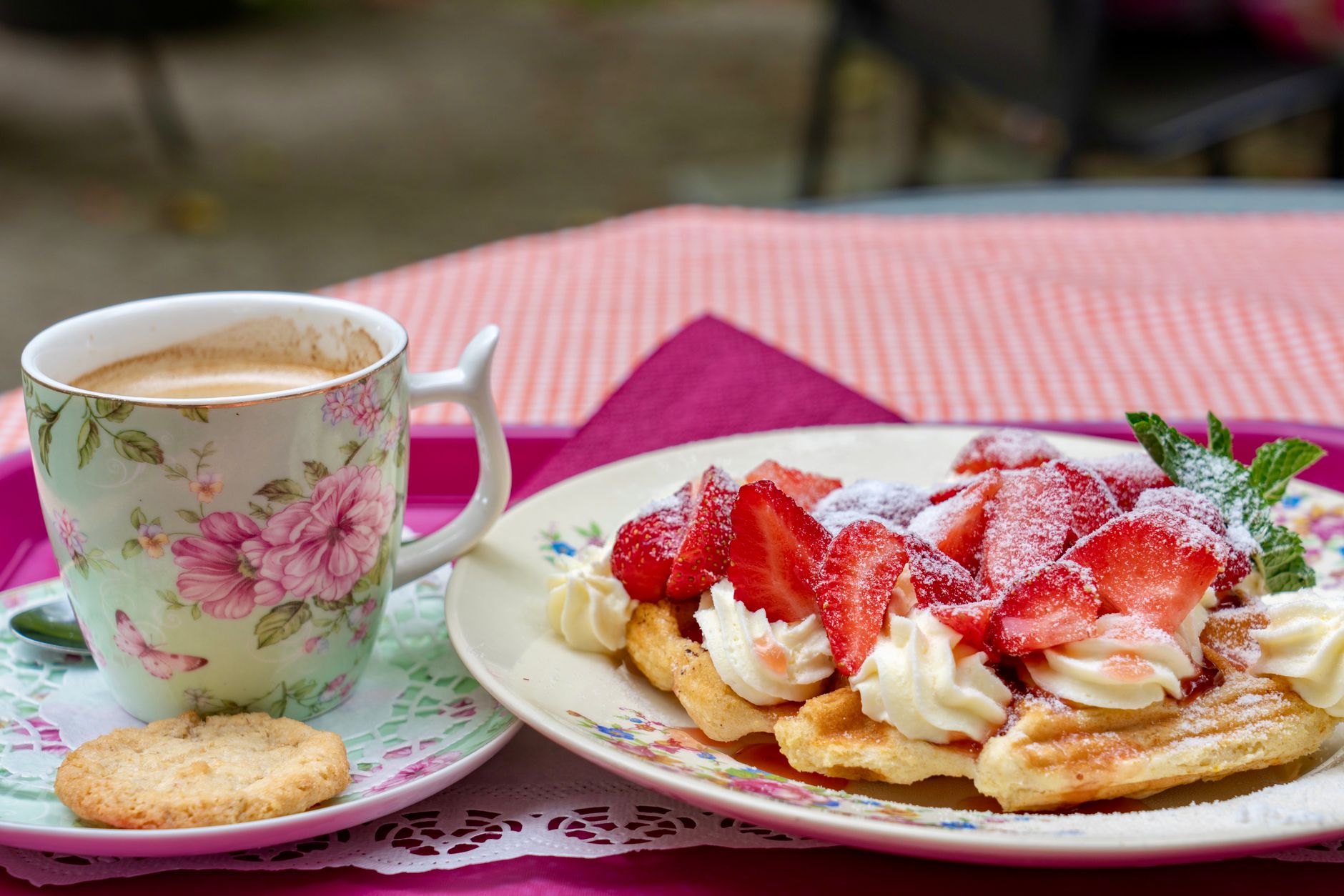
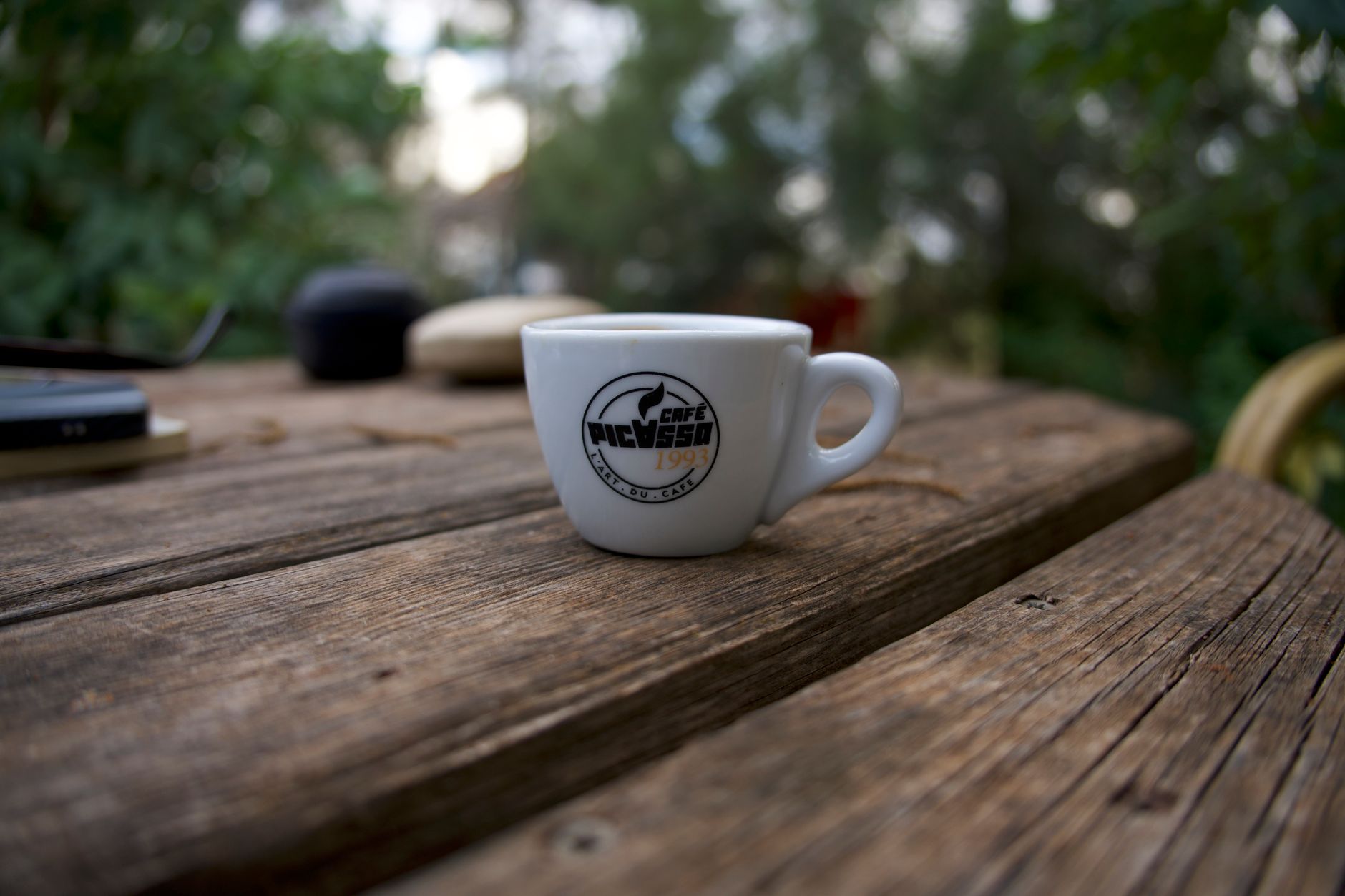 Photo: Salim Da via Pexels
Espresso’s concentration comes from the brew method: near-boiling water forced through finely ground, densely packed coffee at 9 bars of pressure in 25–30 seconds. That short contact time with so little water produces an intensely concentrated liquid.
Drip coffee, by contrast, uses 6–8 times more water per gram of grounds, spreading the same extraction across a much larger volume. The caffeine per gram of coffee extracted is actually similar between methods — it’s the dilution ratio that creates the per-ounce difference.
Total Caffeine Per Serving: Coffee Usually Wins
Direct Answer: A standard 8oz mug of drip coffee contains 95–200mg of caffeine. A double espresso (2oz) delivers around 126mg. Unless you’re drinking three or more espresso shots, your morning coffee mug almost certainly contains more total caffeine.
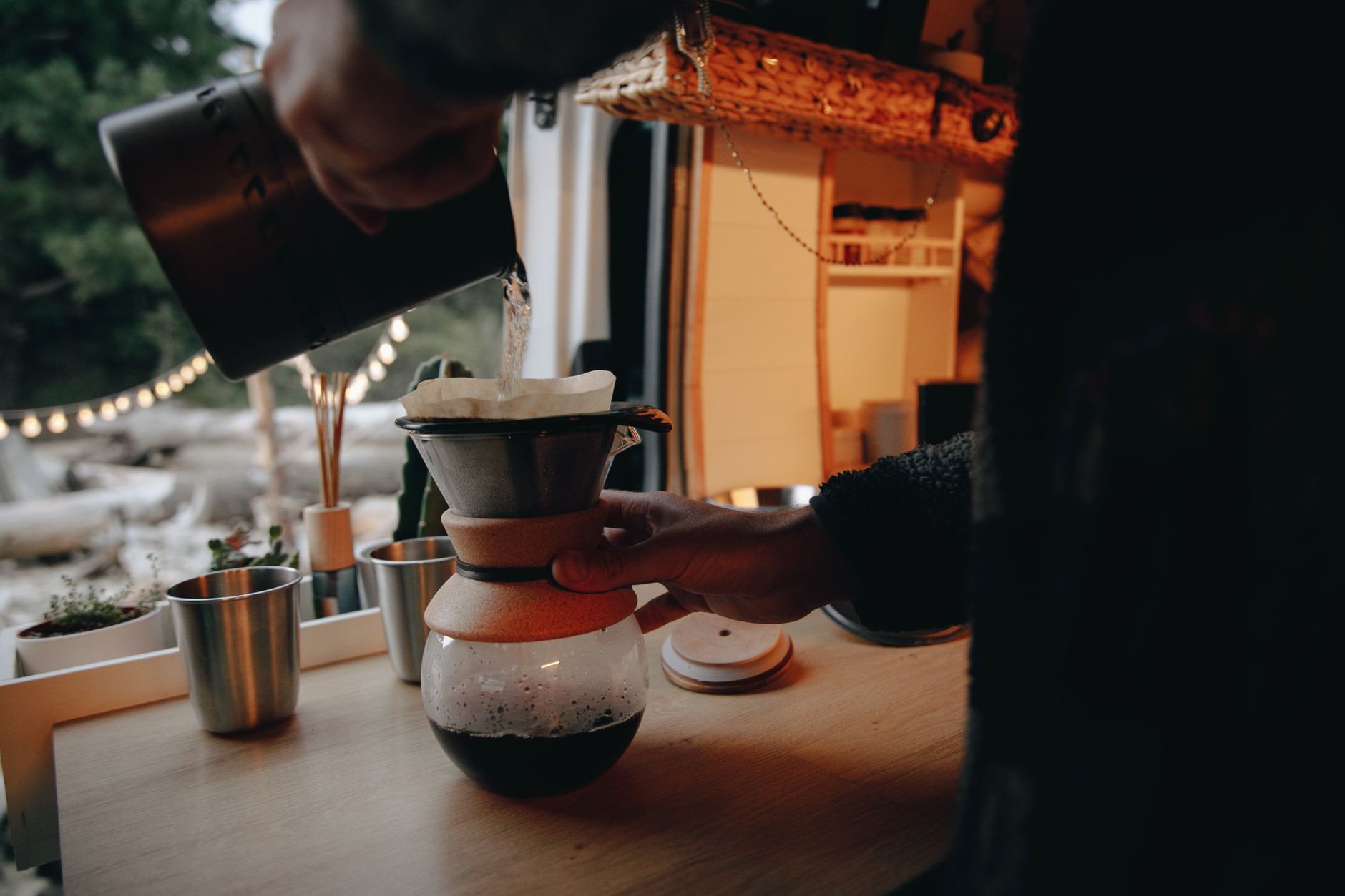 Photo: PNW Production via Pexels
Here’s a practical breakdown:
| Drink | Serving Size | Caffeine (approx.) |
|---|---|---|
| Single espresso | 1 oz | 63 mg |
| Double espresso | 2 oz | 126 mg |
| Drip coffee | 8 oz | 95–200 mg |
| Drip coffee | 12 oz | 140–300 mg |
| Cold brew concentrate | 1 oz | 35–50 mg |
| French press | 8 oz | 80–135 mg |
| Americano (double + water) | 6–8 oz | 126 mg |
The wide range in drip coffee reflects real-world variation: roast level, grind size, water temperature, coffee-to-water ratio, and bean origin all affect final caffeine content. A light roast brewed strong will punch well above 200mg in a standard mug.
Does Roast Level Affect Caffeine?
Direct Answer: Yes, but less than most people think. Light roasts retain slightly more caffeine than dark roasts by weight — roasting destroys a small amount of caffeine — but the difference is around 5–10%, not the dramatic gap the “dark roast = more caffeine” myth suggests.
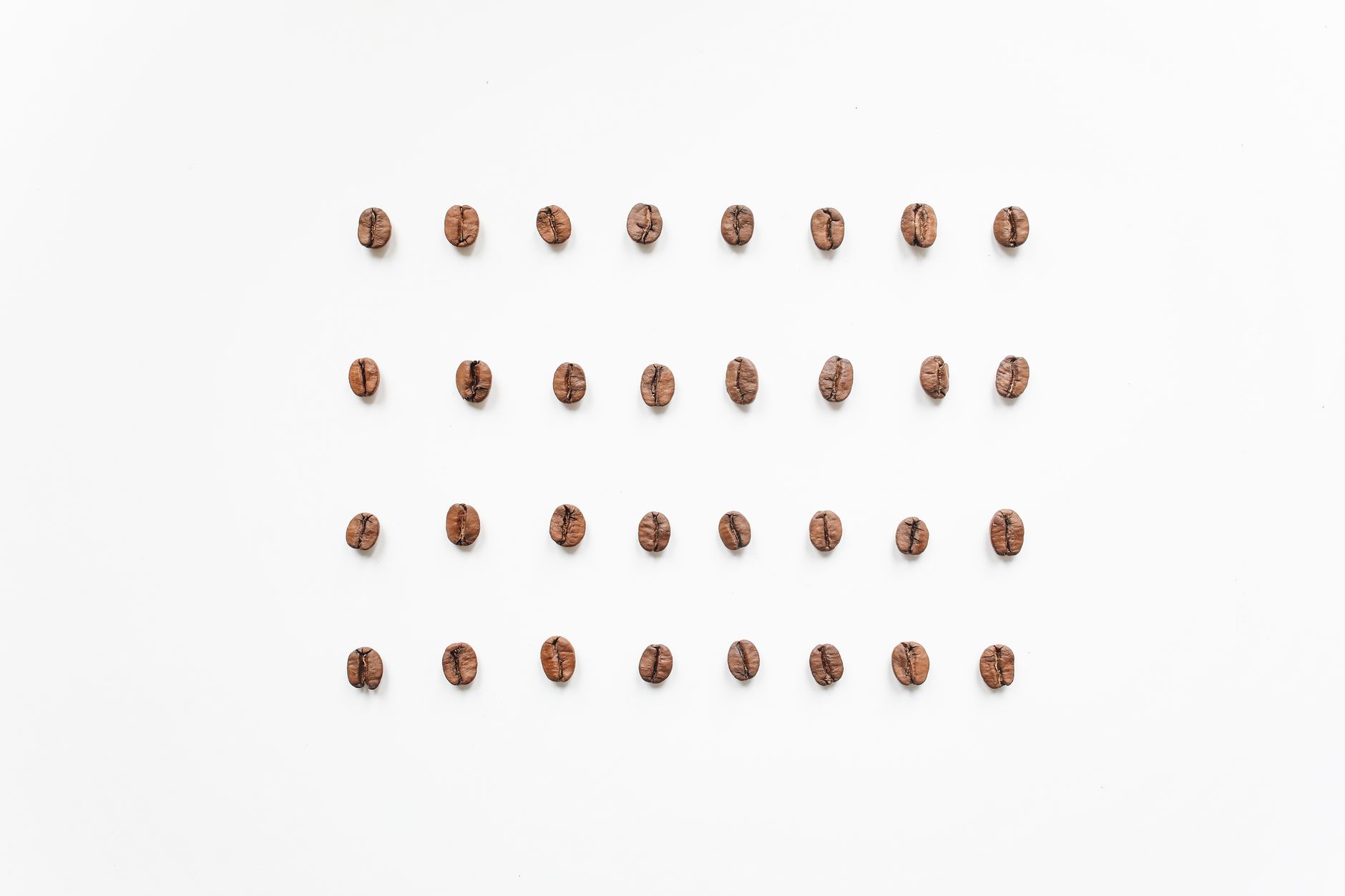
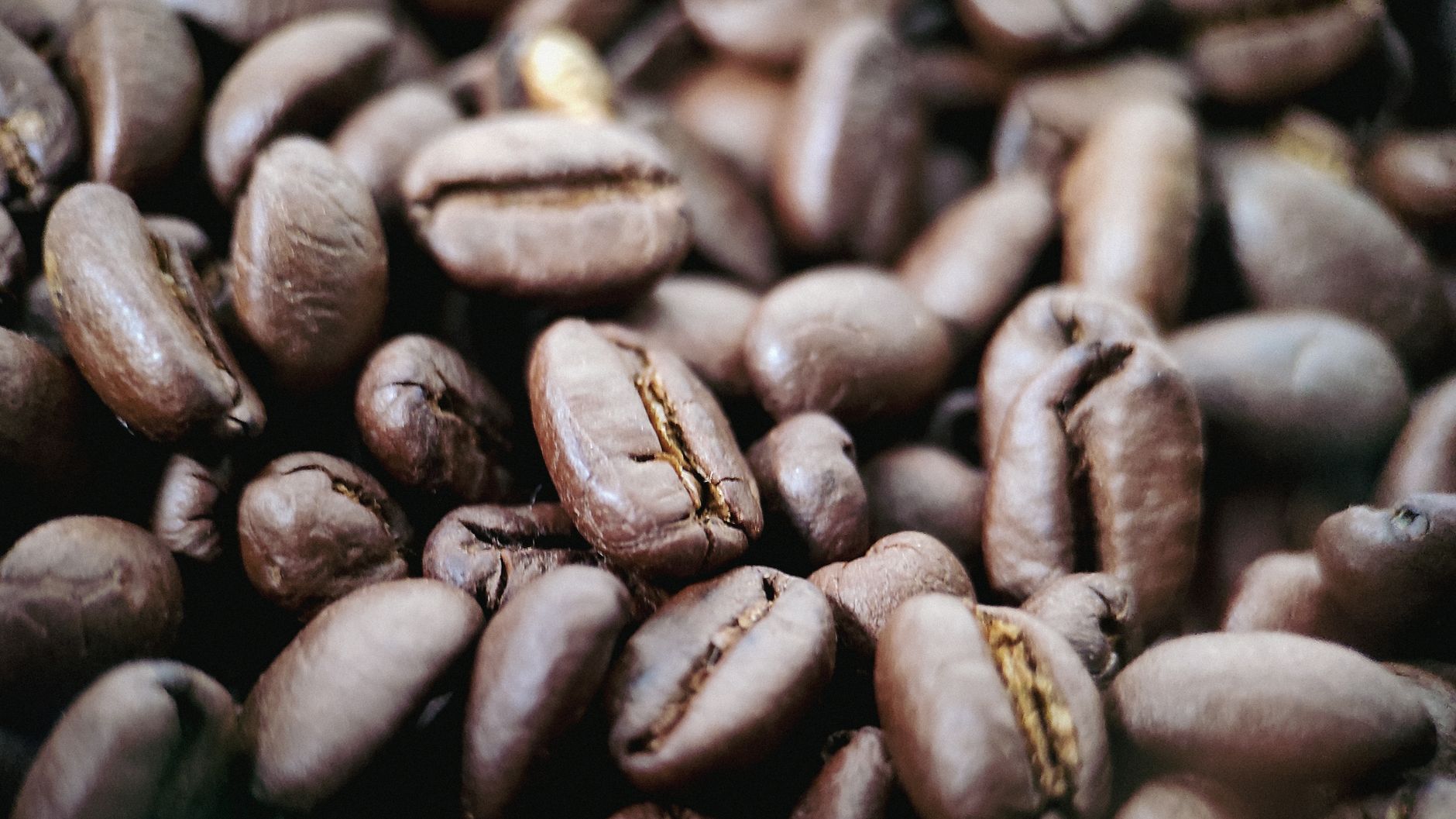 Photo: indra projects via Pexels
The confusion comes from density. Dark roast beans lose mass during roasting (moisture and CO₂ burn off), so the same scoop of dark roast coffee contains fewer grams than a scoop of light roast. Measure by weight and the difference nearly disappears. Measure by volume (scoops) and dark roast can appear weaker because you’re using fewer grams.
For espresso specifically, roast level affects extraction behavior more than caffeine content. Darker roasts pull faster and can over-extract at the same parameters light roasts need, but the caffeine difference in the cup is negligible.
Caffeine in Popular Espresso-Based Drinks
Lattes, Cappuccinos, and Flat Whites
A latte or cappuccino made with a double shot contains the same caffeine as that double shot: ~126mg. The milk adds zero caffeine. Size doesn’t change caffeine unless the shop adds extra shots — a 16oz latte with two shots has identical caffeine to a 6oz latte with two shots.
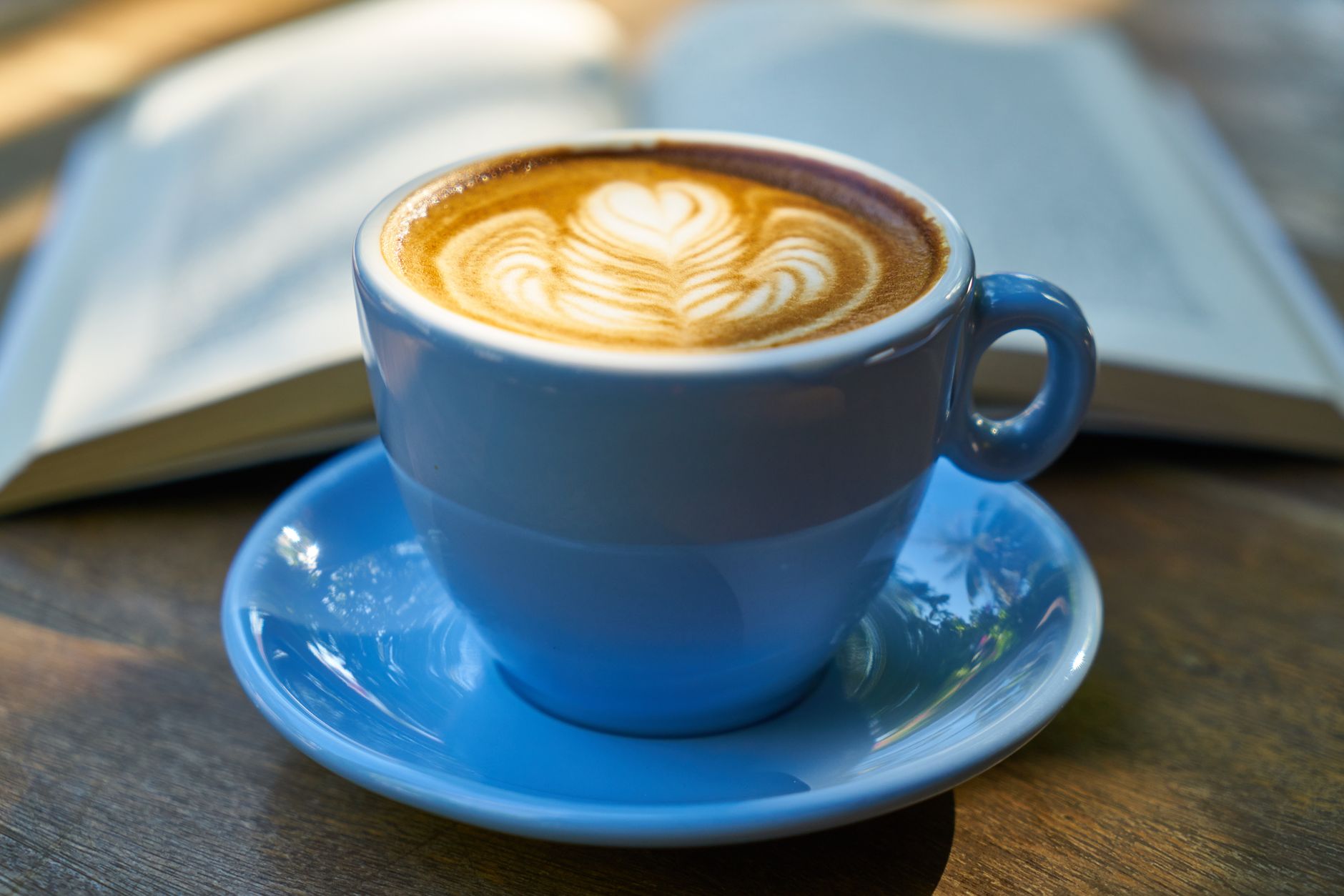
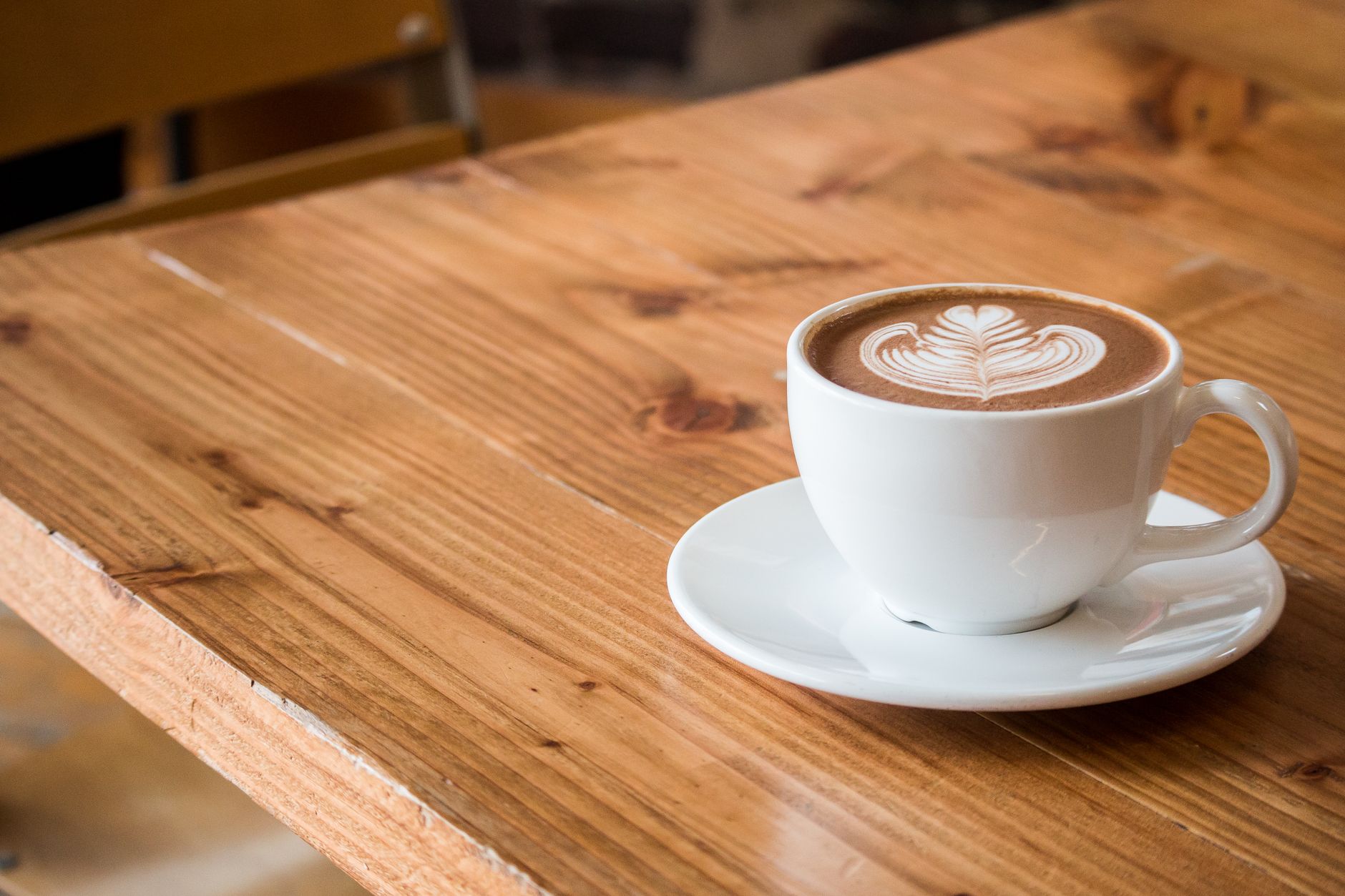 Photo: Jason Villanueva via Pexels
Flat whites traditionally use a ristretto double (shorter pull, slightly less caffeine) or a standard double depending on the café. If you’re ordering at specialty shops, a flat white often runs 90–110mg caffeine.
Americano vs Long Black
Both are espresso diluted with water. Both contain the same caffeine as the espresso shots used — typically a double, so ~126mg. The water changes volume and intensity, not caffeine content.
Why Your Body Reacts Differently to Each
The total caffeine number matters, but so does delivery rate. Drinking 150mg of caffeine in a 2oz double espresso takes about 30 seconds. Drinking 150mg in a 12oz coffee takes 10–15 minutes of sipping.
Faster ingestion produces a sharper, more immediate spike in blood caffeine levels. This is why espresso drinkers often describe a harder, quicker hit — even when the total dose is lower than a mug of drip. If you’re sensitive to the jitteriness or crash that comes with rapid caffeine spikes, drip coffee’s slower delivery is physiologically gentler despite the higher total dose.
Individual metabolism also plays a significant role. CYP1A2 enzyme activity — genetically determined — makes some people process caffeine two to four times faster than others. Half-life ranges from 2.5 hours to 10 hours across the population.
→ See also:
- How Much Caffeine Is in a Cup of Coffee? (All Brew Methods)
- Is Coffee Good or Bad for You? (What the Science Says)
- Coffee Science: The Complete Guide to Extraction, Chemistry & Flavor
FAQ
Does espresso have more caffeine than coffee? Per ounce, yes — espresso has roughly 63mg/oz versus 12–16mg/oz for drip coffee. But per serving, a full cup of drip coffee typically delivers more total caffeine (95–200mg) than a single or double espresso (63–126mg).
How much caffeine is in a double espresso? A standard double espresso (doppio) contains approximately 120–130mg of caffeine, based on two 7–9g doses of ground coffee extracted to roughly 2oz total volume. Actual caffeine varies with bean origin, roast, grind, and extraction parameters.
Is cold brew stronger than espresso? Cold brew concentrate can approach espresso-level caffeine per ounce (35–50mg/oz), but ready-to-drink cold brew is usually diluted to 12–18mg/oz. Espresso is still the most concentrated mainstream coffee preparation at ~63mg/oz.
Does a latte have less caffeine than black coffee? A standard latte made with a double shot contains ~126mg of caffeine — comparable to or slightly above an 8oz cup of drip coffee. The milk doesn’t reduce caffeine; only the number of espresso shots determines the caffeine content.
Which has more caffeine: light roast or dark roast? Light roast retains marginally more caffeine by weight (5–10% more). The difference is small enough that brew ratio and serving size have far greater impact on final caffeine content than roast level does.
Why does espresso feel stronger if coffee has more caffeine? Espresso delivers its caffeine dose in roughly 2oz over 30 seconds, producing a faster spike in blood caffeine levels. Drip coffee spreads a larger dose across 8–12oz consumed over minutes. The rate of ingestion affects perceived intensity independent of the total dose.
Editorial methodology: Assessments are based on manufacturer specifications, published user reviews, and editorial research. Physical hands-on testing is noted explicitly where it occurred. Rankings reflect our editorial judgment and are not influenced by affiliate commission rates. Full editorial policy · Affiliate disclosure