Best Single Dose Espresso Grinders (2026)
TL;DR: The best single dose espresso grinder depends on your budget and workflow. For most home baristas, the Niche Zero hits the sweet spot of retention-free grinding, consistent particle distribution, and quiet operation. If you’re chasing competition-level results, the Lagom P64 or Mazzer Philos step up significantly — at a price.
What Makes a Grinder “Single Dose”?
Single dose grinders are designed to grind exactly what you weigh out — no hopper, no retention, no stale coffee sitting in the chute. You load a small amount of beans (typically 15–20g), grind, and get it all out. The benefit: full control over freshness and the ability to switch beans shot to shot.
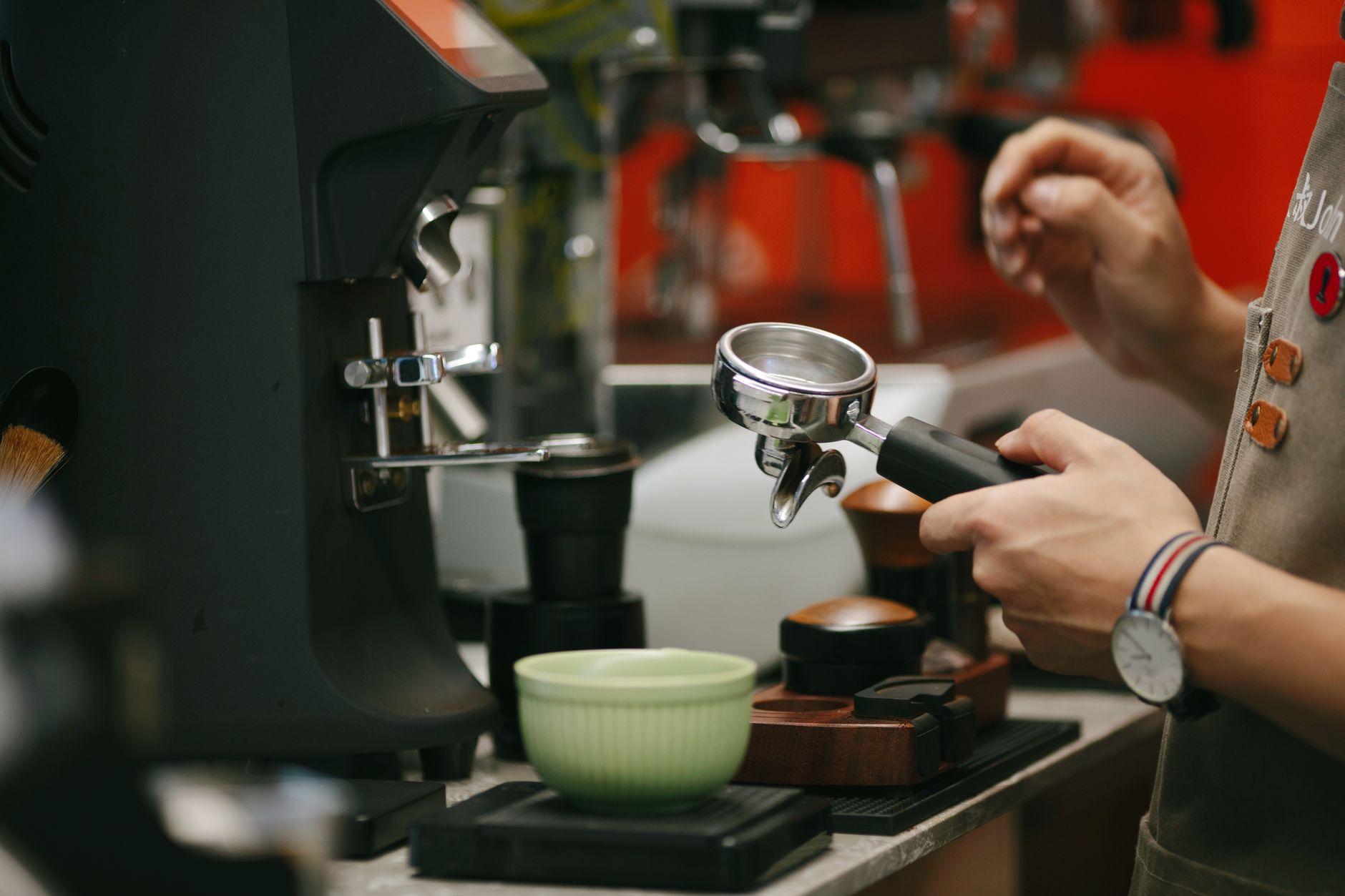
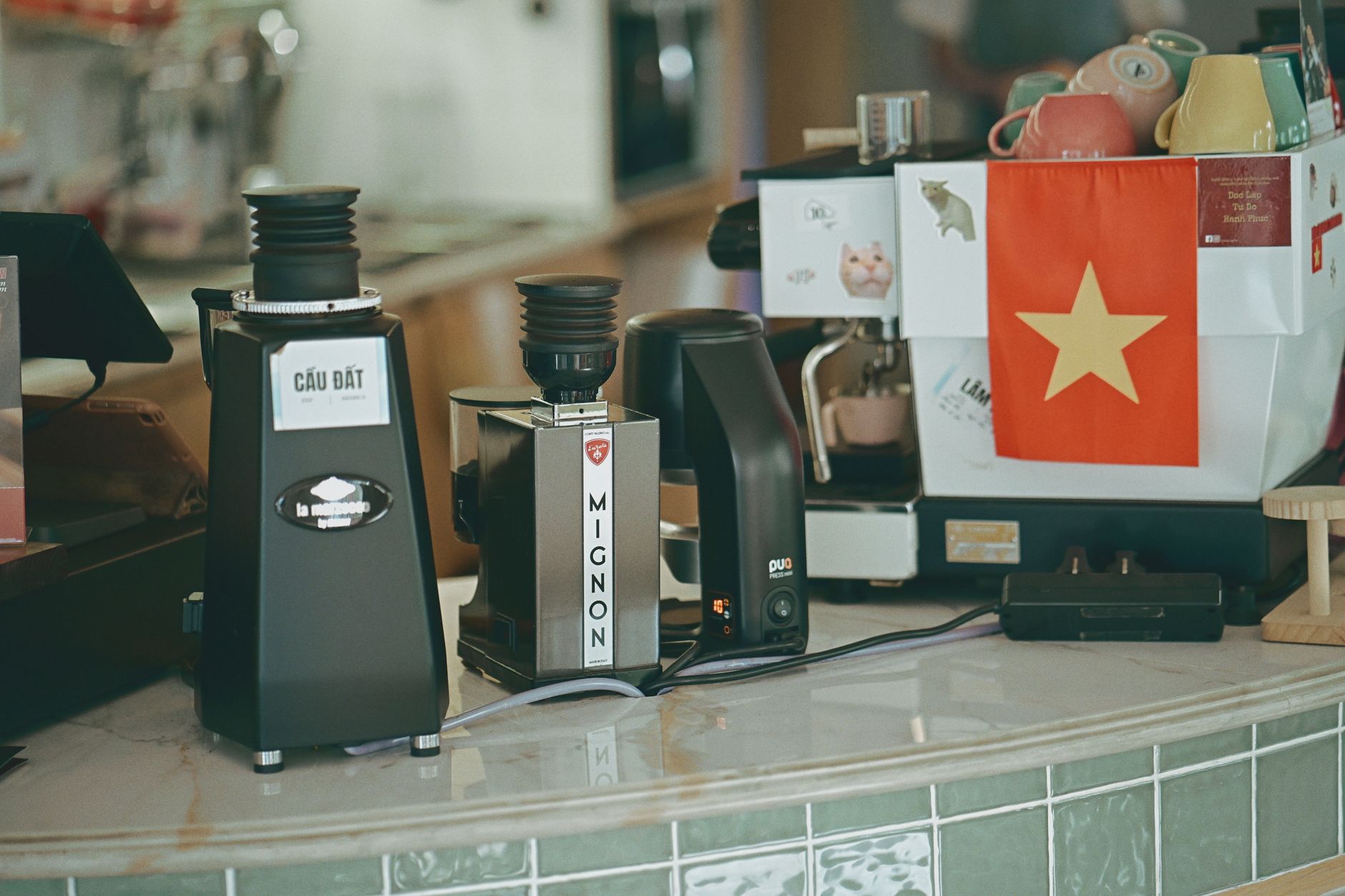 Photo: 🇻🇳🇻🇳 Việt Anh Nguyễn 🇻🇳🇻🇳 via Pexels
Traditional hopper grinders hold 250–500g of beans and retain 1–5g of ground coffee in the burr chamber after each grind. For a single-origin rotating collection or dial-in workflow, that retention is wasted coffee and stale flavor contamination. Single dose eliminates both problems.
Key design features to look for:
- Low retention — under 0.3g is excellent; under 0.1g is exceptional
- Consistent particle size distribution — tight distribution = better extraction
- Stepless adjustment — fine-tune grind without locking into click positions
- RDT-friendly — a few drops of water reduces static and clumping
Best Single Dose Espresso Grinders at a Glance
| Grinder | Price (USD) | Burrs | RPM | Retention | Best For |
|---|---|---|---|---|---|
| Niche Zero | ~$700 | 63mm conical | 350 | <0.1g | All-rounder, home barista |
| Eureka Mignon Specialita | ~$420 | 55mm flat | 1350 | ~0.5g | Entry single dose |
| Lagom P64 | ~$950 | 64mm flat | 350–500 | <0.2g | Serious home / prosumer |
| Mazzer Philos | ~$1,100 | 65mm conical | 550 | <0.1g | Espresso purist |
| DF64 Gen 2 | ~$320 | 64mm flat | 1600 | <0.3g | Budget flat burr |
| Timemore Sculptor 064S | ~$400 | 64mm flat | 300–1400 | <0.2g | Variable RPM value pick |
Top Picks: Reviewed
Niche Zero — The Benchmark
**The Niche Zero
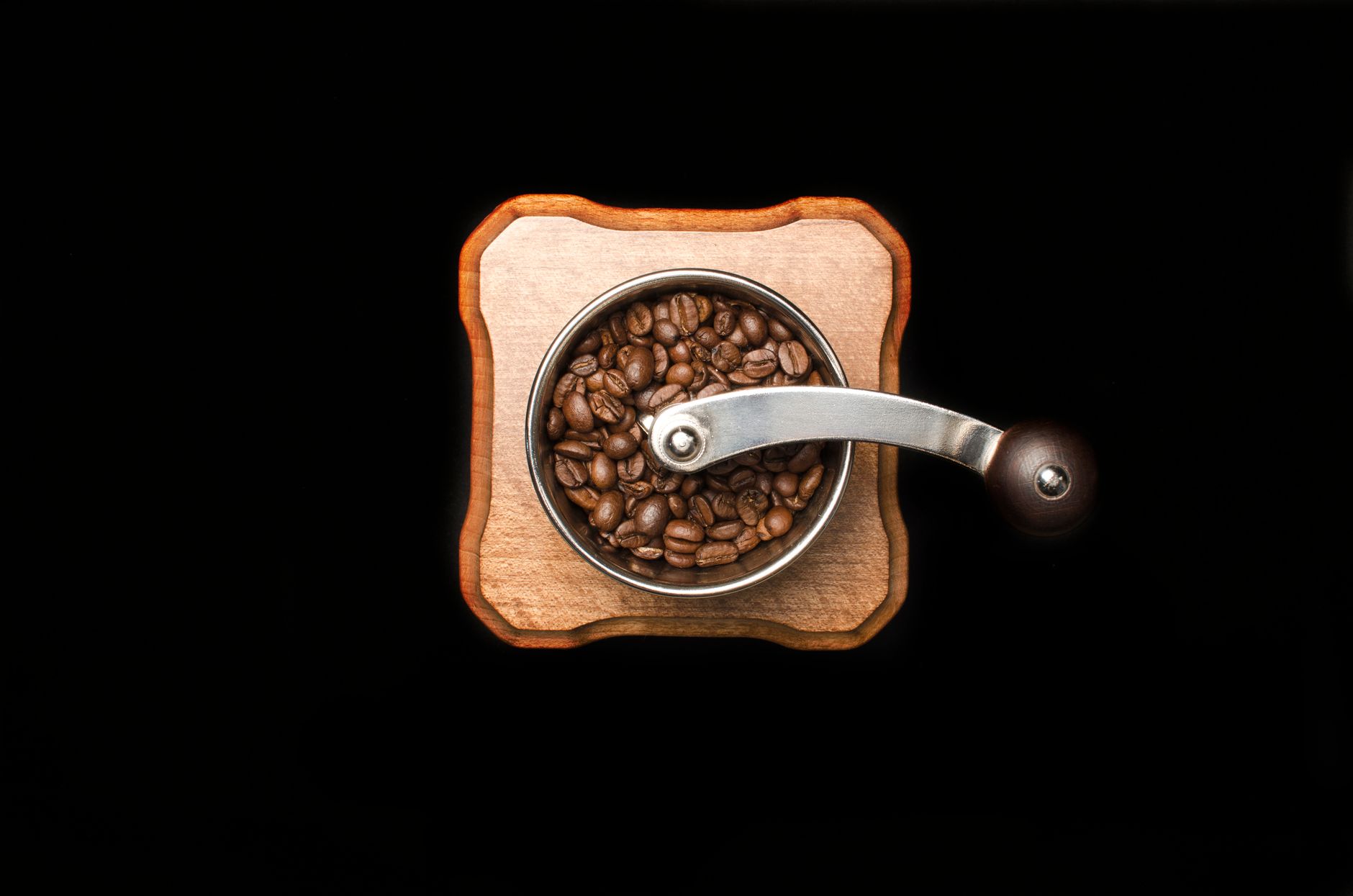
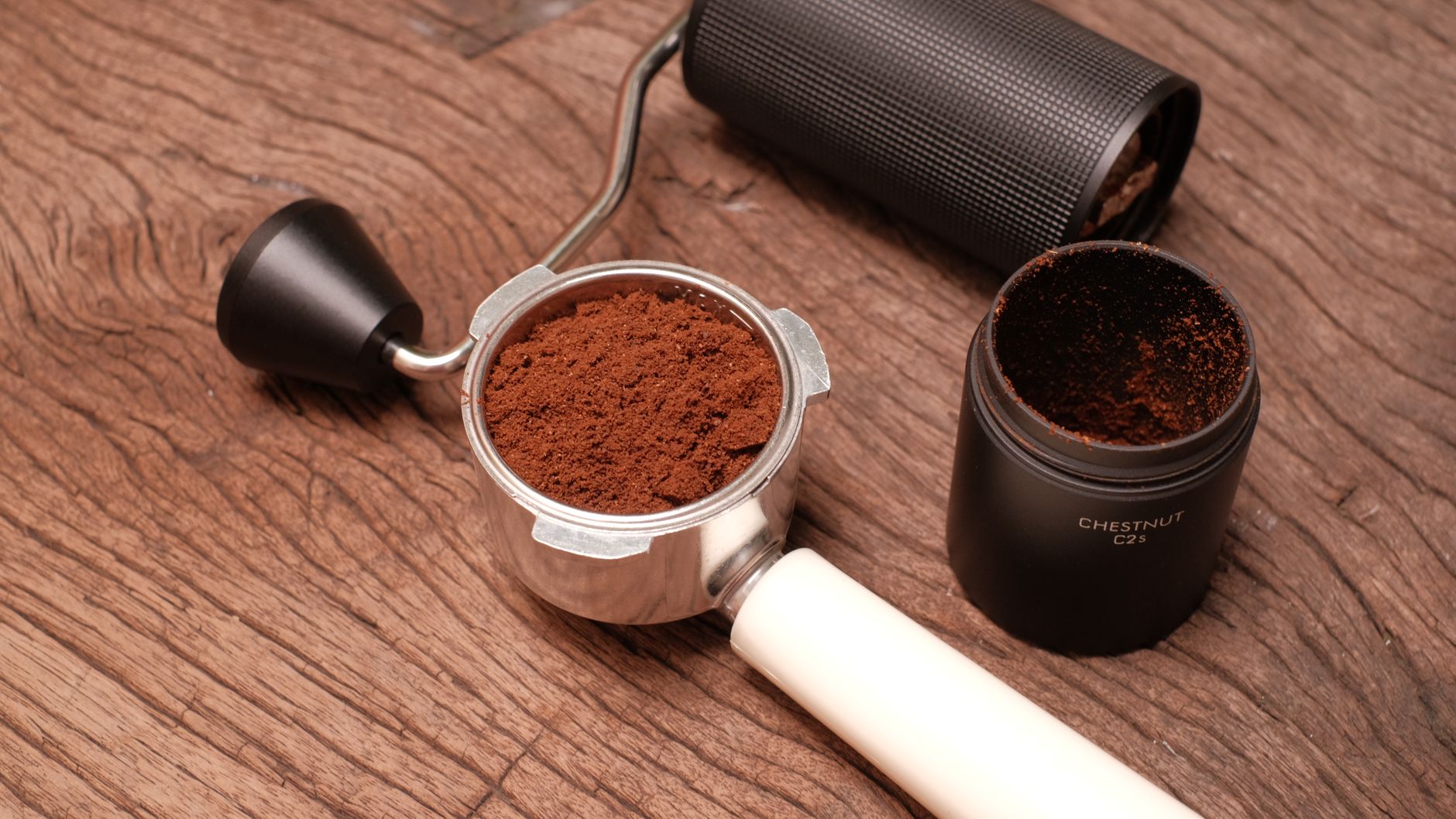 Photo: Pew Nguyen via Pexels
Specs
| Spec | Value |
|---|---|
| Burr type | 63mm conical (Mazzer-derived) |
| Motor RPM | 350 |
| Retention | <0.1g |
| Adjustment | Stepless |
| Footprint | 148mm × 155mm × 335mm |
| Weight | 4.1 kg |
The low RPM matters: less heat, less static, and a grind that preserves volatile aromatics. The trade-off is speed — the Niche takes about 20–25 seconds for a 18g dose. For a home workflow, that’s fine. For a café doing volume, it’s a non-starter.
The main complaint has always been the grind distribution’s slight bimodal character — you get some fines alongside the main particle distribution. Most users compensate with WDT (Weiss Distribution Technique) and a decent puck prep routine.
Verdict: Best all-around single dose grinder for home espresso under $800. Hard to beat for the price-to-workflow ratio.
DF64 Gen 2 — Best Budget Flat Burr
**The DF64 Gen 2
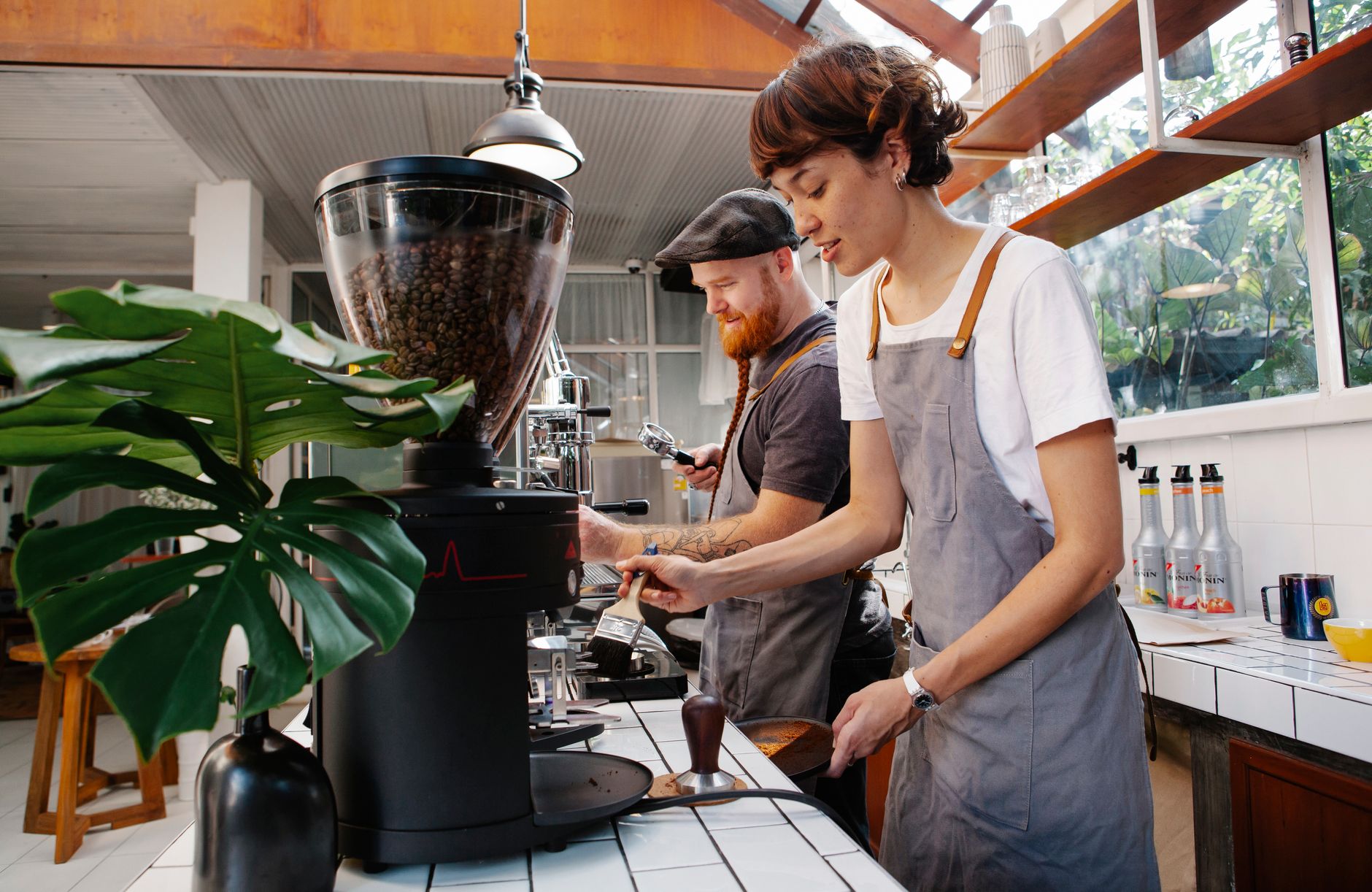
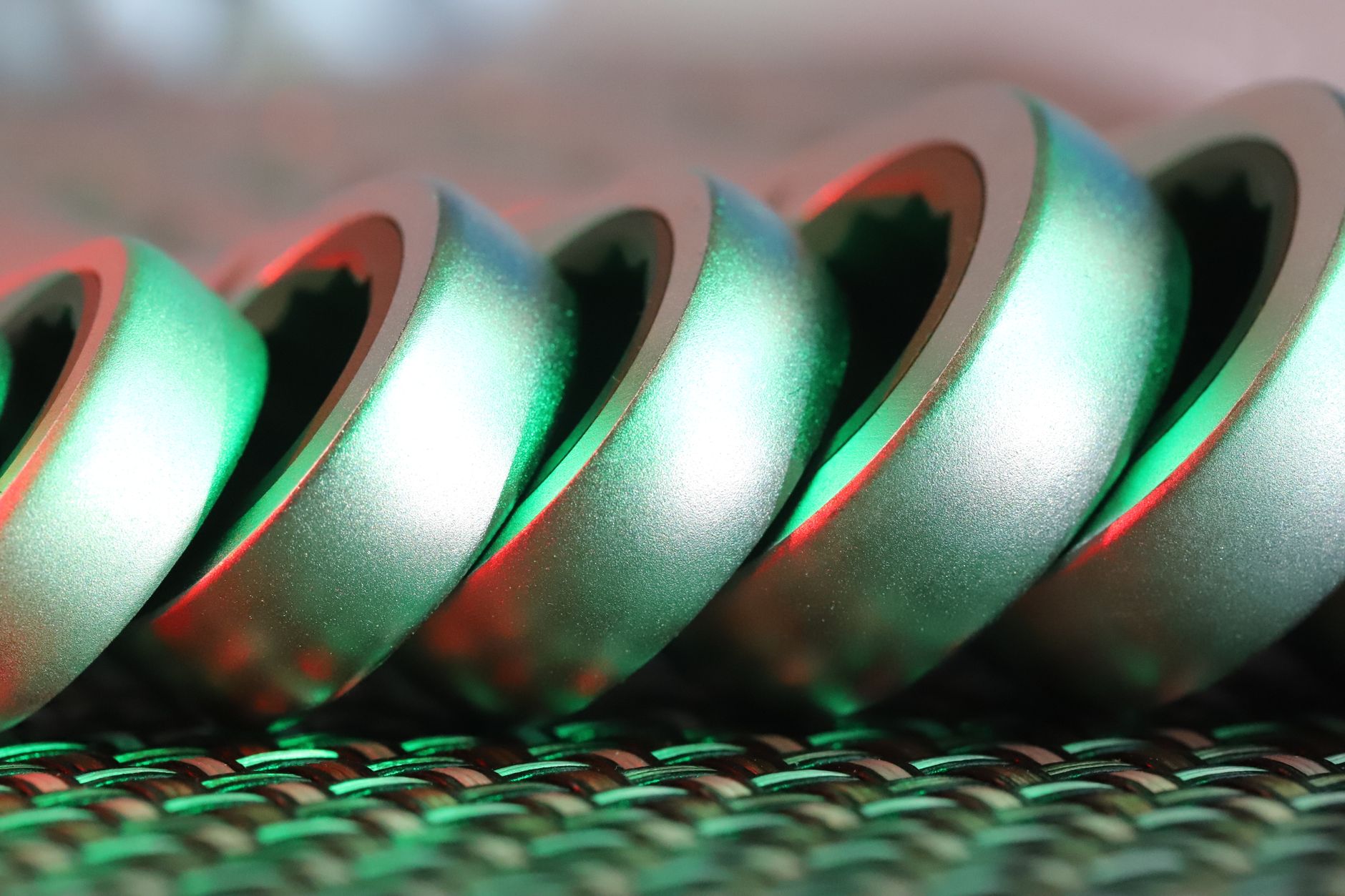 Photo: Nic Wood via Pexels
The Gen 2 addressed the Gen 1’s main weakness: burr alignment. The improved alignment produces tighter particle distribution, which directly translates to more even extraction. It runs at 1600 RPM — faster than the Niche or Lagom — which slightly increases heat, but at home volumes it’s not a practical concern.
Stock burrs are capable, but the DF64 has become a platform for burr swaps: SSP Multipurpose, HU (High Uniformity), or Mythos burrs all drop in, turning a $320 machine into a $500–700 flavor experience.
Verdict: Best entry point for flat burr single dose espresso. Remarkable value, especially if you’re open to a burr upgrade later.
Lagom P64 — Prosumer Flat Burr
The Lagom P64 is where home espresso starts to feel like a professional setup. Variable RPM (350–500), excellent burr alignment out of the box, and compatibility with a wide range of aftermarket burrs make it a long-term investment rather than an entry-level purchase.
The P64’s flat burrs produce a more analytical, clarity-forward cup than the Niche’s conicals. Origin character comes through cleanly — fruit acids, floral notes, chocolate depth all separate in a way that conical burrs tend to round off. For espresso purists who rotate between single origins, that distinction is worth the price.
At ~$950, it’s not cheap. But it holds its value well on the used market and the build quality justifies the price.
Verdict: Best for baristas who want consistent, high-clarity espresso and are willing to invest in a long-term tool.
Mazzer Philos — Commercial DNA, Home Form Factor
The Mazzer Philos brings Mazzer’s commercial engineering into a home-sized single dose package. The 65mm conical burrs run at 550 RPM and produce a grind profile closer to the Niche than the P64 — sweet, full-bodied, low static — but with tighter tolerances and a more premium build.
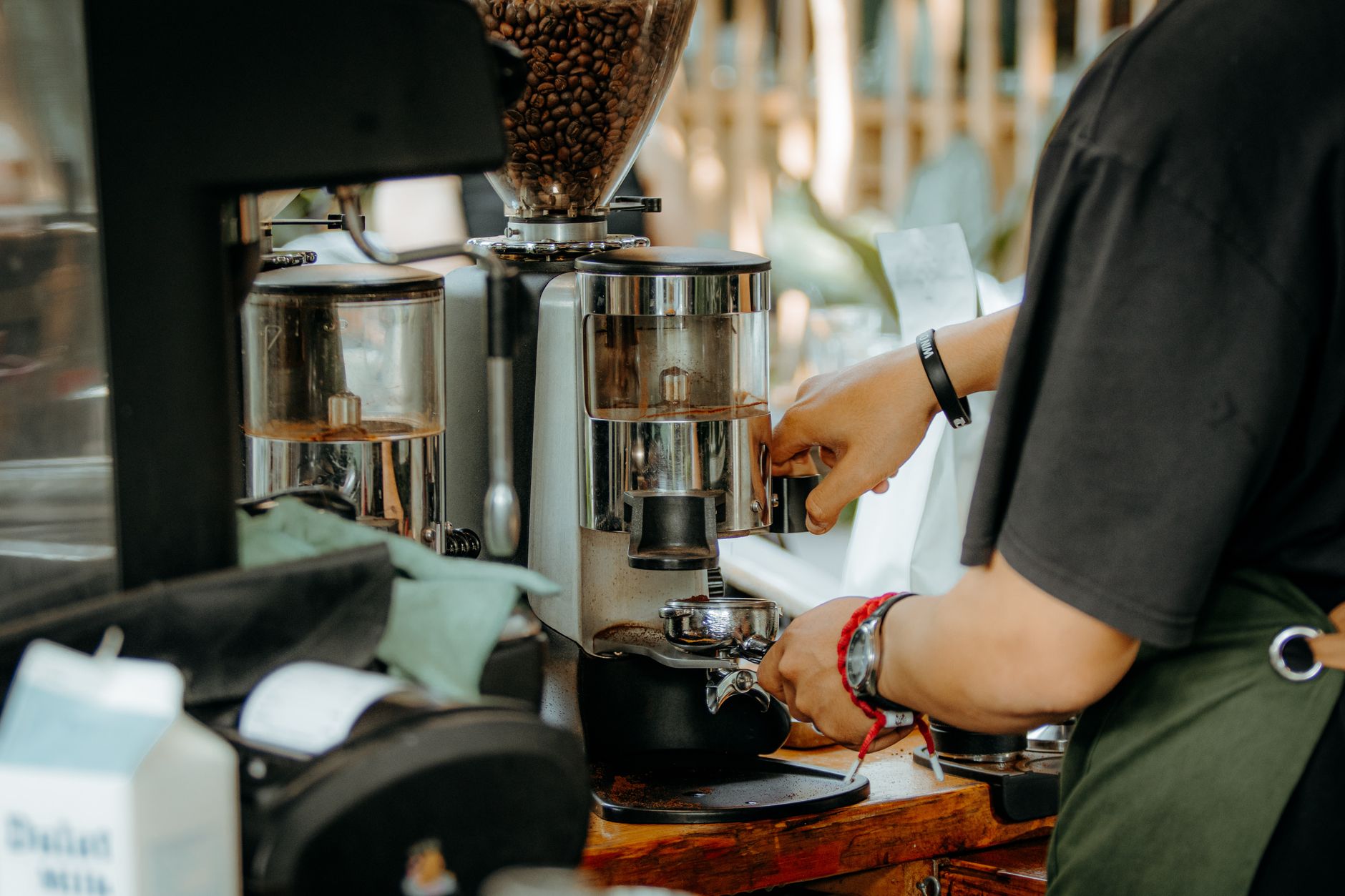 Photo: 🇻🇳🇻🇳Nguyễn Tiến Thịnh 🇻🇳🇻🇳 via Pexels
Mazzer’s heritage is commercial espresso. The Philos is essentially their answer to the question: “What if we made a Niche Zero, but with our quality control?” Retention is exceptional — often under 0.05g in testing — and the build feels like it’ll outlast its owner.
The price (~$1,100) is the obvious friction point. For that money, you’re paying for provenance, build quality, and a grind profile that pulls exceptional espresso with minimal fuss.
Verdict: Best for espresso purists who want conical performance, commercial build quality, and don’t want to think about burr upgrades.
Timemore Sculptor 064S — Variable RPM Value
The Sculptor 064S is Timemore’s serious entry into the prosumer space. Variable RPM (300–1400) lets you tune the grind character: slow for aromatic preservation, fast for workflow efficiency. At ~$400 for 64mm flat burrs with <0.2g retention, it punches above its category.
Timemore has built a reputation on value and the 064S continues that. The main limitation compared to the Lagom or DF64 is a smaller aftermarket ecosystem — fewer burr swap options, smaller modding community. But out of the box, it competes.
Verdict: Best for someone who wants variable RPM flexibility without paying Lagom prices.
Buying Guide: How to Choose
Conical vs. Flat Burrs
Conical burrs (Niche, Philos) tend toward sweeter, fuller-bodied espresso with slightly more texture. Flat burrs (DF64, P64, Sculptor) tend toward clarity, separation, and origin transparency. Neither is objectively better — it’s a flavor preference.
RPM and Heat
Lower RPM = less heat = better preservation of volatile aromatics. For light roasts and single origins, this matters. For dark roasts or milk drinks, it’s less critical.
Retention Matters More Than You Think
Even 1g of retained grounds means your first shot after a switch to new beans is ~5% stale. For everyday espresso with one bag, it’s minor. For dialing in and rotating beans, it compounds quickly.
→ See Also
- The Complete Coffee Grinder Guide (2026)
- Burr vs Blade Grinder: Why It Matters for Your Coffee
- Best Coffee Grinders Under $100 (2026)
FAQ
What does “single dose” mean for an espresso grinder? Single dose means you load only the beans you need for one or two shots directly into the grinder — typically via a small funnel or magnetic cup — rather than filling a large hopper. This eliminates stale retention and lets you switch beans between shots without waste.
Is the Niche Zero still worth buying in 2026? Yes. Newer flat burr options offer more analytical clarity, but the Niche Zero’s workflow, retention, and flavor profile remain competitive. It’s been the default recommendation for years because it delivers consistent results without demanding obsessive technique.
What’s grinder retention and why does it matter for single dose? Retention is the ground coffee that stays inside the grinder after a grind cycle — stuck in the burr chamber, chute, or throat. High-retention grinders waste coffee and contaminate the next grind with stale grounds. Single dose grinders are specifically engineered to minimize retention, typically below 0.3g.
Can I use a single dose grinder for filter coffee too? Most single dose espresso grinders cover the full grind range — espresso through French press. The Niche Zero, DF64, and Lagom P64 all produce excellent filter grinds. Burr geometry and RPM affect the flavor character across the range, but all of these handle both brew methods well.
What is WDT and do I need it with a single dose grinder? WDT (Weiss Distribution Technique) uses a fine needle tool to break up clumps in the ground coffee before tamping, improving extraction evenness. It’s more important with grinders that produce more fines or static — like the Niche Zero — and less critical with flat burr grinders that distribute more evenly. A $10 WDT tool paired with any grinder on this list is worth adding to your workflow.
Is a $300 single dose grinder good enough for espresso? The DF64 Gen 2 at ~$320 produces espresso that most people — including experienced baristas — cannot reliably distinguish from a $700 grinder in blind tasting. Where the more expensive grinders earn their price: build quality longevity, lower noise, better ergonomics, and headroom for burr upgrades.
Editorial methodology: Assessments are based on manufacturer specifications, published user reviews, and editorial research. Physical hands-on testing is noted explicitly where it occurred. Rankings reflect our editorial judgment and are not influenced by affiliate commission rates. Full editorial policy · Affiliate disclosure