Contents
Best Budget Espresso Machines That Actually Work
TL;DR: The best budget espresso machines deliver real espresso — 9 bars of pressure, proper extraction, and usable steam — without the $500+ price tag. The Breville Bambino
What Makes a Budget Espresso Machine Actually Worth Buying
Direct answer: A machine worth buying at any price produces 9 bars of stable pressure, heats fast enough to pull back-to-back shots, and includes a portafilter you can use with aftermarket baskets. At the budget tier, skip anything under $100 — those are steam-pressure toy machines, not espresso makers.
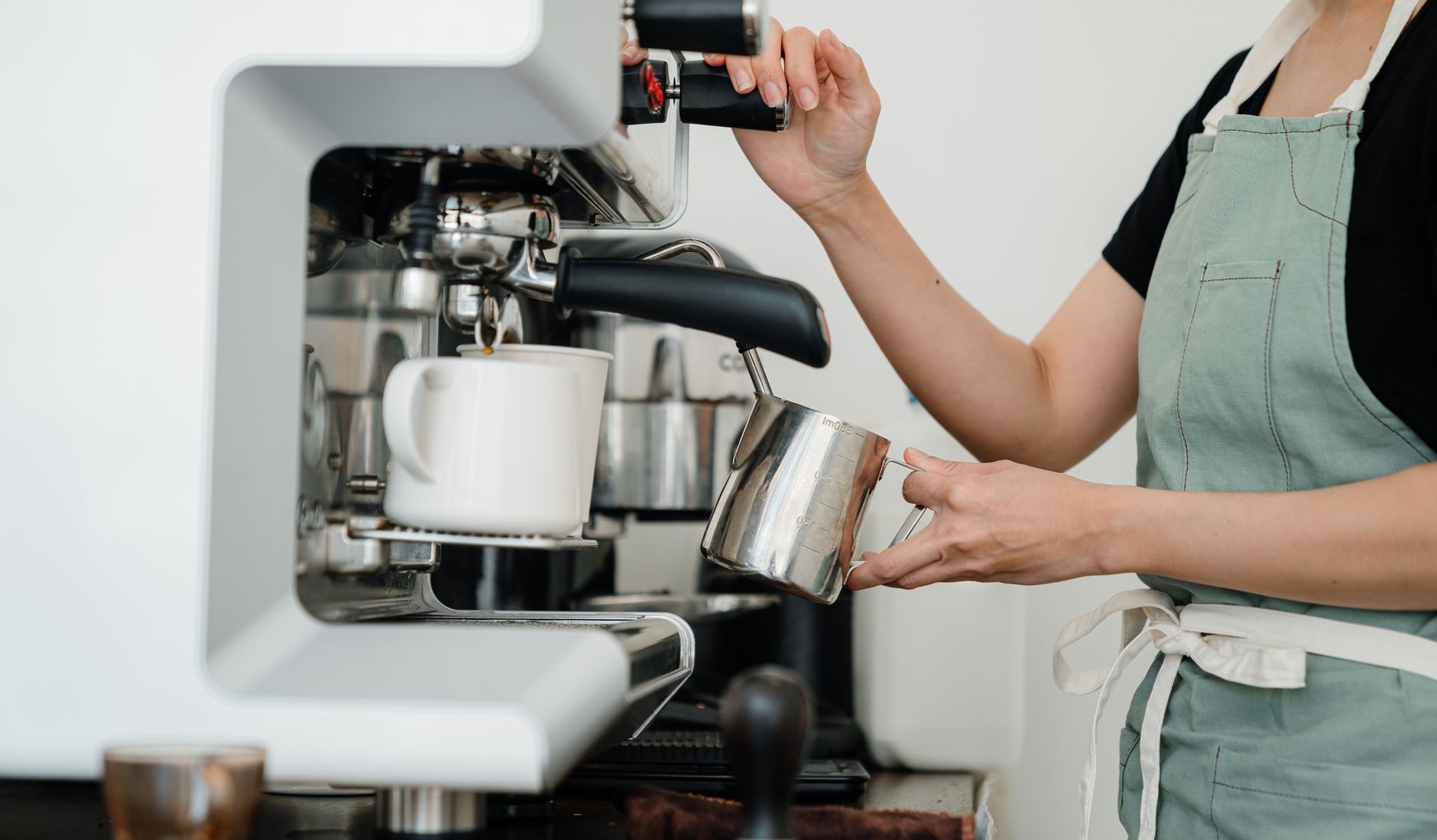
 Photo: Hannoversche Kaffeemanufaktur via Pexels
Three things separate real budget espresso from overpriced brown water:
- Pump type: Vibratory pumps are standard at this price point and fine. Avoid “steam pressure” machines — they cap at 3–4 bars, which brews dark coffee, not espresso.
- Boiler vs. thermocoil vs. thermojet: Single boilers mean you wait between brewing and steaming. Thermojet (Breville’s tech) or fast-heat thermocoils cut that wait to under 10 seconds.
- Portafilter size: 51mm is the budget norm. It works, but 54mm+ baskets give you more room to dial in dose and distribution.
Best Budget Espresso Machines: Our Top Picks
Direct answer: Based on documented performance data and aggregated user reviews, the Breville Bambino leads the budget category outright. The Gaggia Classic Pro
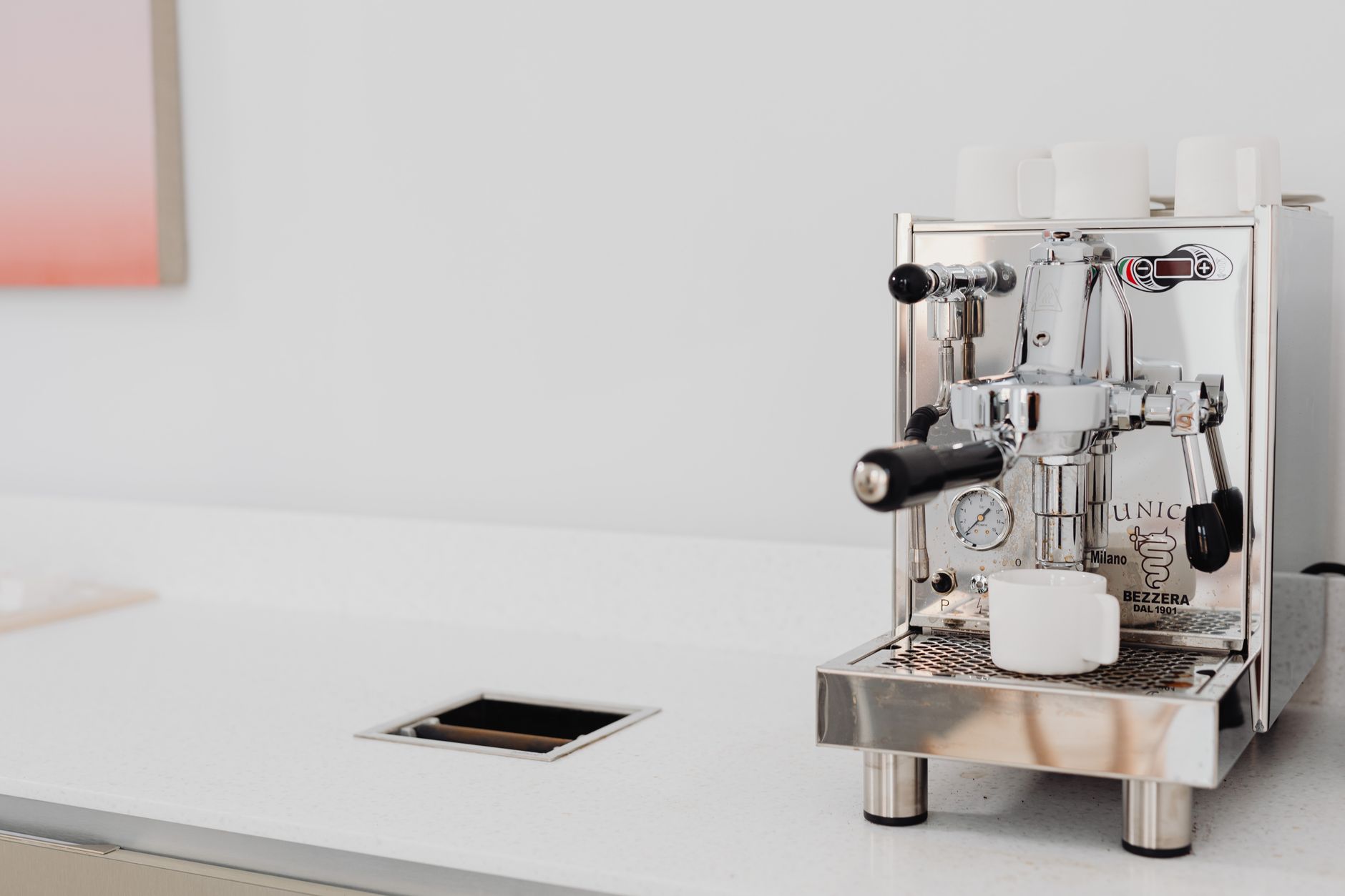
 Photo: Chris F via Pexels
Breville Bambino — Best Overall Budget Pick
The Bambino hits a rare sweet spot: it’s fast (3-second heat-up via thermojet), compact, and pulls espresso that competes with machines twice the price when paired with a decent grinder.
Specs:
| Feature | Detail |
|---|---|
| Boiler type | Thermojet (single) |
| Portafilter size | 54mm |
| PID | No (but stable temp) |
| Pump type | Vibratory (15 bar rated, 9 bar extraction) |
| Dimensions | 7.7“ W × 12.4“ H × 12.2“ D |
The auto-purge after steaming keeps brew temp accurate without manual flushing. The steam wand is restricted but produces microfoam good enough for latte art with practice. It does not have a PID, but temperature consistency in real-world use is tight.
Who it’s for: Anyone who wants real espresso at home without a barista certification or a grinder that costs more than the machine.
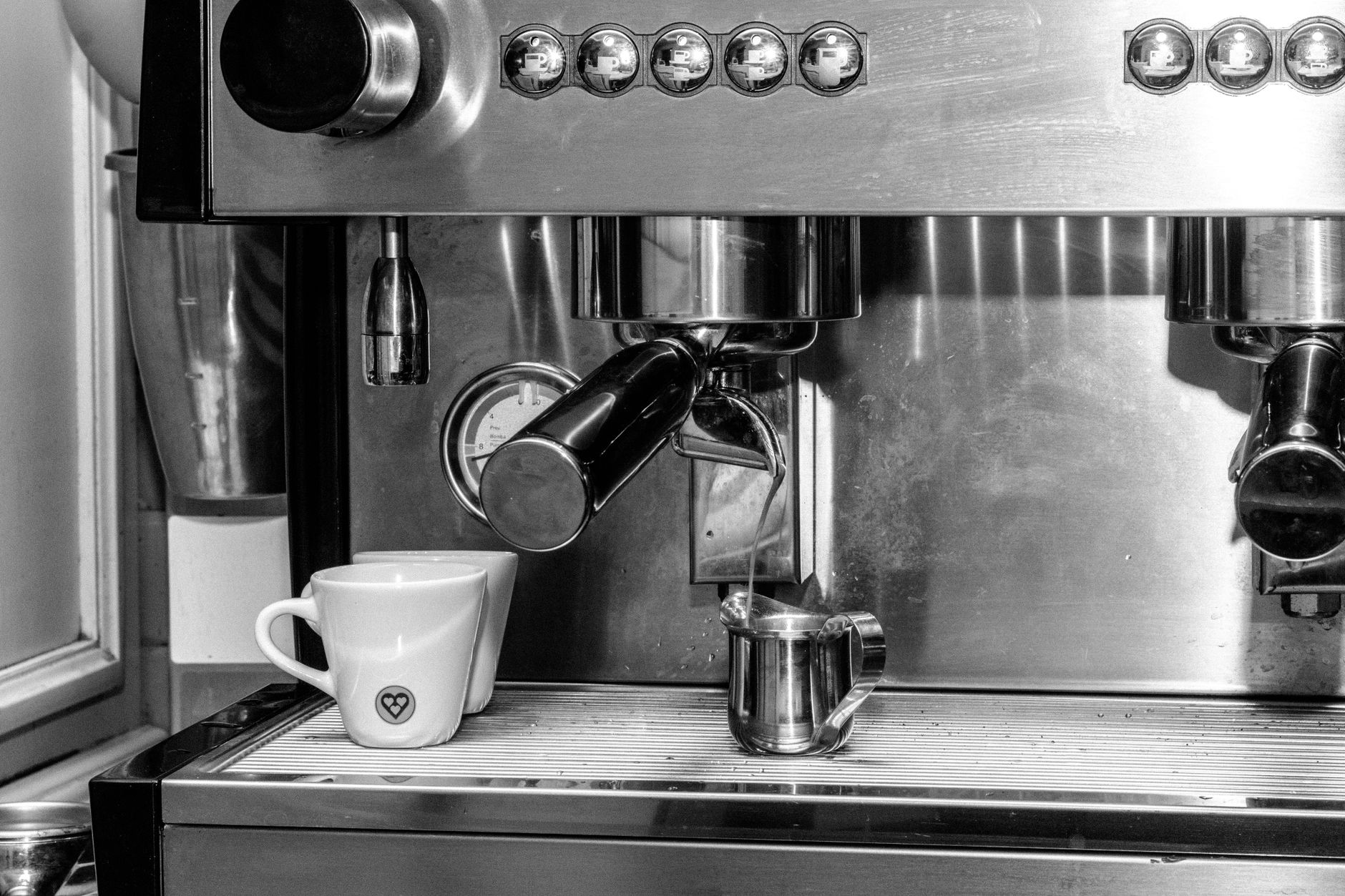
 Photo: cottonbro studio via Pexels
Gaggia Classic Pro — Best Budget Machine for the Long Game
The Gaggia Classic Pro
Specs:
| Feature | Detail |
|---|---|
| Boiler type | Single aluminum boiler |
| Portafilter size | 58mm (commercial standard) |
| PID | No (stock) — PID mod is ~$60 |
| Pump type | Vibratory |
| Dimensions | 8“ W × 14.2“ H × 9.5“ D |
The 58mm portafilter means every aftermarket basket, distributor, and tamper fits. The boiler takes 5–8 minutes to stabilize, and the steam wand requires proper technique — this machine rewards skill. Stock, it runs hot; the PID mod is worth doing within the first year.
Who it’s for: Someone who plans to stick with espresso long-term and wants a machine they can tune, upgrade, and still use in five years.
DeLonghi Dedica EC685 — Best Under $200
The Dedica
Specs:
| Feature | Detail |
|---|---|
| Boiler type | Thermoblock |
| Portafilter size | 51mm |
| PID | No |
| Pump type | Vibratory |
| Dimensions | 6“ W × 13“ H × 9“ D |
Steam performance is adequate for cappuccinos. Don’t expect barista-quality microfoam — the wand tips are restrictive by design.
Who it’s for: Beginners who want real espresso without spending more than $200, or anyone tight on counter space.
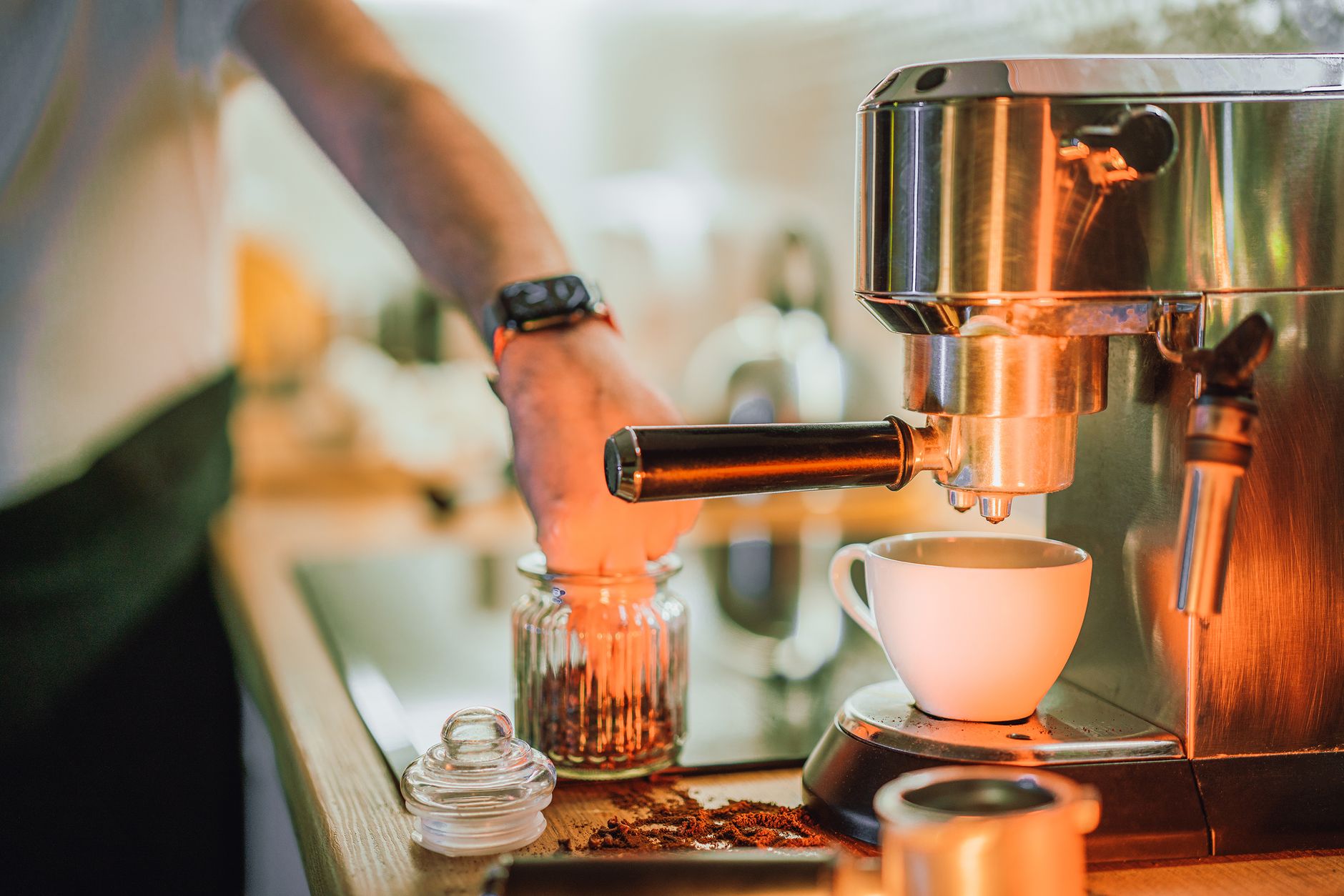
 Photo: Ketut Subiyanto via Pexels
Full Comparison: Best Budget Espresso Machines
| Machine | Price | Boiler | Portafilter | PID | Best For |
|---|---|---|---|---|---|
| Breville Bambino | ~$300 | Thermojet | 54mm | No | Best overall pick |
| Gaggia Classic Pro | ~$450 | Single | 58mm | No (moddable) | Long-term investment |
| DeLonghi Dedica EC685 | ~$170 | Thermoblock | 51mm | No | Under $200 |
| Breville Bambino Plus | ~$500 | Thermojet | 54mm | No | Auto milk texturing |
| Nespresso Vertuo Plus | ~$150 | — | Capsule | — | Convenience over craft |
Nespresso included for reference — it’s not espresso by strict definition (no portafilter, proprietary capsules), but it’s the honest answer for anyone who doesn’t want to grind.
What to Look for When Buying a Budget Espresso Machine
Pressure and Pump
Direct answer: All machines in this guide use vibratory pumps rated at 15 bar but regulated to 9 bar at the group head. That’s correct. Any machine advertising “15-bar espresso” without a pressure regulator is marketing, not engineering.
OPV (over-pressure valve) mods on machines like the Gaggia Classic Pro let you manually set extraction pressure to 9 bar. Stock, it over-extracts slightly. The mod costs $15–$40 and takes 20 minutes.
Grinder Pairing
The machine is not the bottleneck — your grinder is. A $300 Bambino with a $50 blade grinder will produce worse espresso than a $170 Dedica with a $150 burr grinder.
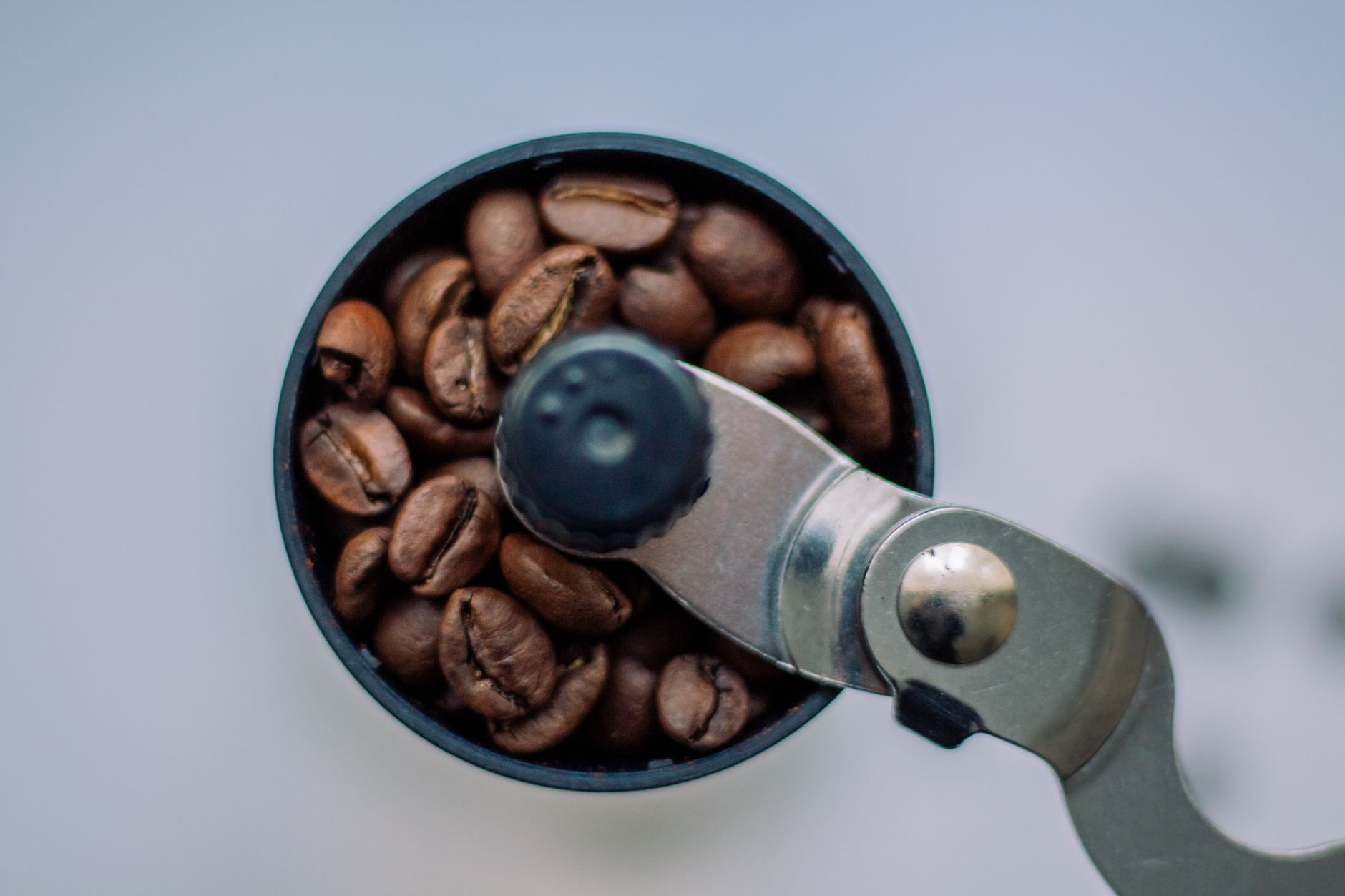 Photo: Sedanur Kunuk via Pexels
Minimum recommended grinders for these machines:
- Baratza Encore ESP (~$200): entry-level burr, espresso-capable with adjustment
- DF54 (~$200): single-dose flat burr, punches well above price
- Timemore Sculptor 064 (~$250): current best-value at this tier
You don’t need to spend $400 on a grinder to get good espresso from a budget machine. But you do need a burr grinder — no exceptions.
Milk Steaming
| Machine | Steam Type | Microfoam Quality | Latte Art Possible? |
|---|---|---|---|
| Breville Bambino | Auto (restricted wand) | Decent | With practice |
| Gaggia Classic Pro | Manual (dry steam) | Good–Excellent | Yes |
| DeLonghi Dedica | Manual (restricted) | Adequate | Difficult |
| Breville Bambino Plus | Auto (4-hole wand) | Very good | Yes |
Verdict by User Type
Milk drinker (lattes, cappuccinos): Breville Bambino or Bambino Plus. The auto-texturing produces consistent, usable foam without technique. The Gaggia’s steam is superior but requires learning.
Espresso purist (straight shots, no milk): Gaggia Classic Pro. The 58mm portafilter, 3-way solenoid, and moddability make it the most capable machine in this price range for dialing in extraction.
Convenience-first: DeLonghi Dedica if you want a real machine, or Nespresso if consistency and no-fuss are the only requirements. Nespresso Vertuo pulls consistent results from capsules — it’s not real espresso, but it’s honest about that.
→ See also:
- The Complete Guide to Espresso Machines (2026)
- Best Espresso Machine Under $200 (2026)
- Best Espresso Machine Under $500 (2026)
FAQ
What is the best budget espresso machine for beginners? The Breville Bambino. It heats in 3 seconds, pulls consistent shots with the included pressure basket, and doesn’t demand a learning curve. Pair it with a burr grinder and you’ll outpull most café chains within a week.
Can you make good espresso for under $200? Yes, but with caveats. The DeLonghi Dedica EC685 produces genuine espresso — 9 bars, proper extraction — with an aftermarket non-pressurized basket. The stock pressurized basket hides grind flaws; swap it out and invest the savings in a decent burr grinder.
Is a $100 espresso machine worth it? No. Under $100, you’re buying a steam-pressure machine that tops out at 3–4 bars. Real espresso requires sustained 9 bars. These machines produce a bitter, under-extracted coffee that looks like espresso but isn’t. The $170 Dedica is the honest floor.
Does the Gaggia Classic Pro need a PID? Stock, the Gaggia Classic Pro runs hot (~200–205°F) and temperature-surfs between shots. It’s drinkable without a PID but noticeably more consistent with one. The Auber PID install is well-documented and worth doing if you’re pulling daily.
What grinder should I buy with a budget espresso machine? The Baratza Encore ESP (~$200) is the reliable entry point. If you want better single-dose workflow, the Timemore Sculptor 064 or DF54 (both ~$200–$250) outperform it. Avoid any grinder under $100 for espresso — blade grinders and cheap burr grinders produce uneven particle size that no machine can compensate for.
How long do budget espresso machines last? The Gaggia Classic Pro routinely runs 10+ years with basic maintenance (descaling, gasket replacement). The Breville Bambino is rated for lighter use; 3–5 years is realistic for a daily driver. The DeLonghi Dedica sits in between — the thermoblock can be replaced if it fails, and the machine is otherwise serviceable.
Editorial methodology: Assessments are based on manufacturer specifications, published user reviews, and editorial research. Physical hands-on testing is noted explicitly where it occurred. Rankings reflect our editorial judgment and are not influenced by affiliate commission rates. Full editorial policy · Affiliate disclosure