Contents
Americano vs Long Black: Are They the Same?
TL;DR: An americano and a long black are not the same drink. Both combine espresso and hot water, but the order of assembly flips them: americano adds water first, then espresso; long black pours espresso over hot water. That reversal preserves the crema on a long black and produces a slightly stronger, more aromatic cup.
 Photo: emmanuel Lozano via Pexels
What’s the Actual Difference?
Direct Answer: The only difference is assembly order. Americano = espresso poured into water. Long black = espresso poured over water. Long black retains crema and tastes bolder; americano disperses crema and drinks slightly softer. Same ingredients, meaningfully different result in the cup.
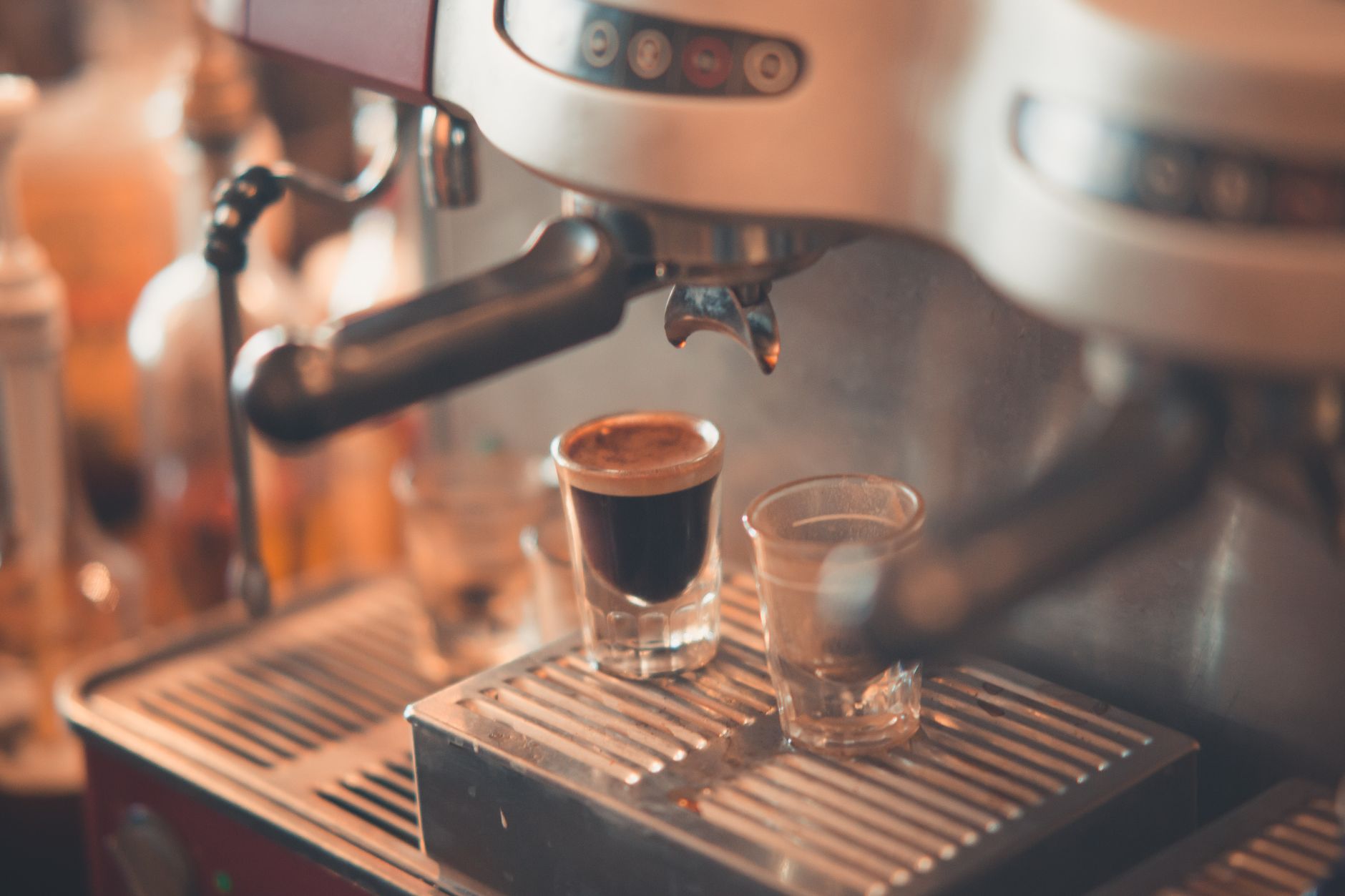 Photo: Craig Adderley via Pexels
Assembly Order Changes Everything
Pour espresso into water and the force of the liquid breaks up the crema immediately. You get a uniform, mellow coffee with minimal foam on top. That’s your americano.
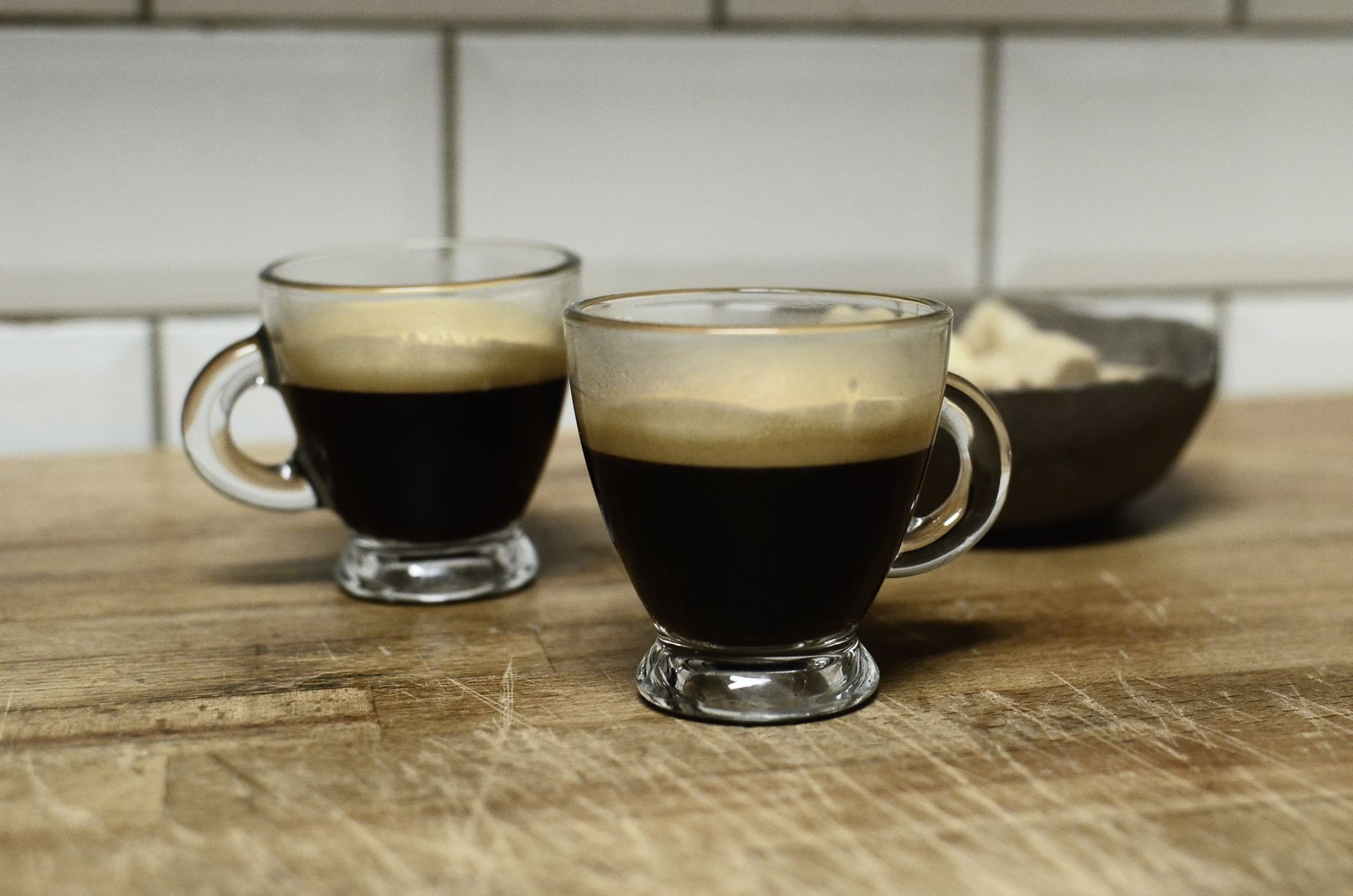
Pour hot water into a glass first, then place a double ristretto or double espresso on top, and the crema floats. It stays intact as a golden-brown layer, concentrating aroma at the surface with every sip. That’s your long black.
The long black also uses less water — typically 100–120 ml versus 150–180 ml for an americano — so the espresso-to-water ratio is higher. You taste more coffee character.
Temperature and Dilution
Americano is usually made with near-boiling water directly from an espresso machine’s hot water wand. Long black is often made with water just off the boil (around 90–94 °C) to protect the espresso’s flavor from thermal shock when the shot lands.
Dilution follows: americano is softer, rounder, and lower in perceived intensity. Long black is crisper, stronger, and more aromatic by default.
Origins: Where Did Each Come From?
Direct Answer: The americano was born in WWII-era Italy, where American soldiers diluted espresso to approximate filter coffee. The long black is an Australasian invention — standard in Australian and New Zealand specialty cafés — where the local espresso culture demanded a longer drink without sacrificing the shot.
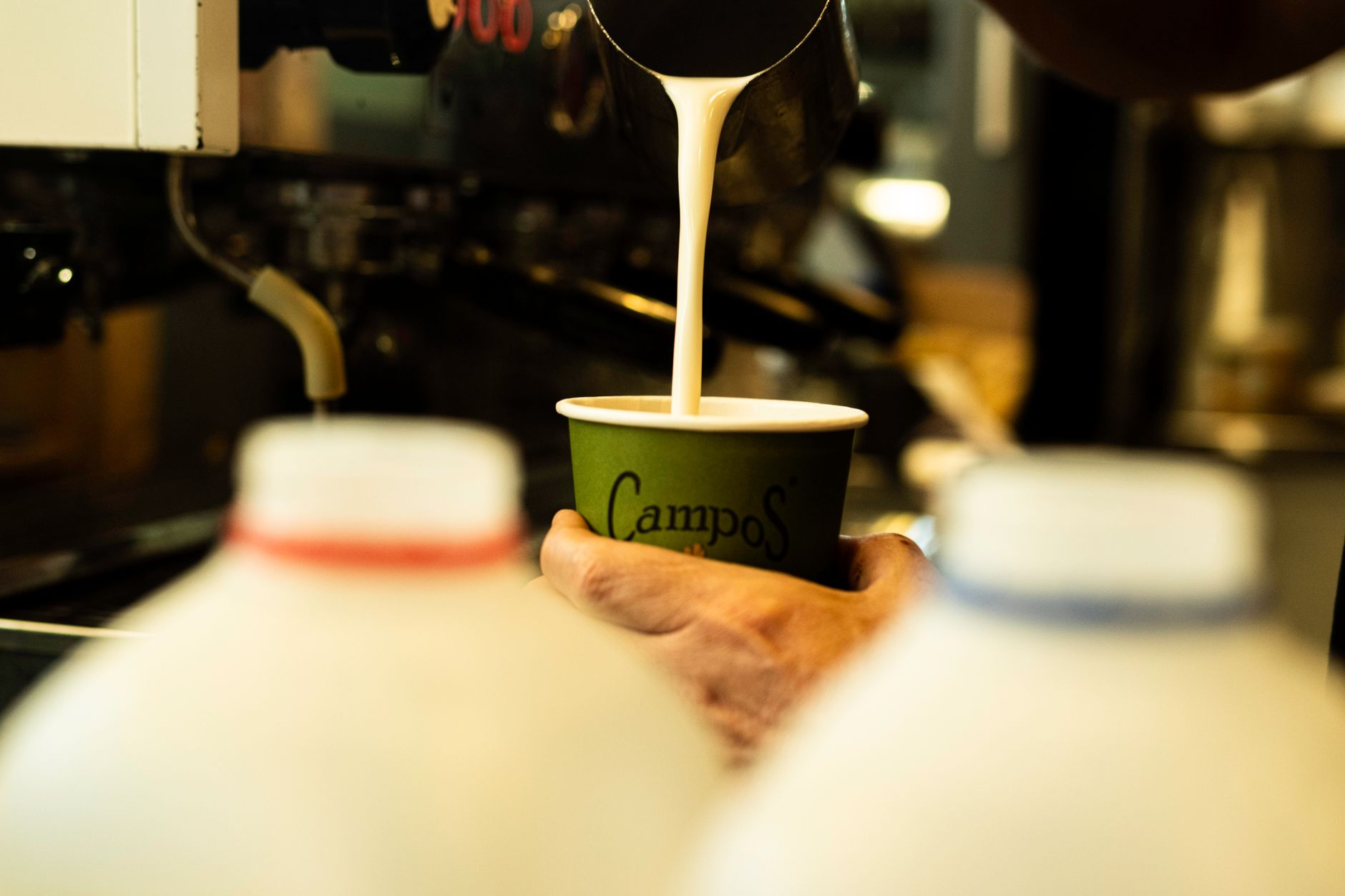 Photo: Nate Biddle via Pexels
The americano became the default “long espresso drink” across Europe and North America. The long black remained niche outside Australasia until the third-wave coffee movement exported it globally. Many specialty cafés now offer both and draw a clear line between them on the menu.
Americano vs Long Black: Quick Comparison
| Americano | Long Black | |
|---|---|---|
| Assembly | Espresso poured into water | Espresso poured over water |
| Water volume | 150–180 ml | 100–120 ml |
| Crema | Dispersed, mostly gone | Intact, floating |
| Strength | Moderate | Stronger |
| Flavor profile | Round, mellow | Bold, aromatic |
| Origin | Italy (WWII-era) | Australia/New Zealand |
| Typical espresso base | Single or double | Double ristretto or double |
Which One Should You Order?
Direct Answer: Order a long black if you want to taste the espresso clearly — its acidity, sweetness, and aromatics intact. Order an americano if you want a softer, more background-coffee drink, or if you’re adding milk or sugar.
At a specialty café, the long black is the better showcase for high-quality single-origin espresso. The crema on top tells you the shot was fresh and the barista assembled it correctly. A broken, grey surface is a red flag regardless of what the menu says.
At a chain or diner, the distinction rarely matters because the espresso base is the same either way.
Making Them at Home
Both drinks require a capable espresso machine. For a long black specifically, the double ristretto base — pulled shorter and more concentrated than a standard double — rewards a grinder with precise adjustment.
The Baratza Encore
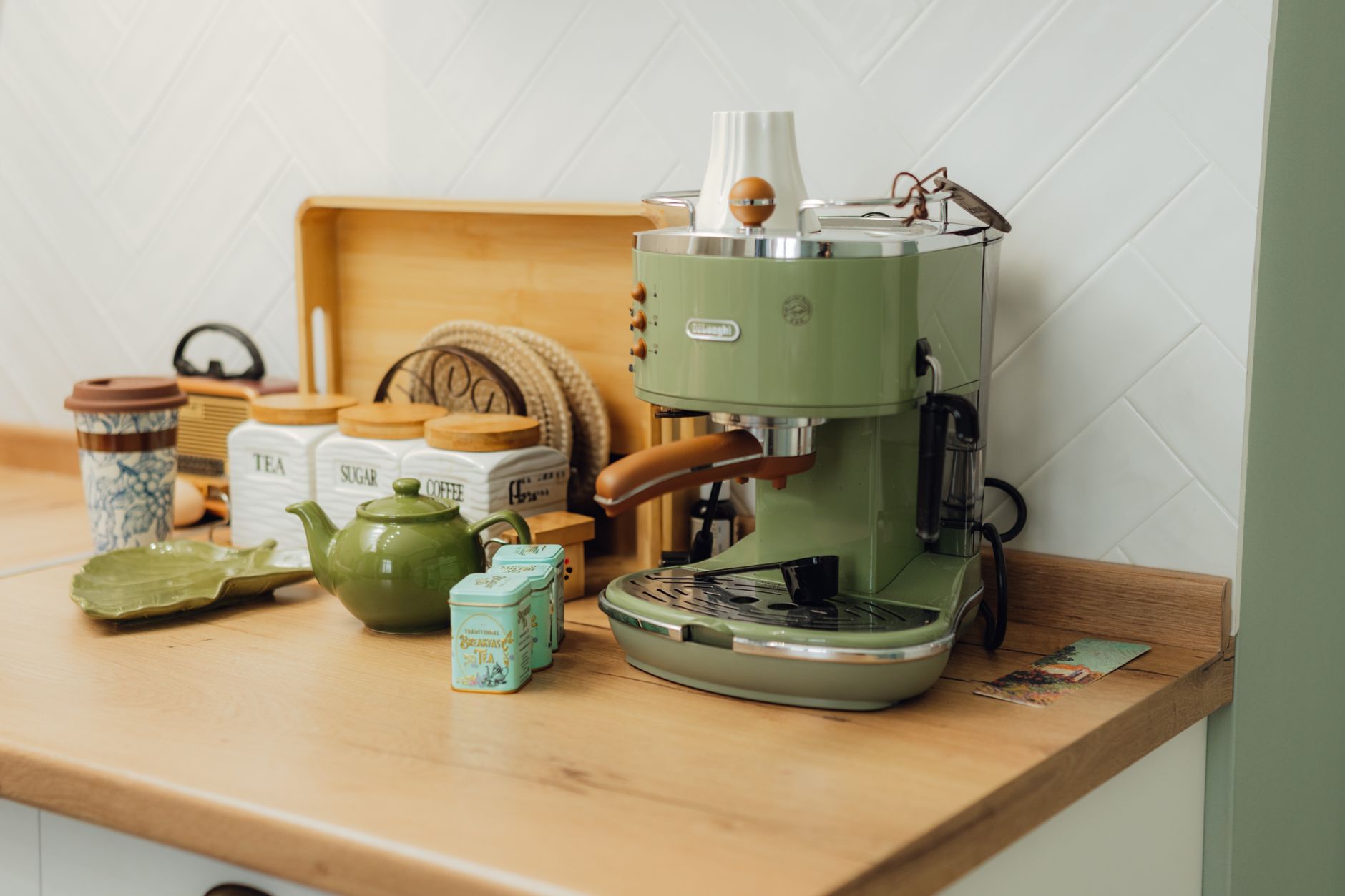 Photo: Seljan Salimova via Pexels
Water temperature matters more for long blacks at home than in a café. Heat your cup with hot water first, discard it, add your measured water (90–93 °C), then pull the shot directly over it. A gooseneck kettle with temperature control gives you repeatability.
→ See also:
- Espresso Drinks: The Complete Guide to Every Type
- What Is a Cortado? (And How It Differs From a Macchiato)
- Cortado vs Flat White vs Macchiato: Full Comparison
FAQ
Is a long black stronger than an americano? Yes, in practice. Long blacks use less water (100–120 ml vs 150–180 ml) and typically a ristretto base, so the coffee-to-water ratio is higher. The intact crema also concentrates aroma, making it taste more intense even at the same dilution ratio.
Can I make a long black with any espresso machine? Yes, as long as it pulls a proper espresso shot. The key is adding hot water to the cup before pulling the shot, not after. Most home machines have a hot water wand you can use to pre-heat the cup and add the base water.
Does the order of water and espresso affect caffeine? No. Caffeine content is determined by the espresso dose, grind size, and extraction — not assembly order. A double espresso gives the same caffeine whether it goes into water or water goes into it.
Why do specialty cafés prefer long blacks over americanos? Intact crema signals a fresh, well-pulled shot and protects the aromatic compounds at the surface. It’s a quality indicator that matters to specialty coffee culture. Americanos blend everything together, making it harder to assess shot quality by sight.
What’s the difference between a long black and a black Americano? “Black americano” just means an americano without milk — which is already the default. It’s not the same as a long black. The assembly difference remains: americano is espresso-into-water, long black is espresso-over-water.
Is a lungo the same as a long black? No. A lungo is espresso extracted with more water pushed through the puck — a longer pull. A long black is a normal or ristretto shot placed over hot water. Lungos tend toward bitterness from over-extraction; long blacks retain the shot’s original flavor profile.
Editorial methodology: Assessments are based on manufacturer specifications, published user reviews, and editorial research. Physical hands-on testing is noted explicitly where it occurred. Rankings reflect our editorial judgment and are not influenced by affiliate commission rates. Full editorial policy · Affiliate disclosure