Contents
Yirgacheffe Coffee Guide: Ethiopia’s Most Famous Region
TL;DR: Yirgacheffe coffee comes from a small district in southern Ethiopia’s Gedeo Zone, grown at 1,700–2,200 MASL. It’s the benchmark for floral, tea-like naturals and jasmine-forward washed coffees. If you want one Ethiopian region to know, this is it.
What Is Yirgacheffe Coffee?
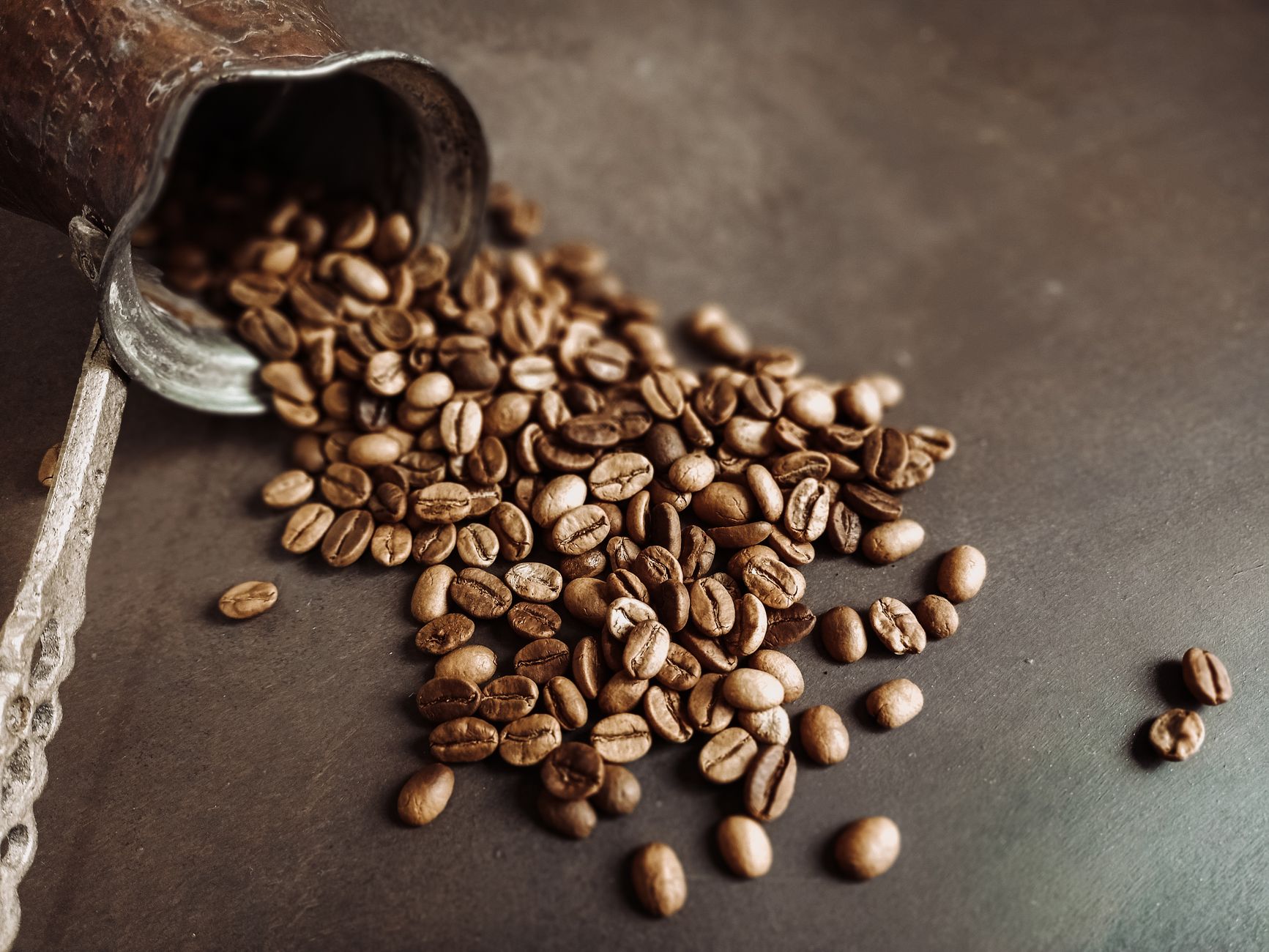
Yirgacheffe is a woreda (district) within the larger Sidama zone, producing some of the world’s most distinctive coffees. The high altitude, heirloom varieties, and traditional wet-milling infrastructure combine to create a flavor profile no other region reliably replicates: bergamot, jasmine, stone fruit, and lemon zest in a tea-weight body.
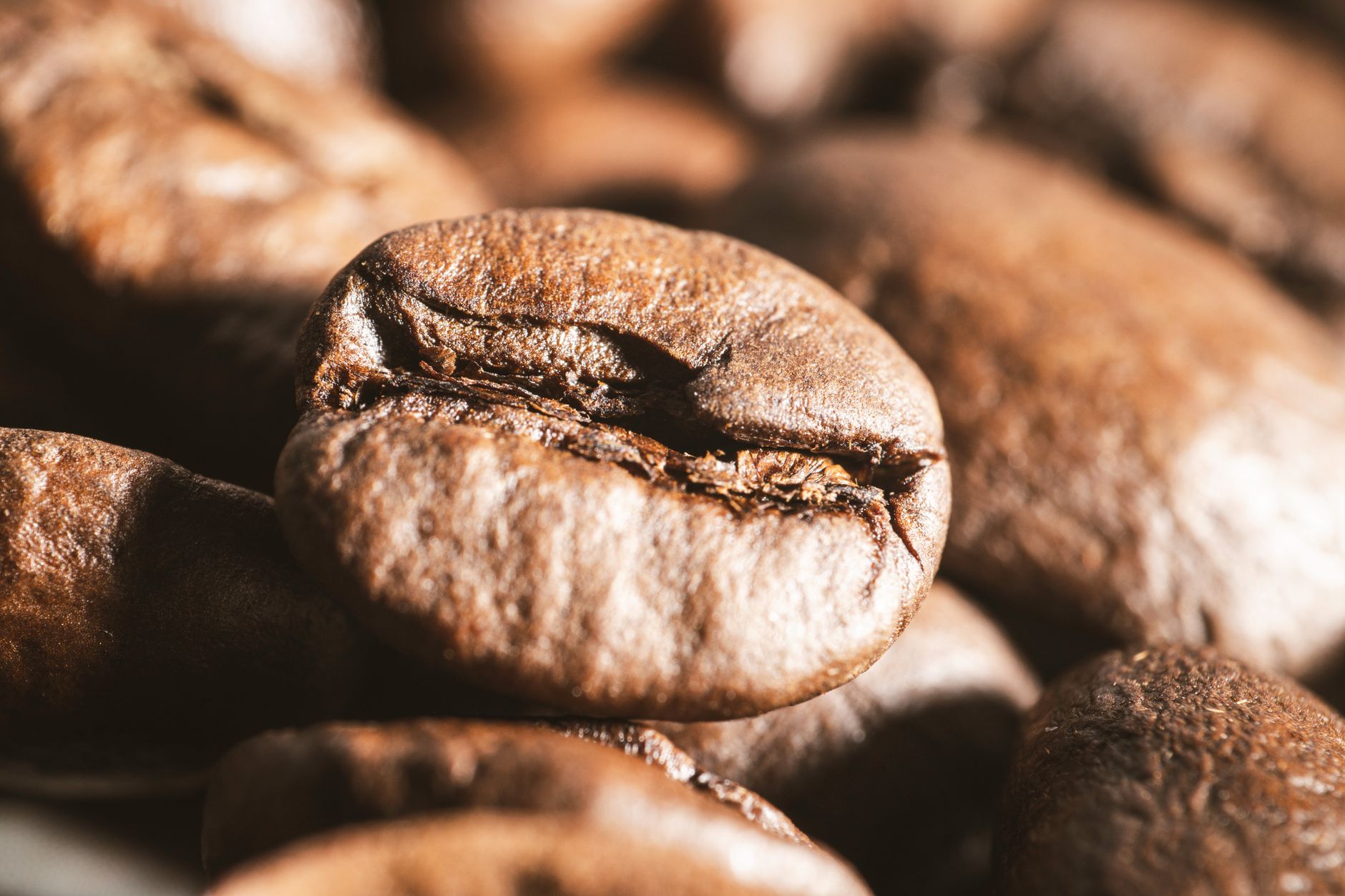 Photo: Patrick via Pexels
Yirgacheffe sits at the center of coffee’s genetic homeland. Wild Coffea arabica still grows in the forests here. Farmers cultivate hundreds of heirloom landraces — not selected varieties, but indigenous plants that have co-evolved with the local ecology for millennia. That genetic diversity is the foundation of the flavor.
The district produces both washed (wet-processed) and natural (dry-processed) coffees. Washed Yirgacheffe has the cleaner, more transparent floral and citrus character. Natural Yirgacheffe trades some clarity for fruit intensity — blueberry, grape, and wine-like fermentation notes over the jasmine base.
The Flavor Profile: What to Actually Expect
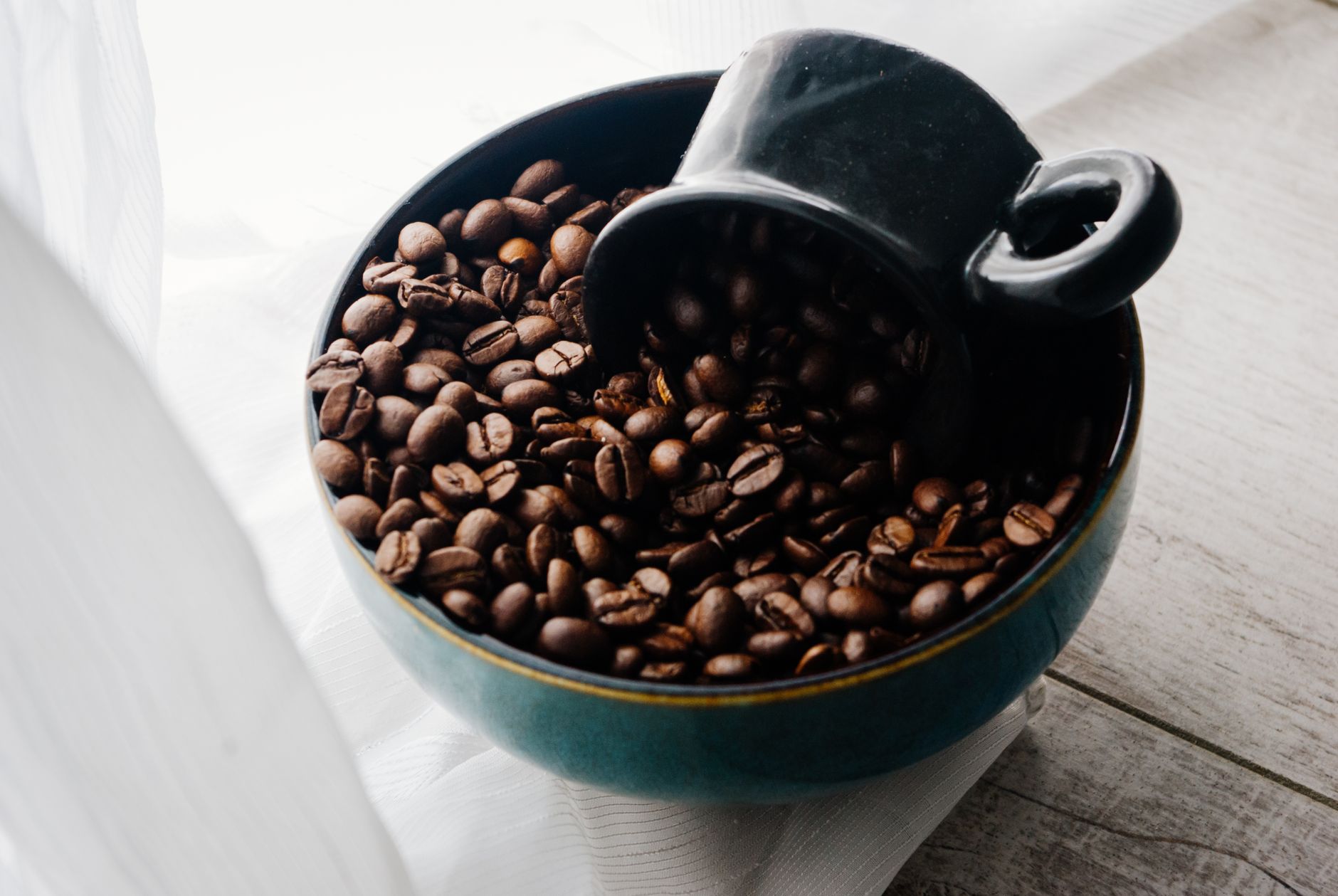
Washed Yirgacheffe delivers bergamot, jasmine, and lemon curd with a tea-weight body and bright, clean finish. Naturals from the same region run darker and fruitier — blueberry jam, dried apricot, hibiscus — with more body and a longer finish. The distinction matters when you’re buying.
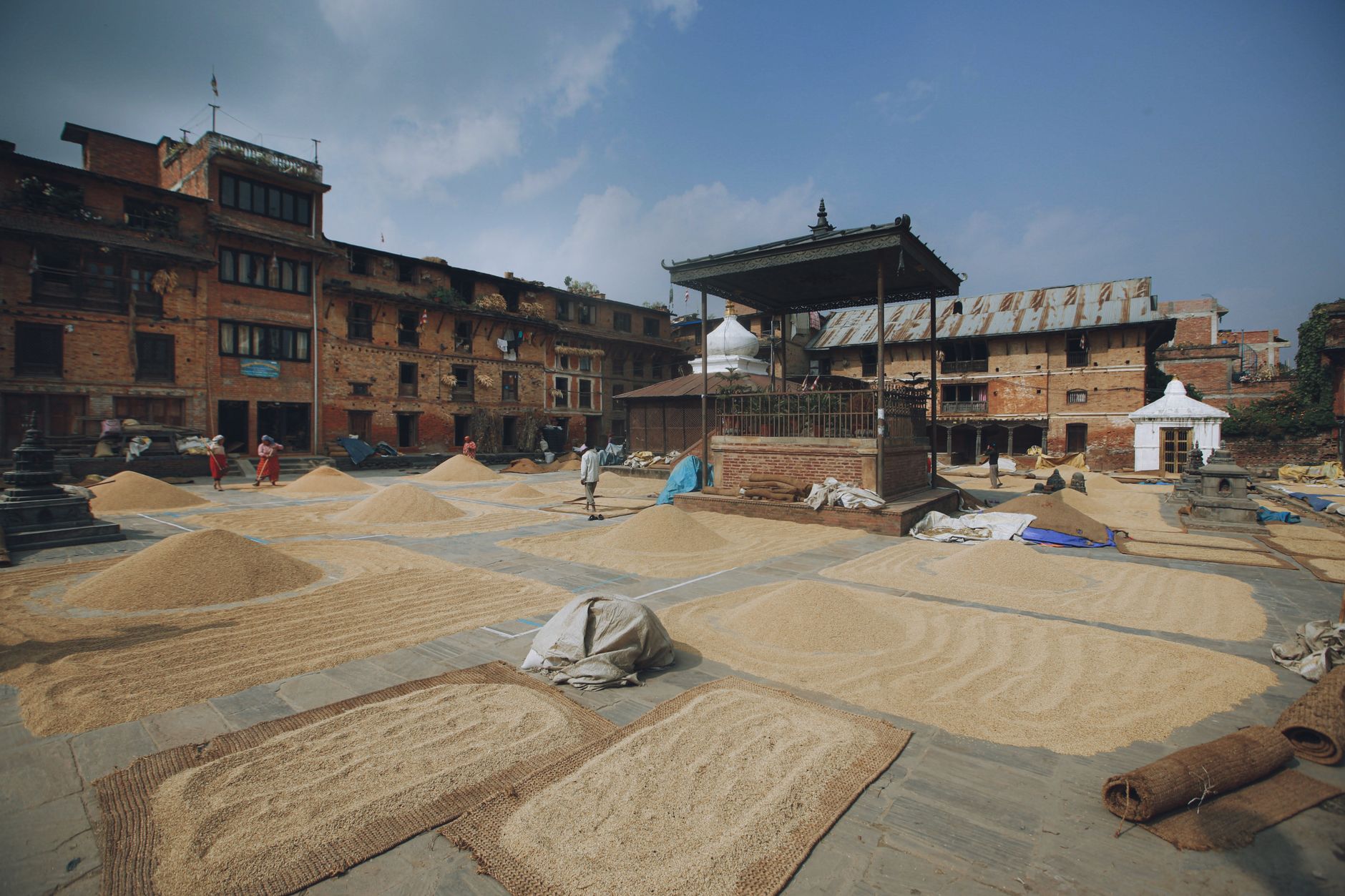 Photo: Mehmet Turgut Kirkgoz via Pexels
Roast level has an outsized effect here. Light roasts preserve the florals; anything past medium starts muting bergamot and bergamot and pushing the profile toward chocolate and nuts. Most specialty roasters selling Yirgacheffe stop at City+ (light-medium). If the bag says “dark roast Yirgacheffe,” the origin character is largely gone.
Washed vs. Natural: A Quick Comparison
| Attribute | Washed | Natural |
|---|---|---|
| Clarity | High — transparent florals | Lower — fruit masks terroir |
| Body | Light to medium | Medium to full |
| Dominant notes | Jasmine, bergamot, lemon | Blueberry, grape, hibiscus |
| Fermentation risk | Low | Higher — batch-dependent |
| Best brew method | Pour-over, Chemex | AeroPress, espresso |
Origins, Altitude, and Processing
Yirgacheffe’s altitude range — 1,700–2,200 MASL — forces slow cherry development that concentrates sugars and acids. Combined with the heirloom varieties and wet mills that have been operating for decades, it’s the most documented high-altitude origin in Africa.
Origin Data
| Country | Altitude (MASL) | Processing | Roast | Tasting Notes |
|---|---|---|---|---|
| Ethiopia (Yirgacheffe) | 1,700–2,200 | Washed | Light | Jasmine, bergamot, lemon curd, black tea |
| Ethiopia (Yirgacheffe) | 1,700–2,200 | Natural | Light-Medium | Blueberry, dried apricot, hibiscus, wine |
| Ethiopia (Sidama) | 1,500–2,200 | Washed | Light-Medium | Peach, floral, brown sugar |
| Ethiopia (Guji) | 1,800–2,400 | Natural | Light | Mango, tropical fruit, jasmine |
| Kenya (Nyeri) | 1,700–2,100 | Washed | Light | Blackcurrant, tomato, citric acid |
Guji and Sidama are the closest neighbors and reasonable alternatives when Yirgacheffe is out of season or over budget. Guji runs more tropical; Sidama runs warmer and rounder.
Brew Method Pairing
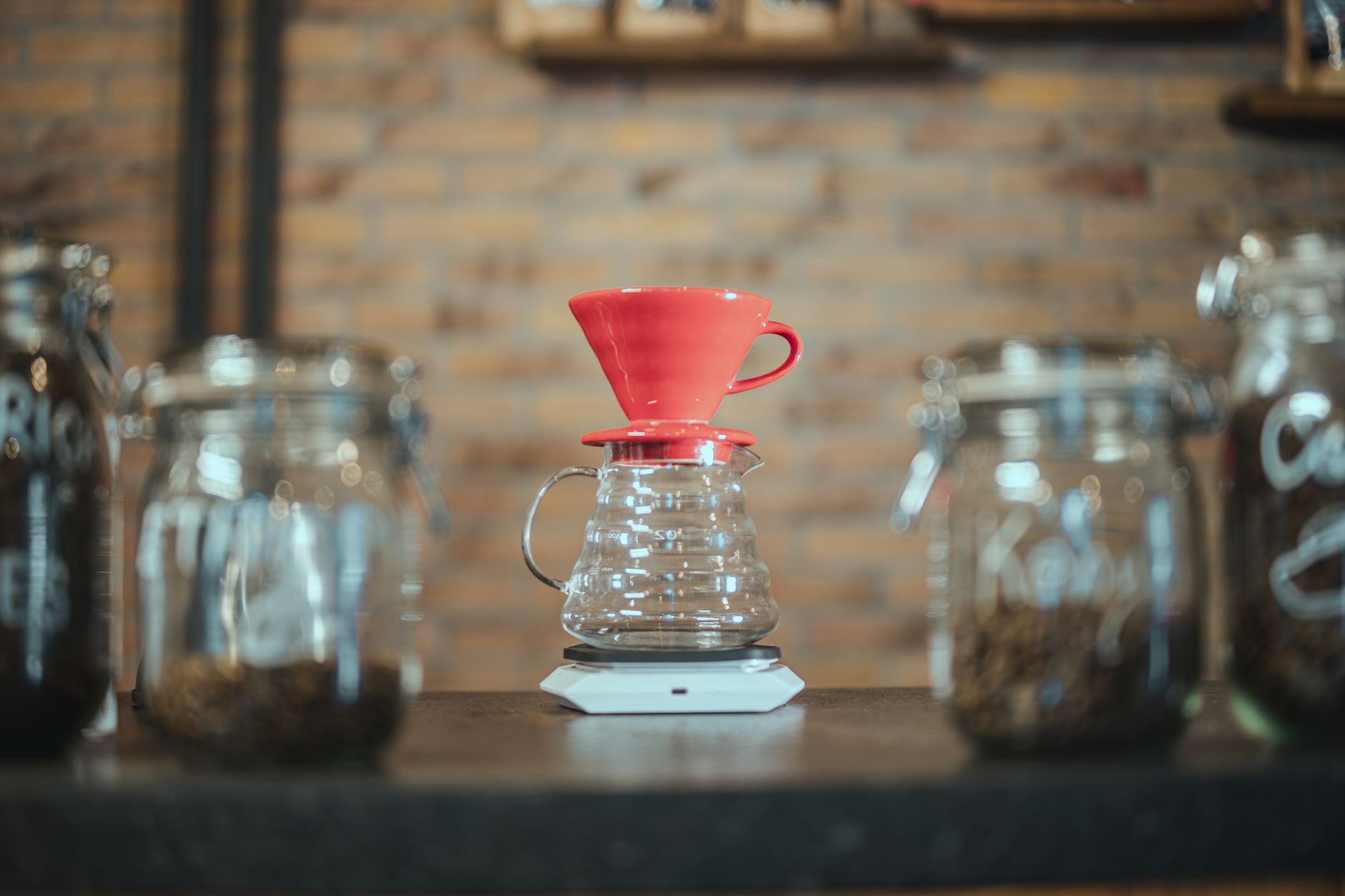
Pour-over (V60, Chemex, Kalita) is the standard choice for washed Yirgacheffe. The brew method’s clean extraction lets the florals come through without interference. Use a medium-fine grind, 93–94°C water, and a slow, even pour.
AeroPress handles naturals well — the pressure and shorter contact time tighten up the body without extracting harsh ferment notes.
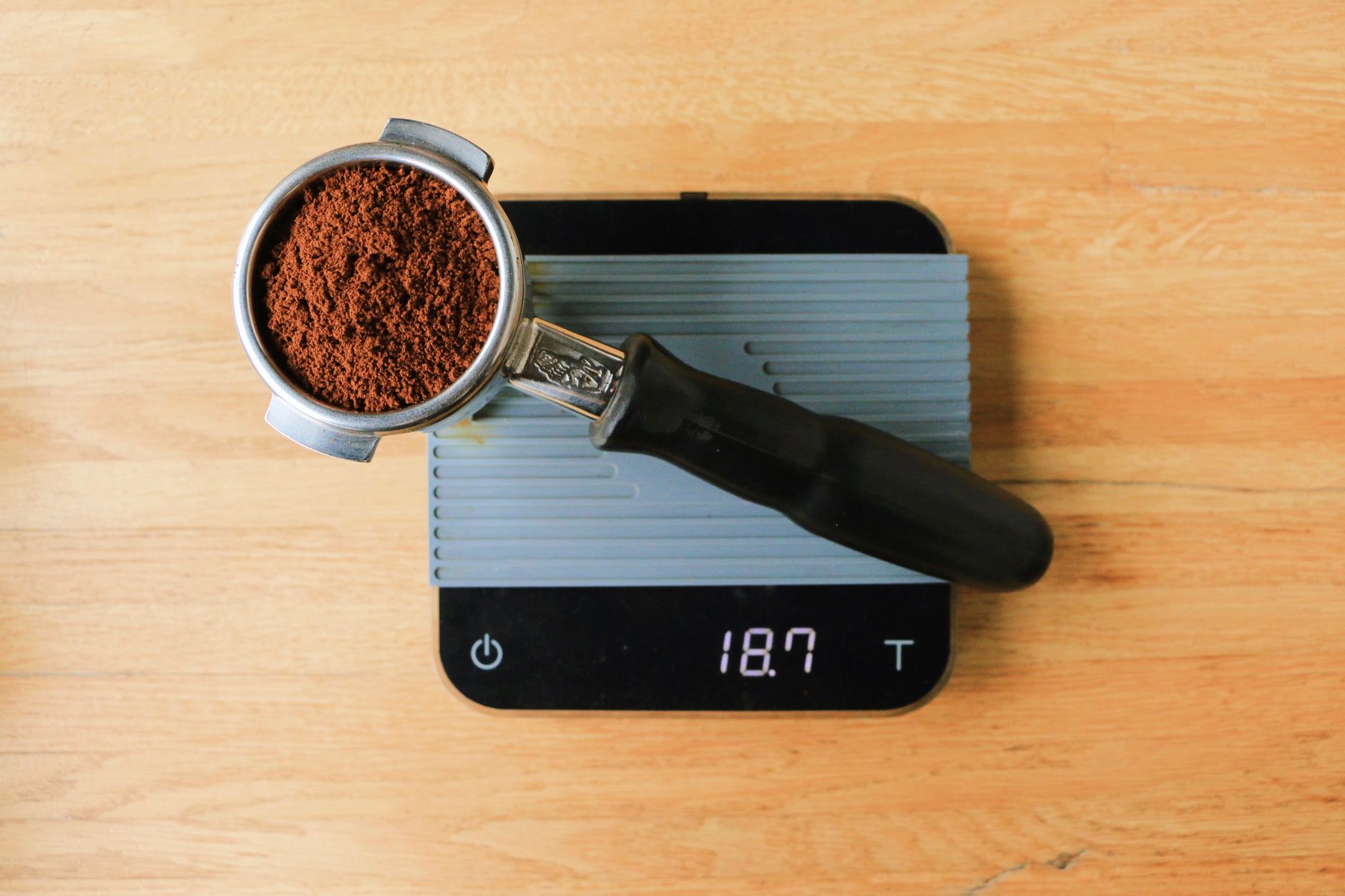
Espresso from Yirgacheffe is polarizing. It works best with a natural at a slightly higher dose (19–20g in, 36–38g out) and lower brew temperature (91–92°C) to avoid amplifying the acidity into sourness. Expect a fruit-forward, lighter shot — nothing like a traditional Italian espresso.
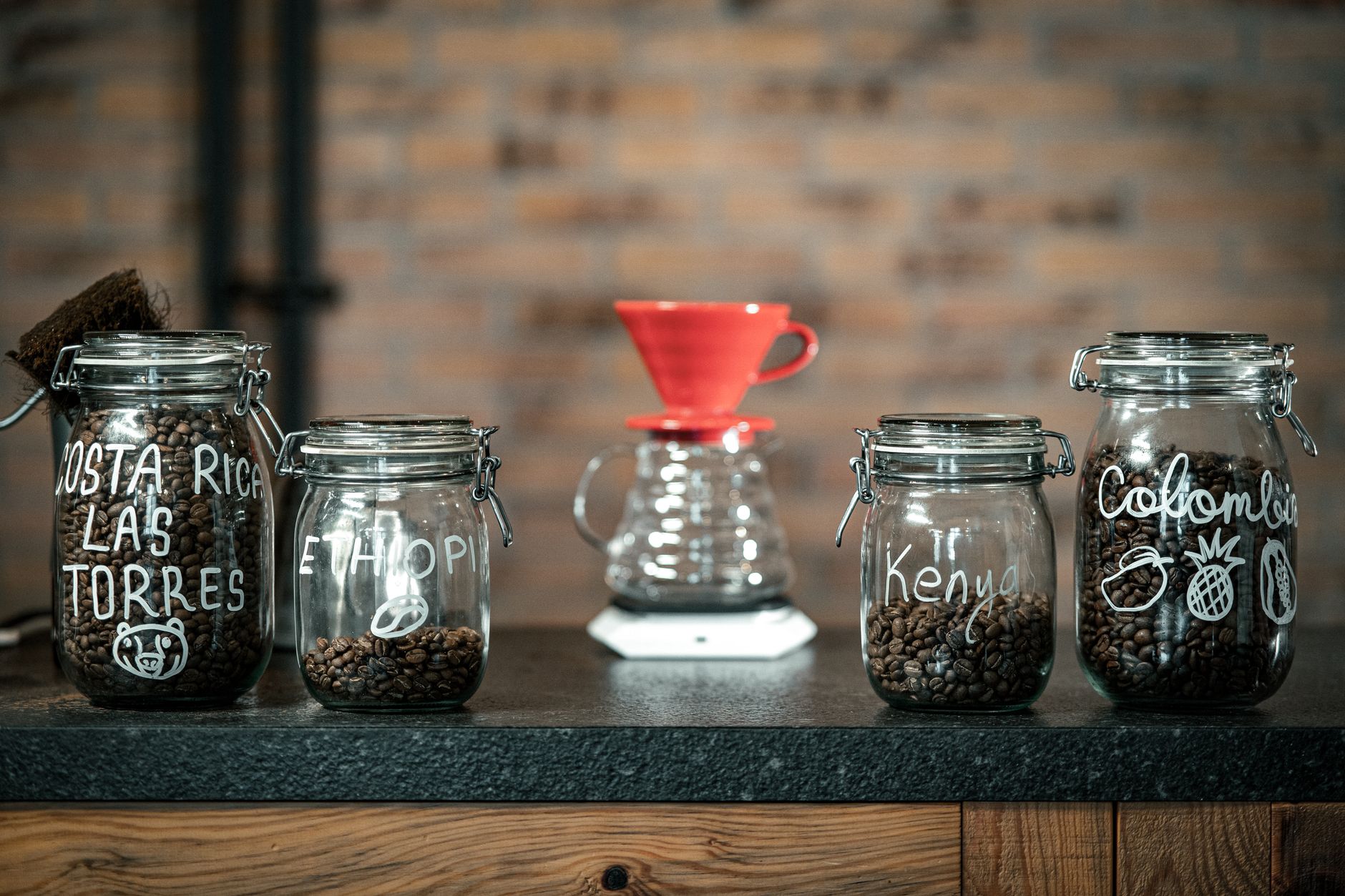 Photo: Ubeydulah Beşir KÖROĞLU via Pexels
Grind Adjustments
Washed Yirgacheffe extracts fast due to its lower density relative to denser Central American lots. Dial slightly coarser than your default for the same brew method, or reduce contact time. Natural Yirgacheffe is denser and needs slightly finer.
Freshness, Storage, and Shelf Life
Degassing window: 7–14 days after roast for pour-over; 14–21 days for espresso. The florals are volatile — peak flavor is days 10–20 for most washed lots.
Storage: Airtight container, room temperature, away from light. Avoid the fridge — condensation when you pull the bag out damages the beans.
Shelf life after opening: 2–3 weeks at peak; acceptable up to 6 weeks. Yirgacheffe’s aromatics fade faster than lower-grown lots, so fresh sourcing matters more here than with a Sumatra or Brazil.
If you’re buying on subscription, look for roasters who ship within a week of roast and state the roast date on the bag. Roasters who list “best by” dates without the roast date are often masking age.
How to Buy Yirgacheffe: What to Look For
The label tells you a lot. “Yirgacheffe” alone is a broad claim — the best bags will name a kebele (sub-district), washing station, or cooperative: Kochere, Konga, Worka, Gedeb. Traceability to the washing station level is the floor for specialty; farm-level is rare but exists.
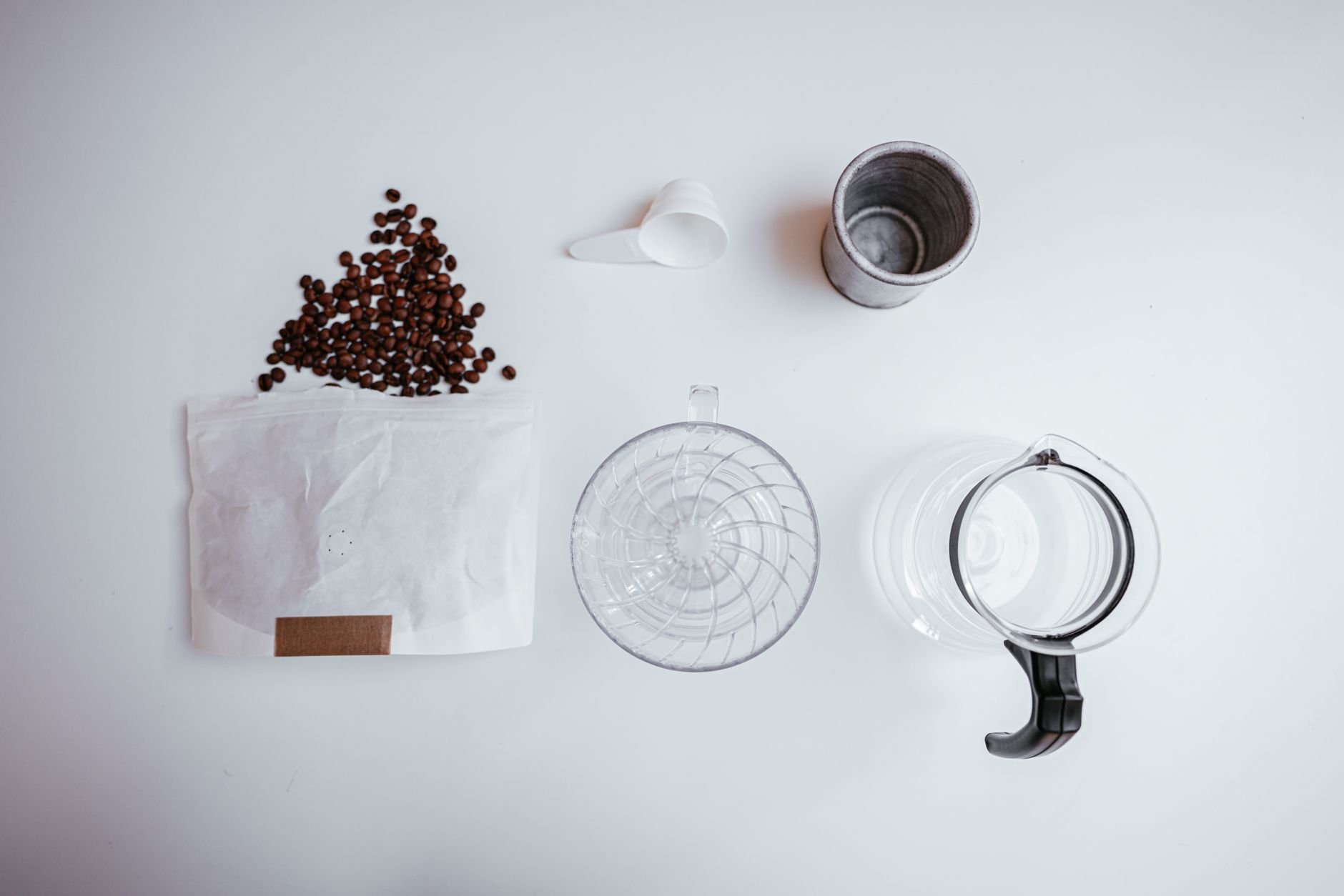 Photo: Cup of Couple via Pexels
Key markers of a quality Yirgacheffe purchase:
- Roast date printed on bag — not “best by”
- Processing method stated — washed or natural
- Washing station or kebele named — Kochere and Gedeb are reliable benchmarks
- Grade 1 or 2 — Ethiopian grades run 1–9; 1 is the highest
- Roast level: light to light-medium — anything darker is a mismatch for the origin
Avoid anything labeled “Ethiopian blend” if you want Yirgacheffe character — blends dilute the profile and usually use lower-grade lots.
→ See Also
- Coffee Bean Guide: Origins, Roasts, and How to Choose
- Best Coffee Subscription Boxes (2026 Ranked)
- Trade Coffee Review (2026): Is It Worth It?
FAQ
What makes Yirgacheffe coffee different from other Ethiopian coffees? Yirgacheffe occupies a specific high-altitude district with a concentration of wet mills and heirloom varieties that produce more consistent floral and citrus character than broader Ethiopian designations like Sidama or Harrar. The washing station infrastructure — built up over decades — gives processors more control over fermentation, which shows up in cup clarity. Other Ethiopian regions are excellent, but Yirgacheffe has the tightest identity.
Is Yirgacheffe good for espresso? Yes, with adjustments. Natural-processed Yirgacheffe pulls well at 91–92°C with a slightly higher dose (19–20g) and a restrained ratio (1:1.9–2.0). Expect a fruit-forward shot, not a traditional espresso. Washed Yirgacheffe espresso tends toward sourness at standard parameters — pull longer or raise the dose. It’s not beginner espresso, but it’s worth learning.
What roast level is best for Yirgacheffe? Light to light-medium. The bergamot, jasmine, and citrus notes that define the origin are volatile aromatic compounds that medium-dark and dark roasts destroy. If your roaster takes Yirgacheffe to second crack, you’re paying origin-coffee prices for a generic dark roast.
How does altitude affect Yirgacheffe’s flavor? At 1,700–2,200 MASL, cooler temperatures slow cherry development by weeks compared to lower-grown lots. That extended development time concentrates sugars, increases complex acid formation (citric, malic), and builds the aromatic compounds that make Yirgacheffe taste the way it does. It also produces a harder, denser bean that stores longer and handles shipping better.
What’s the difference between Yirgacheffe, Kochere, and Gedeb? Kochere and Gedeb are kebeles (sub-districts) within the Yirgacheffe woreda. Coffees labeled Kochere tend toward stone fruit and florals; Gedeb typically shows more lemon and tea notes. The sub-district label means higher traceability — you’re buying from a specific washing station cluster, not a broad regional blend. Both are Yirgacheffe; the sub-label tells you whose version.
Editorial methodology: Assessments are based on manufacturer specifications, published user reviews, and editorial research. Physical hands-on testing is noted explicitly where it occurred. Rankings reflect our editorial judgment and are not influenced by affiliate commission rates. Full editorial policy · Affiliate disclosure