Contents
Decaf Espresso Beans: Best Options in 2026
TL;DR: The best decaf espresso beans in 2026 combine Swiss Water or CO₂ decaffeination with high-altitude Arabica sourcing — so you keep the complexity without the caffeine. Top picks: Volcanica Decaf Espresso, Kicking Horse Decaf, and Onyx Coffee Lab Decaf. Expect to pay $18–$28/12 oz for anything worth pulling.
What Makes a Great Decaf Espresso Bean?
The decaffeination method matters more than the roast level. Swiss Water Process and CO₂ extraction preserve origin character and leave no chemical residue — both are worth the price premium. Avoid “natural solvent” (ethyl acetate) or “chemical” (methylene chloride) processes unless the roaster is explicitly transparent about residue limits.
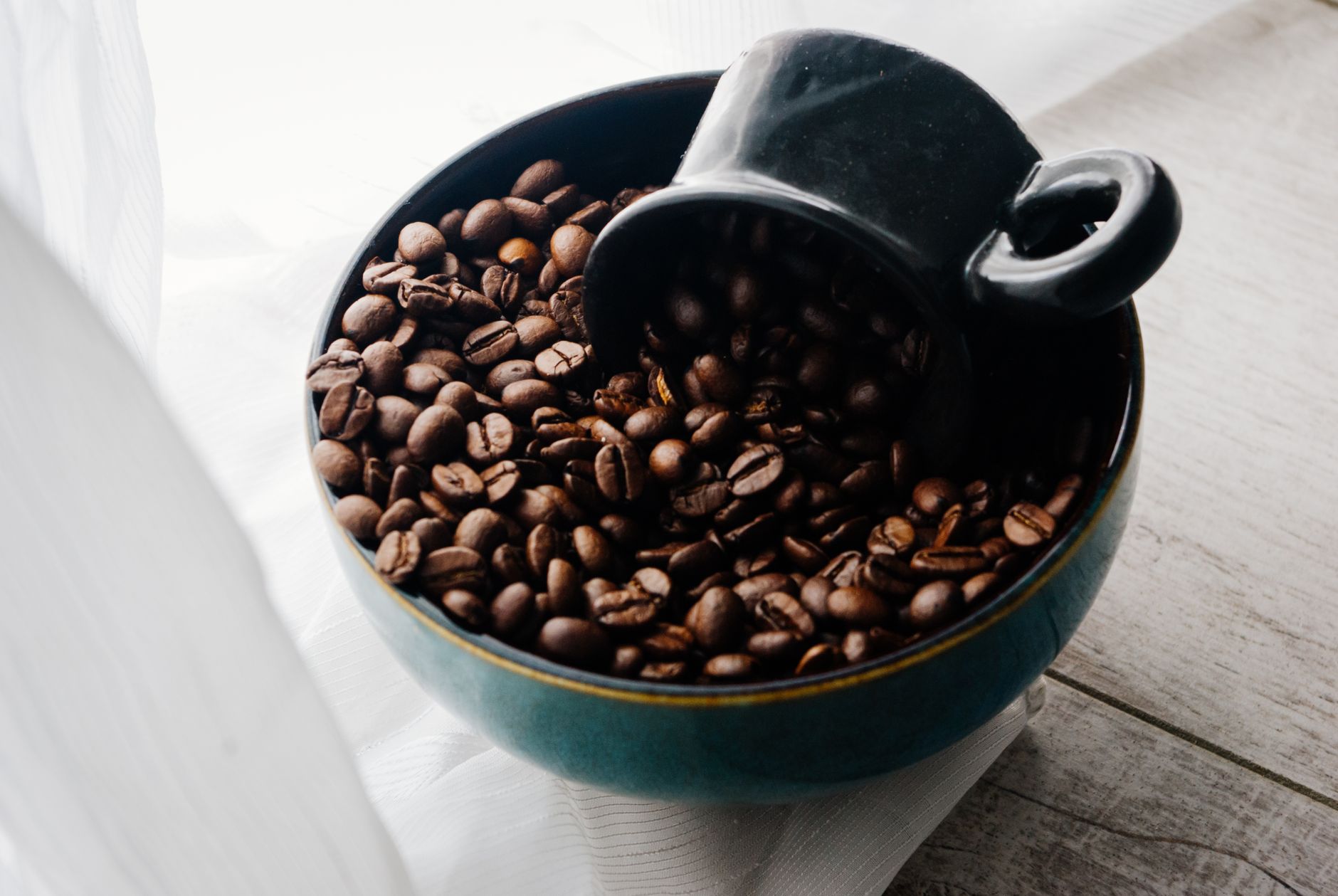
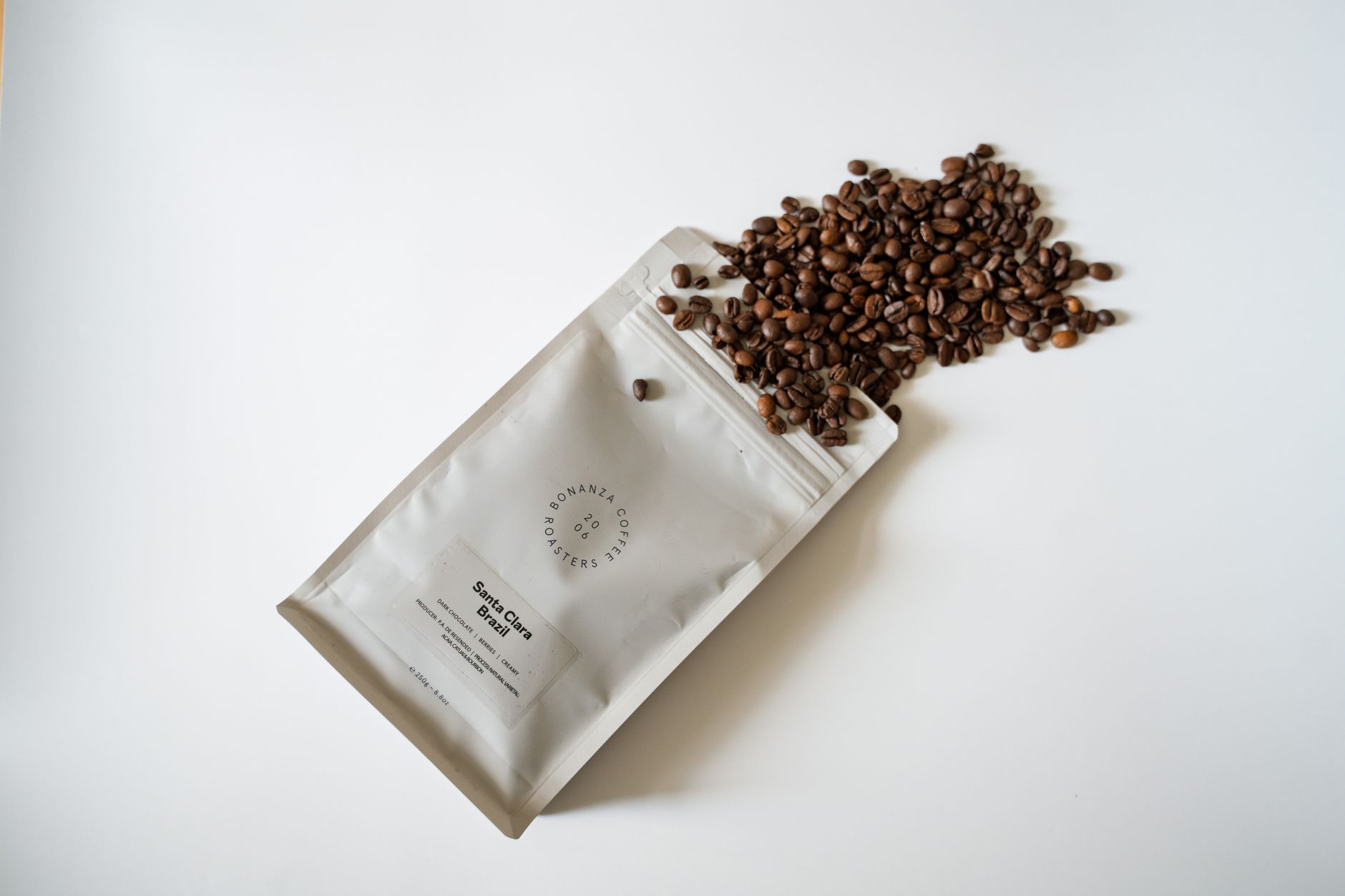 Photo: Manish Jain via Pexels
Decaf espresso has a reputation problem it doesn’t deserve. Modern decaf from specialty roasters — roasted to order, sourced from 1,500+ MASL farms — is genuinely hard to distinguish in a blind tasting. The failure mode is almost always stale beans from a grocery shelf, not the decaffeination process itself.
Three factors separate drinkable decaf espresso from the brown water most people remember:
- Decaf method: Swiss Water (water-based, 99.9% caffeine-free, zero chemicals) and CO₂ (supercritical carbon dioxide, best flavor retention, most expensive) are the gold standards. Ethyl acetate is acceptable and sometimes sold as “natural” since EA occurs in fruit — but it can introduce a subtle sweetness that distorts origin character.
- Bean quality before decaffeination: Decaf starts with green coffee. A commodity-grade blend decaffeinated via Swiss Water is still commodity coffee. Look for single-origin or traceable-blend declarations with altitude and processing data.
- Roast freshness: Decaffeinated beans degas faster than caffeinated ones. Target beans roasted within 14 days; use within 3–4 weeks of opening.
Best Decaf Espresso Beans: 2026 Picks
Six roasters consistently deliver on all three criteria. The picks below are ranked by flavor complexity and pull consistency — not price. All ship to the US and most offer subscriptions that meaningfully cut cost.
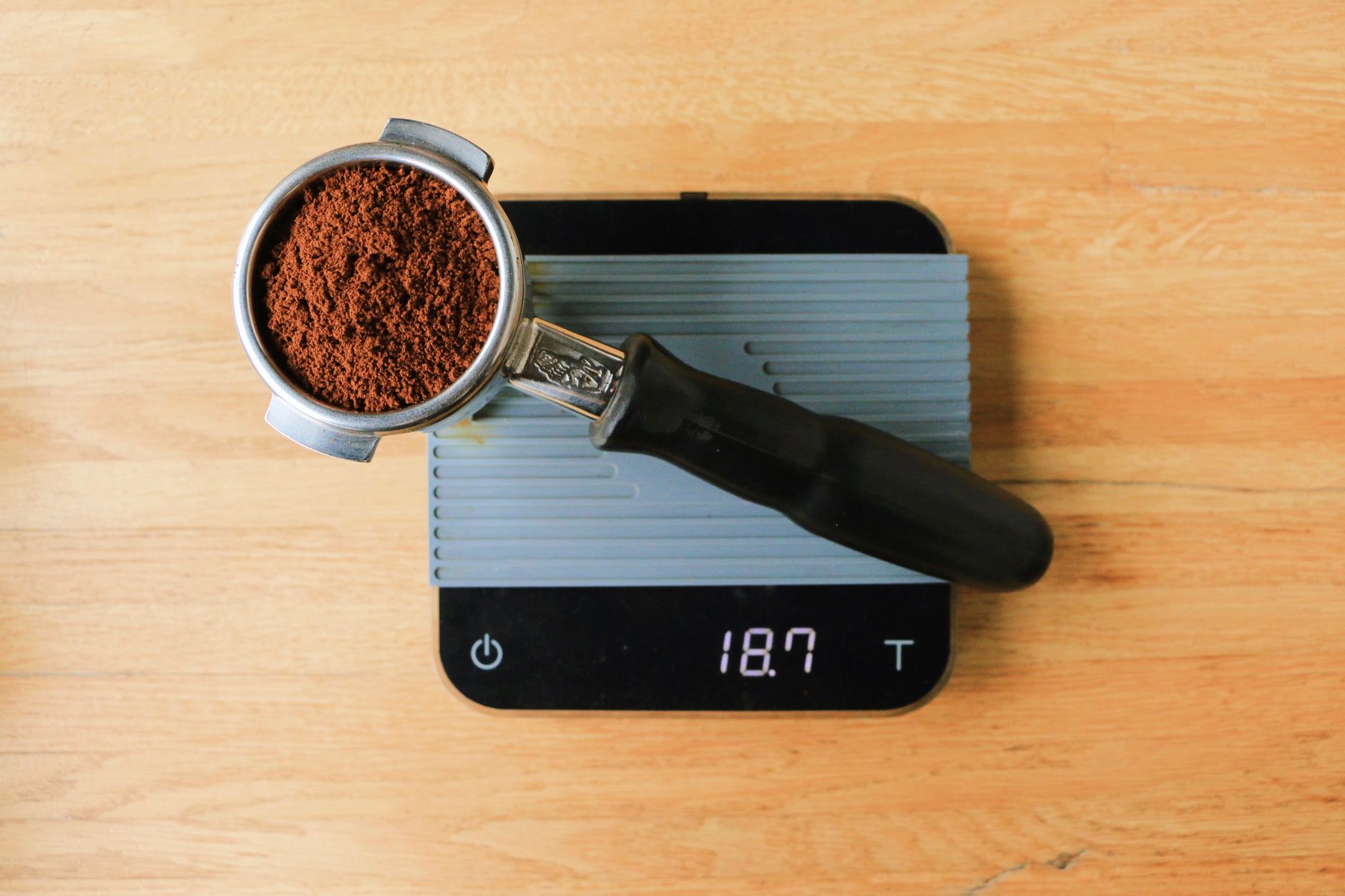
 Photo: Gül Işık via Pexels
1. Volcanica Decaf Espresso Blend
Volcanica sources from Costa Rica and Colombia, CO₂ decaffeinated, medium-dark roast. Pulls clean at 9 bar with a persistent crema. Tasting notes lean chocolate and brown sugar — crowd-pleasing and forgiving on a wide range of espresso machines.
Best for: Entry to mid-range machines (Breville Barista Express, DeLonghi La Specialista). Easy dial-in.
2. Kicking Horse Decaf “Swiss Processed”
Dark roast, Swiss Water, Canadian brand with solid green coffee sourcing from Central and South America. Lower acidity than the Volcanica — ideal if you pull decaf in the afternoon and want something that sits easy. Widely available (Whole Foods, Amazon) which means you can taste it before committing to bulk.
3. Onyx Coffee Lab Decaf
The specialty-tier pick. Onyx rotates their decaf origin seasonally — recent releases have included washed Ethiopian and Colombian naturals, CO₂ processed. If you’re running a high-end grinder (Fellow Ode Gen 2, Niche Zero) and a machine capable of pressure profiling, this is the one that rewards the equipment. Expect to pay a premium; worth it.
4. Intelligentsia Black Cat Decaf
A legacy pick that’s held its quality. Swiss Water, medium-dark, consistently balanced — designed specifically for espresso with clarity that works as a double shot or milk-forward. If you’re building a decaf option for a home café setup or gifting, this lands without explanation needed.
5. Trade Coffee Decaf Selection
Trade’s decaf rotation spans 8–12 roasters at any given time. Worth mentioning here because their quiz-based matching actually surfaces smaller specialty roasters with decaf SKUs you won’t find on Amazon. The subscription model makes it economical for regular decaf drinkers.
6. Café Altura Organic Decaf Espresso
Best value pick. Swiss Water, USDA Organic, Central American sourcing. Not the most complex cup, but clean, consistent, and priced for daily drinking ($14–$16/12 oz). If budget matters more than complexity, this is the honest recommendation.
Comparison: Best Decaf Espresso Beans 2026
| Roaster | Decaf Method | Roast | Origin | Price/12 oz | Best For |
|---|---|---|---|---|---|
| Volcanica Decaf Espresso | CO₂ | Medium-dark | Costa Rica / Colombia | ~$22 | All-rounder, easy dial-in |
| Kicking Horse Decaf | Swiss Water | Dark | Central/South America | ~$18 | Low-acid, afternoon shots |
| Onyx Coffee Lab Decaf | CO₂ | Medium | Rotates (single-origin) | ~$28 | High-end setups, flavor hunters |
| Intelligentsia Black Cat | Swiss Water | Medium-dark | Multi-origin | ~$24 | Gifting, home café |
| Trade Decaf (subscription) | Varies | Varies | Varies | ~$16–$26 | Discovery, subscriptions |
| Café Altura Organic | Swiss Water | Medium-dark | Central America | ~$15 | Budget, daily drinker |
Coffee Module C — Beans & Origins
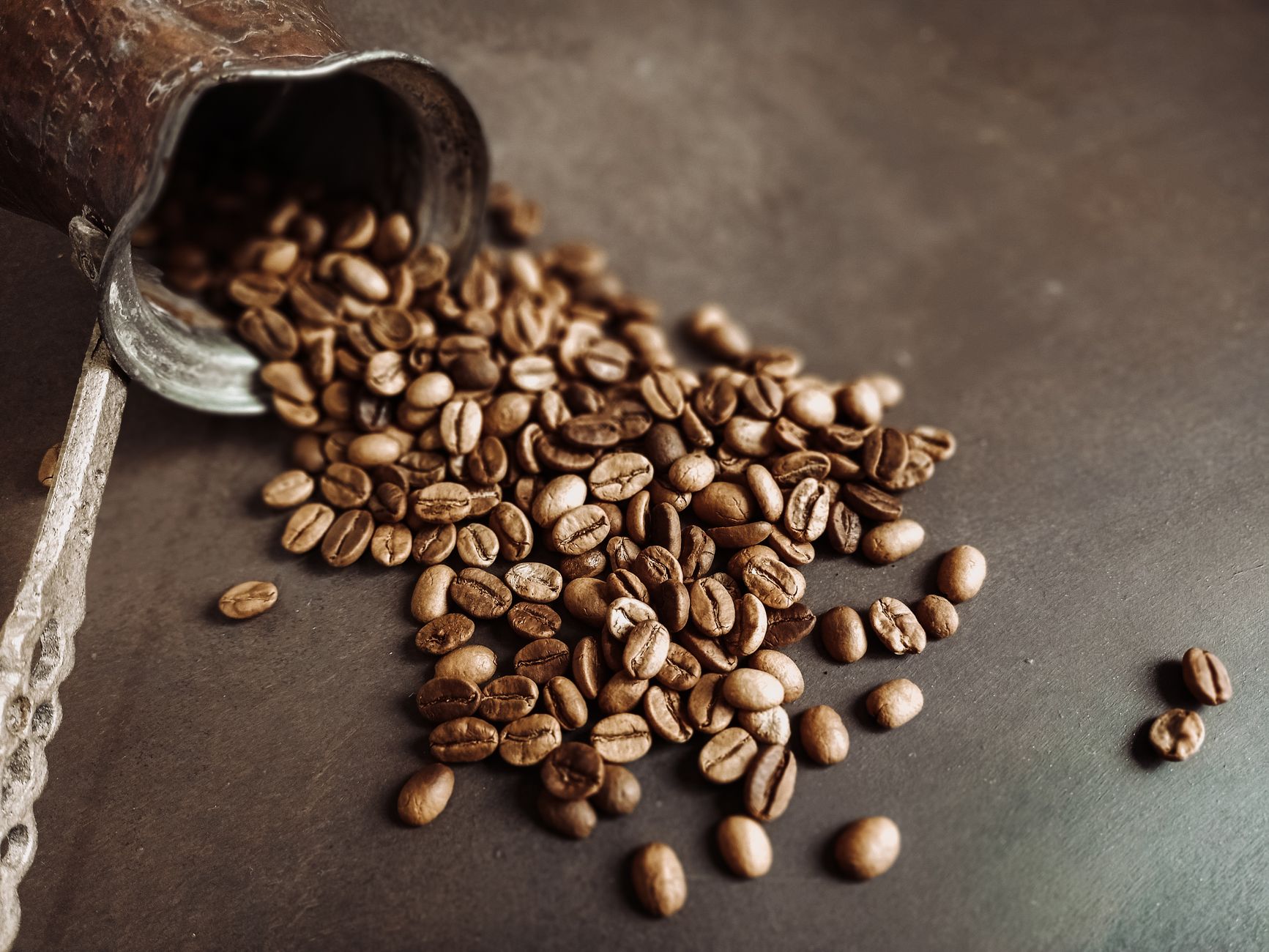
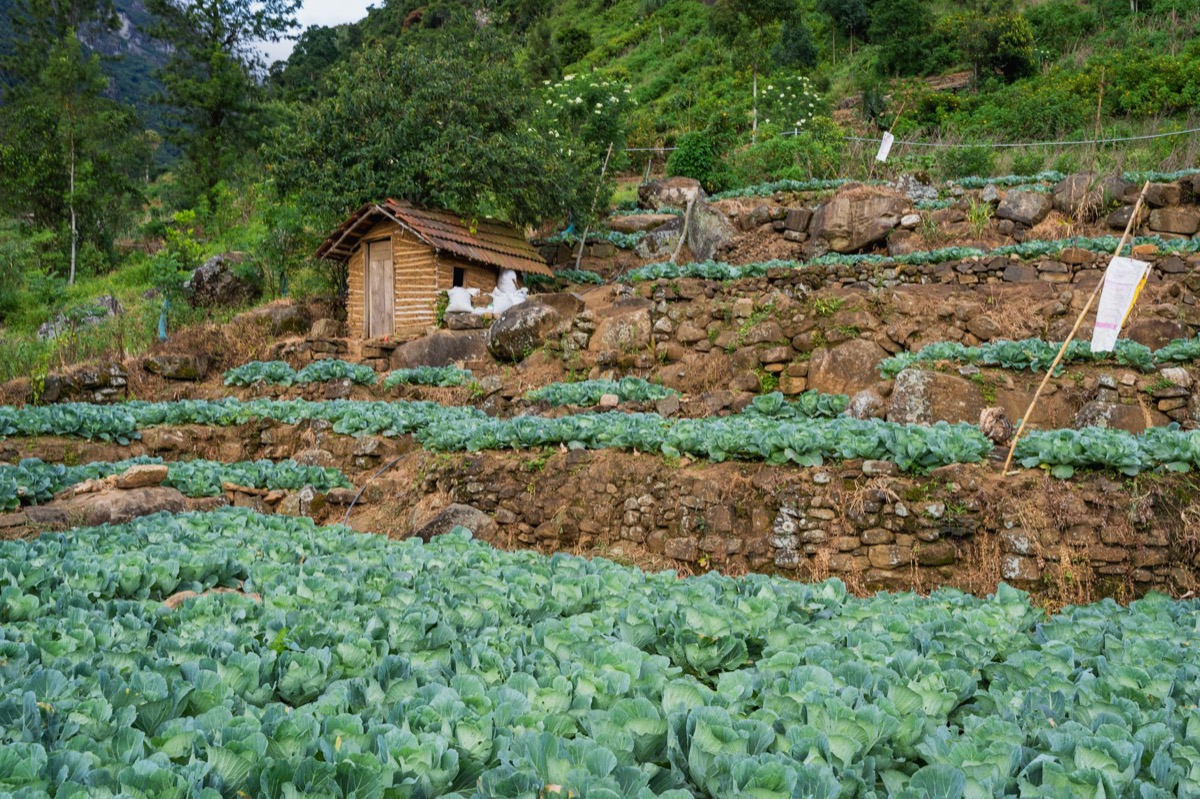 Photo: Thilina Alagiyawanna via Pexels
Origin Breakdown
| Country | Altitude (MASL) | Processing | Roast | Tasting Notes |
|---|---|---|---|---|
| Colombia | 1,600–2,100 | Washed | Medium-dark | Caramel, red apple, mild citrus |
| Costa Rica | 1,200–1,800 | Honey / Washed | Medium | Brown sugar, stone fruit, clean finish |
| Ethiopia | 1,700–2,200 | Washed / Natural | Medium | Jasmine, bergamot, blueberry |
| Brazil | 800–1,200 | Natural / Pulped natural | Dark | Chocolate, low acid, nutty |
| Guatemala | 1,500–2,000 | Washed | Medium-dark | Cocoa, dried fruit, light smoke |
Pairing and extraction notes:
- Colombian decaf: Dial 18–19g dose, 93–94°C brew temp, 28–32s pull. Works as straight espresso or with oat milk.
- Ethiopian decaf (CO₂ processed): Drop to 17g dose — lighter roasts extract fast. 91–92°C. Expect floral aromatics to dominate; don’t pair with dairy if you want them.
- Brazilian decaf: Grind coarser than you think. Natural processing leaves residual sweetness that can choke a tight grind. Good for lungo or Americano base.
- Best brew methods beyond espresso: Colombian and Costa Rican decaf also perform well in AeroPress (inverted, 2:30–3:00 brew) and Moka pot.
Freshness protocol:
| Stage | Recommendation |
|---|---|
| Post-roast rest (degassing) | 5–7 days minimum (decaf degasses ~30% faster than caffeinated) |
| Peak extraction window | Days 7–21 post-roast |
| Storage | Airtight valve bag, room temp, away from light |
| After opening | Use within 3–4 weeks; refrigerating whole beans is acceptable for decaf if resealing is airtight |
| Freezing | Freeze in single-use portions; do not refreeze |
Dialing In Decaf Espresso: What’s Different
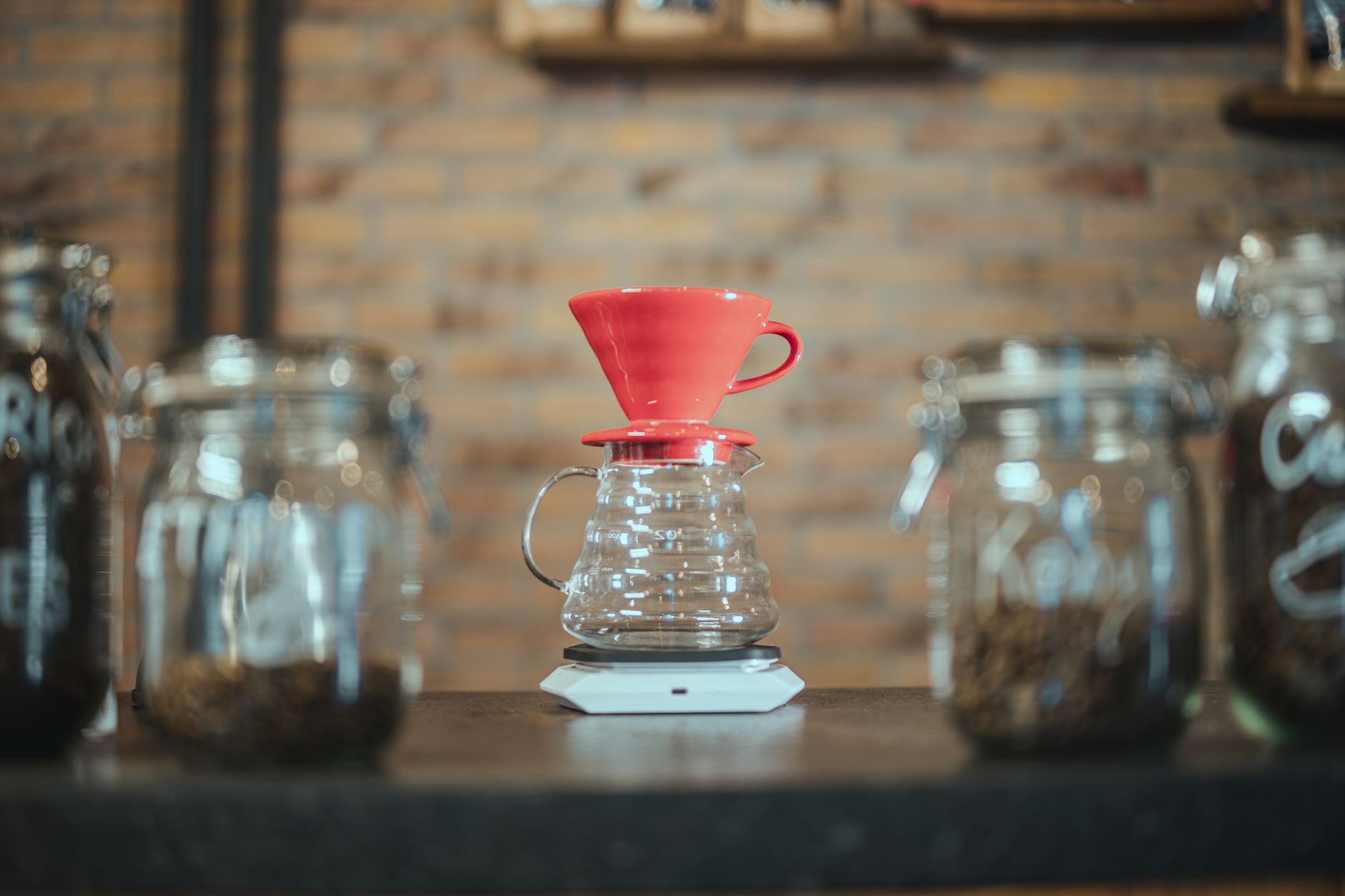
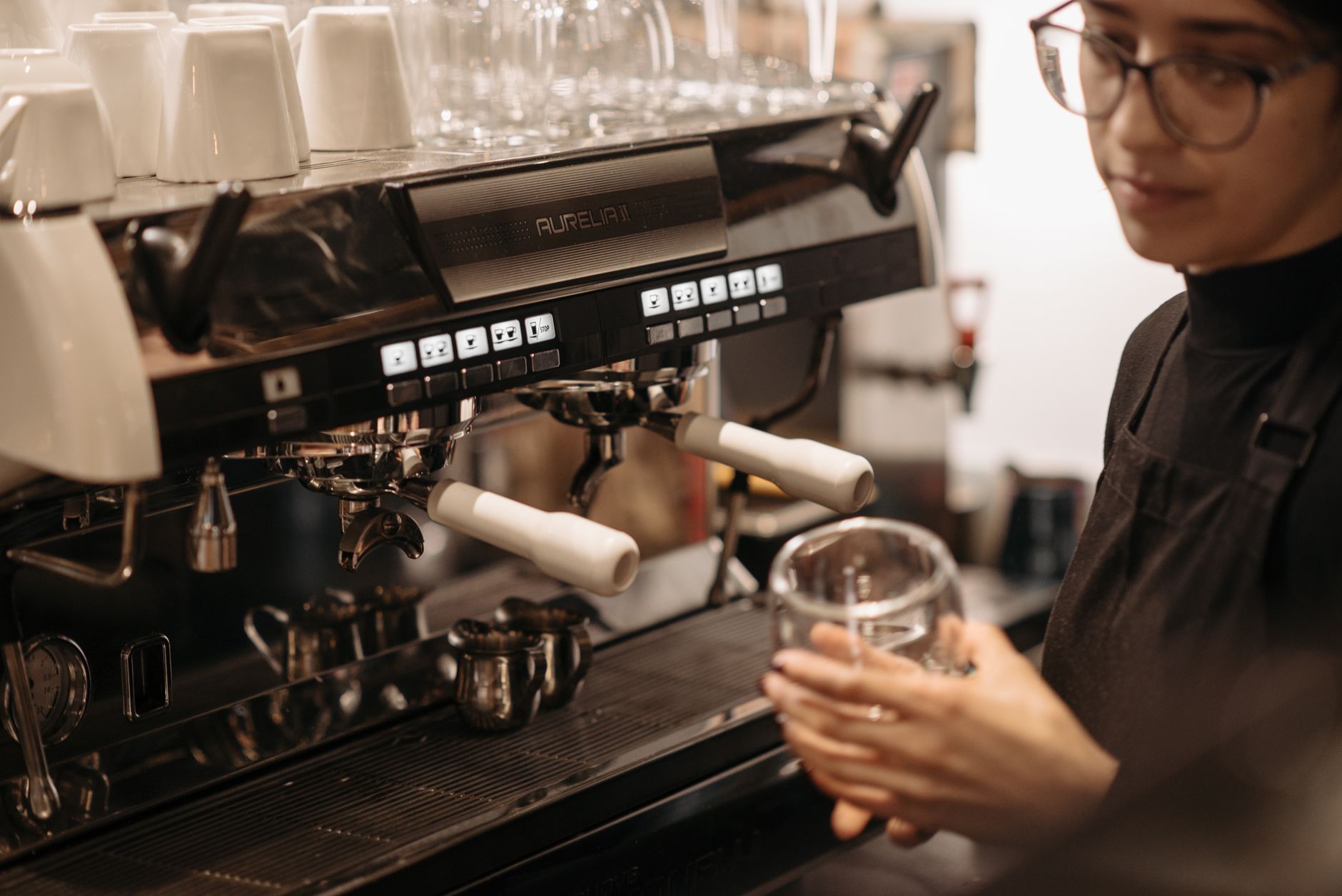 Photo: Pavel Danilyuk via Pexels
}
Decaf beans are physically less dense than caffeinated beans — they absorb water faster and extract earlier. Start 1–2g lighter on dose, pull 2–3 seconds shorter, and expect a slightly thinner crema regardless of technique.
The crema variance is structural: CO₂ content in decaf beans is lower post-decaffeination, which means less gas to form crema. Don’t chase it by grinding finer — that routes you toward bitterness. A thinner-but-sweet shot is the win condition here.
Pressure profiling (if your machine supports it): a gentle 4-bar pre-infusion for 8–10 seconds before ramping to 9 bar pulls out more sweetness from medium-roast decaf than a flat 9-bar profile does. Worth experimenting with on Onyx or any single-origin CO₂ decaf.
→ See also:
- Coffee Bean Guide: Origins, Roasts, and How to Choose
- Best Coffee Subscription Boxes (2026 Ranked)
- Trade Coffee Review (2026): Is It Worth It?
FAQ
Is decaf espresso actually caffeine-free? No — “decaf” means 97–99.9% of caffeine is removed, not all of it. Swiss Water Process achieves 99.9% removal; a standard 1.5 oz decaf espresso shot contains roughly 3–15mg of caffeine versus 60–75mg in regular espresso. Relevant if you’re caffeine-sensitive or consuming multiple shots.
Does decaf espresso taste different from regular espresso? From a quality roaster using CO₂ or Swiss Water decaf, the difference is minimal — especially in milk drinks. Straight shots from lighter roasts show the most difference: slightly muted acidity, less brightness, softer crema. Dark-roast decaf is genuinely hard to distinguish blind.
What’s the best decaf espresso bean for a super-automatic machine? Go darker and more forgiving — Kicking Horse Decaf or Café Altura Organic. Super-automatics have less precise extraction control, so you want beans that pull consistently across a range of grind and pressure settings rather than single-origin naturals that need dialing.
Is Swiss Water better than CO₂ decaffeination? CO₂ has better flavor retention in light and medium roasts; Swiss Water is more widely available and excellent at medium-dark to dark. In practice, both produce quality coffee — the difference is marginal if the green coffee quality and roasting are on point.
How should I store decaf espresso beans? Same as regular espresso beans, with one caveat: decaf beans degas faster and oxidize slightly more quickly. Use within 3–4 weeks of opening, store in an airtight container with a one-way valve, and avoid grinding in bulk ahead of time. Freezing in 50–75g single-serve portions works well for slow decaf drinkers.
Why is decaf espresso more expensive than regular? The decaffeination step adds cost — Swiss Water Processing and CO₂ extraction both require specialized facilities and add $2–5/lb to the green coffee cost. Specialty decaf at the $24–28 range is priced comparably to specialty caffeinated once you account for this.
Editorial methodology: Assessments are based on manufacturer specifications, published user reviews, and editorial research. Physical hands-on testing is noted explicitly where it occurred. Rankings reflect our editorial judgment and are not influenced by affiliate commission rates. Full editorial policy · Affiliate disclosure