Contents
Best Low-Acid Coffee Beans (2026): Top Picks for Sensitive Stomachs
TL;DR: The best low-acid coffee beans are dark roasts from low-altitude regions like Brazil or Sumatra, cold-brewed or using a coarse grind to minimize acid extraction. Top picks include Puroast, Tyler’s No Acid, Lifeboost, and Volcanica’s low-acid line — all with pH above 5.5 and significantly less stomach irritation than standard specialty coffee.
What Makes Coffee Low-Acid?
Direct Answer: Acidity in coffee comes from chlorogenic, citric, and quinic acids formed during roasting and extraction. Lower-altitude origins, dark roasts, and cold brew all reduce total acid content measurably — pH 5.5–6.0 vs. the 4.5–5.0 typical of light-roasted single origins.
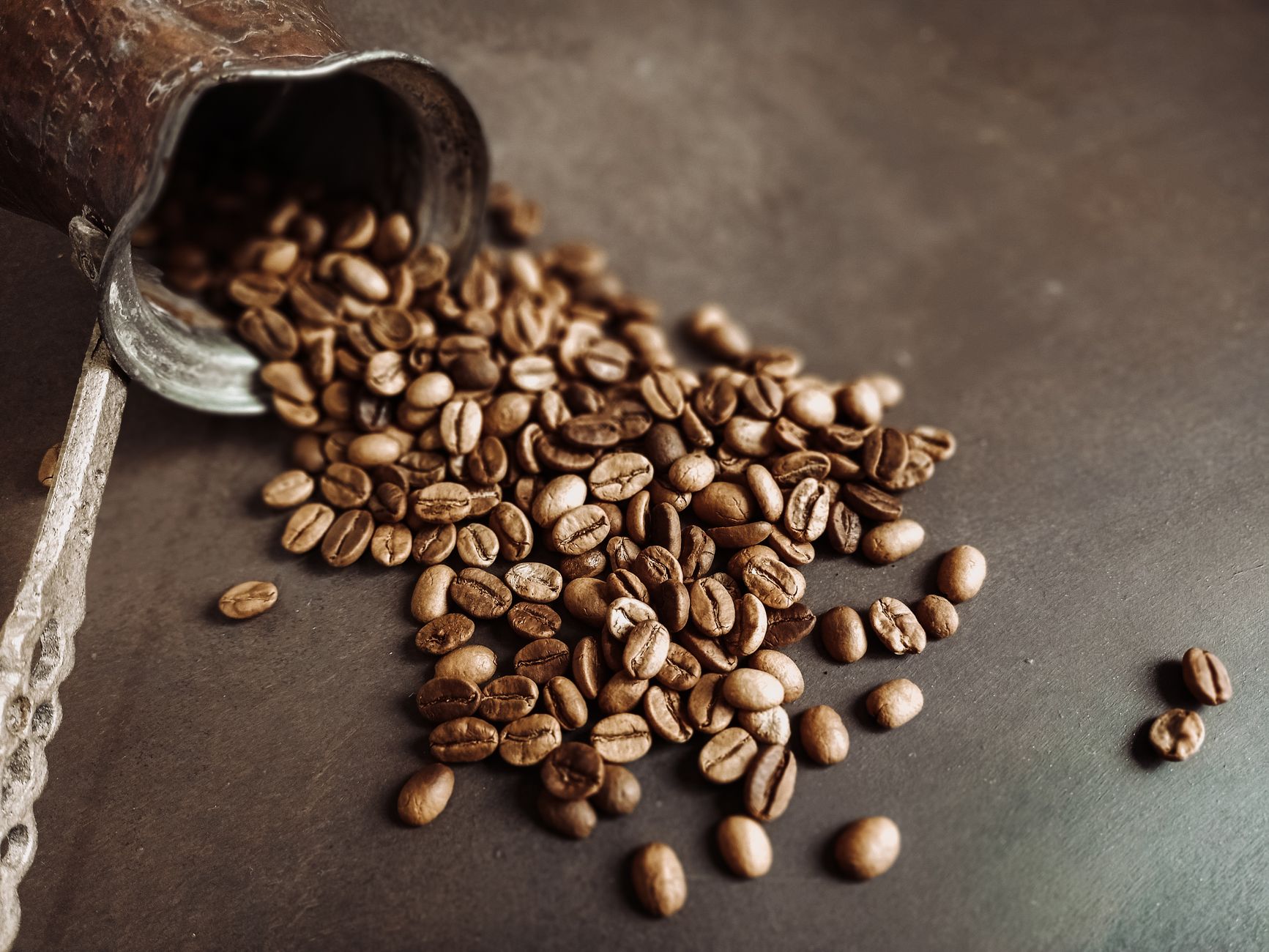
 Photo: Pixabay via Pexels
Altitude is the first lever. Beans grown below 900 MASL develop fewer organic acids than high-grown Ethiopian or Kenyan lots. Brazil’s cerrado and Sumatra’s volcanic lowlands consistently produce beans with naturally lower acidity.
Roast level is the second. As beans hit second crack, chlorogenic acids break down significantly — dark roasts lose up to 90% of chlorogenic acid content compared to light roasts. The trade-off is complexity, but for acid-sensitive drinkers, it’s worth it.
The third is brew method. Cold brew extracts at room temperature over 12–24 hours, producing coffee that’s 60–70% less acidic than hot-brewed drip by most measures. French press and metal filters allow more oils through, which also buffer perceived acidity.
Best Low-Acid Coffee Beans: Top Picks for 2026
Direct Answer: Lifeboost Dark Roast, Puroast House Blend, and Volcanica’s Sumatra Mandheling consistently rank highest for low acid — all certified, third-party tested, and available as whole bean. Tyler’s No Acid Ground Coffee suits those who can’t tolerate any detectable acid.
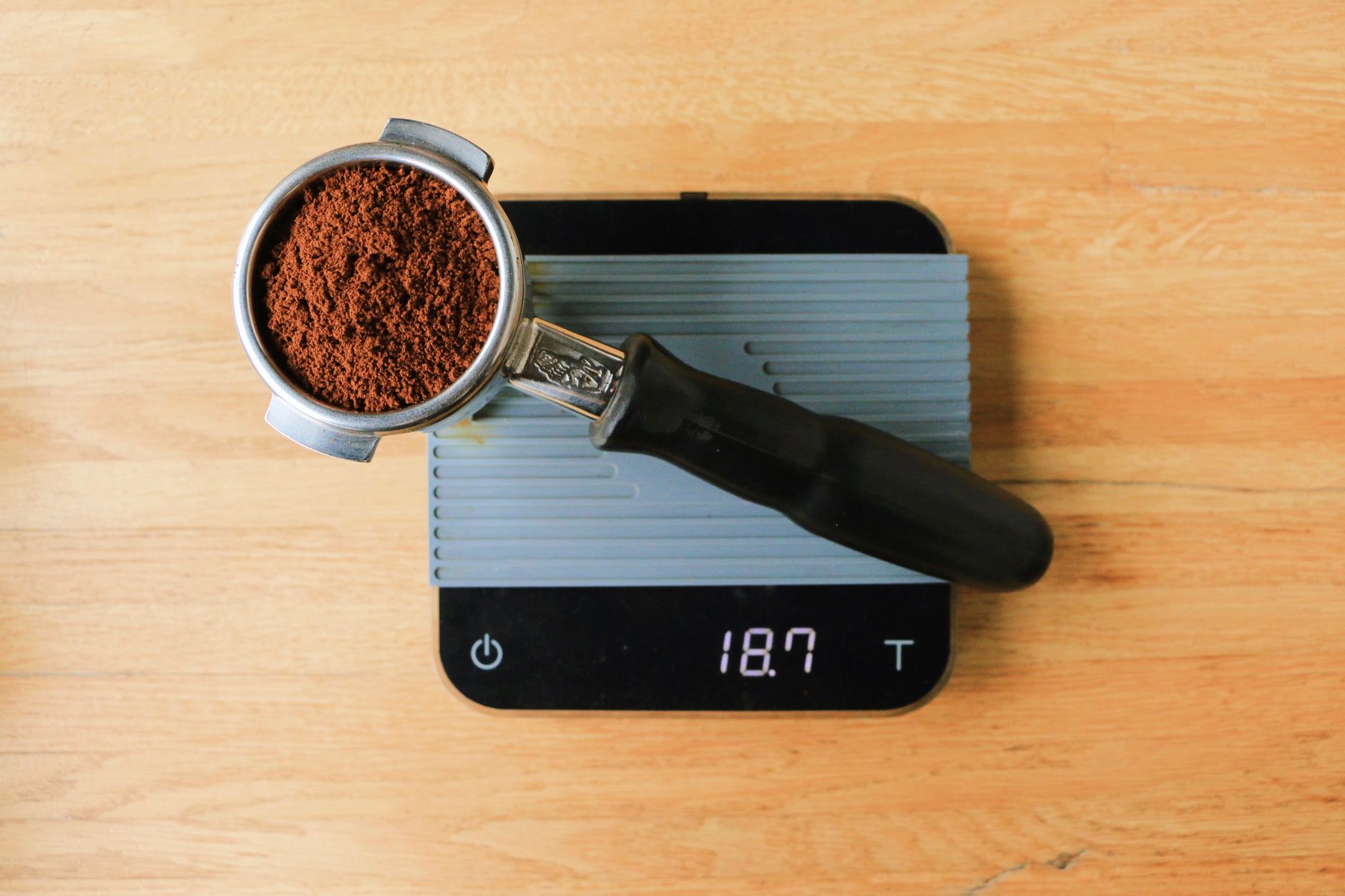
 Photo: indra projects via Pexels
Lifeboost Dark Roast
Single-origin, shade-grown Nicaraguan beans from high-altitude farms — counterintuitively, Lifeboost’s processing removes most acid post-harvest. Third-party tested at pH 6.0. USDA Organic certified. Available as whole bean or pre-ground in light, medium, and dark.
The flavor profile skews chocolatey and low-brightness — no fruit, no floral notes. If you’re coming from specialty coffee, adjust expectations. If you’re switching from mass-market dark roast, this is a substantial upgrade.
Puroast Low Acid Coffee
Puroast’s proprietary roasting process — longer, slower, lower temperature — reduces acid by 70% compared to standard American roast by their own lab data. pH sits around 5.85. Venezuelan-sourced beans with a smooth, mild cup.
Available in whole bean, ground, and pods. The house blend is the entry point; single-origin and dark roast variants exist. Price-per-cup is competitive, making this the best budget option in the low-acid category.
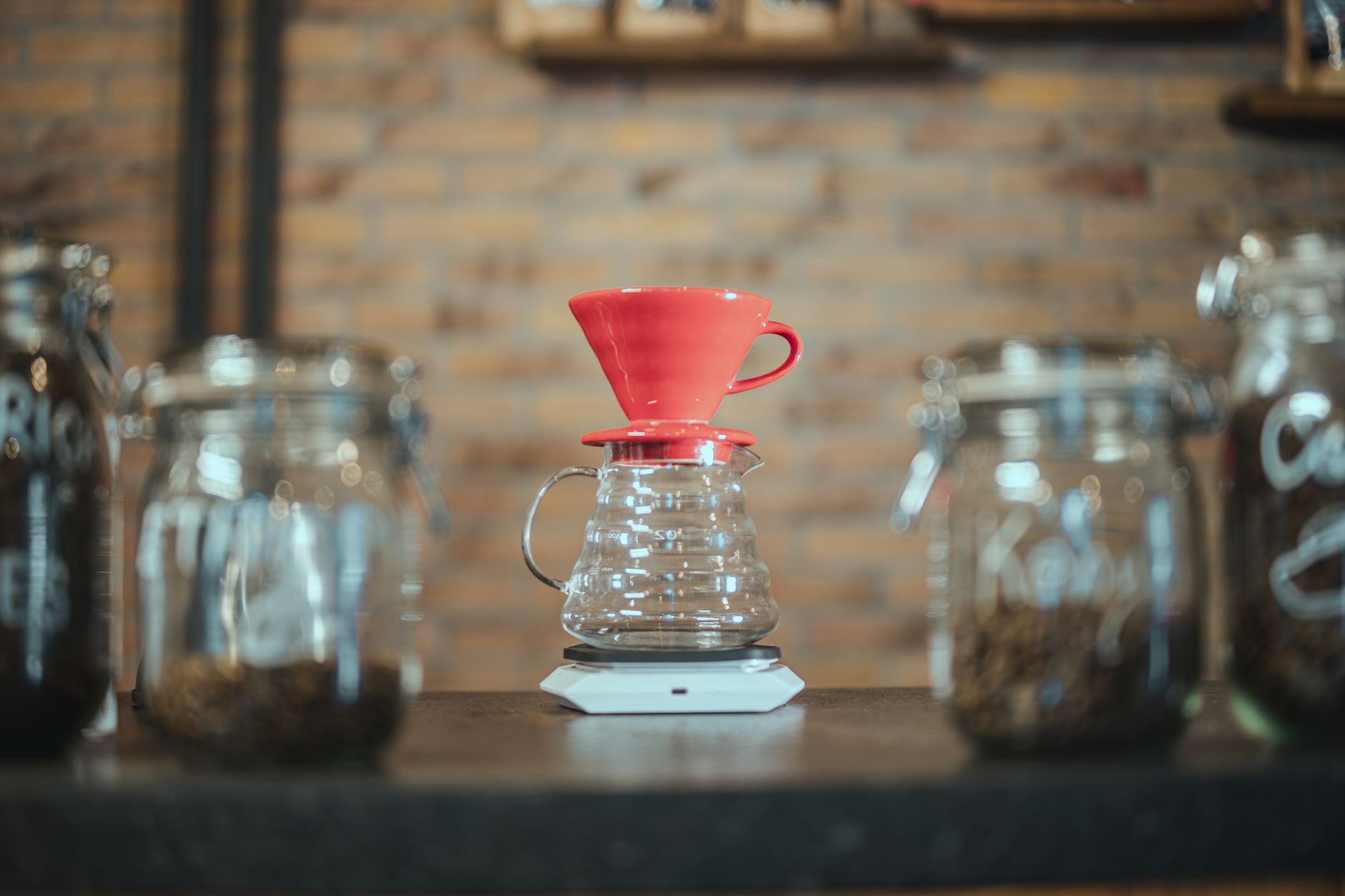
 Photo: Q. Hưng Phạm via Pexels
Volcanica Sumatra Mandheling Dark Roast
Sumatra Mandheling is inherently low-acid — wet-hulled processing (called “Giling Basah”) and volcanic soil at 1,100–1,600 MASL produce a naturally earthy, syrupy cup with muted brightness. Volcanica’s dark roast pushes this further.
Tasting notes: dark chocolate, cedar, full body, very low perceived acidity. No specialty-coffee fruitiness — this is for drinkers who want bold, smooth, and easy on the gut. One of the better options for espresso drinkers who want low acid without losing body.
Tyler’s No Acid Ground Coffee
Clinically tested and physician-recommended. Tyler’s uses a proprietary process that removes 99% of acids by their claim — pH tested at 6.4, the highest in this category. Pre-ground only, which limits freshness, but the acid reduction is unmatched.
Best for: GERD sufferers, those on acid-reducing medications, or anyone whose doctor has specifically recommended avoiding coffee acidity.
Café Don Pablo Subtle Earth Organic
Honduran single-origin, shade-grown, USDA Organic. Medium-dark roast with low acidity and a sweet, chocolatey profile. More nuanced than Puroast or Tyler’s — closer to specialty quality while staying stomach-friendly. Available whole bean, which is the format to buy for freshness.
Low-Acid Coffee Comparison Table
| Brand | Origin | Roast | pH (approx.) | Whole Bean? | Price Range |
|---|---|---|---|---|---|
| Lifeboost Dark | Nicaragua | Dark | ~6.0 | Yes | $$$ |
| Puroast House Blend | Venezuela | Dark | ~5.85 | Yes | $$ |
| Volcanica Sumatra Mandheling | Indonesia | Dark | ~5.7 | Yes | $$ |
| Tyler’s No Acid | Blend | Medium | ~6.4 | No (ground) | $$ |
| Café Don Pablo Subtle Earth | Honduras | Med-Dark | ~5.8 | Yes | $$ |
Coffee Module C — Beans & Origins
Origin Profile
| Country | Altitude (MASL) | Processing | Roast | Tasting Notes |
|---|---|---|---|---|
| Brazil | 700–1,200 | Natural / Pulped Natural | Med-Dark | Chocolate, nutty, low brightness |
| Sumatra | 1,100–1,600 | Wet-hulled (Giling Basah) | Dark | Earthy, cedar, full body |
| Honduras | 1,000–1,600 | Washed | Med-Dark | Sweet, cocoa, mild fruit |
| Nicaragua | 1,200–1,650 | Washed | Dark | Clean, chocolate, smooth |
| Venezuela | 800–1,500 | Washed | Dark | Mild, nutty, low acidity |
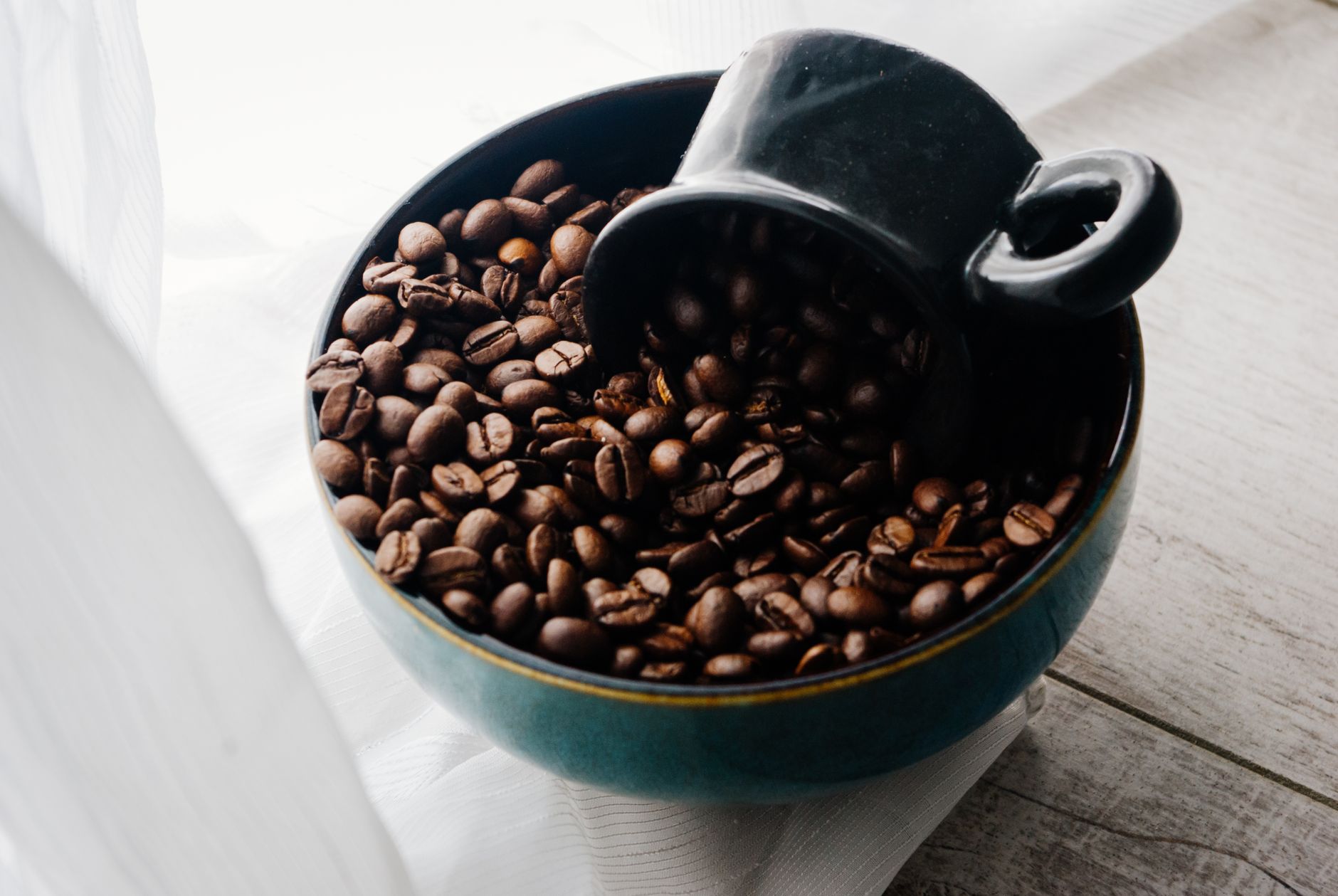
 Photo: Michael Burrows via Pexels
Brew Method Pairing & Grind Adjustments
Cold brew is the single most effective tool for low-acid extraction — use a coarse grind (Baratza Encore setting 30+), 1:8 coffee-to-water ratio, 18–24 hours at room temperature. Produces concentrate; dilute 1:1 before drinking.
French press suits Sumatra and Brazil beans — 4-minute steep, coarse grind, no paper filter means oils buffer acidity and add body. Pour-over with a medium-dark roast works when you use a slightly coarser grind than usual (reduces extraction time, limits acid release). Avoid Chemex with low-acid beans — the thick filter strips body and makes the cup taste thin.
Espresso dose/temp offset: Pull low-acid dark roasts at 91–92°C (vs. 94°C standard) and use a slightly coarser grind to reduce extraction yield. Target 18g in / 36g out in 28–32 seconds. Lower extraction preserves sweetness without the bitter-sour edge that comes from over-extracting dark roasts.
Freshness Guide
| Variable | Recommendation |
|---|---|
| Degassing after roast | 7–14 days for dark roast before peak flavor |
| Storage method | Airtight container, away from light and heat |
| Shelf life after opening | 2–4 weeks whole bean; 1 week ground |
| Freezing | Acceptable in sealed, single-use portions only |
Are “Certified Low-Acid” Labels Meaningful?
Direct Answer: Some are, most aren’t. Third-party pH testing (like Lifeboost’s and Tyler’s) is the only meaningful signal — a “gentle on the stomach” marketing claim with no lab data behind it is noise.
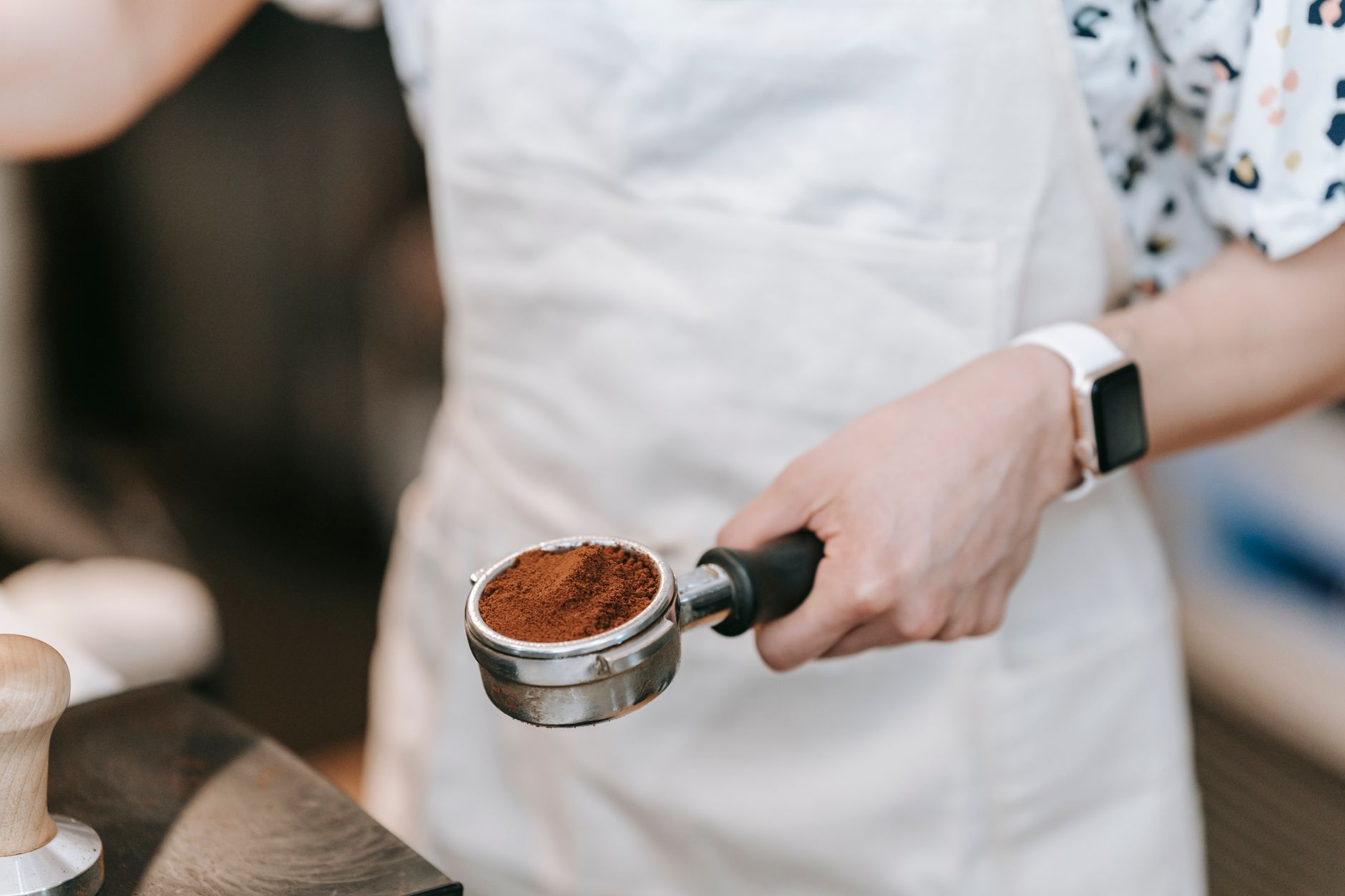 Photo: Mike Jones via Pexels
Look for actual pH numbers (above 5.5 is genuinely low-acid) or specific process claims — “72-hour cold processing,” “slow roast acid reduction” — that can be verified. Organic certification doesn’t affect acidity. Shade-grown doesn’t either. Neither does single-origin status.
The most reliable proxy when lab data isn’t published: dark roast + Brazilian or Sumatran origin + cold brew preparation. That combination will always produce a lower-acid cup than a light-roasted Ethiopian brewed hot through a V60.
→ See Also
- Coffee Bean Guide: Origins, Roasts, and How to Choose — full breakdown of how origin and roast affect flavor and body
- Best Coffee Subscription Boxes (2026 Ranked) — several subscriptions offer low-acid rotation options
- Trade Coffee Review (2026): Is It Worth It? — Trade carries several low-acid-friendly roasters
FAQ
What is the lowest-acid coffee you can buy? Tyler’s No Acid Coffee holds the lowest tested pH at approximately 6.4 — near neutral compared to standard coffee’s 4.5–5.0. It uses a proprietary acid-removal process and is the choice for drinkers with severe GERD or acid reflux. The trade-off is that it’s only available pre-ground.
Does dark roast coffee have less acid than light roast? Yes. Chlorogenic acids break down substantially during roasting, and dark roasts lose up to 90% of chlorogenic acid content compared to light roasts. However, dark roasting also increases quinic acid from degraded chlorogenic compounds — which is why some dark roasts still cause stomach issues despite lower overall acidity.
Is cold brew actually less acidic than hot coffee? Cold brew tests consistently 60–70% lower in total acid content than hot-brewed coffee using the same beans. The mechanism is temperature: organic acids extract more efficiently at high temperatures, so room-temperature extraction over 12–24 hours simply pulls less acid out of the grounds.
Can I make any coffee low-acid, or do I need special beans? You can reduce the acidity of any coffee meaningfully through brew method — cold brew or French press will always produce a lower-acid cup than drip or pour-over. Starting with low-altitude, dark-roasted beans and using cold brew together gives the largest reduction. Starting with a light-roasted Ethiopian single-origin and cold-brewing it still leaves more acid in the cup than a dark-roasted Sumatra brewed hot.
Is low-acid coffee less caffeinated? No. Caffeine content is determined by species (Robusta > Arabica), origin, and roast level — not acid content. Dark roasts have marginally less caffeine than light roasts due to longer heat exposure, but the difference is small and unrelated to acid reduction processing.
Does organic coffee have less acid? No direct relationship. Organic certification governs pesticide use and farming practices, not the organic acids naturally present in coffee beans. An organic light roast from Ethiopia will still be highly acidic. A non-organic dark roast from Brazil will still be low-acid.
What’s the best low-acid coffee for espresso? Volcanica Sumatra Mandheling Dark Roast pulls the best espresso in this category — its full body and low brightness translate well under pressure, producing a dense, syrupy shot without the sharp acidity common in lighter blends. Dial it at 91–92°C and slightly coarser than your usual espresso grind.
Editorial methodology: Assessments are based on manufacturer specifications, published user reviews, and editorial research. Physical hands-on testing is noted explicitly where it occurred. Rankings reflect our editorial judgment and are not influenced by affiliate commission rates. Full editorial policy · Affiliate disclosure