Contents
Why Is My Espresso Sour? (Causes and Fixes)
TL;DR: Sour espresso is almost always under-extracted — the shot pulled too fast, the grind is too coarse, or the dose/temperature is too low. Fix it by grinding finer, extending your shot time toward 25–30 seconds, or raising brew temperature by 1–2°C. One variable at a time.
What Causes Sour Espresso?
Sour espresso means under-extraction. The early-extracting acids — citric, malic, acetic — pulled through before the balancing sugars and bitter compounds caught up. The fix is always the same direction: slow the shot down or increase extraction efficiency.
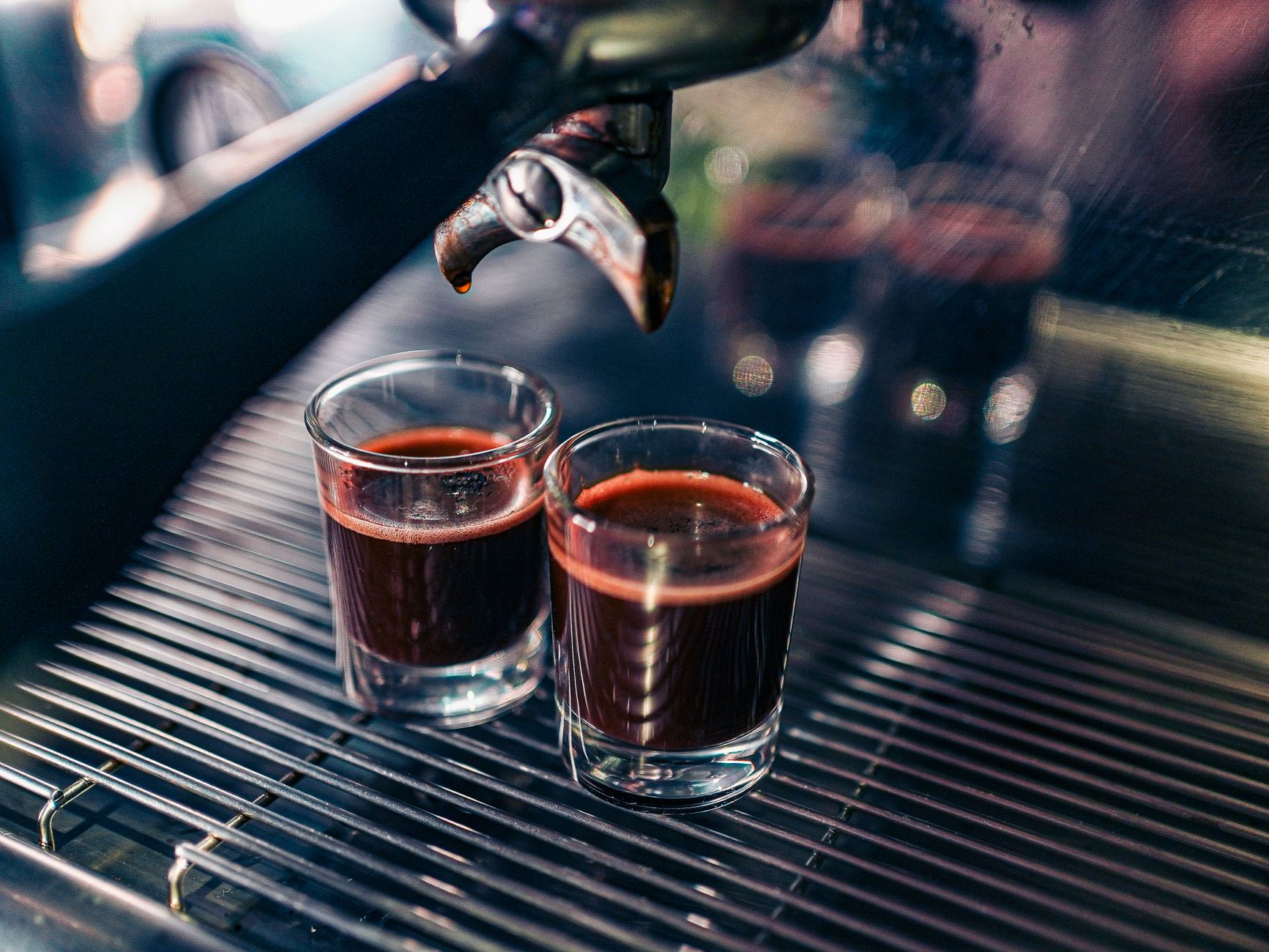
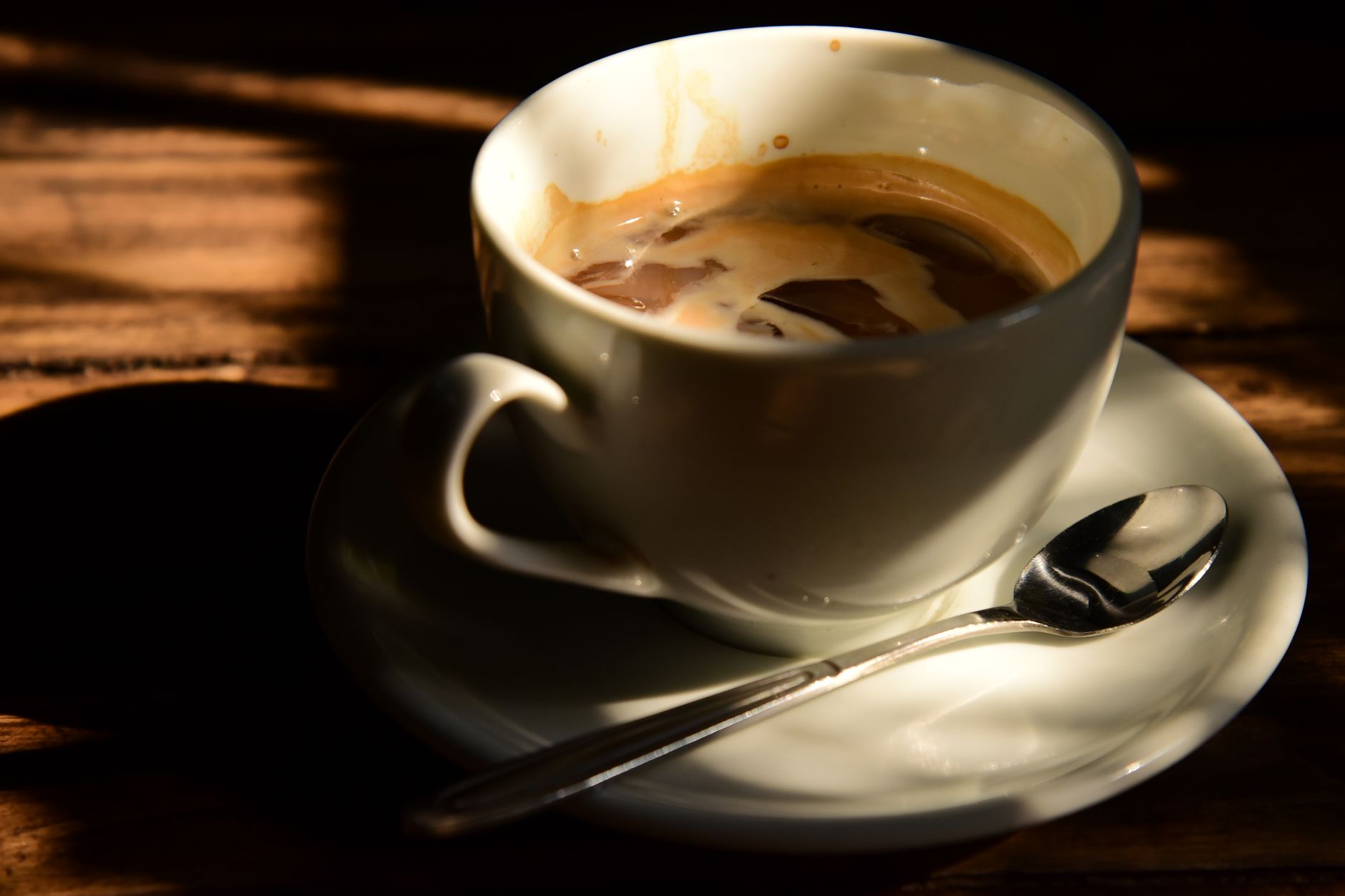 Photo: Sóc Năng Động via Pexels
Under-extraction happens when water moves through the puck too fast, contacts too little coffee surface area, or isn’t hot enough to dissolve the right compounds. The acids extract first; sweetness and body extract later. Stop the shot early and you get one without the other.
The most common culprits, ranked by frequency:
| Cause | Effect on Shot | Fix |
|---|---|---|
| Grind too coarse | Fast flow, low TDS | Grind finer |
| Shot time too short | Incomplete extraction | Extend to 25–30 sec |
| Dose too low | Thin puck, channeling | Increase dose 0.5 g at a time |
| Brew temp too low | Poor solubility | Raise 1–2°C |
| Stale or light-roast beans | Natural acidity amplified | Check roast date; adjust temp up |
| Channeling | Uneven extraction | Fix puck prep |
Why Does Grind Size Matter Most?
Grind is the primary lever for sour espresso. A coarser grind means larger particle surface area, faster water flow, and fewer dissolvable compounds reached — the definition of under-extraction. Going finer increases resistance, slows the shot, and lets water extract more fully.
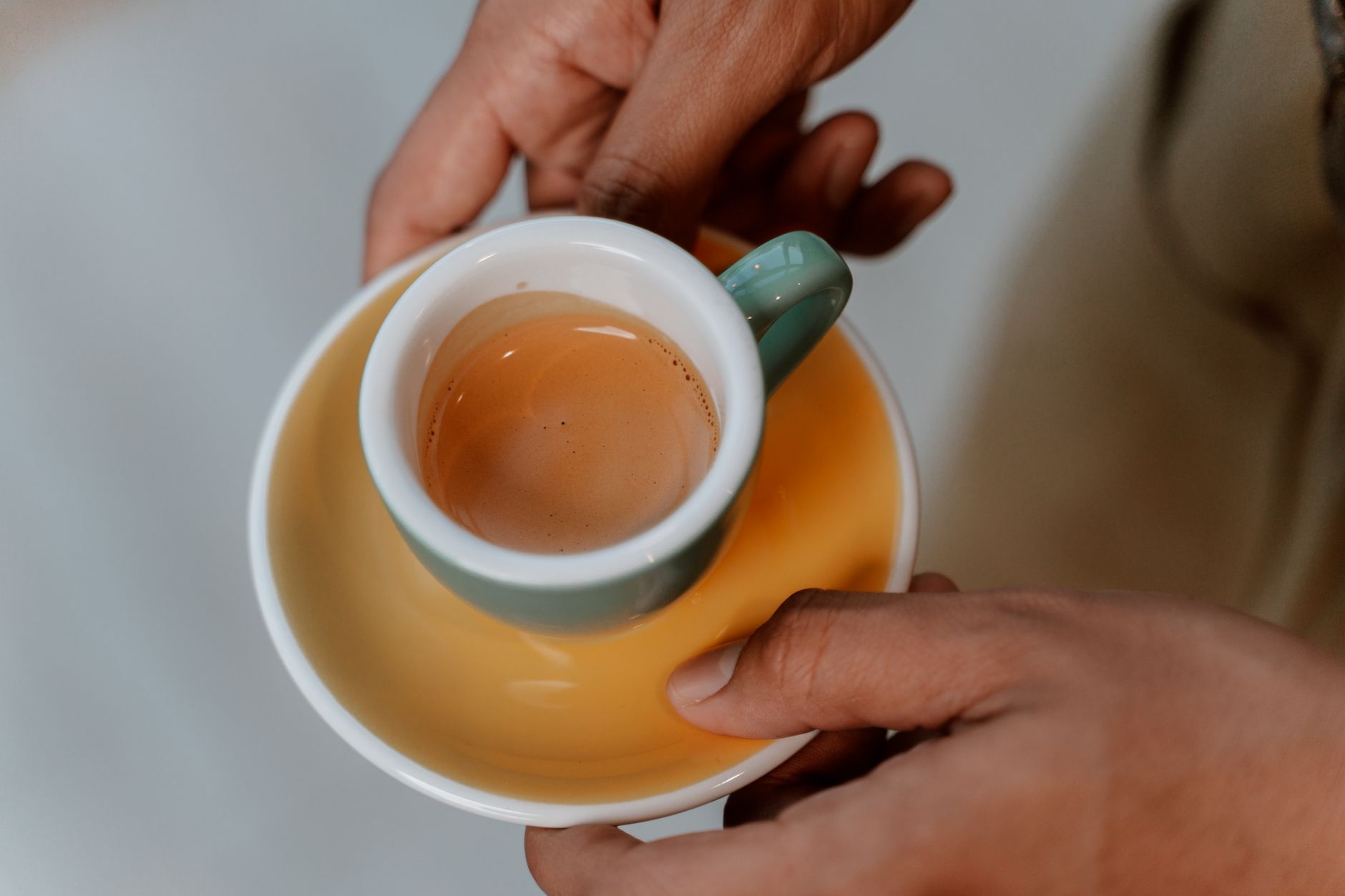
 Photo: Ray Suarez via Pexels
If your shot runs in under 20 seconds at a 1:2 ratio, start with grind before touching anything else. Adjust in small increments — on most grinders, one notch changes shot time by 3–5 seconds. Aim for 25–30 seconds from first drop to target yield.
What If Finer Grinds Don’t Fix It?
If you’ve gone fine enough that the shot is choking (over 35 seconds, sputtering) but still tastes sour, the problem is elsewhere. Check:
- Brew temperature — most home machines default to 92–93°C; light roasts often need 94–96°C
- Roast date — beans under 5 days off-roast or over 4 weeks produce unpredictable extraction
- Distribution — an uneven puck extracts unevenly; some channels pull fast and sour while others over-extract
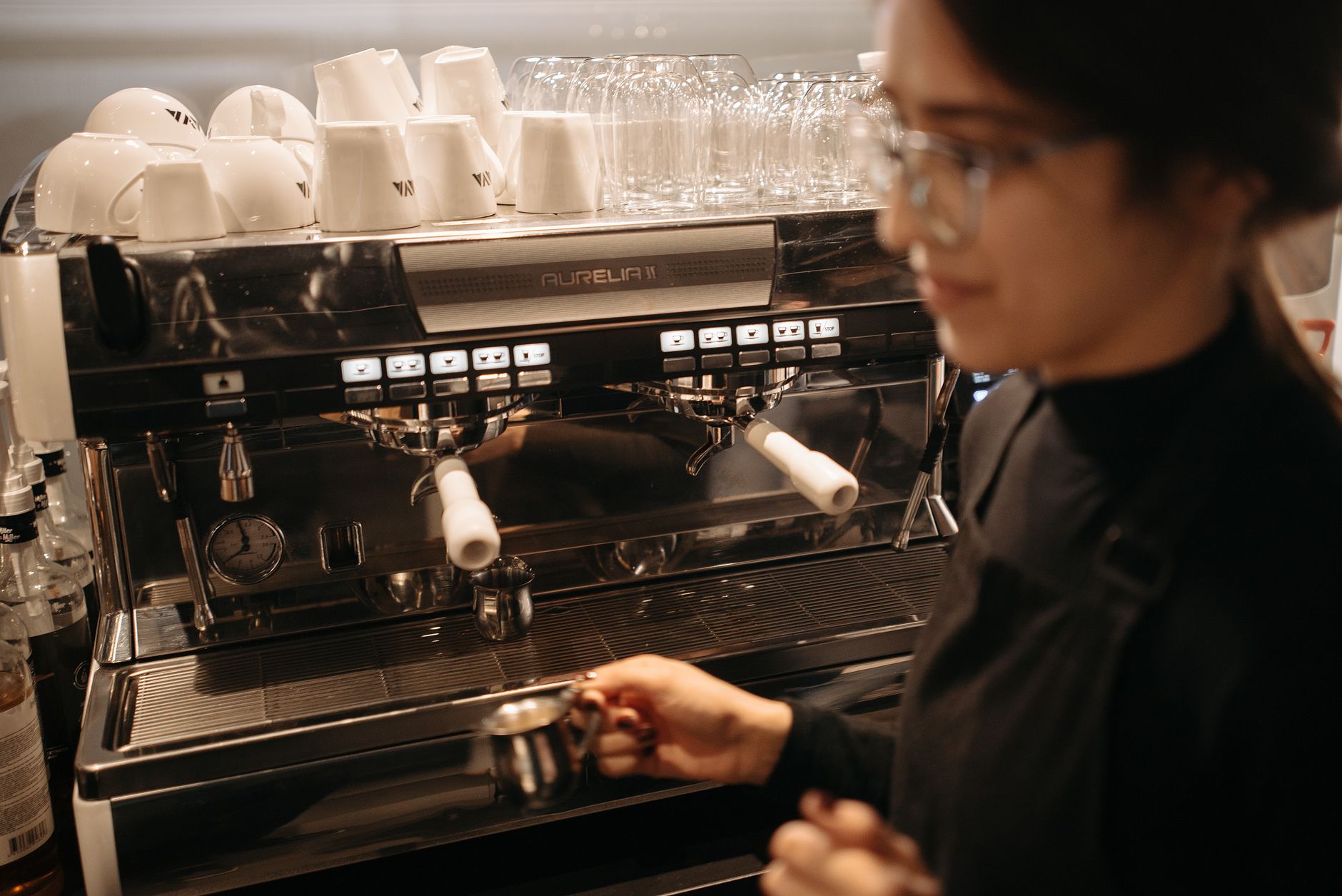 Photo: Pavel Danilyuk via Pexels
How Shot Time Affects Sourness
Target 25–30 seconds for a 1:2 ratio (18 g in, 36 g out). Shorter than 22 seconds almost guarantees sourness regardless of grind. Longer than 35 seconds pushes into bitterness. The sweet spot is where acids, sugars, and mild bitterness balance.
Time alone isn’t the full picture — yield matters too. A 15-second shot at 1:2 and a 15-second shot at 1:3 taste completely different. Always track both time and yield simultaneously.
Quick reference:
| Shot Time | Likely Taste | Adjustment |
|---|---|---|
| < 20 sec | Sour, thin, sharp | Grind finer, increase dose |
| 20–24 sec | Sour-edged, bright | Grind slightly finer |
| 25–30 sec | Balanced (target) | Dial complete |
| 31–35 sec | Slightly bitter | Grind coarser by 1 notch |
| > 35 sec | Bitter, astringent | Grind coarser |
Coffee Module B — Brewing Guide
Extraction Parameters
| Parameter | Target Range |
|---|---|
| Dose | 17–19 g (adjust for basket) |
| Yield | 34–38 g (1:2 ratio) |
| Ratio | 1:2 to 1:2.2 |
| Time | 25–30 seconds |
| Temperature | 93–94°C (light roasts: 94–96°C) |
| Pressure | 9 bar (pre-infusion at 3–4 bar for 5–7 sec if available) |
Puck Prep
- WDT (Weiss Distribution Technique): Stir the loose grounds in the basket with a thin needle tool before tamping. Breaks clumps that create channels.
- Leveling: Tap the portafilter gently, then use a finger or distribution tool to level the bed flat.
- Tamping: Apply 15–20 kg of even, level pressure. Angle causes channeling — keep the tamp perfectly horizontal.
- Channeling prevention: If your machine supports pre-infusion, use it. A slow ramp-up to full pressure lets the puck hydrate evenly before the full 9 bar hits.
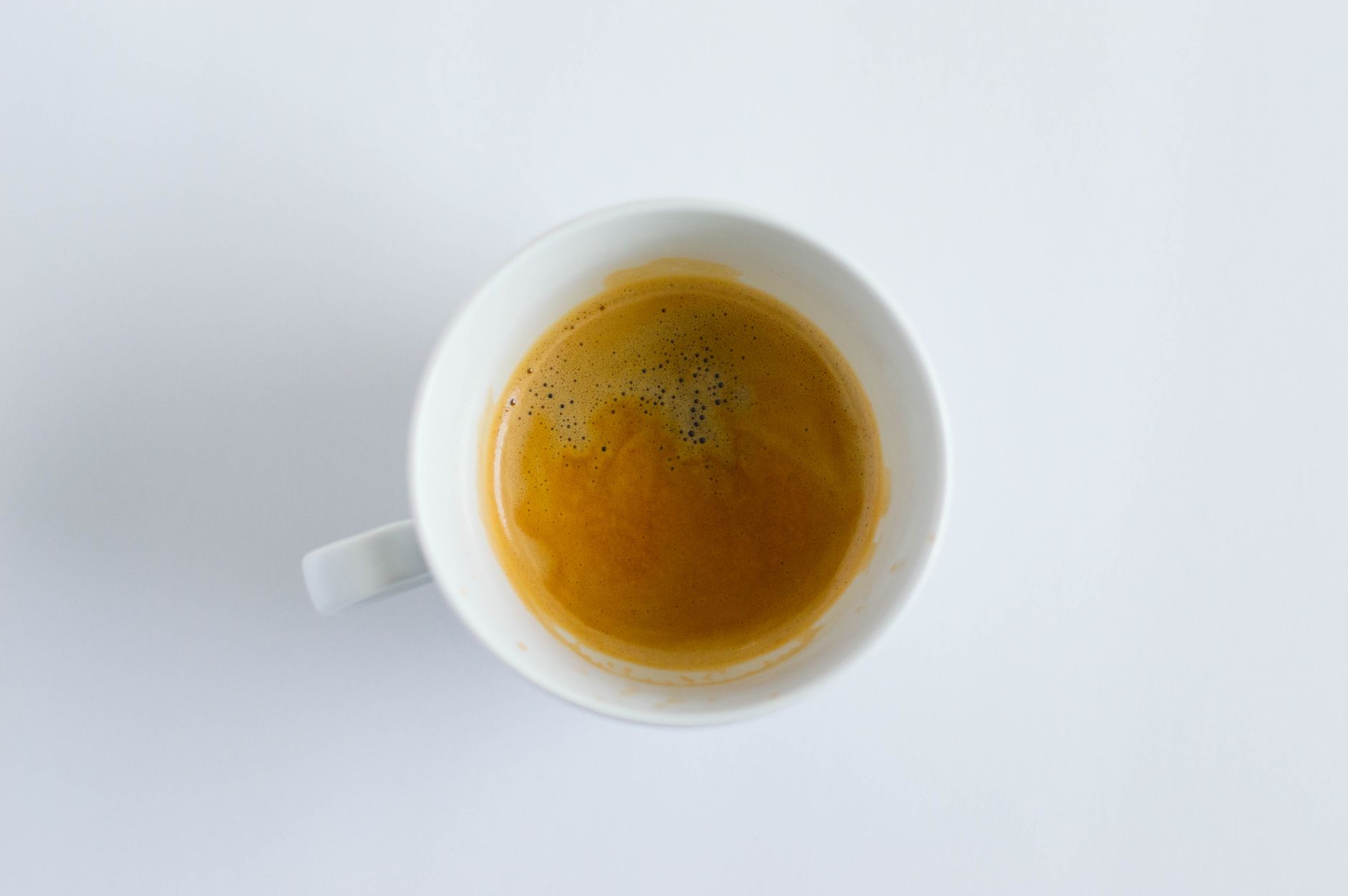
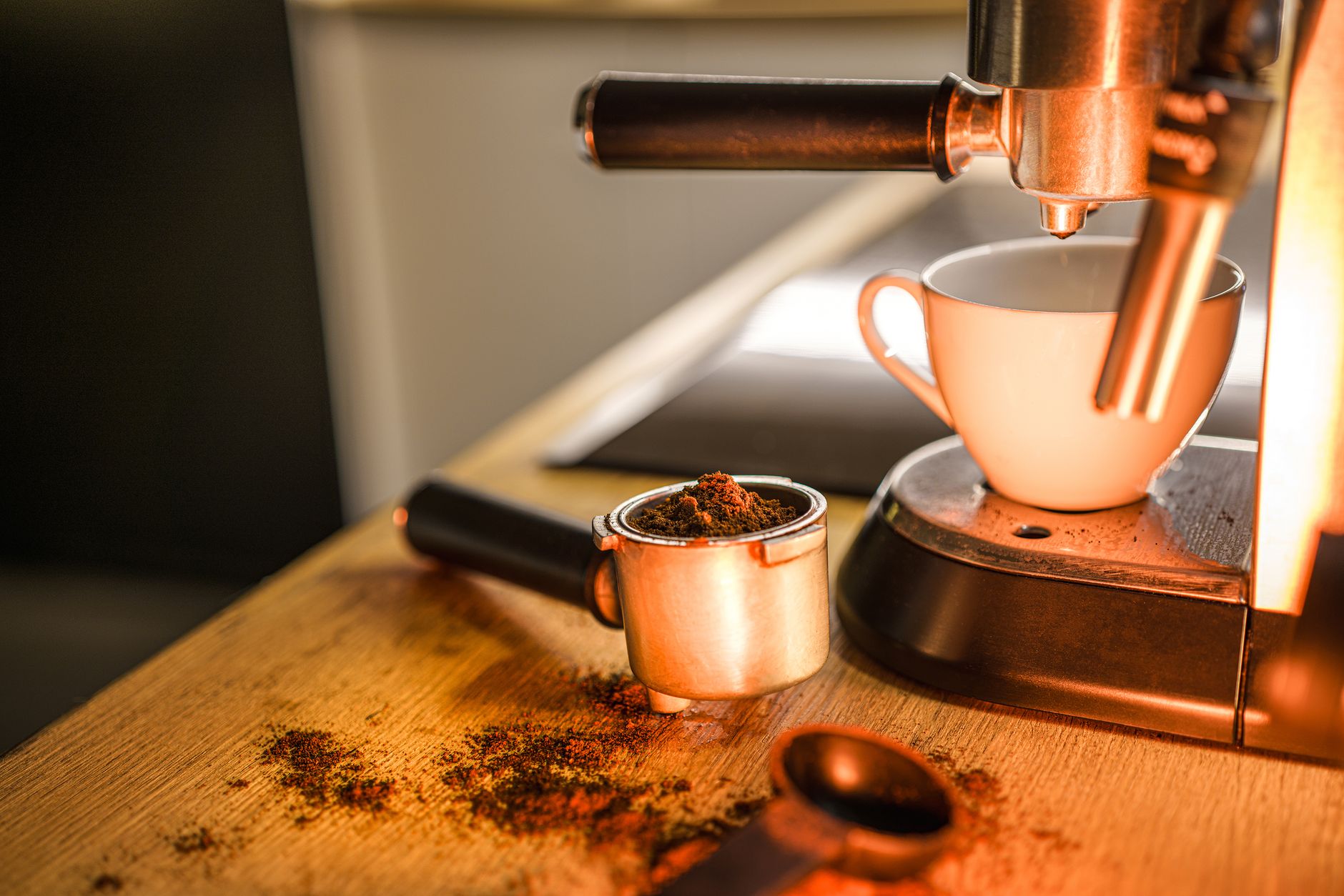 Photo: Jakub Zerdzicki via Pexels
Troubleshooting Matrix
| Symptom | Likely Cause | Fix |
|---|---|---|
| Sour + fast shot | Grind too coarse | Go finer 1 notch at a time |
| Sour + correct time | Temp too low or stale beans | Raise temp 1°C; check roast date |
| Sour + uneven crema | Channeling | Improve WDT and tamping |
| Sour + light-colored crema | Under-dosed | Increase dose 0.5 g |
| Sour + blond streaks early | Channeling | Better distribution; try a bottomless portafilter to diagnose |
| Sour despite all adjustments | Beans under-rested or defective | Rest beans 7–10 days post-roast |
→ See Also
- How to Dial In Espresso: Step-by-Step Decision Tree
- Espresso Extraction Explained: Under, Over, and Perfect
- How to Tamp Espresso Correctly (Pressure, Technique, Tools)
FAQ
Why is my espresso sour even with fresh beans? Fresh doesn’t mean rested. Beans roasted fewer than 5–7 days ago are still off-gassing CO₂, which disrupts extraction and produces uneven, often sour results. Let specialty coffee rest at least a week before pulling shots; medium-dark roasts can sometimes go 10–14 days.
Can water quality make espresso taste sour? Yes. Water that’s too soft (low mineral content) extracts poorly and emphasizes acidity. Aim for water with 75–150 ppm total dissolved solids and moderate hardness around 50–100 ppm. Using distilled or highly filtered water is a common and underdiagnosed cause of persistent sourness.
Does tamping pressure affect sourness? Uneven tamping creates channels where water finds the path of least resistance — those channels extract sour and thin while the rest of the puck barely extracts at all. Consistent level pressure matters more than the exact number of kilograms. An angled tamp is the most common puck prep mistake.
Why does my espresso taste sour in the morning but better later? Most thermoblock and single-boiler machines need 10–20 minutes to fully thermally stabilize — the stated ready light often comes on before the group head reaches proper temperature. Run 2–3 blank shots (no coffee) before pulling your first real shot to saturate the group head with heat.
Is sour espresso always a mistake, or can it be intentional? Some single-origin naturals and light roasts are intentionally dialed to emphasize bright acidity — but that’s fruity and pleasant, not sharp and unpleasant. True sourness is a sign of under-extraction. If it makes you wince, it’s a problem; if it’s lively and sweet, it might be exactly what the roaster intended.
Editorial methodology: Assessments are based on manufacturer specifications, published user reviews, and editorial research. Physical hands-on testing is noted explicitly where it occurred. Rankings reflect our editorial judgment and are not influenced by affiliate commission rates. Full editorial policy · Affiliate disclosure