Contents
Why Is My Espresso Bitter? (Causes and Fixes)
TL;DR: Bitter espresso is almost always over-extraction — water pulling too many compounds from the coffee. The most common causes are too-fine a grind, too-long a shot time, too-high a brew temperature, or stale darkly-roasted beans. Fix the grind first; it controls extraction more than any other variable.
Why Is My Espresso Bitter? The Short Answer
Over-extraction is the root cause of bitter espresso in 90% of cases. When water stays in contact with coffee too long — or moves too slowly through the puck — it strips bitter compounds like chlorogenic acid lactones and phenylindanes that extract late. The fix is almost always a coarser grind, a shorter shot time, or a lower brew temperature.
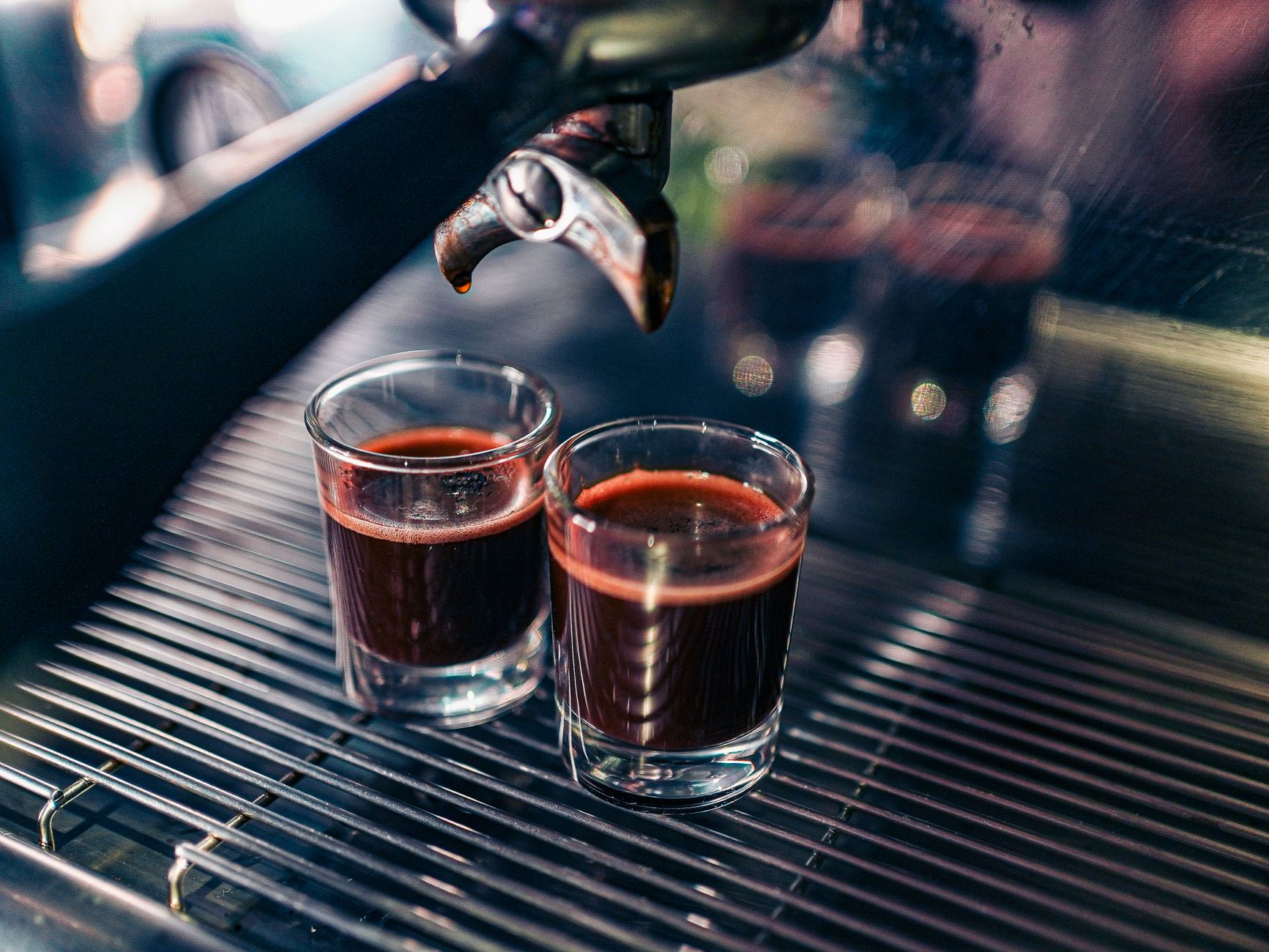
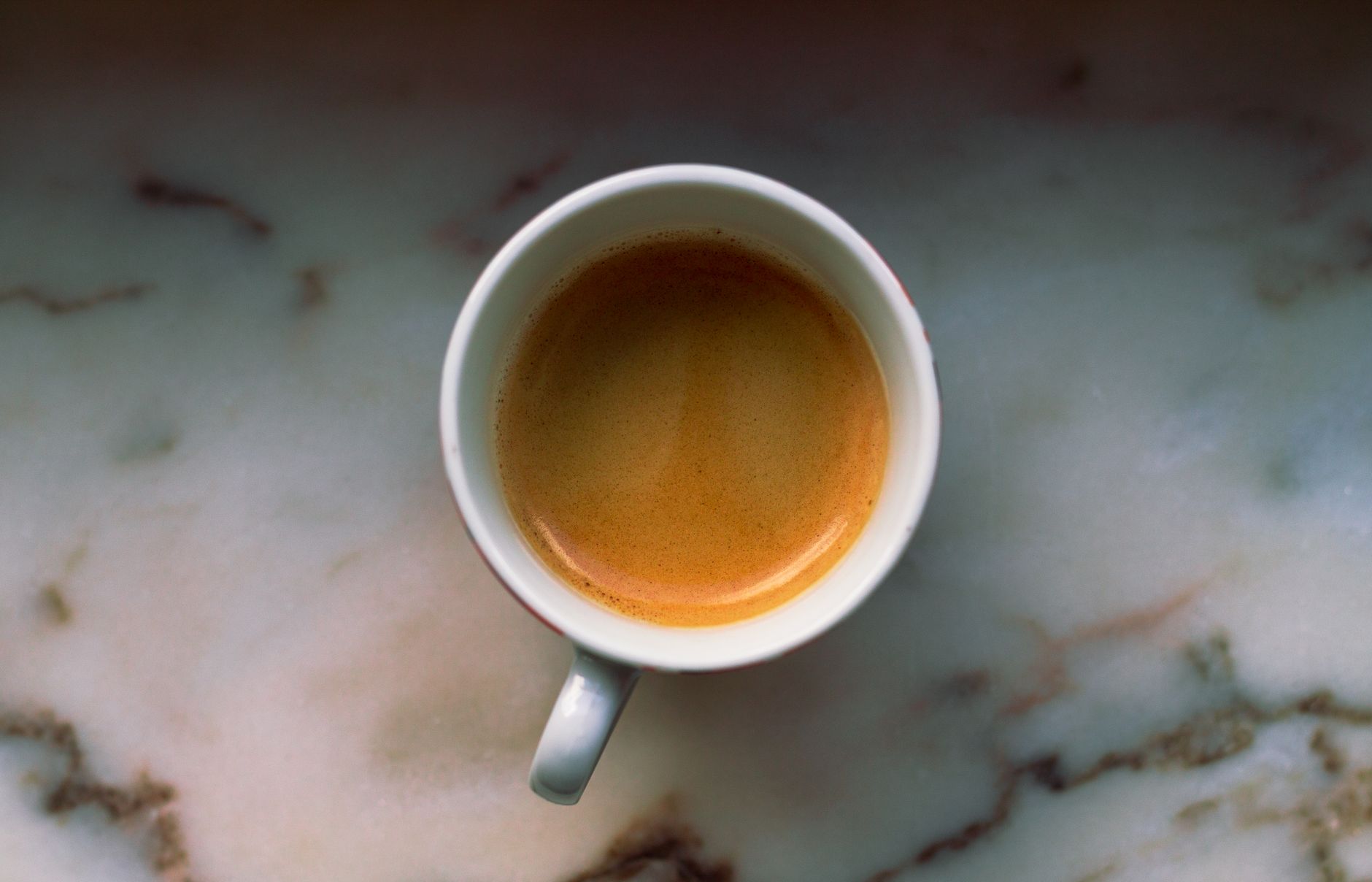 Photo: onehundredseventyfive . via Pexels
Bitterness sits at the far end of the extraction spectrum. A well-extracted shot tastes sweet, acidic, and complex. Push extraction too far and the sweetness collapses, leaving harsh, dry, lingering bitterness. Every cause below maps back to that same mechanism: too much extraction, too fast or too slow.
The Most Common Causes of Bitter Espresso
1. Grind Too Fine
A grind that’s too fine is the single most common cause of bitter espresso. Fine particles create more surface area and restrict flow, both of which push extraction higher. If your shot is running long and tasting bitter, coarsen the grind before touching anything else.
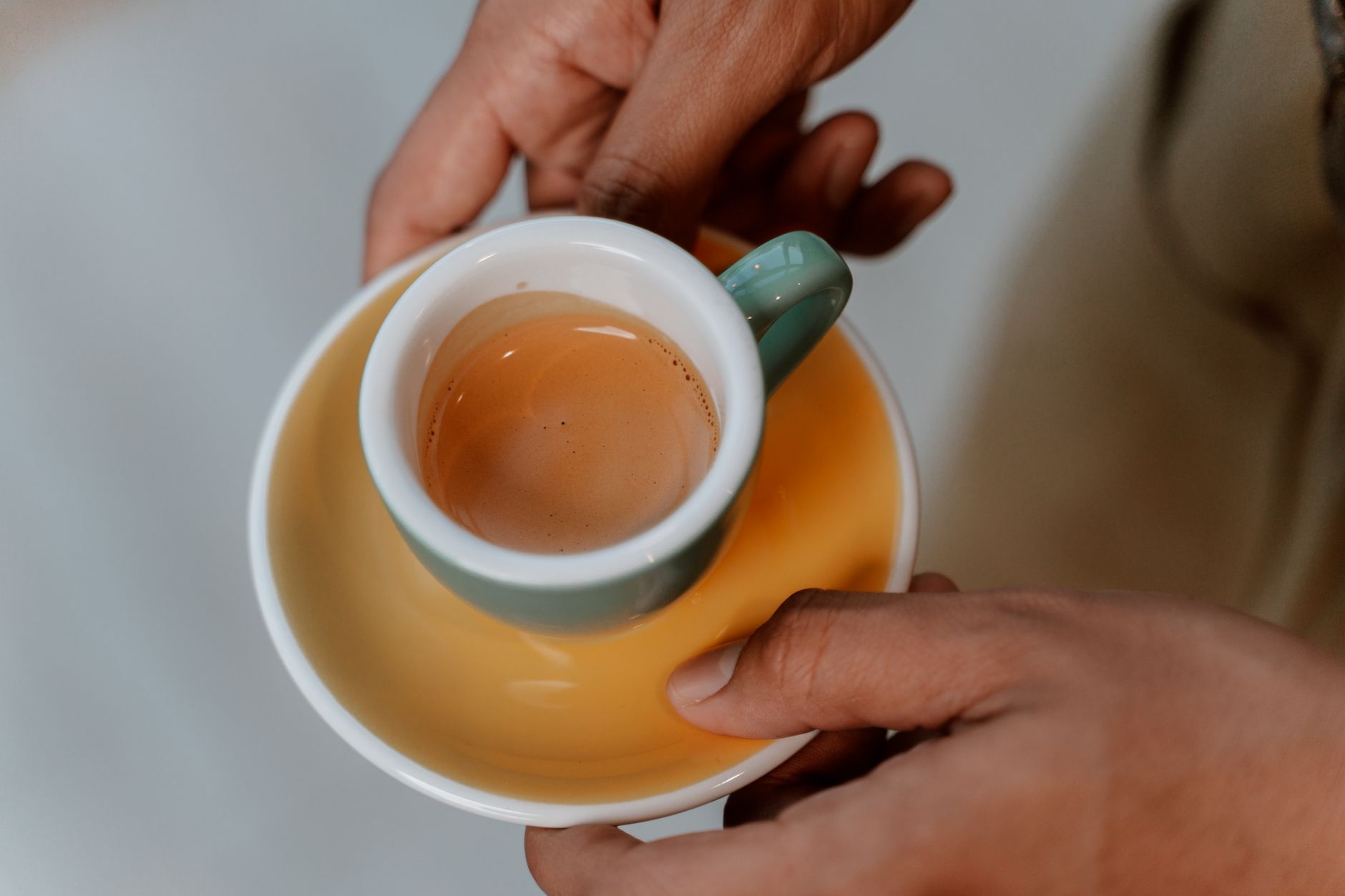
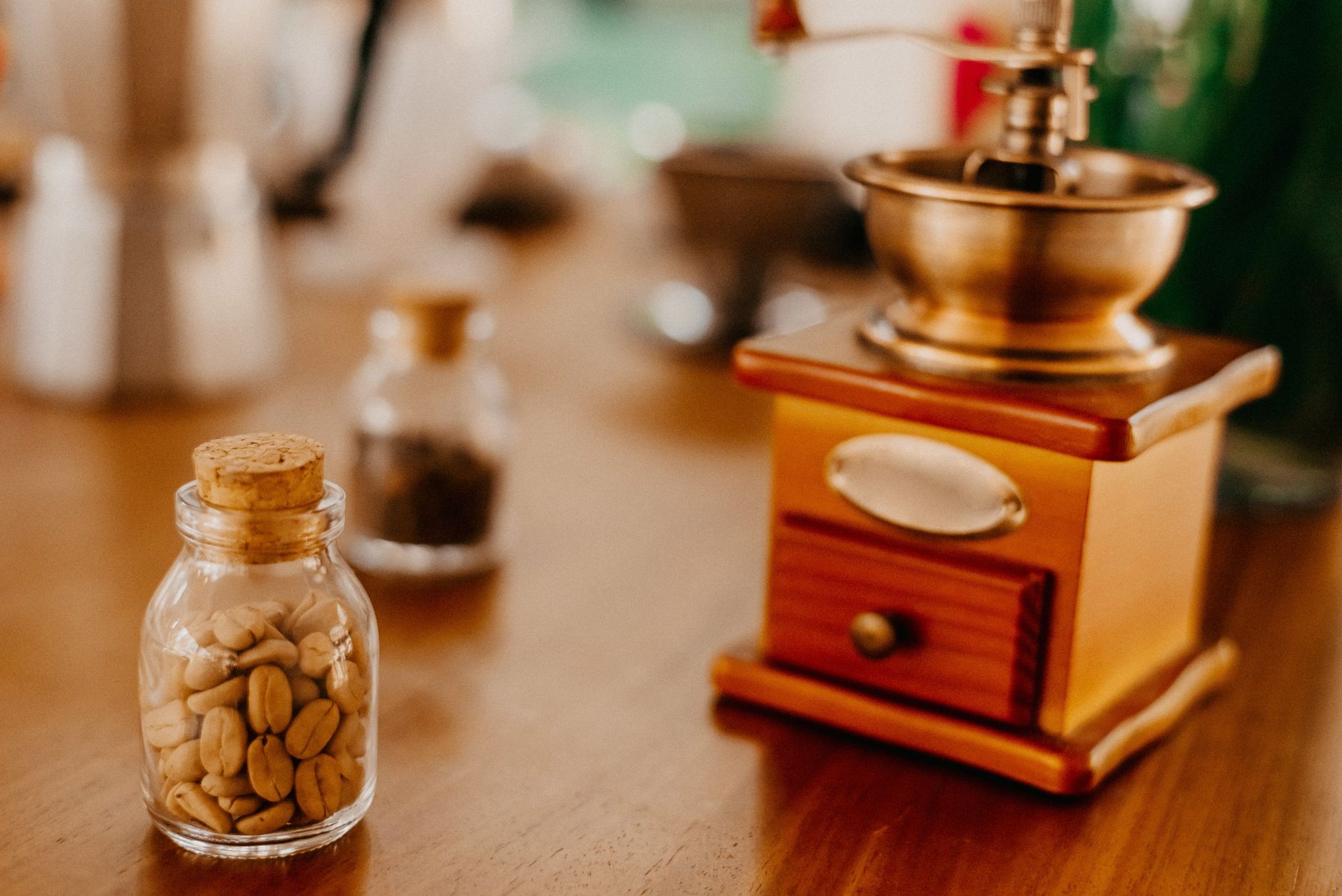 Photo: Jonathan Borba via Pexels
Flow rate is your diagnostic. A properly extracted double espresso (18 g in, ~36 g out) should run in 25–30 seconds. Fine grinds choke flow and extend contact time, dragging out late-extracting bitter compounds. Coarsen in small steps — one click at a time on a quality burr grinder — until the shot flows freely and bitterness drops.
2. Shot Running Too Long (Over-Extraction)
If your shot runs past 35 seconds, you’re almost certainly over-extracting regardless of grind. Longer contact time = more bitter compounds in the cup. Stop the shot earlier or coarsen the grind to speed up flow.
Target a 1:2 brew ratio (e.g., 18 g dose → 36 g yield) in 25–30 seconds. Shots that drip slowly for 40+ seconds will taste intensely bitter, often with a hollow, papery finish. Time your shots with a scale and timer every pull until dialing in is complete.
3. Brew Temperature Too High
Espresso brewed above 96°C (205°F) extracts bitter compounds faster and more aggressively. Most specialty coffee extracts cleanest between 90–94°C (194–201°F) — lighter roasts toward the top, darker roasts toward the bottom.
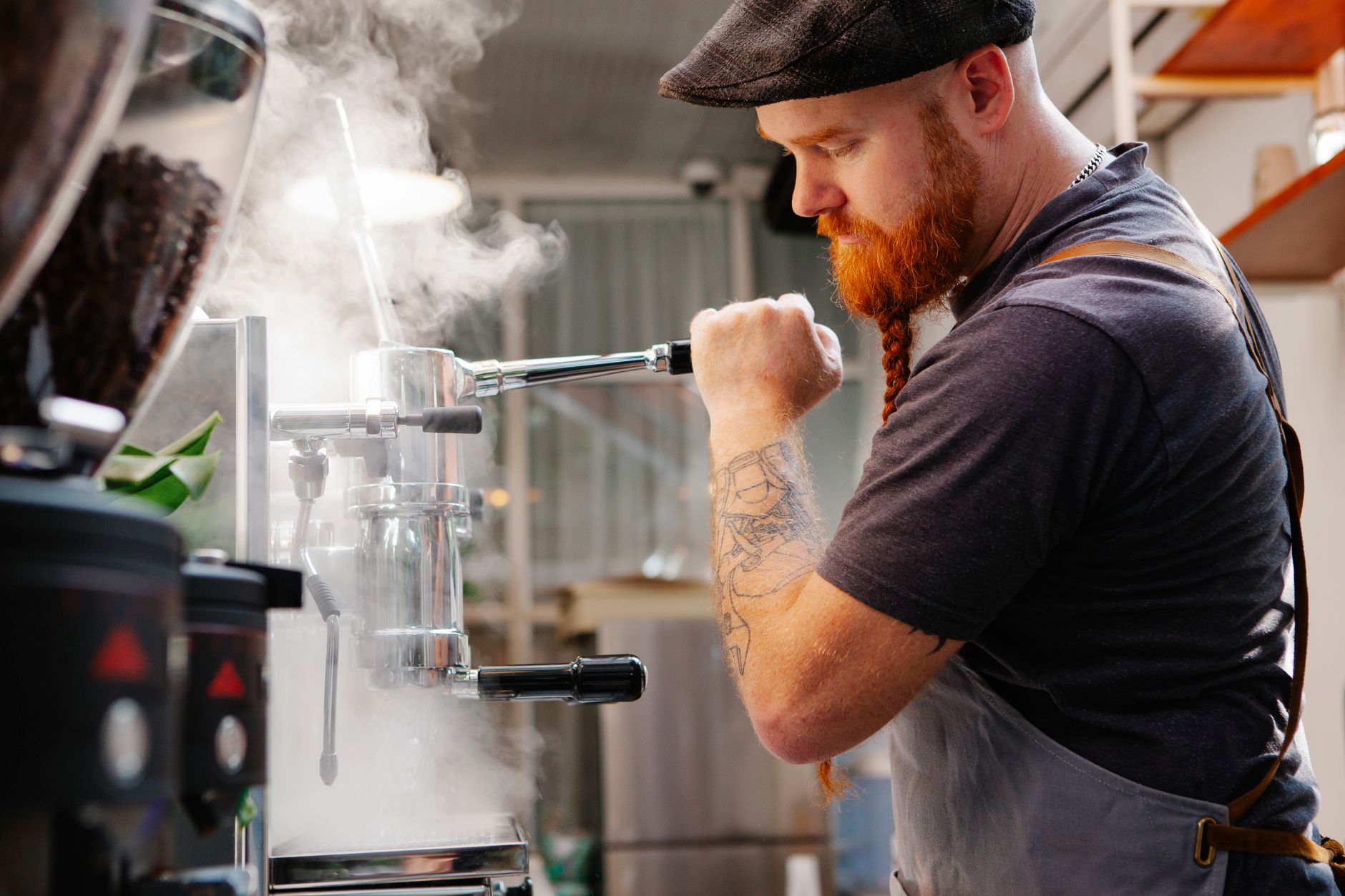 Photo: Tim Douglas via Pexels
If you have a PID or temperature control, try dropping 1–2°C at a time. Machines without temperature control can benefit from a longer flush before pulling the shot to stabilize boiler temperature.
4. Dark or Stale Roast
Heavily roasted beans contain more bitter-precursor compounds by nature — the roasting process degrades sugars and creates the phenylindanes responsible for harsh bitterness. Stale beans compound the problem by losing CO₂ and volatile aromatics, leaving bitterness unbalanced by sweetness.
Roast date matters. Use beans within 2–6 weeks of roast. If you’re using a dark roast by choice, lower brew temp (88–91°C), coarsen the grind, and shorten the shot slightly to compensate.
5. Channeling
Channeling — water finding a path of least resistance through the puck — causes uneven extraction: some grounds are over-extracted (bitter), others under-extracted (sour). The result is a confused, muddy shot that can skew bitter.
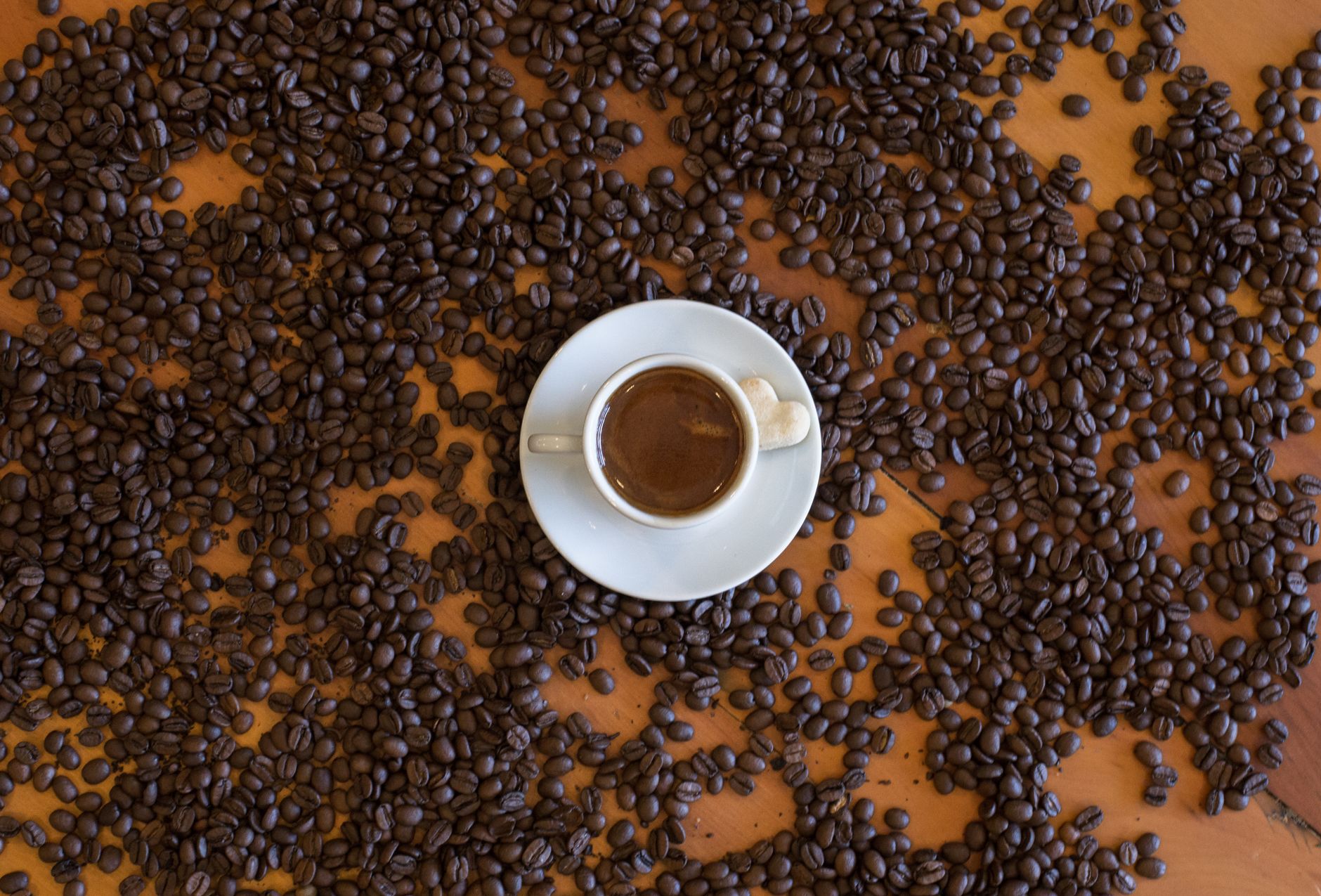
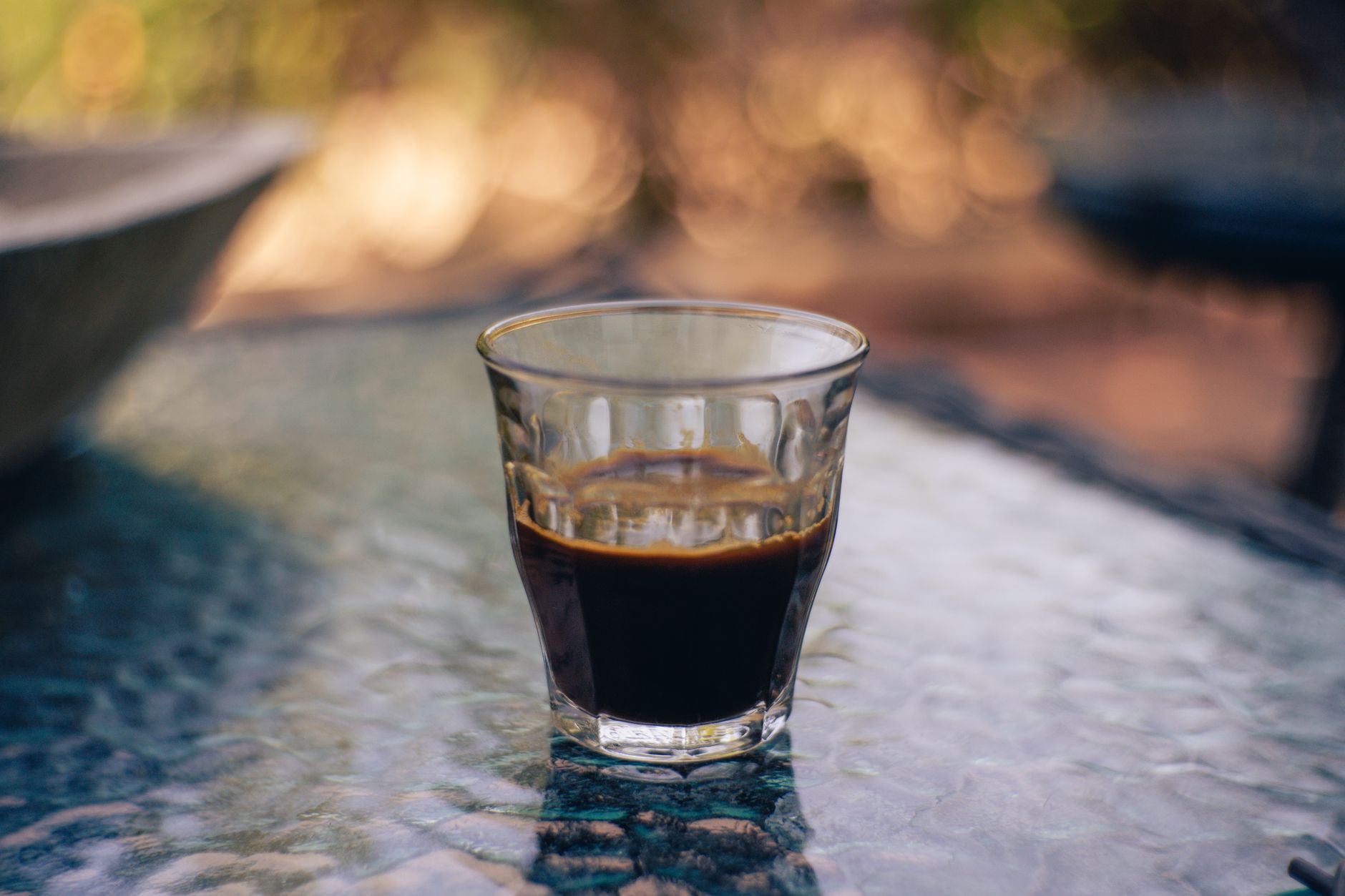 Photo: Asaad Alabri via Pexels
Prevention is the fix: use a WDT tool to break up clumps before tamping, ensure an even, level tamp, and consider a distribution tool or Weiss Distribution Technique.
6. Dirty Equipment
Coffee oils oxidize and go rancid inside portafilters, baskets, shower screens, and group heads. Even a day’s buildup can add pronounced bitterness to every shot you pull.
Backflush with water after every session. Use espresso machine cleaner (e.g., Cafiza ) weekly. Soak your portafilter basket in cleaner monthly.
Extraction Parameters Reference
| Parameter | Target Range | Notes |
|---|---|---|
| Dose | 18–20 g | Depends on basket size |
| Yield | 36–40 g | 1:2 ratio as baseline |
| Ratio | 1:2 | Adjust ±0.2 for taste |
| Time | 25–30 sec | Start timer at first drop |
| Temperature | 90–94°C | Lower for dark roasts |
| Pressure | 9 bar | 6 bar pre-infusion optional |
Troubleshooting Matrix
| Symptom | Likely Cause | Fix |
|---|---|---|
| Bitter + very slow shot | Grind too fine | Coarsen 1–2 clicks |
| Bitter + shot ran 35–45 sec | Over-extraction | Coarsen grind, stop shot at 36 g |
| Bitter + ashy aftertaste | Over-roasted beans | Switch to medium or medium-dark roast |
| Bitter + sour in same shot | Channeling | WDT, even tamp, re-distribute |
| Bitter + oily/rancid smell | Dirty equipment | Full group head clean |
| Bitter even when dialed in | Temp too high | Drop 2°C, pull again |
→ See also
- How to Dial In Espresso: Step-by-Step Decision Tree
- Espresso Extraction Explained: Under, Over, and Perfect
- How to Tamp Espresso Correctly (Pressure, Technique, Tools)
FAQ
Why does my espresso taste bitter even with fresh beans? Fresh beans eliminate staleness as a cause, but over-extraction, too-fine a grind, or brew temperature that’s too high can still produce bitterness. Pull a fresh shot and measure your shot time — if it’s over 32 seconds, coarsen the grind as a first step.
Can under-extraction cause bitterness? Rarely, and it’s usually not pure bitterness. Under-extracted shots are sour, sharp, and thin. If you’re tasting both sour and bitter in the same cup, channeling is the likely cause — water is simultaneously over-extracting some grounds and under-extracting others.
Does tamping pressure affect bitterness? Indirectly. Inconsistent tamping creates an uneven puck surface that promotes channeling, which can produce bitter extraction. Pressure itself (anywhere from 15–30 lbs) matters less than evenness — a level tamp at 20 lbs beats an uneven tamp at 30 lbs every time.
Why is my espresso bitter only on the first shot of the day? The group head is cold. Cold metal drops brew temperature during the extraction, then overcompensates as the machine heats up — the second shot pulls hotter, and if temperature goes too high, bitterness follows. Flush the group head for 10–15 seconds before pulling your first shot to stabilize temperature.
Does grinder quality affect bitterness? Yes. Cheap blade grinders and low-quality burr grinders produce inconsistent particle sizes — fine powder mixed with coarse chunks. The fines over-extract (bitter) while coarse pieces under-extract (sour). A quality flat or conical burr grinder like the Baratza Encore
Editorial methodology: Assessments are based on manufacturer specifications, published user reviews, and editorial research. Physical hands-on testing is noted explicitly where it occurred. Rankings reflect our editorial judgment and are not influenced by affiliate commission rates. Full editorial policy · Affiliate disclosure