Contents
Why Is My Coffee Grinder So Loud?
TL;DR: Coffee grinders are loud because motors, burrs, and beans create mechanical vibration and impact noise — it’s physics, not a defect. Blade grinders are louder than burr grinders, and cheaper models lack sound dampening. If your grinder has suddenly gotten louder, it usually means worn burrs, loose components, or trapped debris.
Why Is My Coffee Grinder So Loud? The Short Answer
Most grinders produce 70–90 dB during operation — roughly the same as a food blender. The noise comes from three sources: the motor spinning at high RPM, burrs or blades pulverizing hard beans, and vibration transmitted through the housing. Cheaper grinders amplify this with thin plastic shells and no rubber dampening.
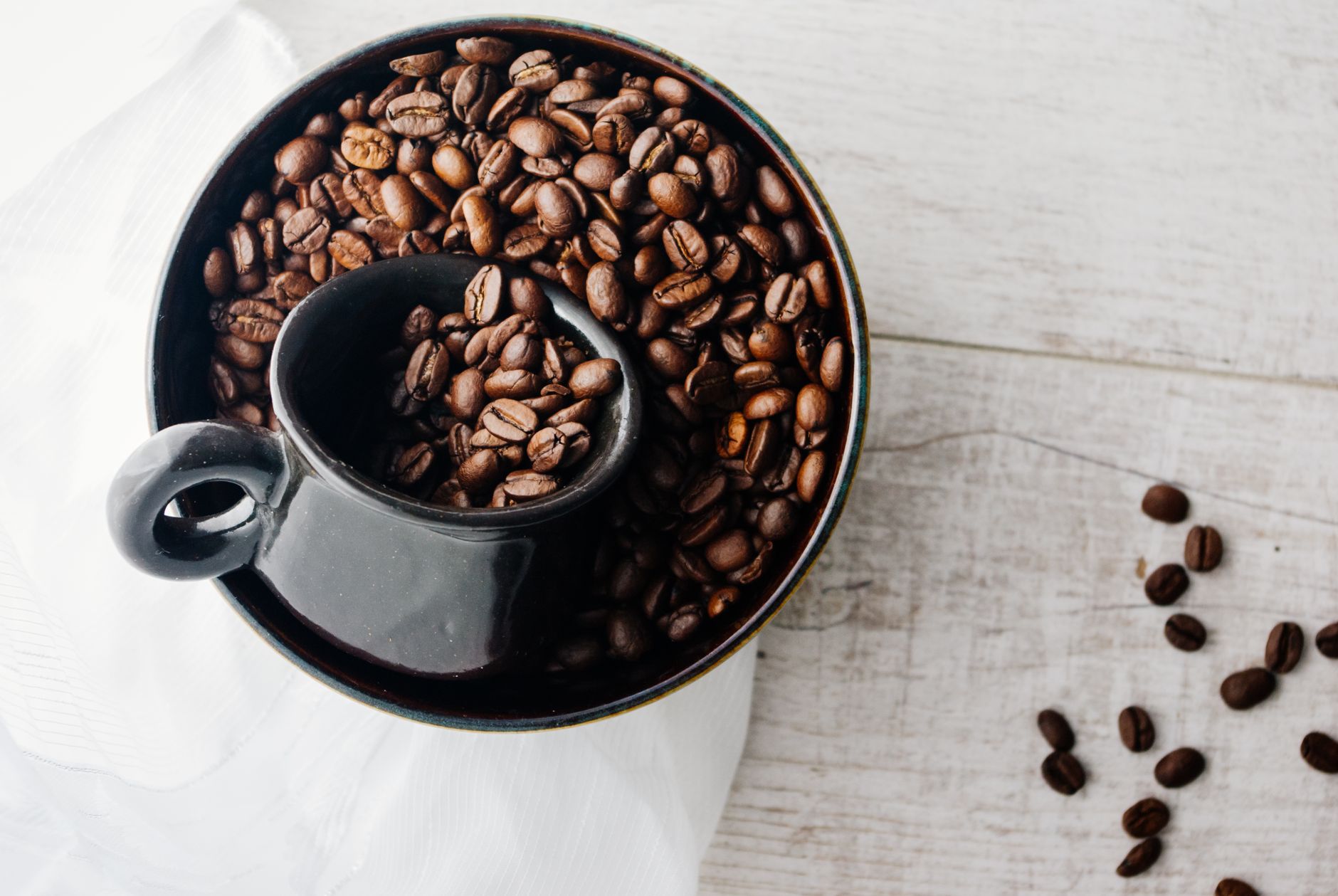
 Photo: Raphael Loquellano via Pexels
Specialty-grade grinders like the Baratza Encore
What Makes Blade Grinders Louder Than Burr Grinders
Blade grinders spin a metal blade at 20,000+ RPM and smash beans by impact rather than grinding them. That impact noise, combined with bean fragments ricocheting inside the chamber, is why blade grinders sound like a small jet engine. Burr grinders feed beans through a controlled gap — quieter by design.
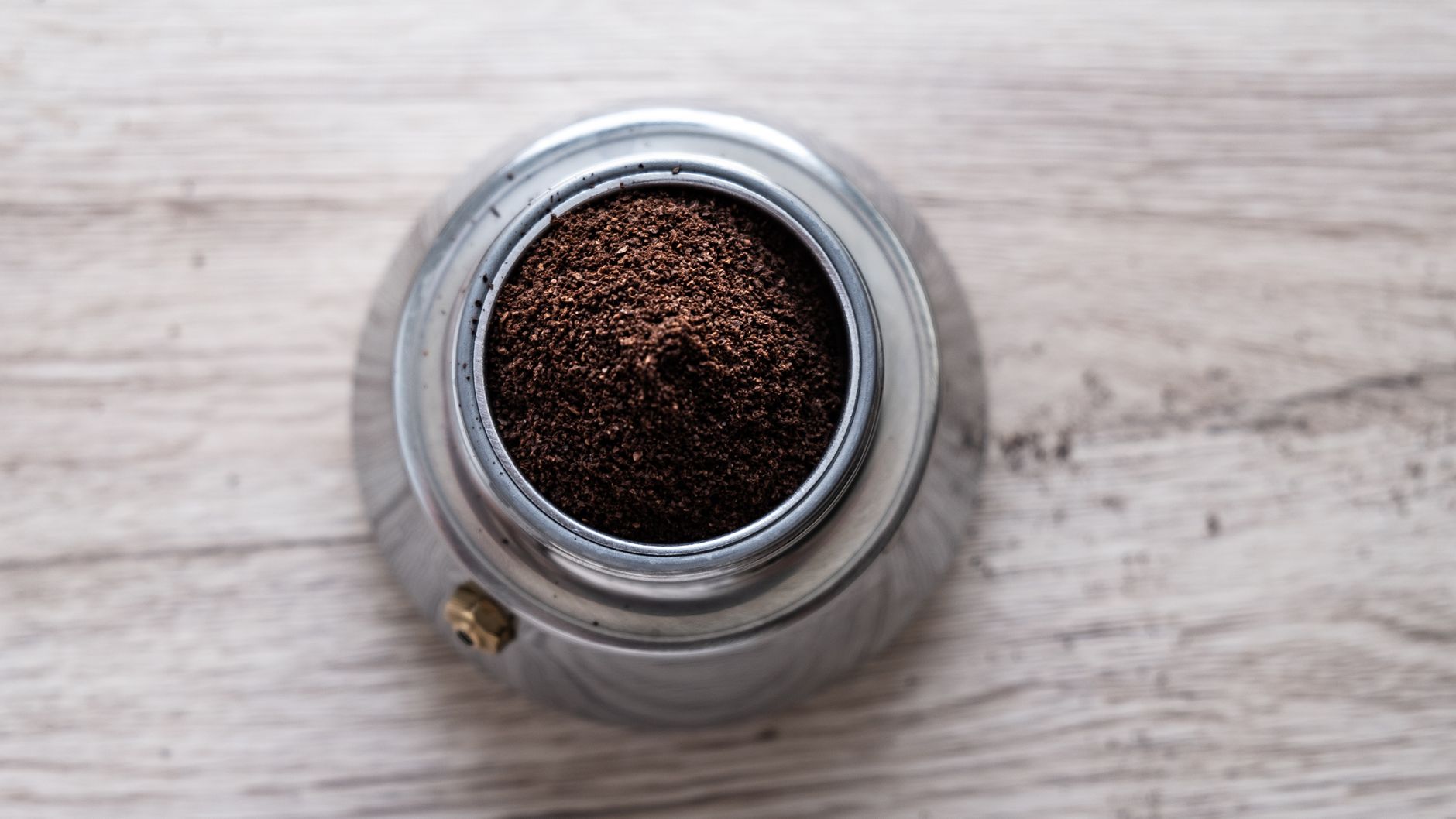
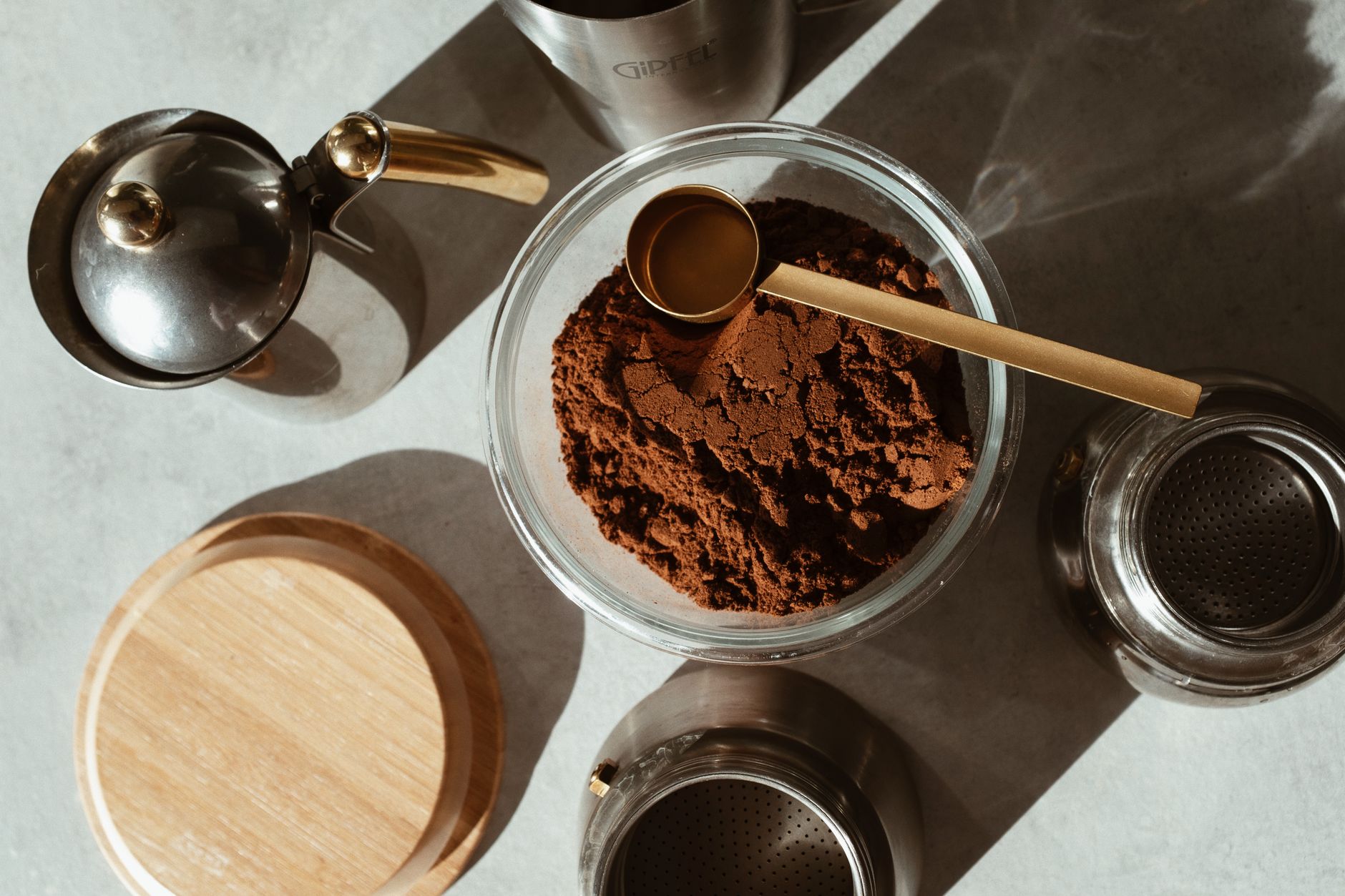 Photo: ready made via Pexels
Burr grinders still make noise, but the sound profile is lower-frequency and more consistent — a hum rather than a clatter. Conical burrs tend to run quieter than flat burrs because they spin slower (600–900 RPM vs 1,200–1,600 RPM for most flat burr grinders).
| Type | Typical dB | RPM Range | Noise Character |
|---|---|---|---|
| Blade grinder | 85–95 dB | 20,000+ | Sharp impact, high-pitched |
| Flat burr (budget) | 75–85 dB | 1,200–1,600 | Consistent whir |
| Flat burr (quality) | 70–80 dB | 900–1,400 | Low hum |
| Conical burr (electric) | 65–78 dB | 600–900 | Mellow grind |
| Hand grinder | 45–55 dB | Manual | Near-silent |
Why Did My Grinder Suddenly Get Louder?
A grinder that has become noticeably louder than normal is telling you something is wrong. The most common causes: worn or chipped burrs, a loose hopper or grounds bin, debris jammed between burrs, or motor bearing wear. Each has a different fix.
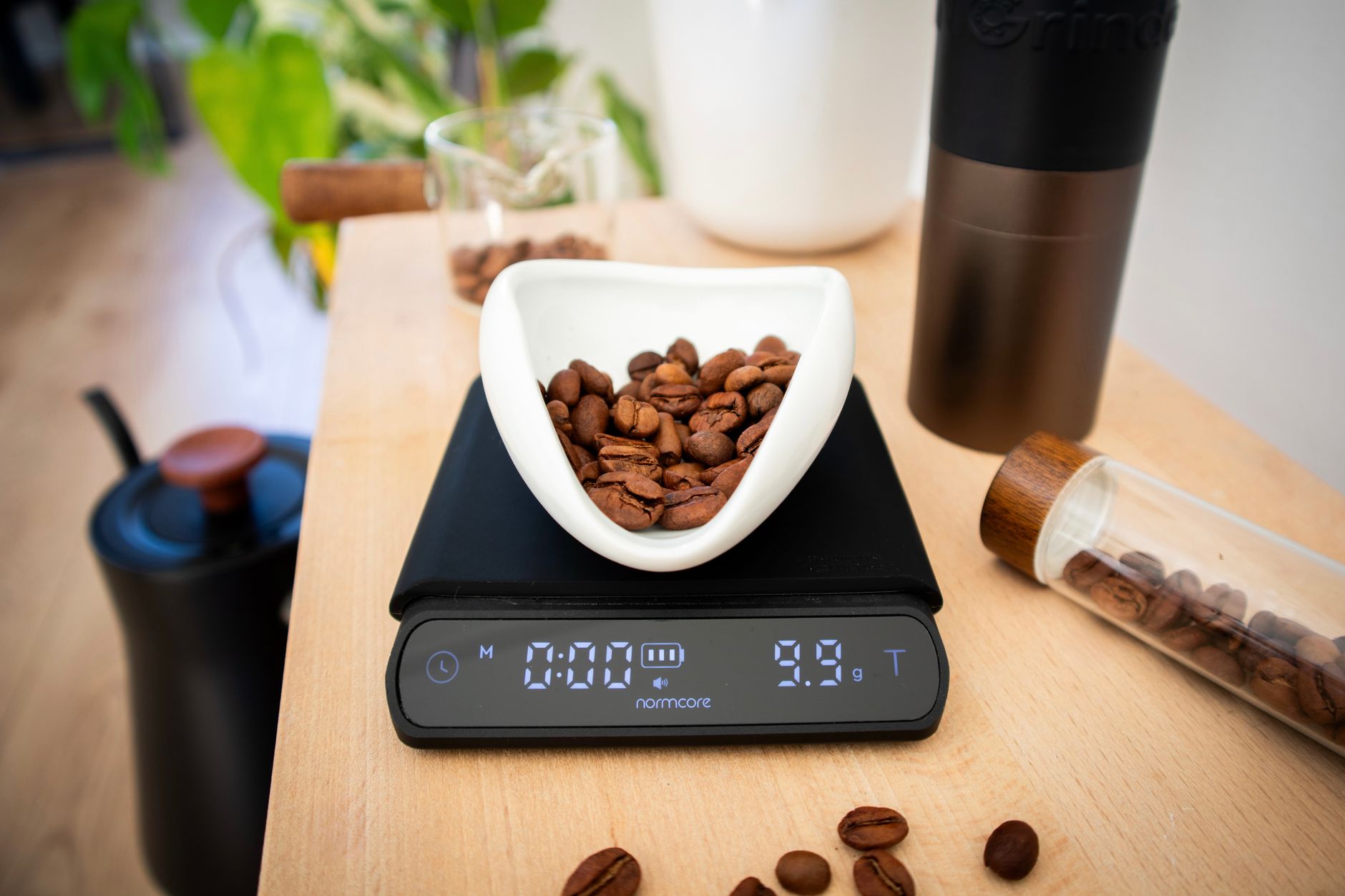
 Photo: Ánh Đặng via Pexels
Worn or Chipped Burrs
Burrs dull over time — typically after 500–1,000 lbs of coffee depending on material. Steel burrs chip if they contact a hard foreign object (a pebble, a bone fragment from natural-process coffee). Chipped burrs create irregular impact noise on every rotation. Run your finger across the burr edge: it should feel consistently sharp, not jagged or smooth.
Most burr sets are replaceable. For the Baratza Encore, a new burr set runs ~$25–35 and takes five minutes to swap.
Loose Components
The grounds bin, hopper, or upper burr carrier can loosen with use. These rattle against the housing during operation and add significant noise above the grinder’s baseline. Check that everything seats firmly before blaming the motor.
Trapped Debris or Bean Fragments
Old coffee oils and fine particles build up between burrs and in the chute. A stone or hard fragment trapped in the grind path is especially loud. Brush out the burr chamber with a stiff pastry brush, then run a small handful of plain white rice or a commercial grinder cleaning tablet through.
Motor Bearing Wear
On grinders with 3+ years of heavy use, the motor bearing can wear and produce a grinding or whining sound that wasn’t there before. This is less common but not rare in budget grinders. If cleaning and tightening don’t help, it’s usually time to replace the grinder.
Quieter Grinder Options
If noise is genuinely a problem — apartment walls, early mornings, sleeping partners — the fix is either a hand grinder or an electric grinder with active noise reduction or heavy dampening. Don’t expect marketing claims of “quiet operation” without checking measured dB specs.
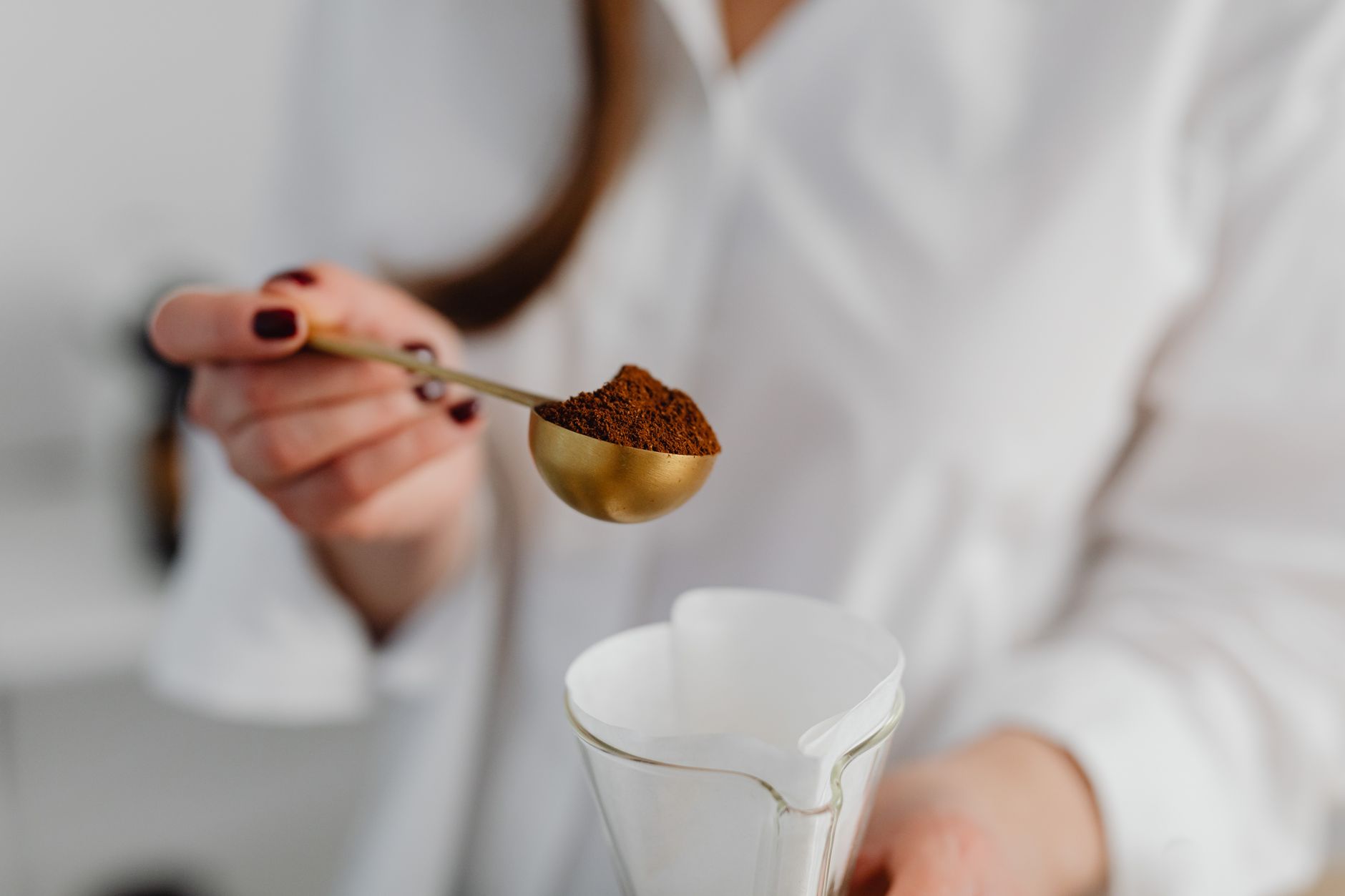 Photo: https://kaboompics.com/ via Pexels
| Grinder | Approx. Price | Noise Level | Best For |
|---|---|---|---|
| 1Zpresso JX-Pro (manual) | ~$170 | ~50 dB | Espresso / filter |
| Timemore C3 (manual) | ~$75 | ~50 dB | Filter / travel |
| Fellow Ode Gen 2 | ~$365 | ~72 dB | Filter only |
| Baratza Encore ESP | ~$230 | ~74 dB | Espresso / filter |
| Breville Smart Grinder Pro | ~$200 | ~75 dB | All-purpose |
Manual grinders are the only category that reliably stays under 60 dB — there’s no motor. For electric, placing the grinder on a folded silicone mat cuts transmitted vibration to the counter noticeably.
→ See also:
- The Complete Coffee Grinder Guide (2026)
- Burr vs Blade Grinder: Why It Matters for Your Coffee
- Best Coffee Grinders Under $100 (2026)
FAQ
Is it normal for a coffee grinder to be loud? Yes. Even quality burr grinders operate at 70–80 dB, comparable to a loud conversation or blender. The noise is inherent to the process of fracturing hard beans at speed. Quieter operation is a premium feature you pay for deliberately, not a baseline expectation.
Why does my grinder sound like it’s struggling or straining? A labored, slowing, or straining sound usually means the burrs are set too fine for the grind speed, the hopper is overloaded, or the motor is underpowered for the task. Try a coarser setting, grind smaller doses, or check for debris in the burr chamber.
Can I make my grinder quieter without buying a new one? Place it on a thick silicone or rubber mat to reduce counter vibration. Keep burrs clean and components tight. Grind smaller batches at a time — longer, continuous runs sound louder than short ones. None of these will transform a loud grinder into a quiet one, but they reduce ambient noise by a few dB.
How often should I clean my grinder to prevent noise issues? Brush out the burr chamber weekly for daily-use grinders. Do a deeper clean with a grinder cleaning tablet monthly. If you’re grinding oily, dark-roast beans, clean more frequently — oil buildup increases friction noise and degrades grind quality.
Editorial methodology: Assessments are based on manufacturer specifications, published user reviews, and editorial research. Physical hands-on testing is noted explicitly where it occurred. Rankings reflect our editorial judgment and are not influenced by affiliate commission rates. Full editorial policy · Affiliate disclosure