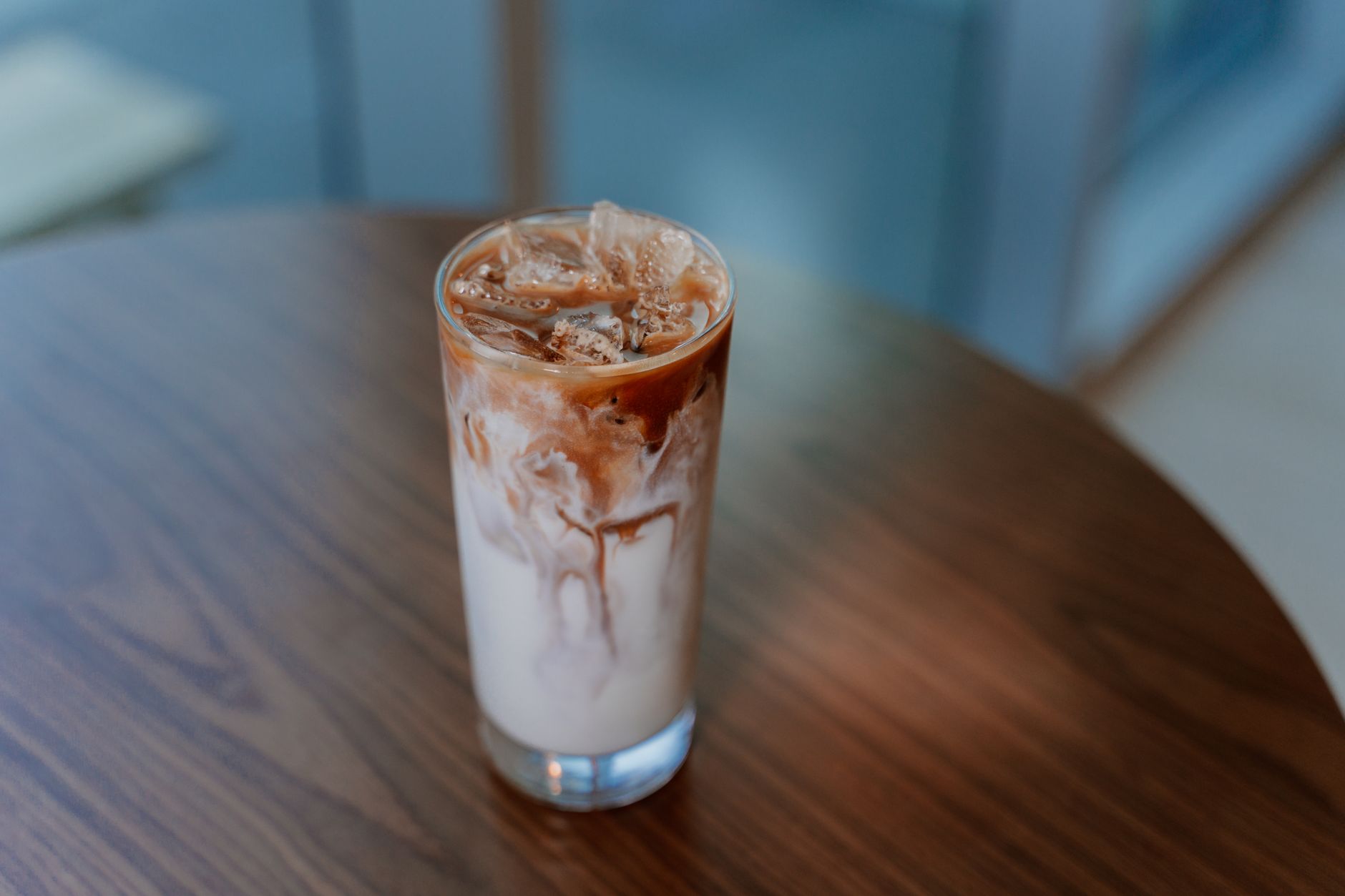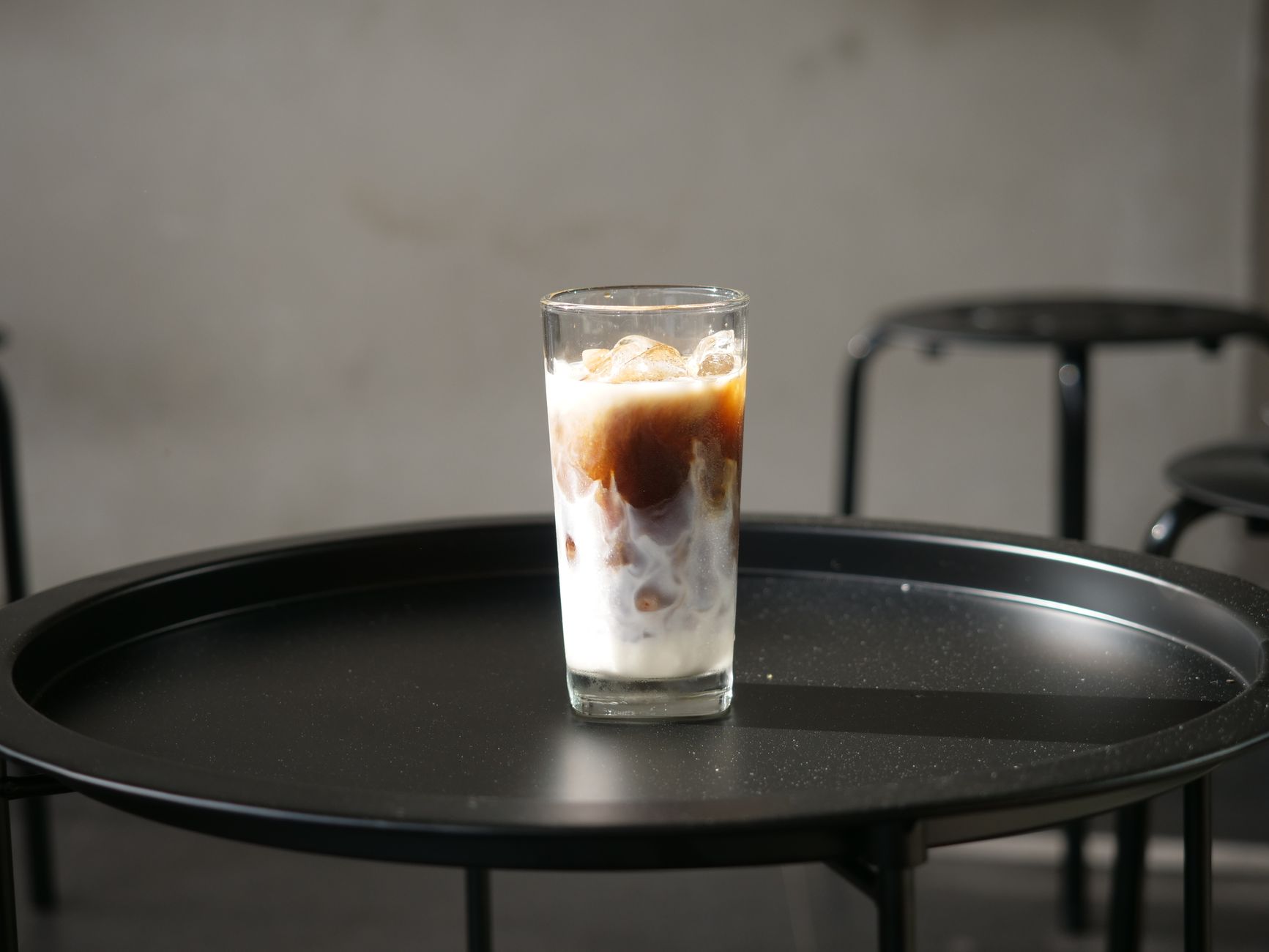
Contents
What Is a Cortado? (And How It Differs From a Macchiato)
TL;DR: A cortado is a espresso-based drink made with equal parts espresso and steamed milk — typically 1:1 — served in a small 4–5 oz glass. Unlike a macchiato, the milk in a cortado is not foamy; it’s lightly steamed to cut the espresso’s acidity without diluting its intensity.
What Is a Cortado?
A cortado is a 4–5 oz drink of equal parts double espresso and warm, lightly steamed milk. The name comes from the Spanish verb cortar — “to cut” — because the milk cuts the espresso’s sharpness. There’s no thick foam layer. The ratio is typically 1:1, giving you full espresso flavor with just enough milk to smooth the edges.
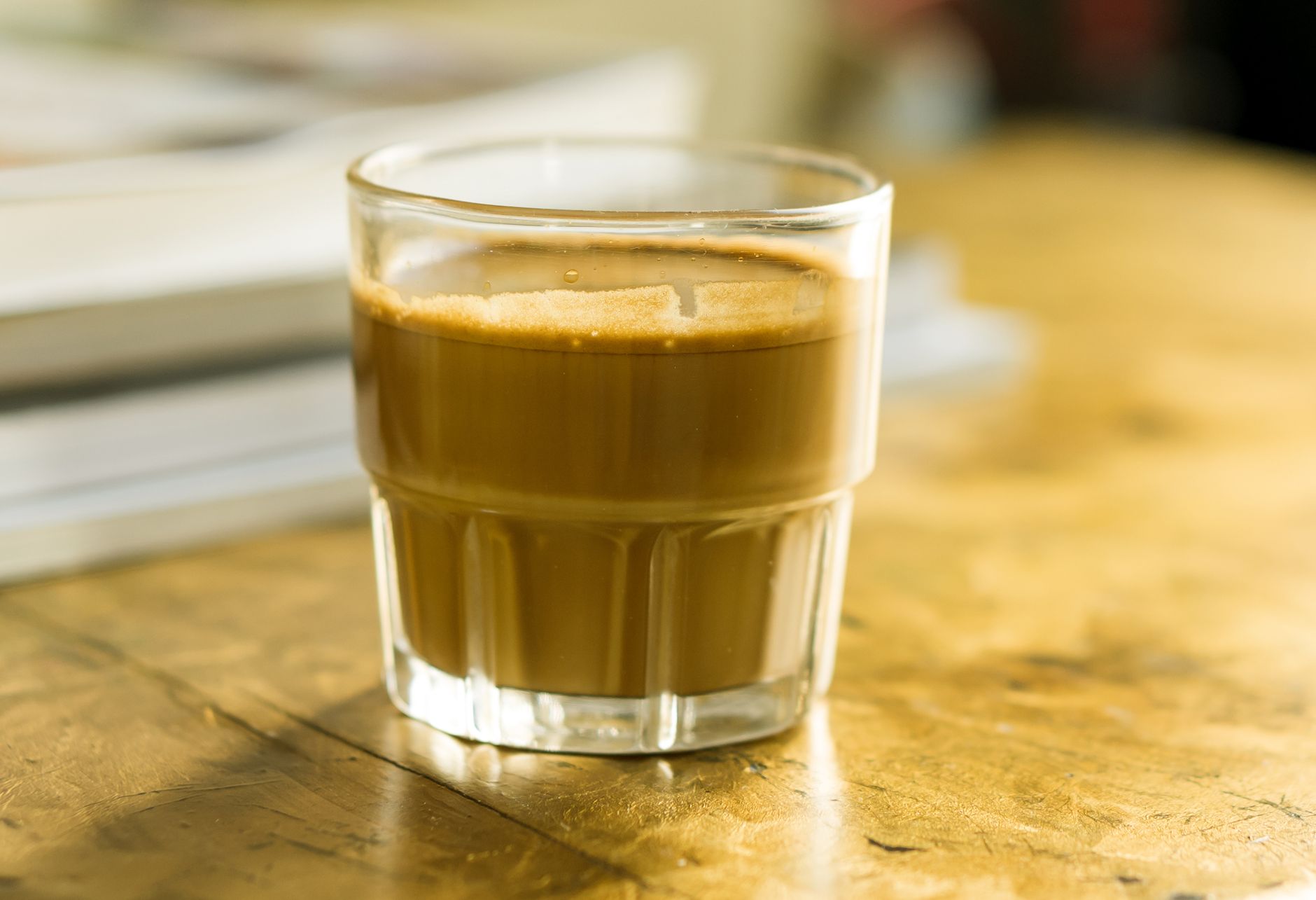 Photo: Olha Ruskykh via Pexels
The cortado originated in Spain — specifically the Basque region — and spread through Latin America before landing in specialty coffee shops worldwide. You’ll find it served in a small straight-sided glass, usually 4–4.5 oz, which is part of what defines the drink’s visual identity as much as its recipe.
The milk texture is crucial. Cortado milk is steamed until warm and just slightly velvety — not the microfoamed silk you’d pour into a flat white, and not the stiff foam dolloped onto a macchiato. The goal is integration: milk and espresso meeting as equals.
Cortado vs Macchiato: The Real Difference
A macchiato is espresso “stained” with a small amount of foam — the milk marks the shot rather than balancing it. A cortado uses a full 1:1 milk-to-espresso ratio with textured (not foamy) milk. If you want the espresso to dominate with just a hint of dairy, that’s a macchiato. If you want both to share equal presence, that’s a cortado.
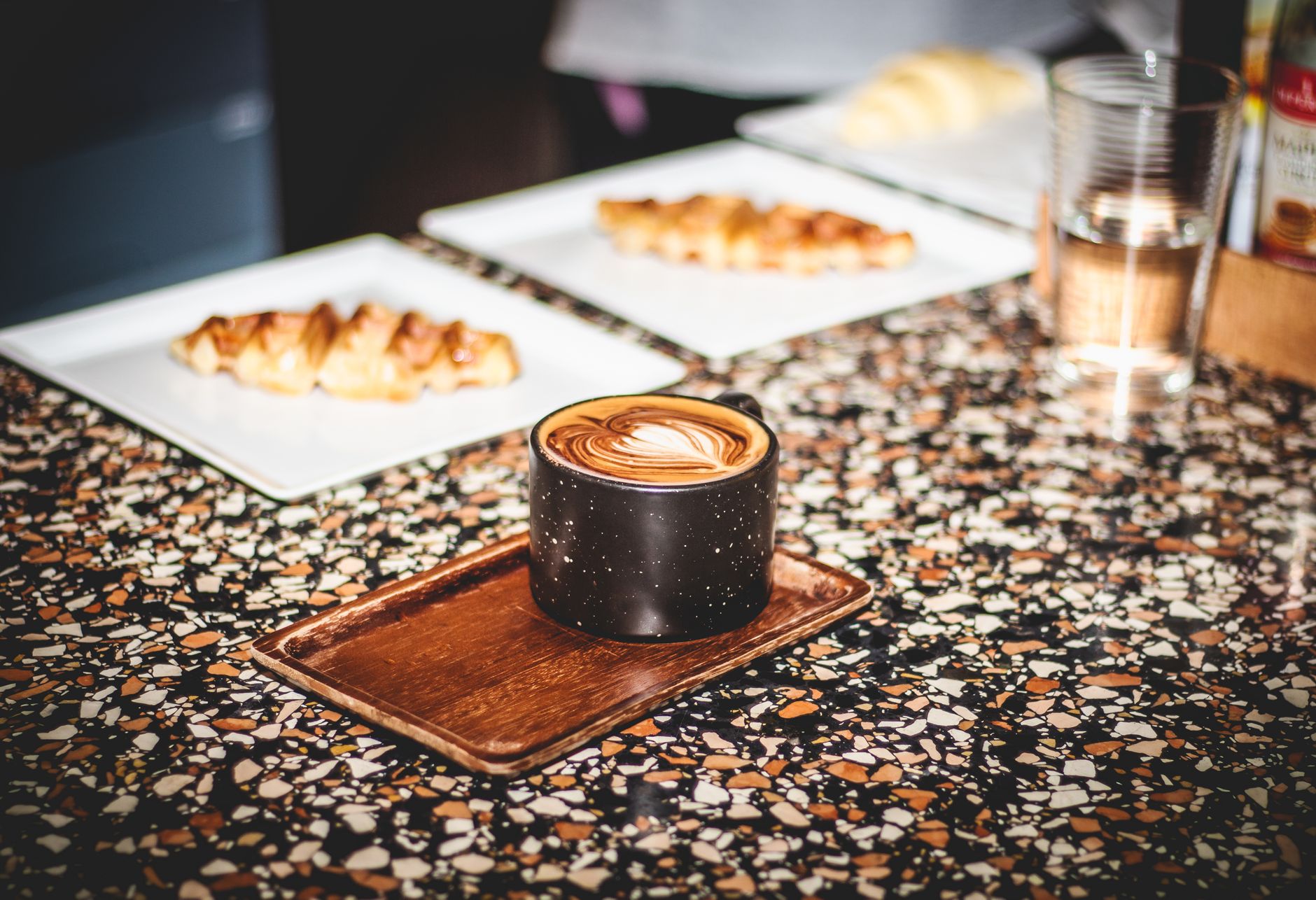 Photo: Augustinus Martinus Noppé via Pexels
Traditional Macchiato vs Latte Macchiato
The term “macchiato” splits into two drinks that are nearly opposites:
| Drink | Milk | Espresso | Volume |
|---|---|---|---|
| Espresso macchiato | ~1 tsp foam | Double shot | ~2–2.5 oz |
| Latte macchiato | Full steamed milk | Single shot poured in | ~8–10 oz |
| Cortado | Equal steamed milk | Double shot | ~4–5 oz |
The latte macchiato — the Starbucks-style layered drink — is closer to a latte than anything resembling a traditional macchiato. If someone orders a “macchiato” at a specialty shop, they’ll get espresso with a spot of foam. At a chain, they’ll get something else entirely.
Cortado vs Flat White: Where They Overlap
The cortado and flat white are close relatives: both use a double ristretto or espresso with textured milk and no thick foam. The flat white is larger (5–6 oz vs 4–5 oz) and uses more precisely microfoamed milk. The cortado is denser and more espresso-forward; the flat white is slightly creamier.
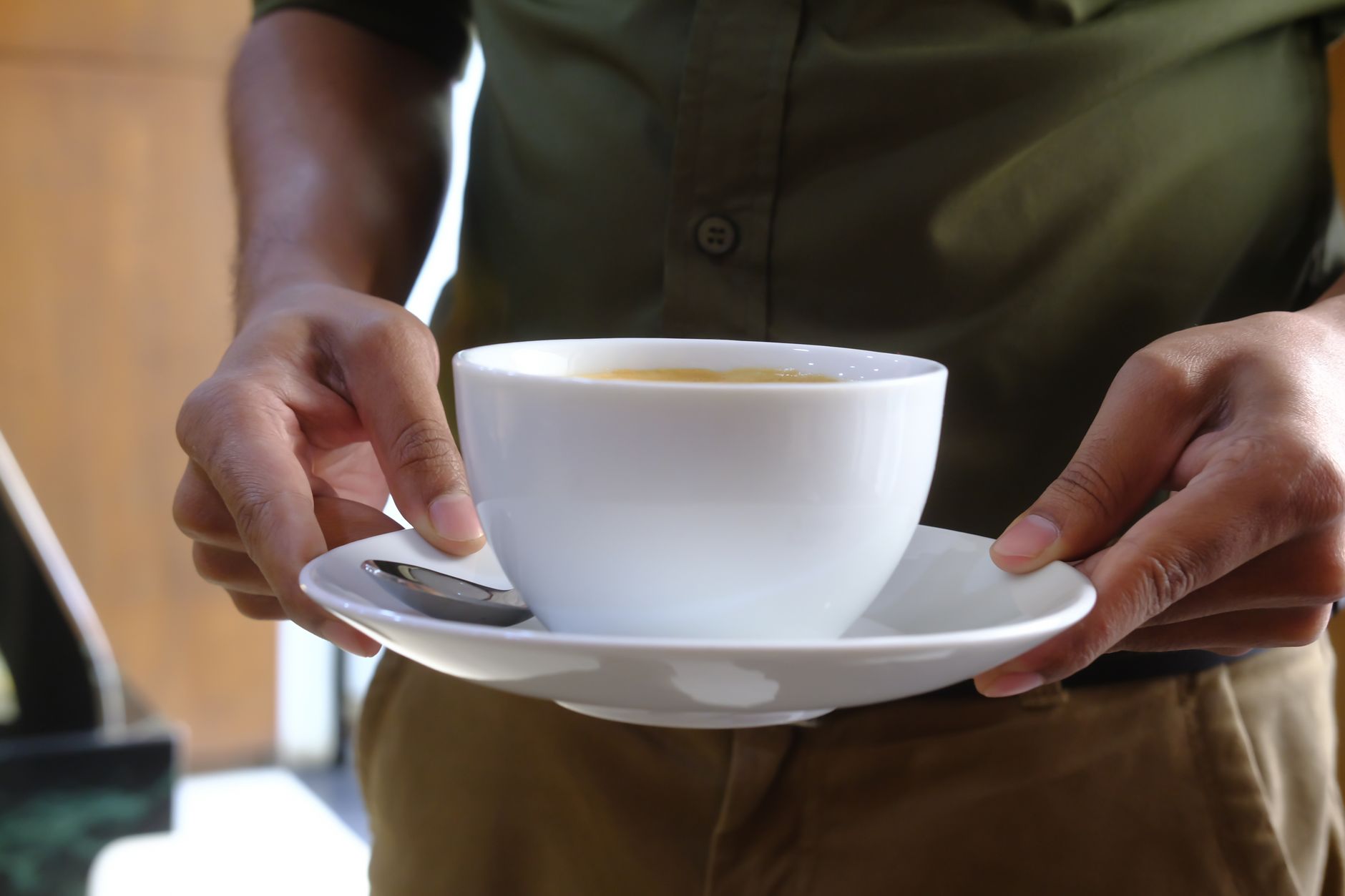 Photo: Towfiqu barbhuiya via Pexels
Side-by-Side
| Feature | Cortado | Flat White |
|---|---|---|
| Size | 4–5 oz | 5–6 oz |
| Milk ratio | 1:1 espresso:milk | ~1:2 espresso:milk |
| Milk texture | Lightly steamed, minimal foam | Microfoamed, velvety |
| Origin | Spain/Basque | Australia/New Zealand |
| Latte art | Rarely | Standard |
The practical difference: order a cortado when you want the espresso to lead. Order a flat white when you want a creamy, integrated sip where neither element dominates.
How to Make a Cortado at Home
Pull a double espresso (18–20g in, ~36g out) directly into a 4 oz glass. Steam ~2 oz of whole milk to 140–150°F with minimal air incorporation — you want warmth and slight creaminess, not foam. Pour the milk straight in. Done.
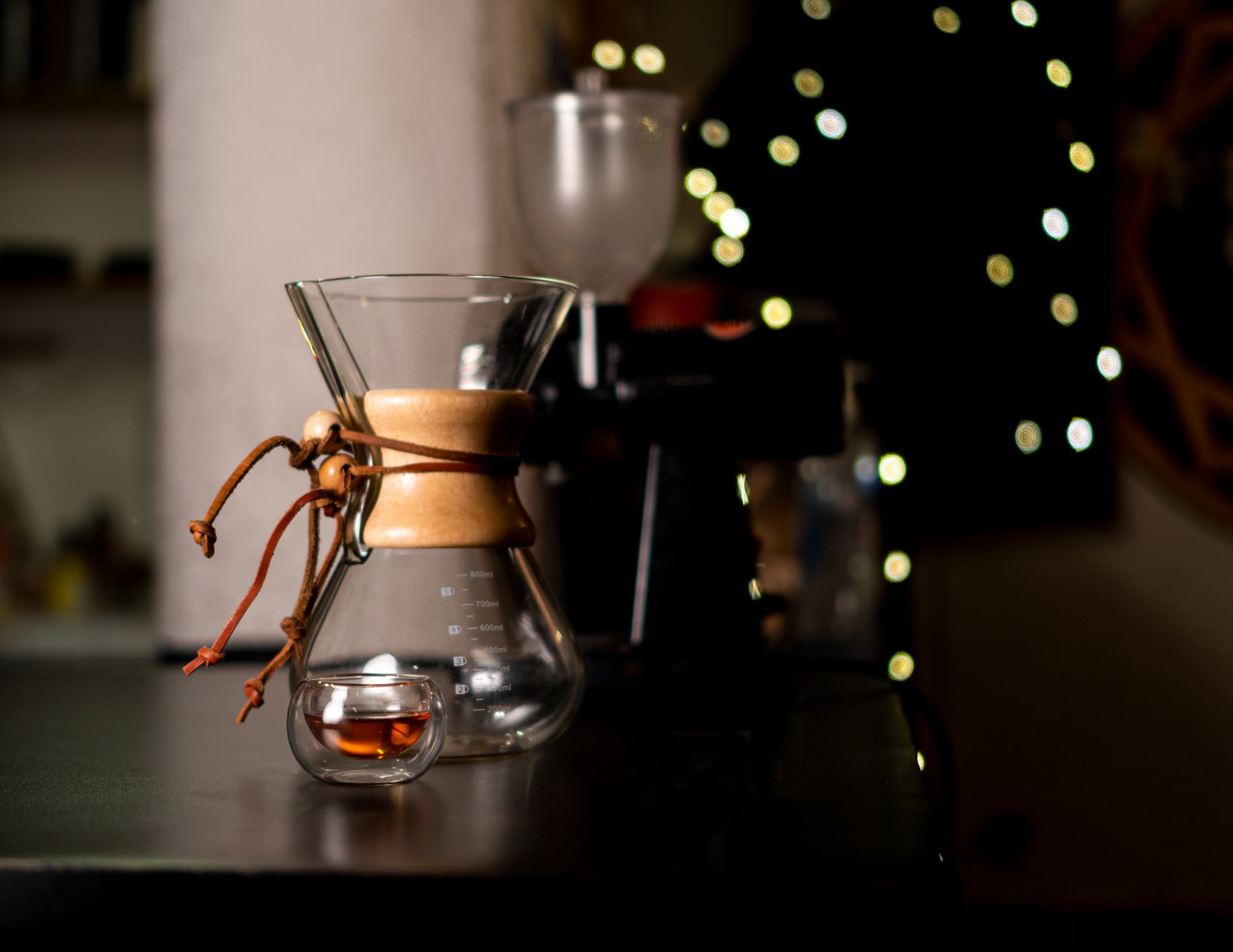 Photo: Vintage Lenses via Pexels
Equipment matters more here than in milkier drinks. Because the milk is thin and the espresso is dominant, any extraction flaw shows up clearly.
A grinder with consistent burrs makes a bigger difference than an expensive machine. The Baratza Encore
For milk steaming without a commercial machine, the Breville Bambino Plus
Why Cortado Milk Texture Is Different From a Latte
Latte milk gets steamed to a thick, paint-like microfoam — you’re building volume and a canvas for latte art. Cortado milk is steamed with almost no air injected. You want the temperature (heat softens the fat in whole milk and rounds the bitterness of espresso) without the foam structure.
The technique: submerge the steam wand tip just below the surface immediately, don’t lower it to create a whirlpool, and stop at ~150°F. The result pours like cream, not like meringue.
→ See also:
- Espresso Drinks: The Complete Guide to Every Type
- Cortado vs Flat White vs Macchiato: Full Comparison
- What Is a Flat White? (Size, Milk Ratio, Origin)
FAQ
What does a cortado taste like? Bold and smooth — you get the full intensity of a double espresso with the sharpness softened by an equal volume of warm milk. It’s noticeably more coffee-forward than a flat white or latte, without the undiluted punch of a straight macchiato.
Is a cortado stronger than a latte? Yes, significantly. A standard latte is 1–2 oz of espresso in 8–10 oz of milk — a roughly 1:5 ratio. A cortado is 1:1. The caffeine content is the same (same espresso base), but the perceived strength and coffee flavor are much more concentrated in a cortado.
What size is a cortado? Traditionally 4–4.5 oz total, served in a small straight-sided glass. Some cafés pour it at 5 oz, but anything larger starts blurring into flat white territory.
Can you make a cortado with oat milk? Yes, and it works well. Use a barista-blend oat milk (higher fat, formulated for steaming) and keep the temperature under 150°F to avoid the grainy texture that oat milk develops when overheated. The flavor profile shifts — oat milk adds a slight sweetness that softens the espresso differently than whole milk.
Why is a cortado served in a glass? The glass is a Basque tradition, but it also serves a practical purpose: you can see the ratio of espresso to milk, which makes it easy to confirm the drink was made correctly. The absence of a ceramic cup’s insulation also means the drink cools faster, which some drinkers prefer for a more vibrant espresso flavor.
Editorial methodology: Assessments are based on manufacturer specifications, published user reviews, and editorial research. Physical hands-on testing is noted explicitly where it occurred. Rankings reflect our editorial judgment and are not influenced by affiliate commission rates. Full editorial policy · Affiliate disclosure