Contents
Atlas Coffee Club Review (2026): Worth the Subscription?
TL;DR: Atlas Coffee Club is a world-tour coffee subscription that sources single-origin beans from 50+ countries and ships freshly roasted bags to your door every month. It’s best for curious drinkers who want guided exploration over curation precision — the variety is unmatched, but the consistency isn’t. At $15–$20/bag with solid tasting notes and origin stories, it delivers real value for its price point.
What Is Atlas Coffee Club?
Atlas ships single-origin coffees from a rotating roster of 50+ producing countries, paired with a “passport” card explaining the origin, farm, and tasting notes. It’s a geography lesson and a coffee subscription in one — but the sourcing model means you get variety, not a curated match to your palate.
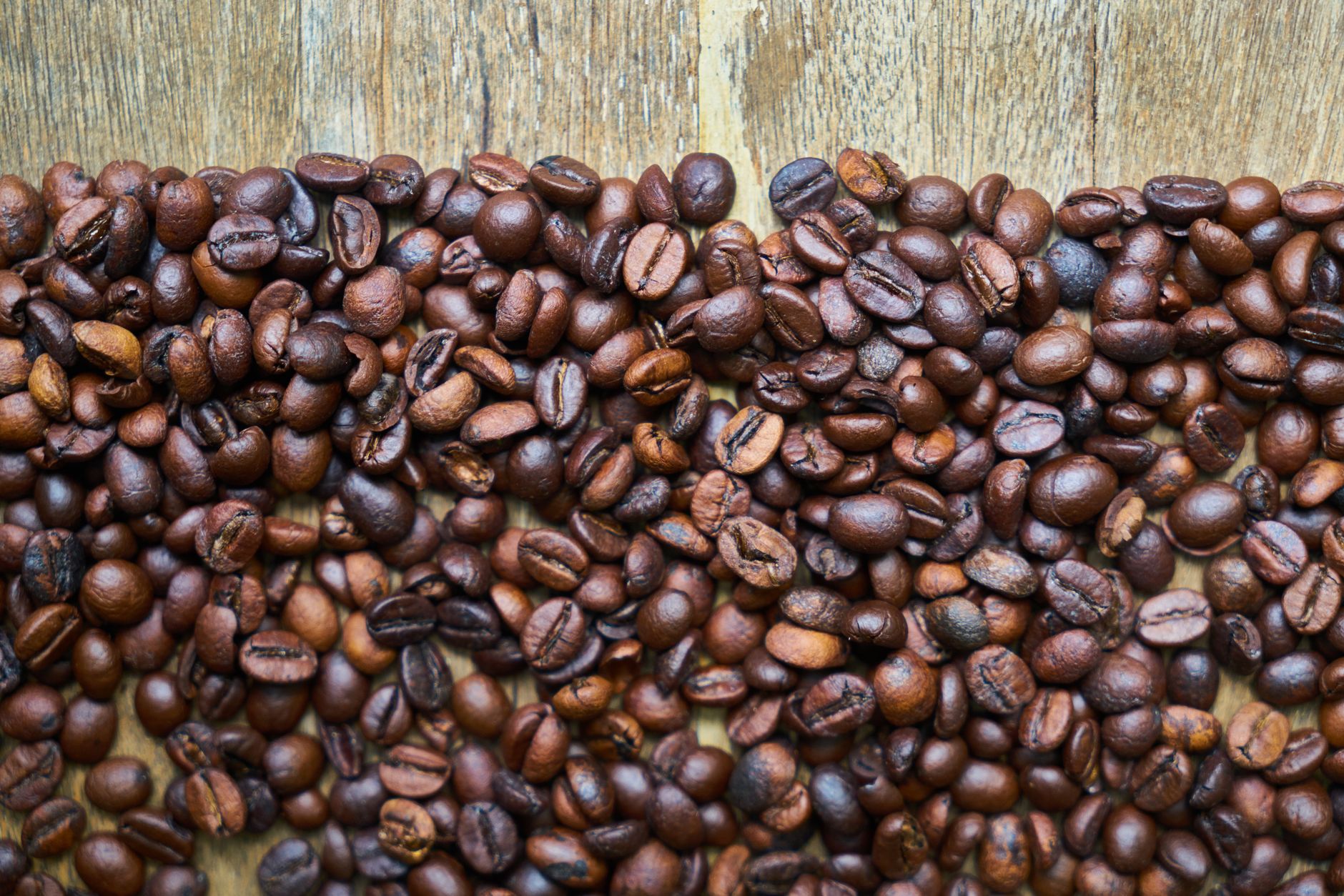
 Photo: Leeloo The First via Pexels
Atlas Coffee Club launched in 2015 with one pitch: take subscribers around the world, one country per shipment. That premise still holds in 2026. Each box arrives with a full bag (whole bean or ground) and a postcard-style tasting sheet covering the country, region, altitude, processing method, and flavor profile.
Unlike personalization-first competitors, Atlas doesn’t ask many questions upfront. You choose bag size and frequency; Atlas chooses the origin. That’s a feature if you want discovery, a friction point if you need light roasts only or have a specific brew method in mind.
Atlas Coffee Club Pricing (2026)
Plans start at $14 for a 1.8 oz sample bag and scale to $62 for a 12 oz bag. Monthly subscriptions get a small discount over one-time purchases. Shipping is always free in the contiguous US.
| Plan | Size | Price/Shipment | Per Ounce |
|---|---|---|---|
| Taster | 1.8 oz | $14 | $7.78 |
| Small | 5 oz | $17 | $3.40 |
| Standard | 7.5 oz | $22 | $2.93 |
| Large | 12 oz | $34 | $2.83 |
| Double | 2 × 12 oz | $62 | $2.58 |
The taster plan is clever — low commitment, high rotation. But at $7.78/oz it’s expensive coffee by weight. The 12 oz plan is the value sweet spot and works out cheaper per ounce than most specialty grocery options.
There’s no penalty for skipping a month or canceling. Atlas handles this cleanly in the account dashboard without calling anyone.
Coffee Quality and Roast Profile
The coffee is genuinely good — not extraordinary, but consistently above supermarket quality. Roasts lean medium, with lighter profiles appearing as origins warrant. Specialty-grade single origins, freshly roasted before shipping. Don’t expect the cutting edge of third-wave micro-roasters, but the baseline is solid.
 Photo: Esra Afşar via Pexels
Atlas sources from cooperatives and farms across Africa, Latin America, and Southeast Asia. The rotation includes reliable origins (Ethiopia, Colombia, Guatemala) alongside less common ones: Timor-Leste, Papua New Guinea, Malawi. That range is genuinely rare in a subscription at this price.
Roast date is printed on every bag. According to customer reports, bags typically arrive within 5–10 days of roast — well inside the optimal 7–21 day degassing window for most brew methods.
The weakness: Atlas doesn’t let you filter by roast level or processing method. If you only drink natural-process light roasts for espresso, you’ll get washed medium roasts sometimes and have no recourse.
Coffee Module C — Beans & Origins
Origin Rotation Sample
| Country | Altitude (MASL) | Processing | Roast | Tasting Notes |
|---|---|---|---|---|
| Ethiopia (Yirgacheffe) | 1,800–2,200 | Washed | Light-Medium | Jasmine, lemon, bergamot |
| Colombia (Huila) | 1,500–1,900 | Washed | Medium | Caramel, red apple, hazelnut |
| Guatemala (Antigua) | 1,500–1,700 | Washed | Medium | Brown sugar, cocoa, light citrus |
| Kenya (Nyeri) | 1,700–2,000 | Washed | Light | Blackcurrant, grapefruit, tomato |
| Papua New Guinea | 1,500–1,800 | Natural/Wet-hulled | Medium | Dark fruit, earthiness, spice |
| Malawi (Misuku Hills) | 1,500–1,800 | Washed | Medium | Stone fruit, floral, milk chocolate |
Brew Method Pairing
- Pour-over (V60, Chemex): Best match for the lighter African origins — Ethiopia and Kenya. Grind at medium-fine; these coffees bloom well and reward a 3:30–4:00 total draw-down.
- French press: Suits Guatemala and Colombia. Coarser grind (1:15 ratio), 4-minute steep. The medium roasts hold body well with full immersion.
- Espresso: Atlas’s medium roasts pull workable espresso. Expect 9–10 bar extraction to favor the Colombian and Guatemalan profiles. Dial in to 1:2 ratio at 93–94°C; lighter African origins may need temp drop to 91°C to suppress sour notes.
- AeroPress: Versatile — works across the rotation. Inverted method, 1:12–1:14, 2 minutes, medium-fine grind.
Freshness
- Degassing: Most washed light/medium roasts: 5–10 days post-roast. Natural process: 10–14 days.
- Storage: One-way valve bag (as shipped) is sufficient for 2–3 weeks. After opening: airtight container, room temp, away from light. Avoid freezing unless storing > 3 months unopened.
- Shelf life after opening: 2–3 weeks for peak flavor; drinkable to 6 weeks.
How Atlas Compares to Competitors
 Photo: Andre Taissin via Pexels
| Feature | Atlas Coffee Club | Trade Coffee | MistoBox | Onyx Coffee Lab |
|---|---|---|---|---|
| Personalization | Low | High | High | None (curated) |
| Roaster network | In-house | 55+ roasters | 50+ roasters | Single roaster |
| Origin variety | Very high | High | High | Medium |
| Roast preference | Limited filter | Full control | Full control | Fixed |
| Price/12 oz | ~$34 | $14–$26 | $15–$25 | $22–$28 |
| Passport/tasting card | Yes | No | No | No |
| Free shipping | Yes (US) | Yes (US) | Yes (US) | $5–$10 |
Atlas wins on variety and the educational experience. Trade Coffee wins on personalization — if you know what you like and want a roaster matched to your profile, Trade is the smarter pick. Atlas is better when you want to be surprised.
Who Should Subscribe to Atlas?
Atlas is for curious generalists — people who want to travel through coffee producing regions without building a sourcing spreadsheet themselves. It’s not for espresso diehards who need precise roast control, or anyone who’s already found their one perfect coffee.
 Photo: Anna Tarazevich via Pexels
Best fit:
- Coffee drinkers who want variety over repeatability
- Gift-givers — the passport cards make it an easy, explainable present
- Travelers and geography enthusiasts drawn to the origin narrative
- Newcomers to specialty coffee who want a low-commitment entry point
Not ideal for:
- Espresso-focused setups requiring consistent roast profiles
- Third-wave obsessives who want direct-trade transparency and micro-lot specs
- Anyone needing decaf options regularly (rotation is limited)
→ See Also
- Coffee Bean Guide: Origins, Roasts, and How to Choose
- Best Coffee Subscription Boxes (2026 Ranked)
- Trade Coffee Review (2026): Is It Worth It?
FAQ
Is Atlas Coffee Club worth it? For most curious coffee drinkers, yes. The freshness, origin variety, and educational packaging justify the price over grocery store beans. If you drink specialty coffee already and want a guided world tour without committing to a single roaster, Atlas delivers that reliably.
Can you choose your roast level with Atlas Coffee Club? Not with full control. Atlas lets you indicate a preference (lighter vs. darker), but the roast is ultimately determined by the featured origin. Some months you’ll get a light roast; others a medium. If roast level is non-negotiable, Trade Coffee or MistoBox offer better filtering.
How does Atlas Coffee Club shipping work? Bags are roasted and shipped within a few days of your billing date. Shipping is free in the contiguous US; Alaska, Hawaii, and international orders carry a surcharge. Standard delivery runs 3–7 days. Roast dates are printed on the bag — arriving 5–10 days post-roast is typical.
How do you cancel Atlas Coffee Club? Log in, go to Account → Subscription → Cancel. No phone call required, no retention loop. Cancellation takes effect at the end of your current billing cycle. You can also skip individual shipments from the same dashboard.
Is Atlas Coffee Club good for espresso? It can work, but it’s not optimized for it. The medium roasts pull reasonable espresso, and the Colombian and Guatemalan origins tend to be most espresso-friendly. The unpredictability of the rotation makes dialing in challenging — if espresso is your primary brew method, a single-roaster subscription with consistent profiles will serve you better.
Editorial methodology: Assessments are based on manufacturer specifications, published user reviews, and editorial research. Physical hands-on testing is noted explicitly where it occurred. Rankings reflect our editorial judgment and are not influenced by affiliate commission rates. Full editorial policy · Affiliate disclosure