Contents
How to Temperature Surf a Single Boiler Espresso Machine
TL;DR: Temperature surfing espresso means timing your shot to catch the boiler at its ideal brewing temperature window — because single boiler machines cycle between steam and brew temps, pulling at the wrong moment kills your extraction. Vent steam pressure, wait for the pressure stat to click, then pull immediately. The whole technique takes 30–90 seconds once you know your machine.
What Is Temperature Surfing Espresso?
Temperature surfing is the practice of timing your espresso pull to coincide with the precise moment your single boiler drops into its brewing temperature window. Because single boilers share one boiler for both steaming (~130–145°C) and brewing (~90–96°C), the water exiting the group after steaming is too hot. You wait, watch, and shoot when the boiler settles.
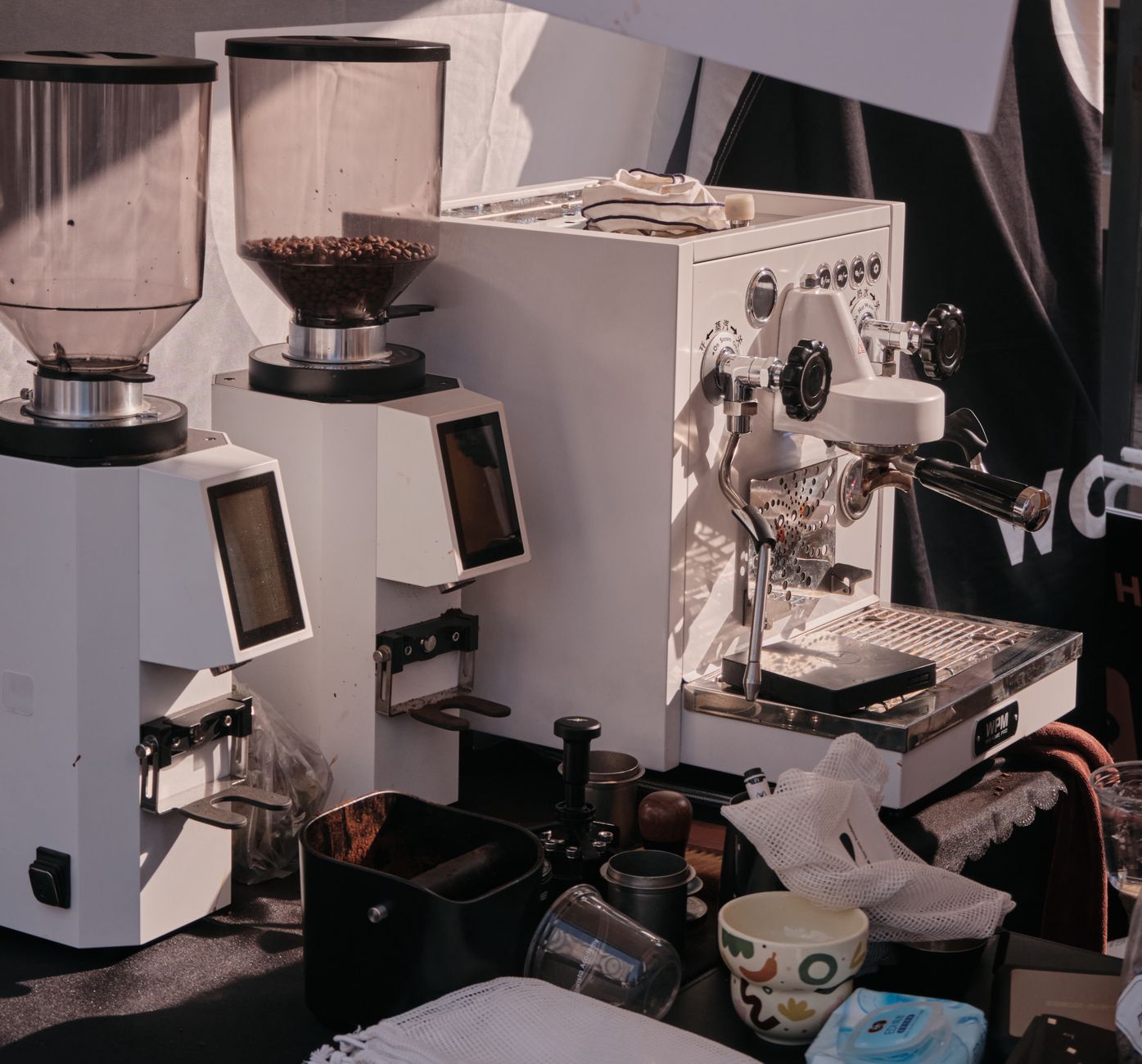 Photo: Wenhao Sun via Pexels
Single boiler machines — classic HX workarounds aside — are the most temperature-volatile home espresso setup you can own. Models like the Rancilio Silvia
Temperature surfing is not a workaround for a bad machine — it’s the technique that makes a good cheap machine perform like something twice the price.
Why Single Boilers Overshoot Brew Temperature
After steaming, the boiler is sitting at 130°C+. When you switch back to brew mode, that residual heat keeps pushing into your shot for the first 20–40 seconds. Even without steaming, pressure stat hysteresis means the boiler oscillates above and below your target — and you want to catch the descending edge.
 Photo: https://kaboompics.com/ via Pexels
The pressure stat doesn’t regulate temperature directly — it reads pressure as a proxy for temperature. When the stat clicks off (heating element stops), water temperature continues rising momentarily. When it clicks on again, you’re already below target. The sweet spot is the descending slope just after the click-off.
Without steaming: your window is narrower — maybe 10–15 seconds. With steaming beforehand: you need a cooling flush first, then wait for the stat.
Step-by-Step: How to Temperature Surf
If You Haven’t Steamed
- Wait for the boiler to cycle — listen for the click of the pressure stat turning off (heating element hum stops)
- Count 5–10 seconds after the click
- Pull your shot immediately
That’s the core technique. On a Silvia at factory pressure stat settings, this lands you around 92–94°C at the puck — right in the extraction sweet spot for most espresso roasts.
If You’ve Just Finished Steaming
- Switch group to brew mode
- Run a cooling flush: 2–3 seconds of water through the group head
- Wait for the pressure stat to click off
- Count 5–10 seconds
- Pull your shot
The cooling flush bleeds the superheated water sitting in the group head and portafilter path. Without it, your first 5–8 seconds of pre-infusion are scalding.
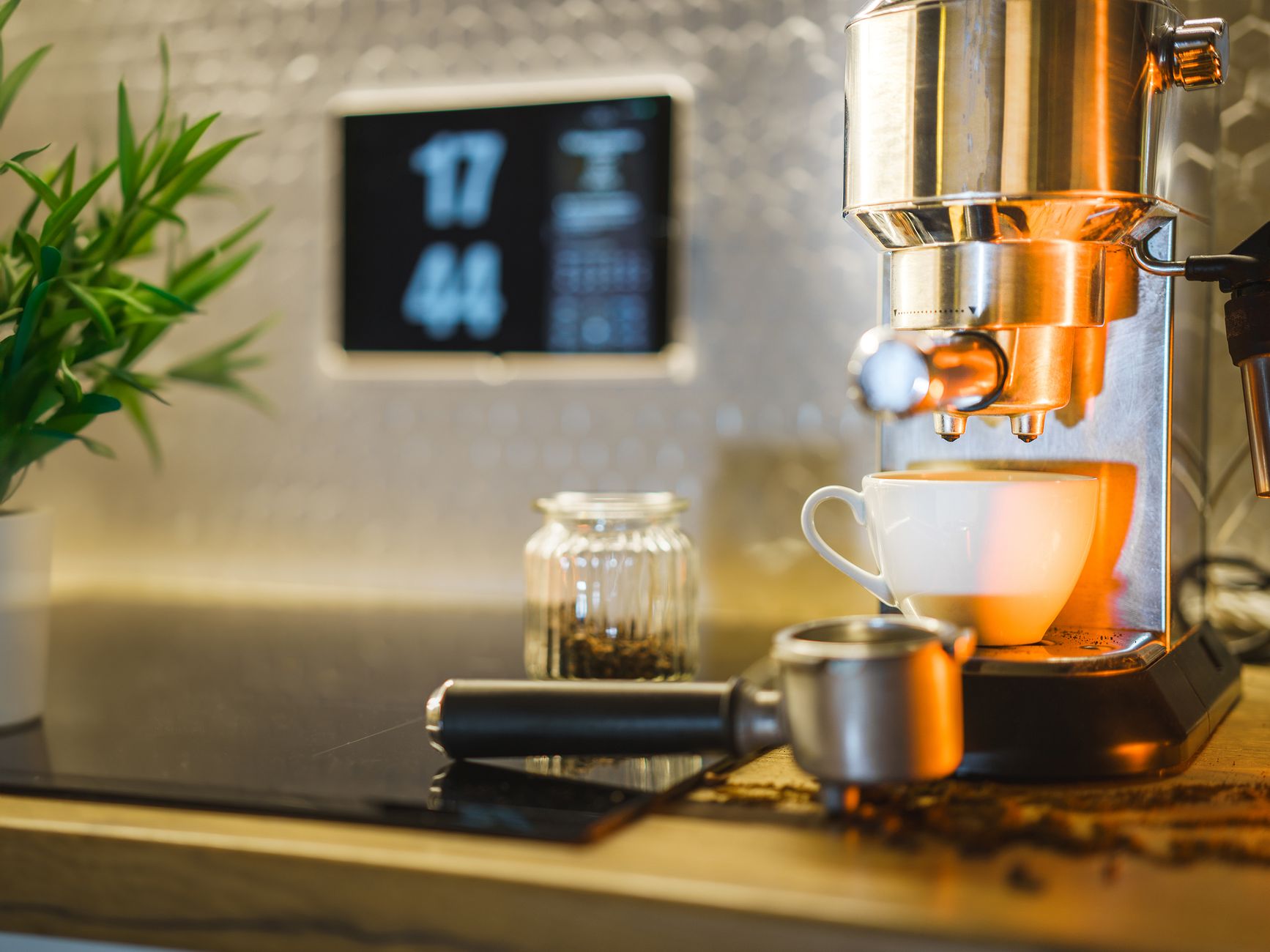 Photo: Jakub Zerdzicki via Pexels
Calibrating Your Count
Every machine and every kitchen has different thermal behavior. Dial in your specific count with a grouphead thermometer or a thermocouple. The Scace device is the gold standard; a cheap K-type thermocouple taped to the portafilter basket gets you close enough.
Pull shots at 5s, 10s, 15s, 20s after the click-off. Note which produces the best extraction by taste and by output weight. You’ll find your machine’s sweet spot within a session.
Brewing Guide: Dialing In With Temperature Surfing
Extraction Parameters
| Parameter | Target |
|---|---|
| Dose | 18–19 g (double) |
| Yield | 36–38 g |
| Ratio | 1:2 |
| Time | 27–32 seconds |
| Temperature | 92–94°C at puck |
| Pressure | 9 bar (peak) |
Puck Prep
- WDT: Distribute grounds with a needle tool before dosing — single boiler workflow is already deliberate, puck prep should match
- Leveling: Finger-level flush with basket rim before tamping
- Tamping: 15–20 kg even pressure, no tilt — channeling on a single boiler is punishing because you can’t recover mid-shot
- Channeling prevention: Consistent grind size matters more than pressure; a burr grinder set correctly does more than any distribution technique
- Pre-infusion: If your machine supports it (Silvia mods, lever-style), 4–8 seconds at 2–4 bar before full pressure
 Photo: Denys Gromov via Pexels
Troubleshooting
| Symptom | Likely Cause | Fix |
|---|---|---|
| Sour, fast shot | Pulled too early — boiler still hot post-steam | Extend cooling flush, wait longer after click |
| Bitter, harsh shot | Pulled too late in cycle — boiler climbing again | Shorten post-click wait, pull immediately after click |
| Inconsistent shot to shot | Surfing window varies | Use a timer every time; eliminate steaming before espresso if possible |
| Channeling | Puck temp shock from uneven flush | Even cooling flush; consistent puck prep |
| Under-extraction despite correct timing | Grind too coarse | Tighten grind one notch at a time |
Upgrading Past Temperature Surfing
If surfing feels like too much variability, the two real fixes are:
- PID controller — replaces the pressure stat with direct temperature regulation. A Silvia PID kit brings shot-to-shot temp variance down to ±0.3°C. Costs £80–150 and solves the problem permanently.
- Heat exchanger or dual boiler machine — the architectural fix. Machines like the ECM Synchronika
Temperature surfing is worth learning even if you upgrade — it teaches you what the machine is doing thermally, which makes everything else make more sense.
→ See Also
- How to Dial In Espresso: Step-by-Step Decision Tree
- Espresso Extraction Explained: Under, Over, and Perfect
- How to Tamp Espresso Correctly (Pressure, Technique, Tools)
FAQ
What is temperature surfing espresso, exactly? It’s a technique for single boiler machines where you time your shot pull to catch the boiler at its ideal brewing temperature window. Because single boilers can’t hold a precise brew temp the way a PID-controlled machine can, you learn to read the cycle and pull at the right moment — usually 5–15 seconds after the pressure stat clicks off.
How do I know when the pressure stat clicks off? Listen for the hum of the heating element to stop. On quiet machines, you can feel a very slight vibration change through the machine body. Some machines have an indicator light that goes off when the element cuts out. On a Gaggia Classic or Rancilio Silvia, the click is audible in a quiet kitchen.
Do I need to temperature surf if I haven’t steamed milk? Yes, but the window is smaller and easier to hit. Without steaming, the boiler is already near brew temperature. You still benefit from waiting for the click-off and counting 5–8 seconds — this catches the descending slope and avoids the top of the pressure stat overshoot.
Will a PID completely replace the need to temperature surf? Yes. A PID controller reads actual boiler temperature and holds it steady. Once installed, you set your brew temp, wait for equilibration, and pull — no counting, no listening for clicks. It’s the single best upgrade for any single boiler machine you plan to keep long-term.
What’s the difference between temperature surfing and a cooling flush? They’re complementary, not interchangeable. A cooling flush purges superheated water from the group head path after steaming. Temperature surfing is the timing discipline of pulling at the right point in the boiler cycle. You need both after steaming; only the surfing technique when you haven’t steamed.
How much does temperature affect espresso extraction? Significantly. A 5°C swing shifts solubility of key flavor compounds — lighter roasts want 93–95°C to open up, darker roasts can drop to 90–92°C without going bitter. On an unsurfed single boiler, you might be pulling at 98°C one shot and 88°C the next. That spread explains most inconsistency people blame on their grind.
Editorial methodology: Assessments are based on manufacturer specifications, published user reviews, and editorial research. Physical hands-on testing is noted explicitly where it occurred. Rankings reflect our editorial judgment and are not influenced by affiliate commission rates. Full editorial policy · Affiliate disclosure