Contents
Single Shot vs Double Shot Espresso: What’s the Difference?
TL;DR: A single shot (solo) is ~30ml pulled from 7–9g of ground coffee; a double shot (doppio) uses 14–18g and yields 60ml. The double is the modern café default — more body, more complexity, better extraction consistency. If you’re ordering or brewing espresso, you’re almost certainly getting a double.
Dose, Yield, and Ratio: The Core Difference
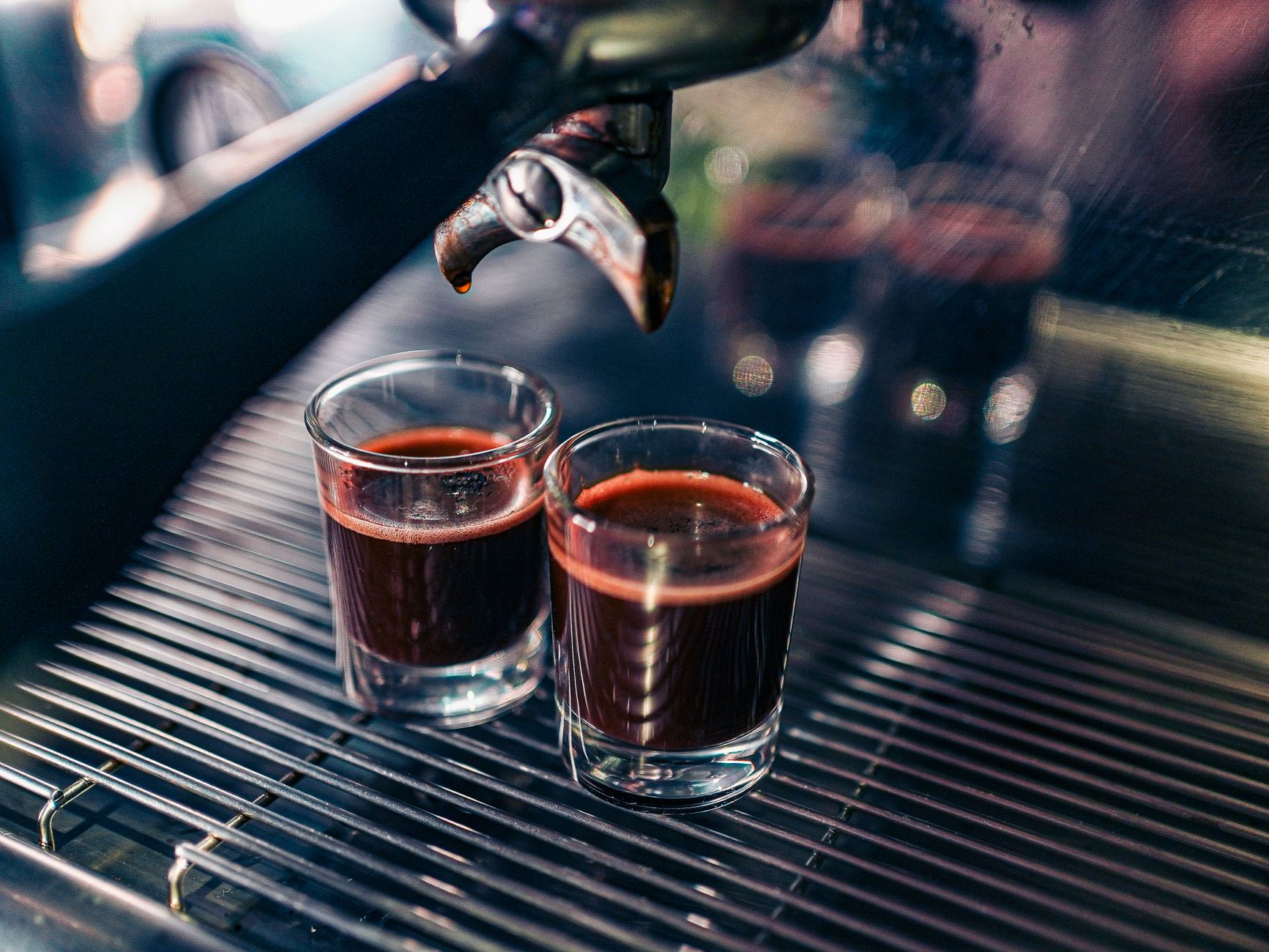
A single shot uses half the coffee of a double. That’s it. Everything else — flavor intensity, crema thickness, extraction balance — follows from that one fact. Modern espresso standards have largely replaced the single with the double as the baseline brew.
 Photo: Shameel mukkath via Pexels
| Parameter | Single (Solo) | Double (Doppio) |
|---|---|---|
| Dose | 7–9g | 14–18g |
| Yield | 25–35ml | 50–60ml |
| Ratio | 1:3–1:4 | 1:3–1:4 |
| Time | 25–30s | 25–30s |
| Basket | Single | Double (standard) |
The ratio stays the same — you’re not making “stronger” espresso with a double, you’re making more of it. Strength comes from ratio, not dose alone.
Taste and Extraction Differences
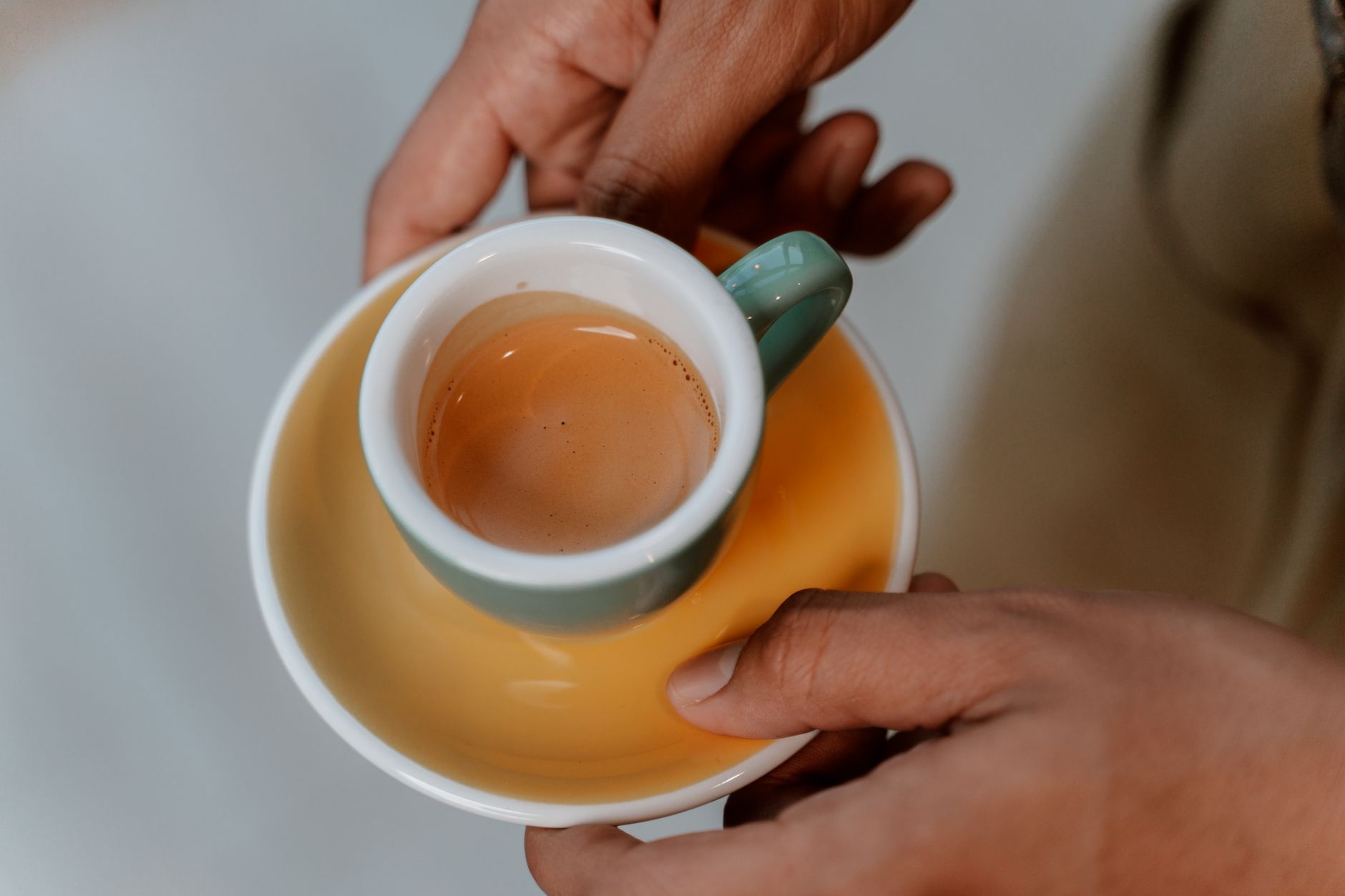
Singles are harder to extract evenly. Less coffee mass means less flow resistance, which makes channeling more likely and timing more erratic. Doubles give the water more coffee bed to work through, producing more consistent extraction and fuller mouthfeel.
 Photo: Ketut Subiyanto via Pexels
A well-pulled single can be elegant — lighter body, delicate aromatics, faster to drink. But it demands a precision-calibrated grinder and a properly sized single basket. Most café single baskets are riddle: shallow, awkward to tamp, prone to channeling.
The doppio’s 14–18g in a 58mm basket (the industry standard) is where espresso was engineered to live. It’s why every major machine from the Rancilio Silvia
Brewing Guide
Extraction Parameters
| Parameter | Single | Double |
|---|---|---|
| Dose | 7–9g | 14–18g |
| Yield | 25–35ml | 50–60ml |
| Ratio | 1:3–1:4 | 1:3–1:4 |
| Time | 25–30s | 25–30s |
| Temperature | 90–96°C | 90–96°C |
| Pressure | 9 bar | 9 bar |
Puck Prep
WDT: Stir grounds with a needle tool before distribution — critical for singles where clumps kill even extraction faster.
Leveling: Stockfleth move or a distribution tool. Single baskets leave no room for error.
Tamping: 15–20kg even pressure, flat tamp face. Angled tamp in a shallow single basket creates guaranteed channels.
Pre-infusion: 3–5s at low pressure before full bar. Helps both formats; especially benefits lighter roasts where grounds are less soluble.
 Photo: Arti Kh via Pexels
Troubleshooting
| Symptom | Likely Cause | Fix |
|---|---|---|
| Shot runs fast (<20s) | Grind too coarse / dose too low | Grind finer; check dose weight |
| Shot runs slow (>35s) | Grind too fine / channeling | Coarsen grind; improve distribution |
| Uneven flow, spurting | Channeling | WDT before tamping; level puck |
| Sour, thin single | Underdose or wrong basket | Use proper single basket; weigh dose |
| Bitter, harsh double | Over-extraction / temp too high | Drop temp 1–2°C; shorten yield |
When to Use Each
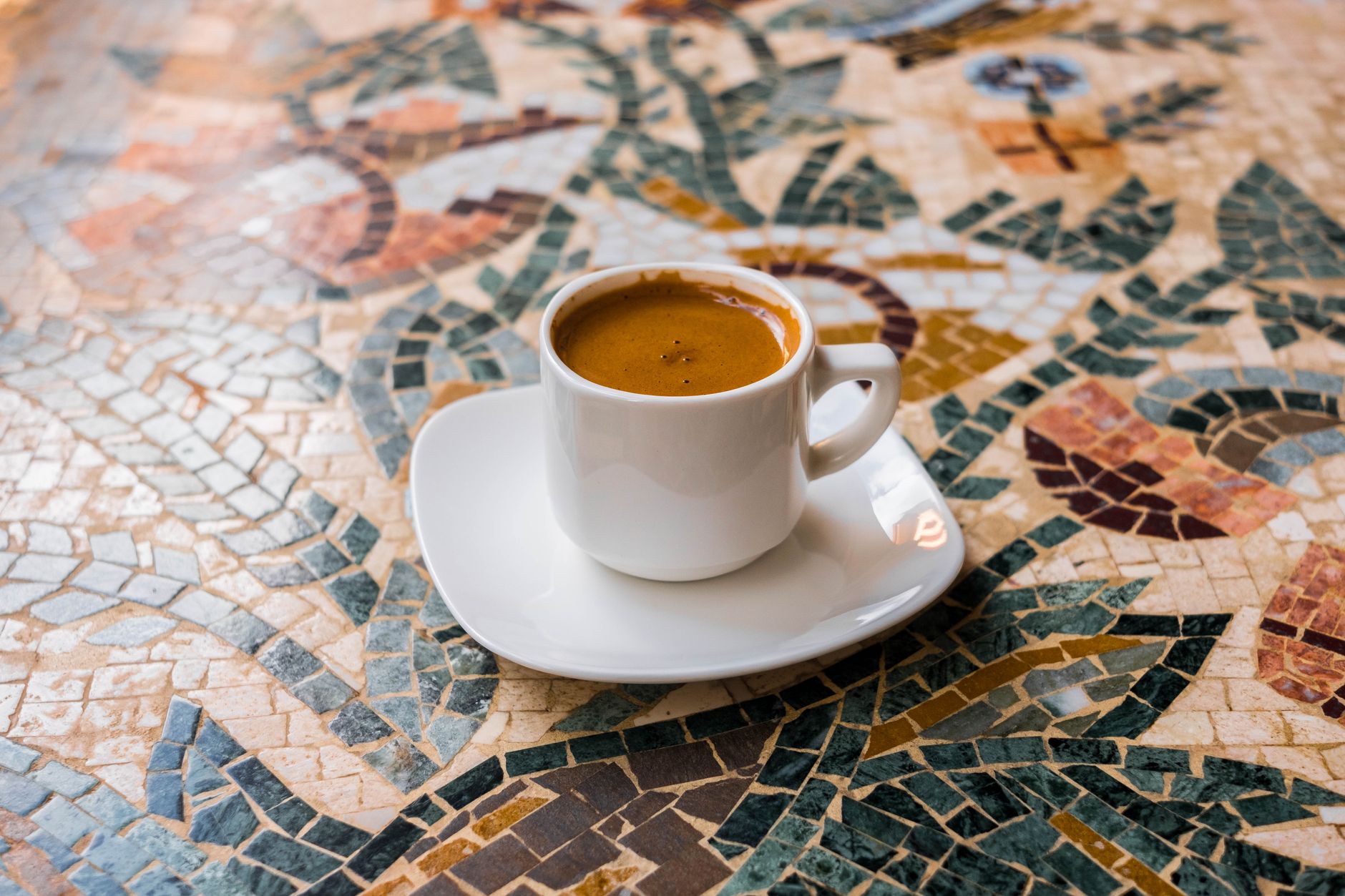
 Photo: Gáspár Ferenc via Pexels
Singles make sense when: you’re pulling a lungo-based drink, experimenting with ultra-light roasts, or your machine’s pump genuinely can’t hold pressure through 18g.
Doubles make sense for: everything else. All modern milk drinks (flat white, cappuccino, latte) are built on a double. Any specialty café you walk into will default to a double unless you specify.
The “triple” — 21g+ in a triple basket — is real but niche, mostly for large milk drinks or turbo shots.
→ See also
- How to Dial In Espresso: Step-by-Step Decision Tree
- Espresso Extraction Explained: Under, Over, and Perfect
- How to Tamp Espresso Correctly (Pressure, Technique, Tools)
FAQ
What is a double shot of espresso called? A double shot is called a doppio — Italian for “double.” It’s 14–18g of ground coffee extracted to roughly 50–60ml. This is the standard espresso serving in virtually every specialty café globally.
Is a double shot twice as strong as a single? Not exactly. If both are pulled at the same ratio (1:3–1:4), they’re the same concentration. The double just delivers more volume — and more total caffeine (roughly 120–140mg vs 60–70mg for a single). “Strength” in espresso is about ratio, not dose.
Why do most cafés only make doubles? Single baskets are inconsistent and difficult to use — shallow depth, uneven flow, higher channeling risk. The double basket is the industry engineering standard. It’s not cost-cutting; it’s better coffee.
Can I use a double shot for a latte or cappuccino? Yes — that’s exactly what you should do. All properly built milk drinks use a double as the base. A single gets lost in 150–200ml of milk; you’ll taste neither the espresso nor the craftsmanship.
What’s the difference between a double shot and a lungo? Same dose (14–18g), longer pull. A lungo runs to 80–110ml at the same 9 bar pressure, extending extraction time and pulling more bitter, aqueous compounds. It’s not a diluted double — it’s a different extraction with a distinct (and divisive) flavor profile.
Editorial methodology: Assessments are based on manufacturer specifications, published user reviews, and editorial research. Physical hands-on testing is noted explicitly where it occurred. Rankings reflect our editorial judgment and are not influenced by affiliate commission rates. Full editorial policy · Affiliate disclosure