Contents
Ristretto vs Espresso vs Lungo: Differences Explained
TL;DR: Ristretto, espresso, and lungo are the same dose of ground coffee extracted with different water volumes — roughly 15ml, 30ml, and 50ml respectively. Ristretto is sweetest and most concentrated; espresso is the balanced benchmark; lungo is longer, more bitter, and more caffeinated. The ristretto vs espresso vs lungo choice comes down to flavor preference, not strength.
What’s the Actual Difference?
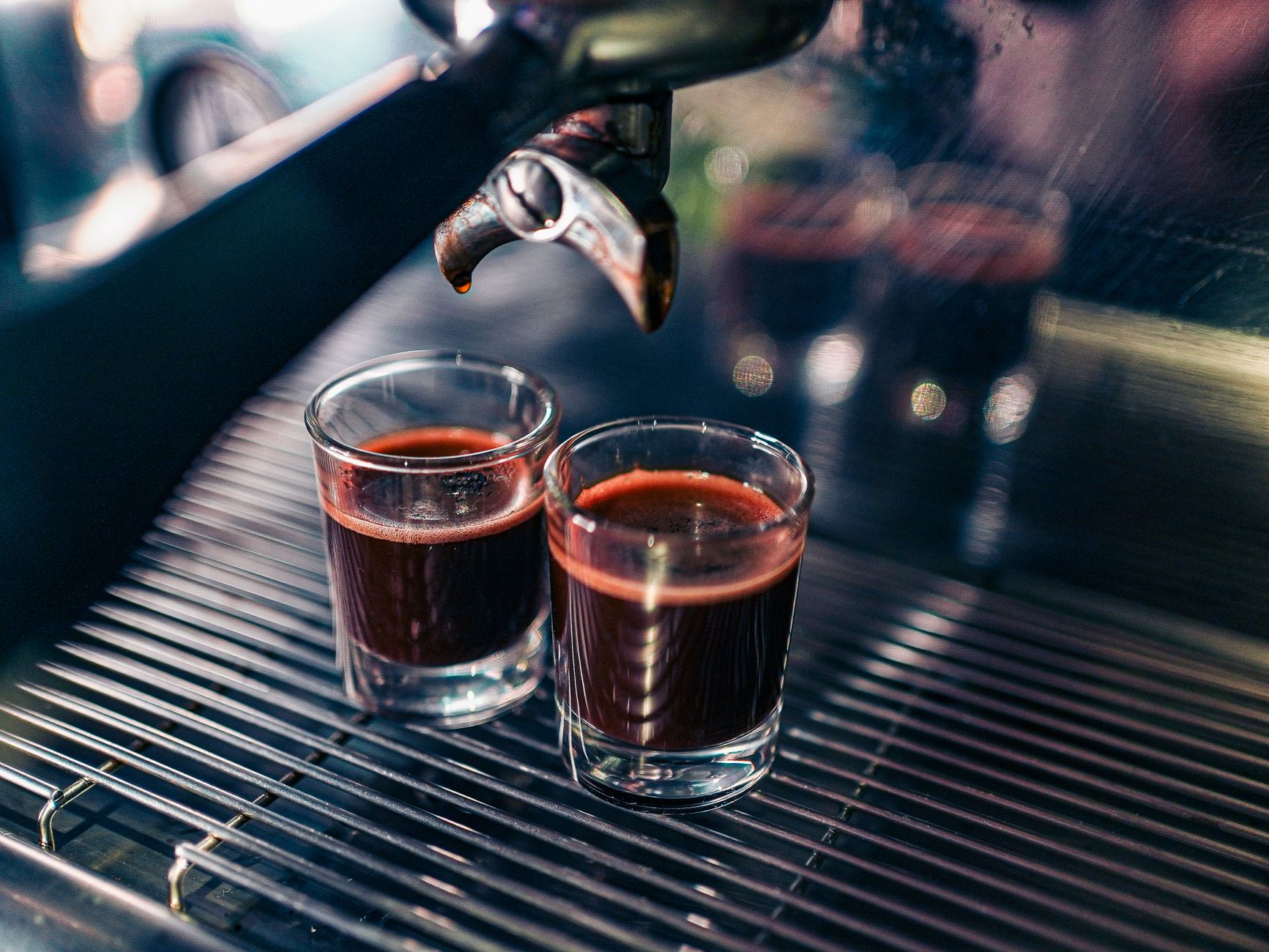
Same coffee dose. Different water. Completely different flavor profiles. Ristretto stops extraction early, capturing sweet and fruity compounds before bitterness develops. Espresso runs the full extraction. Lungo pushes past espresso’s endpoint, dissolving more bitter solids. Volume is the dial — everything else follows.
 Photo: Matheus Bertelli via Pexels
| Shot | Water Volume | Ratio | Brew Time | Flavor Profile |
|---|---|---|---|---|
| Ristretto | 15–20 ml | 1:1 to 1:1.5 | 15–20 sec | Sweet, syrupy, low bitterness |
| Espresso | 25–35 ml | 1:2 to 1:2.5 | 25–35 sec | Balanced, full-bodied, mild bitterness |
| Lungo | 45–60 ml | 1:3 to 1:4 | 40–55 sec | Thin, bitter, more caffeine per serving |
All three share one non-negotiable: the same brew temperature, the same grind (adjusted slightly per variant), and the same 9-bar extraction pressure.
Ristretto: The Restricted Shot
Pull the shot short — stop at half the usual volume. You capture the first wave of espresso extraction: sucrose, fruity acids, and Maillard compounds. Bitterness compounds extract last, so a ristretto simply never gets there. The result is thick, sweet, and intensely aromatic with none of the dry finish.
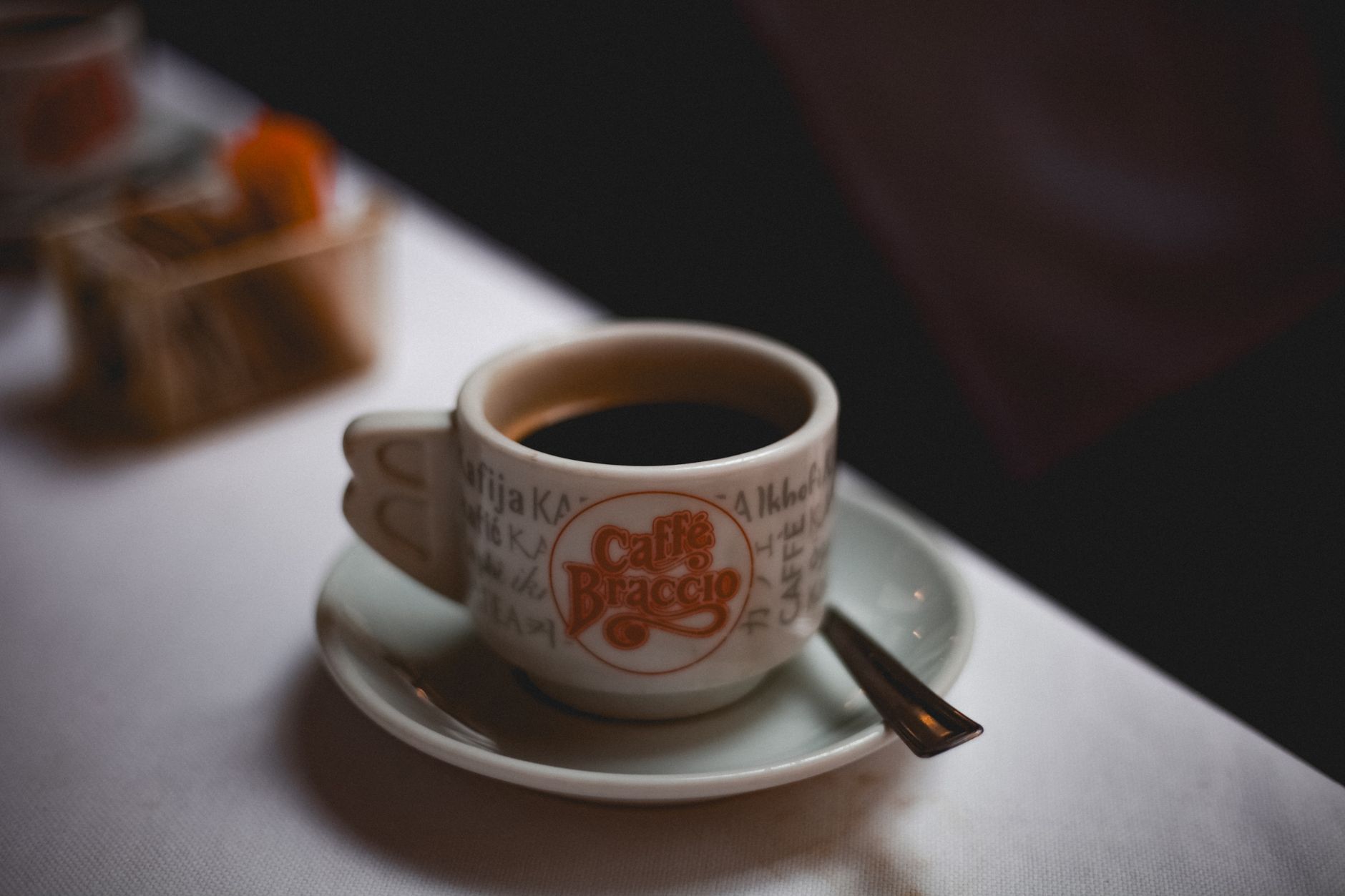 Photo: Catherine Chechun via Pexels
Ristretto (from the Italian ristretto — “restricted”) uses roughly 7–9g of coffee and stops extraction at 15–20ml. At a 1:1 ratio, it reads more like liquid coffee concentrate than a traditional espresso shot.
The flavor is fruit-forward on lighter roasts and chocolate-dense on darker ones. If your espresso already tastes balanced, pulling ristretto from the same puck will taste sweeter and less astringent — but also flatter in terms of total aromatic complexity.
When to Pull a Ristretto
Use ristretto when the espresso base tastes bitter or harsh. It’s also the standard pull for milk drinks in many specialty cafes — the sweetness integrates better under steamed milk than a full espresso does.
Grind slightly finer than your espresso baseline to maintain resistance and hit the same brew pressure with less water flowing through.
Espresso: The Reference Point
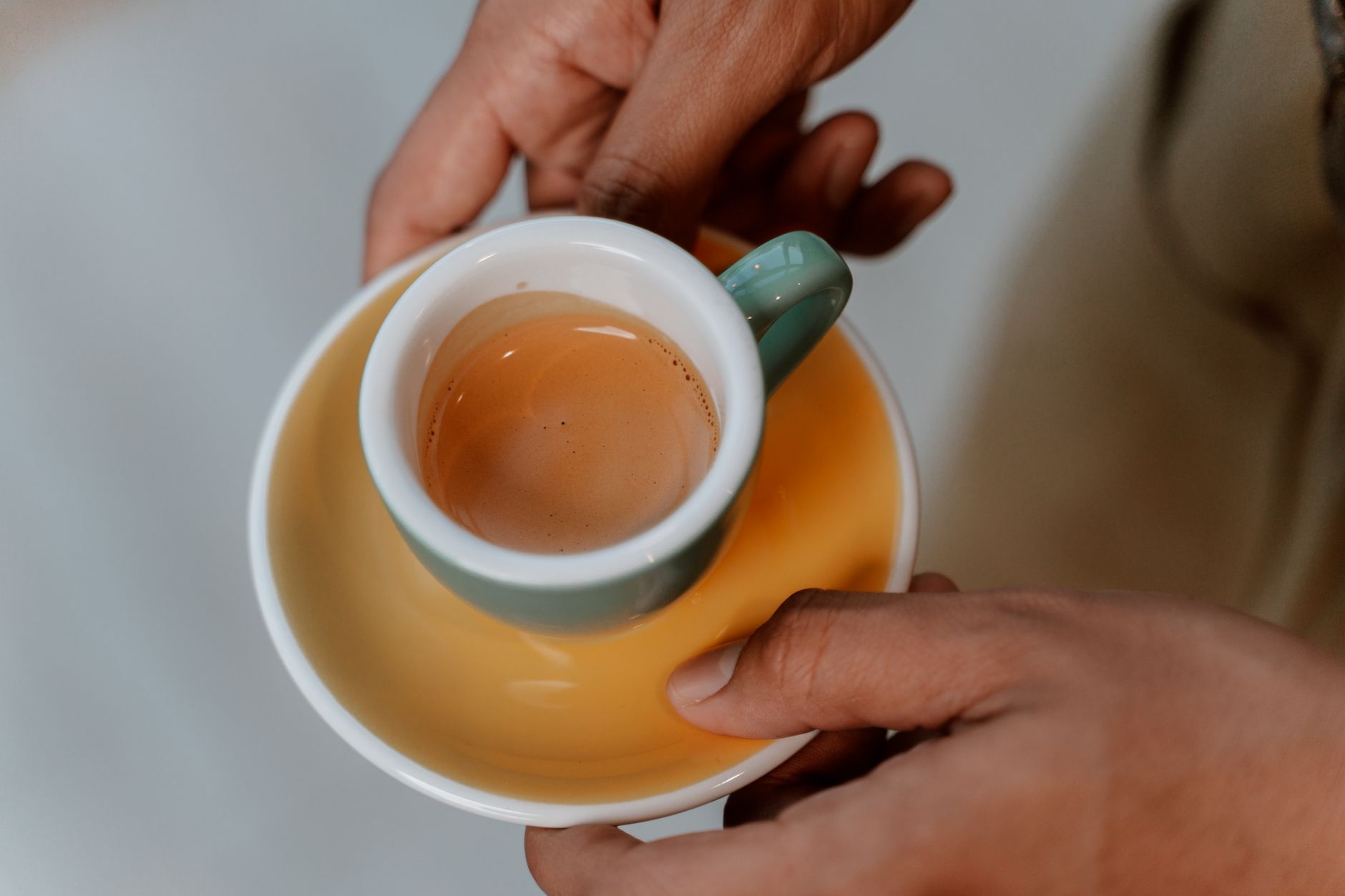
Espresso is the calibration standard — every other shot type is defined relative to it. A 1:2 ratio (18g in, 36g out) at 25–35 seconds gives full extraction without tipping into over-extracted bitterness. If ristretto is the highlight reel, espresso is the complete picture.
 Photo: Özkan Keklik via Pexels
Espresso sits at roughly 9% total dissolved solids and 8–10% extraction yield at the ristretto end, climbing toward 18–22% extraction yield in the full shot. That range captures the full flavor spectrum — sweetness, acidity, body, and a controlled bitter finish.
The crema is most pronounced on espresso: the full volume of pressurized CO₂ emulsifies evenly into the liquid. On ristretto, crema is darker and denser. On lungo, it’s thinner and paler.
Lungo: The Long Shot
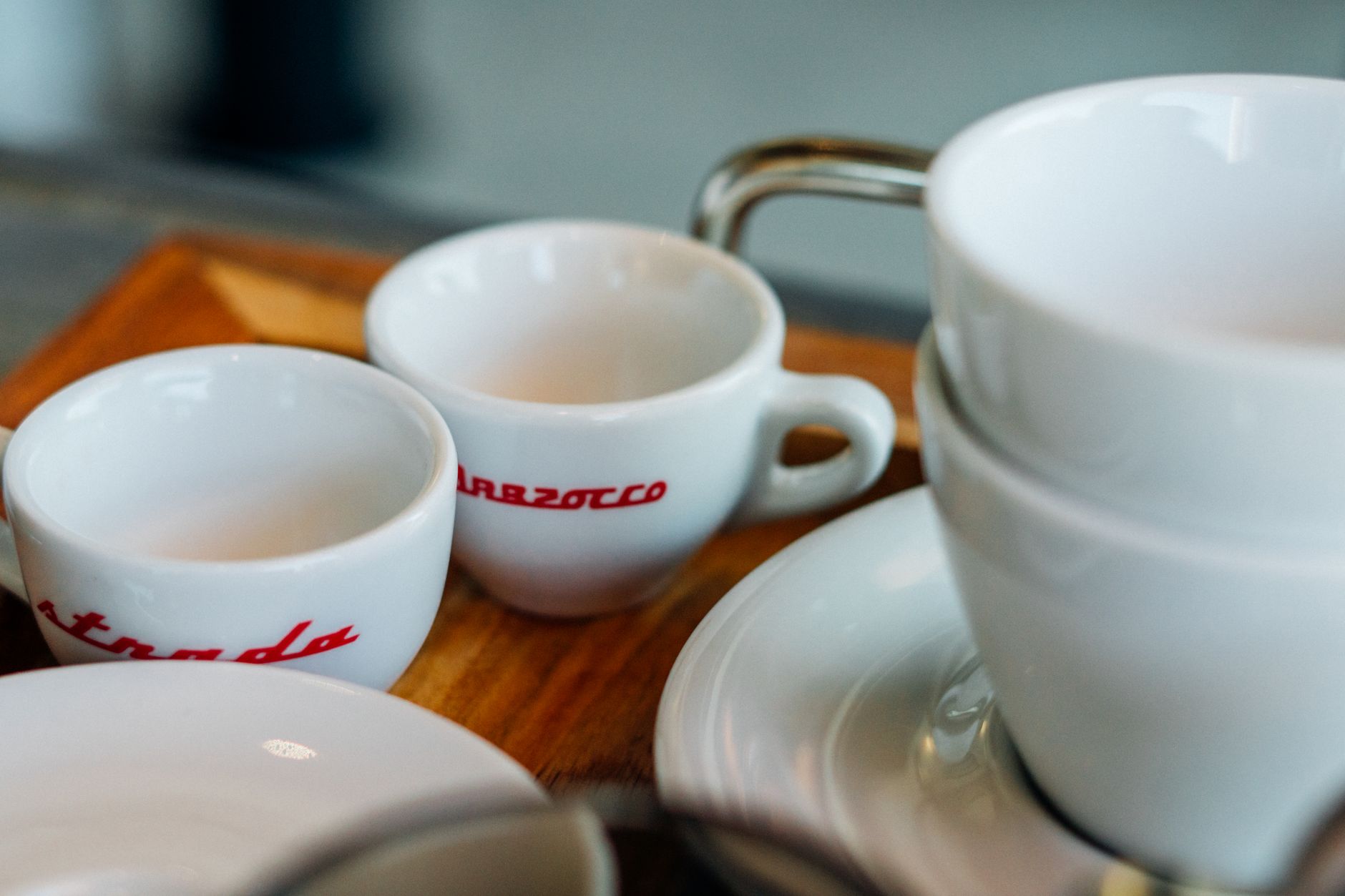
Lungo (Italian: “long”) runs more water through the same puck — typically 50–60ml. More water means more dissolved solids overall, but a lower concentration per ml. The extended contact time also extracts bitter phenols and chlorogenic acids that espresso stops short of. It’s not a weak espresso — it’s a different drink.
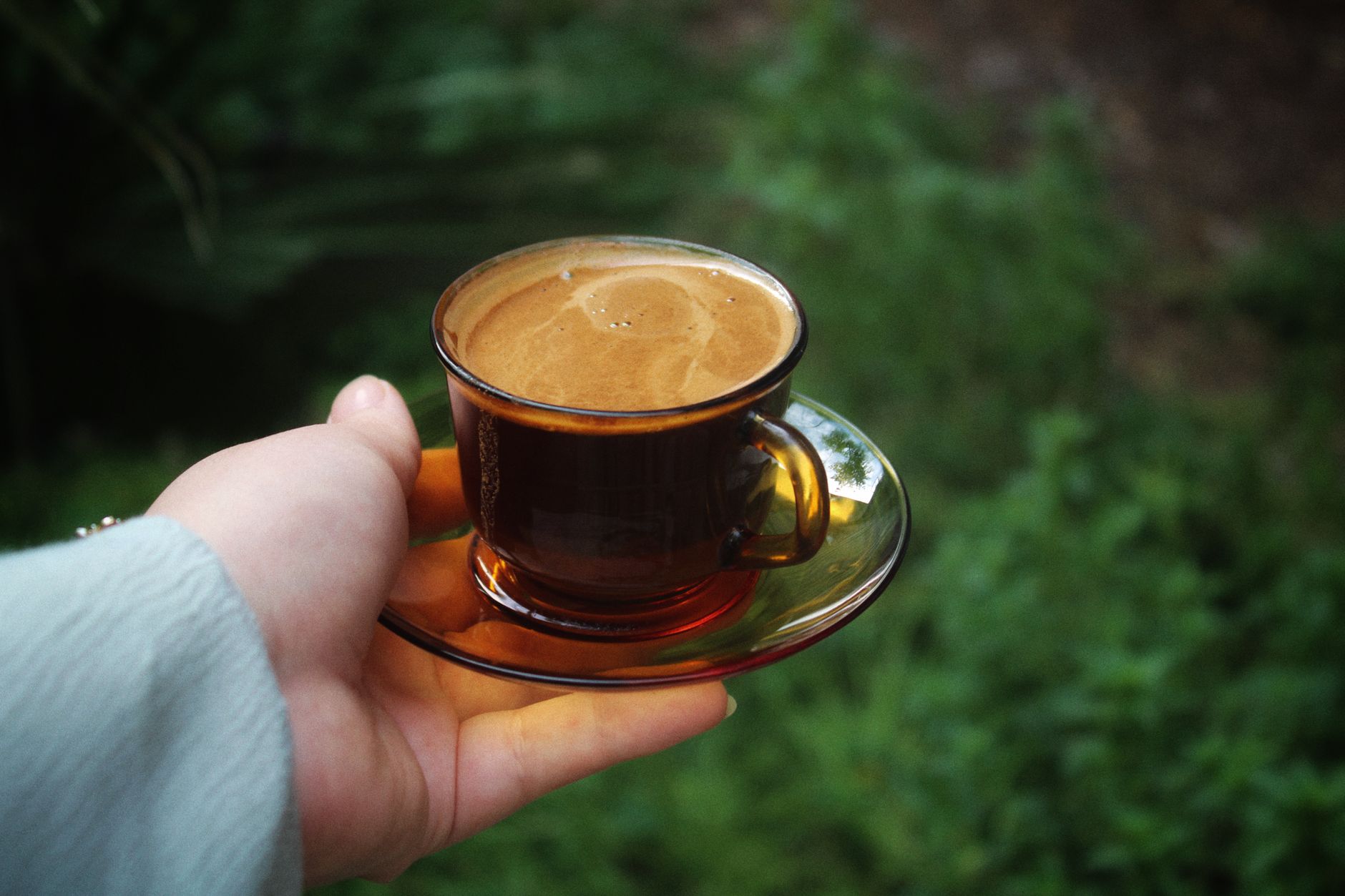 Photo: sena kırca via Pexels
Because lungo uses more water at the same pressure, some baristas adjust the grind coarser by one or two clicks to prevent choking the puck and extending brew time past 55 seconds, which risks over-extraction.
Caffeine content per serving is higher in lungo than ristretto — more water extracts more caffeine. By concentration, ristretto wins. By total milligrams in the cup, lungo wins.
Lungo vs Americano
These are not the same. A lungo is brewed long — water passes through the grounds under pressure. An Americano is espresso with hot water added afterward. Lungo has more bitterness and a distinct “roasty” note from extended pressurized extraction; Americano retains espresso’s flavor profile but diluted.
Brewing Guide: All Three Shots
Extraction Parameters
| Parameter | Ristretto | Espresso | Lungo |
|---|---|---|---|
| Dose | 18g | 18g | 18g |
| Yield | 18–22g | 36–40g | 54–60g |
| Ratio | 1:1–1:1.2 | 1:2–1:2.2 | 1:3–1:3.5 |
| Time | 15–22 sec | 25–33 sec | 38–55 sec |
| Temperature | 93°C (199°F) | 93°C (199°F) | 92°C (198°F) |
| Pressure | 9 bar | 9 bar | 9 bar |
Puck Prep (Same for All Three)
WDT: Stir grounds in the portafilter basket with a 0.4mm needle tool to break up clumps before leveling.
Leveling: Settle and distribute with a straight-edge leveler or a light tap. Grounds should sit 2–3mm below the basket rim.
Tamping: 15–20kg of pressure, perpendicular to the basket. A calibrated tamper removes the variable — 30-pound tamps and 10-pound tamps produce meaningfully different puck density.
Channeling: If the shot pulls unevenly (tiger striping turns to a single stream), the puck has a channel. Pull the shot again with better WDT.
Pre-infusion: 3–8 seconds at 2–3 bar before full pressure ramp. Most beneficial for ristretto — it saturates the puck evenly before restricted water flow begins.
Troubleshooting Matrix
| Symptom | Likely Cause | Fix |
|---|---|---|
| Ristretto too sour/sharp | Grind too coarse, under-extracted | Grind finer by 1 click |
| Espresso finishes too fast | Grind too coarse | Grind finer |
| Lungo tastes harsh/ashy | Over-extracted, brew time too long | Coarsen grind slightly |
| Thin crema on lungo | Stale beans or too little extraction | Use fresher beans; try slower flow |
| Channeling on all three | Poor WDT or uneven tamp | Re-do puck prep |
| Ristretto too thick/no flow | Grind too fine | Coarsen by 0.5 click |
→ See Also
- How to Dial In Espresso: Step-by-Step Decision Tree
- Espresso Extraction Explained: Under, Over, and Perfect
- How to Tamp Espresso Correctly (Pressure, Technique, Tools)
FAQ
Is a ristretto stronger than an espresso? Ristretto is more concentrated — more dissolved solids per milliliter — but contains less total caffeine because less water means less caffeine extracted overall. “Stronger” depends on whether you mean intensity of flavor or caffeine content. By flavor intensity, ristretto wins. By caffeine per serving, lungo wins.
Can I make a ristretto on a home espresso machine? Yes. Any machine with a manual shot timer or volumetric programming can pull a ristretto — just stop extraction at 15–20ml. The main adjustment is grinding slightly finer than your espresso baseline to maintain flow resistance as water volume drops.
Why does lungo taste more bitter than espresso? Bitterness compounds — primarily chlorogenic acids and certain Maillard products — extract toward the end of the pull. Lungo runs longer and extracts more of them. It’s not a flaw; it’s the character of the format. Dark roasts emphasize this bitterness further.
What’s the best shot type for milk drinks like lattes and cappuccinos? Most specialty cafes use ristretto or a tight 1:2 espresso as the base. The sweetness of ristretto integrates cleanly under steamed milk. Lungo-based milk drinks are rare because the higher bitterness and thinner body get lost.
Does the coffee-to-water ratio change between ristretto, espresso, and lungo? The dose stays the same — what changes is yield (how much liquid you collect). Ristretto is roughly 1:1, espresso 1:2, lungo 1:3. These ratios are guidelines, not laws — dial to taste within those ranges.
Should I adjust grind size when switching between the three? For ristretto: go 1–2 clicks finer than espresso to maintain pressure with less water. For lungo: go 1 click coarser to prevent over-restriction at extended brew time. Minor adjustments — the puck mechanics are the same; you’re tuning flow rate to match each format’s intended brew time window.
Editorial methodology: Assessments are based on manufacturer specifications, published user reviews, and editorial research. Physical hands-on testing is noted explicitly where it occurred. Rankings reflect our editorial judgment and are not influenced by affiliate commission rates. Full editorial policy · Affiliate disclosure