Contents
Kona Coffee Guide: What Makes It Special?
TL;DR: Kona coffee is a single-origin Arabica grown exclusively on the slopes of Mauna Loa and Hualalai volcanoes on Hawai’i’s Big Island. The combination of volcanic soil, afternoon cloud cover, and hand-harvesting produces a remarkably clean, low-acid cup with bright fruit and smooth chocolate notes. Expect to pay a premium — and watch for “Kona blends” that contain as little as 10% actual Kona beans.
What Is Kona Coffee and Why Does It Cost So Much?
Kona coffee is one of the world’s most geographically restricted specialty coffees, grown in a narrow 30-mile belt on the Big Island of Hawai’i at 800–2,500 MASL. High labor costs (all hand-picked on steep volcanic terrain), strict state grading standards, and limited land area drive prices to $40–$80 per pound for genuine 100% Kona. The flavor payoff is real: exceptional clarity, natural sweetness, and zero bitterness when brewed correctly.
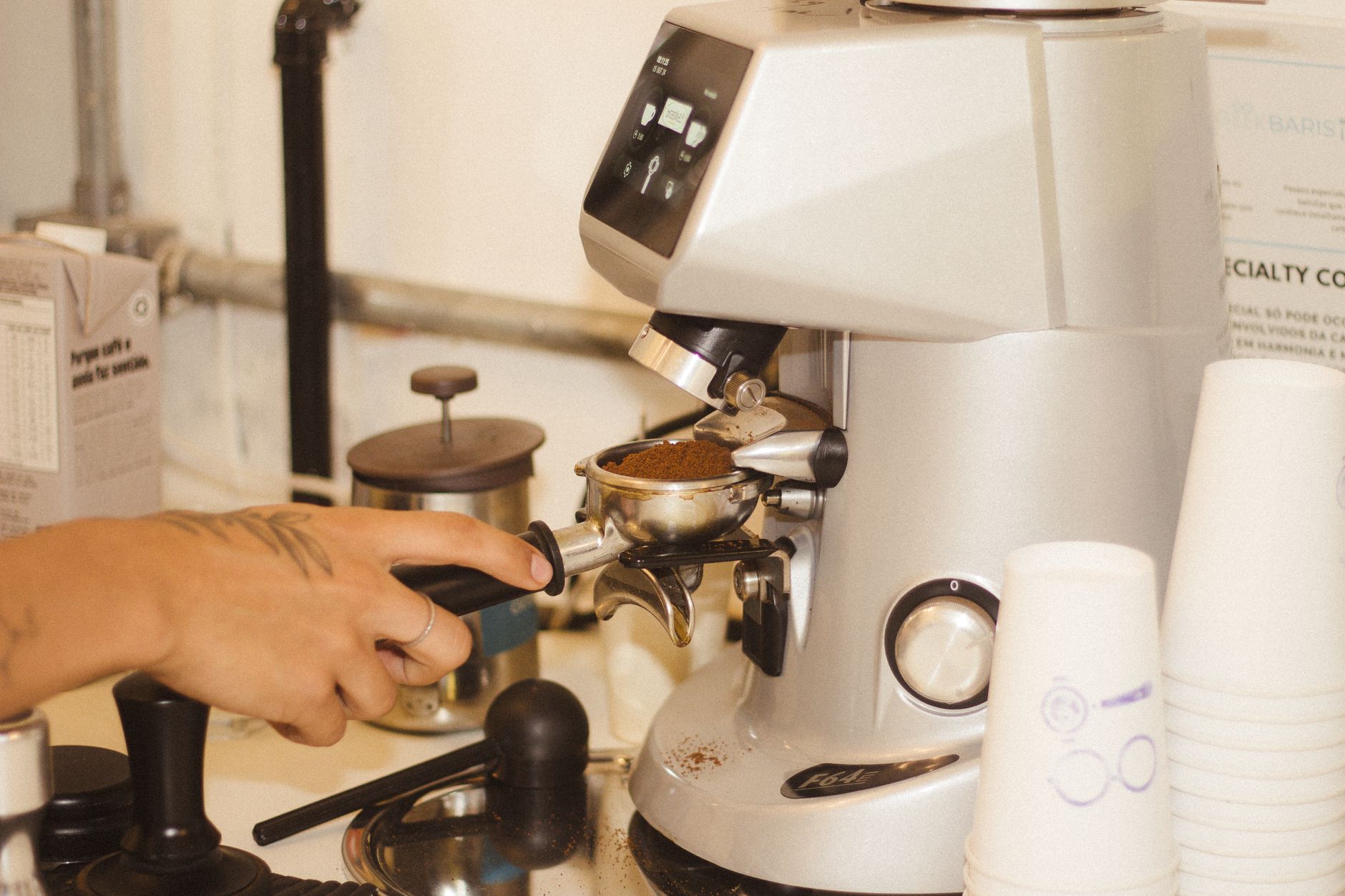
 Photo: Tim Gouw via Pexels
The Kona Coffee Belt sits on the western slopes of two volcanoes — Mauna Loa and Hualalai. Elevation, rich volcanic soil, and a microclimate where sunny mornings give way to afternoon clouds and light rain create near-ideal growing conditions. The region gets roughly 50–60 inches of rainfall annually, almost perfectly timed around the crop cycle.
Unlike Central American origins where mechanical harvesting is common, Kona farms are too steep and small for machines. Every cherry is hand-picked, typically by skilled pickers working steep grades. This drives up costs but also allows selective picking — only ripe cherries are harvested, which matters enormously for cup quality.
The Kona Blend Problem
“Kona blend” is a legal designation in Hawai’i that requires only 10% Kona beans — the other 90% can be commodity coffee from anywhere. These blends are sold at a fraction of the price of 100% Kona and frequently mislead buyers. Always look for “100% Kona Coffee” on the label, ideally with a farm name and the Hawai’i Department of Agriculture grade printed clearly.
Kona Coffee Grades Explained
Hawaii grades Kona coffee by bean size, moisture, and defect count. The top two grades — Kona Extra Fancy and Kona Fancy — represent the cleanest, largest beans with the most consistent flavor profile. Extra Fancy is the benchmark for specialty roasters and commands the highest price.
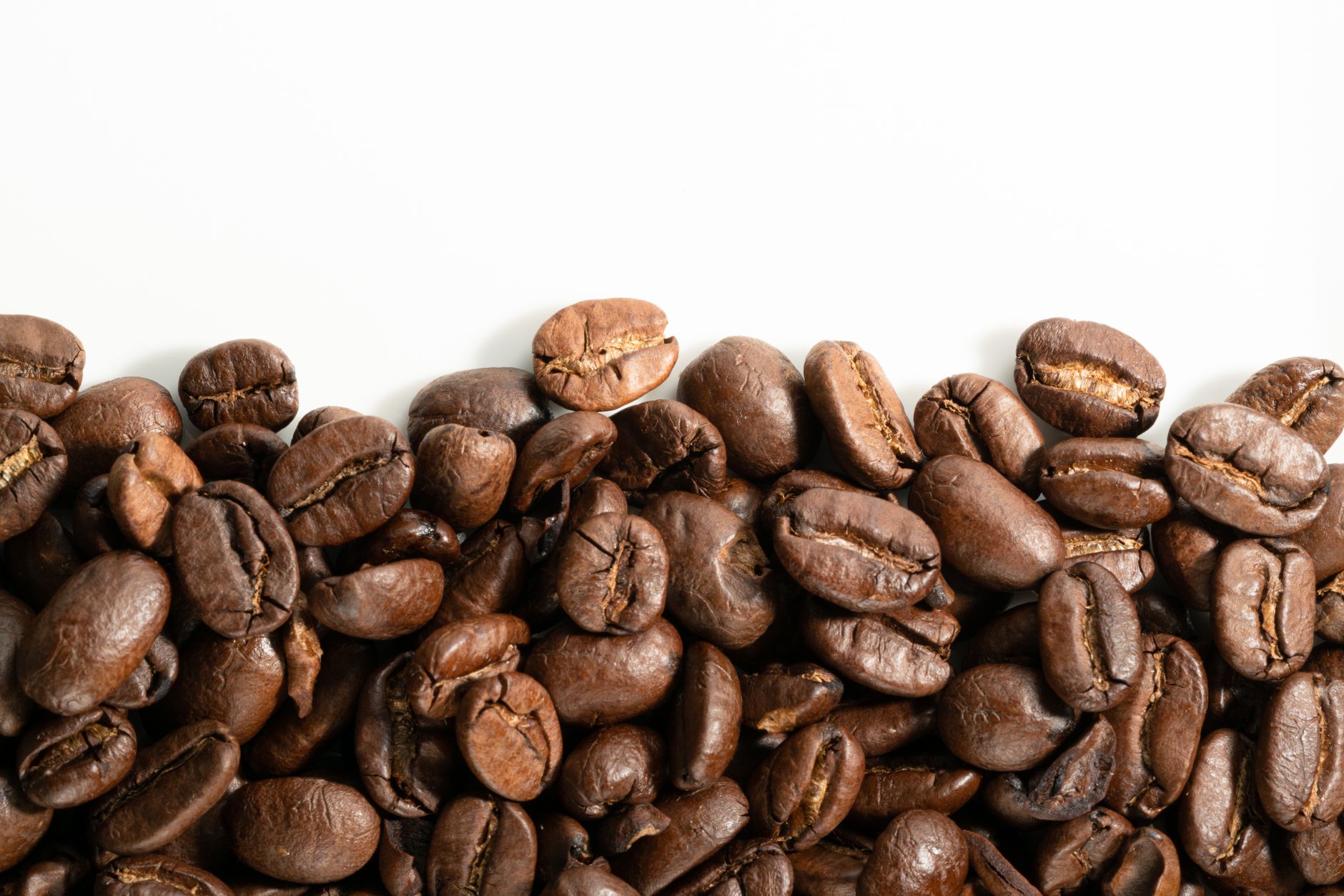
 Photo: Pixabay via Pexels
| Grade | Screen Size | Max Defects per lb | What to Expect |
|---|---|---|---|
| Extra Fancy | 19+ | 10 | Largest, most uniform beans; best for espresso and pour-over |
| Fancy | 18+ | 14 | Excellent quality; broadly available from specialty roasters |
| #1 | 16+ | 18 | Solid cup, good value |
| Select | Mixed | 25 | Below specialty threshold; common in blends |
| Prime | Any | 35 | Lowest export grade |
For home brewing, Extra Fancy or Fancy is worth the investment. The defect count difference between Extra Fancy and #1 is audible in the cup — cleaner finish, less astringency.
What Does Kona Coffee Actually Taste Like?
Kona’s flavor profile centers on clean brightness, medium body, and a finish that leans toward milk chocolate and stone fruit rather than the wine or berry notes you’d find in Ethiopian naturals. It’s crowd-pleasing without being flat — complex enough for enthusiasts, approachable enough for people who don’t usually drink black coffee.
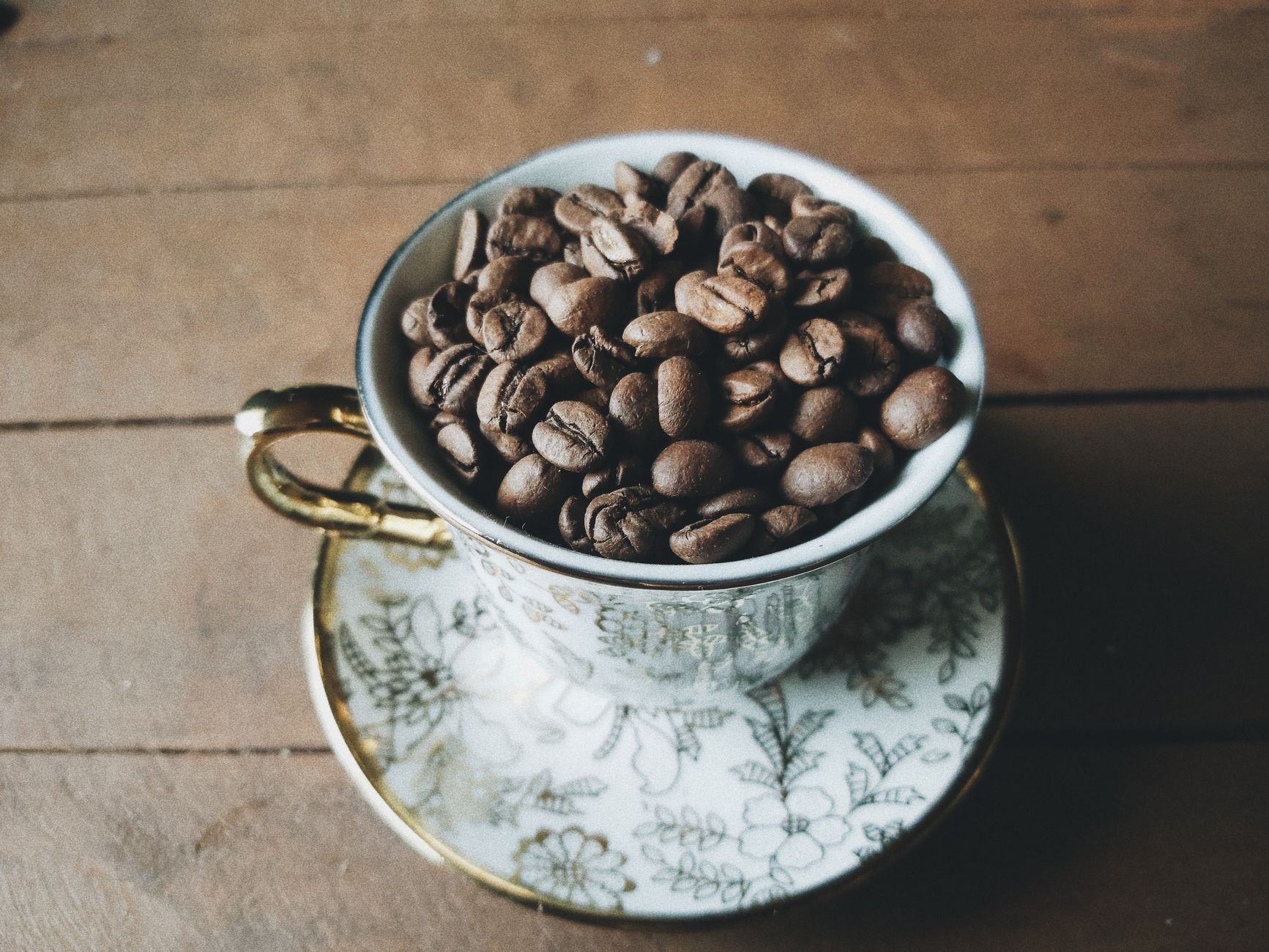
 Photo: Ryan Lansdown via Pexels
Common tasting notes across reputable Kona roasters:
- Fruit: Peach, nectarine, cherry, light citrus zest
- Sweetness: Brown sugar, honey, mild caramel
- Chocolate: Milk chocolate, cocoa nib
- Body: Medium — lighter than Sumatra, fuller than most Ethiopians
- Acidity: Bright but smooth — medium-low malic/citric, not sharp
Processing method shifts this profile noticeably. Washed Kona reads brighter and cleaner; honey-processed Kona pushes the sweetness and body higher. Natural-processed Kona is rare but produces an intensely fruity, jammy cup that divides opinion.
Kona Coffee Origins Module
Terroir and Production Data
| Detail | Specification |
|---|---|
| Country | United States (Hawai’i, Big Island only) |
| Region | Kona Coffee Belt — North and South Kona |
| Altitude (MASL) | 800–2,500 |
| Varietal | Primarily Guatemalan Typica (introduced 1892) |
| Processing | Washed (dominant), Honey, Natural (rare) |
| Harvest Season | August–January (peak: Sept–Nov) |
| Roast Range | Light to medium-dark (light–medium shows terroir best) |
| Tasting Notes | Peach, milk chocolate, brown sugar, clean finish |
Brew Method Pairing and Grind Guidance
Kona’s clean profile and medium body adapt well across brew methods, but it shines brightest without paper filters that strip oils.
| Brew Method | Why It Works | Grind Setting |
|---|---|---|
| Pour-over (V60, Chemex) | Highlights fruit and clarity | Medium (20–25 clicks on Encore) |
| French press | Adds body, shows chocolate notes | Coarse |
| AeroPress | Flexible; try inverted for clean concentrate | Medium-fine |
| Espresso | Exceptional at light-medium roast; unusual and rewarding | Fine (dial to taste) |
| Moka pot | Emphasizes sweetness; watch heat | Fine-medium |
Espresso offset: Kona’s low inherent bitterness means you can drop extraction temperature 1–2°C below your usual baseline (try 91–92°C) and pull a longer ratio (1:2.5 to 1:3) to maximize sweetness without sharpness.
Freshness and Storage
 Photo: Hannoversche Kaffeemanufaktur via Pexels
Kona is typically medium-roasted, which means CO₂ degassing runs for 3–7 days post-roast before the coffee is at peak flavor. Most specialty Kona roasters ship with a roast date — don’t brew it within 48 hours of the roast date, and don’t sit on it past 4–6 weeks.
| Stage | Timeline |
|---|---|
| Degassing (post-roast) | 3–7 days |
| Peak flavor window | Day 7–28 post-roast |
| Acceptable range | Up to 6 weeks post-roast |
| After opening (sealed bag) | Use within 2–3 weeks |
| Storage method | Airtight valve bag, room temp, away from light |
Freezing whole beans is acceptable for long-term storage if vacuum-sealed. Grind straight from frozen — do not thaw and refreeze.
How to Buy Genuine Kona Coffee
The single most important thing: the label must say “100% Kona Coffee.” A farm name and roast date are strong secondary signals. Buy direct from Kona farms or from specialty roasters who publish their sourcing.
Reputable sources include farms like Greenwell Farms and Mountain Thunder , as well as specialty subscription services that carry verified single-origin Kona. If you’re exploring Hawaiian coffees more broadly, Atlas Coffee Club sources from Kona among other origins and ships with detailed tasting cards.
Red flags when buying:
- “Kona blend” or “Kona style” — not the same thing
- No roast date on the bag
- Price under $25/250g — genuine 100% Kona cannot be produced at commodity prices
- Vague sourcing (“Hawaiian coffee” without specifying Kona)
→ See Also
- Coffee Bean Guide: Origins, Roasts, and How to Choose
- Best Coffee Subscription Boxes (2026 Ranked)
- Trade Coffee Review (2026): Is It Worth It?
FAQ
Is Kona coffee really worth the price? For genuine 100% Kona, yes — if you value clean, low-acid, sweet coffees and want to understand what a specific terroir tastes like. It’s not the most complex coffee in the world, but it’s consistently excellent and unlike most other origins. The price reflects real production costs, not marketing.
What’s the difference between Kona Extra Fancy and Kona Fancy? Extra Fancy beans are larger (screen size 19+) with fewer allowable defects (10 per pound vs. 14 for Fancy). In practice, both grades produce excellent cups; Extra Fancy edges out on uniformity and a slightly cleaner finish. For espresso, the consistency of Extra Fancy matters more than for filter brewing.
Can you buy Kona coffee at the grocery store? Yes, but scrutinize the label. Most grocery store “Kona” products are Kona blends (10% Kona minimum by Hawaiian law). To get genuine 100% Kona, buy directly from a farm website or a specialty roaster that explicitly states the percentage and sourcing.
What roast level is best for Kona coffee? Light to medium roast. Kona’s terroir — its fruit, sweetness, and clean finish — is most expressive before the roast character takes over. Medium-dark roasts are common but start to mask what makes Kona distinctive. If you bought good Kona and it tastes like generic dark coffee, the roast went too far.
How is Kona coffee different from Hawaiian coffee grown on other islands? Kona is the most established and regulated Hawaiian coffee region, but Ka’u, Maui, and Moloka’i also produce quality coffees. Ka’u in particular has won Cup of Excellence recognition and often costs less than Kona for comparable quality. “Kona coffee” legally refers only to beans grown in the Kona district — other Hawaiian coffees can’t use the name.
Editorial methodology: Assessments are based on manufacturer specifications, published user reviews, and editorial research. Physical hands-on testing is noted explicitly where it occurred. Rankings reflect our editorial judgment and are not influenced by affiliate commission rates. Full editorial policy · Affiliate disclosure