Contents
Coffee Tasting Notes Explained: How to Identify Flavors
TL;DR: Coffee tasting notes are flavor descriptors — words like “blueberry,” “dark chocolate,” or “cedar” — that describe what’s actually in the cup. You don’t need a trained palate to use them. Once you know what to look and listen for, coffee tasting notes explained simply become a framework for paying attention.
What Are Coffee Tasting Notes?
Tasting notes are not additives or flavorings. They’re the natural flavors produced by the coffee plant’s genetics, where it was grown, how it was processed, and how it was roasted. A washed Ethiopian Yirgacheffe doesn’t taste like blueberries because someone added blueberry — it does because of specific organic compounds formed during fermentation and roasting.
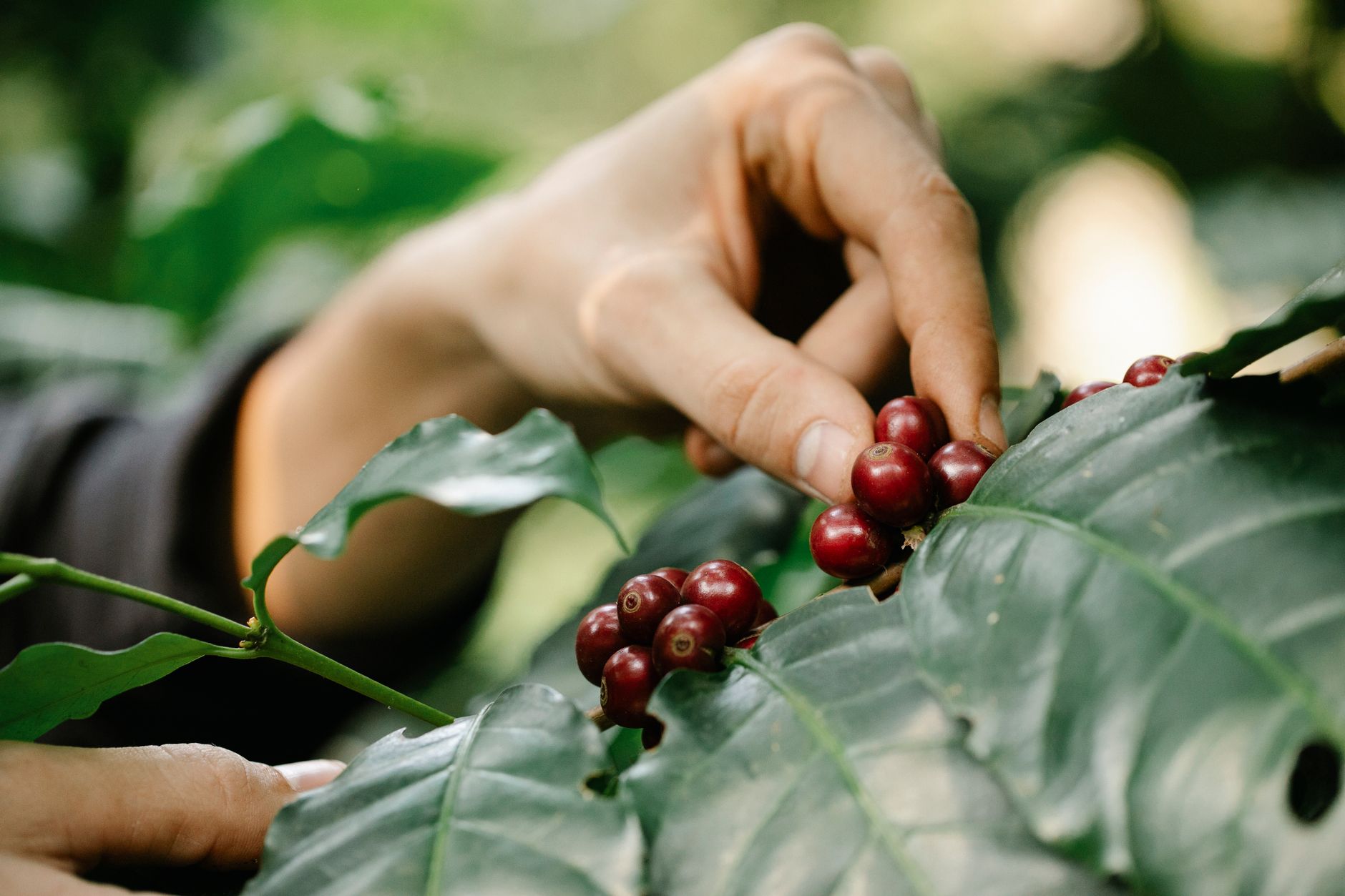 Photo: Michael Burrows via Pexels
The Specialty Coffee Association publishes a Coffee Taster’s Flavor Wheel with over 100 descriptors. It’s useful, but don’t start there. Start with these four questions as you taste:
- Sweet or bitter? High-altitude Arabica skews sweet. Robusta and dark roasts skew bitter.
- Fruity or nutty? Fruit notes (citrus, berry, stone fruit) signal light roast, African origins, or natural processing. Nut notes (hazelnut, almond, walnut) signal medium roast, Latin American origins, or washed processing.
- Acidic or flat? Brightness is a quality signal. Flat cups are usually stale, over-extracted, or low-elevation beans.
- Long or short finish? Complexity lingers. Cheap coffee disappears the second you swallow.
Why Roast Level Changes Everything
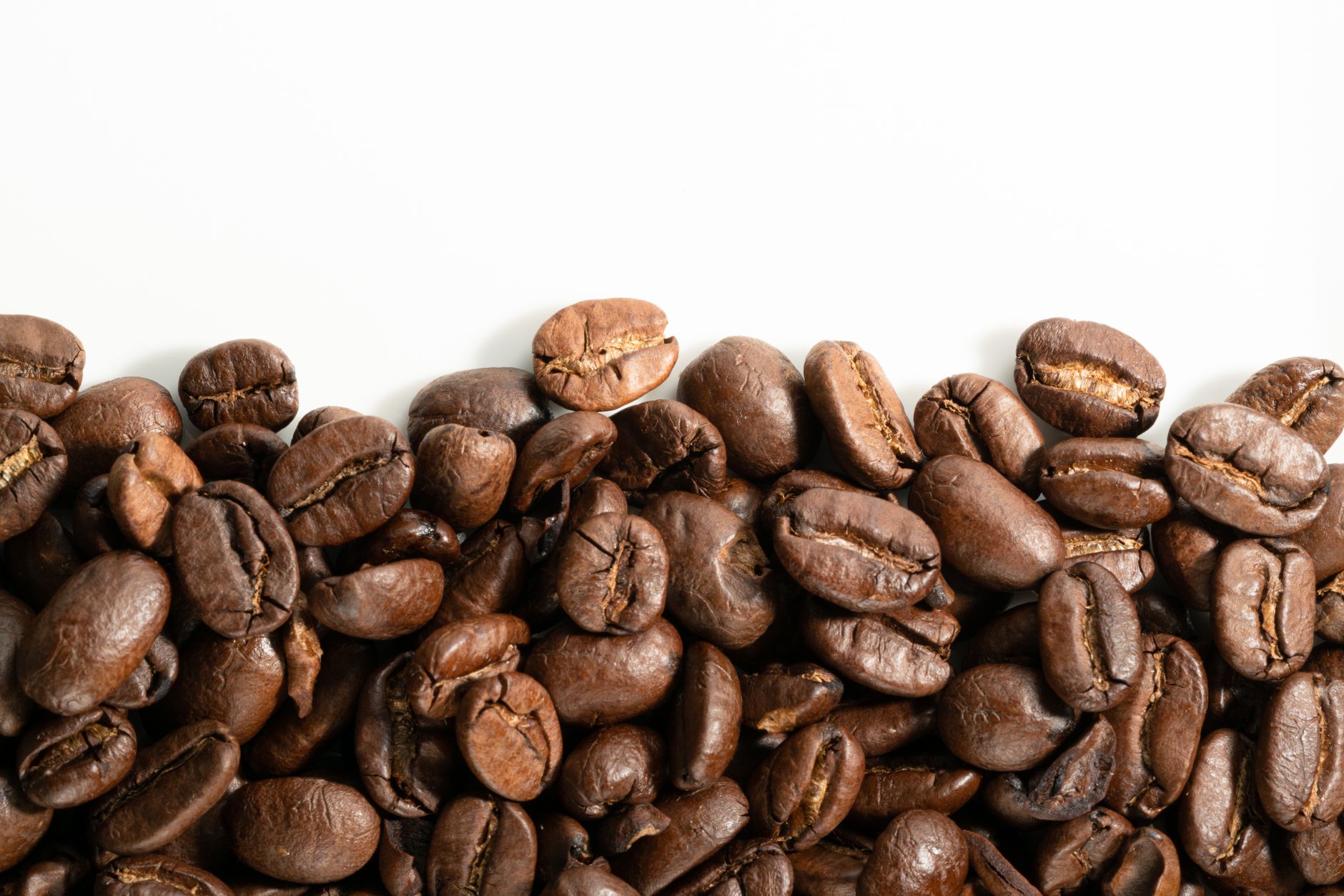
Light roast preserves origin character — you taste the terroir. Dark roast strips it away and replaces it with roast character: smoke, bittersweet chocolate, caramel. Medium roast is a negotiation between the two. The same bean roasted three ways will taste like three different coffees.
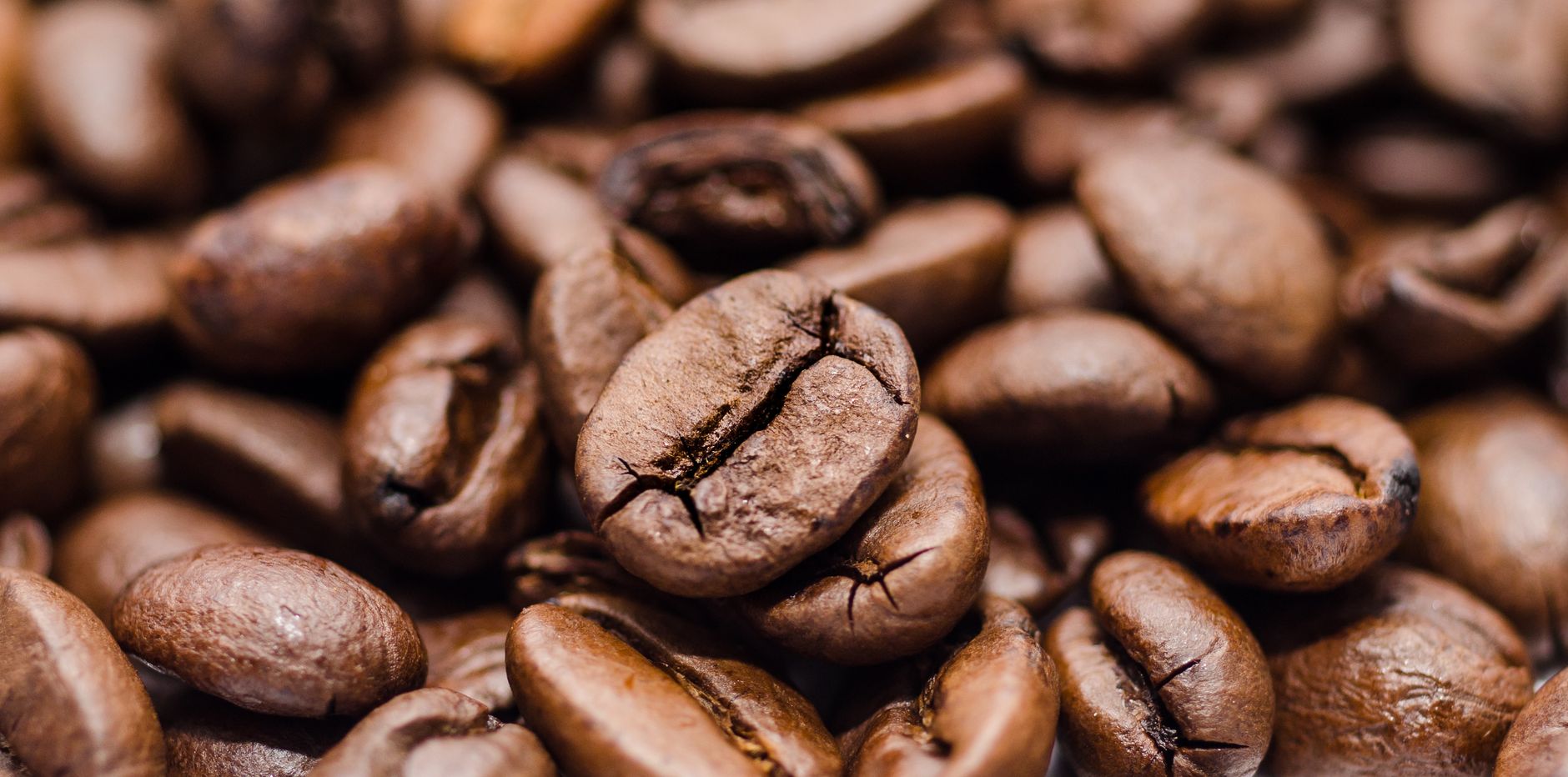 Photo: ClickerHappy via Pexels
| Roast | Flavor Profile | Acidity | Body |
|---|---|---|---|
| Light | Floral, citrus, berry, tea-like | High | Light |
| Medium | Caramel, stone fruit, mild chocolate | Medium | Medium |
| Medium-Dark | Dark chocolate, toasted nut, dried fruit | Low-Medium | Full |
| Dark | Smoke, bittersweet, ash, molasses | Low | Heavy |
One misconception: dark roast does not mean more caffeine. Caffeine is largely heat-stable. A light roast often has slightly more caffeine by weight.
How Processing Method Shapes Flavor
The way a coffee cherry is processed — natural, washed, or honey — is as important as roast level for predicting tasting notes. Natural processing produces intense fruit and fermentation notes. Washed processing produces clean, bright, terroir-forward cups. Honey splits the difference.
 Photo: Tom Fisk via Pexels
Natural (Dry) Process
The whole cherry dries with the fruit still on. Sugars ferment into the bean over weeks. Result: jammy, wine-like, boozy fruit notes — blueberry, strawberry, tropical fruit.
Classic example: Ethiopian natural, Yemeni Mocha.
Washed (Wet) Process
The fruit is stripped before drying. You taste the bean directly. Result: clean, bright, high-acidity cups where origin terroir shines — jasmine, lemon, bergamot.
Classic example: Kenyan AA, Colombian Huila.
Honey Process
The skin is removed but some mucilage (sticky fruit layer) stays on during drying. Spectrum: white honey (very little mucilage) through yellow, red, to black honey (most). More mucilage = more fruit, less acidity.
The Terroir Table: Origins and What to Expect
| Country | Altitude (MASL) | Processing | Roast Sweet Spot | Tasting Notes |
|---|---|---|---|---|
| Ethiopia | 1,800–2,200 | Washed / Natural | Light–Medium | Blueberry, jasmine, bergamot, lemon |
| Kenya | 1,500–2,100 | Washed | Light–Medium | Blackcurrant, tomato, citrus zest, grapefruit |
| Colombia | 1,200–2,000 | Washed | Medium | Caramel, red apple, mild citrus, walnut |
| Guatemala | 1,300–1,800 | Washed | Medium | Dark chocolate, brown sugar, peach, cedar |
| Brazil | 700–1,200 | Natural / Pulped Natural | Medium–Dark | Peanut, dark chocolate, low acidity, cream |
| Yemen | 1,500–2,500 | Natural | Light–Medium | Dried fruit, wine, cardamom, tobacco |
| Sumatra | 1,000–1,500 | Wet-hulled (Giling Basah) | Medium–Dark | Earthy, cedar, dark herbs, low acidity |
Brew method pairing by origin:
- Ethiopian / Kenyan: pour-over (V60, Chemex) to highlight acidity and clarity
- Colombian / Guatemalan: espresso or AeroPress for balanced sweetness
- Brazilian: espresso, French press — body carries the flavor
- Sumatran: French press or Moka pot — earthy body needs full immersion
Espresso adjustments by origin:
- High-acidity origins (Ethiopia, Kenya): drop shot temperature 1–2°C, pull slightly shorter
- Low-acidity origins (Brazil, Sumatra): raise temperature 1–2°C, longer pull
Freshness, Degassing, and When to Brew
Roasted coffee off-gasses CO₂ for days after roasting. Brew too early and CO₂ interferes with extraction — the cup tastes hollow or overly sharp. Brew too late and oxidation flattens everything. There’s a window.
 Photo: Rinat Askarov via Pexels
| Bean Type | Degassing Time | Brew Window | Shelf Life (opened, airtight) |
|---|---|---|---|
| Espresso | 5–10 days post-roast | Days 10–30 | 3–4 weeks |
| Filter / Pour-over | 2–4 days post-roast | Days 5–21 | 2–3 weeks |
| Natural Process | 7–14 days post-roast | Days 14–35 | 3–4 weeks |
Storage: airtight container, room temperature, away from light. Freezing works for unopened bags — freeze in small portions and never refreeze. Refrigerator = bad (moisture, odor absorption).
How to Taste Intentionally (No Equipment Required)
You don’t need a cupping bowl or a refractometer. You need three things: a clean palate, a consistent brew, and a few seconds of attention before you reach for the mug again.
The Four-Step Method
-
Smell dry — Before brewing, open the bag and inhale. Fruity? Chocolatey? Smoky? Your nose picks up 70–80% of what your brain calls “flavor.”
-
Slurp — Tasters slurp because spraying coffee across the whole palate aerosolizes it. More surface area, more perception. Sounds rude, works perfectly.
-
Locate — Where does the flavor hit? Front of tongue = sweetness. Sides = acidity. Back = bitterness. Finish = complexity.
-
Let it cool — Acidity and fruit notes emerge as the cup drops below 70°C. Hot coffee numbs perception. The cup you drink at 50°C is a different cup than the one at 80°C.
Building Your Vocabulary
 Photo: https://kaboompics.com/ via Pexels
You’ll hear tasting notes like “red grape” or “dark cocoa” and wonder if you’re supposed to actually taste that. Sometimes you won’t. That’s fine — tasting notes are guideposts, not guarantees. Palate sensitivity, brew variables, and even genetics (some people can’t perceive certain bitter compounds) all change what you taste.
Start with five descriptor families and train them one at a time:
- Fruit (berry, citrus, stone fruit, tropical)
- Chocolate/caramel (milk chocolate, dark chocolate, brown sugar, molasses)
- Nut (hazelnut, almond, walnut, peanut)
- Floral (jasmine, rose, lavender, hibiscus)
- Earthy/spice (cedar, tobacco, cinnamon, clove)
Once those are locked in, the tasting wheel stops feeling overwhelming.
→ See also:
- Coffee Bean Guide: Origins, Roasts, and How to Choose
- Best Coffee Subscription Boxes (2026 Ranked)
- Trade Coffee Review (2026): Is It Worth It?
FAQ
What do coffee tasting notes actually mean? They’re natural flavor compounds in the bean — not added flavors. A “blueberry” note means specific esters and acids formed during processing and roasting that share chemical markers with blueberries. The SCA Flavor Wheel maps these descriptors to sensory science, not marketing.
Why can’t I taste what the bag says? Several reasons: stale beans, brewing too hot, too coarse or fine a grind, or the notes are subtle and need a clean palate to catch. Try brewing the same coffee as a French press and as a pour-over side by side — the difference is usually immediately obvious and helps train perception.
Are tasting notes on coffee bags accurate? At specialty roasters, generally yes — they’re derived from actual cupping sessions. At supermarket level, they’re often aspirational. Look for roasters who publish roast dates and source information alongside tasting notes; that transparency correlates with accuracy.
Does the brewing method change the tasting notes? Significantly. A metal filter (French press, AeroPress with metal filter) lets oils through and adds body and texture. A paper filter (V60, Chemex) strips oils and sharpens clarity. Immersion brewing (French press, Clever) softens acidity. Percolation brewing (pour-over) amplifies it. Same bean, different cup.
What’s the difference between acidity and sourness in coffee? Acidity is brightness — a pleasant, structured tartness like biting a ripe apple. Sourness is a flaw — under-extracted, unripe, or poorly processed. Acidity makes you salivate; sourness makes you wince. High-quality light roasts from high-altitude origins have excellent acidity. Sour coffee usually means grind finer or brew hotter.
Editorial methodology: Assessments are based on manufacturer specifications, published user reviews, and editorial research. Physical hands-on testing is noted explicitly where it occurred. Rankings reflect our editorial judgment and are not influenced by affiliate commission rates. Full editorial policy · Affiliate disclosure