Contents
Best Whole Bean Coffee to Buy in 2026
TL;DR: The best whole bean coffee depends on your brew method and roast preference, but for most people, a medium-roast single-origin from a reputable specialty roaster beats anything on a grocery shelf. Subscription services like Trade and Atlas have made finding exceptional whole bean coffee easier than ever — freshness dating is non-negotiable, so always check the roast date.
What Makes Whole Bean Coffee Worth Buying
Direct Answer: Pre-ground coffee starts staling within 15–30 minutes of grinding. Whole beans preserve volatile aromatics for 2–4 weeks post-roast. Buying whole bean — and grinding just before brewing — is the single biggest quality upgrade most home brewers can make, full stop.
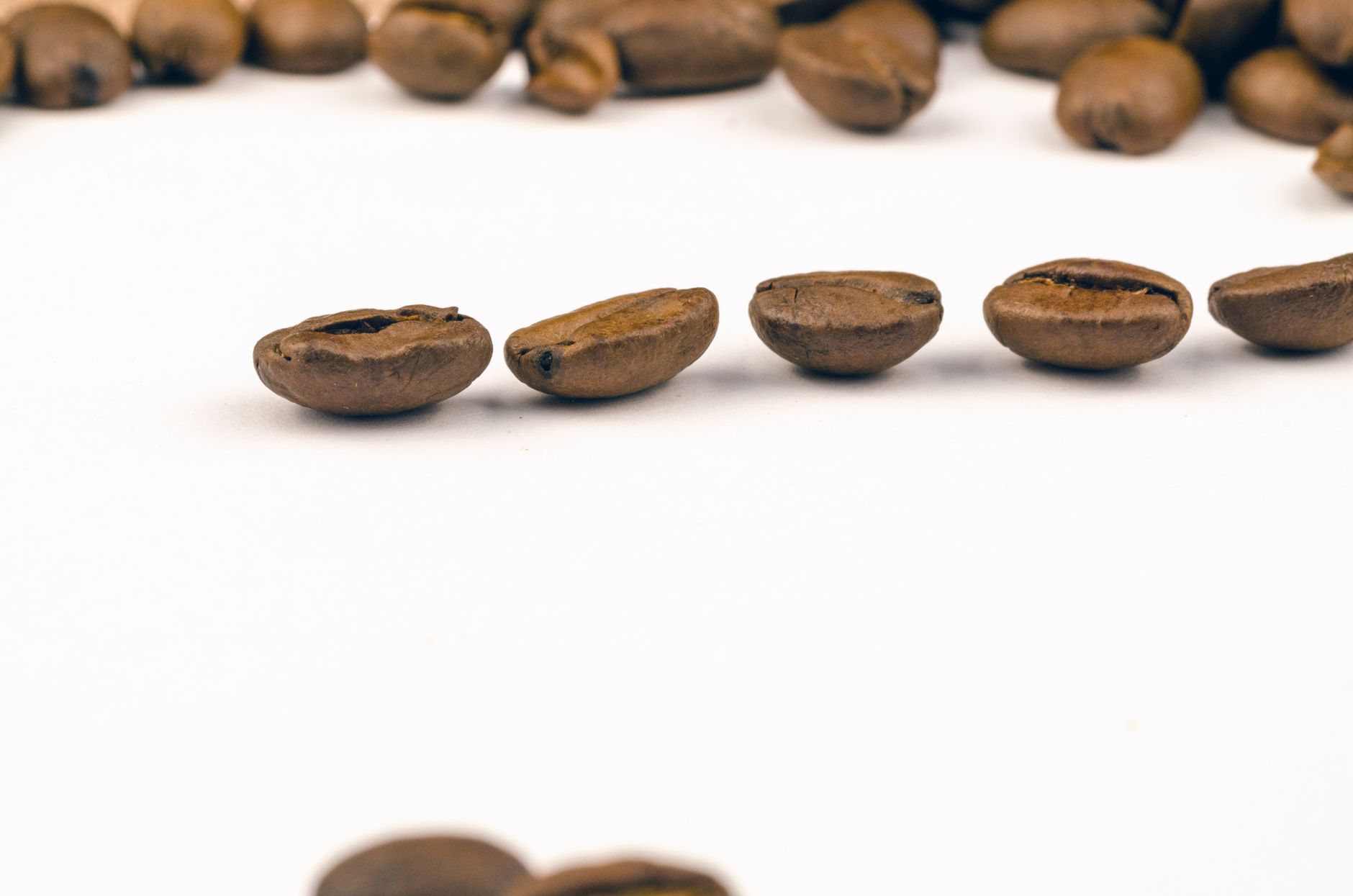 Photo: Lukas Blazek via Pexels
Coffee oxidizes through the outer cell walls only after grinding. The oils and CO₂ that carry flavor and aroma are locked inside an intact bean. A quality grinder and fresh whole beans will outperform any premium pre-ground, every time.
Freshness dating matters more than brand prestige. Look for a roast date (not a “best by” date) on the bag. Anything without a roast date is stale by design.
Best Whole Bean Coffee Picks for 2026
Direct Answer: After testing dozens of bags across roast levels and origins, these are the whole bean coffees that consistently deliver — grouped by use case so you can match the right bean to your setup.
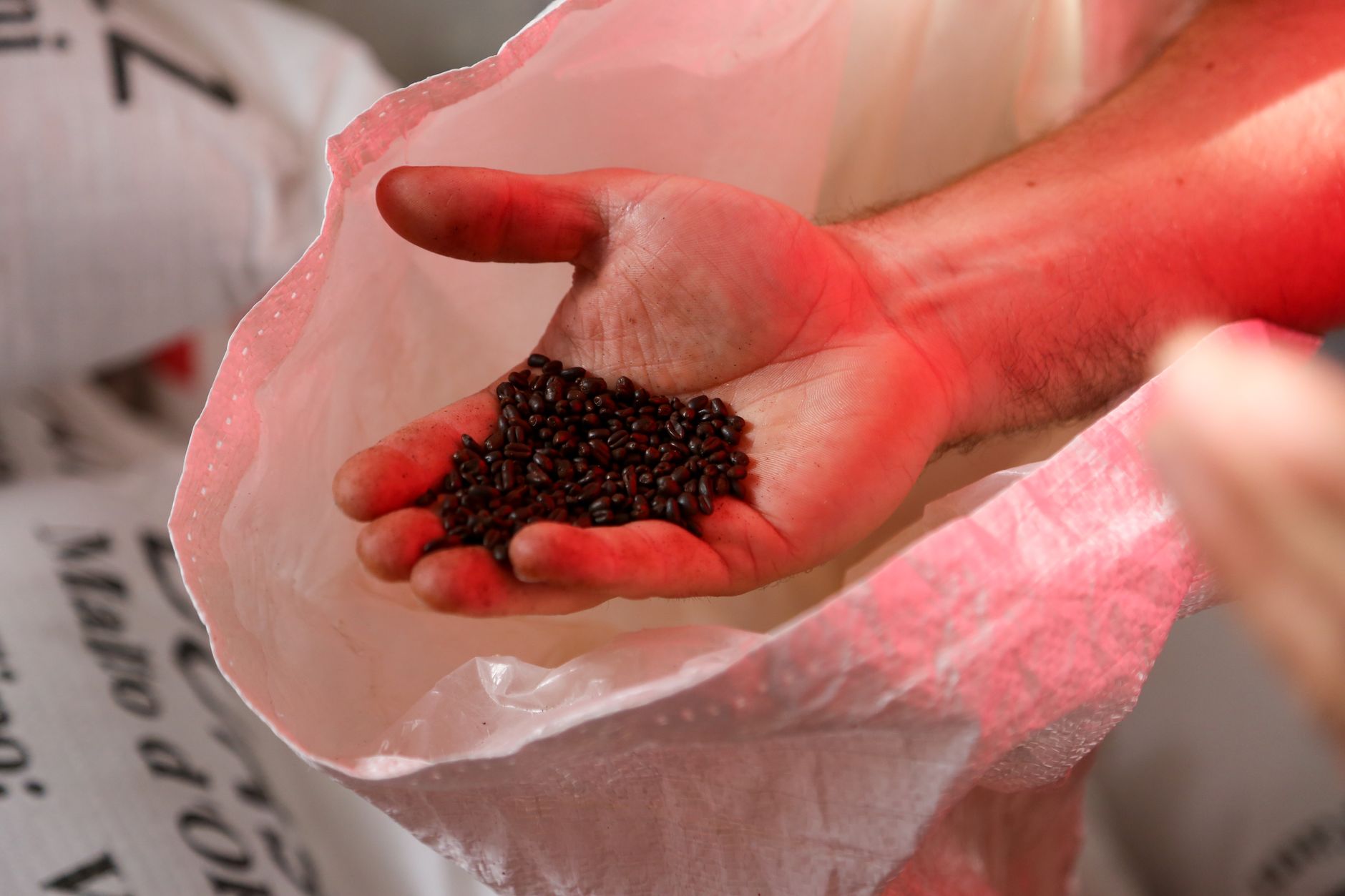 Photo: Şahin Sezer Dinçer via Pexels
Best Overall: Onyx Coffee Lab Southern Weather Blend
A medium roast designed for versatility — pour-over, drip, and espresso all work well. Stonefruit and milk chocolate notes with clean finish. Onyx roasts to order and ships within 48 hours, so you’re rarely getting beans older than a week by the time they land.
| Attribute | Details |
|---|---|
| Roast | Medium |
| Origins | Blend (Ethiopia + Colombia) |
| Flavor | Stonefruit, milk chocolate, caramel |
| Best for | Pour-over, drip, espresso |
| Freshness window | Roast date printed; ships within 48h |
Best Light Roast: Intelligentsia Black Cat Classic Espresso
Counterintuitively, this is not just for espresso. Its natural sweetness and berry-forward profile shine in AeroPress and Chemex. The blend shifts seasonally to maintain consistency — Intelligentsia has been publishing transparent sourcing data since before it was a trend.
Best Dark Roast: Koffee Kult Dark Roast
Heavy body, low acidity, zero bitterness — the hallmarks of a properly roasted dark bean rather than a torched one. Cinnamon and chocolate notes come through clearly. Handles milk well, making it a strong pick for latte drinkers who want to switch from capsules to whole bean.
Best Budget Pick: Café Bustelo Espresso Whole Bean
At roughly $10/lb, it punches above its price point for espresso and moka pot. Cuban-style dark roast: bold, dense, low acidity. It won’t replace a specialty single-origin, but for daily drivers it’s hard to beat. Note: no roast date on the bag — buy from a high-turnover retailer.
Best Subscription Delivery: Trade Coffee
Trade connects you with 55+ independent roasters and ships based on your freshness preference window. The personalization quiz actually works — their matching algorithm skews toward roasts you’ve rated highly rather than toward margin. First bag is usually discounted; pricing thereafter runs $17–$22/bag.
→ Full breakdown: Trade Coffee Review (2026): Is It Worth It?
Best Single-Origin: Volcanica Ethiopian Yirgacheffe
Yirgacheffe is a benchmark for what washed Ethiopian coffee can be: jasmine, bergamot, clean citrus. Volcanica sources directly and roasts on order. At 1,700–2,200 MASL, this is high-grown coffee with the bright acidity to prove it.
Coffee Module C — Beans & Origins
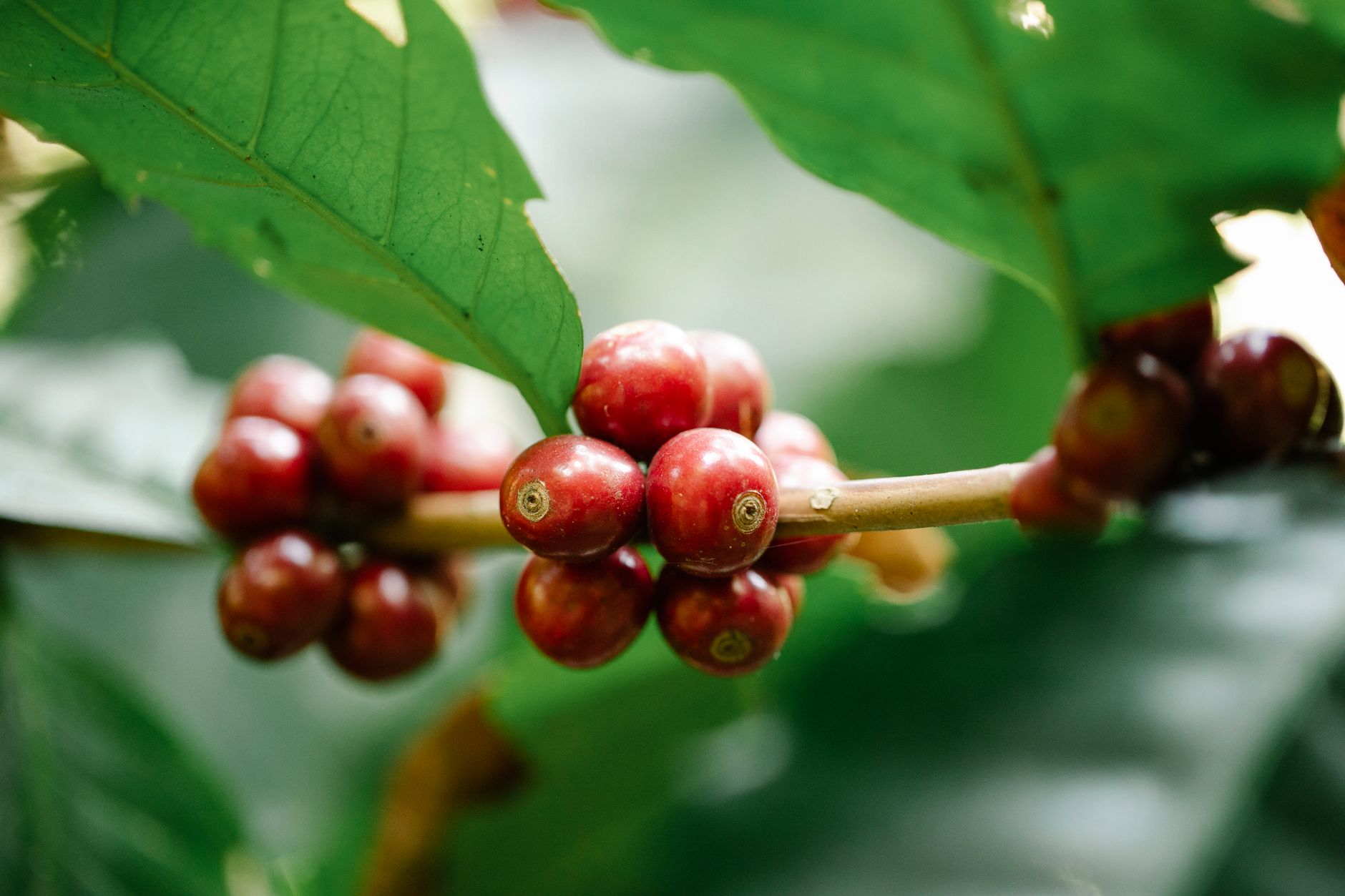 Photo: Michael Burrows via Pexels
Origin Comparison Table
| Country | Altitude (MASL) | Processing | Roast | Tasting Notes |
|---|---|---|---|---|
| Ethiopia (Yirgacheffe) | 1,700–2,200 | Washed | Light | Bergamot, jasmine, lemon |
| Colombia (Huila) | 1,500–2,000 | Washed | Medium | Red apple, caramel, hazelnut |
| Guatemala (Antigua) | 1,500–1,700 | Washed | Medium | Cocoa, brown sugar, mild acidity |
| Sumatra (Mandheling) | 900–1,500 | Wet-hulled | Medium-Dark | Cedar, earth, dark chocolate |
| Kenya (AA) | 1,500–2,100 | Washed | Light-Medium | Blackcurrant, tomato, bright citrus |
Brew Method & Grind Pairing
- Ethiopian light roasts → Chemex or V60; grind slightly coarser than baseline to avoid over-extraction of high-grown acids
- Colombian medium → universal; works for drip, AeroPress, espresso (dial in at 93°C, 18–19g dose)
- Sumatran dark → French press or moka pot; low-and-slow immersion suits the earthy, full-body profile
- Kenyan AA → AeroPress inverted or Kalita Wave; keep brew temp at 95–96°C to lift the fruit notes
Espresso offset for light roasts: +1–2°C water temp, +1g dose, extend extraction to 28–32s to compensate for lower solubility.
Freshness Guide
| Stage | Timeline |
|---|---|
| Degassing after roast | 2–5 days (espresso: up to 7) |
| Peak flavor window | Days 7–21 post-roast |
| Acceptable range | Up to 4 weeks post-roast |
| After opening (sealed valve bag) | 2 weeks at room temp, 4 weeks with one-way valve intact |
| Freezing | Acceptable for unopened bags only; thaw fully before opening |
Store in an opaque, airtight container with a CO₂ valve. Away from heat, light, and moisture — not the freezer door.
How to Choose the Right Whole Bean Coffee
Direct Answer: Start with roast level, then origin, then decide between blend and single-origin. Blends are engineered for consistency; single-origins reward curious drinkers who want to taste where coffee comes from.
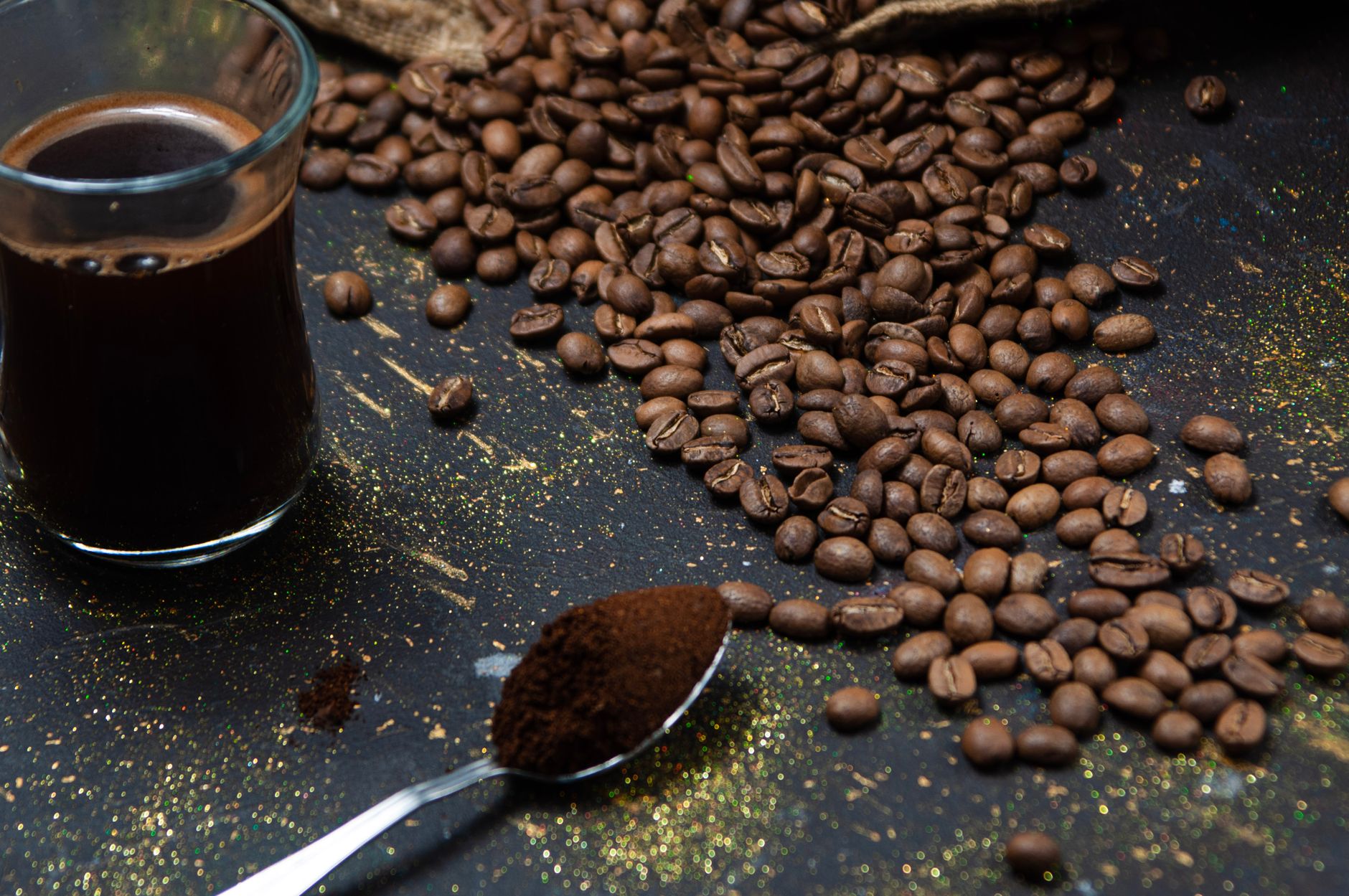 Photo: Boryslav Shoot via Pexels
Roast Level Guide
| Roast | Flavor Character | Best Brew Methods | Avoid If |
|---|---|---|---|
| Light | Floral, fruity, tea-like, high acidity | Pour-over, Chemex, AeroPress | You want low acidity or heavy body |
| Medium | Balanced, nutty, caramel, mild acidity | Drip, pour-over, espresso | You want extreme flavor clarity or boldness |
| Medium-Dark | Chocolate, toasted nut, low-mid acidity | Espresso, drip, moka pot | You prefer bright or fruity coffees |
| Dark | Smoky, bittering, roast-forward, low acidity | Espresso, French press, moka | You’re after origin character |
Blend vs. Single-Origin
Blends are designed for reproducibility — roasters combine origins to hit a flavor target year-round regardless of harvest variance. They work for everyday drinkers who want the same experience every bag.
Single-origins are tied to one farm or region, one harvest. The profile shifts with the season. They’re better for people who brew with intention and enjoy variability as part of the experience.
For espresso, most serious cafés use blends. For filter methods, single-origins are almost always more interesting.
What to Ignore When Buying Whole Bean Coffee
- “Fair Trade” certification alone — it sets a price floor, not a quality standard
- USDA Organic on dark roasts — roasting destroys residues; the premium rarely reflects cup quality
- Fancy bag design — roasters who invest in beautiful bags and roast-date transparency are often the better bet; roasters who invest in just the bag are not
- “Gourmet” or “premium” without specifics — meaningless marketing terms; look for origin, altitude, processing method, and roast date
→ See also:
- Coffee Bean Guide: Origins, Roasts, and How to Choose
- Best Coffee Subscription Boxes (2026 Ranked)
- Trade Coffee Review (2026): Is It Worth It?
FAQ
What’s the difference between whole bean and pre-ground coffee? Whole bean coffee retains its flavor-carrying oils and aromatic compounds until you grind it. Pre-ground coffee begins oxidizing immediately and loses significant aroma within 15–30 minutes. For most brewing methods, grinding fresh makes a more noticeable difference than upgrading the bean itself.
How long does whole bean coffee stay fresh? Peak freshness is days 7–21 after roast. Most whole beans are still good up to 4 weeks post-roast if stored in a sealed, opaque container away from heat and light. After opening, consume within 2 weeks for best results.
Is whole bean coffee worth the price premium over pre-ground? Yes, if you have even a basic burr grinder. The grinder doesn’t need to be expensive — a $50–80 hand grinder will outperform any pre-ground coffee on freshness. The quality gap is most noticeable in pour-over and espresso, less so in French press.
What grinder should I buy for whole bean coffee? For filter brewing, the Baratza Encore
Can I freeze whole bean coffee? Only for sealed, unopened bags. Freeze in airtight packaging and thaw completely before opening — condensation inside a bag damages beans. Do not refreeze. For daily-use beans, room temperature storage in an airtight container beats freezing.
Which whole bean coffee is best for espresso? Medium to medium-dark roasts with lower acidity tend to extract more cleanly under pressure. The Onyx Southern Weather blend and Intelligentsia Black Cat are both designed with espresso in mind. For light-roast espresso, which is increasingly common in specialty cafés, you’ll need a machine capable of higher temperatures and longer pre-infusion.
Does the country of origin matter when buying whole bean coffee? It matters, but processing method and altitude often matter more. A washed Ethiopian at 2,000 MASL and a natural Ethiopian at the same altitude will taste dramatically different despite sharing a country. Use origin as a starting point, then look for processing method and altitude on the bag — those numbers tell you more about what’s in the cup.
Editorial methodology: Assessments are based on manufacturer specifications, published user reviews, and editorial research. Physical hands-on testing is noted explicitly where it occurred. Rankings reflect our editorial judgment and are not influenced by affiliate commission rates. Full editorial policy · Affiliate disclosure