Contents
Jamaican Blue Mountain Coffee Review: Is It Worth the Hype?
TL;DR: Jamaican Blue Mountain coffee is one of the mildest, most balanced specialty coffees in the world — low bitterness, zero harshness, clean sweetness. A jamaican blue mountain coffee review will tell you it’s exceptional in the cup. Whether it’s worth $50–$80/lb depends entirely on your palate and priorities.
What Does Jamaican Blue Mountain Coffee Actually Taste Like?
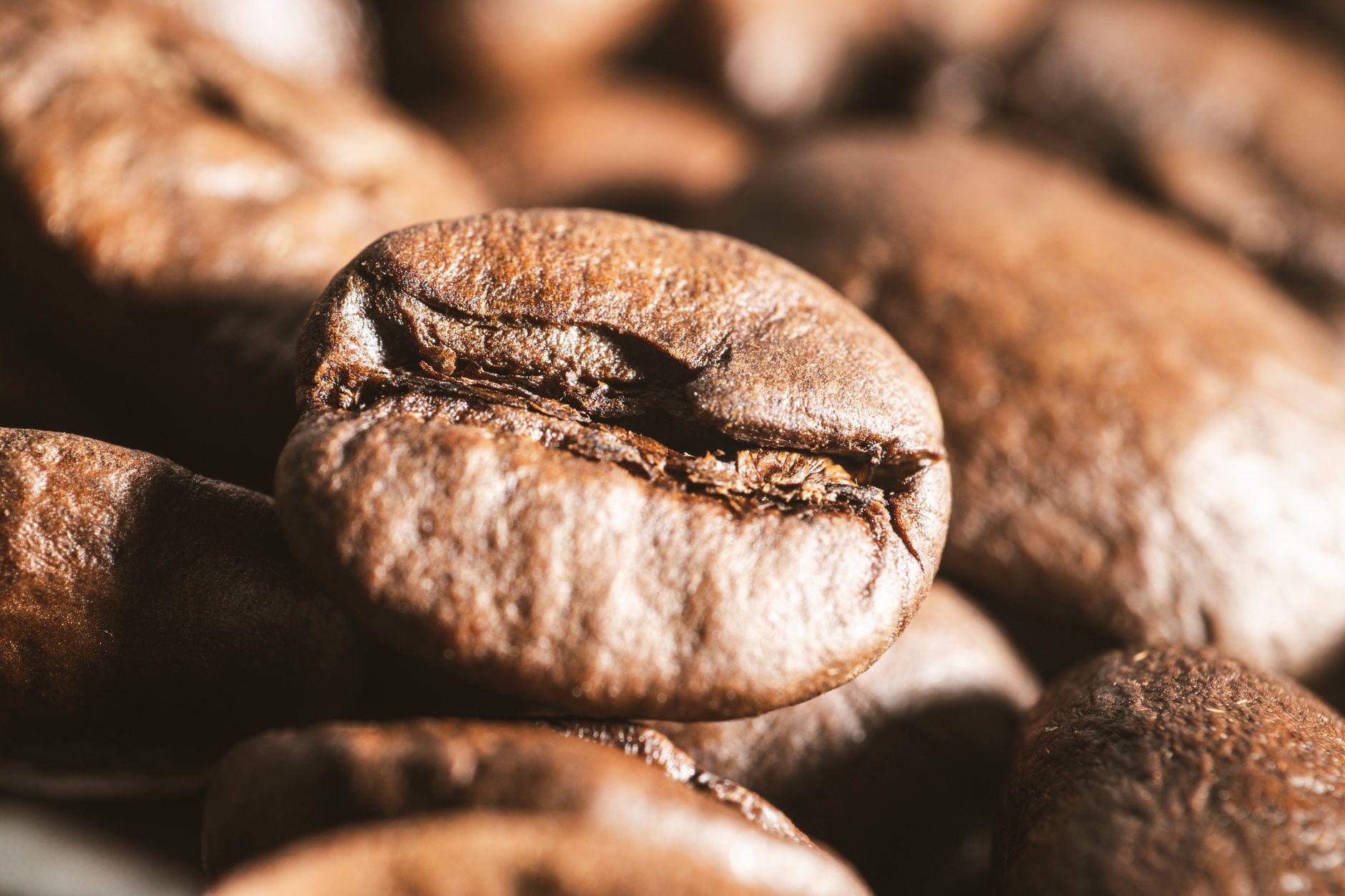
It’s the absence of flaws, not the presence of fireworks. JBM is famously smooth — sweet, clean, mildly nutty, with a silky body and almost no bitterness. Think chocolate, cedar, and fresh cream over bright fruit. If you’re hunting for Ethiopian-level acidity or Sumatran earthiness, you’ll be underwhelmed. If you want a cup that’s just right, this is it.
 Photo: Lukas Blazek via Pexels
JBM’s character comes from where it grows: the Blue Mountains east of Kingston, above 900 MASL, wrapped in cloud cover and volcanic soil. The combination of cool temps, high humidity, and slow cherry development creates a bean with exceptional density and low chlorogenic acid — which is why the bitterness disappears.
Tasting it blind, most specialty drinkers call it “gentle” or “refined.” The flavor profile doesn’t announce itself. What it does is sit perfectly in balance — something genuinely difficult to achieve at origin.
The Price: What Are You Paying For?
JBM commands $50–$80/lb retail because supply is genuinely scarce. The certified growing region is small (~6,000 acres), yields are modest, and Japan has historically purchased ~80% of the crop. What reaches the US and Europe is already a fraction of a fraction. You’re paying for exclusivity and quality certification, not marketing.
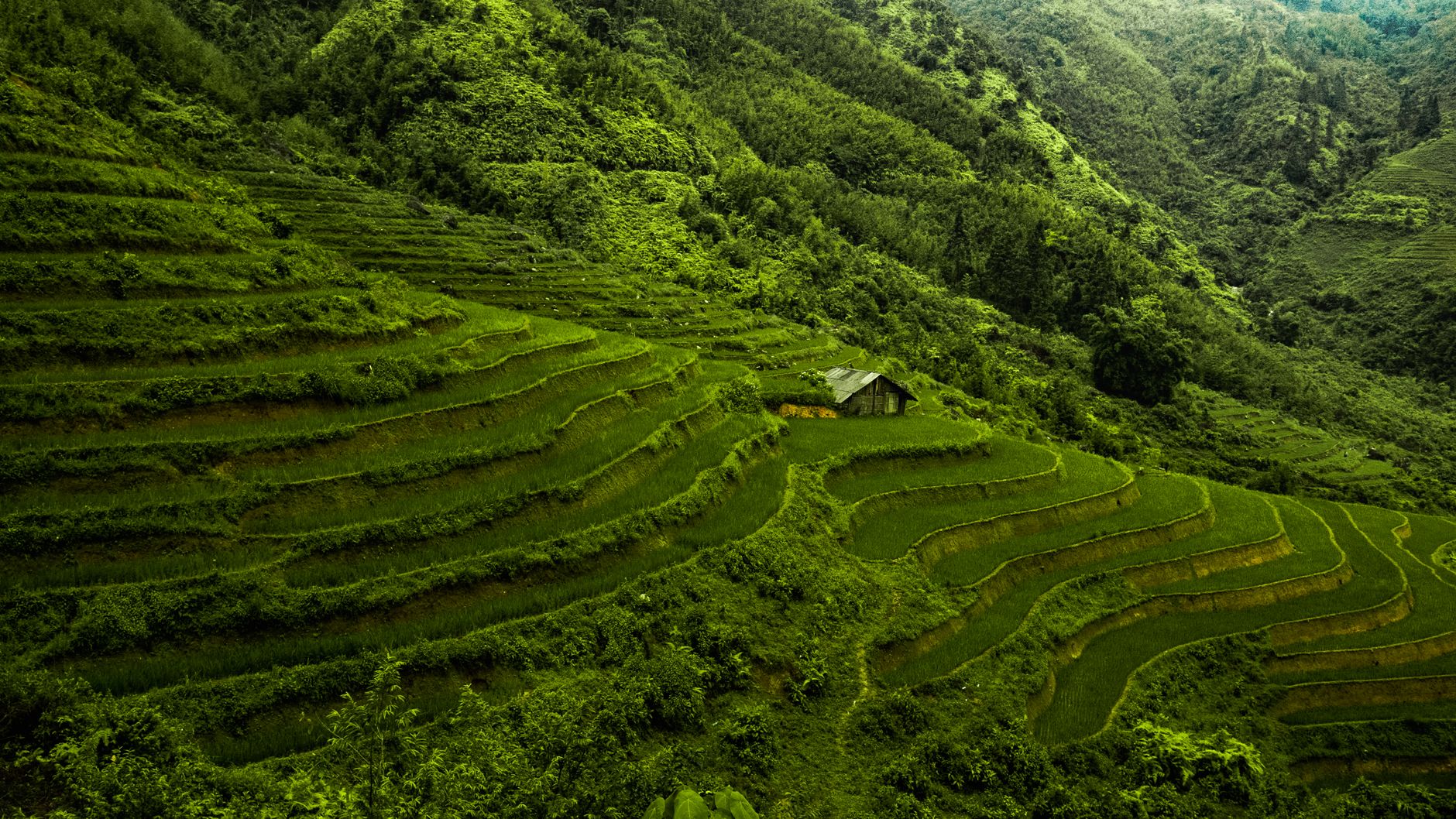 Photo: Ian Slater via Pexels
The Jamaican Coffee Industry Board (JCIB) controls all exports with strict certification — every bag sold as “Blue Mountain” must carry a licensed seal. That oversight is real, and it matters: it’s what separates JBM from “Blue Mountain blend,” which can legally contain as little as 30% actual JBM.
Always buy from roasters who explicitly list JCIB certification and the specific estate. Wallenford, Clifton Mount, and Silver Hill are the most consistently sourced farms you’ll encounter.
Coffee Module C — Beans & Origins
Origin Profile
| Country | Altitude (MASL) | Processing | Roast | Tasting Notes |
|---|---|---|---|---|
| Jamaica | 900–1,700 | Wet (washed) | Light–Medium | Milk chocolate, cedar, brown sugar, clean finish |
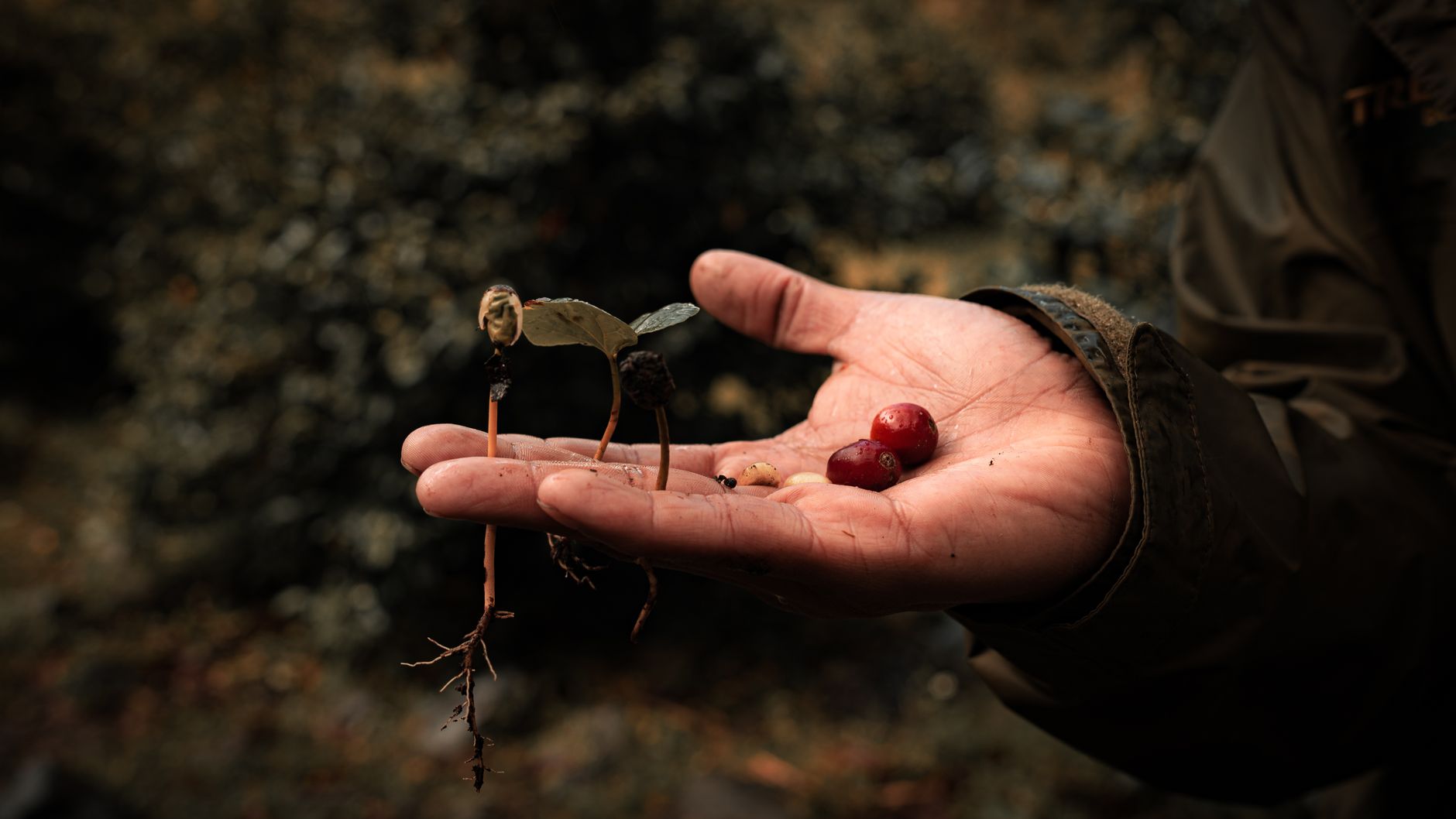 Photo: Lincoli Xavier via Pexels
Brew Method & Grind Guide
JBM rewards methods that don’t fight its softness — you want clarity, not dominance.
| Brew Method | Why It Works | Grind Adjustment |
|---|---|---|
| Pour-over (V60, Chemex) | Highlights sweetness and clarity | Medium-fine, aim for 3:30–4:00 brew time |
| Siphon | Preserves the silky texture | Medium, consistent particle size critical |
| French press | Adds body to a naturally light bean | Medium-coarse, 4-minute steep max |
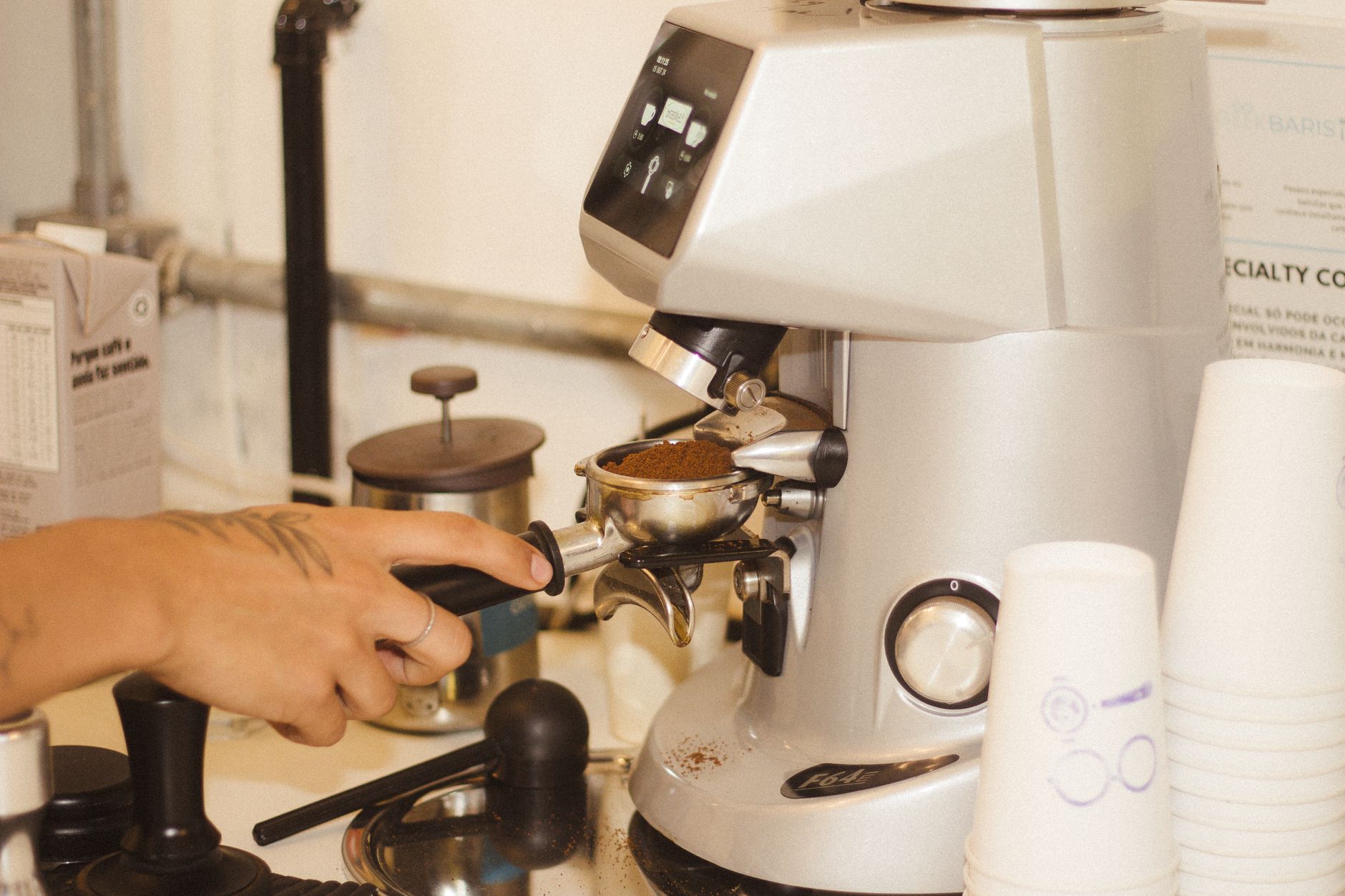
| Espresso | Possible but unusual — low bite risk | Fine, 18g dose, 93°C, 28–30s pull |
For espresso: lower your temperature 1–2°C from your usual baseline (to ~92°C). JBM doesn’t need aggressive extraction — you’ll pull sweetness without any astringency.
Freshness & Storage
- Degassing: 5–7 days post-roast (washed process, dense bean — degasses slowly)
- Peak window: Days 7–21 after roast date
- Storage: Sealed, opaque, non-valve bag or airtight ceramic — away from light and heat
- After opening: 2–3 weeks at room temp; freeze whole beans in portioned bags for up to 3 months
Jamaican Blue Mountain vs. Other Premium Coffees
| Coffee | Price/lb | Acidity | Body | Complexity | Worth It? |
|---|---|---|---|---|---|
| Jamaican Blue Mountain | $50–$80 | Low | Medium–Full | Moderate | For smoothness seekers |
| Kona (Hawaii) | $40–$60 | Medium | Medium | Moderate | Similar profile, better value |
| Geisha (Panama) | $60–$120 | High | Light | Very High | Better complexity for the price |
| Ethiopia Yirgacheffe | $15–$25 | High | Light | High | Better value overall |
| Sulawesi Toraja | $15–$20 | Low | Full | Moderate | Budget alternative for body lovers |
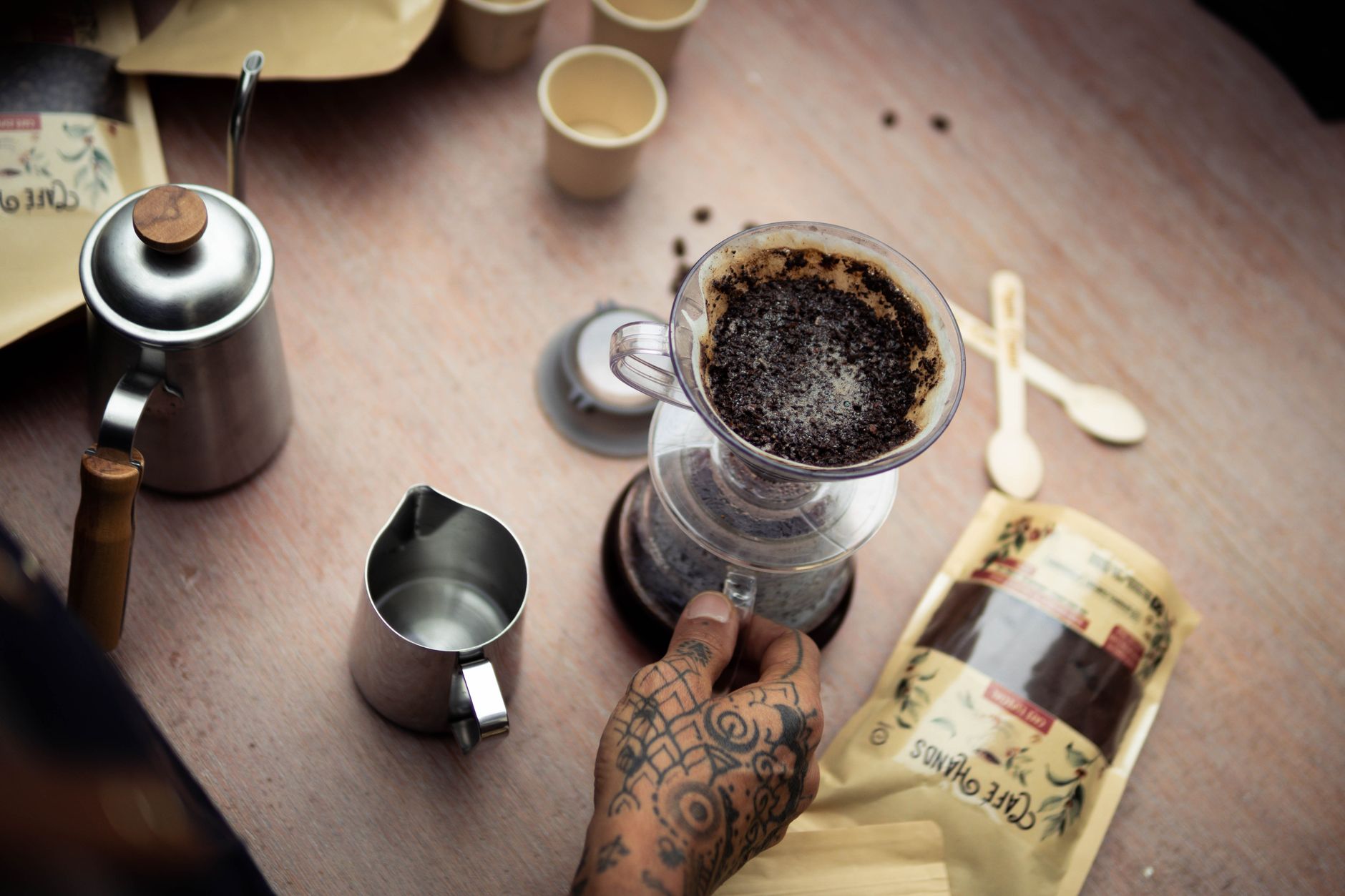 Photo: Caique Araujo via Pexels
Honest take: if you’ve never tasted JBM, buy it once from a reputable roaster. If “smooth and balanced” describes your ideal cup, you’ll understand the price. If you love acidic, complex, or funky naturals, the money is better spent on Geisha or a great Ethiopian lot.
Where to Buy Authentic Jamaican Blue Mountain Coffee
Skip Amazon. The counterfeit and “blend” problem is real. Trustworthy sources:
- Wallenford Coffee — the largest certified estate, ships directly
- Sweet Maria’s — green bean source for home roasters, verified JBM lots
- Intelligentsia / Counter Culture — when they carry it, it’s estate-certified
- Your roaster’s website — look for the JCIB blue seal image and estate name in the listing
Many coffee subscription services occasionally feature JBM as a limited offering. and both carry rotating specialty lots — worth checking their single-origin pages.
→ See also
- Coffee Bean Guide: Origins, Roasts, and How to Choose
- Best Coffee Subscription Boxes (2026 Ranked)
- Trade Coffee Review (2026): Is It Worth It?
FAQ
Is Jamaican Blue Mountain coffee actually the best in the world? It was widely considered the finest coffee in the world through the 1970s–80s, before the specialty coffee movement surfaced extraordinary lots from Ethiopia, Panama, and Colombia. Today it’s exceptional for smoothness and consistency, but “best” depends entirely on what you value in a cup. Geisha and high-end naturals outclass it on complexity.
Why does Japan buy most of Jamaica’s Blue Mountain coffee? Japan’s appetite for JBM dates to the 1960s when Ueshima Coffee Company began investing in Jamaican farms and locked in long-term supply contracts. The mild, low-acid profile suits Japanese palate preferences. That historical relationship still holds — roughly 80% of certified JBM is exported to Japan annually.
How do I know if my Jamaican Blue Mountain coffee is real? Check for the Jamaican Coffee Industry Board certification seal on the bag or the roaster’s product page. Authentic JBM is sold in cylindrical wooden barrels or sealed foil bags with the estate name and JCIB registration number. If neither is listed, assume it’s a blend.
Can I use Jamaican Blue Mountain for espresso? Yes, and it pulls a surprisingly sweet, low-bitterness shot. It won’t produce the thick crema of a high-grown Guatemalan or the intensity of a blend, but it’s a genuinely pleasant espresso. Use a single-origin protocol: slightly lower brew temp (92°C), 18g dose, aim for 36g yield in 28–30 seconds.
Is Blue Mountain coffee worth buying as a gift? It’s one of the best coffee gifts you can give someone who appreciates coffee but isn’t a specialty geek — the brand name is recognizable, the cup is accessible and impressive, and it arrives in a nice package. For specialty enthusiasts, a Geisha or a curated subscription might land better.
Editorial methodology: Assessments are based on manufacturer specifications, published user reviews, and editorial research. Physical hands-on testing is noted explicitly where it occurred. Rankings reflect our editorial judgment and are not influenced by affiliate commission rates. Full editorial policy · Affiliate disclosure