Contents
Is Instant Coffee Bad for You? The Honest Trade-Off
TL;DR: Instant coffee is not bad for you in any meaningful health sense. It contains antioxidants, caffeine, and roughly the same core compounds as brewed coffee — just less of them. The real trade-off is flavor complexity and control, not safety.
Is Instant Coffee Actually Bad for Your Health?
No. Instant coffee is safe to drink daily. It retains most of the antioxidants (chlorogenic acids) found in brewed coffee, delivers a consistent caffeine dose (typically 60–90mg per teaspoon), and poses no established health risk at normal consumption. The “bad” reputation comes from flavor compromise, not toxicology.
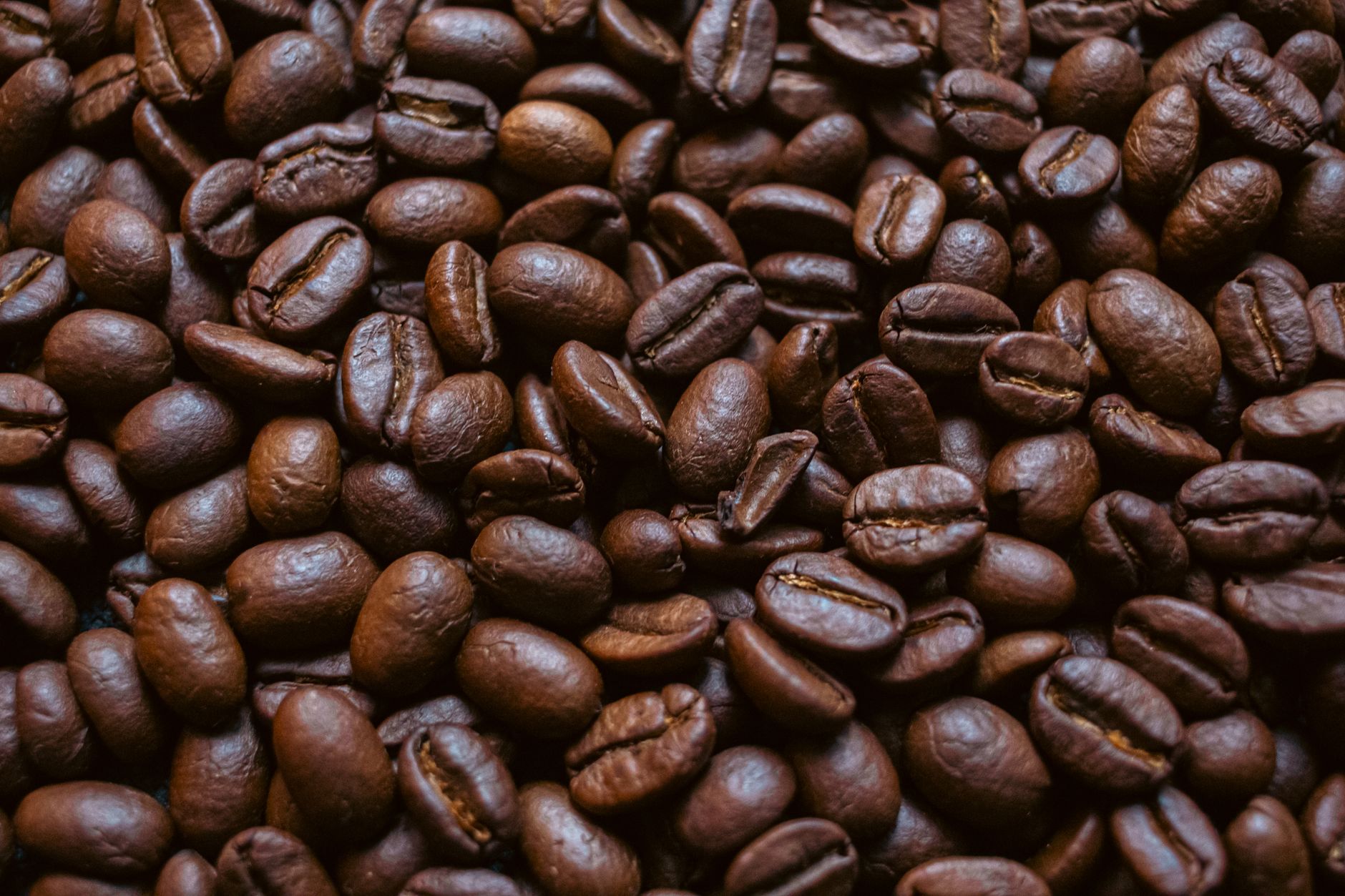 Photo: indra projects via Pexels
Instant coffee goes through either spray-drying (liquid coffee atomized into hot air) or freeze-drying (brewed coffee frozen and vacuum-sublimated). Freeze-drying preserves more volatile aromatics; spray-drying sacrifices them for cost efficiency. Neither process introduces harmful compounds.
One legitimate concern: acrylamide. Instant coffee contains roughly twice the acrylamide of roasted beans — a compound formed during high-heat processing that is classified as a probable carcinogen in high industrial doses. The doses in a daily cup are orders of magnitude below any threshold associated with harm. EFSA and the FDA have both reviewed dietary acrylamide and declined to set specific limits for coffee.
How Does Instant Coffee Compare to Brewed?
Instant loses on flavor chemistry, not on safety. A brewed espresso or pour-over has 800–1000 volatile aromatic compounds; a typical instant has fewer than 100 that survive processing. Caffeine, chlorogenic acids, and basic flavor compounds survive. The top layer of the flavor experience does not.
 Photo: Cup of Couple via Pexels
| Property | Instant Coffee | Drip / Pour-Over | Espresso |
|---|---|---|---|
| Caffeine per serving | 60–90 mg | 80–120 mg | 60–75 mg (single) |
| Antioxidants (chlorogenic acids) | Moderate | High | High |
| Acrylamide | Higher (~200 mcg/kg) | Lower (~100 mcg/kg) | Lower |
| Volatile aromatics | <100 compounds | 800+ compounds | 800+ compounds |
| Preparation time | 30 seconds | 4–6 minutes | 25–30 seconds |
| Equipment needed | Kettle | Brewer + grinder | Espresso machine |
| Cost per cup | ~$0.10–0.25 | ~$0.30–0.80 | ~$0.50–1.50 |
The flavor gap is real and not a matter of snobbery. Brewed coffee extracts oils, acids, and volatile esters that contribute brightness, sweetness, and body. Instant coffee tastes flat by comparison because those compounds literally aren’t there.
When Does Instant Coffee Make Sense?
For travel, hiking, offices without equipment, or any context where brewing is impractical — instant is a rational choice. The better instant brands (freeze-dried single-origin, microground) close the quality gap significantly.
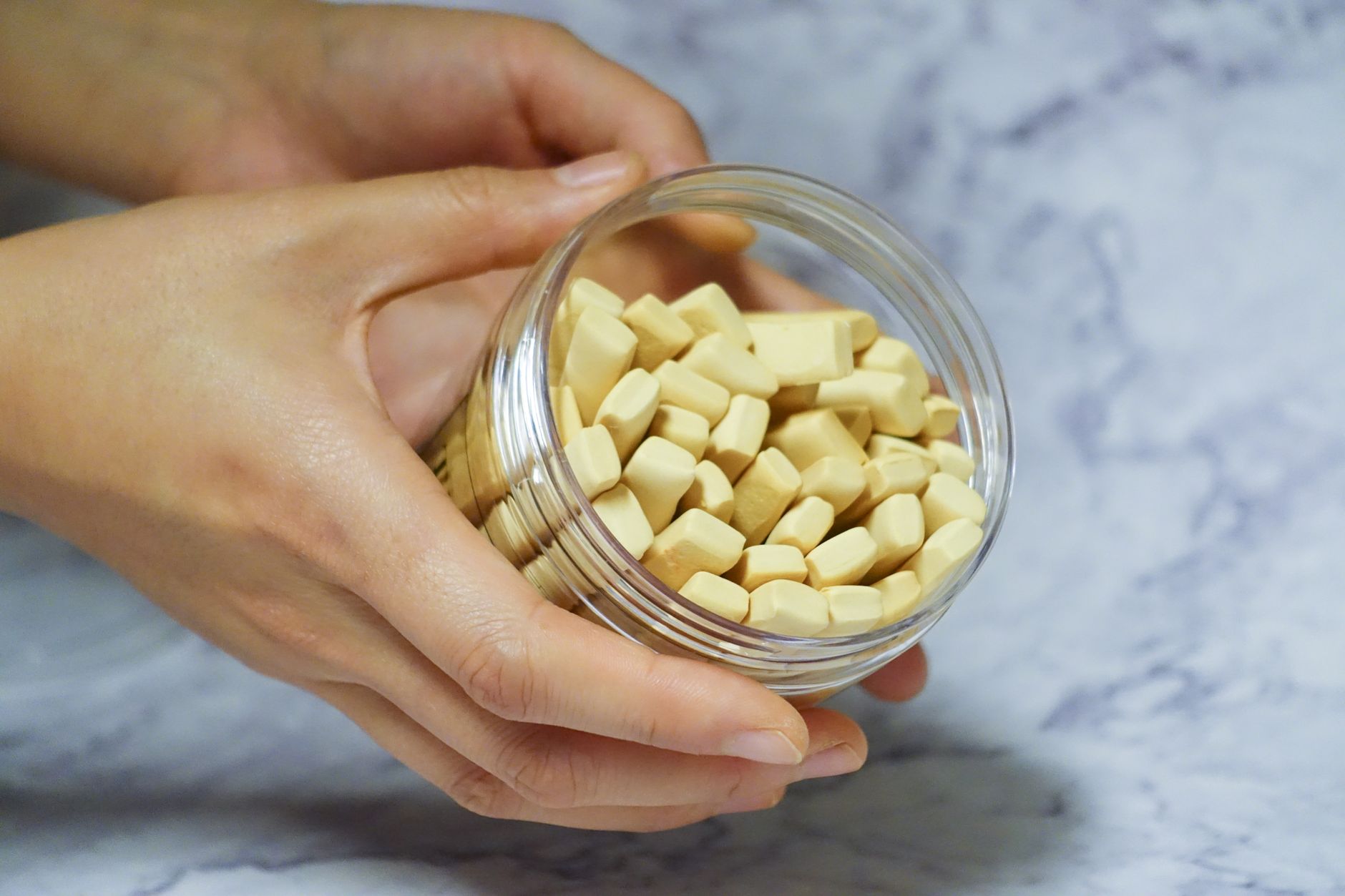 Photo: Cats Coming via Pexels
If you’re evaluating instant coffee seriously, the distinction that matters most is process:
- Spray-dried (Nescafé Classic, most budget brands): thin, slightly burnt, low aromatic complexity
- Freeze-dried (Nescafé Gold, Kenco, Jacobs): cleaner cup, better retention of origin character
- Microground (G7, some Korean brands): ground coffee suspended in granules — closer to brewed, slightly gritty
Specialty instant has improved dramatically. Brands like Verve, Voilà, and Mount Hagen use freeze-drying with single-origin beans. They don’t beat a well-pulled espresso, but they beat a poorly-kept office drip machine on most mornings.
Does Instant Coffee Have the Same Caffeine as Regular Coffee?
Close, but not identical. A teaspoon of instant typically delivers 60–90mg of caffeine vs. 80–150mg for brewed methods. The difference comes from concentration during brewing, not from caffeine being destroyed in processing.
Instant coffee is brewed at an industrial scale and then dried — caffeine survives heat and dehydration almost entirely intact. The lower per-cup dose in most instant coffees comes from the serving size convention (1 tsp to 200ml water) rather than any intrinsic caffeine loss.
For those managing caffeine intake precisely, instant offers one advantage: the dose per gram is consistent. Brewed coffee varies with grind size, dose, extraction time, and bean density.
→ See also:
- How to Brew Coffee at Home: Complete Method Guide
- French Press Coffee: Complete Brewing Guide (Ratios + Technique)
- French Press Coffee-to-Water Ratio Calculator
FAQ
Is instant coffee bad for you if you drink it every day? No evidence supports daily instant coffee being harmful. The antioxidants, caffeine, and other bioactive compounds it contains are associated with the same health benefits observed in brewed coffee research — reduced risk of type 2 diabetes, liver protection, cognitive support. Moderate daily consumption (2–4 cups) is well within established safe ranges.
Why does instant coffee taste worse than brewed? Processing destroys most of the volatile aromatic compounds responsible for bright, complex flavor. Brewed coffee extracts 800+ flavor-active molecules; instant retains fewer than 100. The result is a flatter, sometimes slightly metallic cup. Freeze-dried instant retains more than spray-dried — if flavor matters at all to you, that’s the only type worth buying.
Is instant coffee bad for your stomach? Not inherently more so than brewed coffee. Both are acidic (pH ~5) and can irritate sensitive stomachs. Some people find instant easier on digestion because the oils that trigger acid reflux in brewed coffee are largely removed during processing. If coffee causes you GI problems, low-acid or cold-brew preparations are a better first experiment than switching to instant.
Does instant coffee have more acrylamide than regular coffee? Yes — roughly double the concentration per kilogram of dry product. In practical terms, a daily cup of instant coffee exposes you to acrylamide doses far below any threshold associated with adverse health effects. This concern does not justify avoiding instant coffee for most people.
Is instant coffee real coffee? Yes. Instant coffee is brewed from roasted Coffea arabica or robusta beans, then dehydrated. It is chemically coffee — just with the water removed and most of its volatile aromatics gone with it.
Editorial methodology: Assessments are based on manufacturer specifications, published user reviews, and editorial research. Physical hands-on testing is noted explicitly where it occurred. Rankings reflect our editorial judgment and are not influenced by affiliate commission rates. Full editorial policy · Affiliate disclosure