Contents
Best Moka Pots for 2026: Tested and Ranked
TL;DR: The best moka pot for most people is the Bialetti Moka Express — it’s been the standard since 1933 for good reason. If you want an induction-compatible upgrade, the Bialetti Venus or Alessi 9090 are worth the premium. Pick your size by cups (1–12), not by how strong you want it — concentration is fixed by the basket, not the pot.
What Makes a Great Moka Pot
The best moka pot brews consistently at 1–2 bar of pressure, seals without leaking, and resists corrosion over years of daily use. Aluminum is traditional and fast-heating; stainless steel survives the dishwasher and works on induction. Both produce excellent coffee when the basket is filled correctly and heat is managed.
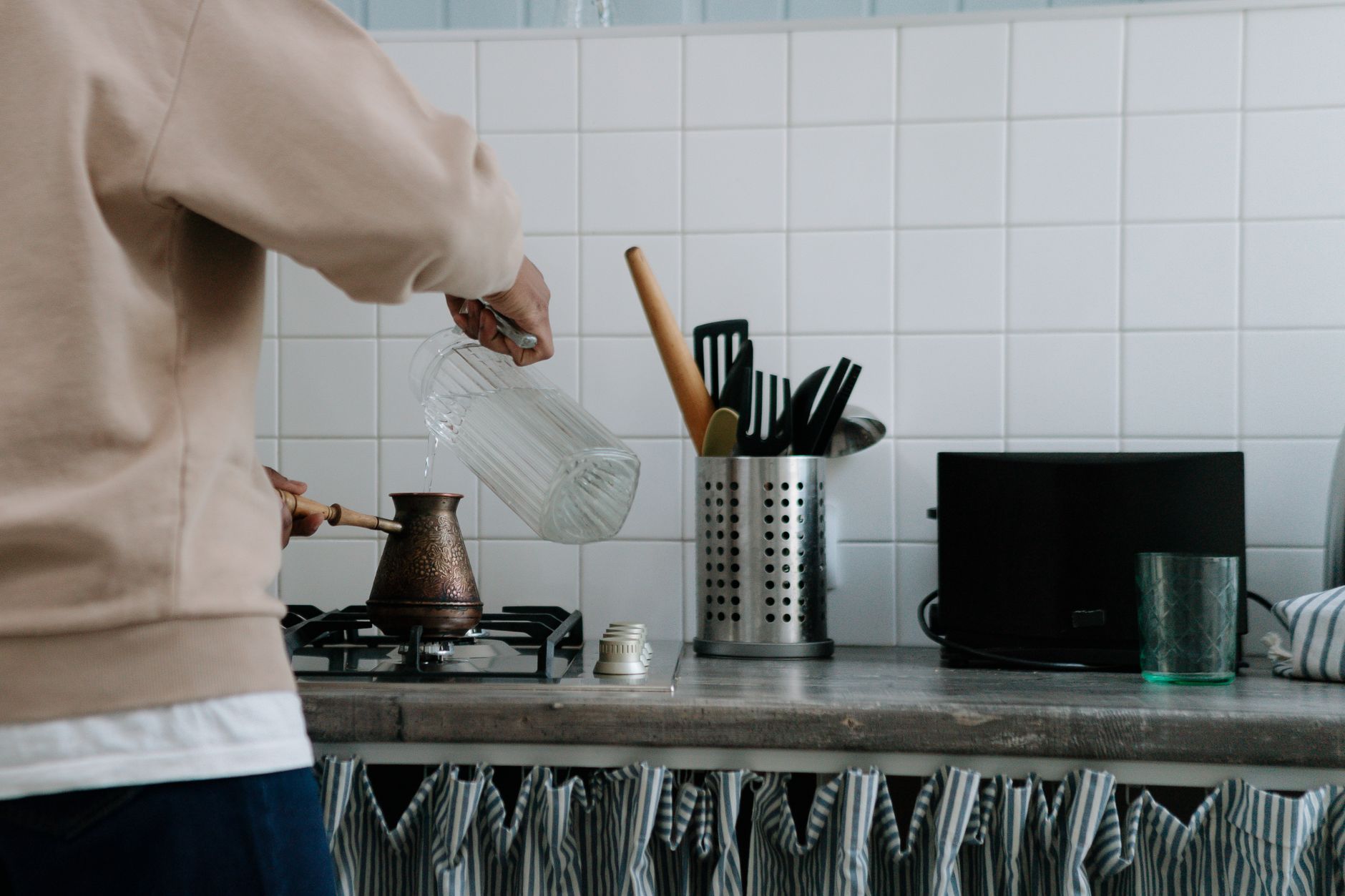 Photo: cottonbro studio via Pexels
Moka pots are pressure brewers, not espresso machines. The SCAA puts true espresso at 9 bar — a moka pot generates roughly 1–2 bar. What you get is concentrated, body-forward coffee: stronger than drip, not the same as espresso. That distinction matters for choosing the right tool and setting realistic expectations.
The variables that separate a good pot from a frustrating one:
| Variable | Why It Matters |
|---|---|
| Material | Aluminum heats faster; stainless handles induction and dishwasher |
| Valve quality | Safety relief valve prevents pressure buildup accidents |
| Gasket durability | Cheap rubber gaskets crack within months; silicone lasts years |
| Size options | 1-cup through 12-cup — don’t upsize hoping for weaker brew |
The Best Moka Pots, Ranked
Six tested models, ranked by consistent extraction, build quality, and value. Every pot here produces clean, balanced moka coffee without bitterness when used correctly. Differences come down to material, induction compatibility, and longevity.
 Photo: Viktoria Alipatova via Pexels
1. Bialetti Moka Express — Best Overall
The Moka Express is still the benchmark. Aluminum body, patented octagonal shape, pressure-optimized basket geometry. Available in 1, 2, 3, 6, 9, and 12-cup sizes. The 3-cup (produces ~150ml) is the sweet spot for one-to-two people.
It doesn’t work on induction without an adapter disk. That’s the only real limitation.
Extraction consistency: Excellent when heat is managed — medium-low once you hear flow begin.
Build longevity: Gaskets last 2–3 years under daily use. Replace with OEM parts, not generic.
Price: ~$30–$45 depending on size.
2. Bialetti Venus — Best for Induction
Stainless steel body with the same basket geometry as the Moka Express. Works on all hob types including induction. Marginally slower to heat than aluminum. The lid doesn’t have the classic flip-open design — purely aesthetic downgrade.
 Photo: Asaad Alabri via Pexels
Best for: Induction cooktops, households that want dishwasher cleaning.
Price: ~$45–$65.
3. Alessi 9090 by Richard Sapper — Best Premium
The only moka pot in MoMA’s permanent collection. Stainless steel, internal filter design eliminates the paper-filter option but produces cleaner cup clarity than standard baskets. The lid mechanism locks with a satisfying click. Pricey — but it runs unchanged since 1978 for a reason.
Worth it if: You use a moka pot daily, care about build craft, and want something that outlasts you.
Price: ~$150–$180.
4. Grosche Milano — Best Budget Stainless
All-stainless at a price point close to aluminum competitors. Build quality doesn’t match Bialetti or Alessi — handle plastic is thin, gasket needs earlier replacement — but extraction is solid and induction-compatible out of the box.
Best for: Induction on a budget.
Price: ~$25–$35.
5. Bialetti Brikka — Best for Crema
The Brikka adds a weighted pressure valve on the spout that increases internal pressure past standard moka levels. This produces a thin foam layer on top — not true espresso crema, but closer than any other stovetop brewer. Available only in 2-cup and 4-cup.
 Photo: Nikita Krasnov via Pexels
It’s fussier: over-filling or wrong grind produces bitterness or sputtering. Not a beginner pot.
Best for: Moka drinkers who want maximum body and foam texture.
Price: ~$40–$55.
6. Pezzetti Steelexpress — Best Compact Travel Option
Stainless, compact, available in 2 and 4-cup. No safety valve on some older versions — check before buying. It’s a utility pick: packs small, survives camp stoves, doesn’t demand careful hob management.
Size Guide: How Many Cups Do You Actually Need?
“Cups” on a moka pot means espresso-sized servings (~50–60ml), not mug-sized cups. A 6-cup moka pot produces ~300ml total — enough for two generous mugs or three espresso-style servings. Never brew a 6-cup pot half-filled: the basket must be full for correct pressure.
| Moka Pot Size | Output (ml) | Best For |
|---|---|---|
| 1-cup | ~50ml | Single espresso shot |
| 2-cup | ~100ml | One Americano, one lungo |
| 3-cup | ~150ml | Two espresso servings |
| 6-cup | ~300ml | Two generous mugs |
| 9-cup | ~450ml | 4–5 servings |
| 12-cup | ~600ml | 6+ people, entertaining |
Brewing Guide
Extraction Parameters
| Parameter | Target |
|---|---|
| Dose | Fill basket level to brim, no tamp |
| Yield | ~50ml per “cup” rating |
| Ratio | ~1:7 coffee-to-water by weight |
| Time | 4–6 minutes total (varies by hob) |
| Temperature | Start with pre-heated water (70°C) |
| Pressure | 1–2 bar (self-regulating) |
Puck Prep
Grind: Medium-fine — finer than drip, coarser than espresso. If you’re tamping, stop: tamping blocks flow and creates dangerous pressure buildup.
Filling: Level the basket with a finger or card. No mound, no compression. Grounds should be loose.
Water level: Fill the lower chamber to just below the safety valve. Pre-heating the water in a kettle to ~70°C reduces the pot’s time on heat — which reduces the chance of bitterness from scorching.
Pre-infusion: Not applicable — moka pots don’t support pre-infusion. Focus on heat management instead.
Heat management: Use medium-low heat throughout. The moment you hear a gurgling/sputtering sound, remove from heat — the brew is nearly done and continued heat causes bitterness.
Troubleshooting Matrix
| Symptom | Likely Cause | Fix |
|---|---|---|
| Bitter, harsh cup | Heat too high, grounds scorching | Lower heat; use pre-heated water |
| Weak, watery output | Grind too coarse, underfilled basket | Grind finer; fill basket fully |
| Sputtering, uneven flow | Grind too fine, tamped grounds | Grind coarser; never tamp |
| Leaking from seal | Worn gasket or loose assembly | Replace gasket; check threading |
| No flow / blocked | Grounds in valve, filter clogged | Backflush; clean filter screen |
| Metallic taste (new pot) | Aluminum oxidation, seasoning needed | Run 3–5 dummy brews before drinking |
Cleaning and Maintenance
Aluminum moka pots should not go in the dishwasher — the alkaline detergent strips the oxide layer that develops with seasoning and causes metallic taste. Hand wash with warm water only, no soap. The patina that builds inside is not contamination; it’s what protects the aluminum and improves flavor over time.
Stainless pots are dishwasher-safe but the gasket degrades faster with heat cycles. Hand washing extends gasket life.
Gasket replacement: Standard 3-cup Bialetti gaskets fit most compatible pots. Replace when you see cracking, deformation, or brewing starts producing leaks at the seal.
→ See also
- How to Brew Coffee at Home: Complete Method Guide
- French Press Coffee: Complete Brewing Guide (Ratios + Technique)
- French Press Coffee-to-Water Ratio Calculator
FAQ
Is moka pot coffee the same as espresso?
No. Moka pots operate at 1–2 bar; espresso requires 9 bar. The result is more concentrated than drip coffee and shares some flavor characteristics with espresso, but the body, crema, and extraction physics are different. It’s its own category of brew.
Can I use espresso-grind coffee in a moka pot?
Technically yes, but fine espresso grinds pack too densely in the basket, restrict flow, and can force the safety valve to release. Use a medium-fine grind — similar to table salt, coarser than espresso.
Why does my moka pot taste bitter?
Almost always heat. Running the pot on high heat scorches the coffee as it rises through the spout. Use medium-low heat from the start and pull the pot off the burner the moment you hear gurgling. Pre-heating your water also helps.
Do I need to season a new moka pot?
Yes, if it’s aluminum. Run three to five full brew cycles and discard the output. This coats the interior with coffee oils, eliminates metallic taste, and builds the seasoning layer. Stainless pots don’t require seasoning.
Which moka pot size should I buy?
Match your typical serving count, not your coffee strength preference. You cannot under-fill a moka pot and expect correct extraction — the basket must be full every brew. A 3-cup is the right default for one person; a 6-cup for two.
Does the Bialetti Moka Express work on induction?
The aluminum Moka Express does not — aluminum isn’t magnetic. You’ll need an induction adapter disk (~$10) or switch to the stainless Venus model, which is induction-compatible natively.
Editorial methodology: Assessments are based on manufacturer specifications, published user reviews, and editorial research. Physical hands-on testing is noted explicitly where it occurred. Rankings reflect our editorial judgment and are not influenced by affiliate commission rates. Full editorial policy · Affiliate disclosure