Contents
How to Read Coffee Packaging: Certifications, Origins, Roast
TL;DR: Learning how to read coffee packaging tells you where the beans grew, how they were processed, who certified them, and how dark they’re roasted — before you buy. The most important labels are origin, process, roast level, and any certifications. Everything else is marketing.
What the Origin Information Actually Tells You
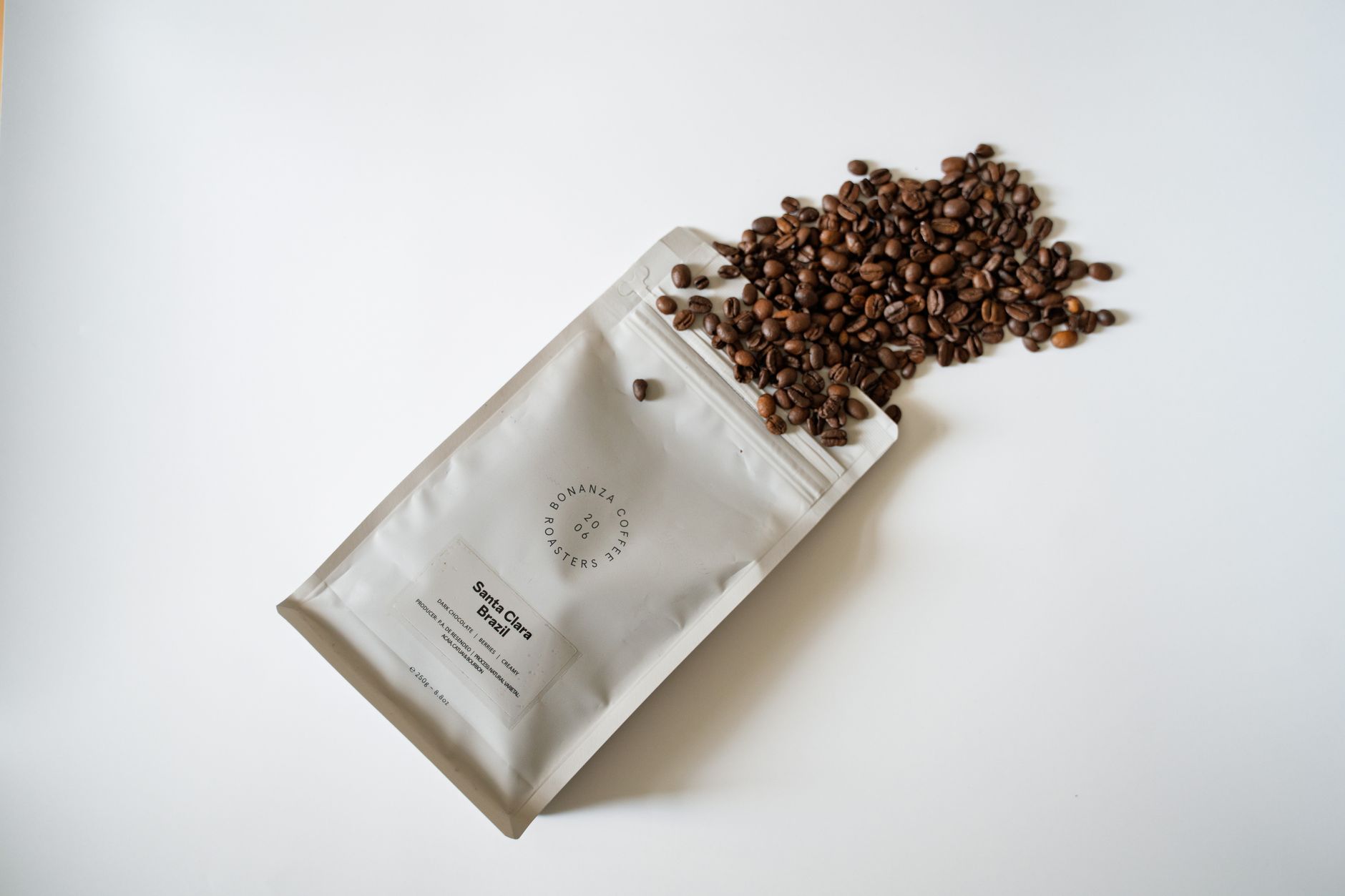
Direct Answer: Origin means where the coffee was grown. A single-origin label (one country, region, or farm) tells you the flavor profile is traceable and consistent. Blends obscure this. The more specific the origin — estate or village over just “Colombia” — the more the roaster can stand behind the cup.
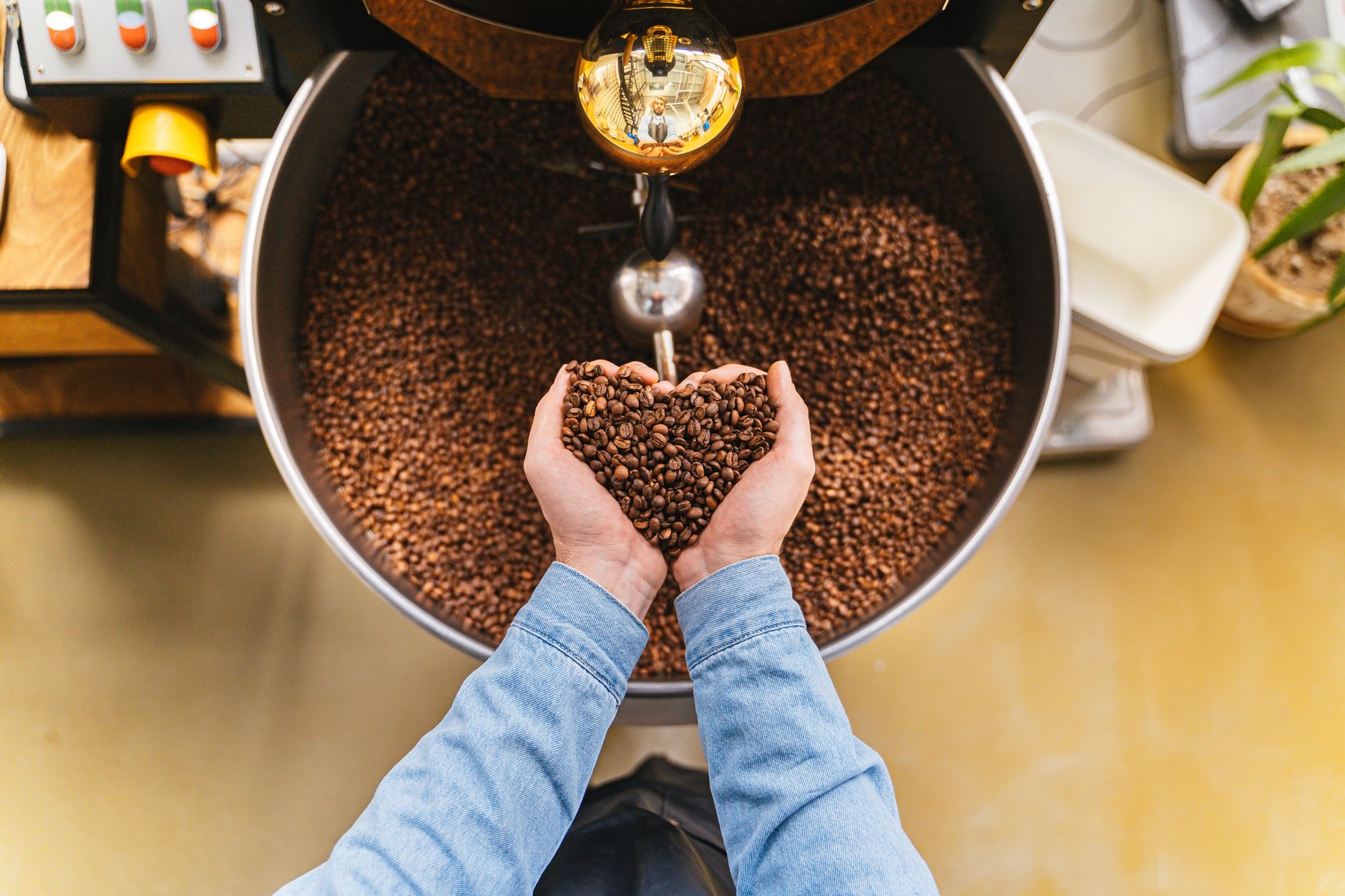 Photo: Adventure Studio via Pexels
Origin ranges from broad to granular:
| Specificity | Example | What It Tells You |
|---|---|---|
| Country | Ethiopia | General flavor archetype |
| Region | Yirgacheffe, Ethiopia | Narrowed terroir, more predictable cup |
| Cooperative | Kochere Washing Station | Sourcing relationship, processing transparency |
| Farm/Estate | Finca El Puente, Honduras | Maximum traceability, usually specialty grade |
Altitude (MASL — meters above sea level) often appears alongside origin. Higher altitude means slower cherry development, denser beans, and more nuanced acidity. If a bag says 1800+ MASL, you’re looking at specialty-grade potential.
Processing: The Step That Shapes Flavor Most
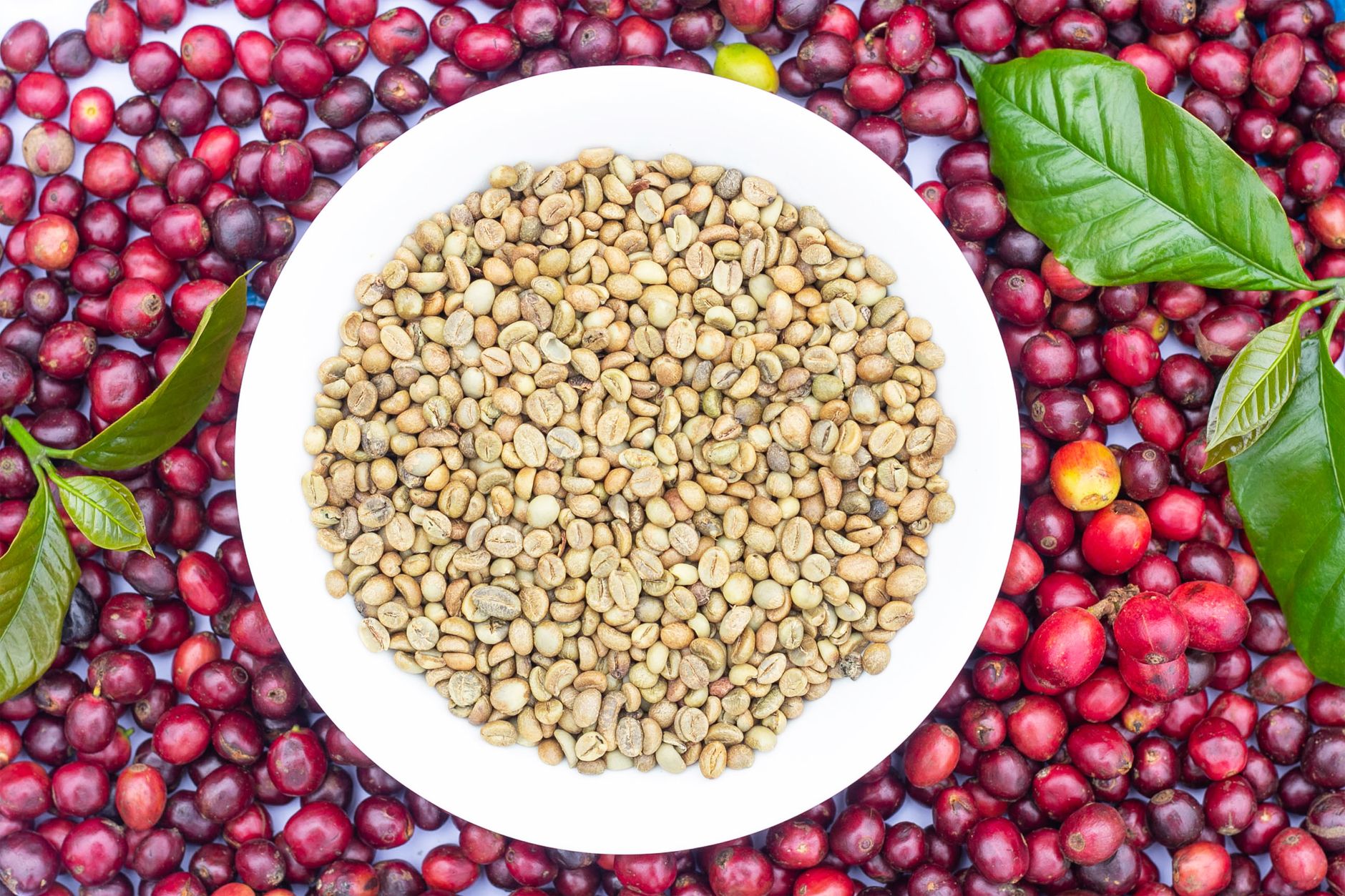
Processing is how the coffee cherry’s fruit is removed before the bean is dried. It’s printed on specialty bags and almost never on commercial ones — its absence is telling.
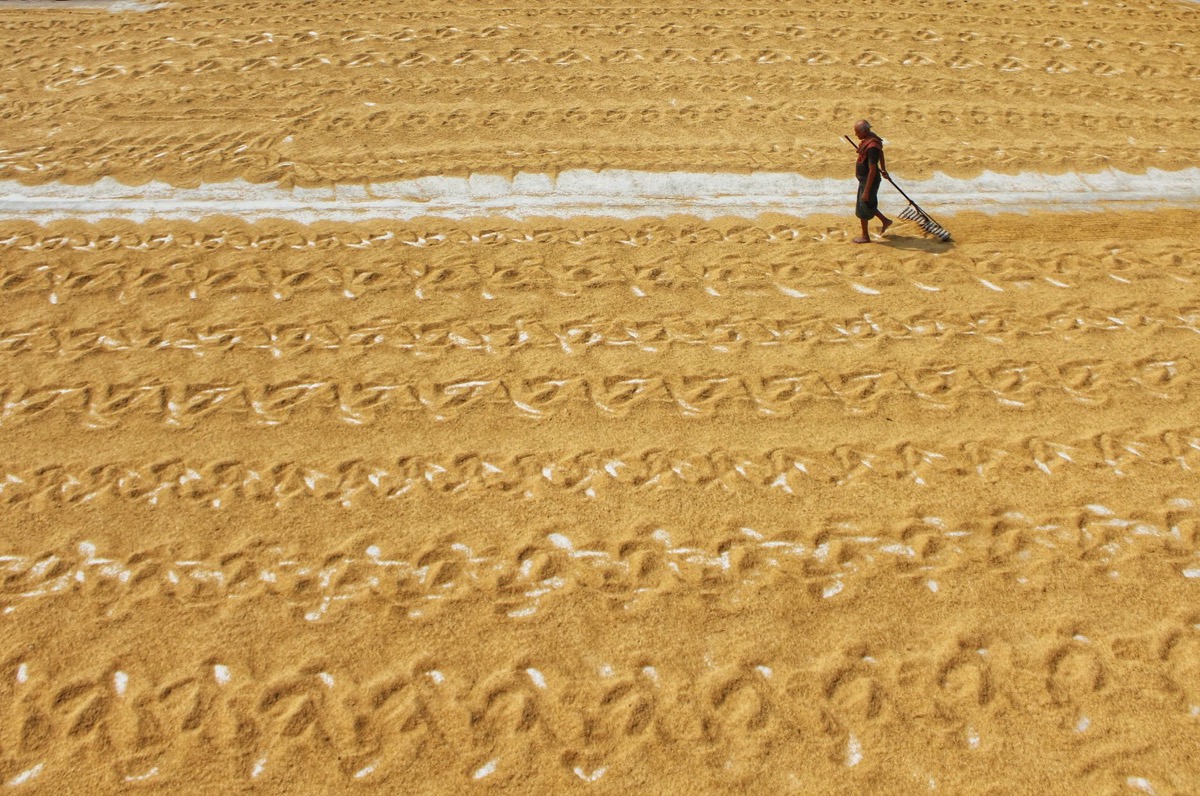 Photo: Dibakar Roy via Pexels
| Process | Flavor Impact | Common Origins |
|---|---|---|
| Washed (wet) | Clean, bright, terroir-forward | Ethiopia, Kenya, Colombia |
| Natural (dry) | Fruity, heavy body, complex | Ethiopia, Brazil, Yemen |
| Honey | Balanced, mild sweetness | Costa Rica, El Salvador |
| Anaerobic | Intense, fermented, polarizing | Experimental lots globally |
If the bag doesn’t list processing, assume washed — it’s the industry default.
Roast Level: Decoding the Spectrum
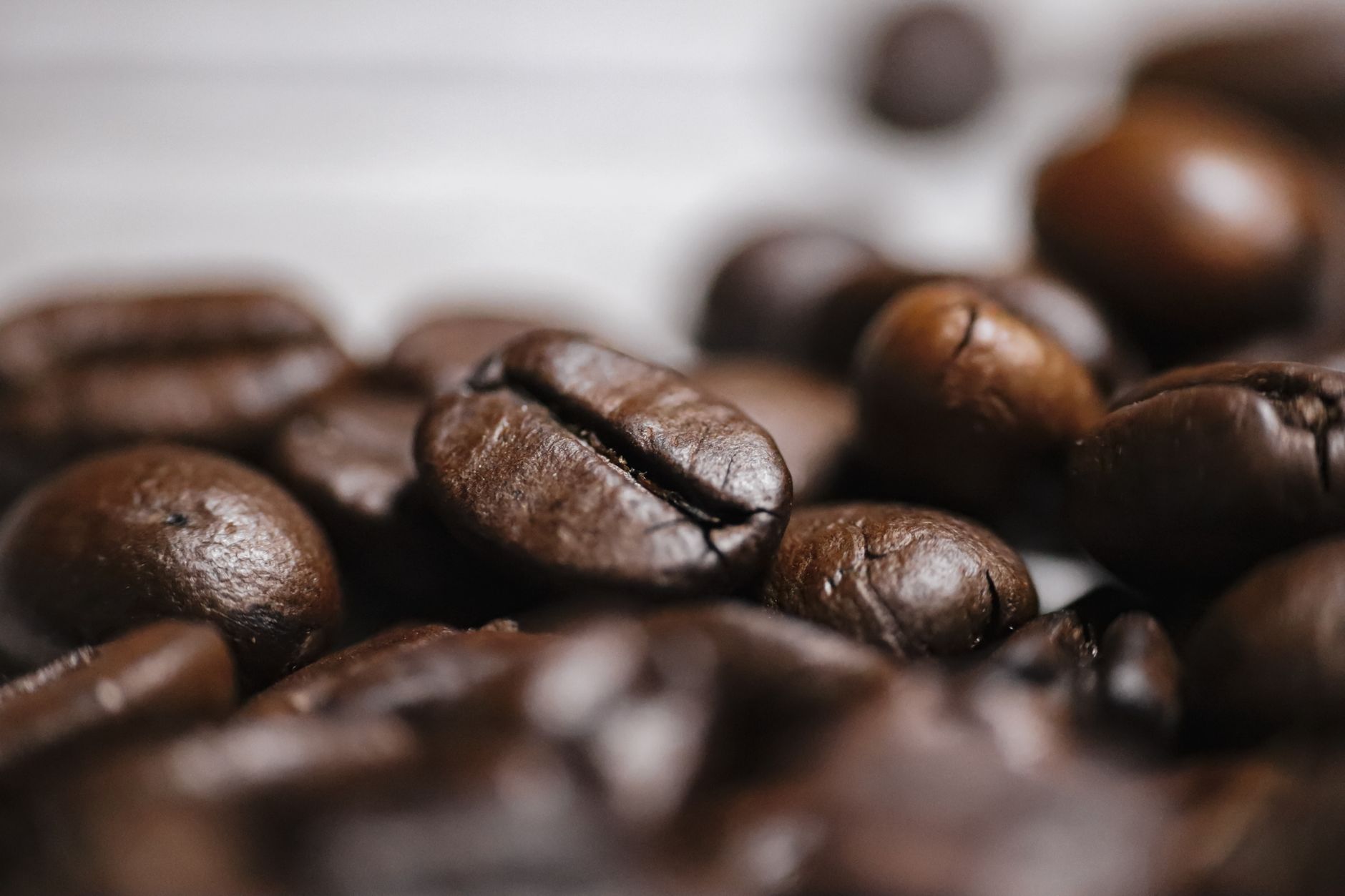
Direct Answer: Light roast preserves origin character and has more caffeine by volume. Dark roast develops body and bitterness, masking terroir. Medium sits in between. Most roasters use their own terminology — “Nordic light” differs from what a commercial brand calls light. Look for roast date and bean color description when the label is vague.
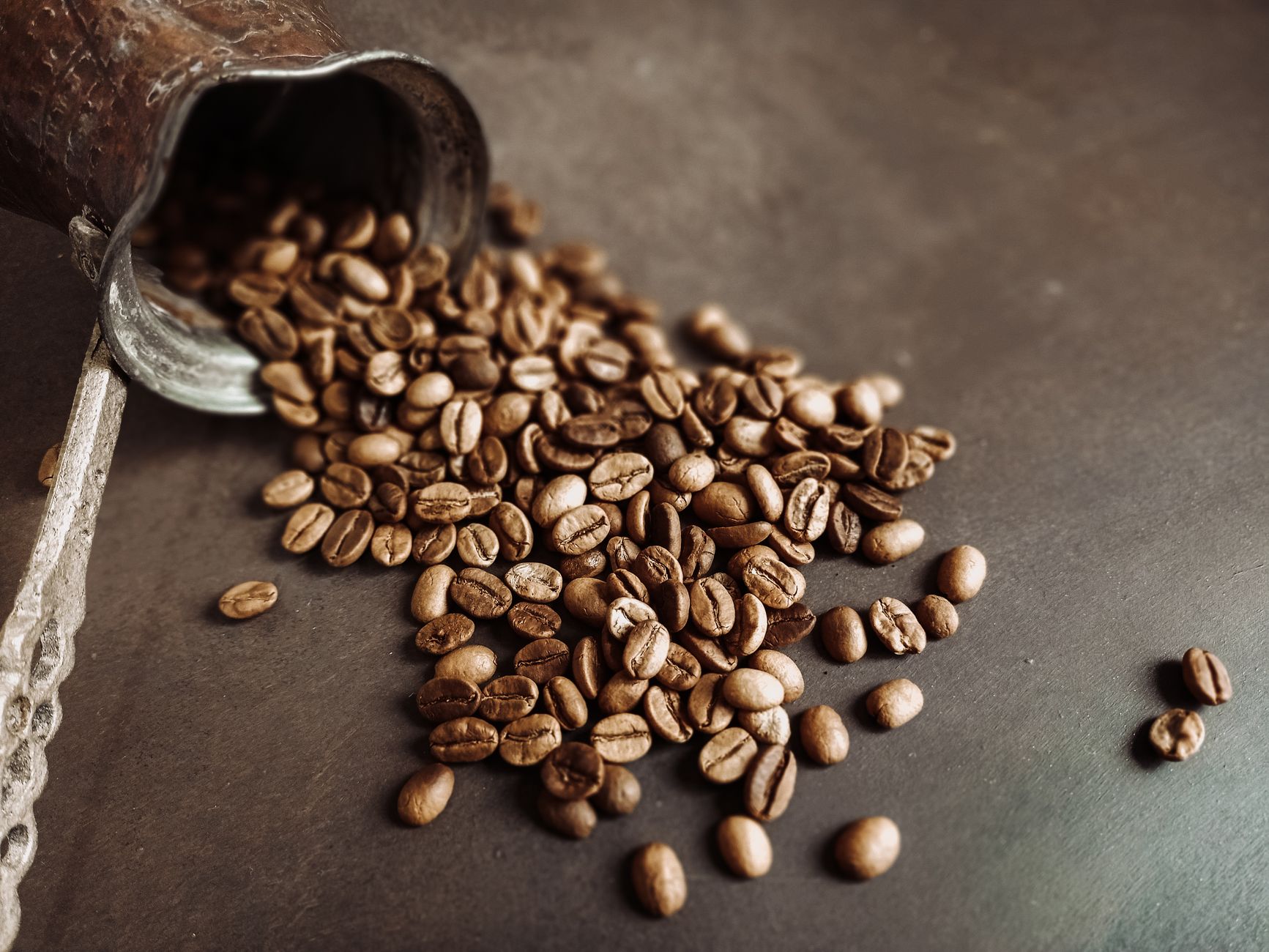 Photo: hello aesthe via Pexels
Roast level affects brew method compatibility:
| Roast | Grind Adjustment | Best Brew Methods | Espresso Dose/Temp |
|---|---|---|---|
| Light | Finer grind, longer contact | Filter, pour-over, AeroPress | +0.5g dose, 93–94°C |
| Medium | Standard | All-purpose, espresso, drip | Standard 18–20g, 92–93°C |
| Dark | Coarser grind, shorter contact | Espresso, French press, Moka pot | −0.5g dose, 90–91°C |
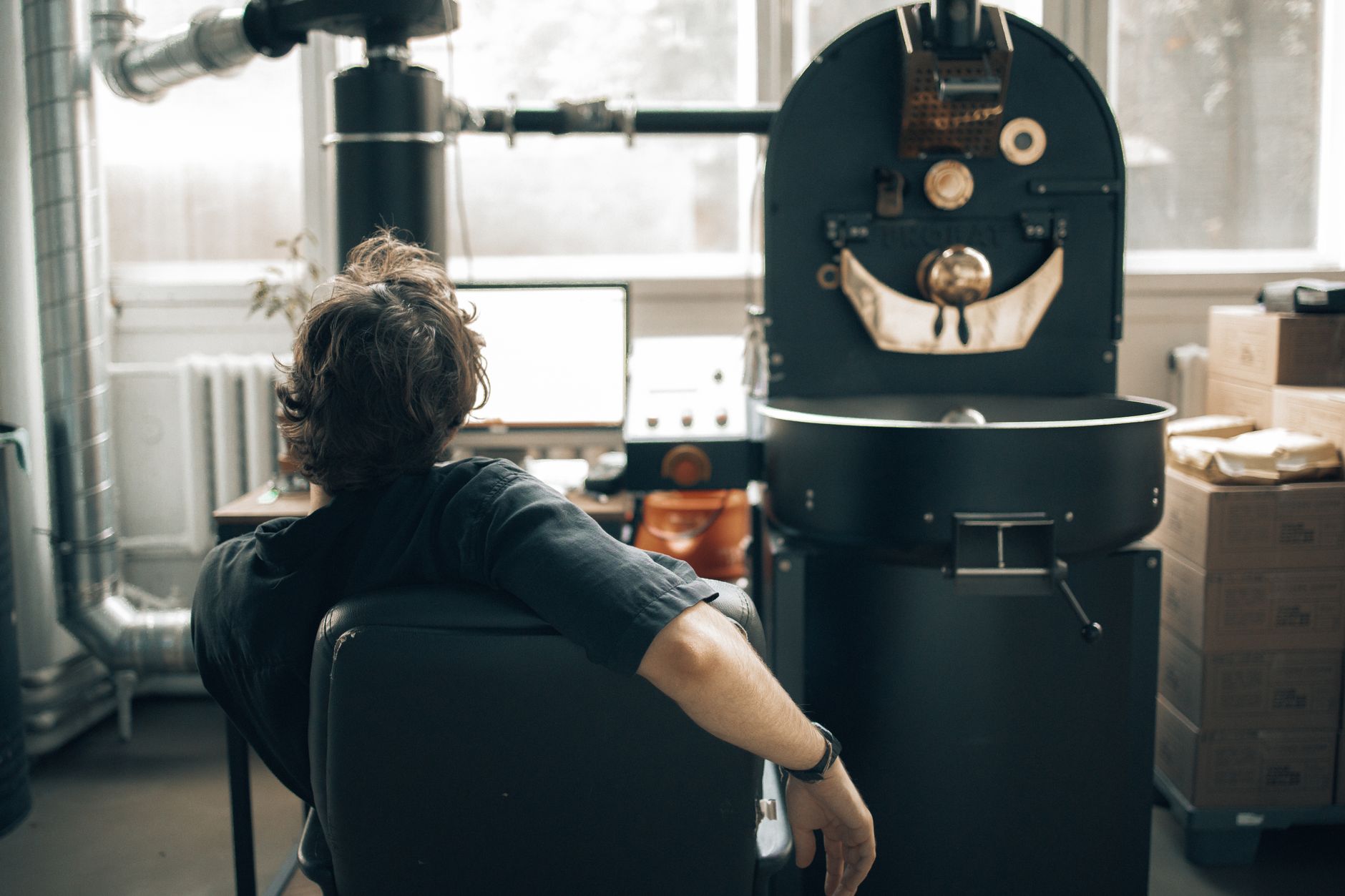
Roast date over best-by date. A bag with a roast date is more useful than one with only an expiration date. You want beans roasted 7–21 days ago for espresso, 4–14 days for filter. Fresh-roasted beans off-gas CO₂ for days — brew too early and you’ll fight the bloom.
Certifications: Which Labels Matter
Direct Answer: Organic and Fair Trade are the two most common certifications, but they measure different things. Organic covers farming inputs; Fair Trade covers minimum pricing to farmers. Neither guarantees cup quality. Direct Trade and Rainforest Alliance signal different things again — know what you’re paying for.
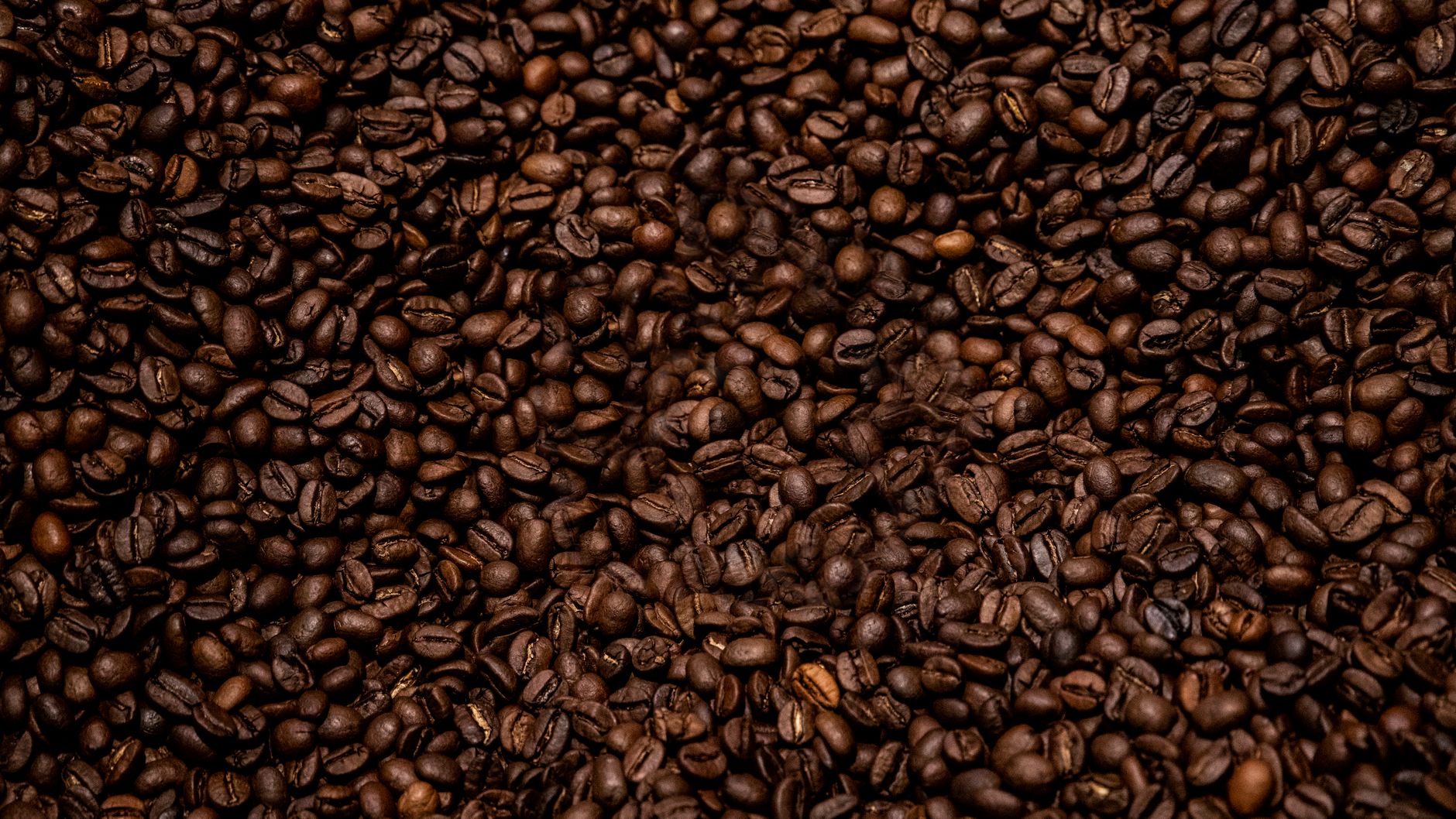 Photo: Georgie Devlin via Pexels
| Certification | What It Verifies | What It Doesn’t Cover |
|---|---|---|
| USDA Organic | No synthetic pesticides/fertilizers | Farm wages, cup quality |
| Fair Trade (FLO) | Minimum price floor for farmers | Growing practices, taste |
| Rainforest Alliance | Environmental and labor standards | Organic inputs |
| Direct Trade | Roaster’s own sourcing relationship | Third-party verification |
| Shade Grown | Bird-friendly canopy farming | Flavor, wages |
| Cup of Excellence | Top-scoring auction lot | Anything post-purchase |
Direct Trade is not a certified standard — it’s a marketing claim. It can mean deep, transparent sourcing relationships with verified premiums paid to farmers, or it can mean the roaster visited the farm once. Look for roasters who publish their sourcing data.
Tasting Notes: Guidance, Not a Promise
Tasting notes on specialty bags (“hibiscus, blackcurrant, molasses”) are what the roaster found at their cupping table under controlled conditions. Your water, grinder, and brew method will shift these. Treat them as directional — they tell you fruit-forward versus chocolatey, not that you’ll taste literally the same thing.
Coffee Module C — Beans & Origins
Origin Reference Table
| Country | Altitude (MASL) | Processing | Roast | Tasting Notes |
|---|---|---|---|---|
| Ethiopia (Yirgacheffe) | 1700–2200 | Washed / Natural | Light | Bergamot, jasmine, stone fruit |
| Kenya | 1400–2000 | Washed (double) | Light–Medium | Blackcurrant, tomato, bright acidity |
| Colombia (Huila) | 1700–1900 | Washed | Medium | Caramel, red apple, milk chocolate |
| Brazil (Cerrado) | 900–1200 | Natural / Pulped Natural | Medium–Dark | Nuts, dark chocolate, low acidity |
| Guatemala (Antigua) | 1500–1700 | Washed | Medium | Brown sugar, citrus, subtle smoke |
| Costa Rica | 1200–1900 | Honey / Washed | Medium | Honey, apricot, clean finish |
| Yemen | 1500–2500 | Natural (traditional) | Medium | Wild fruit, wine, earthy spice |
Brew Method Pairing by Origin
- Washed East African (Ethiopia, Kenya): Pour-over or AeroPress — clarity amplifies terroir. Grind finer than baseline; bloom 45 seconds.
- Natural Brazil: French press or espresso — body carries the natural process sweetness. Coarser grind; shorter steep.
- Honey Costa Rica: Versatile; works well in flat white or Chemex. Standard parameters.
- Espresso blends with Brazil base: Drop temperature 1°C to prevent roasty bite in darker shots.
Freshness Guide
| Stage | Timeframe | What’s Happening |
|---|---|---|
| Post-roast off-gas | Days 1–5 | CO₂ escaping; brews bloom unevenly |
| Peak window (filter) | Days 4–14 | Volatile aromatics at highest concentration |
| Peak window (espresso) | Days 7–21 | CO₂ stabilized; extraction more consistent |
| Acceptable | Days 21–45 | Noticeable flavor drop, still drinkable |
| Past shelf life | 45+ days open | Oxidation; flat, papery cup |
Storage: airtight container, away from light and heat. Freezing works only for unopened, vacuum-sealed bags — freeze once, never refreeze. Once open, use within 4–6 weeks.
→ See also:
- Coffee Bean Guide: Origins, Roasts, and How to Choose
- Best Coffee Subscription Boxes (2026 Ranked)
- Trade Coffee Review (2026): Is It Worth It?
FAQ
Does “single origin” mean better coffee? Not automatically. Single origin means traceable, not superior. A well-blended espresso from a skilled roaster will outperform a carelessly grown single origin. What single origin gives you is consistency and a story — the flavor reflects one place, one harvest.
What does “specialty grade” mean on coffee packaging? Specialty grade means the green coffee scored 80+ points on the SCA (Specialty Coffee Association) 100-point scale at origin evaluation. It requires zero primary defects and fewer than five secondary defects per 350g sample. It’s a meaningful floor — most supermarket coffee doesn’t qualify.
Is dark roast stronger than light roast? Stronger in taste, no in caffeine. Light roast has marginally more caffeine by weight because roasting drives off water and some volatile compounds. By volume (scoops), the difference is negligible. Dark roast tastes stronger because bitterness reads as intensity — the actual caffeine delta is small.
Why doesn’t commercial coffee list a roast date? Shelf stability is the priority in commercial coffee. A roast date would reveal that supermarket coffee is often months old before purchase. Specialty roasters list roast dates because freshness is part of the value proposition — it’s a signal of quality, not just transparency.
What does “micro-lot” mean on a coffee bag? A micro-lot is a small, separately processed batch from a specific block, row, or picking day within a farm or cooperative. It’s separated because it scored exceptionally well or has a distinct profile worth highlighting. Micro-lots cost more because the separation and documentation add labor — you’re paying for isolation and traceability.
How do I know if a Fair Trade certification actually helps farmers? Fair Trade sets a minimum price floor ($1.40/lb for conventional, $1.70/lb for organic washed arabica as of 2024), but specialty coffee already trades above these floors in most cases. The more meaningful question is whether the roaster pays above commodity and publishes their pricing. Some direct trade roasters pay 2–3x Fair Trade minimums without the certification.
Editorial methodology: Assessments are based on manufacturer specifications, published user reviews, and editorial research. Physical hands-on testing is noted explicitly where it occurred. Rankings reflect our editorial judgment and are not influenced by affiliate commission rates. Full editorial policy · Affiliate disclosure