Contents
Robusta Coffee Beans: Where to Buy and How to Use
TL;DR: Robusta coffee beans pack twice the caffeine, a bolder body, and earthy bitterness compared to arabica — and they’re the backbone of Italian espresso blends. This robusta coffee beans guide covers what they taste like, where to source quality ones, and exactly how to dial them in for espresso, cold brew, and blends.
What Makes Robusta Different From Arabica
Robusta (Coffea canephora) contains 2.7% caffeine versus arabica’s 1.5%, grows at lower altitudes with less disease susceptibility, and produces a heavier body with crema that lasts longer in the cup. The trade-off: less aromatic complexity and more rubbery, earthy bitterness when roasted poorly.
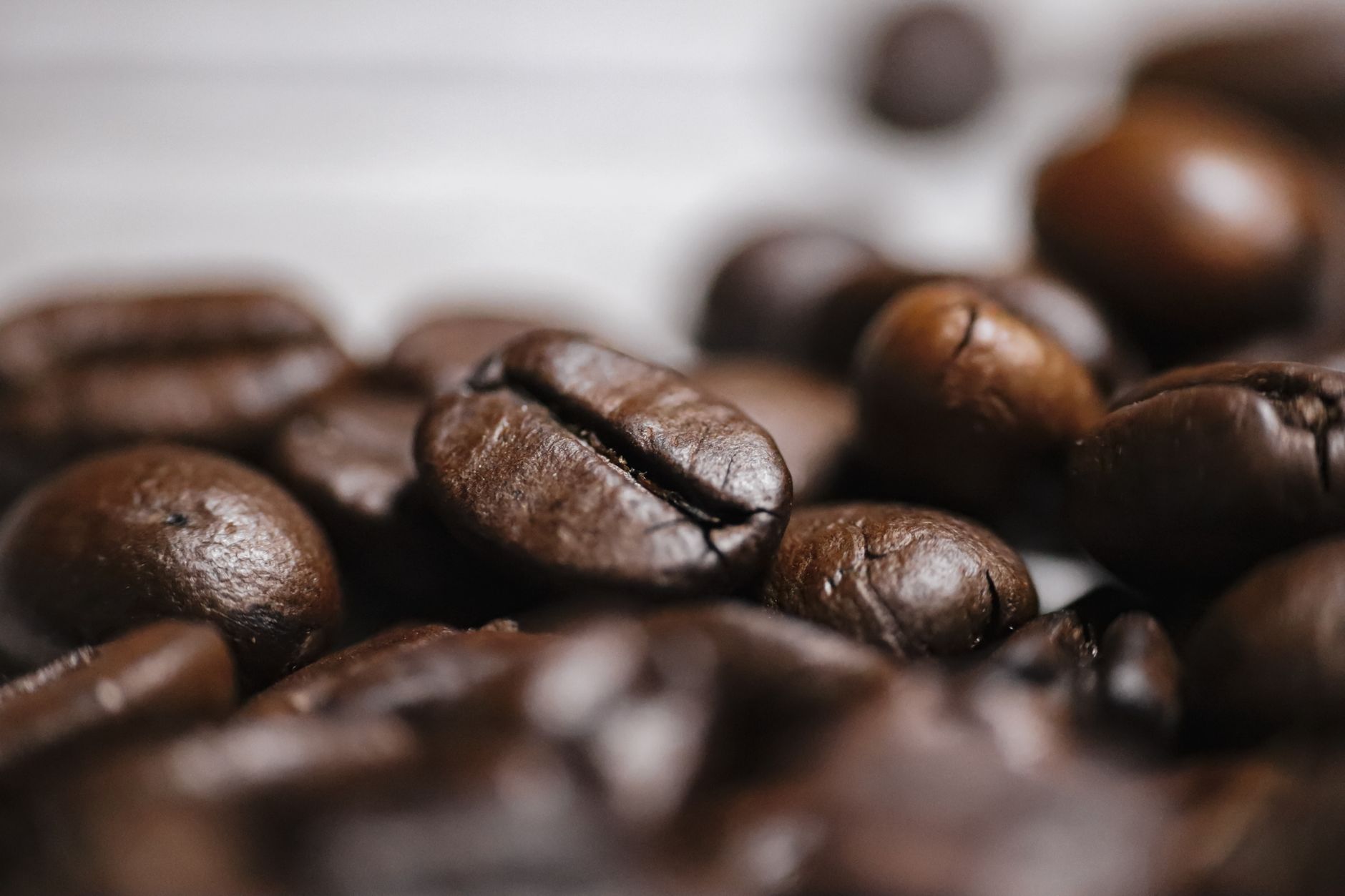
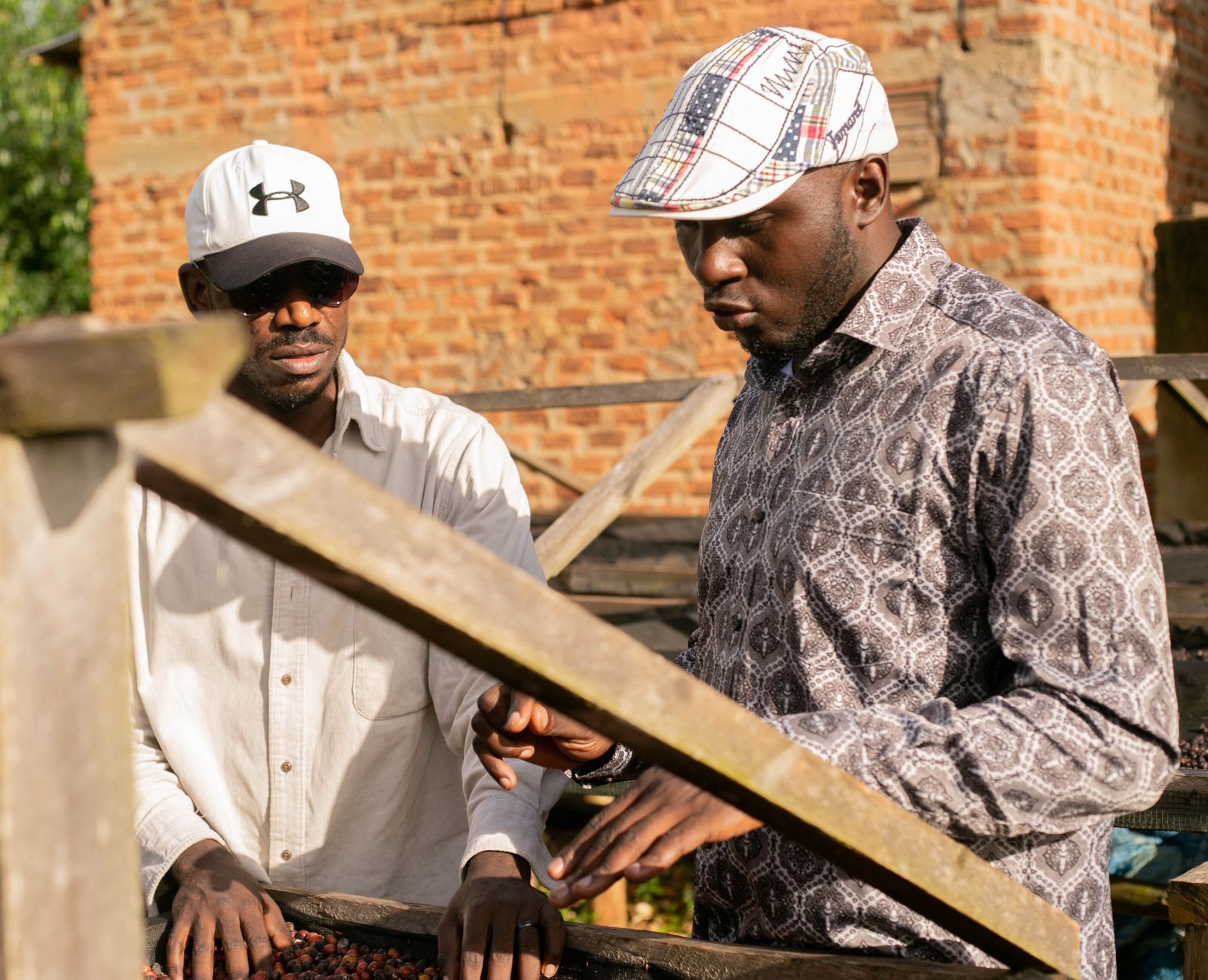 Photo: Speak Media Uganda via Pexels
The science behind the flavor gap is straightforward. Robusta’s higher chlorogenic acid content drives the sharp, astringent bite in low-grade bags. But specialty-grade robusta — Vietnam’s washed Da Lat lots, Uganda’s high-grown screens — behaves differently. Cupped correctly, you get dark chocolate, cedar, and a hazelnut finish with zero rubbery aftertaste.
Crema is where robusta earns its place in espresso. The higher lipid and emulsified oil content produces a thick, persistent foam that arabica-only blends struggle to match. That’s why every major Italian roaster — Illy, Kimbo, Bristot — leans on 10–20% robusta in their espresso blends.
Robusta Coffee Tasting Profile
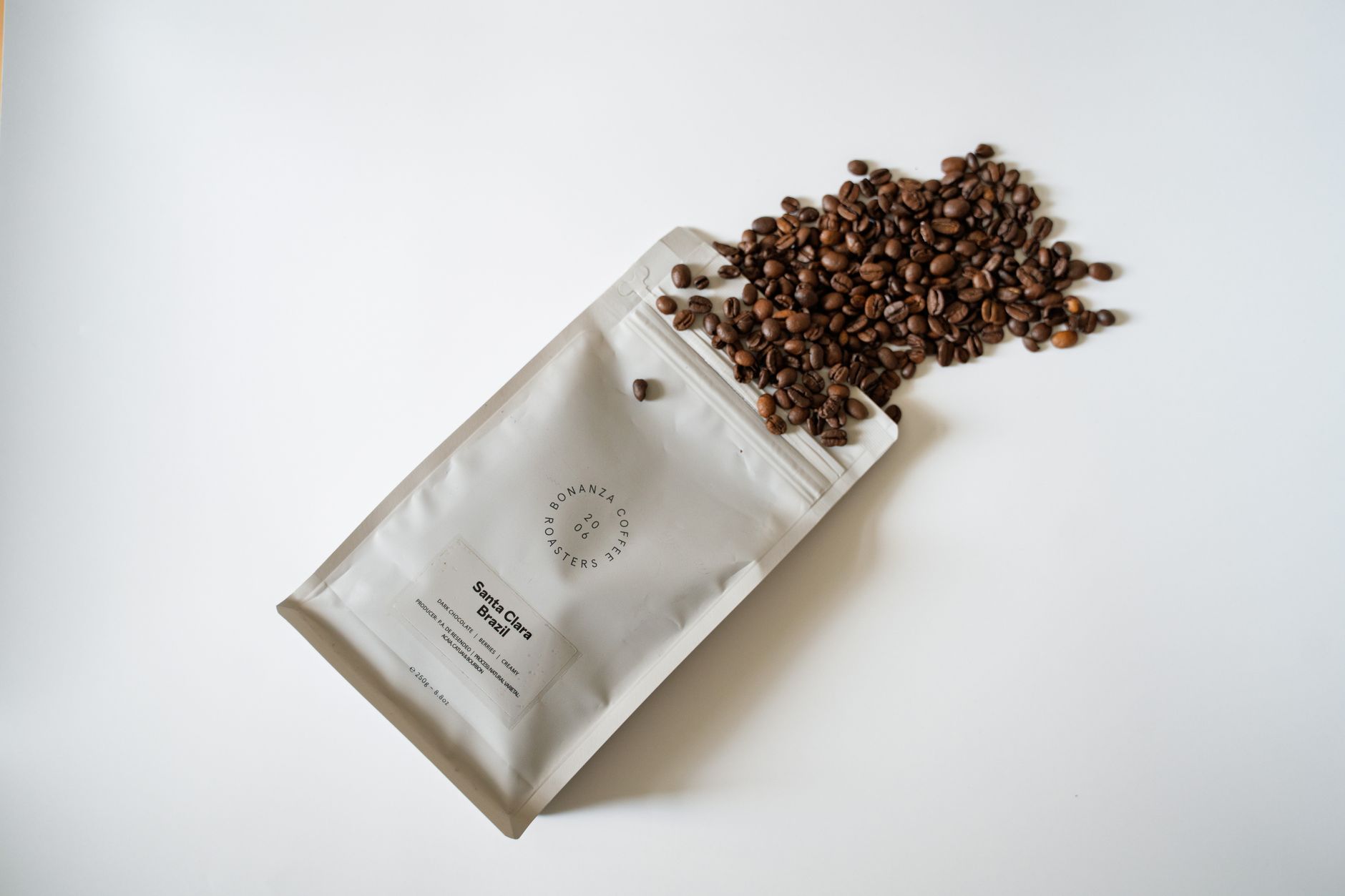
Expect: full body, low acidity, dark chocolate, cedar, roasted nuts, and earthy undertones. High-grown or washed specialty robusta adds sweetness and grain-like complexity. Low-grade commodity robusta tastes burnt rubber and harsh — this is a sourcing problem, not a species problem.
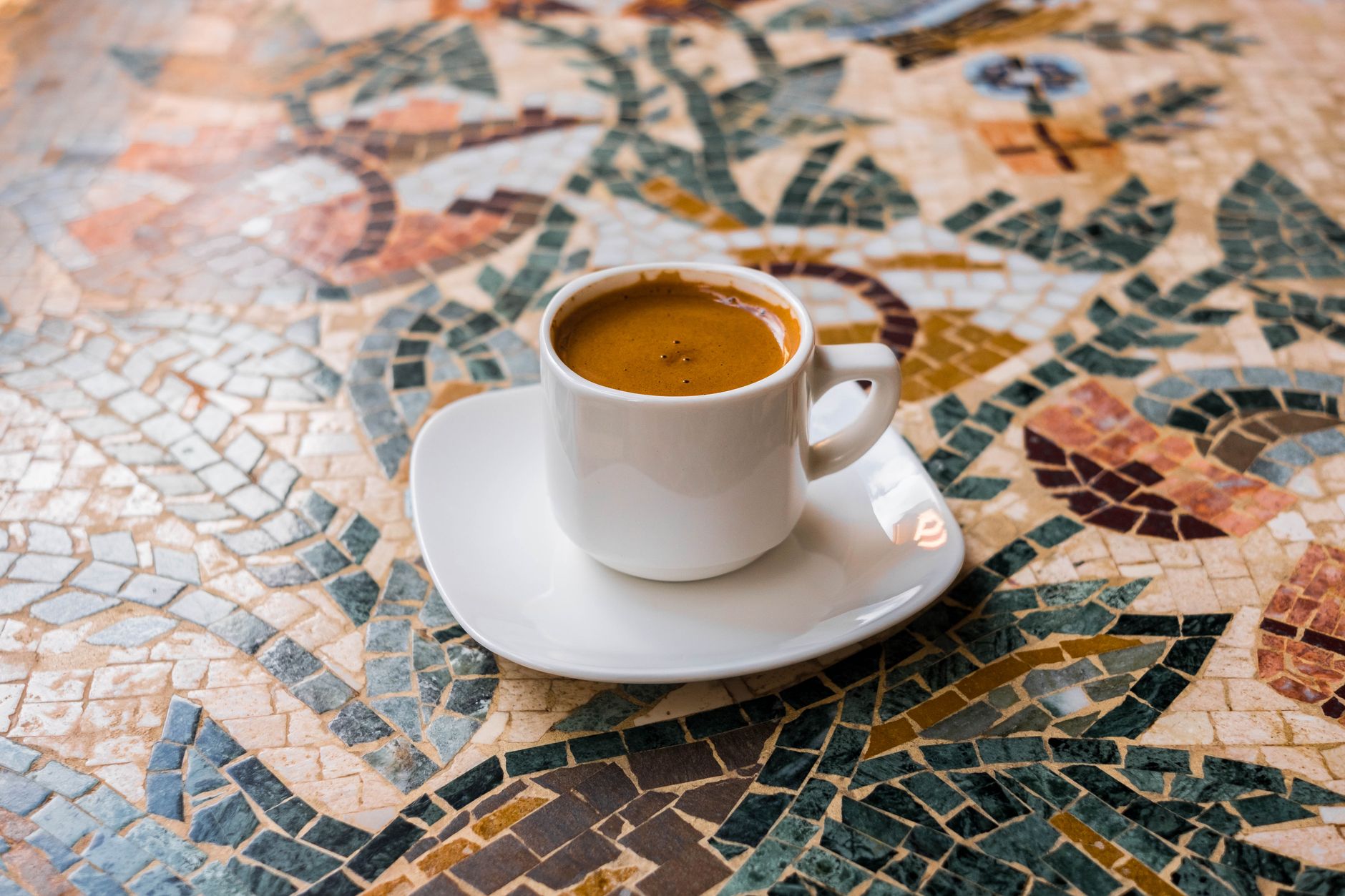 Photo: Igor Starkov via Pexels
The Caffeine Advantage
If you’re pulling a double shot before a long shift, robusta delivers. A 30ml double from a 20% robusta blend adds roughly 80–100mg caffeine versus 60–80mg from a pure arabica shot — a 25–40% bump without doubling your dose.
For cold brew, this matters more. Robusta holds its extraction efficiency at lower temperatures, meaning a 16-hour cold steep doesn’t need the same concentration multiplier arabica does. Some cold brew producers use 100% robusta specifically for this reason.
Flavor by Origin
| Country | Altitude (MASL) | Processing | Roast | Tasting Notes |
|---|---|---|---|---|
| Vietnam (Da Lat) | 1,000–1,500 | Washed / Honey | Medium–Dark | Hazelnut, cocoa, clean finish |
| Uganda (Mt. Elgon) | 1,200–1,500 | Natural | Medium | Dark chocolate, cedar, wild berry |
| India (Coorg) | 700–1,100 | Washed | Medium | Mild spice, grain, low acidity |
| Indonesia (Sumatra) | 400–900 | Wet-Hulled | Dark | Earthy, tobacco, full body |
| Brazil (Conillon) | 200–500 | Natural | Dark | Bitter chocolate, rubber (low-grade) |
Coffee Module C — Beans & Origins
Origin Details
High-altitude robusta from Uganda and Vietnam Da Lat is where specialty buyers focus. Screen sizes 15–18 with moisture at 11–12% are the baseline for quality. Flat burr grinders handle the bean’s denser cell structure cleanly — conical burrs tend to produce more fines with robusta, sharpening the bitterness.
Brew method pairings:
- Espresso blends (10–30% robusta): Boosts crema, adds body, balances bright arabica acidity
- Cold brew: 100% robusta or 50/50 blend; 16–18h at 4°C, coarse grind
- Moka pot: 50–100% robusta traditional; medium-coarse, no tamping
- French press: Works well at 20–40%; coarse grind, 4-minute steep
Espresso dial-in offset for robusta blends:
- Dose: +0.5–1g vs. pure arabica baseline
- Temperature: drop 1–2°C (robusta extracts faster at high temp → over-extraction)
- Grind: 1–2 clicks coarser on most grinders
- Yield ratio: 1:2 to 1:2.2 (shorter than typical 1:2.5 arabica ratio)
Freshness & Storage
| Stage | Guidance |
|---|---|
| Degassing | 5–10 days post-roast (robusta degasses faster than arabica) |
| Peak brew window | Days 10–28 post-roast |
| Storage | Airtight, opaque container; room temp away from heat |
| Shelf life after opening | 4–6 weeks whole bean; 1–2 weeks ground |
Robusta’s lower fat content makes it slightly more stable over time than arabica, but the aromatic compounds still degrade. Buying in 250g–500g increments beats a 1kg bag you’ll half-finish stale.
Where to Buy Quality Robusta Coffee Beans
Specialty robusta is harder to find than arabica, but it’s available from a handful of importers and roasters who cup it seriously. Skip supermarket robusta entirely — commodity-grade lots make the species look bad. Target washed or honey-processed Da Lat or Ugandan lots from roasters who publish farm-level sourcing.
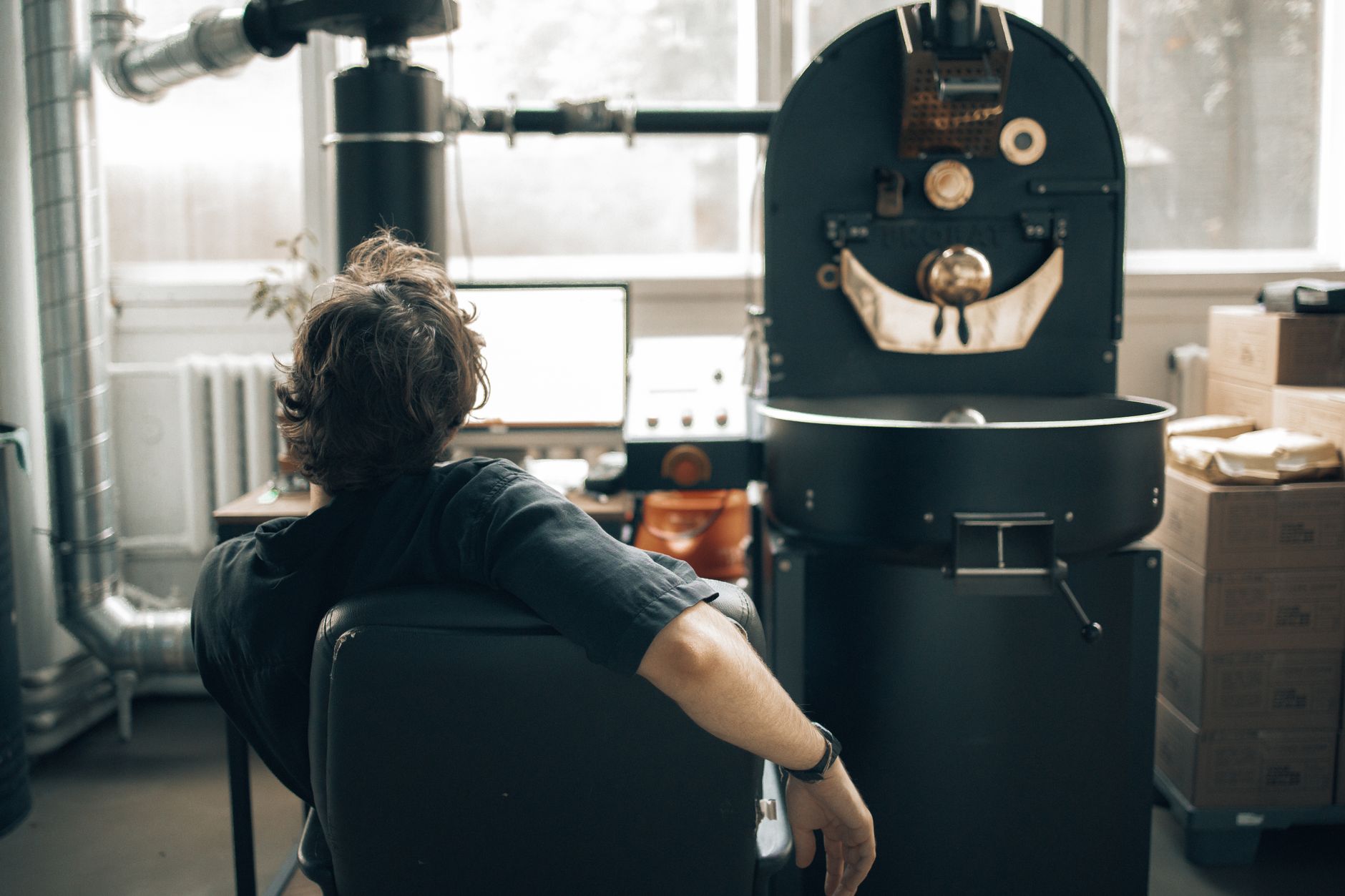
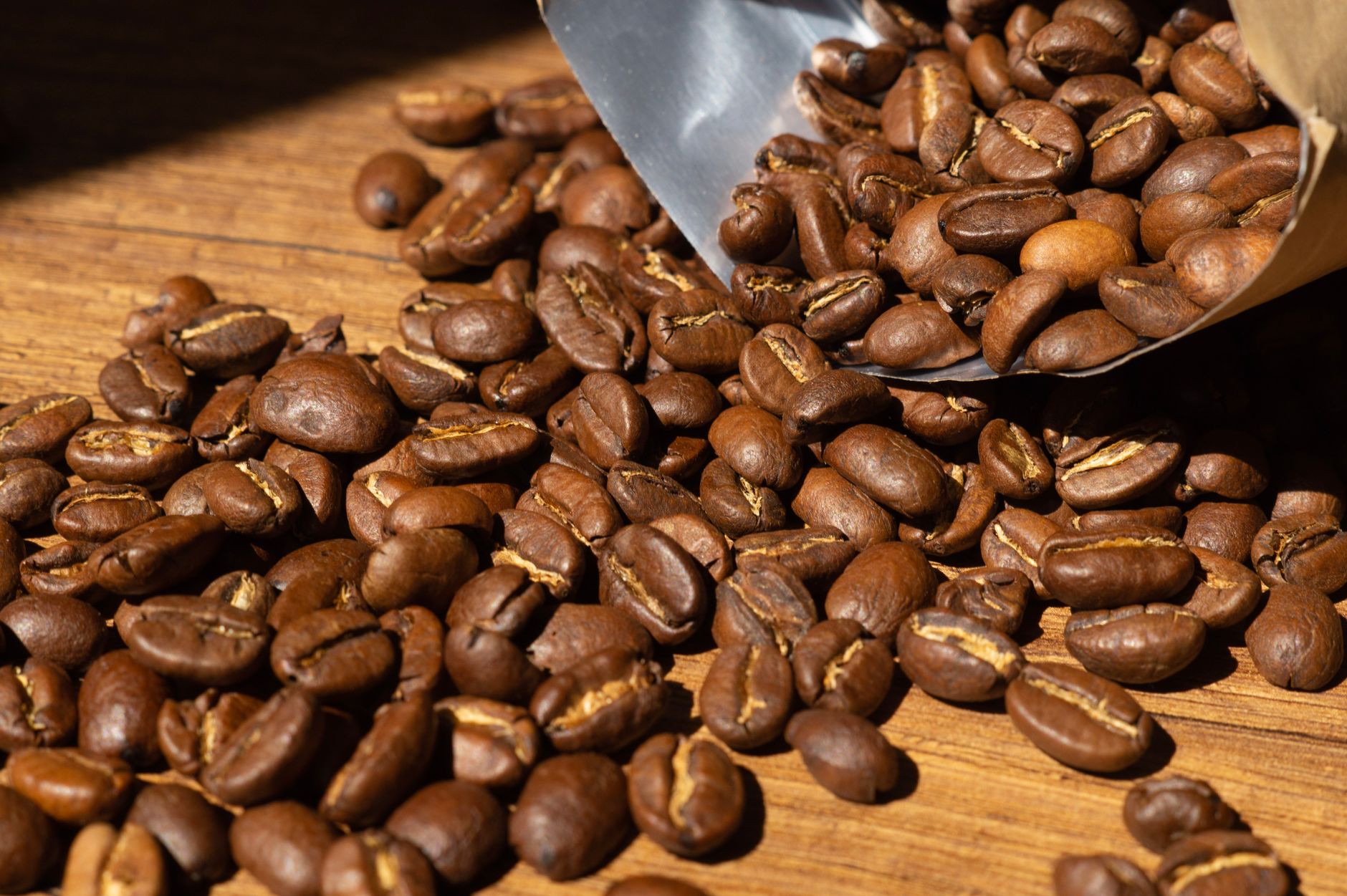 Photo: Tolga deniz Aran via Pexels
Top Sources in 2026
Single-origin roasters:
- Nguyen Coffee Supply — the most visible US specialty robusta source; Da Lat washed lots, transparent farm sourcing
- Caffe Lusso — carries high-grown robusta for espresso blending
- Equator Coffees — periodic robusta lots from Uganda
For Italian-style espresso blends (robusta included):
- Kimbo Espresso — Naples benchmark; ~20% robusta, classic crema
- Bristot Supremo — Venetian blend; 30% robusta, solid for home machines
- Lavazza Qualità Rossa — accessible, 30% robusta, widely available
For blending your own: Buy a 1kg bag of green robusta from a specialty importer and home-roast it. Sweet Maria’s carries cupped and scored green lots. This path isn’t practical for most, but if you’re dialing an espresso program, controlling your robusta percentage directly beats hoping a pre-blended bag is consistent batch to batch.
How to Use Robusta in Your Setup
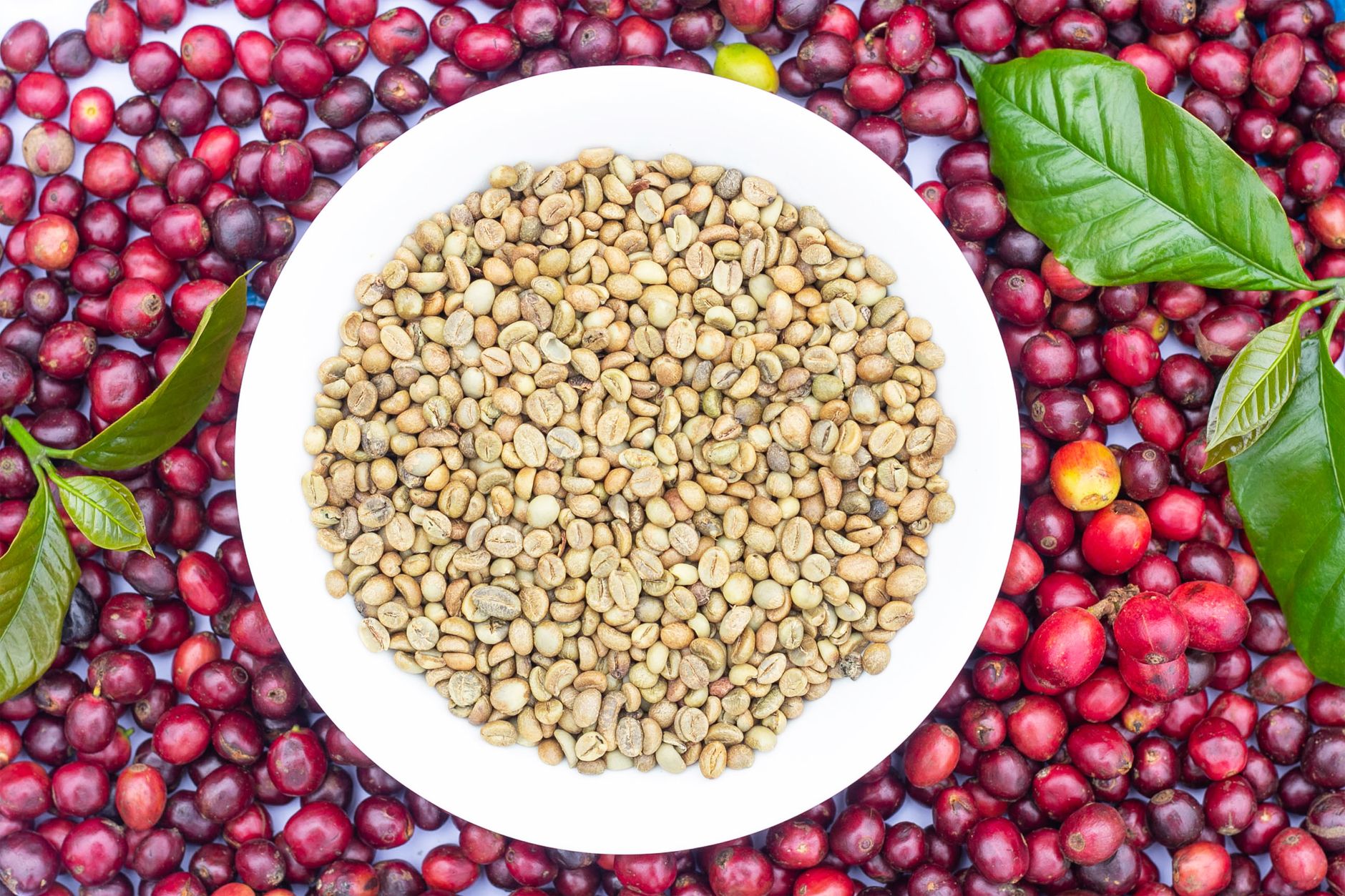
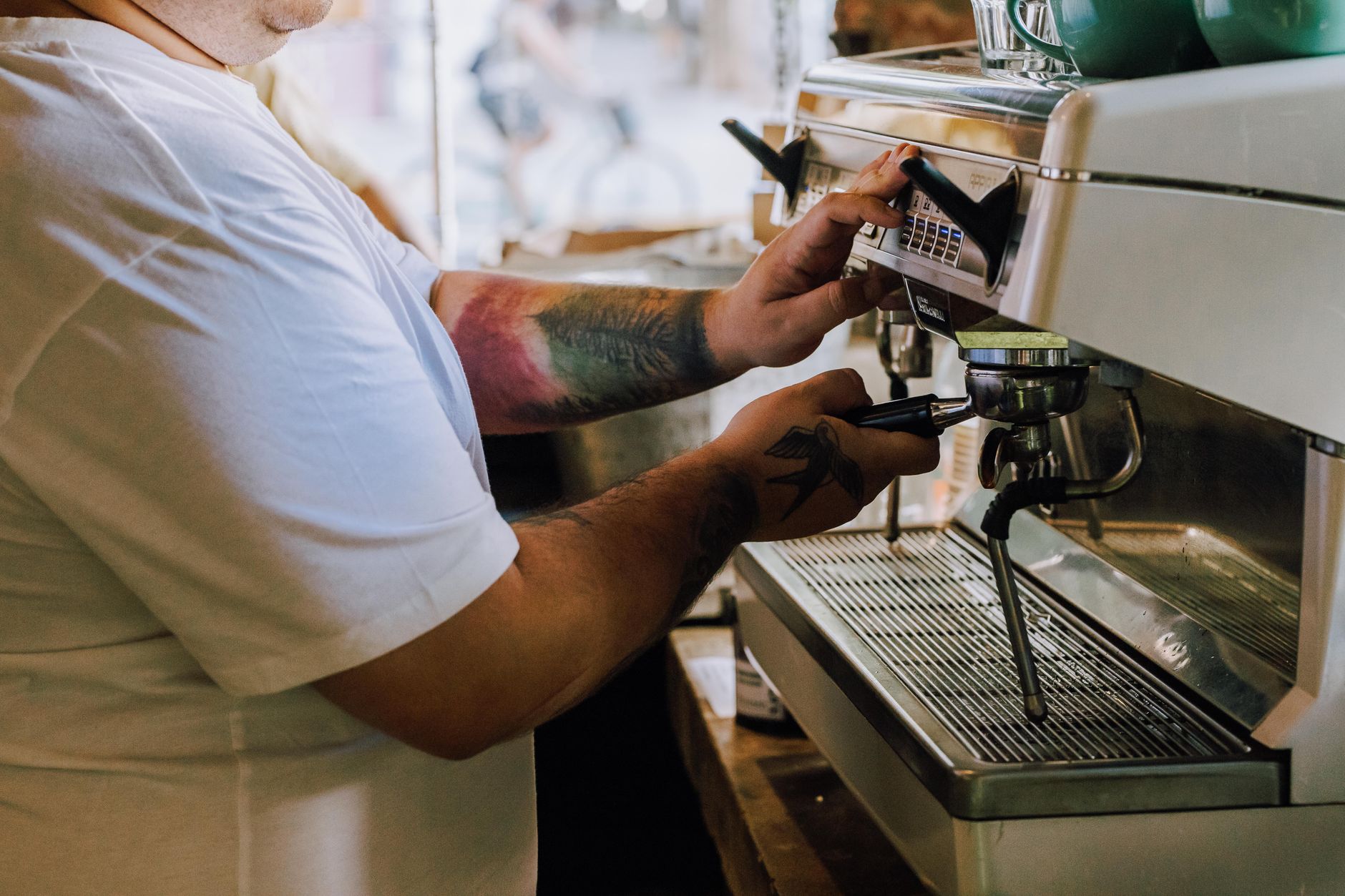 Photo: Gera Cejas via Pexels
In Espresso Blends
Start at 15% robusta, 85% arabica by weight. Grind together, don’t keep separate — uniform particle distribution matters more than precision blending at home scale. Dial down your temperature 1–2°C from your arabica baseline and pull at a 1:2 ratio. You’ll immediately notice the crema difference: denser, darker, longer-lasting.
In Cold Brew
Robusta’s extraction efficiency at cold temperatures is underrated. A 1:8 ratio (coffee:water) for 16 hours produces a concentrate that cuts beautifully with milk. Pure Da Lat washed robusta cold brew reads as dark chocolate and hazelnut — not the earthy roughness commodity bags deliver.
Moka Pot
The traditional Italian household moka pot was designed around robusta-heavy blends. Use medium grind (slightly finer than drip), fill the basket level without tamping, and expect a darker, thicker brew than with arabica. This is correct — it’s the intended output.
→ See also
- Coffee Bean Guide: Origins, Roasts, and How to Choose
- Best Coffee Subscription Boxes (2026 Ranked)
- Trade Coffee Review (2026): Is It Worth It?
FAQ
Is robusta coffee lower quality than arabica? Commodity robusta is lower quality — it’s grown at low altitude, processed carelessly, and roasted dark to mask defects. Specialty robusta from Uganda or Vietnam Da Lat, cupped and scored properly, is a different product entirely. The species isn’t inferior; the supply chain often is.
Does robusta coffee have more caffeine than arabica? Yes — robusta contains roughly 2.7% caffeine by dry weight versus arabica’s 1.5%. A double espresso from a 20% robusta blend delivers noticeably more caffeine per shot. If caffeine sensitivity is a concern, stick to washed arabica single origins.
Can I use 100% robusta for espresso? You can, but most palates find it too harsh without some arabica to balance it. Exceptions: Vietnamese cà phê đá (iced coffee) and Neapolitan espresso traditions are built on high-robusta or pure-robusta blends. If you want to try it, use a washed Da Lat lot and pull shorter (1:1.8 ratio) at lower temperature (90–91°C).
Why does Italian espresso use robusta? The crema. Robusta’s higher emulsified lipid content produces a thick, stable foam that arabica alone can’t replicate reliably. Italian espresso culture, especially in Naples, prioritized crema as a quality signal — and robusta delivers it consistently across machine types and operator skill levels.
Where can I buy robusta coffee beans in the US? Nguyen Coffee Supply is the most accessible specialty source for single-origin robusta. For blended espresso with robusta included, Kimbo and Lavazza are widely stocked at grocery and Amazon. For green robusta to home-roast, Sweet Maria’s carries cupped lots with scoring data.
Editorial methodology: Assessments are based on manufacturer specifications, published user reviews, and editorial research. Physical hands-on testing is noted explicitly where it occurred. Rankings reflect our editorial judgment and are not influenced by affiliate commission rates. Full editorial policy · Affiliate disclosure