Contents
Greek Coffee Guide: How to Make Traditional Greek Coffee
TL;DR: To make Greek coffee, combine finely ground coffee with cold water and sugar in a briki (long-handled copper pot), then heat slowly over low flame until a thick foam (kaimaki) forms — never let it boil. Use 1 heaped teaspoon of coffee per 60ml demitasse cup. The result is a strong, unfiltered brew served with grounds settled at the bottom.
What Is Greek Coffee?
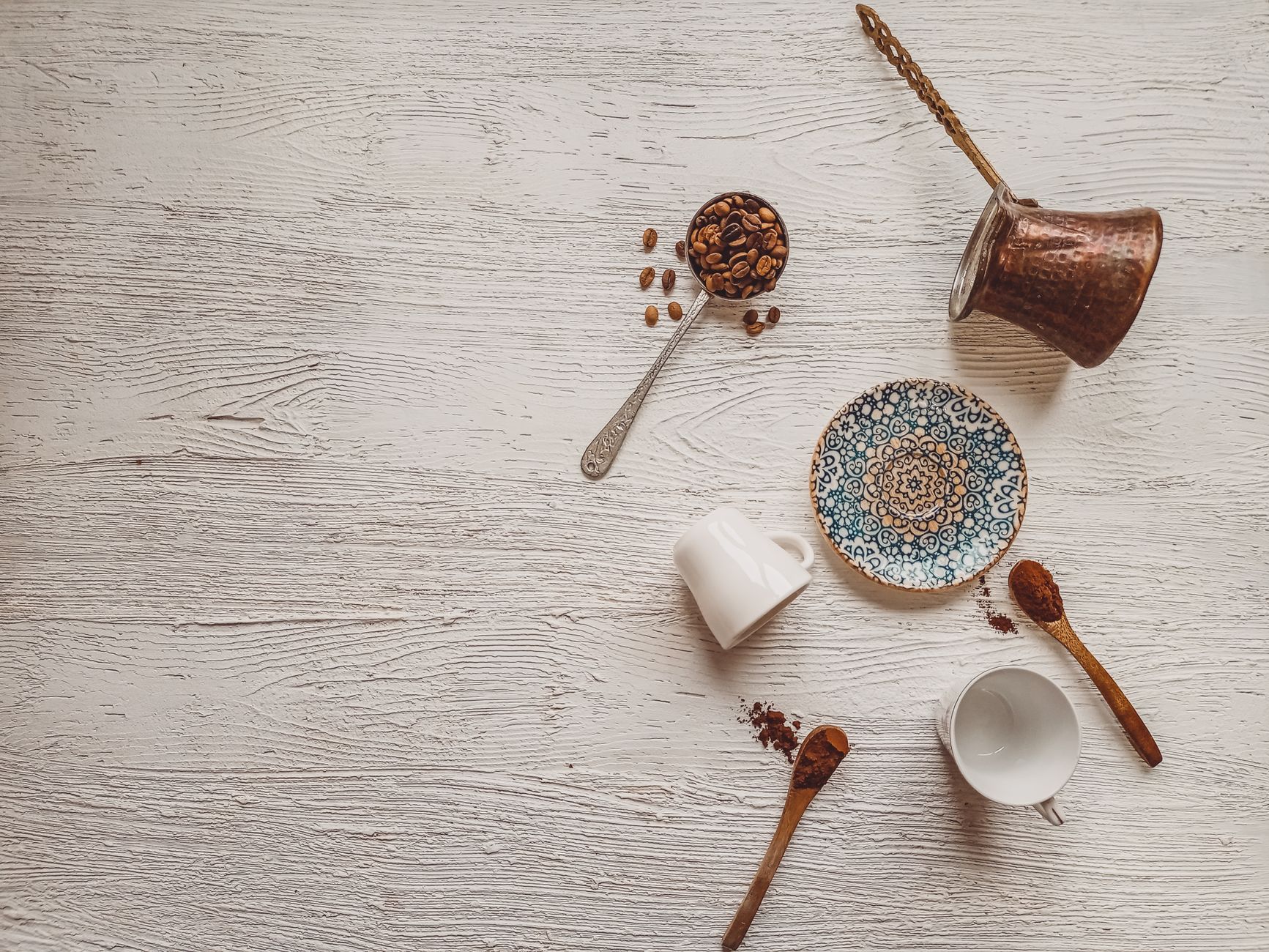
Greek coffee is a method, not a bean. You brew ultra-fine grounds directly in water using a briki, producing a thick, foam-topped drink served in a small cup — grounds and all. It shares DNA with Turkish and Arabic coffee but carries its own cultural identity, terminology, and foam standards.
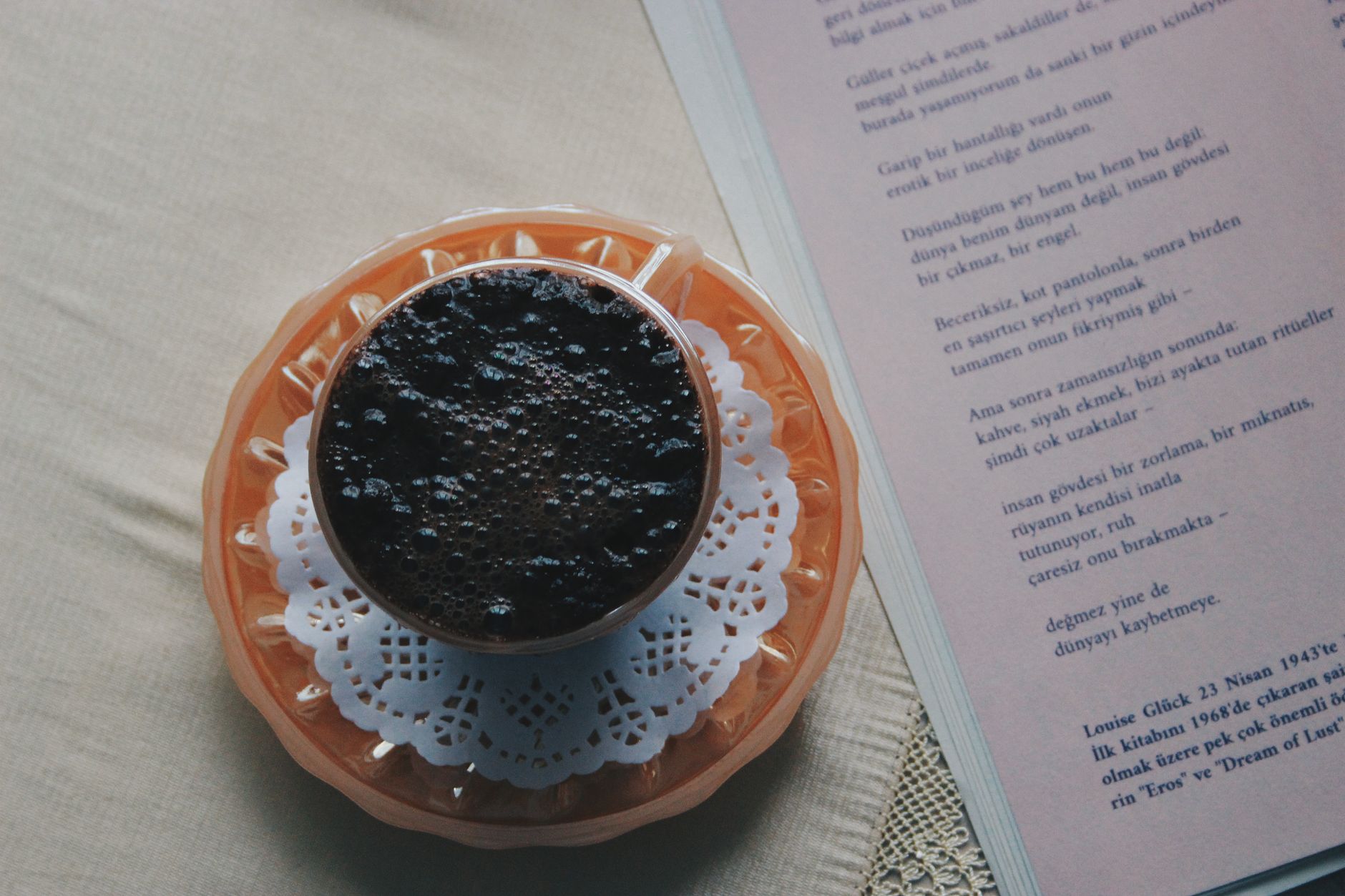 Photo: Sena via Pexels
The briki is the non-negotiable piece of kit here. Its narrow neck concentrates heat, builds pressure, and produces the kaimaki — that coveted dense foam — that no saucepan can replicate. A 2-cup briki is the standard starting point for home use.
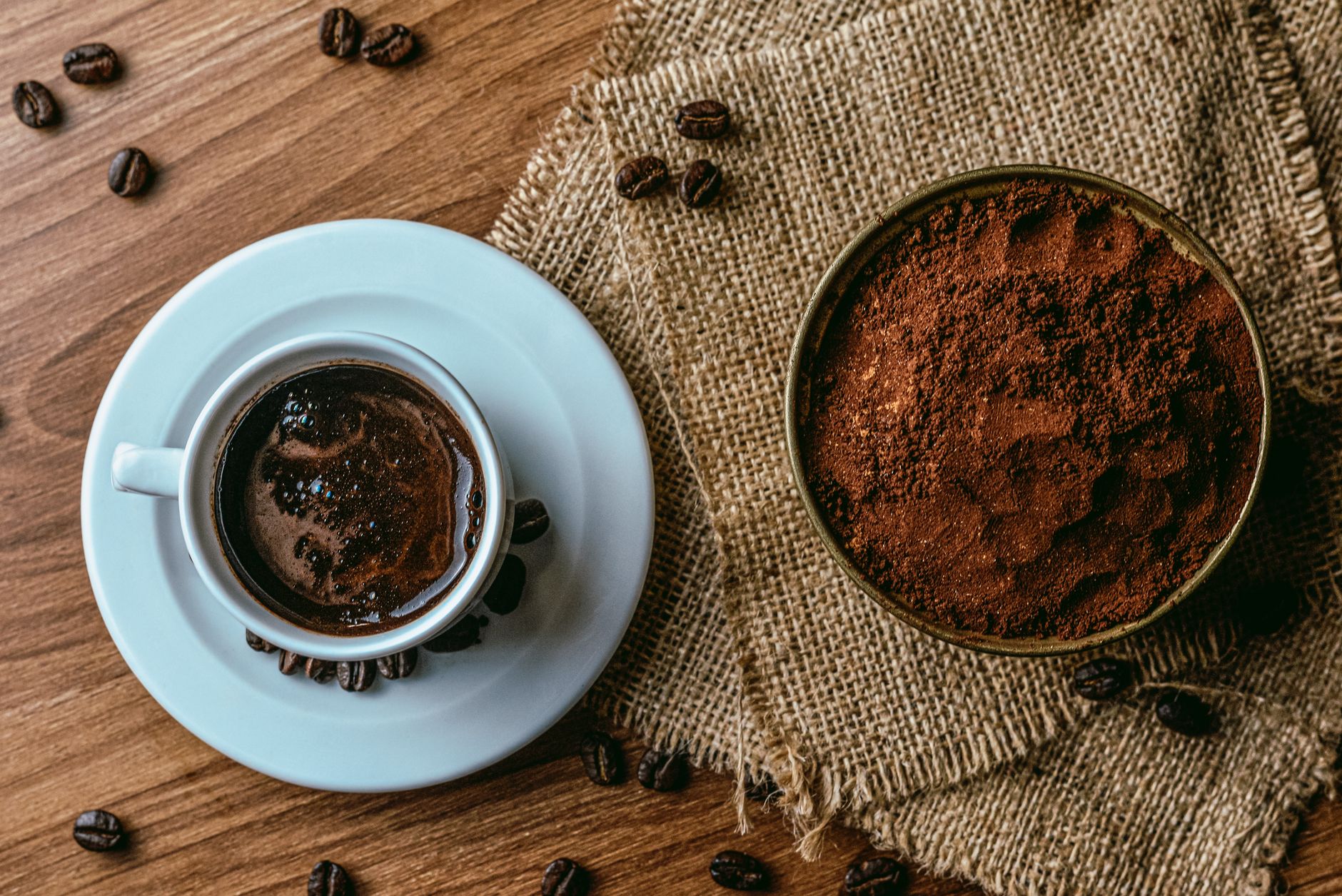
The grind must be powder-fine, finer than espresso. Purpose-ground “Greek coffee” or “Turkish coffee” from a specialty roaster is what you want. Standard espresso grind will produce a gritty, under-extracted cup.
How to Make Greek Coffee (Step-by-Step)
Add cold water and coffee to the briki before any heat is applied. Heat low and slow, watch constantly, and pull the pot the moment foam rises to the rim. This single-attempt brew gives you no second chances — let it boil over and the kaimaki is gone for good.
 Photo: Marek Piwnicki via Pexels
Sweetness Levels
Greeks order coffee by sugar level, and you dial this in at the briki stage — there’s no adding sugar after:
| Term | Sugar per cup | Character |
|---|---|---|
| Sketo | None | Bitter, intense |
| Metrio | 1 tsp | Balanced, traditional |
| Glykos | 2 tsp | Sweet, mild bitterness |
| Vary glykos | 3+ tsp | Very sweet |
Metrio is the default in most Greek households. If someone doesn’t specify, brew metrio.
Brewing Guide: Greek Coffee
Extraction Parameters
| Parameter | Value |
|---|---|
| Dose | 1 heaped tsp (~7g) per 60ml cup |
| Yield | 60ml per serving (don’t fill the briki more than halfway) |
| Ratio | ~1:8 coffee to water by weight |
| Time | 3–5 minutes total |
| Temperature | Never above 85–90°C — pull before boiling |
| Pressure | Atmospheric (no pressurized brewing) |
Puck Prep / Briki Method
- Measure cold water first — use the demitasse cup as your measure, fill it with cold water and pour into the briki.
- Add coffee — 1 heaped teaspoon per cup. Add sugar at this stage if using.
- Stir once before heat, then do not stir again.
- Low heat only — medium-low on gas, low on electric. The slow rise builds kaimaki; high heat kills it.
- Watch, don’t walk away — foam rises fast in the final 30 seconds. The moment it reaches the rim, remove from heat immediately.
- Pour slowly — tilt the briki and pour gently to preserve the kaimaki layer in the cup.
- Wait 2 minutes before drinking — grounds need time to settle.
Making Two Cups
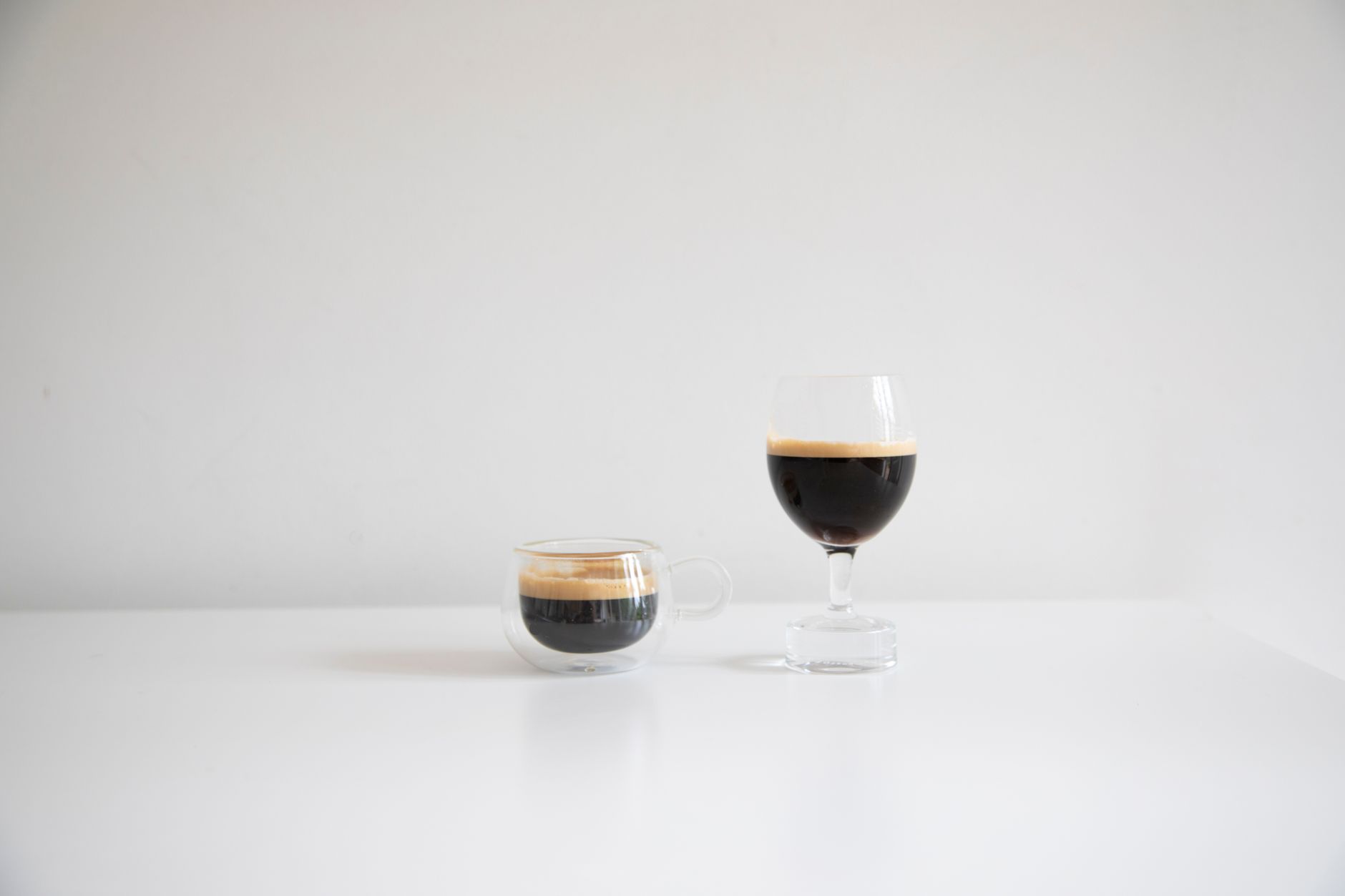
Do not double the coffee in one briki and split it. Use a 2-cup briki and double both water and coffee, or brew two sequential single cups. The foam-to-volume ratio only works correctly when the briki is loaded to its rated capacity.
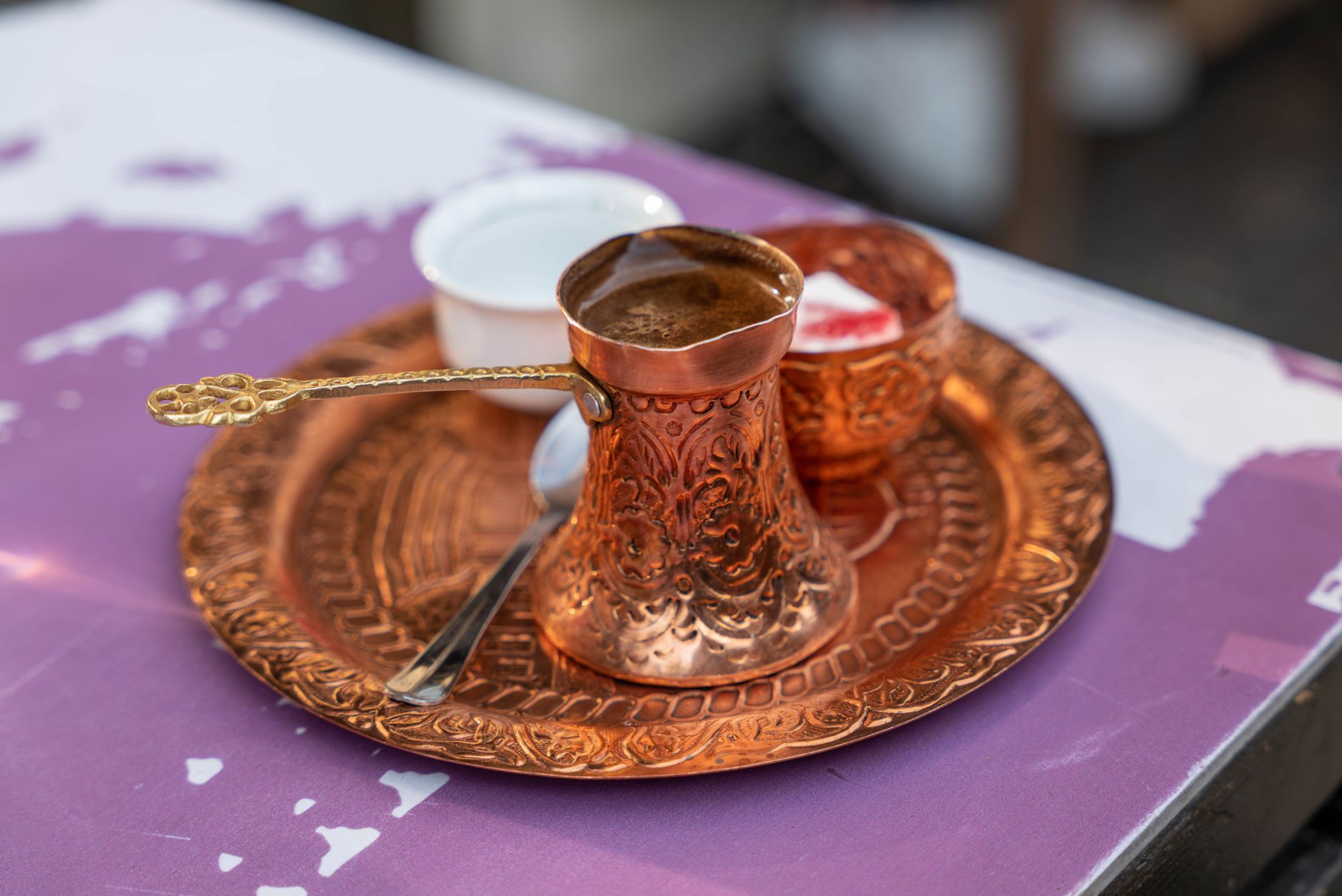 Photo: Vladimir Srajber via Pexels
Troubleshooting
| Symptom | Likely Cause | Fix |
|---|---|---|
| No kaimaki | Heat too high / boiled | Lower heat; start again |
| Weak, thin cup | Grind too coarse | Use powder-fine Greek/Turkish grind |
| Bitter, harsh | Over-brewed or too much coffee | Pull earlier; reduce dose slightly |
| Gritty texture after settling | Normal — grounds are unfiltered | Wait longer before drinking |
| Foam immediately collapses | Poured too fast | Pour in a slow, steady tilt |
| Under-sweetened | Sugar added after brewing | Always add sugar to cold water before heat |
Equipment You Need
A dedicated briki is the only essential purchase. Everything else you likely own.
Briki (cezve): Copper or stainless, sized for 1–2 cups. Copper heats more evenly; stainless is more durable. Size the briki to your batch — a 1-cup briki for single servings, 2-cup for two.
Demitasse cups: 60–90ml capacity. The thick ceramic retains heat and the narrow rim concentrates aroma. Standard espresso cups work in a pinch.
Grinder (optional but correct): If you’re grinding fresh, you need a grinder capable of Turkish/Greek fineness — most home burr grinders max out coarser than ideal. Pre-ground coffee labeled “Greek” or “Turkish” from a specialty supplier is the practical solution.
Greek Coffee vs. Similar Brews
| Style | Grind | Brewing vessel | Foam | Served |
|---|---|---|---|---|
| Greek coffee | Powder-fine | Briki | Kaimaki (thick, dense) | Unfiltered, in cup |
| Turkish coffee | Powder-fine | Cezve | Köpük (similar) | Unfiltered, in cup |
| Arabic (qahwa) | Fine, spiced | Dallah | Minimal | Sometimes filtered |
| Espresso | Fine | Portafilter | Crema | Filtered through puck |
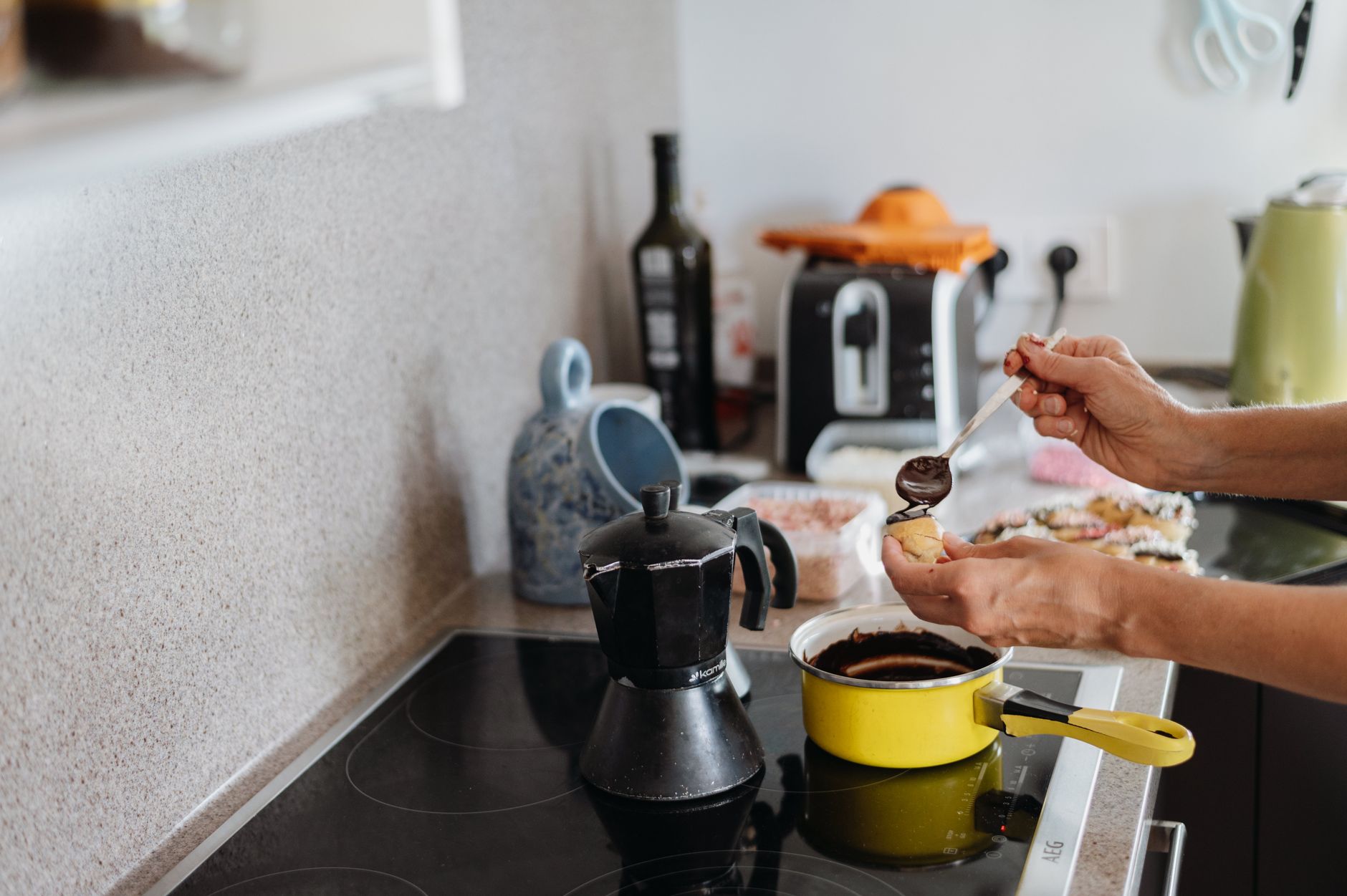
The practical difference between Greek and Turkish coffee is cultural and political, not technical. The brewing method, grind, and equipment are identical. The beans and roast profile vary by brand and regional preference.
 Photo: Rahime Gül via Pexels
→ See also
- How to Brew Coffee at Home: Complete Method Guide
- French Press Coffee: Complete Brewing Guide (Ratios + Technique)
- French Press Coffee-to-Water Ratio Calculator
FAQ
Can I use an espresso grind for Greek coffee? Espresso grind is too coarse for Greek coffee — you’ll get a thin, under-extracted cup with poor kaimaki. You need a powder-fine grind, finer than any home grinder setting labeled “espresso.” Buy pre-ground coffee specifically labeled Greek or Turkish coffee until you have the right equipment.
Why does my Greek coffee have no foam? The most common cause is heat that’s too high. Kaimaki forms from proteins and oils emulsifying slowly as the liquid heats — boiling destroys it instantly. Use the lowest effective heat on your burner and watch the pot the entire time.
How much caffeine is in Greek coffee? A 60ml Greek coffee contains roughly 80–120mg of caffeine — similar to a double espresso, despite the smaller volume. The long contact time between grounds and water extracts efficiently, and nothing is filtered out.
Can I reheat Greek coffee? No. Reheating destroys the kaimaki and over-extracts the grounds into bitterness. Greek coffee is brewed and served immediately. If it cools before you drink it, that cup is done — brew fresh.
What do Greeks eat with their coffee? A small glass of cold water is the traditional accompaniment — served alongside, not instead of. Loukoumades (honey donuts), koulouri (sesame bread rings), or plain biscuits are common pairings. The water cleanses the palate and balances the intensity.
FAQ Schema
Editorial methodology: Assessments are based on manufacturer specifications, published user reviews, and editorial research. Physical hands-on testing is noted explicitly where it occurred. Rankings reflect our editorial judgment and are not influenced by affiliate commission rates. Full editorial policy · Affiliate disclosure