Contents
Cuban Coffee (Café Cubano) Guide: How to Make Authentic Cafecito
TL;DR: A cuban coffee recipe cafecito is a shot of espresso sweetened during brewing with demerara sugar whipped into a thick, caramel-colored foam called espumita. Use a stovetop moka pot or espresso machine, 1–2 tsp sugar per shot, and whip the first drops of espresso into the sugar before the rest brews through. The result is intensely sweet, syrupy, and unlike any espresso you’ve had.
What Is Cuban Coffee (Café Cubano)?
Cuban coffee is espresso brewed directly onto whipped sugar, producing a dense, bittersweet shot topped with a golden-brown foam called espumita. It’s not just sweetened espresso — the sugar is incorporated during extraction, which fundamentally changes the texture and taste.
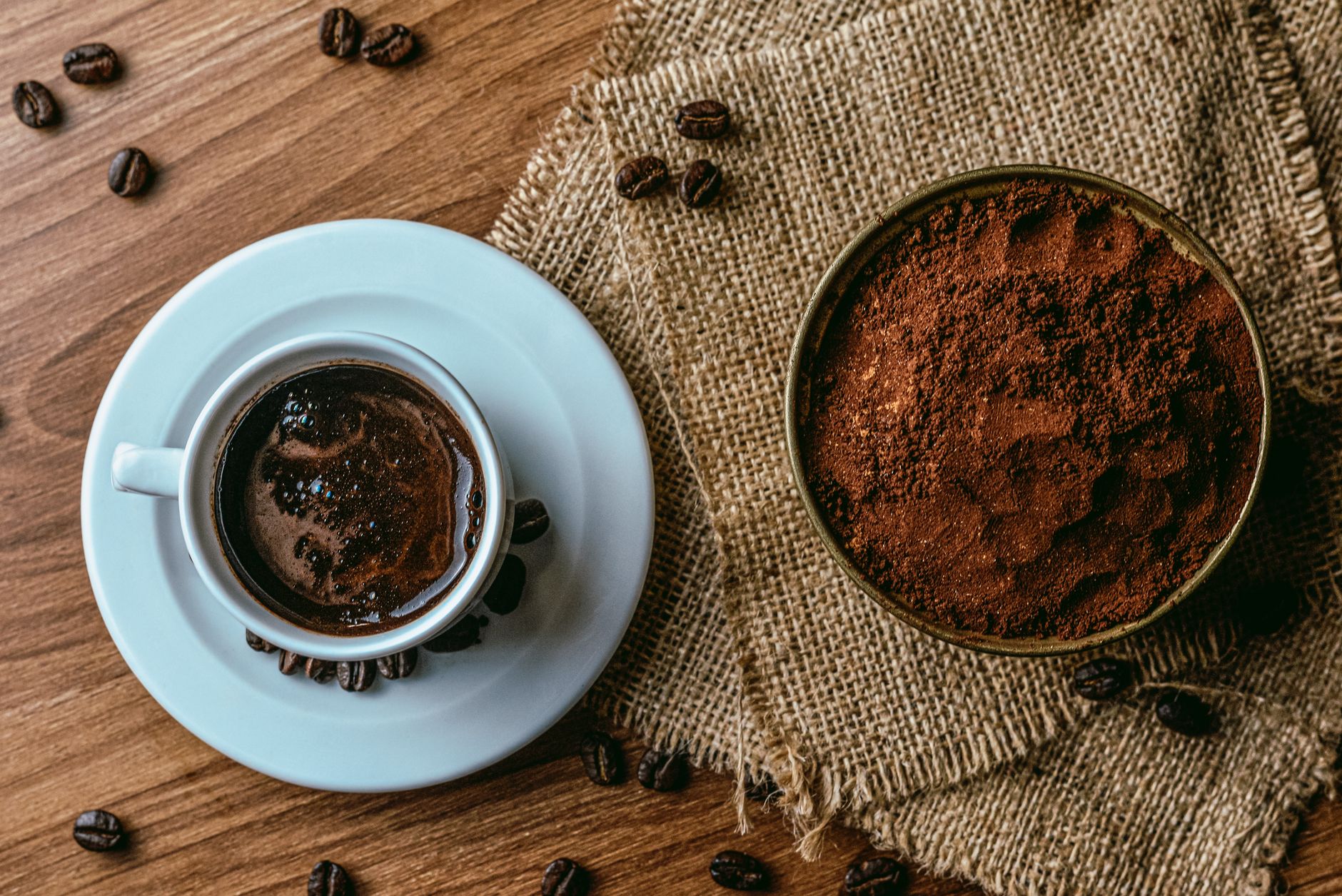
 Photo: Nati via Pexels
Espumita is the defining feature. When the first drops of hot espresso hit granulated sugar and get whipped vigorously, the sugar partially dissolves and aerates into a thick, sticky paste. The remaining espresso folds through it, creating a drink that’s syrupy, intensely aromatic, and slightly viscous throughout — not just sweet on the surface.
Café Cubano originated in Cuba after Italian espresso machines arrived in the 1940s. Cuban sugar was added as a practical refinement to offset the bitterness of the darker roasts common at the time. The technique traveled with Cuban immigrants to Miami, where it became a cultural institution. Order a ventanita (takeout window) shot in Little Havana and you’ll see it made the same way today.
Equipment and Ingredients
You need a moka pot or espresso machine, fine espresso grind, dark-roasted Cuban-style coffee, demerara or white granulated sugar, and a small cup or bowl for whipping. That’s it.
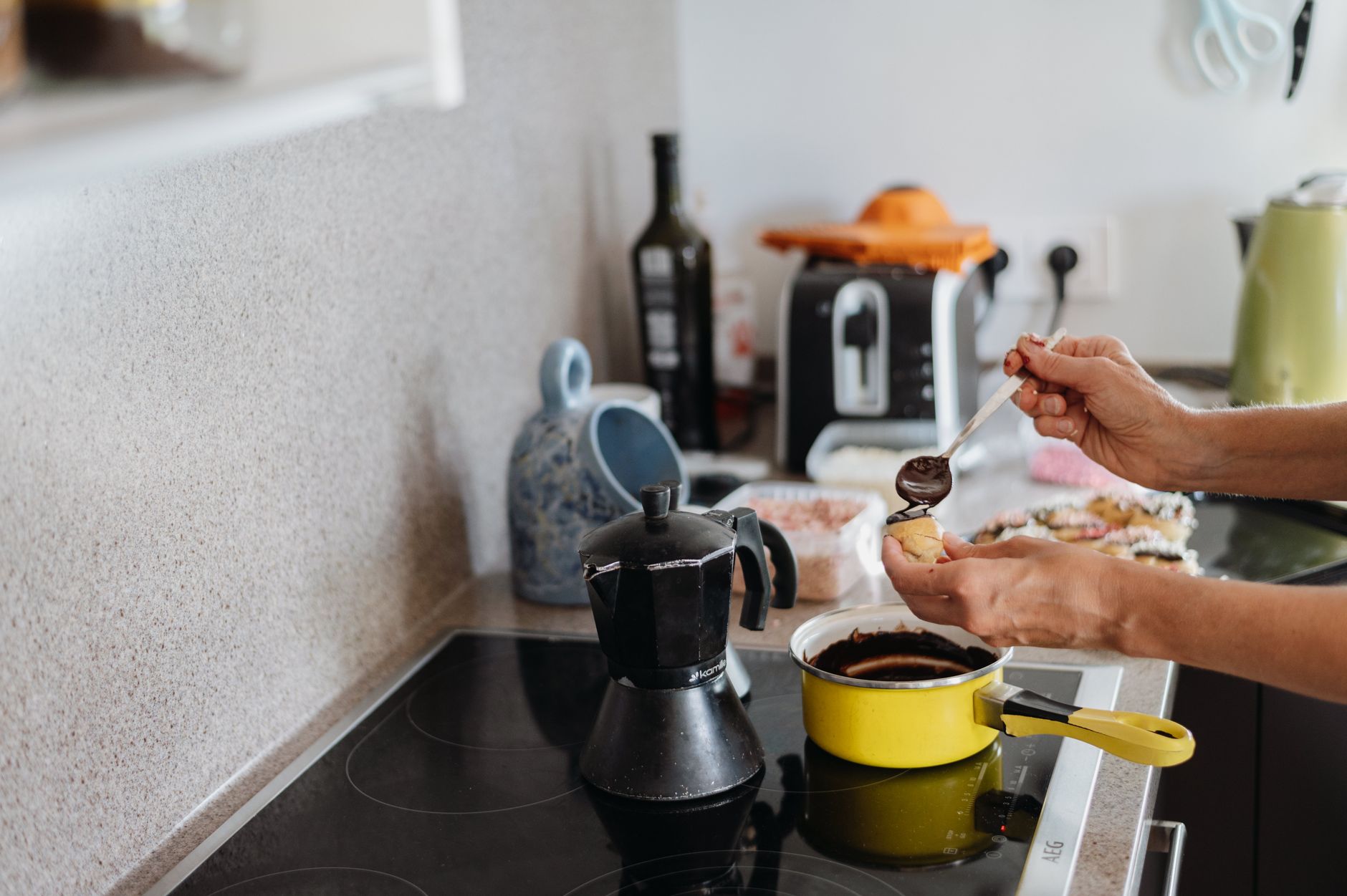
 Photo: K via Pexels
Coffee
Classic Cuban coffee uses a dark, oily roast — Café Bustelo or Café Pilon are the authentic choices. Both are finely pre-ground for espresso and espresso-machine-ready. If you’re grinding your own, aim for a roast labeled “espresso” or “dark” and grind fine — similar to table salt.
Specialty coffee works too, but know that the sugar will dominate lighter, more nuanced roasts. Save the single-origin Ethiopian for another brew method.
Sugar
Demerara or raw cane sugar gives better body and a subtle molasses note. Plain white sugar produces a brighter, cleaner espumita. Brown sugar works but can taste muddy. Use 1–2 teaspoons per double shot depending on preference — start at 1.5 tsp.
Equipment
| Option | Pros | Cons |
|---|---|---|
| Moka pot (traditional) | Authentic, inexpensive, stovetop | Less pressure than espresso |
| Espresso machine | Higher pressure, crema | More expensive |
| AeroPress | Easy cleanup | Different extraction character |
A Bialetti Moka Express is the standard tool. The 3-cup (about 2 oz output) is ideal for a double cafecito.
Cuban Coffee Recipe: Step-by-Step
Add 1–2 tsp sugar to a small metal cup. Brew your espresso. Intercept the first 5–10 drops into the sugar and whip immediately for 60–90 seconds until a pale tan paste forms. Pour the remaining espresso over the paste and stir once.
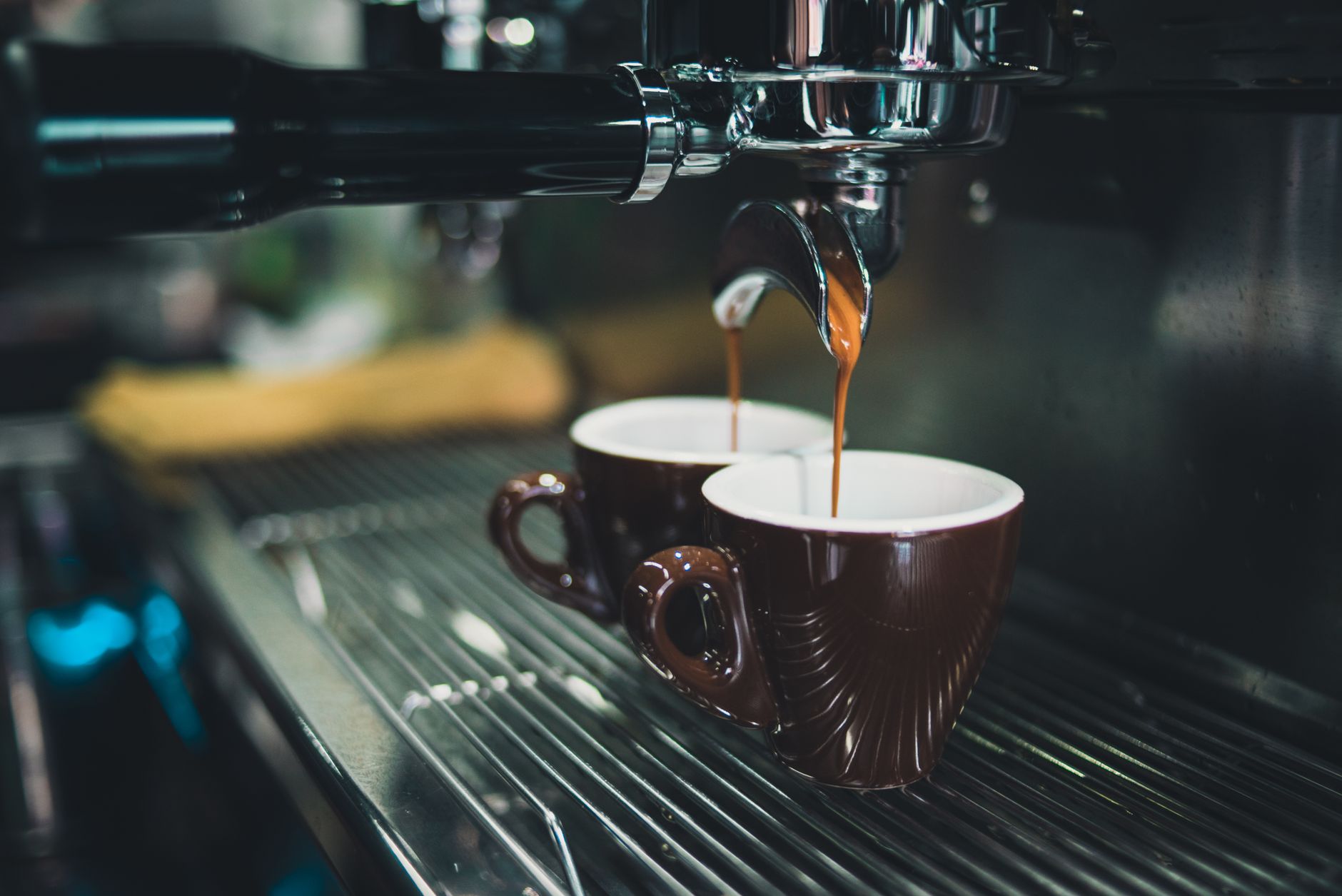 Photo: Chevanon Photography via Pexels
Extraction Parameters
| Parameter | Value |
|---|---|
| Dose | 15–18 g (double shot) |
| Yield | 30–40 ml espresso |
| Ratio | 1:2 to 1:2.5 |
| Time | 25–30 sec (machine) / 4–5 min (moka pot) |
| Temperature | 90–96 °C (194–205 °F) |
| Pressure | 9 bar (machine) / ~2 bar (moka pot) |
Puck Prep (Espresso Machine)
- WDT: Distribute grounds with a thin tool before tamping — Cuban roasts are often oily and prone to clumping.
- Leveling: Settle the portafilter with a light tap, then level with a finger or distributor.
- Tamping: 15–20 kg even pressure. Uneven tamp = channeling = thin espumita.
- Pre-infusion: 5–8 seconds at low pressure helps even extraction through finely ground dark roast.
- Channeling prevention: Fill the basket properly — no mounds, no voids.
Moka Pot Method
- Fill the bottom chamber with cold filtered water to just below the safety valve.
- Fill the basket with finely ground coffee, level (don’t tamp — moka pots aren’t designed for tamped pucks).
- Assemble and heat on medium-low. Too high = bitter, scorched extraction.
- Place your sugar in a small cup near the stove.
- The moment coffee begins to emerge — a thin, dark stream — intercept the first 5–10 drops into the sugar. Move the pot aside or let it drip into the sugar cup.
- Whip immediately and vigorously with a small spoon for 60–90 seconds. The mixture should turn from dark brown to a pale tan, thick, almost marshmallow-like consistency.
- Once the moka pot finishes, pour the remaining coffee over the espumita and fold gently.
Troubleshooting Matrix
| Symptom | Likely Cause | Fix |
|---|---|---|
| Espumita won’t foam | Too little sugar or drops too cool | Add more sugar; whip while drops are still hot |
| Espumita grainy/gritty | Didn’t whip long enough | Whip 90+ seconds until paste is smooth |
| Shot too bitter | Grind too fine or over-extracted | Coarsen grind one step; reduce brew time |
| Watery, thin texture | Under-extracted / too coarse | Fine-tune grind finer; ensure full basket dose |
| Moka pot sputters and spurts | Heat too high | Reduce heat; brew on medium-low throughout |
| Pale or no crema | Stale coffee | Use fresher coffee, sealed within 2 weeks of roast |
Variations: Cortadito, Colada, and Café con Leche
Cortadito
Equal parts cafecito and warm steamed milk. The sweetness of the espumita carries through the milk cleanly. Use a milk frother or steam wand — not hot poured milk, which dilutes rather than blends.
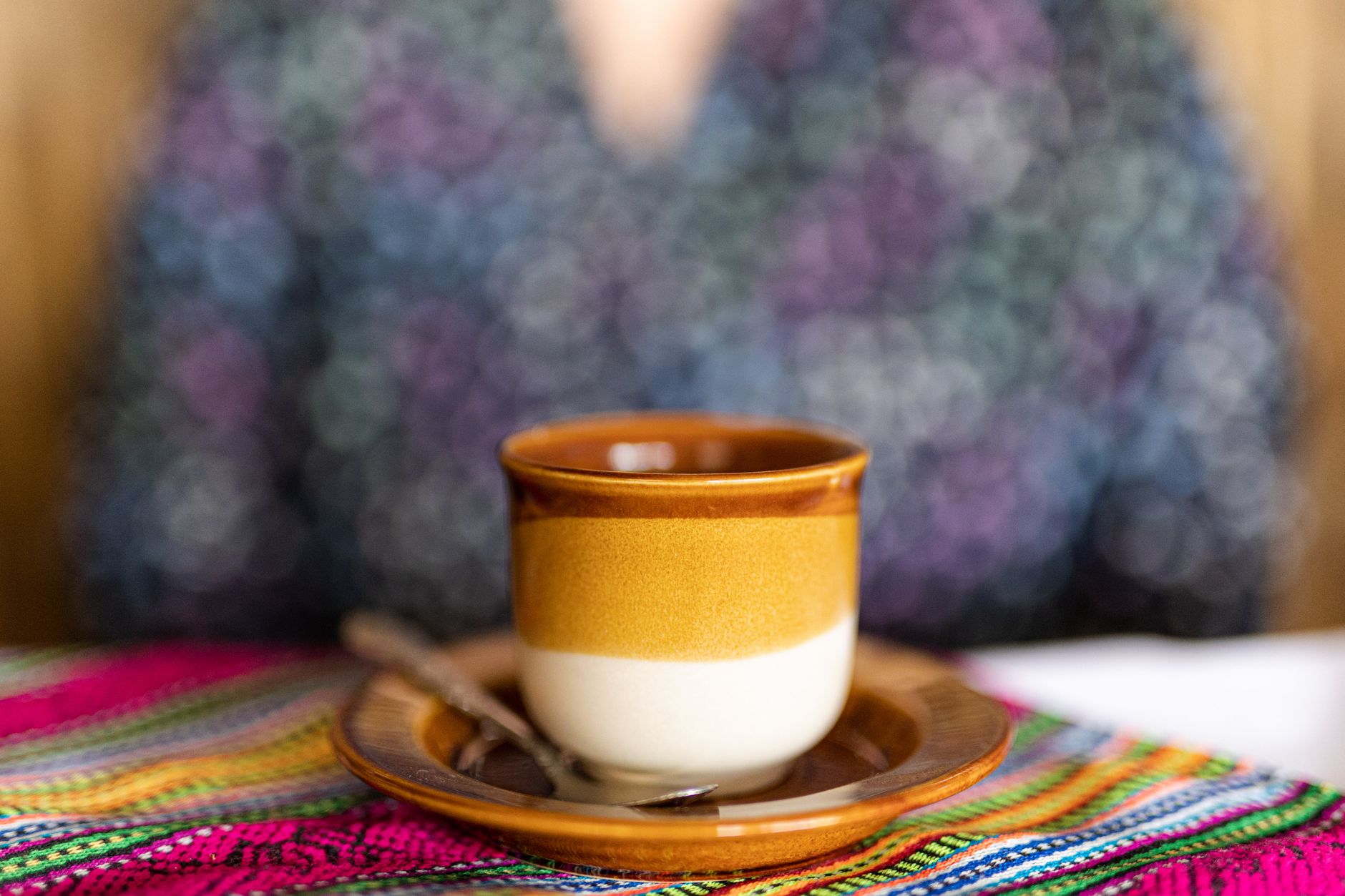 Photo: K via Pexels
Colada
A large portion (4–6 oz) of cafecito poured into a styrofoam cup with 4–6 small plastic cups alongside. You pass the small cups around — a colada is a social drink, meant to be shared with coworkers or friends.
Café con Leche
A full 6–8 oz of hot milk with a single cafecito poured in. The Cuban breakfast drink. Often served with buttered Cuban bread (pan cubano) for dipping.
→ See also:
- How to Brew Coffee at Home: Complete Method Guide
- French Press Coffee: Complete Brewing Guide (Ratios + Technique)
- French Press Coffee-to-Water Ratio Calculator
FAQ
What coffee is used for Cuban coffee? Traditional Cuban coffee uses a very dark, finely ground espresso roast — Café Bustelo and Café Pilon are the most widely available authentic options. Both are pre-ground for espresso and available at most grocery stores. A darker roast stands up to the sweetness without tasting washed out.
Can I make Cuban coffee without a moka pot? Yes. An espresso machine produces a higher-pressure shot that makes an even better espumita. An AeroPress can work with a fine grind and high water temperature. What doesn’t work well: drip machines or a French press, since the extraction pressure and concentration aren’t sufficient to support the sugar-whipping technique.
Why won’t my espumita foam up properly? Two common reasons: the first drops cooled before you started whipping, or you used too little sugar. The espumita reaction needs heat and enough sugar to aerate. Use at least 1 teaspoon per ounce of espresso, intercept the drops immediately, and whip continuously for at least 60 seconds.
How much caffeine is in a Cuban coffee? A double-shot cafecito contains roughly 120–150 mg of caffeine — similar to a standard double espresso. The sugar doesn’t affect caffeine content. A colada (4–6 oz of cafecito) shared among four people delivers about 30–40 mg each, roughly equivalent to a weak cup of tea.
Is Cuban coffee stronger than regular espresso? In terms of caffeine and concentration, it’s comparable to a standard double espresso. The perception of strength is different — the espumita sweetness softens the bitter edge and makes the drink taste more approachable, while the syrupy texture makes it feel more intense. It’s the same coffee, fundamentally transformed by technique.
Editorial methodology: Assessments are based on manufacturer specifications, published user reviews, and editorial research. Physical hands-on testing is noted explicitly where it occurred. Rankings reflect our editorial judgment and are not influenced by affiliate commission rates. Full editorial policy · Affiliate disclosure