Contents
Cowboy Coffee Recipe: Simple Campfire Coffee Method
TL;DR: The cowboy coffee recipe is coarse ground coffee simmered directly in water — no filter, no gear, no fuss. Bring water to a boil, add grounds, steep 4 minutes, settle the grounds with cold water, and pour slowly. It’s the oldest brewing method still worth knowing.
What Is Cowboy Coffee?
The short answer: it’s boiled coffee, strained by patience. Grounds go straight into hot water, steep, then sink. No paper filter, no French press mesh, no equipment beyond a pot and a fire. The method predates every brewing device you own and still produces a drinkable, even enjoyable cup when done right.
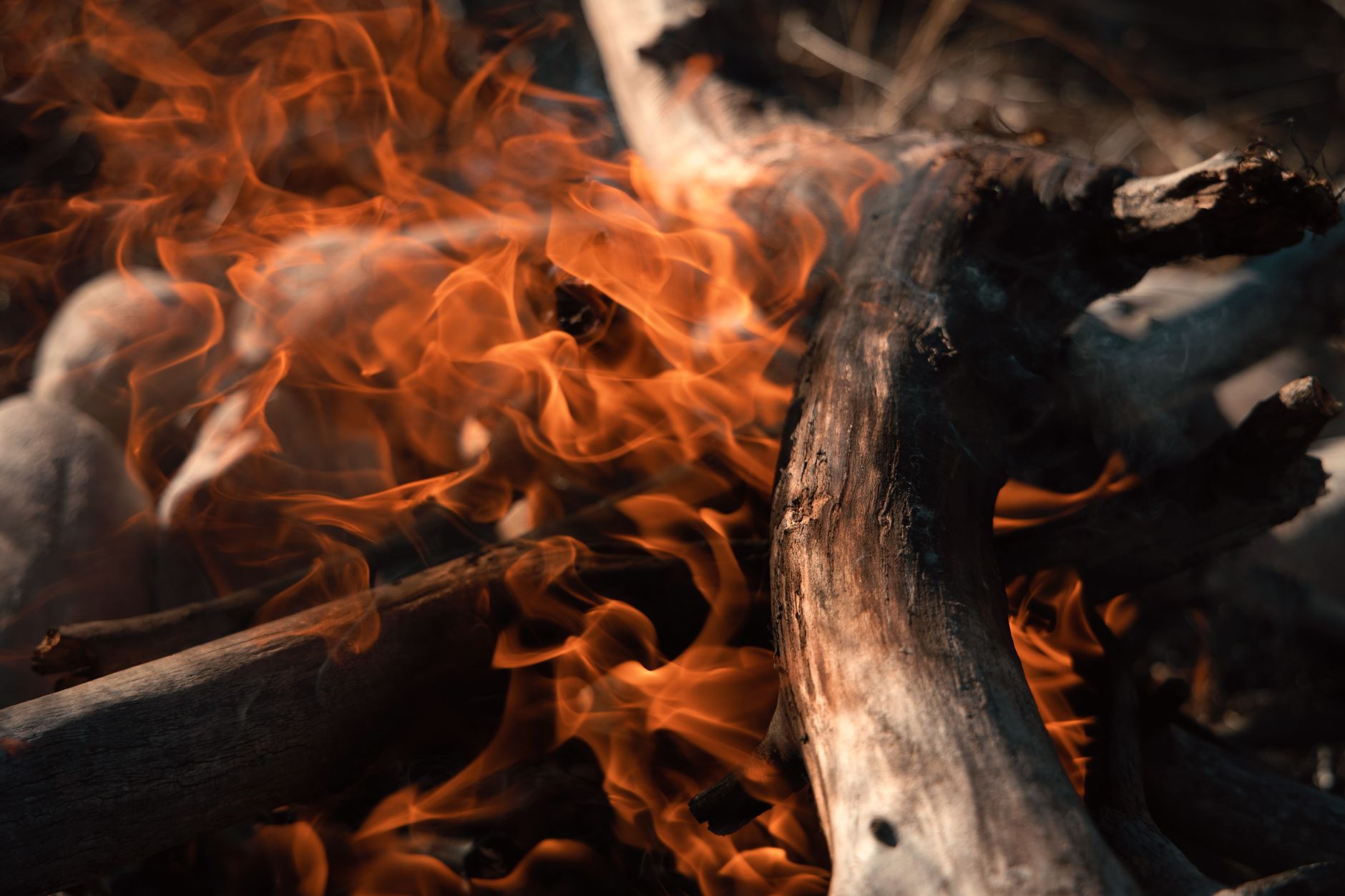 Photo: Choice via Pexels
The real skill in a cowboy coffee recipe is controlling three things: grind size, temperature, and pouring technique. Get those right and you avoid the two failure modes — sludge in the cup and over-extracted bitterness.
Cowboy Coffee Recipe: Ratios and Method
Use 2 tablespoons (10–12g) of coarsely ground coffee per 8 oz (237ml) of water. That’s a 1:16 to 1:20 ratio by weight — slightly weaker than French press. The coarse grind and full immersion extraction balance each other out.
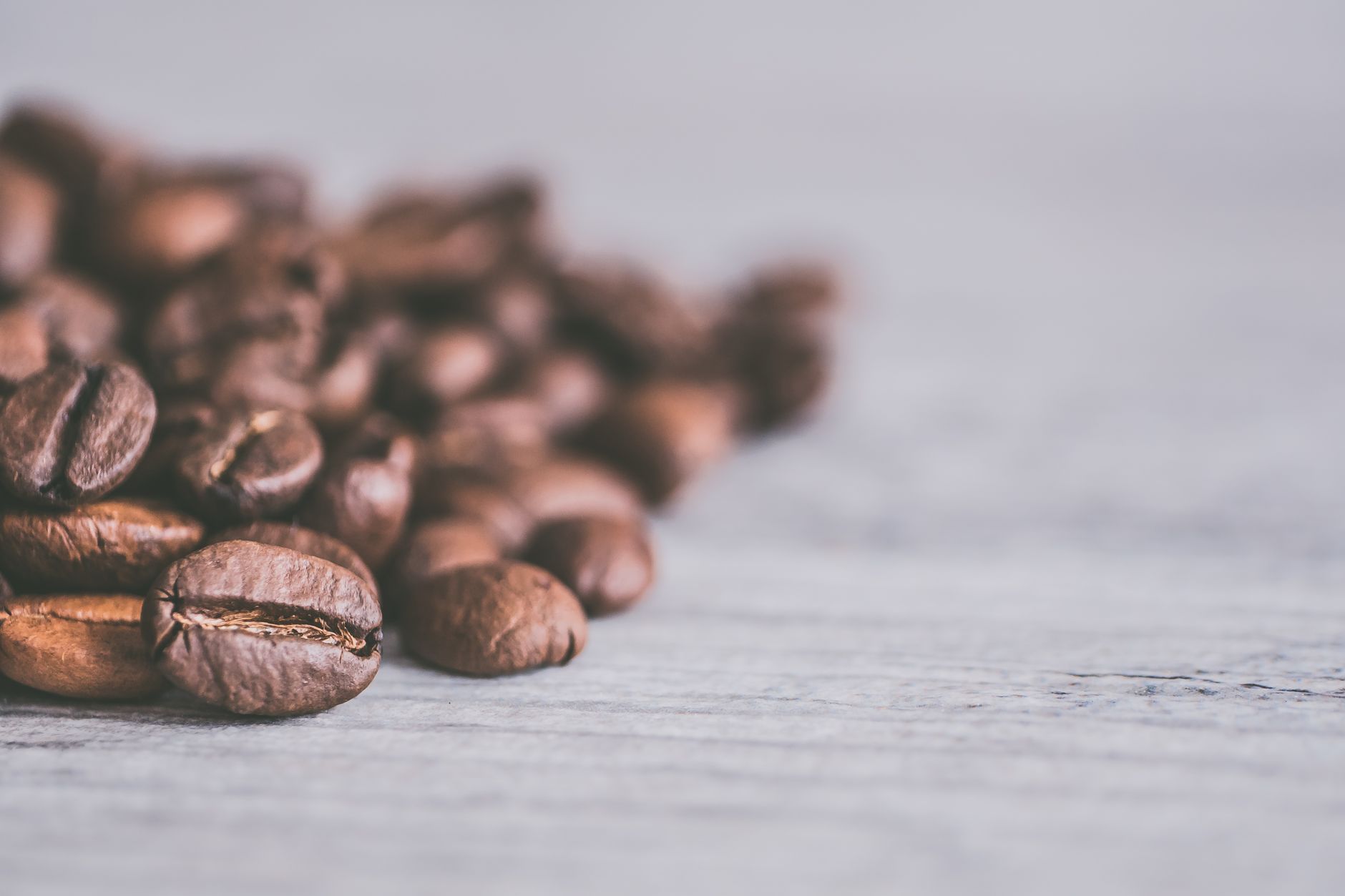 Photo: Jessica Lewis 🦋 thepaintedsquare via Pexels
Gear You Actually Need
- Campfire pot, enamel percolator, or any heatproof vessel
- Coarse ground coffee (grind setting: slightly coarser than French press)
- Cold water — a splash reserved for settling grounds
- Heat source
A camp kettle with a pouring spout makes serving easier, but it’s not required.
Step-by-Step Instructions
- Heat water to ~93°C (200°F). If you don’t have a thermometer, bring to a full boil then pull off heat for 30 seconds.
- Add coffee grounds. 2 tbsp per 8 oz, directly into the pot. Stir once to saturate all grounds.
- Steep 4 minutes. Off direct heat, or on very low. Don’t boil after adding grounds — prolonged boiling extracts harsh, bitter compounds.
- Splash with cold water. Pour ¼ cup of cold water down the side of the pot. This drops the temperature and causes grounds to sink.
- Wait 30 seconds. Let the grounds settle completely to the bottom.
- Pour slowly and low. Hold the pot close to the cup, pour in a thin, controlled stream. Stop before the last inch of liquid — that’s where the sludge lives.
Brewing Parameters
| Parameter | Target |
|---|---|
| Dose | 10–12g per 8 oz |
| Yield | 7–7.5 oz (leave grounds behind) |
| Ratio | 1:16 to 1:20 |
| Steep time | 4 minutes |
| Temperature | 93°C / 200°F (30s off boil) |
| Grind | Coarse — French press or coarser |
Troubleshooting
| Symptom | Likely Cause | Fix |
|---|---|---|
| Grounds in the cup | Poured too fast or grind too fine | Coarsen grind; pour slower; cold water settle first |
| Bitter, harsh taste | Water too hot or steeped too long | Pull off heat at boil; keep steep to 4 min max |
| Weak, flat flavor | Grind too coarse or ratio too low | Use 2 tbsp per 8 oz; try slightly finer grind |
| Cloudy, muddy cup | Boiled after adding grounds | Add grounds after pulling from heat |
| Sludge at bottom of cup | Normal with this method | Leave the last 10% in the pot |
Grind Size Matters More Than You Think
 Photo: https://kaboompics.com/ via Pexels
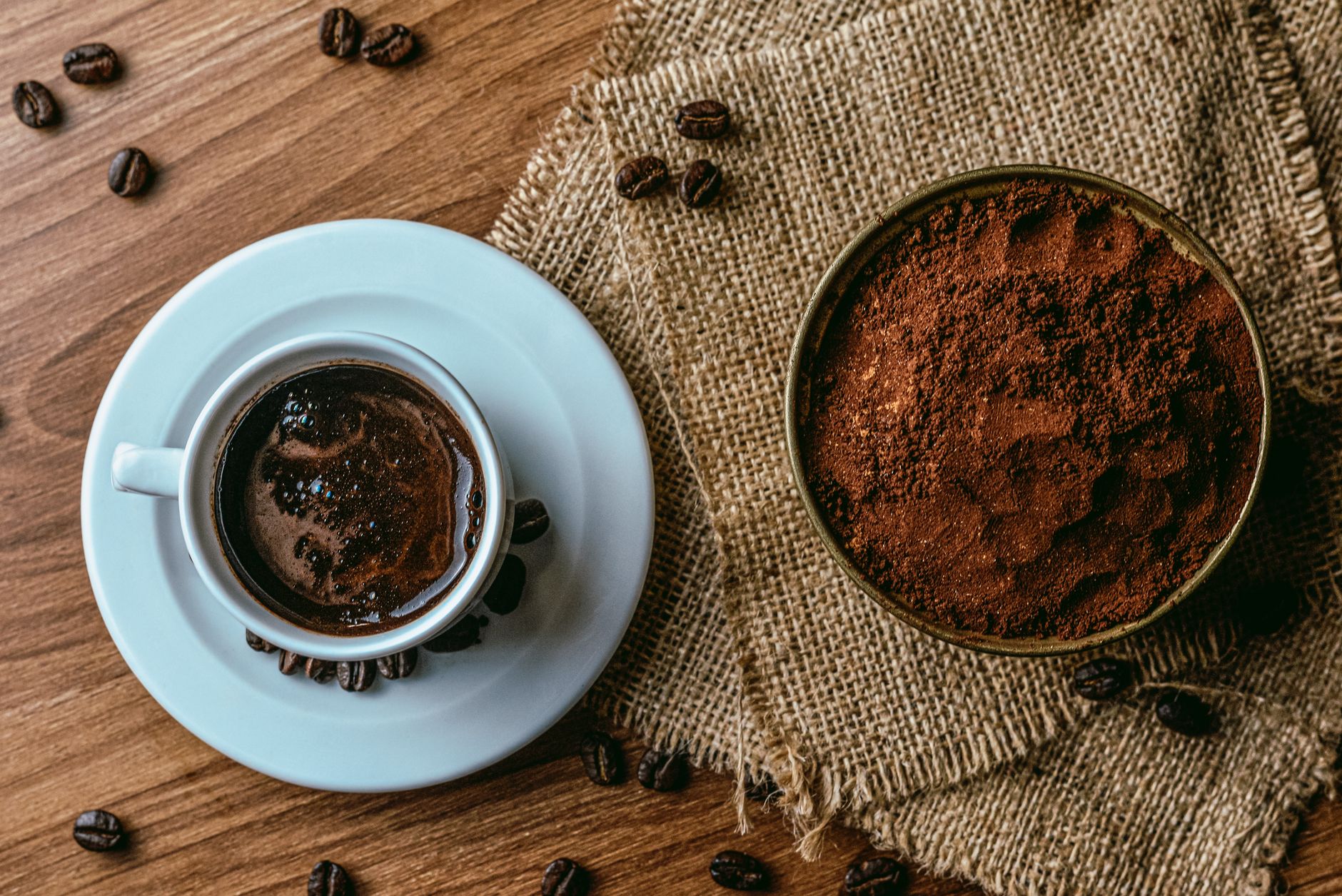
For a cowboy coffee recipe, grind coarser than French press — think breadcrumb texture, not sand. Finer grinds don’t settle cleanly, end up in your cup, and over-extract fast in the full-immersion, no-filter environment.
If you’re grinding at camp, a hand grinder like the 1Zpresso JX-Pro
| Grind Size | Result |
|---|---|
| Espresso fine | Undrinkable sludge |
| Drip medium | Sediment-heavy, bitter |
| French press | Acceptable, some sediment |
| Cowboy coarse | Clean cup, minimal sediment |
| Too coarse | Weak, underdeveloped |
Can You Make Good Coffee Without Any Gear?
Yes — with caveats. Cowboy coffee won’t match a dialed-in pour-over. But with the right ratio, coarse grind, and pouring control, it produces a full-bodied, satisfying cup. The method shines with medium-dark roasts where the heavier body masks minor sediment and the flavors hold up to full immersion.
If you’re camping and want a cleaner cup without paper filters, a French press travel mug is the step up — same immersion logic, mechanical separation instead of gravity.
→ See also:
- How to Brew Coffee at Home: Complete Method Guide
- French Press Coffee: Complete Brewing Guide (Ratios + Technique)
- French Press Coffee-to-Water Ratio Calculator
FAQ
Can you make cowboy coffee without boiling the water? Yes — hot water works, but grounds need at least 90°C to extract properly. If your fire is weak, steep longer (5–6 minutes) and use a slightly finer grind to compensate. Truly cold or warm water gives you weak, underdeveloped coffee, not cowboy coffee.
How do you keep grounds out of cowboy coffee? Three things work together: coarse grind, cold water splash to sink the grounds, and slow pouring that stops before the last inch of liquid. None of them alone is enough — combine all three.
What coffee beans work best for cowboy coffee? Medium-dark to dark roasts hold up best. The full-immersion method extracts more body and less brightness than filtered methods, which suits roast-forward, chocolatey, or nutty coffees. Light roasts with delicate floral or fruity notes get muddied.
Is cowboy coffee the same as boiled coffee? Essentially yes — both involve adding grounds directly to hot water with no filter. Scandinavian boiled coffee (kokekaffe) follows nearly the same method. The main difference is tradition and the cold-water settling technique used in the cowboy version.
How long should you steep cowboy coffee? 4 minutes is the target. Under 3 minutes produces weak, sour coffee; over 5 minutes risks harsh bitterness as more bitter compounds extract. If your water is slightly below temperature, extend to 4.5 minutes rather than reheating.
Editorial methodology: Assessments are based on manufacturer specifications, published user reviews, and editorial research. Physical hands-on testing is noted explicitly where it occurred. Rankings reflect our editorial judgment and are not influenced by affiliate commission rates. Full editorial policy · Affiliate disclosure