Contents
How to Make Espresso Without a Machine (5 Methods)
TL;DR: You can make espresso without a machine using a Moka pot, AeroPress, hand espresso pump, French press, or syringe method. None produce true 9-bar extraction, but the Moka pot and AeroPress come closest in body and concentration. For espresso-based drinks, a Moka pot or AeroPress with a fine grind is your best bet.
What “Espresso Without a Machine” Actually Means
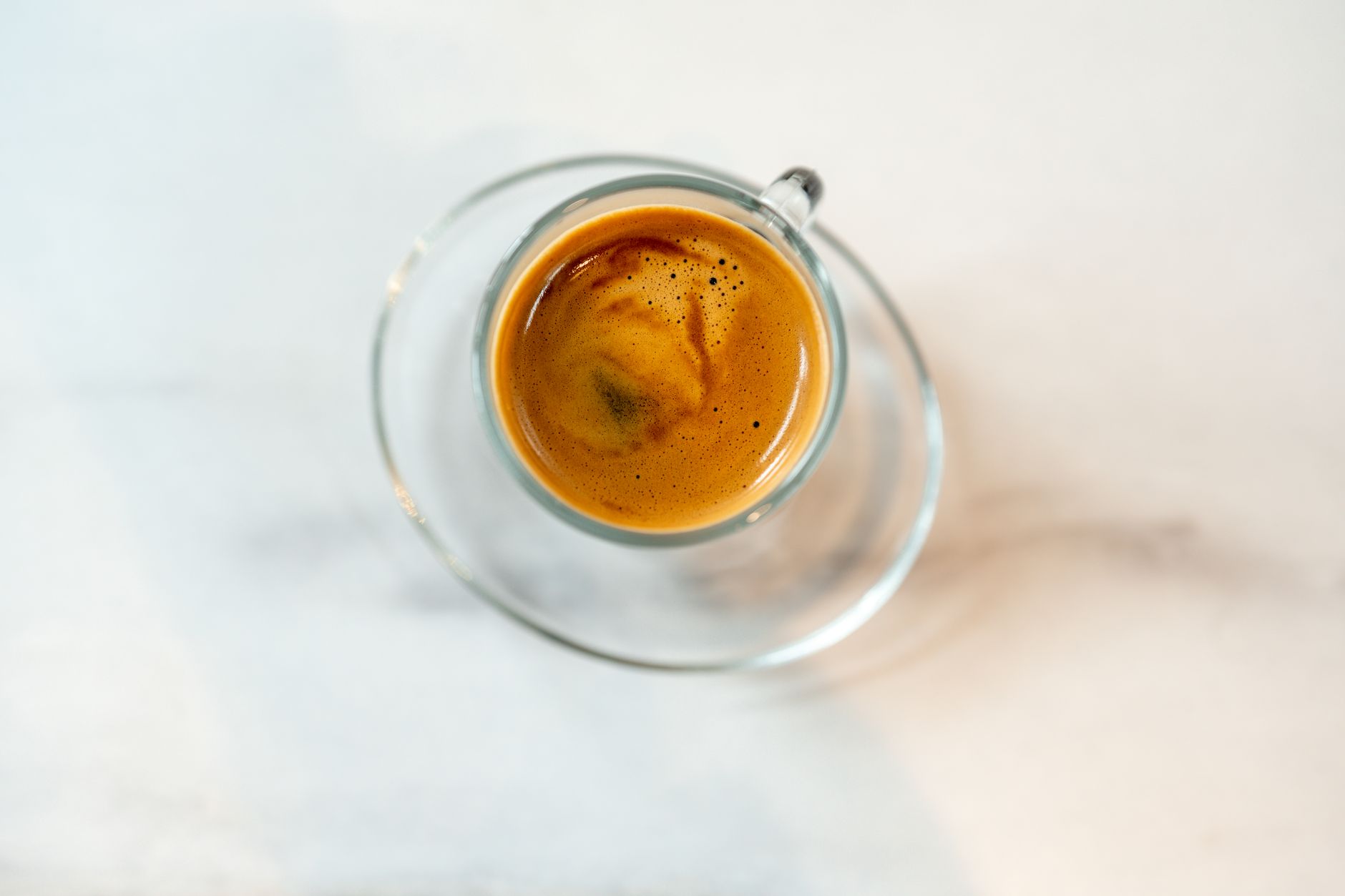
Direct answer: No method here produces true espresso by SCA definition (9 bars of pressure, 25–30 seconds extraction). What you get is espresso-style coffee — concentrated, full-bodied, with crema-like foam in some cases. For lattes, Americanos, and most espresso drinks, the difference is minimal.
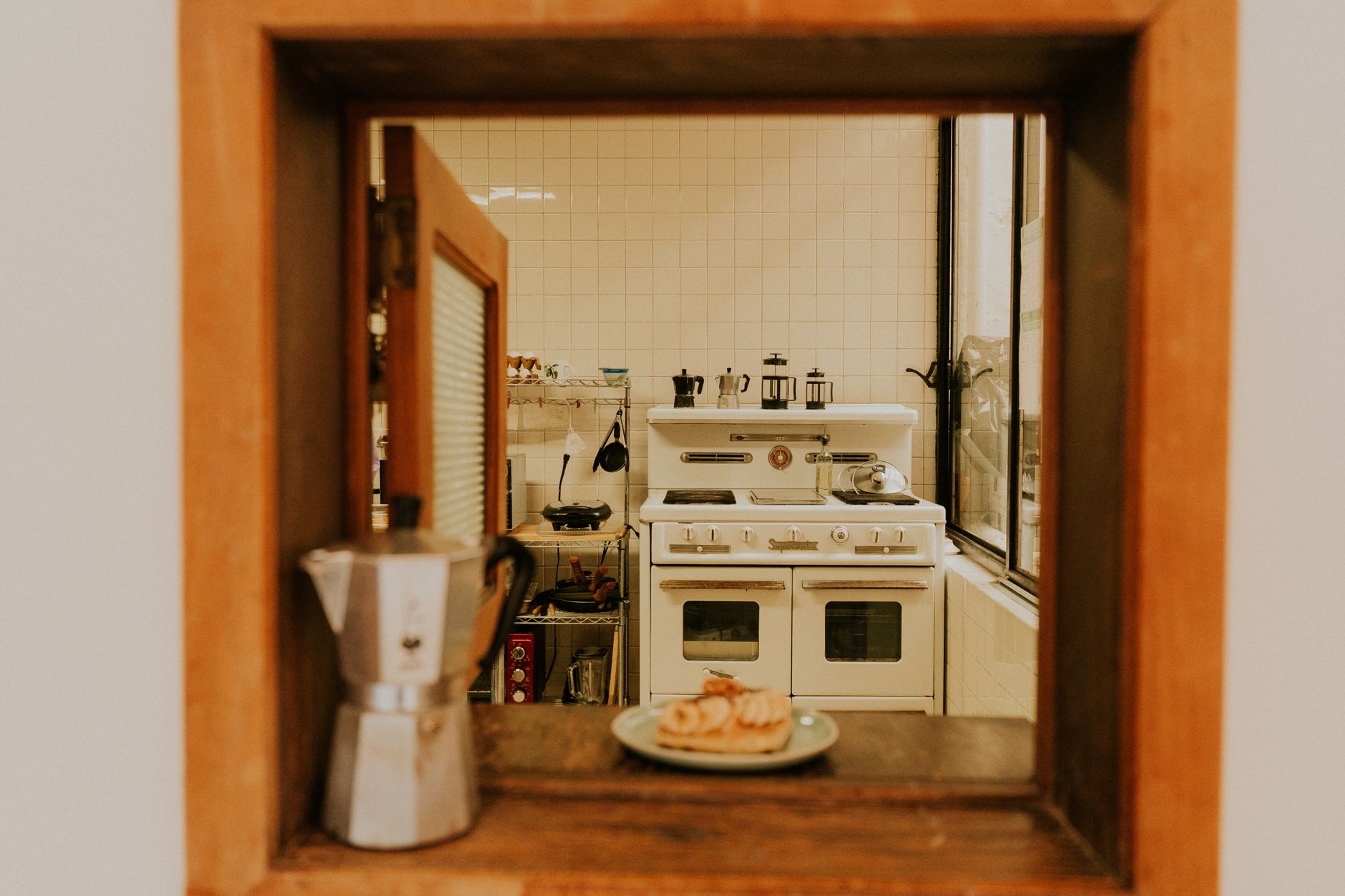 Photo: Amar Preciado via Pexels
True espresso requires 9 bars of pressure. A standard Moka pot produces around 1.5 bars. The AeroPress with a manual pump attachment gets you to roughly 6–8 bars. That gap matters for crema and mouthfeel but not for flavor complexity when your grind and dose are dialed.
What follows are five methods ranked by how close they get to the real thing.
Method 1: Moka Pot (Closest to Espresso at Home)
Direct answer: The Moka pot is the best machine-free espresso substitute for daily use. Grind fine (not espresso-fine — just finer than drip), fill the basket without tamping, and keep heat low-medium. You get a concentrated, bitter-edged brew that pulls milk drinks together perfectly.
 Photo: Ebru DOĞAN via Pexels
Equipment
| Item | Spec |
|---|---|
| Grind size | Fine drip (just coarser than espresso) |
| Dose | Level basket, no compression |
| Water | Just below safety valve, cold or room temp |
| Heat | Medium-low |
| Yield | ~30–40ml per cup size |
Technique
Fill the lower chamber with cold water up to just below the safety valve. Fill the basket level — do not tamp, unlike real espresso. Screw chambers together firmly, place on medium-low heat. Remove from heat the moment you hear the coffee begin to sputter and gurgle. That gurgle means you’re drawing steam rather than hot water, which over-extracts and turns the brew acrid.
The most common mistake: high heat. It rushes extraction and makes Moka pot coffee bitter. Low and slow is the fix.
Products:
- Bialetti Moka Express — the reference point, 3-cup for single servings
- Bialetti Brikka — pressure valve that produces genuine crema
Troubleshooting
| Symptom | Likely Cause | Fix |
|---|---|---|
| Bitter, thin brew | Heat too high | Drop to medium-low; use cold start water |
| Weak, under-extracted | Grind too coarse or dose too low | Grind finer; level fill the basket |
| Coffee spurting | Basket overfilled or gasket worn | Level dose; replace rubber gasket |
| No flow | Too fine grind or tamped puck | Coarsen grind; never tamp |
Method 2: AeroPress with Hand Pump (Best Pressure Short of a Machine)
Direct answer: An AeroPress with a Prismo attachment or Fellow Prismo pressure cap reaches 4–6 bars manually. Combined with a fine grind and inverted brew method, it produces a shot that fools most palates in milk drinks. It’s the best option if you want to experiment with dial-in.
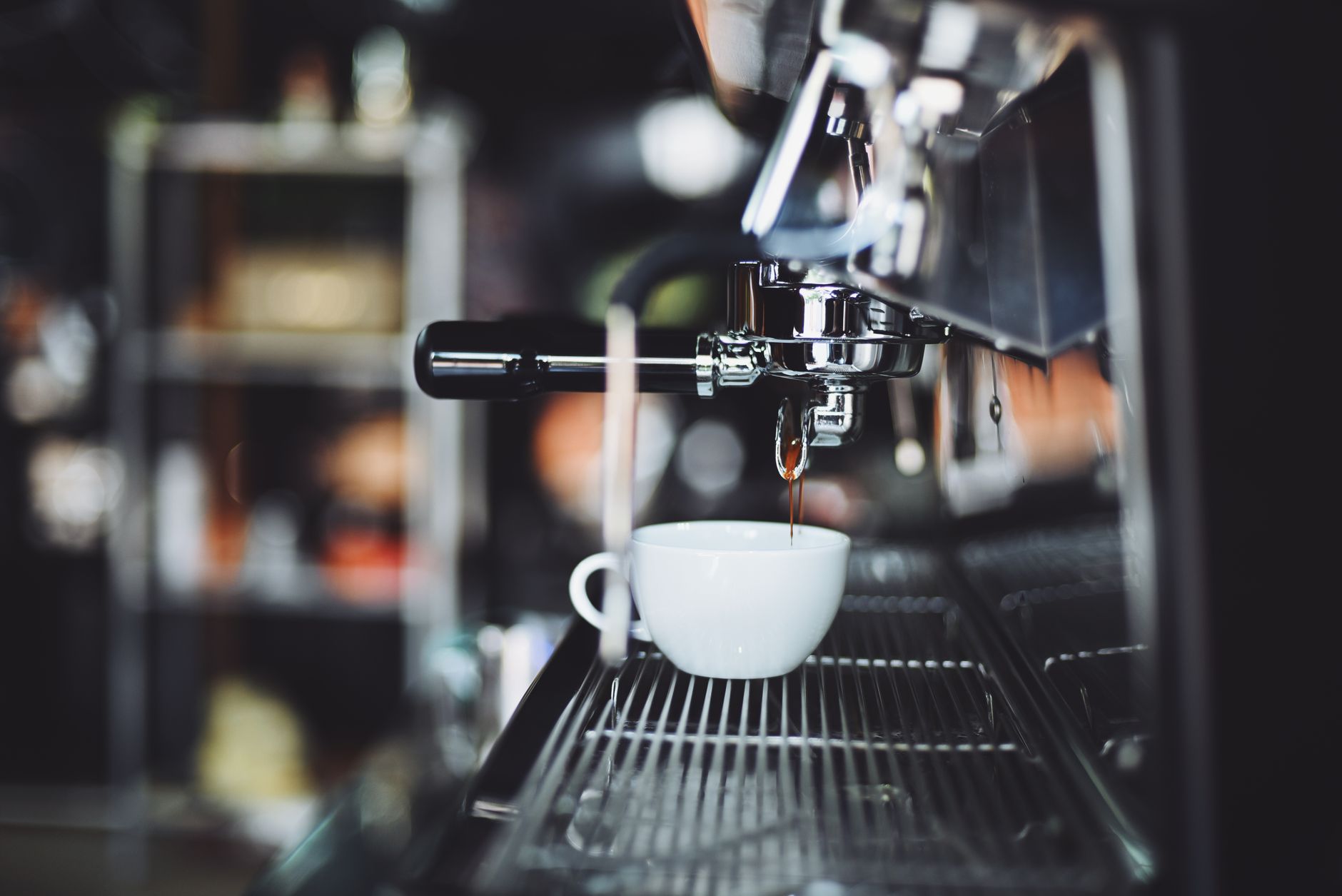 Photo: Chevanon Photography via Pexels
Extraction Parameters
| Parameter | Value |
|---|---|
| Dose | 18–20g |
| Yield | 40–50ml |
| Ratio | 1:2.2 |
| Time | 25–35 seconds press |
| Temperature | 93–96°C |
| Pressure | 4–8 bars (manual press) |
Puck Prep & Technique
Use the inverted method: flip the AeroPress, add grounds, pour 40ml of water at 94°C, stir once, wait 20 seconds. Cap with a fine metal filter (paper filters reduce body significantly here), flip onto your mug, and press steadily for 25–30 seconds. The resistance should feel like pressing through firm butter — if it’s easy, grind finer; if it’s nearly impossible, coarsen slightly.
WDT equivalent: Stir the slurry gently before capping. It breaks up clumps the same way distribution tools do in a portafilter.
Pre-infusion equivalent: The 20-second bloom step serves this function — grounds saturate evenly before full pressure is applied.
The Fellow Prismo attachment adds a pressure-actuated valve that prevents drip-through during bloom and increases back-pressure during the press, producing genuine crema.
Troubleshooting
| Symptom | Likely Cause | Fix |
|---|---|---|
| Sour, thin shot | Under-extracted (too fast press) | Grind finer; slow the press to 30s |
| Bitter, ashy | Over-extracted | Coarsen grind or shorten bloom time |
| No crema | Paper filter; low pressure | Switch to metal filter; press faster |
| Grounds in cup | Filter bypassed | Check filter seated; use double paper filter |
Method 3: Portable Hand Pump Espresso Maker
Direct answer: Devices like the Wacaco Minipresso or Nanopresso generate 8–18 bars through manual pumping. They produce real crema and extract like a proper espresso machine. They’re not “without equipment” — but they’re machine-free in the wall-plug sense.
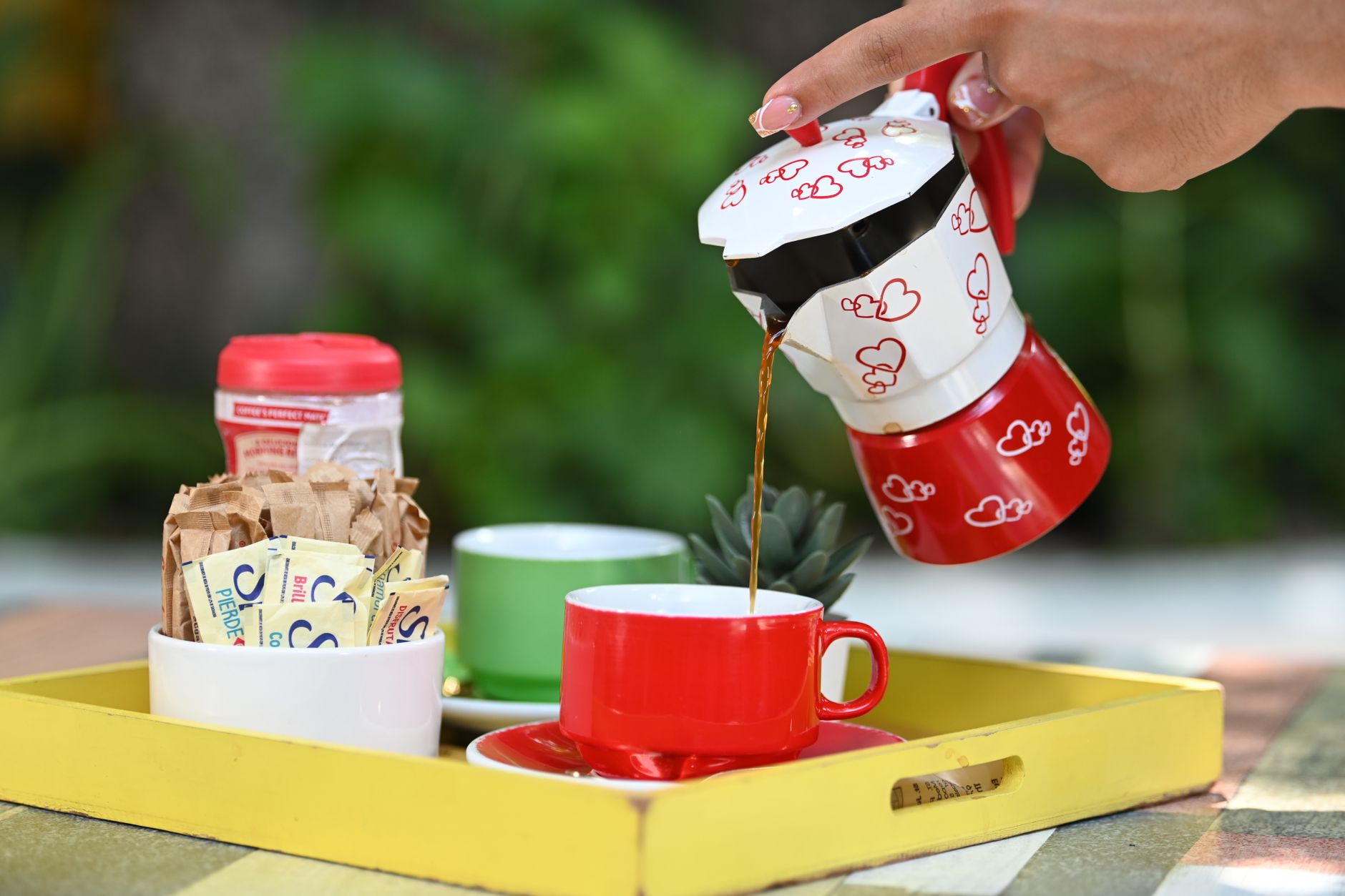 Photo: Alberto Guzman via Pexels
The Wacaco Nanopresso generates up to 18 bars with consistent pumping — genuinely higher than most home espresso machines. Grind as fine as you would for an espresso machine. Dose 8g into the basket, tamp lightly (not full 30lbs pressure), add 45ml of 88°C water to the chamber, and pump rhythmically for 15–20 strokes.
The Picopresso takes a full 18g dose and targets specialty-grade extractions with VST-style baskets.
| Device | Max Bar | Dose | Best For |
|---|---|---|---|
| Nanopresso | 18 | 8g | Single shots, travel |
| Picopresso | 9 | 18g | Specialty, dialing in |
| Minipresso GR | 8 | 8g | Budget, backpacking |
Method 4: French Press Concentrated Brew
Direct answer: A French press can’t produce espresso — no pressure, no crema. But a concentrated French press brew (1:5 ratio, fine grind, 4-minute steep) produces a full-bodied base that works in lattes and Americanos when you want volume without equipment.
Use 20g of coffee to 100ml of water. Grind just finer than your normal French press setting. Pour at 94°C, stir once, press at 4 minutes. The result lacks espresso’s clarity and crema but has body that thins gracefully with steamed milk or hot water.
This is the weakest espresso substitute on this list — include it only if it’s the only option available.
Method 5: Syringe / Pressure Chamber Method (DIY)
Direct answer: Using a large medical syringe or dedicated pressure chamber to force hot water through a packed coffee puck generates 2–3 bars manually. It’s a curiosity more than a method — results vary widely, and the Moka pot or AeroPress do the same job better.
Pack 7g of fine-ground coffee into a small mesh filter or improvised portafilter, place over a preheated cup, load a 60ml syringe with 90°C water, and push steadily. The resistance of the packed grounds limits flow to approximately 25–30 seconds for 30ml — which is the correct extraction window. A kitchen syringe kit works here in a pinch.
Results are inconsistent because puck preparation is impossible to standardize without a proper basket and tamper. Treat this as a party trick.
Comparison: All 5 Methods
| Method | Pressure | Crema | Grind | Difficulty | Best For |
|---|---|---|---|---|---|
| Moka Pot | ~1.5 bar | Minimal | Fine drip | Easy | Daily use, milk drinks |
| AeroPress + Prismo | 4–8 bar | Light | Espresso | Medium | Experimenting, travel |
| Hand Pump (Nanopresso) | 8–18 bar | Yes | Espresso | Medium | Travel, real espresso |
| French Press | 0 | None | Fine drip | Easy | Last resort |
| Syringe | 2–3 bar | None | Fine espresso | Hard | Curiosity only |
→ See also
- How to Dial In Espresso: Step-by-Step Decision Tree
- Espresso Extraction Explained: Under, Over, and Perfect
- How to Tamp Espresso Correctly (Pressure, Technique, Tools)
FAQ
Can you make real espresso without a machine? No — real espresso by SCA definition requires 9 bars of pressure sustained for 25–30 seconds, which only an electric pump machine delivers reliably. What you can make are high-quality espresso-style concentrates that function identically in milk drinks and Americanos. For black shots taken alone, the difference is noticeable.
Which machine-free method produces the best crema? The Wacaco Nanopresso and Picopresso produce genuine crema because they reach 8–18 bars of pressure. The AeroPress with a Fellow Prismo produces a light, short-lived foam. Moka pots produce minimal surface emulsion that’s often mistaken for crema but dissipates immediately.
What grind size should I use for AeroPress espresso? Grind at the fine end of your espresso range — finer than drip, coarser than Turkish. On a Comandante C40
Can I make a latte or cappuccino without an espresso machine? Yes. A Moka pot or AeroPress shot as your base, combined with milk frothed in a French press (pump the plunger 30 times on warm milk) or a handheld frother, produces a credible latte. The shot won’t have espresso’s full body, but the milk integration hides the gap.
Is a Moka pot espresso or just strong coffee? Moka pot brew is strong coffee, not espresso — it lacks the pressure needed for emulsification and true crema. The flavor profile overlaps significantly (dark, concentrated, slightly bitter), which is why it’s been used as an espresso substitute in Italian households for nearly a century. For practical purposes in drinks, the distinction rarely matters.
Editorial methodology: Assessments are based on manufacturer specifications, published user reviews, and editorial research. Physical hands-on testing is noted explicitly where it occurred. Rankings reflect our editorial judgment and are not influenced by affiliate commission rates. Full editorial policy · Affiliate disclosure