Contents
Grind Size for Pour Over: Medium or Medium-Fine?
TL;DR: The ideal grind size for pour over coffee is medium-fine — roughly the texture of table salt. A pure medium grind works but often under-extracts; dialing finer, without going to espresso territory, gives cleaner extraction and better clarity in the cup. Most pour overs land between 15–20 on a Comandante or 18–22 on a 1Zpresso JX Pro.
What Grind Size Does Pour Over Actually Need?
Direct Answer: Aim for medium-fine — coarser than espresso, finer than French press. The target is around 600–800 microns. This range balances extraction time (3–4 minutes total) with flow rate, giving you full flavor development without over- or under-extraction. True medium (1000+ microns) flows too fast and leaves the cup thin.
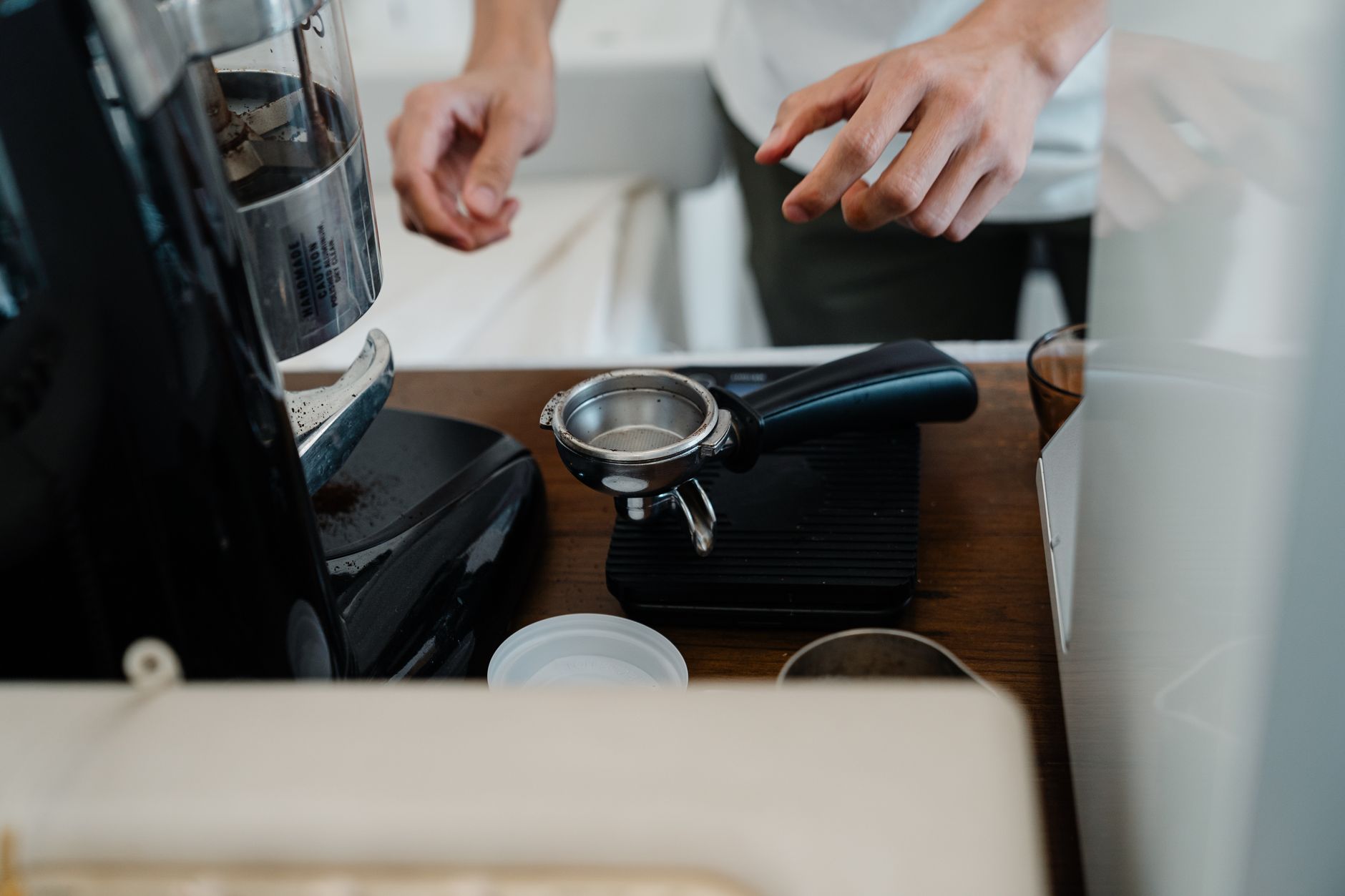
 Photo: Tadeu Gabriel Arcieri via Pexels
The “medium or medium-fine” debate exists because it depends on your dripper. A Hario V60 — with its large open drain — rewards medium-fine because the faster cone needs resistance. A Kalita Wave, with its flat bed and three small holes, can handle slightly coarser because it restricts flow by design.
Use this as your baseline, then adjust by taste:
- Sour, thin, weak? Grind finer.
- Bitter, harsh, overpowering? Grind coarser.
- Channeling or uneven extraction? Check distribution before grind size.
How Grind Size Affects Extraction Rate
Direct Answer: Finer grinds expose more surface area, speeding extraction. Coarser grinds slow it down. For pour over, you’re targeting 18–22% extraction yield at 1.3–1.5% TDS — medium-fine is the range where most single origins hit this window reliably within a 3-minute brew.
 Photo: Emrah via Pexels
Pour over is unforgiving. Unlike immersion methods (French press, AeroPress), water passes through once. If your grind is too coarse, water moves through in under 2 minutes and exits under-extracted. Too fine, it stalls past 5 minutes, pulling harsh bitter compounds.
Extraction by grind setting (V60, 15g dose, 250g water at 93°C):
| Grind Setting | Approx. Brew Time | Typical Result |
|---|---|---|
| Coarse (French press range) | Under 2:00 | Sour, thin, weak |
| Medium | 2:00–2:45 | Decent but flat |
| Medium-fine | 2:45–3:30 | Sweet, balanced, clear |
| Fine (Moka pot range) | 4:00+ | Bitter, astringent |
Grind Settings by Grinder Model
Direct Answer: Grinder click numbers are relative to that model’s burr geometry — there’s no universal “setting 15 = medium-fine.” The table below gives tested starting points for common grinders used with V60 and similar drippers.
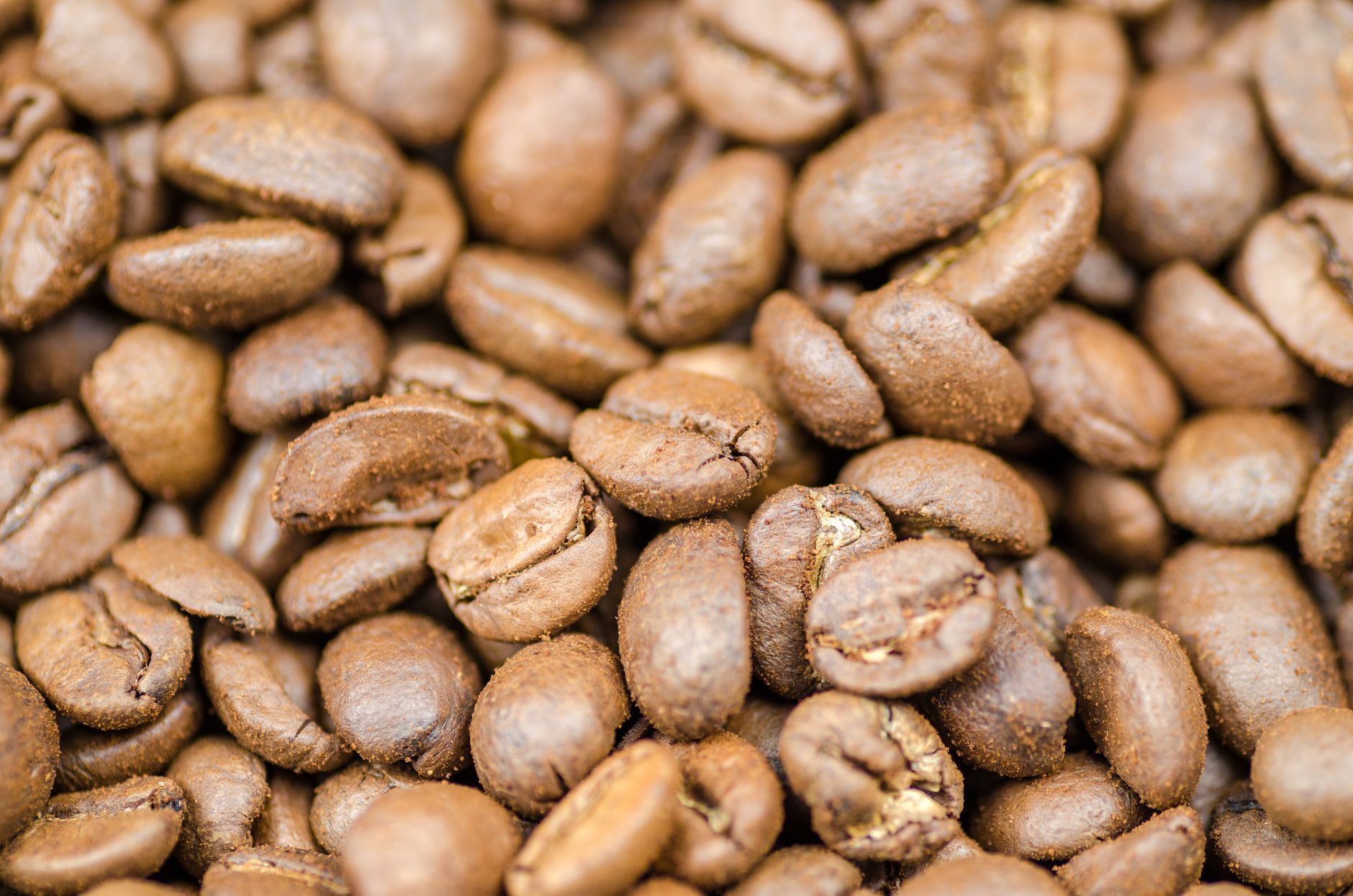
 Photo: COPPERTIST WU via Pexels
Hand Grinders
| Grinder | Pour Over Range | Notes |
|---|---|---|
| Comandante C40 |
Electric Grinders
| Grinder | Pour Over Range | Notes |
|---|---|---|
| Baratza Encore |
Starting points only — coffee density, roast level, and ambient humidity all shift the ideal number. Light roasts typically need 1–2 clicks finer than medium roasts.
Dripper-Specific Adjustments
Direct Answer: Your dripper shape matters as much as grind size. Conical drippers drain faster and need finer grinds; flat-bed drippers are more forgiving. Match the two before chasing brew time.
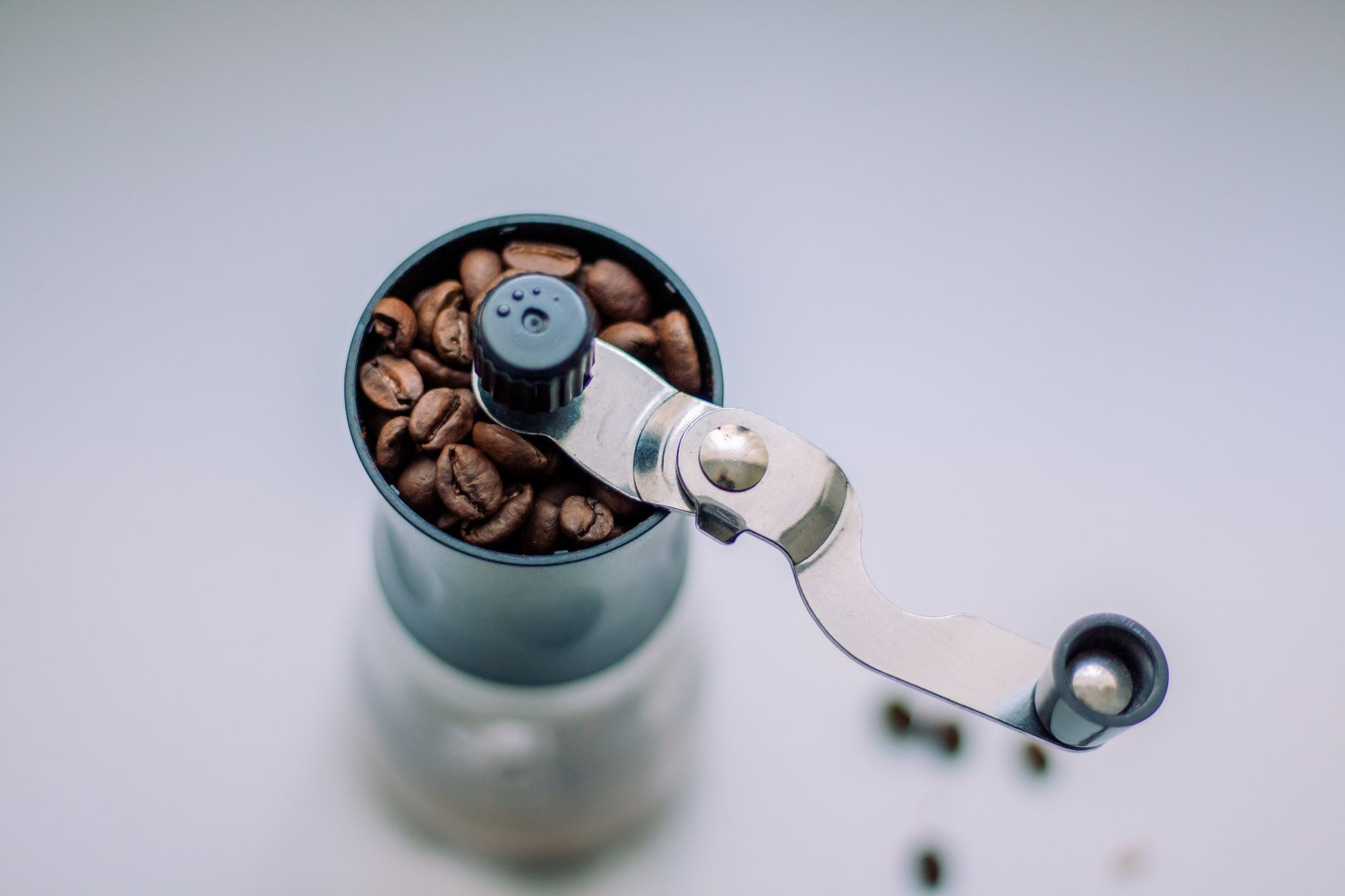
 Photo: Lucas Andrade via Pexels
Conical Drippers (V60, Origami, Chemex)
The open bottom means gravity does most of the work. Grind at the finer end of medium-fine (18–20 Comandante clicks). Bloom 30 seconds, pour in slow controlled pulses. If your drawdown finishes under 2:30 total, go finer.
Flat-Bed Drippers (Kalita Wave, Orea, April)
Three small holes restrict outflow naturally. You can start 1–2 clicks coarser than V60. The flat bed also means more even extraction — so the grind doesn’t have to work as hard to compensate for uneven flow.
Chemex
Thick paper filters add their own resistance. Grind slightly coarser than V60 (medium, not medium-fine) to avoid the 5-minute stall that thick filters can cause with fine grinds.
→ See also:
- The Complete Coffee Grinder Guide (2026)
- Burr vs Blade Grinder: Why It Matters for Your Coffee
- Best Coffee Grinders Under $100 (2026)
FAQ
What happens if I use espresso grind for pour over? The grind is too fine — water can’t flow through the bed and your brew stalls, sometimes indefinitely. If it does complete, the result is bitter and astringent from over-extraction. Espresso grind is 200–400 microns; pour over wants 600–800.
Can I use a blade grinder for pour over? Technically yes, but the inconsistent particle size works against you. Blade grinders produce a wide mix of coarse and fine particles — fines clog the filter while coarse chunks under-extract in the same brew. A burr grinder — even a cheap hand grinder — produces meaningfully better results.
Does roast level change the grind size for pour over? Yes. Light roasts are denser and require a slightly finer grind to hit the same extraction in the same brew time. Dark roasts are more porous and extract faster — go slightly coarser to avoid bitterness. Start at your baseline and adjust by taste.
Why does my pour over taste sour even at medium-fine? Sour flavor in pour over is under-extraction. Check water temperature (should be 91–95°C), bloom time (30 seconds minimum), and pour rate. If those are correct, grind finer in 1–2 click increments until sourness resolves.
Editorial methodology: Assessments are based on manufacturer specifications, published user reviews, and editorial research. Physical hands-on testing is noted explicitly where it occurred. Rankings reflect our editorial judgment and are not influenced by affiliate commission rates. Full editorial policy · Affiliate disclosure