Contents
Grind Size for Espresso: How Fine Is Fine Enough?
TL;DR: Espresso requires a fine grind — finer than drip, coarser than flour — typically 200–400 microns. The right grind size for espresso is the one that produces a 25–30 second extraction at your target dose and yield. Dial in by adjusting grind until your shot runs on time, not by taste alone.
What Grind Size Does Espresso Actually Need?
Espresso needs a fine grind that creates enough resistance for 9 bars of pressure to extract a 1:2 ratio in 25–30 seconds. Too coarse and the shot runs fast and sour; too fine and it chokes or runs bitter. Most espresso falls between 200–400 microns — finer than table salt, coarser than powdered sugar.
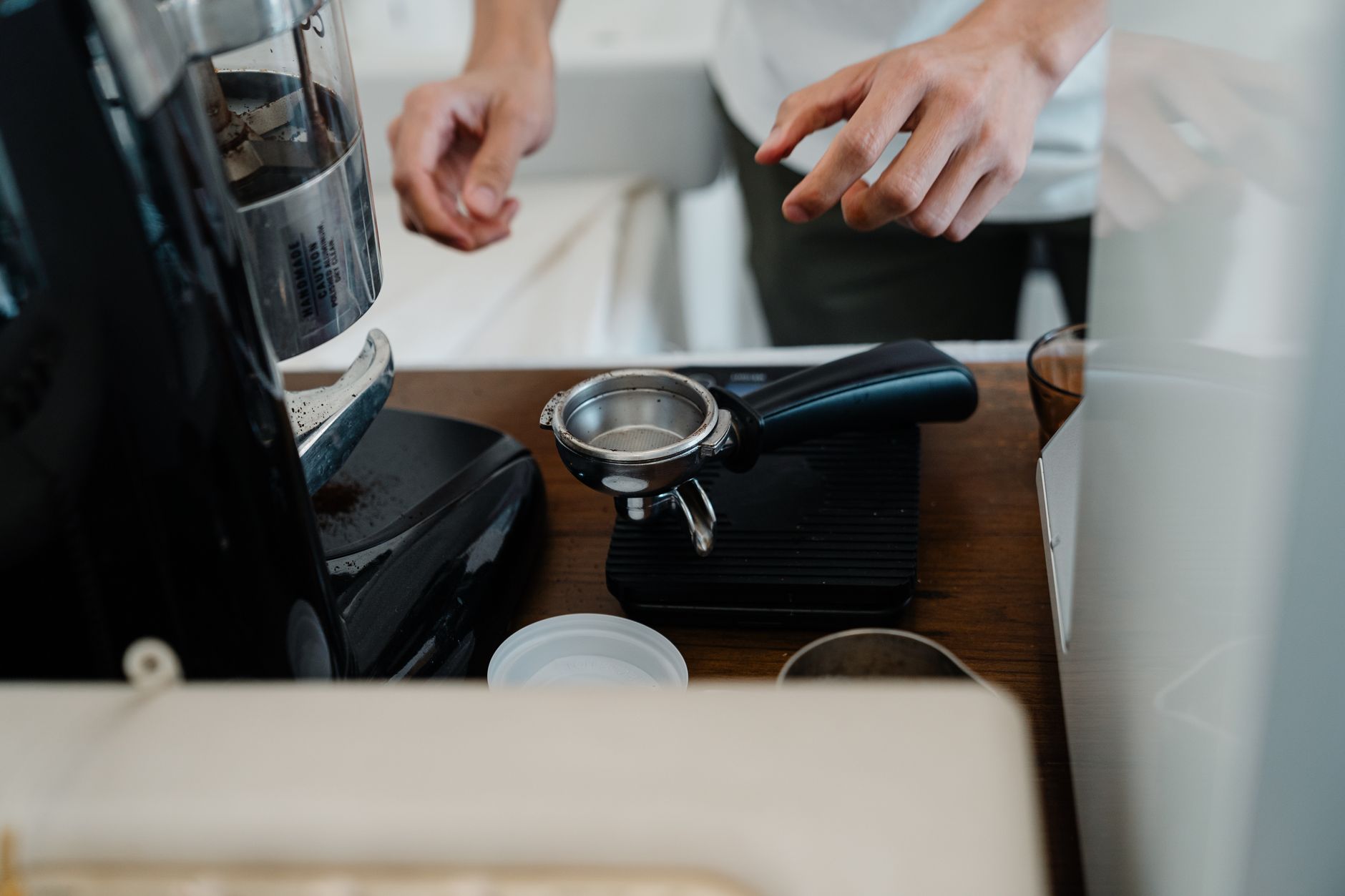
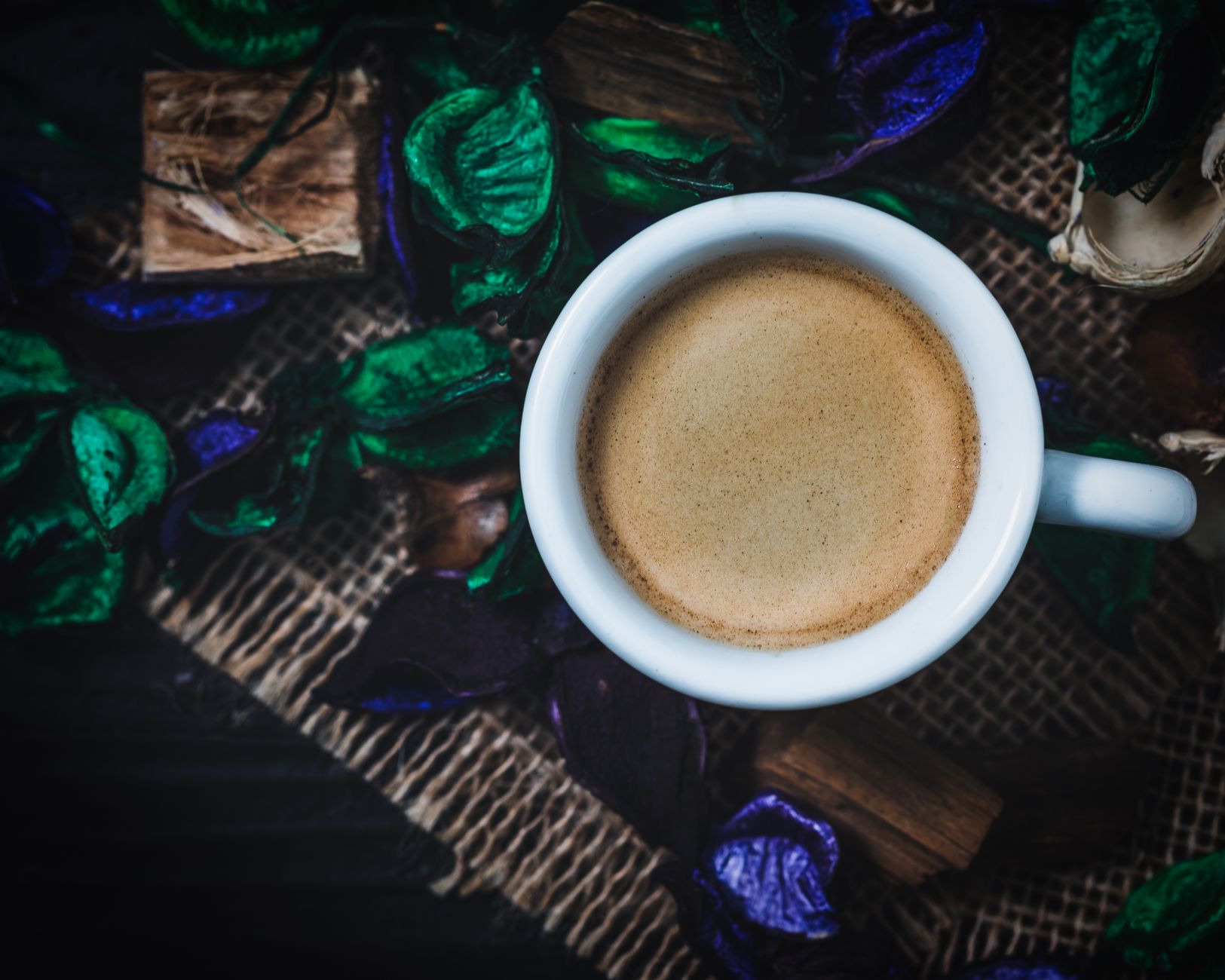 Photo: Mo Hassanein via Pexels
The pressure-driven nature of espresso is what makes grind size so critical. Unlike pour-over or French press, where water moves by gravity or immersion, espresso forces water through a compacted puck at high pressure. The grind creates the resistance that controls flow rate — and flow rate determines extraction.
At 9 bars, water will find the path of least resistance. Too coarse a grind creates large gaps between particles; water channels through in seconds, under-extracting sugars and acids without touching bitterness. The result tastes sour, thin, and hollow. Too fine, and the puck becomes a near-solid barrier — the pump either stalls, produces no flow, or extracts slowly into bitterness and astringency.
The target window is narrow: typically a 25–30 second pull for a 1:2 dose-to-yield ratio (e.g., 18g in, 36g out). Everything else — roast level, water temperature, tamping pressure — is secondary to getting this parameter right.
How to Know If Your Grind Is Right
Judge grind size by extraction time and yield, not by feel or appearance alone. Weigh your dose, weigh your yield, start your timer at first drip. If you hit 36g in 28 seconds from 18g of coffee, your grind is in the ballpark. Adjust in small increments — one click at a time on a quality burr grinder.
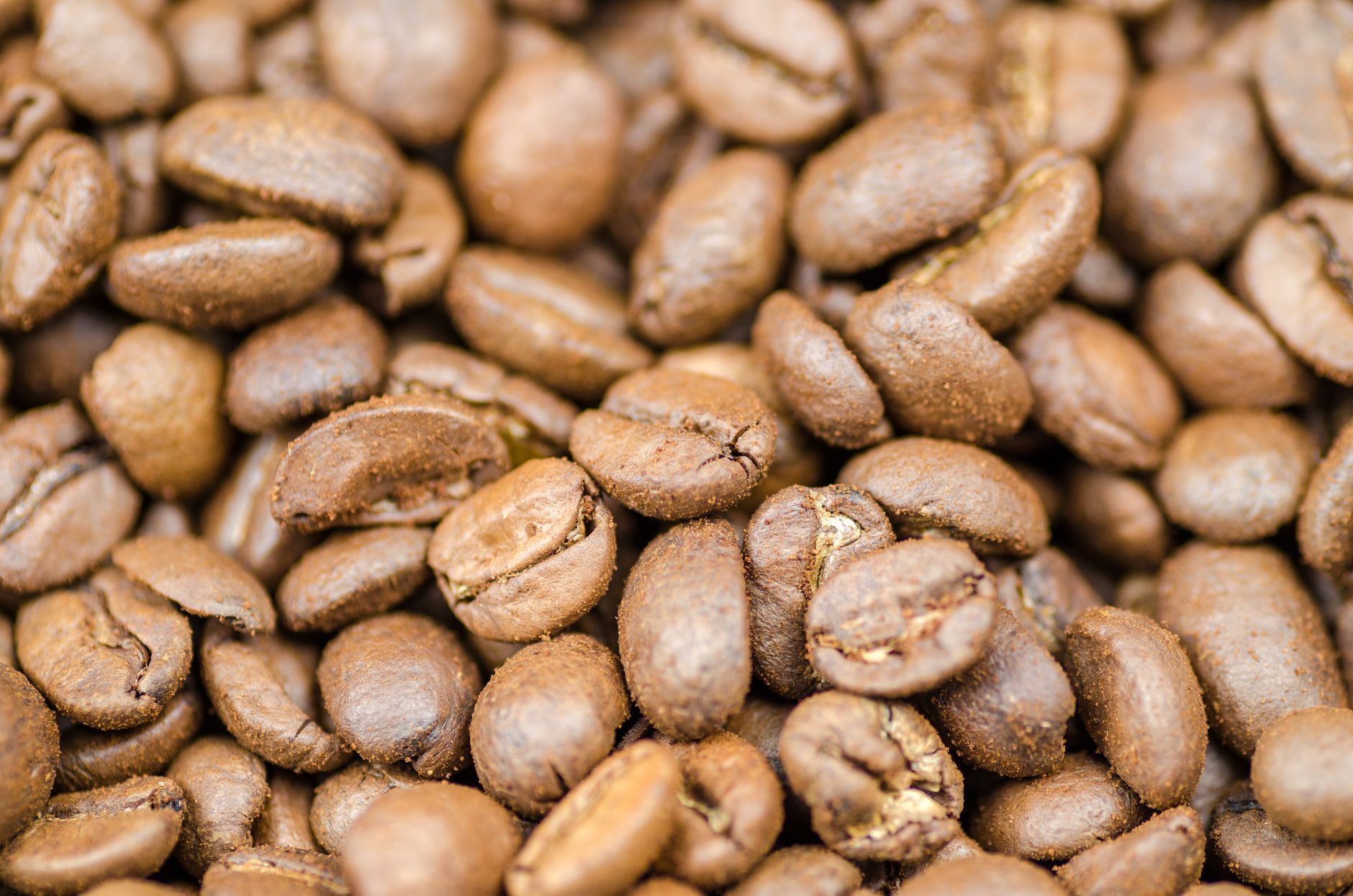
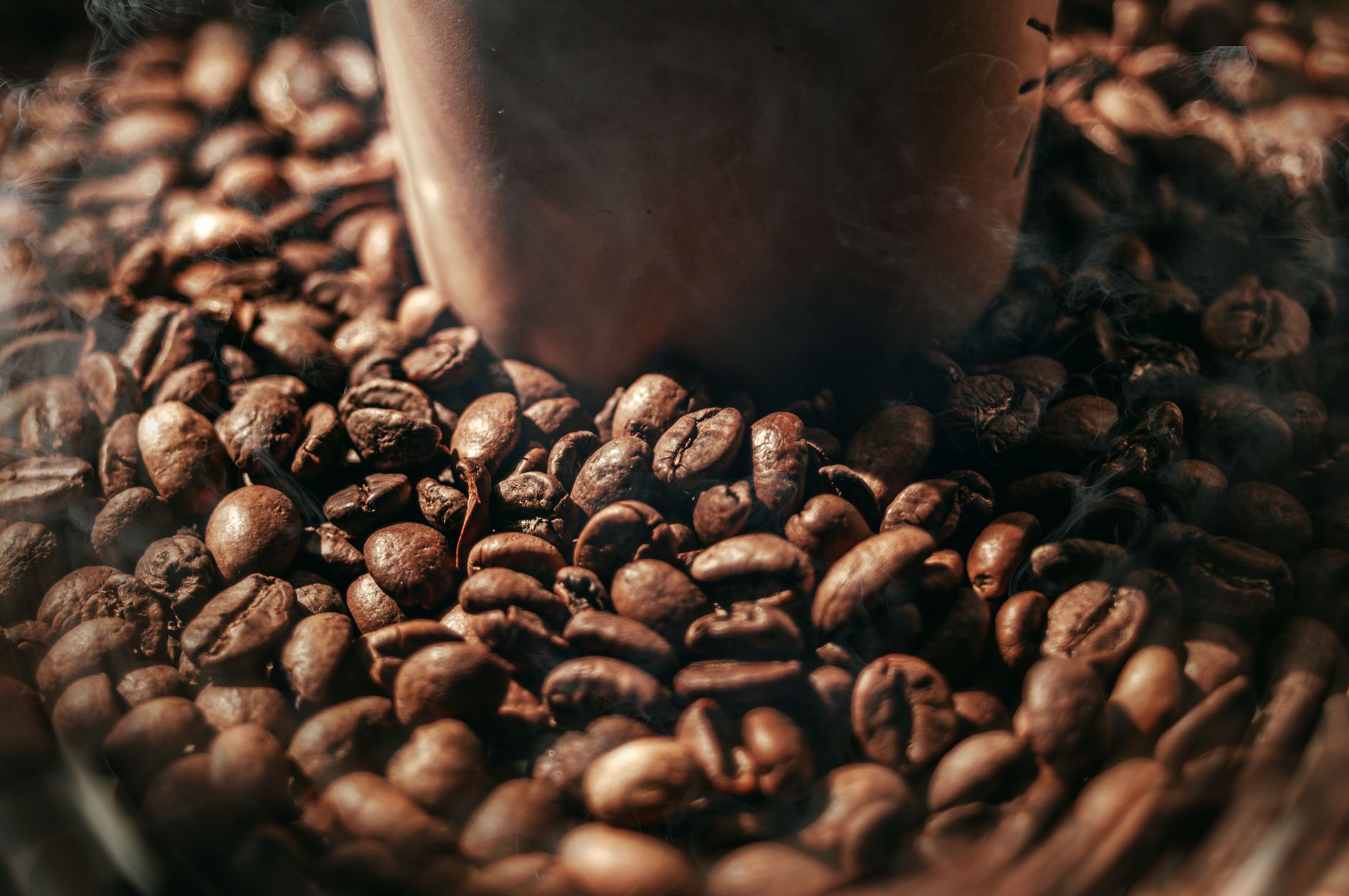 Photo: Ruslan Sikunov via Pexels
The Dial-In Protocol
Dialing in is iterative. Start with your grinder’s recommended espresso setting and pull a shot. Record three numbers: dose (grams in), yield (grams out), and time (seconds from first drop).
| Result | Likely Cause | Fix |
|---|---|---|
| Shot runs in <20s | Grind too coarse | Finer |
| Shot runs in >35s | Grind too fine | Coarser |
| No flow / pump struggles | Extremely fine or over-tamped | Much coarser |
| Correct time, sour taste | Under-extracted | Finer, or hotter |
| Correct time, bitter/dry | Over-extracted | Coarser, or cooler |
One click on a quality grinder — like the 1Zpresso JX-Pro — changes extraction time by 2–5 seconds. Budget grinders with imprecise adjustments make this process harder; it’s one reason grinder quality matters more than most beginners expect.
Why Taste Alone Misleads You
Time and yield give you objective data. Taste alone is unreliable because many variables stack — bean freshness, roast degree, water temperature, tamp pressure — and they all affect flavor. If you’re chasing taste without fixing time and yield first, you’re adjusting four variables at once. Lock in the recipe, then troubleshoot flavor.
Does Roast Level Change the Grind?
Yes — dark roasts grind finer for the same extraction time because the roasting process makes beans more brittle and porous. Lighter roasts require a finer grind than you’d expect to reach the same resistance. This means your grind setting is not transferable between different roasts, even at the same dose.
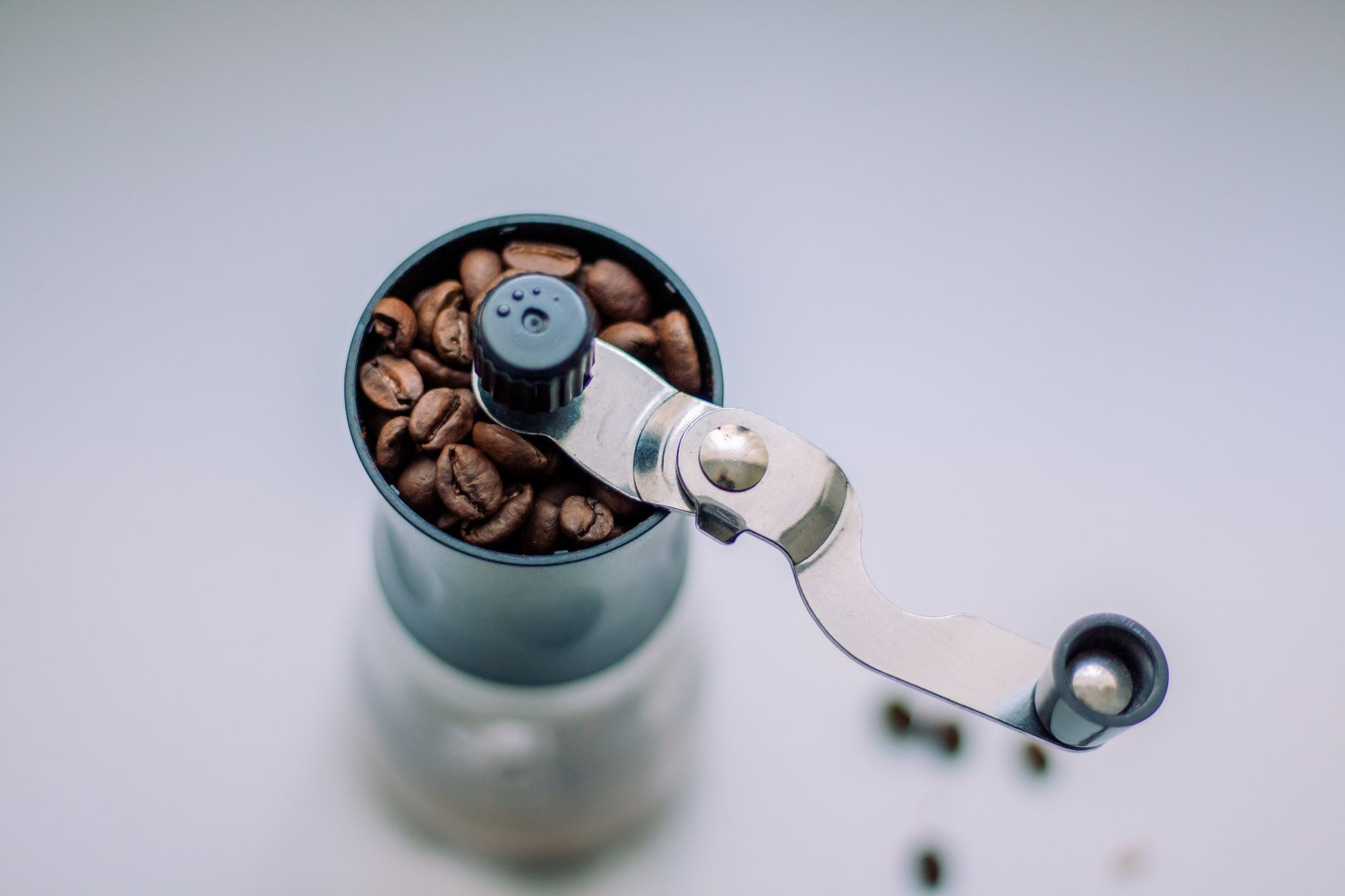
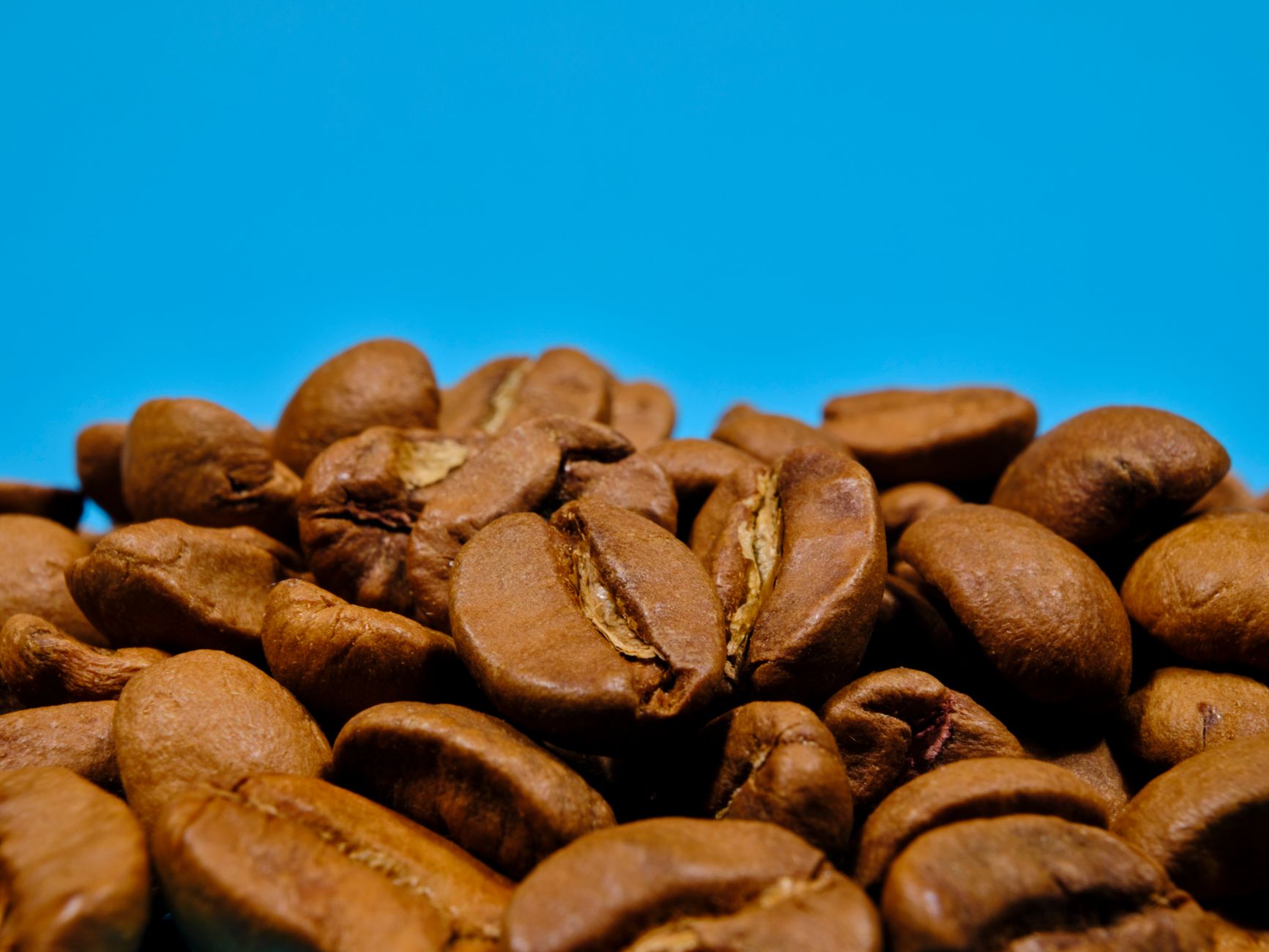 Photo: Engin Akyurt via Pexels
Light roast espresso has become increasingly common in specialty coffee, but it punishes sloppy technique. The beans are denser and harder; they require more pressure to extract, meaning you often need to grind finer, increase dose, or raise water temperature compared to a medium or dark roast at identical settings.
If you switch beans and your dialed-in setting suddenly pulls fast, the new roast is likely more developed (darker or more porous). Dial finer. If the shot runs long with the same setting, the beans are denser or fresher — try coarser, or let them degas a few more days.
Single-Dose vs. Hopper Grinders: Does It Matter for Grind Size?
**The grinder type affects how consistently it hits your target grind size, not what that size should be. Single-dose grinders with low retention — like the Niche Zero
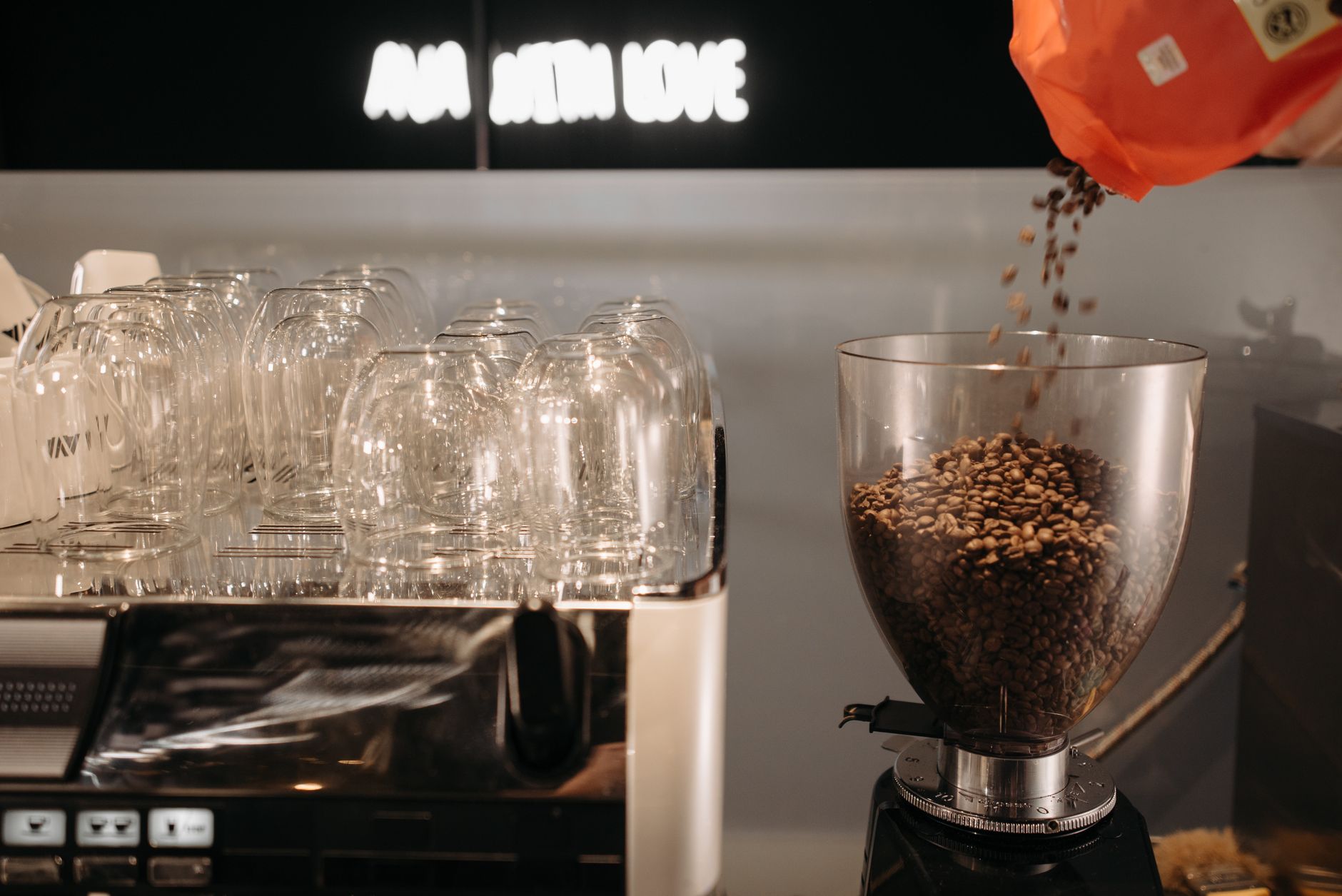
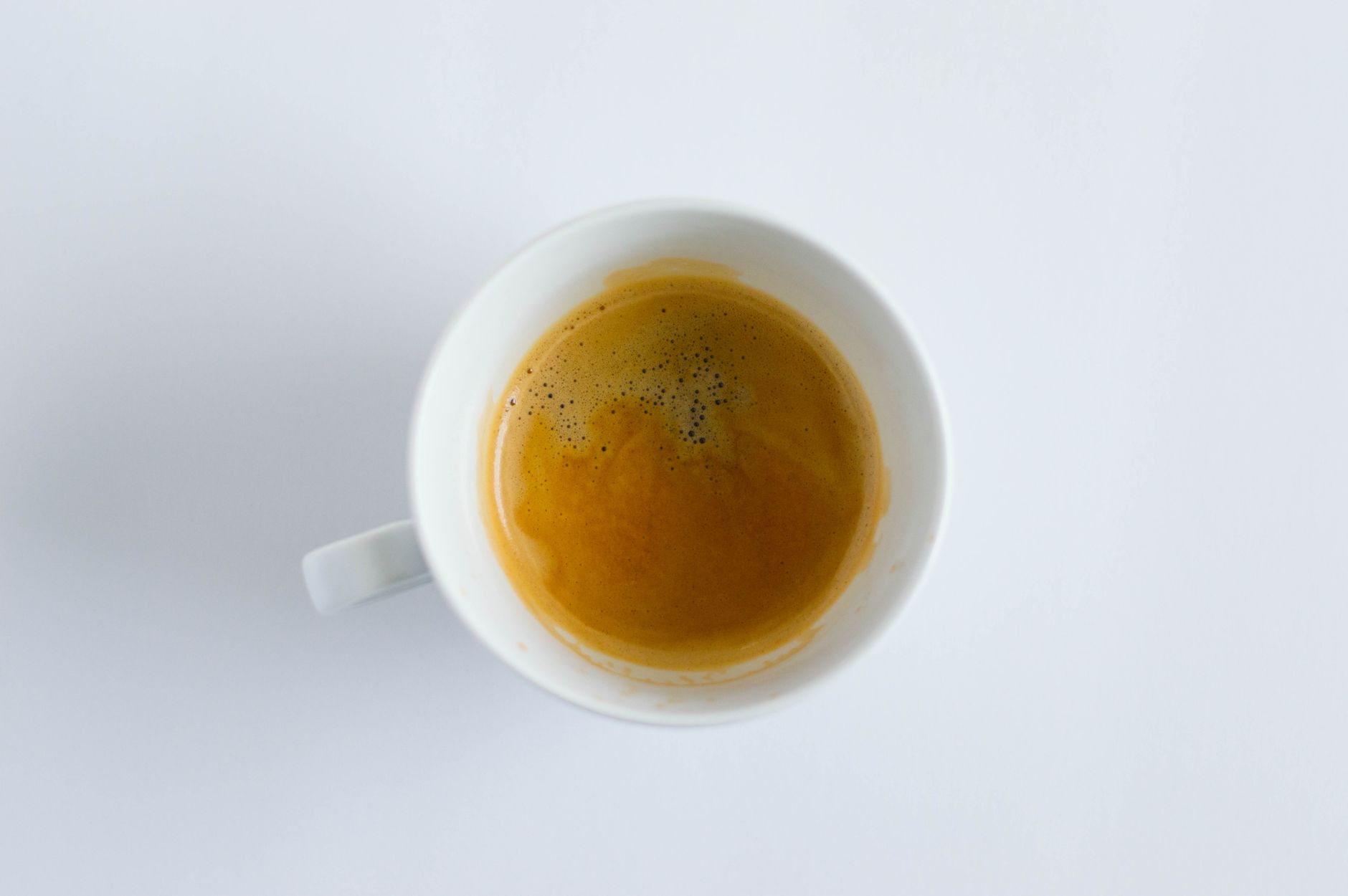 Photo: Chitokan C. via Pexels
Retention is the hidden variable in espresso grind consistency. A grinder that retains 2g of old coffee in its burr chamber will contaminate your next dose with stale grounds — grounds that were ground at a different setting, from different beans, on a different day. For home use with multiple beans or infrequent shots, this matters more than most spec sheets suggest.
This is why single-dose grinders have taken over the home espresso market. They don’t eliminate the dial-in process, but they make each shot a fair test of your current settings.
→ See Also
- The Complete Coffee Grinder Guide (2026) — the full framework for choosing, setting up, and using any grinder
- Burr vs Blade Grinder: Why It Matters for Your Coffee — why blade grinders are incompatible with espresso
- Best Coffee Grinders Under $100 (2026) — entry-level burr grinders that can actually pull decent espresso
FAQ
What number should I set my grinder to for espresso? Grinder numbers are meaningless across brands — a “3” on one grinder is unrelated to a “3” on another. Use extraction time as your reference: 25–30 seconds for a 1:2 ratio. Start at the manufacturer’s espresso recommendation and adjust from there.
Why does my espresso grind keep changing even when I don’t touch the grinder? Bean freshness is the most common culprit. Freshly roasted beans (under 5 days) release CO₂ that affects puck resistance; as they degas over days, the same grind setting will run longer. Temperature and humidity also shift grind size slightly — a setting that works in winter may run faster in summer.
Can I use an espresso grind in a drip machine? No — espresso grind is too fine for drip. Water will pass through too slowly, over-extracting and potentially causing the machine to overflow or overflow the filter basket. Drip coffee uses a medium grind, roughly 500–800 microns.
How fine is espresso grind compared to other brew methods? From coarsest to finest: French press (800–1000 microns) → drip/pour-over (500–800 microns) → Moka pot (300–400 microns) → espresso (200–400 microns) → Turkish coffee (<100 microns, nearly powder). Espresso sits close to but not at the fine end of the spectrum.
Editorial methodology: Assessments are based on manufacturer specifications, published user reviews, and editorial research. Physical hands-on testing is noted explicitly where it occurred. Rankings reflect our editorial judgment and are not influenced by affiliate commission rates. Full editorial policy · Affiliate disclosure