Contents
Espresso Shot Timing: How Long Should It Take?
TL;DR: A well-pulled espresso shot should take 25–30 seconds from the moment you start your pump. That window produces balanced extraction — sweet, acidic, and bitter notes in proportion. Go under 20 seconds and you’ll taste sour, underdeveloped espresso; push past 35 and bitterness dominates.
The 25–30 Second Rule Explained
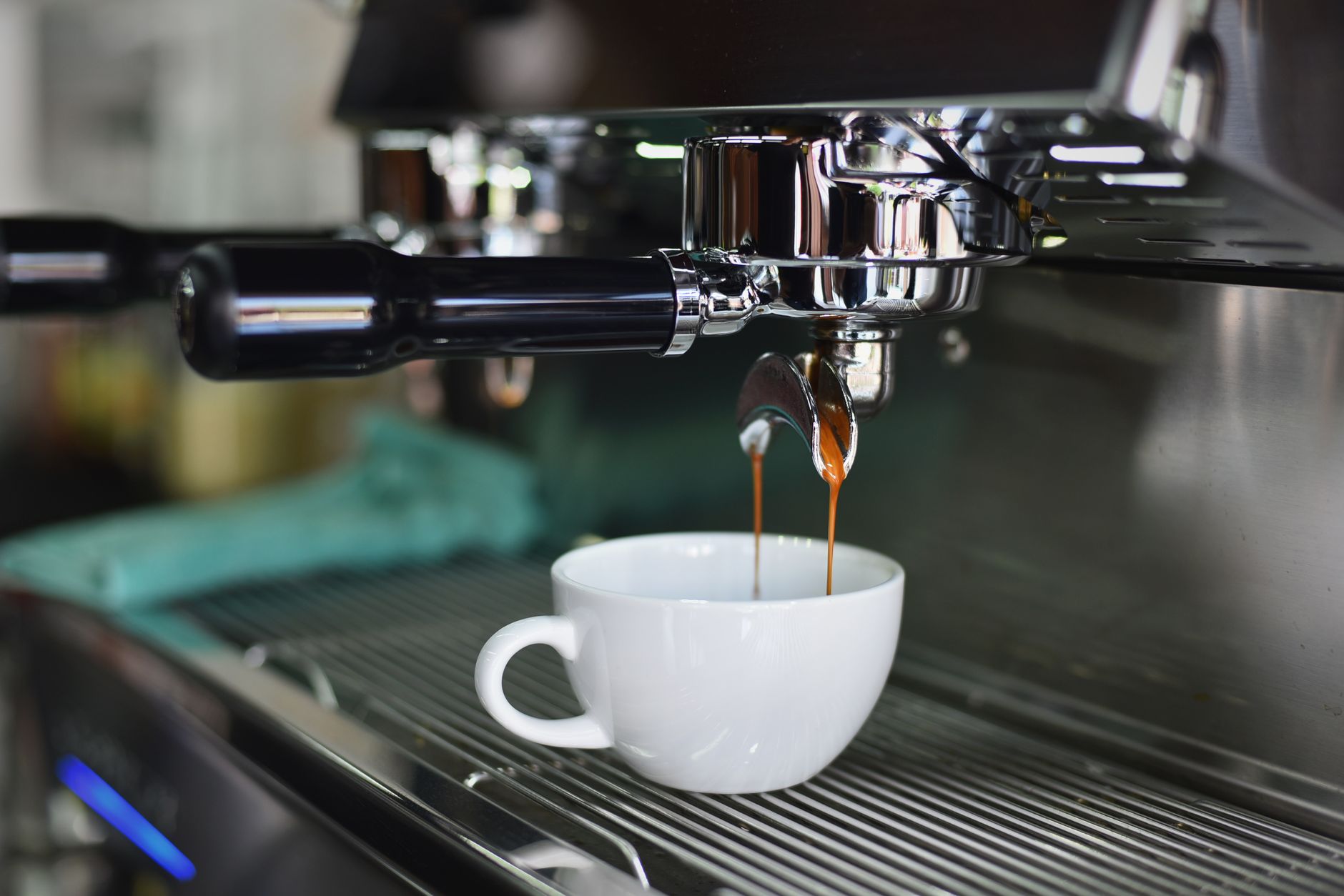
Direct Answer: Espresso shot timing targets 25–30 seconds for a standard 1:2 ratio (e.g., 18g dose → 36g yield). This assumes 9 bars of pressure and water at 90–96°C. The timer starts when the pump engages — not when liquid first appears in the cup.
 Photo: Jana Ohajdova via Pexels
“Shot timing” is shorthand for total brew time, but it’s inseparable from your yield. A 30-second shot pulling 50g is over-extracted. A 30-second shot pulling 20g is choked. Time and yield must be read together — neither number alone tells the full story.
The 25–30 second range evolved around the La Marzocco and Faema E61 machines that shaped modern espresso. At 9 bars, water needs that contact window to dissolve the right compounds from the puck. Modern pressure-profiling machines (like the Decent DE1) can produce excellent espresso outside this window, but standard single-boiler and heat exchanger machines all target the same ballpark.
How Timing Connects to Extraction
Direct Answer: Shot time is a proxy for extraction yield. Faster flow = less resistance = coarser grind or less dose = lower extraction. Slower flow = more resistance = finer grind or more dose = higher extraction. Adjust grind size first; adjust dose only when grind has reached its limit.
 Photo: Ruslan Sikunov via Pexels
The relationship looks like this:
| Shot Time | Likely Cause | Taste Profile |
|---|---|---|
| Under 15s | Grind too coarse / under-dosed | Sour, thin, hollow |
| 15–22s | Slightly fast | Sour-leaning, lacks sweetness |
| 25–30s | Dialed in | Balanced, sweet-acidic-bitter |
| 32–38s | Slightly slow | Bitter edge, muted acidity |
| Over 40s | Grind too fine / overdosed | Bitter, astringent, harsh |
Pre-infusion complicates the math. If your machine soaks the puck at low pressure for 5–8 seconds before ramping to full pressure, count that in your total time. A 35-second shot with 8 seconds of pre-infusion is effectively a 27-second extraction.
Brewing Parameters
Extraction parameters for a standard double espresso:
| Parameter | Target |
|---|---|
| Dose | 17–19g |
| Yield | 34–40g (1:2 ratio) |
| Ratio | 1:2 |
| Time | 25–30 seconds |
| Temperature | 90–96°C (194–205°F) |
| Pressure | 9 bar (peak) |
Puck prep sequence:
- Grind fresh — stale coffee flows faster and tastes flat regardless of timing
- WDT (Weiss Distribution Technique) — break up clumps with a thin needle tool before tamping
- Level — finger-sweep or NSEW taps to settle the bed evenly
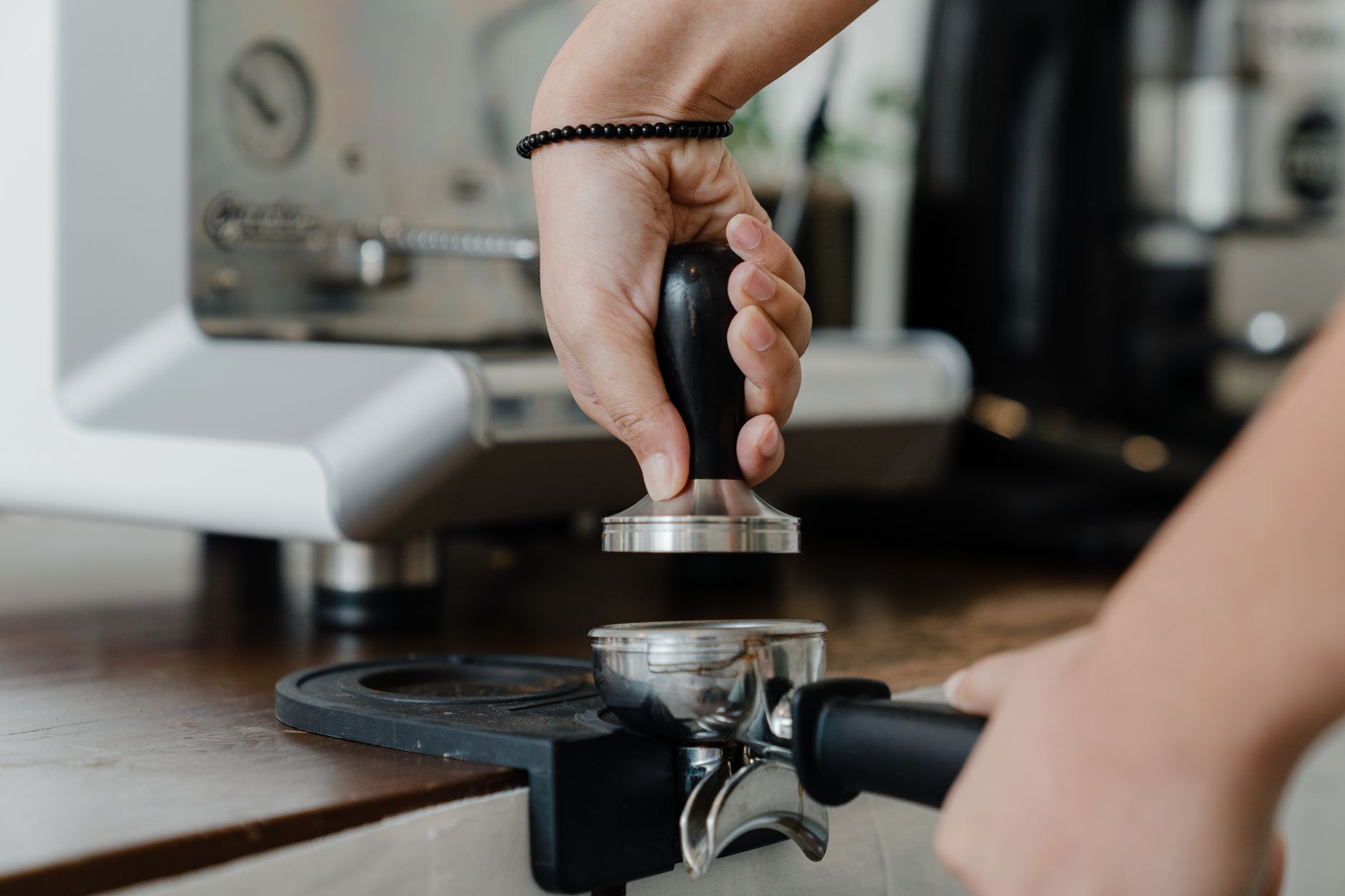
- Tamp — 15–20kg downward pressure, perfectly level; a canted tamp creates a fast channel down one side
- Pre-infusion — if your machine supports it, 4–8s at 2–3 bar before full pressure reduces channeling risk
Troubleshooting matrix:
| Symptom | Likely Cause | Fix |
|---|---|---|
| Shot finishes in under 20s | Grind too coarse | Step finer by 1–2 clicks |
| Shot finishes in over 35s | Grind too fine | Step coarser by 1–2 clicks |
| Timing is right but tastes sour | Water too cool / under-extracted | Raise temp 1–2°C |
| Timing is right but tastes bitter | Water too hot / over-extracted | Drop temp 1–2°C, check dose |
| Uneven or fast channeling | Uneven distribution or tamp | Redo WDT + level + tamp |
| First few seconds no flow, then gush | Puck collapse / stale coffee | Fresh beans, proper distribution |
 Photo: RDNE Stock project via Pexels
Single vs. Double: Does Timing Change?
Direct Answer: No — a single and double shot using the same 1:2 ratio should hit the same 25–30 second window. A ristretto (1:1.5 ratio) runs slightly shorter at 18–22 seconds. A lungo (1:3+) runs longer, 35–45 seconds, but risks over-extraction unless you grind coarser to compensate.
| Shot Type | Ratio | Target Time |
|---|---|---|
| Ristretto | 1:1.5 | 18–22s |
| Standard double | 1:2 | 25–30s |
| Lungo | 1:3 | 35–45s |
A volumetric machine (like the Breville Barista Express
→ See also
- How to Dial In Espresso: Step-by-Step Decision Tree
- Espresso Extraction Explained: Under, Over, and Perfect
- How to Tamp Espresso Correctly (Pressure, Technique, Tools)
FAQ
What happens if my espresso shot is too fast? A shot that pulls in under 20 seconds has moved through the puck without dissolving enough soluble compounds — the result is sour, thin, and underdeveloped. Grind finer by one or two clicks and re-pull. If you’re already at your grinder’s finest setting, increase your dose by 0.5g.
Does the timer start when I press the button or when coffee appears? Start your timer when you engage the pump — not when the first drops appear. Pre-infusion and puck saturation happen before any liquid exits the portafilter. Counting only liquid flow time artificially shortens your measured extraction and makes it harder to diagnose problems consistently.
Can a 20-second shot taste good? Yes, depending on the coffee. Light roasts with high natural acidity sometimes benefit from faster pulls (20–24s at a 1:2.5 ratio) to preserve bright fruit notes without over-developing bitterness. Some specialty roasters publish shot parameters that break the 25–30 second convention intentionally. Taste first, follow recipes second.
My timing is perfect but the espresso still tastes bad — what now? Timing confirms your grind resistance is in range, but it can’t fix stale beans, a dirty group head, or water with bad mineral content. Check bean freshness (ideally 7–21 days off-roast), backflush your machine, and verify your water TDS is between 75–150 ppm. Timing is one variable in a system.
Does pressure profiling change espresso shot timing? Yes — machines that ramp pressure up and down (Decent DE1, La Marzocco GS3 MP) can run longer total times (35–45s) at lower average pressure without over-extracting, because the extraction rate is intentionally slower. Standard 9-bar timing rules don’t apply directly to profiled shots.
Editorial methodology: Assessments are based on manufacturer specifications, published user reviews, and editorial research. Physical hands-on testing is noted explicitly where it occurred. Rankings reflect our editorial judgment and are not influenced by affiliate commission rates. Full editorial policy · Affiliate disclosure