Contents
Pre-Infusion Espresso: What It Is and Why It Matters
TL;DR: Espresso pre-infusion is a low-pressure water contact phase before full extraction pressure ramps up. It wets the puck evenly, reduces channeling, and produces more consistent, balanced shots — especially with lighter roasts and single origins.
What Is Espresso Pre-Infusion?
Pre-infusion saturates the coffee puck with water at low pressure (1–4 bar) before the machine ramps to full extraction pressure (9 bar). This gently expands the grounds, equalizes density gradients in the puck, and minimizes the hydraulic shock that causes channeling.
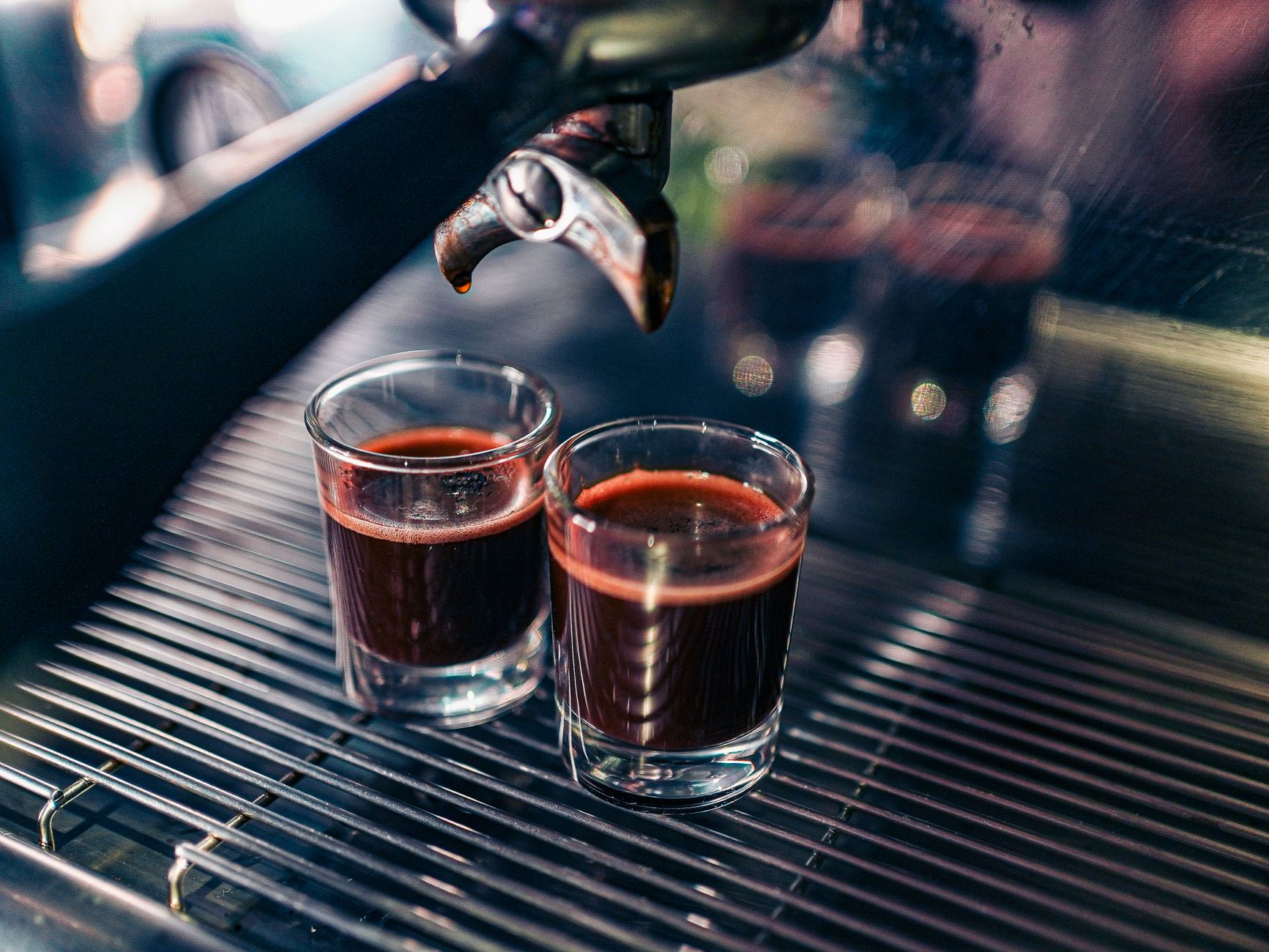
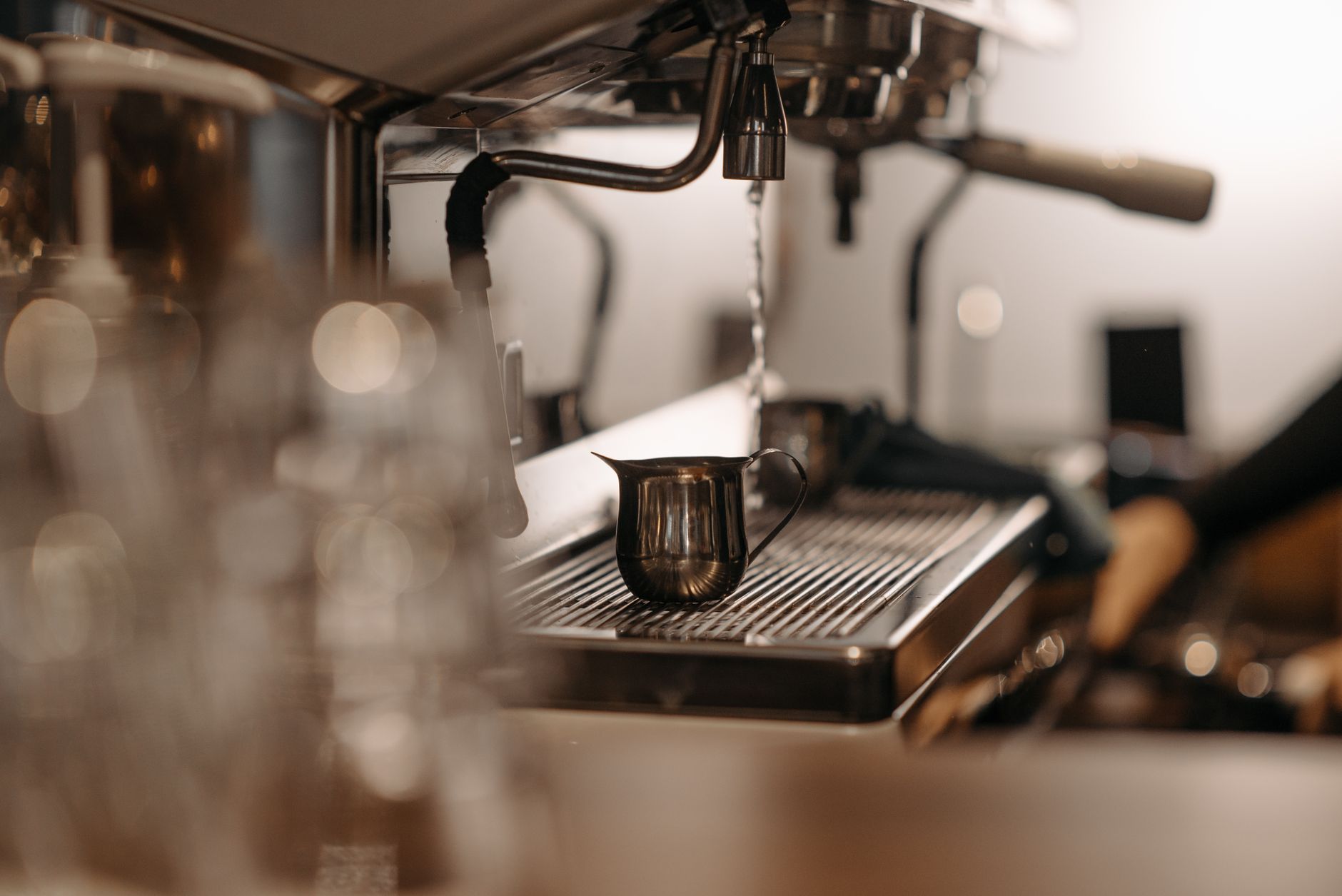 Photo: Pavel Danilyuk via Pexels
Most espresso is extracted at 9 bar. Without pre-infusion, that pressure hits a dry, compacted puck instantly — the water finds the path of least resistance, bores through the puck unevenly, and channels. Channeling means some grounds are over-extracted (bitter) while others are under-extracted (sour) in the same shot.
Pre-infusion changes the physics. By first introducing water at low pressure, the grounds swell and redistribute. Dense clumps soften. Gaps fill in. By the time full pressure arrives, resistance across the puck is uniform — and uniform resistance means even extraction.
Soft Pre-Infusion vs. Pre-Infusion With a Pressure Profile
These two terms are often confused.
Soft pre-infusion is a fixed low-pressure soak — typically 2–4 bar for 3–8 seconds — followed by an immediate jump to 9 bar. This is what most mid-range machines with pre-infusion implement (ECM, Rocket, Breville Barista Express
Pressure profiling is dynamic. Machines like the Decent DE1 or La Marzocco Leva X let you design a full pressure curve — ramp up slowly, hold at a custom pressure, taper off at the end. Pre-infusion is just the opening phase of a profile.
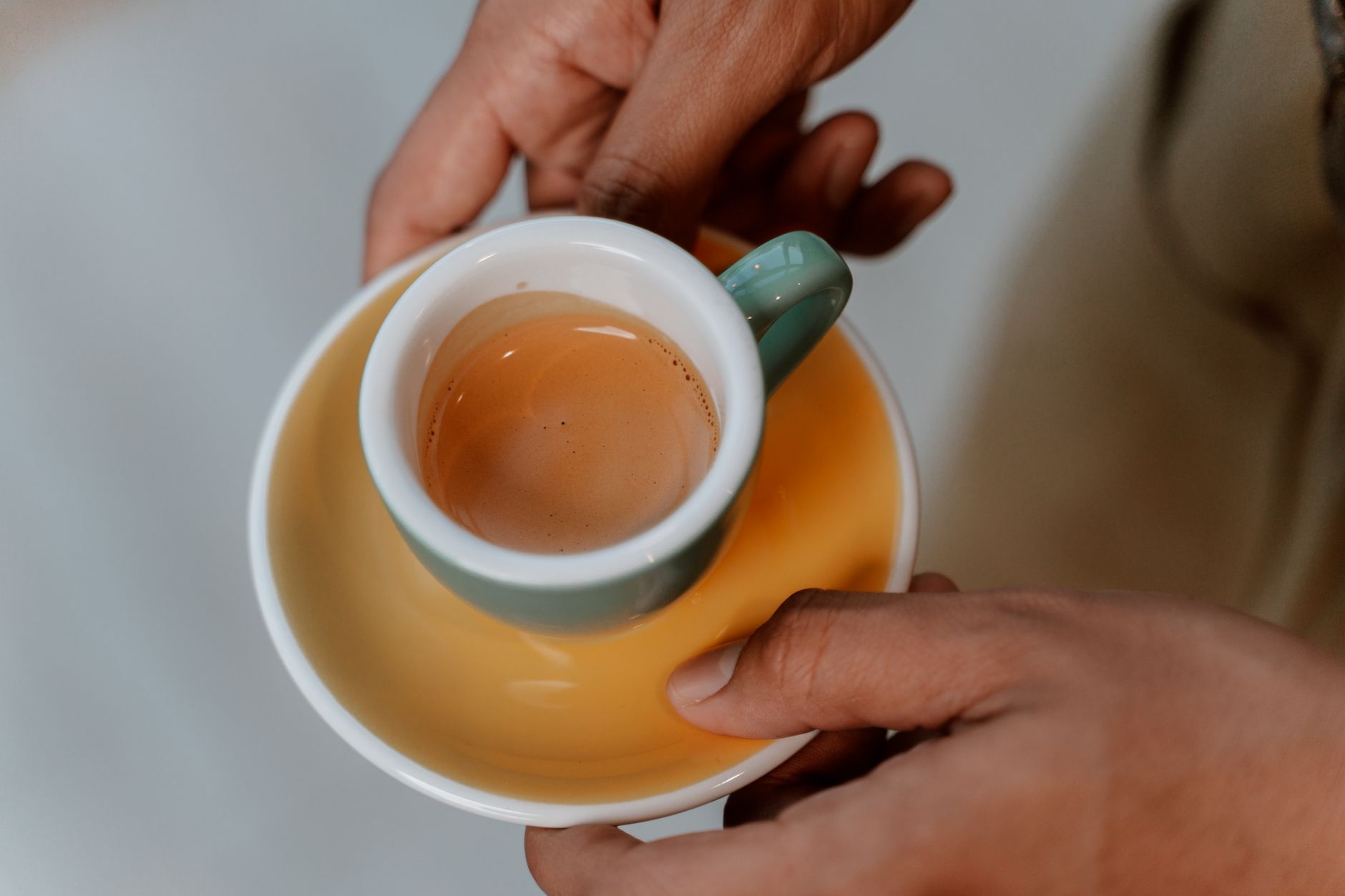
 Photo: Mikhail Nilov via Pexels
| Feature | Soft Pre-Infusion | Pressure Profiling |
|---|---|---|
| Pressure during pre-infusion | Fixed (1–4 bar) | Programmable |
| Ramp to 9 bar | Abrupt | Controlled |
| Hardware required | Any pre-infusion-capable machine | Dedicated profiling machine |
| Skill level | Low | Medium–High |
| Benefit | Channeling reduction | Full extraction control |
Why Pre-Infusion Matters for Shot Quality
The main payoff is extraction evenness. Pre-infused shots consistently score higher on TDS uniformity tests — meaning the flavor compounds extracted are more balanced, with less harsh bitterness from over-extracted channels and less sourness from under-extracted bypassed grounds.
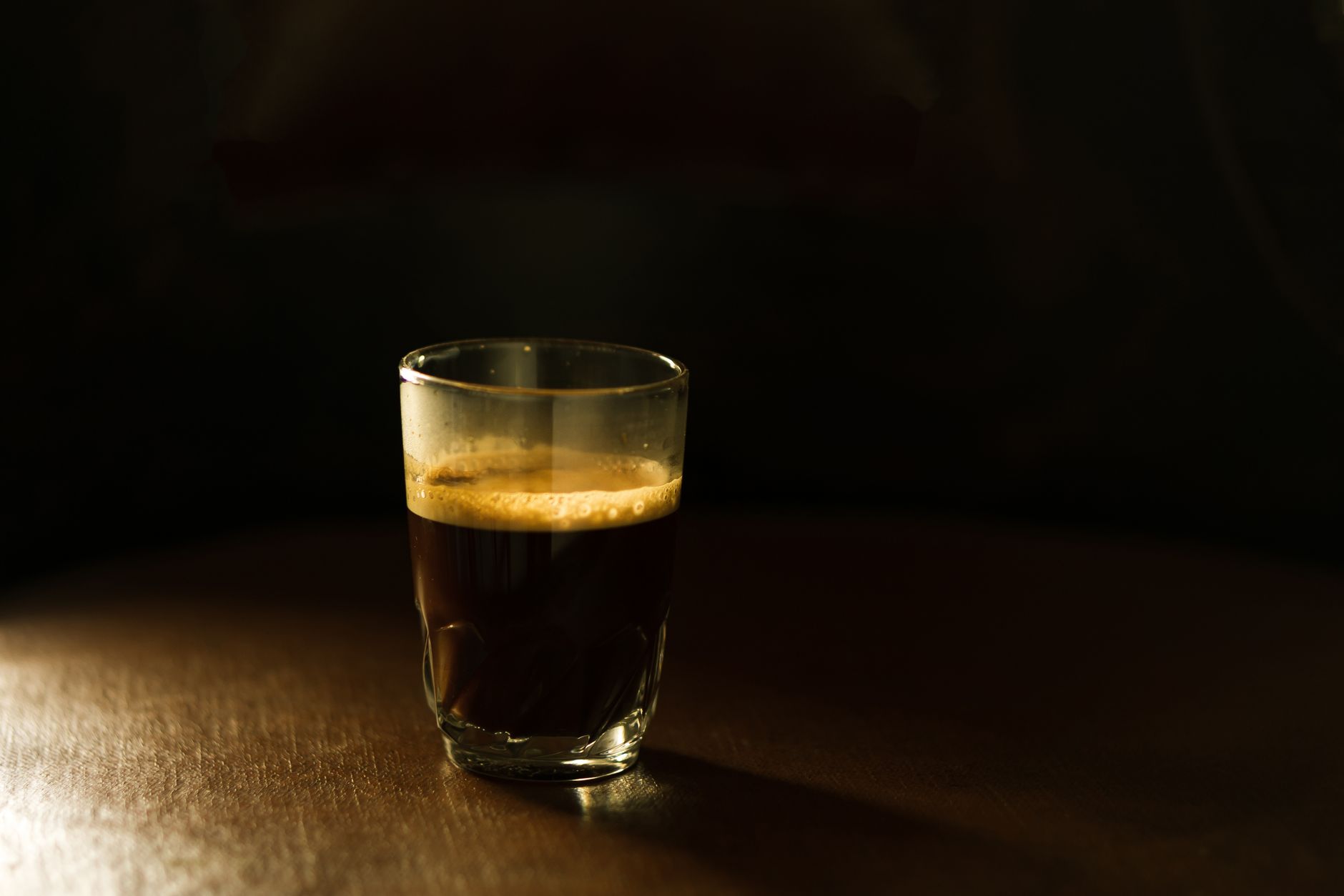 Photo: Olha Ruskykh via Pexels
This matters most in three situations:
Light roasts. Lighter roasts are denser and more difficult to extract. They resist water penetration — pre-infusion gives the water time to permeate before full pressure can channel through.
Coarser grinds. A coarser grind creates a more porous puck with more potential void space. Pre-infusion fills that space before pressure creates preferential paths.
Inconsistent distribution. Even with WDT and careful tamping, pucks are never perfectly uniform. Pre-infusion compensates for minor distribution flaws that would otherwise become channels.
The Taste Difference
Shots with good pre-infusion tend to show:
- Sweeter finish — less astringency from channeling
- More pronounced acidity without sourness
- Longer aftertaste
- Less shot-to-shot variance
The difference is most audible in the shot: pre-infused extractions often have a slower, quieter start before the stream appears, rather than the immediate splatter of a machine that hits 9 bar cold.
How to Use Pre-Infusion Effectively
Set pre-infusion duration to match your roast and grind. Start at 5 seconds for most espresso blends, extend to 8–10 seconds for light roasts or high-dose pucks. Watch the first drop — pre-infusion ends when the puck is saturated, just before water appears at the shower screen.
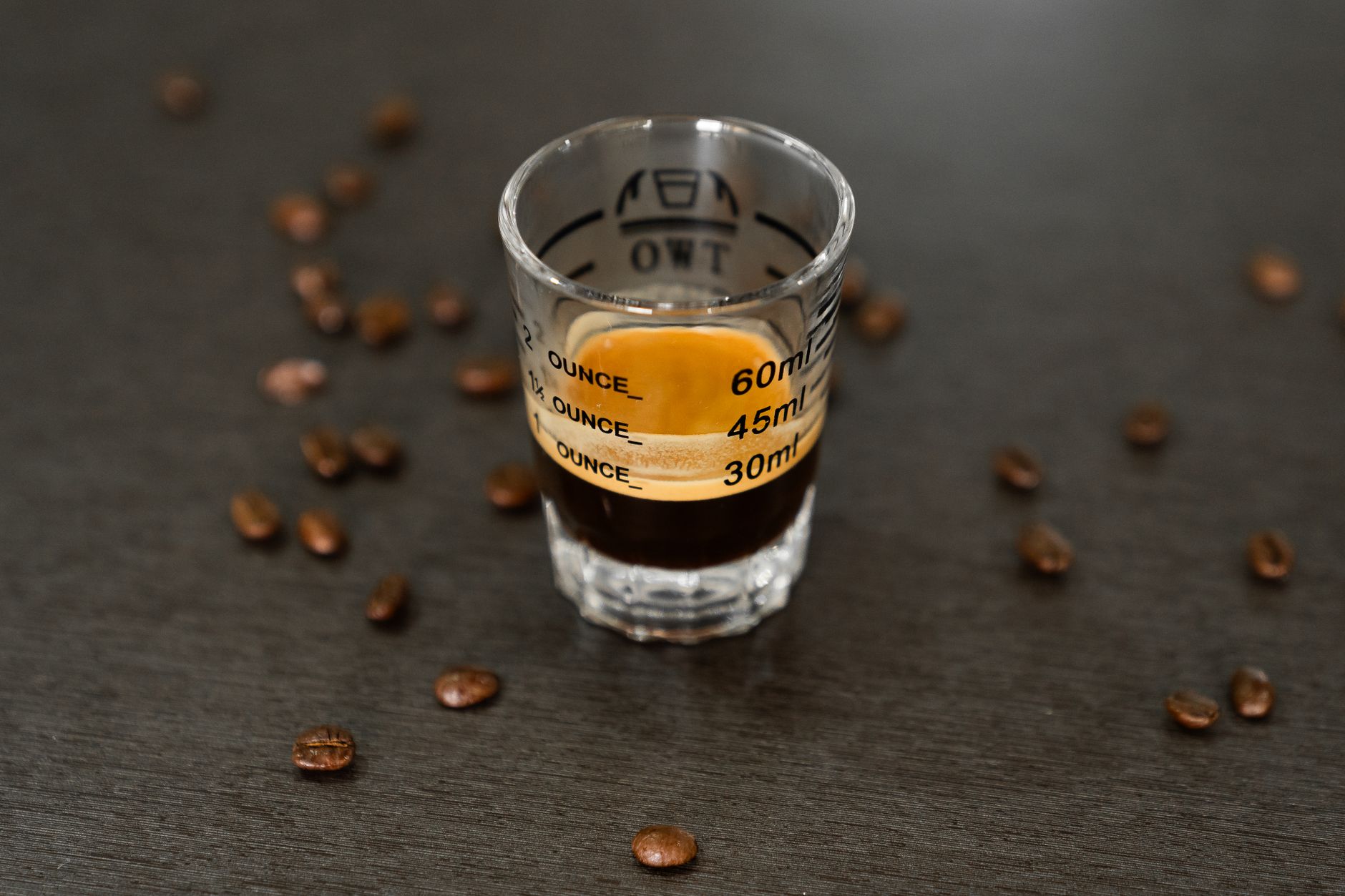
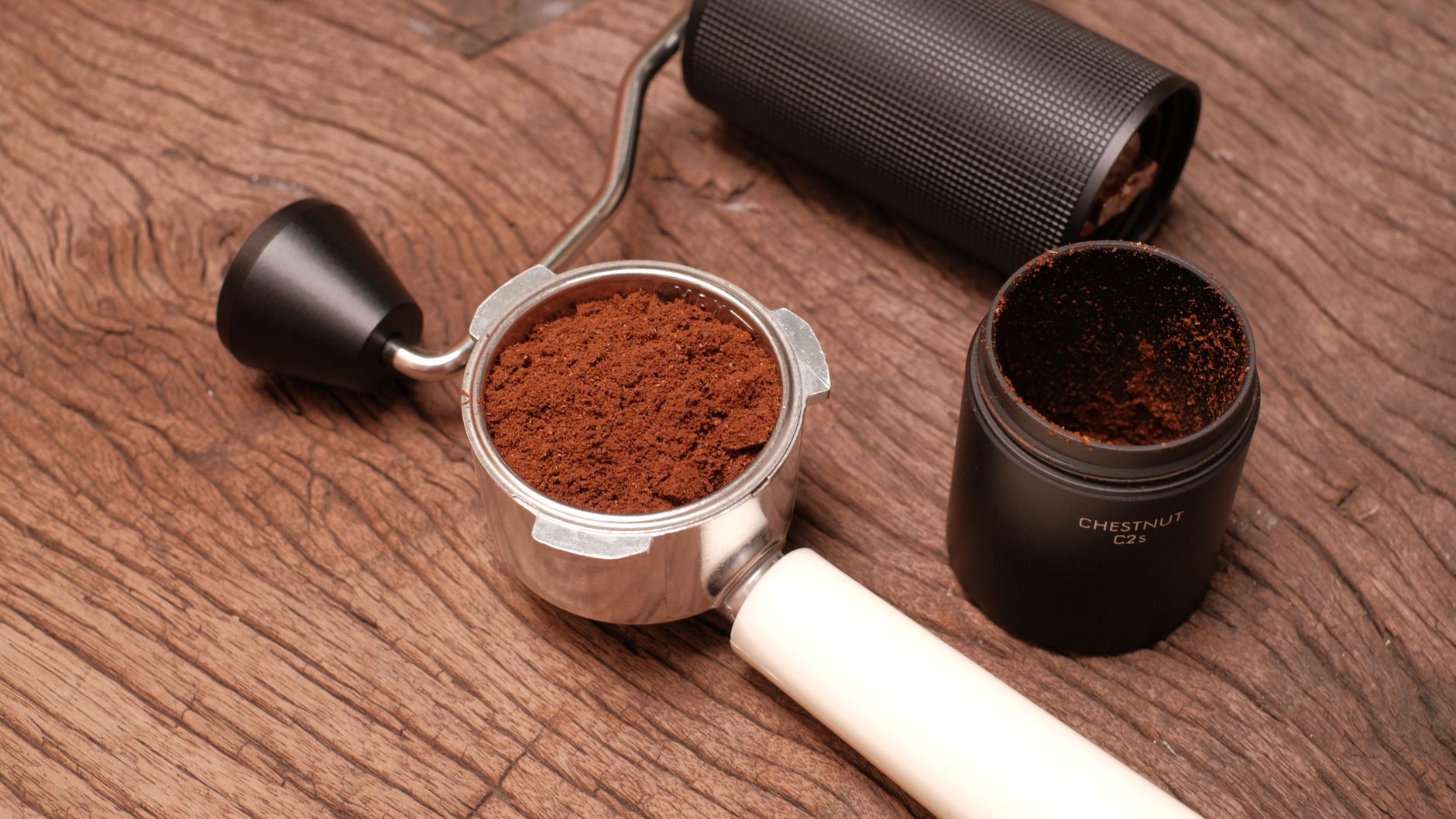 Photo: Pew Nguyen via Pexels
Brewing Guide
Extraction parameters (with pre-infusion):
| Parameter | Value |
|---|---|
| Dose | 18–20 g |
| Yield | 36–40 g |
| Ratio | 1:2 |
| Total time | 28–35 sec (including pre-infusion) |
| Pre-infusion time | 5–10 sec |
| Temperature | 93–96°C (lighter roast = higher) |
| Pre-infusion pressure | 2–4 bar |
| Extraction pressure | 9 bar |
Puck prep:
- WDT — stir the dose in the basket with a thin tool to break clumps before distribution
- Level — OCD-style distribution or a straight-edge swipe; puck must be flat before tamping
- Tamp — 15–20 kg, perfectly level; tilt at this stage creates channels pre-infusion cannot fix
- Pre-infusion — machine handles this; confirm your machine’s pre-infusion setting is active and the duration is appropriate for your roast
Troubleshooting:
| Symptom | Likely Cause | Fix |
|---|---|---|
| Shot still channels after pre-infusion | Poor distribution or uneven tamp | Redo WDT + level before tamping |
| Sour shot despite pre-infusion | Pre-infusion too short; grounds not saturated | Extend pre-infusion to 8–10 sec |
| Bitter, over-extracted shot | Pre-infusion too long; grounds over-saturated | Reduce pre-infusion to 3–5 sec |
| Shot runs too fast overall | Pre-infusion fooling you — puck was already channeled | Adjust grind finer |
| Inconsistent results shot to shot | Machine’s pre-infusion timing varies | Test with a pressure gauge; upgrade if inconsistent |
Which Machines Have Pre-Infusion?
Most prosumer machines above $600 include some form of pre-infusion. What varies is control:
| Machine | Pre-Infusion Type | Control |
|---|---|---|
| Breville Barista Express |
E61 group heads (Rocket, ECM, Profitec) provide passive pre-infusion for free — the thermosyphon loop keeps the group at pressure while the cam fills slowly. This is why E61 machines punch above their weight on shot consistency.
→ See also:
- How to Dial In Espresso: Step-by-Step Decision Tree
- Espresso Extraction Explained: Under, Over, and Perfect
- How to Tamp Espresso Correctly (Pressure, Technique, Tools)
FAQ
Does every espresso machine need pre-infusion? No — but most benefit from it. Machines without pre-infusion can still pull excellent shots with meticulous puck prep. Pre-infusion is a margin of error reduction tool, not a prerequisite. Its value scales with roast lightness and puck inconsistency.
How long should espresso pre-infusion be? For most blends and medium roasts, 4–7 seconds is the sweet spot. Light roasts and high-dose baskets (20g+) benefit from 8–10 seconds. Beyond 10 seconds, you risk over-saturating and extending total shot time in ways that skew extraction.
Does pre-infusion replace good tamping? No. Pre-infusion compensates for minor puck imperfections — it cannot fix a severe channel created by a tilted tamp or uneven distribution. Puck prep is still the foundation; pre-infusion is the insurance.
Is pressure profiling worth the cost over standard pre-infusion? For most home baristas: no. Standard soft pre-infusion captures 80–90% of the benefit. Full pressure profiling unlocks nuances with specific single origins and high-transparency brewing, but the difference requires calibrated taste and careful dialing to perceive consistently. Start with a quality E61 machine before spending on a profiling machine.
Editorial methodology: Assessments are based on manufacturer specifications, published user reviews, and editorial research. Physical hands-on testing is noted explicitly where it occurred. Rankings reflect our editorial judgment and are not influenced by affiliate commission rates. Full editorial policy · Affiliate disclosure