Contents
Why Does My Espresso Have No Crema?
TL;DR: Espresso no crema usually means stale coffee, grind too coarse, or under-extraction. Crema forms when CO₂ dissolves in water under pressure and escapes as tiny bubbles — no gas, no crema. Fix the freshness first, then dial in your grind.
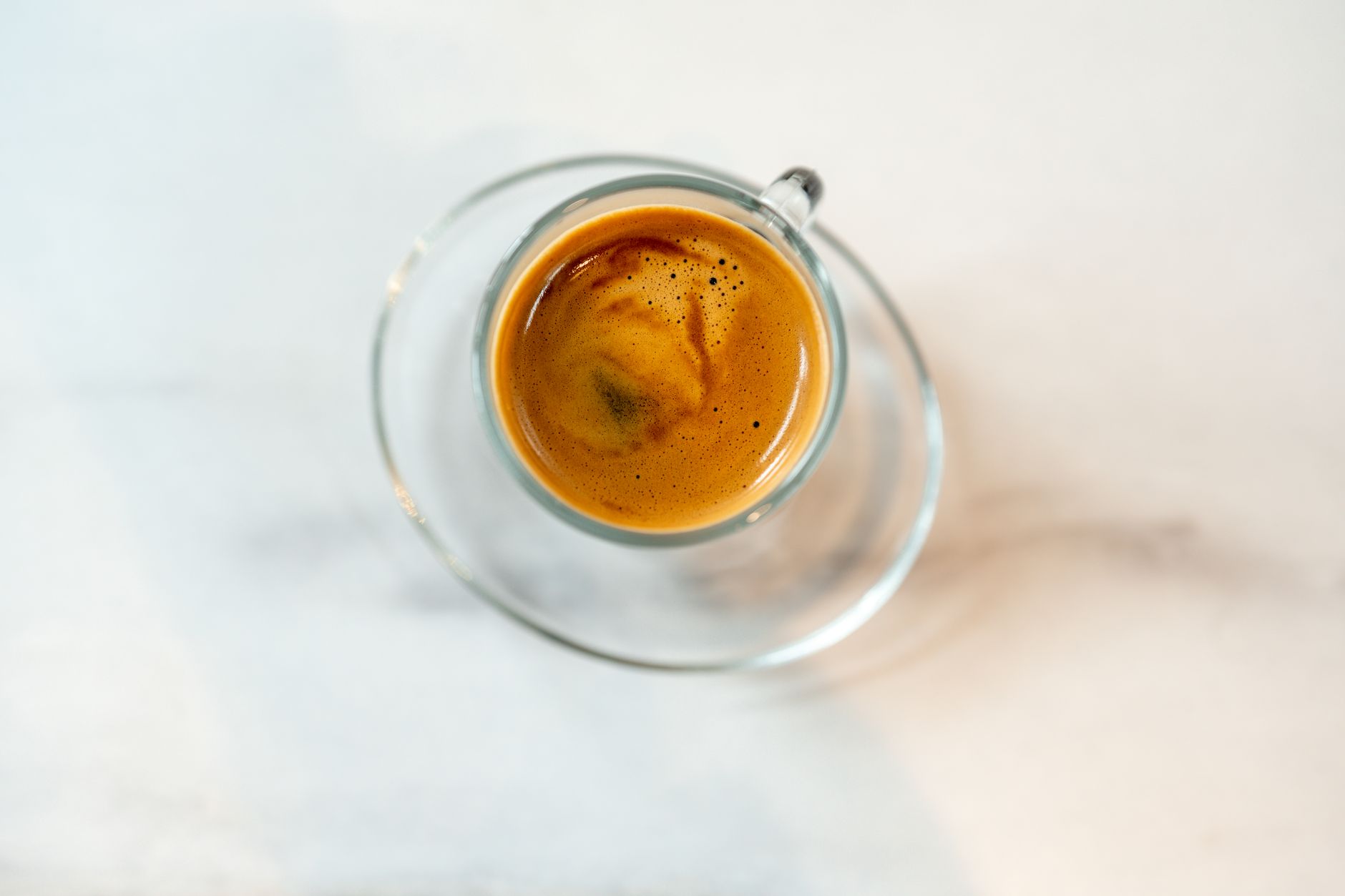
What Actually Creates Crema
Direct answer: Crema is an emulsion of CO₂ gas and coffee oils, forced into solution at 9 bars of pressure and released when the shot hits the cup. It requires fresh beans (CO₂-rich), fine-enough grind (adequate resistance), and correct extraction pressure. Remove any one of these and crema disappears.
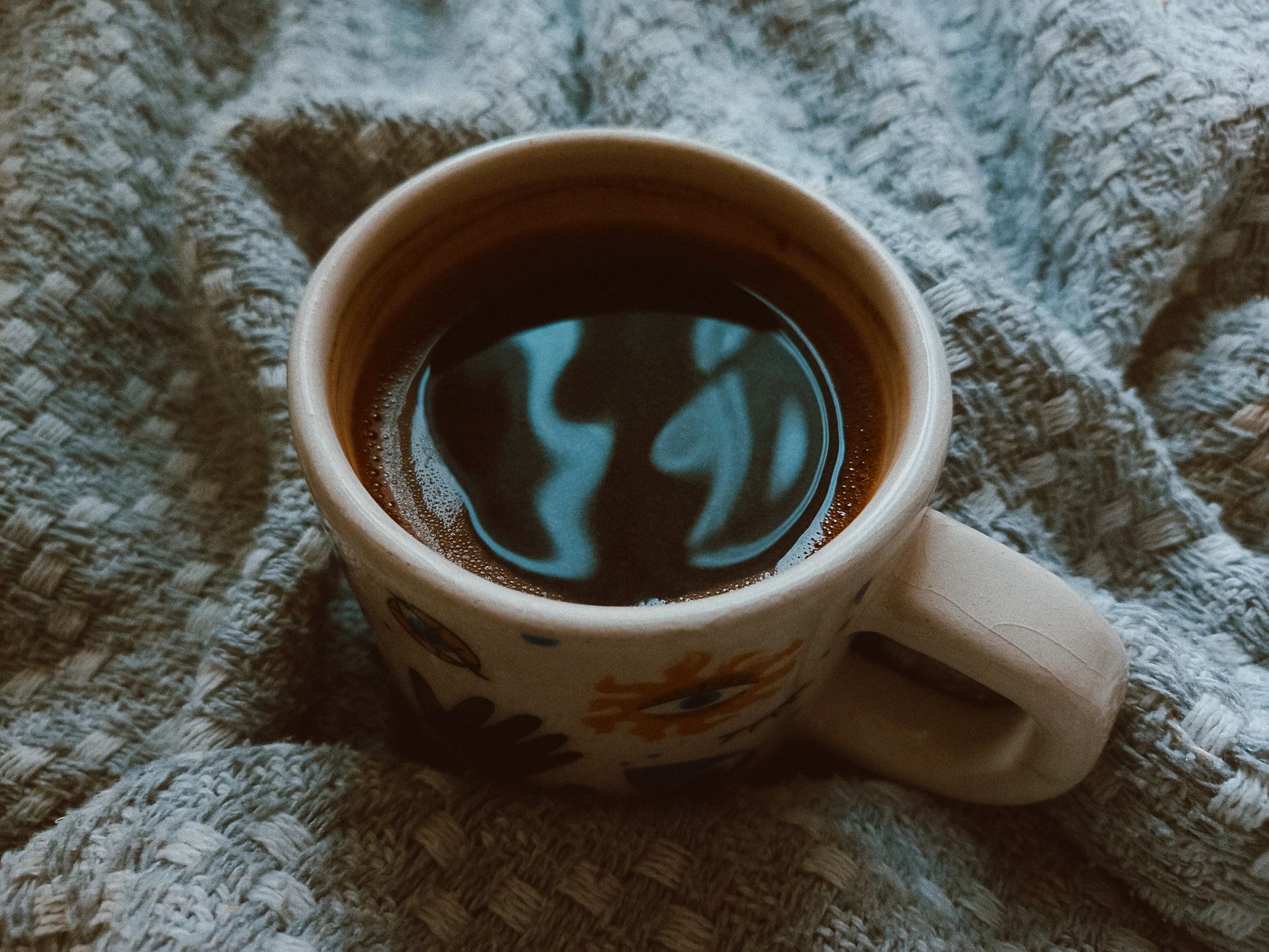 Photo: sivildikkatsizlik via Pexels
Coffee off-gasses CO₂ continuously after roasting. Within 2–4 weeks, most of that gas is gone — and so is your crema. This is the single most common cause, and the fix costs nothing if you already have fresh beans.
Pressure matters too. A machine that can’t hold 8–10 bars won’t emulsify the oils. Many consumer machines — especially steam-driven “espresso makers” — never reach true brewing pressure.
The Five Reasons You Have No Crema
1. Stale Beans
Direct answer: Beans older than 4–6 weeks post-roast produce little to no crema regardless of everything else you do right. Check the roast date, not the “best by” date.
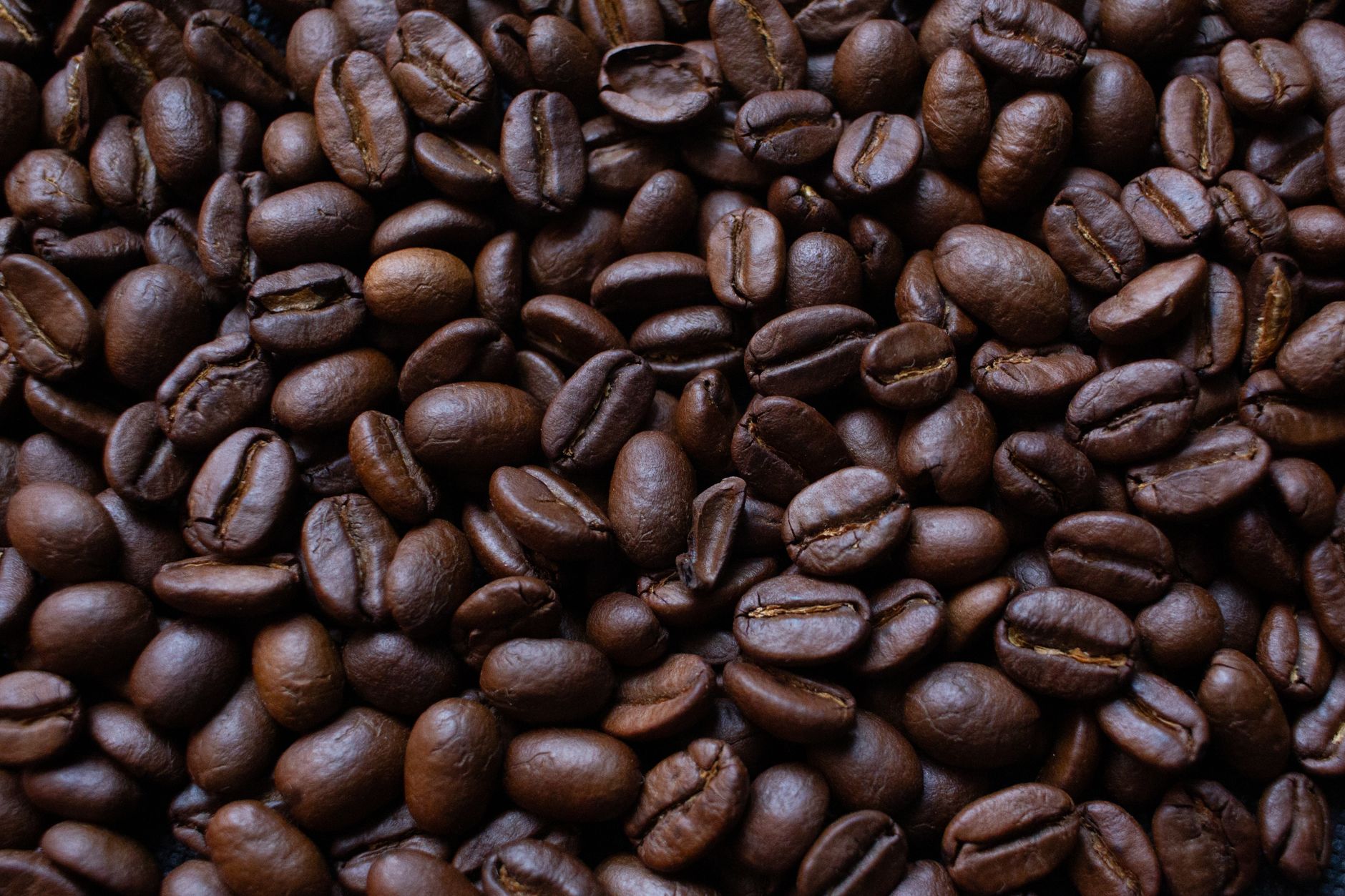 Photo: indra projects via Pexels
Buy from a roaster who prints the roast date on the bag. If you can only find a “best before” date, those beans are likely stale already. Even whole beans lose most extractable CO₂ within a month; pre-ground loses it within minutes.
2. Grind Too Coarse
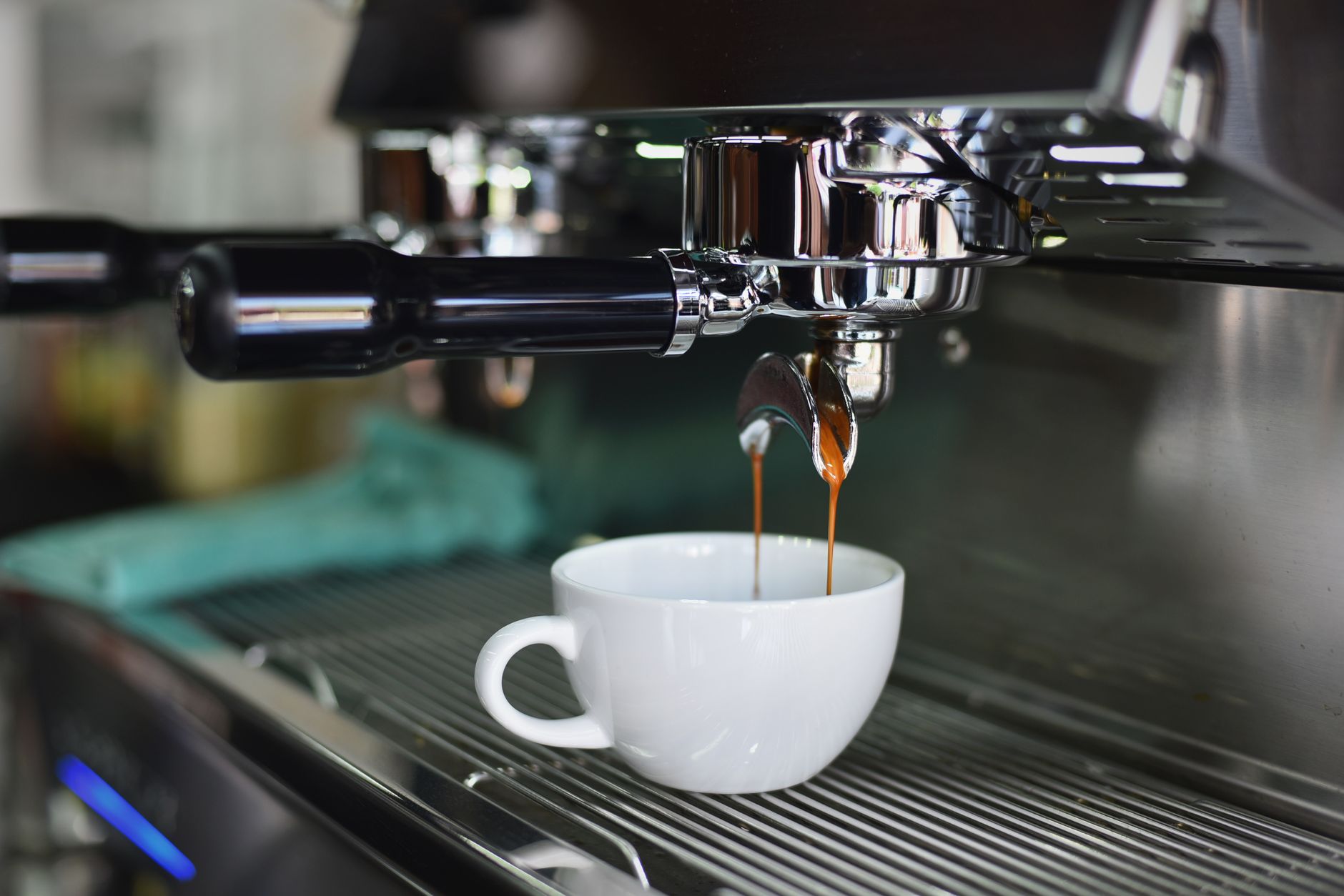
Direct answer: A coarse grind lets water rush through without building pressure, so CO₂ never dissolves. If your shot pulls in under 20 seconds, go finer.
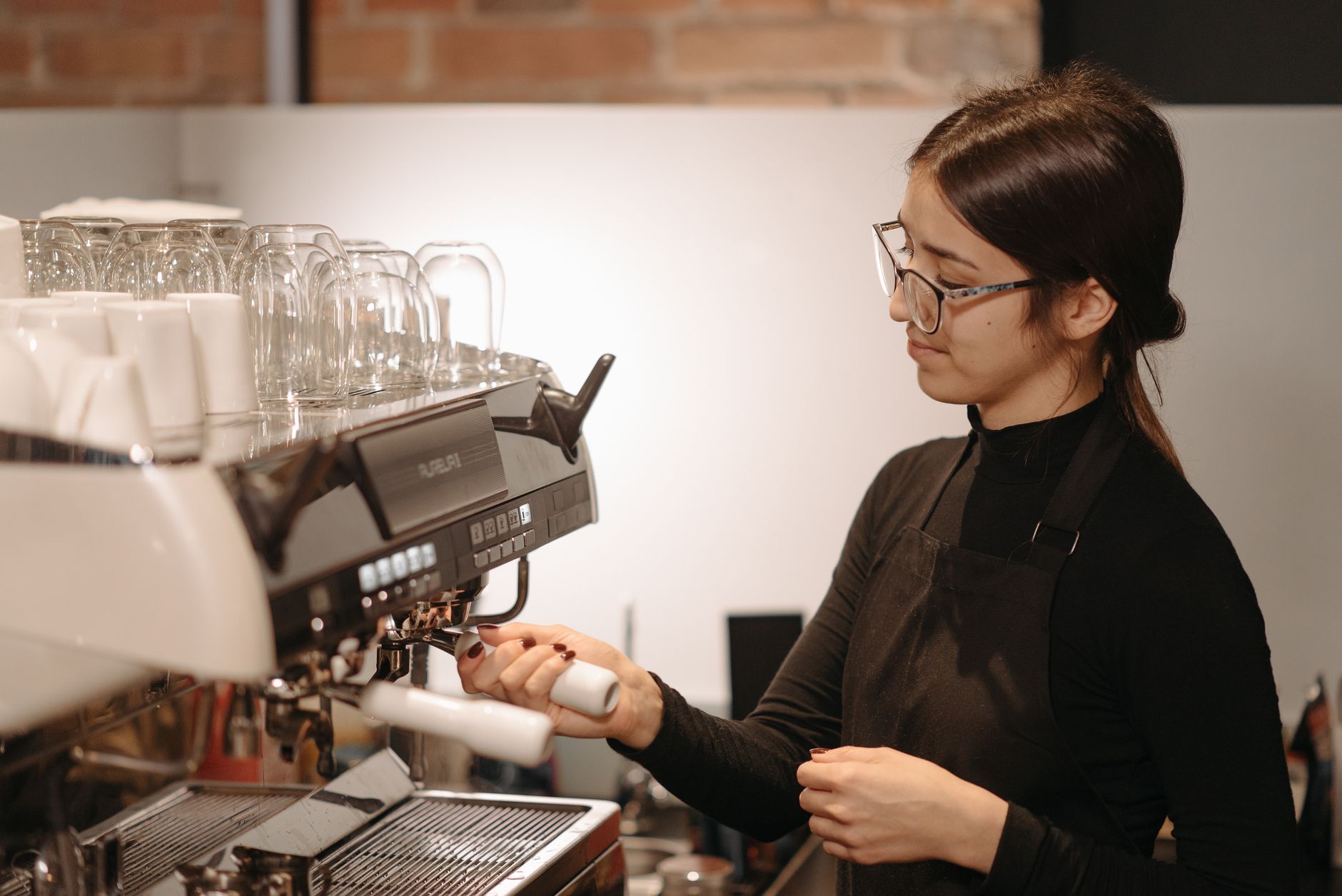 Photo: Pavel Danilyuk via Pexels
Resistance builds pressure. The puck needs to slow the water down enough that 9 bars can develop across it. A coarse grind creates channels and drops the effective brew pressure — your shot runs blonde and thin with no crema layer.
3. Under-Dose
If you’re pulling a shot with less than 7g (for a single) or 14–18g (for a double), there isn’t enough coffee to form a proper puck. Low dose = low resistance = no crema.
4. Machine Pressure Too Low
Steam-driven machines operate at 1–2 bars. Pump-driven machines should hold 8–10 bars at the group. If yours is pump-driven but old or poorly maintained, a failing pump or clogged shower screen can drop pressure significantly.
| Machine Type | Pressure | Crema? |
|---|---|---|
| Steam-driven “espresso” maker | 1–2 bar | Never |
| Capsule machine (Nespresso, etc.) | 15–19 bar (nominal) | Thin to moderate |
| Entry pump (Gaggia Classic, Breville) | 9 bar | Yes, if dialed in |
| Semi-commercial (Rancilio, ECM) | 9 bar regulated | Consistent, thick |
5. Wrong Bean Type
Robusta produces noticeably more crema than Arabica due to higher CO₂ content and different oil structure. Pure single-origin Arabica — especially light roasts — will always have thinner crema than a dark espresso blend. Thin ≠ bad. Don’t chase foam at the expense of flavor.
Brewing Guide: Dialing In for Crema
Extraction parameters:
| Parameter | Target |
|---|---|
| Dose | 18g (double basket) |
| Yield | 36g |
| Ratio | 1:2 |
| Time | 25–30 seconds |
| Temperature | 92–94°C |
| Pressure | 9 bar |
Puck prep:
- WDT: Stir grounds with a needle tool before dosing to break clumps — clumps cause channeling, which destroys crema
- Leveling: NSEW distribution or Stockfleth’s move before tamping
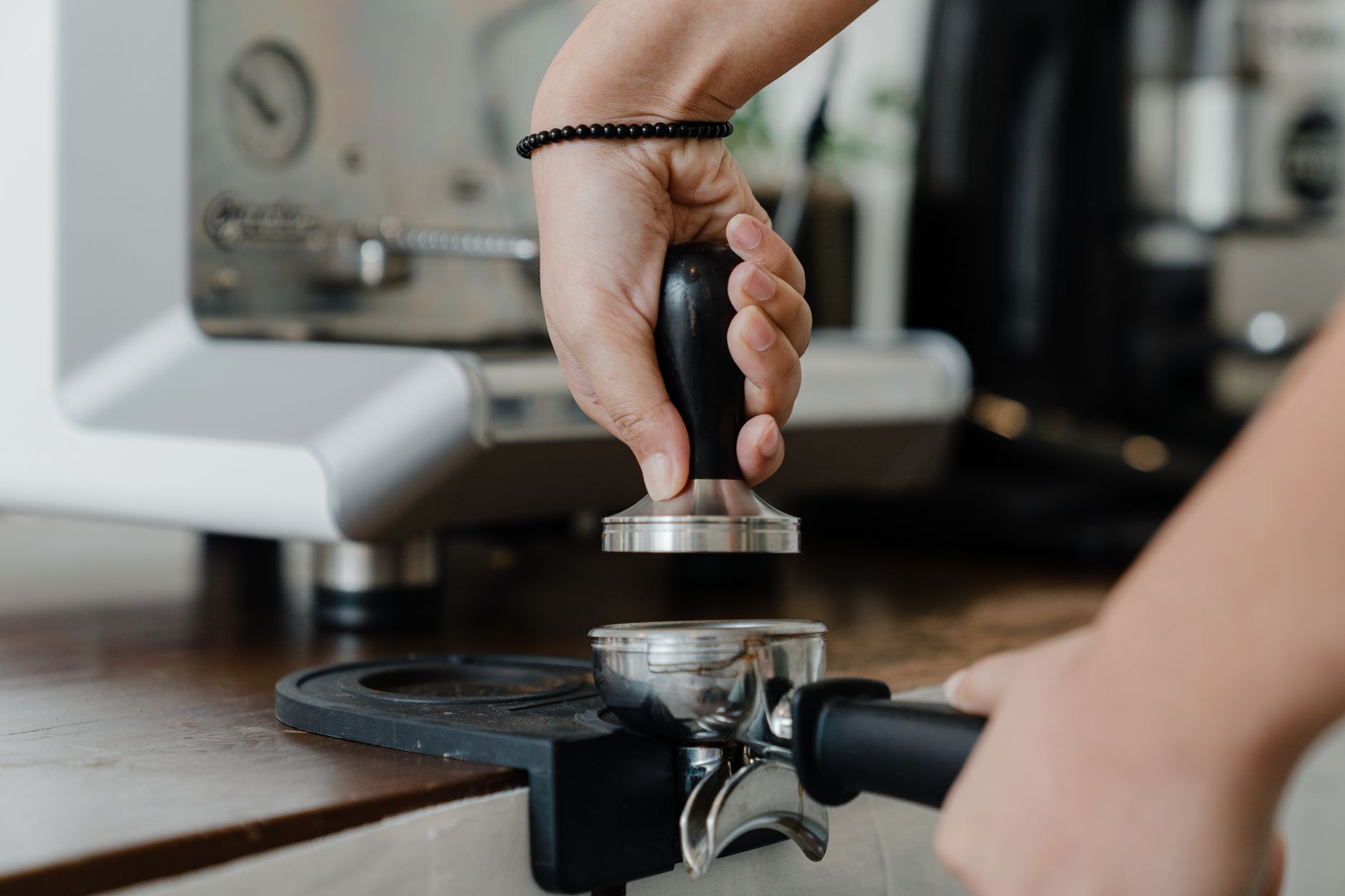
- Tamping: 15–20kg, level, single press — no polish spin
- Pre-infusion: 3–5 seconds at low pressure reduces channeling and helps uniform saturation
- Channeling check: Watch the naked/bottomless portafilter; any spurting indicates channeling
Troubleshooting matrix:
| Symptom | Likely Cause | Fix |
|---|---|---|
| No crema at all | Stale beans or wrong machine | Check roast date; verify pump machine |
| Thin white-grey foam | Too coarse or low dose | Go finer one step; check dose weight |
| Crema present but dissolves instantly | Very stale beans | Fresh beans only fix |
| Crema streaky / tiger-striped | Good extraction | Normal on quality shots |
| Crema dark brown, bitter | Over-extraction or too fine | Go coarser, reduce dose, raise temp |
| Blonde crema, sour taste | Under-extraction | Go finer, increase dose |
→ See also
- How to Dial In Espresso: Step-by-Step Decision Tree
- Espresso Extraction Explained: Under, Over, and Perfect
- How to Tamp Espresso Correctly (Pressure, Technique, Tools)
FAQ
Why does my espresso have no crema even with fresh beans? If beans are fresh (under 4 weeks) and crema is still absent, check your grind size first — a coarse grind won’t build enough pressure. Also verify your machine reaches 9 bar; many budget and all steam-driven machines never do.
Does no crema mean bad espresso? Not necessarily. Some high-quality light roast Arabica shots from a well-calibrated machine pull with very thin crema. Judge the flavor: if it tastes balanced and sweet with clean acidity, the crema isn’t the metric that matters. Crema is a useful diagnostic, not a quality guarantee.
Can I get crema from pre-ground coffee? Rarely. Pre-ground coffee de-gasses within 15–30 minutes of grinding. By the time you buy it from a supermarket shelf, almost all CO₂ is gone. Buying whole beans and grinding fresh immediately before pulling the shot is the single highest-impact change you can make.
Why does my Nespresso have more crema than my espresso machine? Nespresso capsules are sealed under pressure and often use Robusta blends specifically to produce visible crema. The machine also runs at higher pump pressure (15–19 bar nominal, reduced via the diffuser). It’s engineered for visual crema — not for the same extraction profile as a traditional machine.
Does roast level affect crema? Yes. Darker roasts produce more CO₂ and have more oil on the surface, which gives thicker crema. Light roasts are denser and lower in oil — expect thinner, lighter-colored crema. This doesn’t mean light roasts pull worse shots; it means crema thickness isn’t a proxy for roast quality.
Editorial methodology: Assessments are based on manufacturer specifications, published user reviews, and editorial research. Physical hands-on testing is noted explicitly where it occurred. Rankings reflect our editorial judgment and are not influenced by affiliate commission rates. Full editorial policy · Affiliate disclosure