Contents
Espresso Grind Too Fine or Too Coarse: How to Tell
TL;DR: If your espresso tastes bitter and takes forever to pour, your grind is too fine. If it tastes sour, weak, or pours in under 20 seconds, it’s too coarse. Dialing in espresso grind too fine too coarse problems means adjusting one step at a time and tasting the result.
Is Your Espresso Grind Too Fine or Too Coarse?
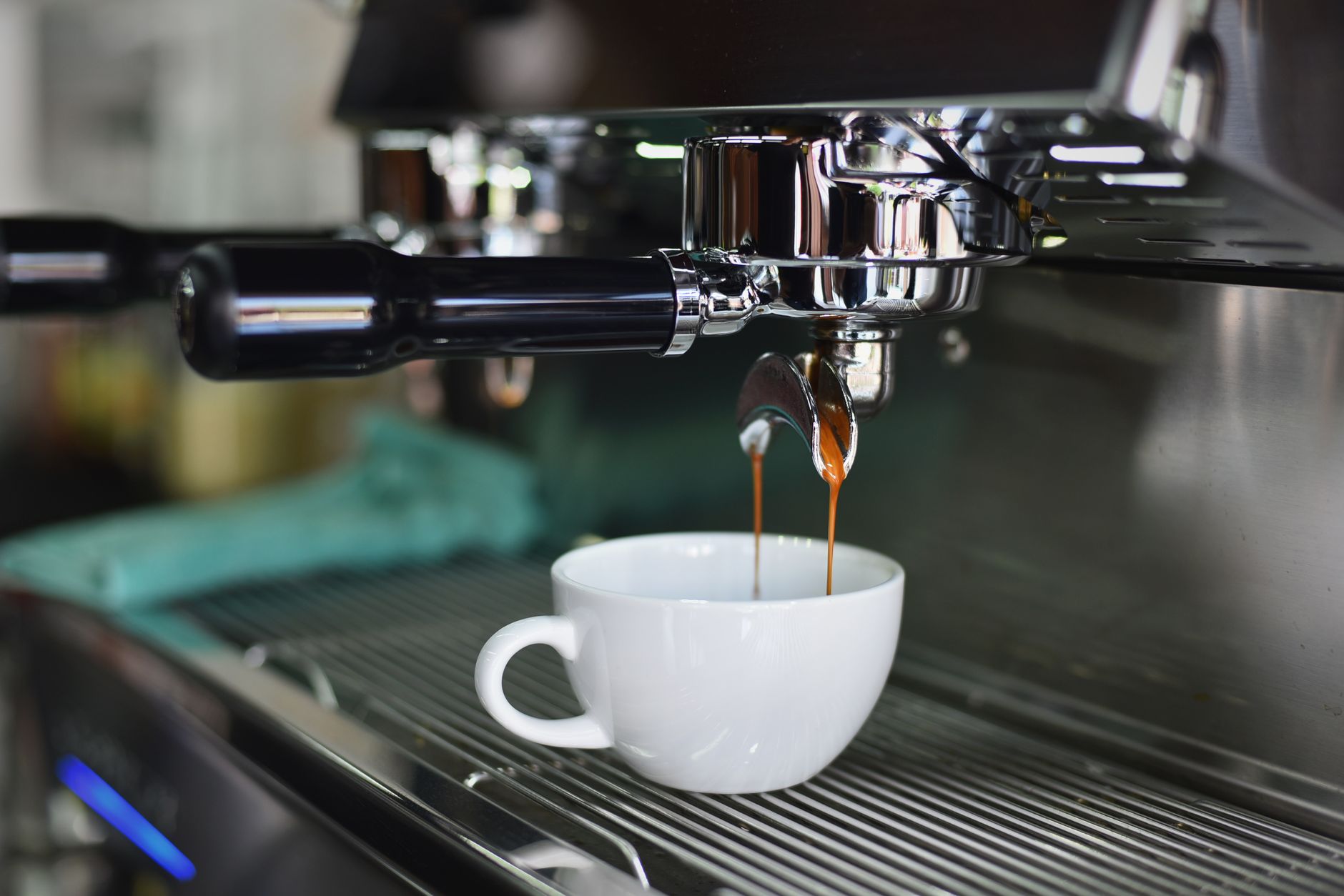
Your shot time is the fastest diagnostic. Target 25–30 seconds for a 1:2 ratio. Under 20 seconds = too coarse, grind finer. Over 35 seconds (or no flow at all) = too fine, grind coarser. Taste confirms: sour = underextracted = too coarse; bitter/dry = overextracted = too fine.
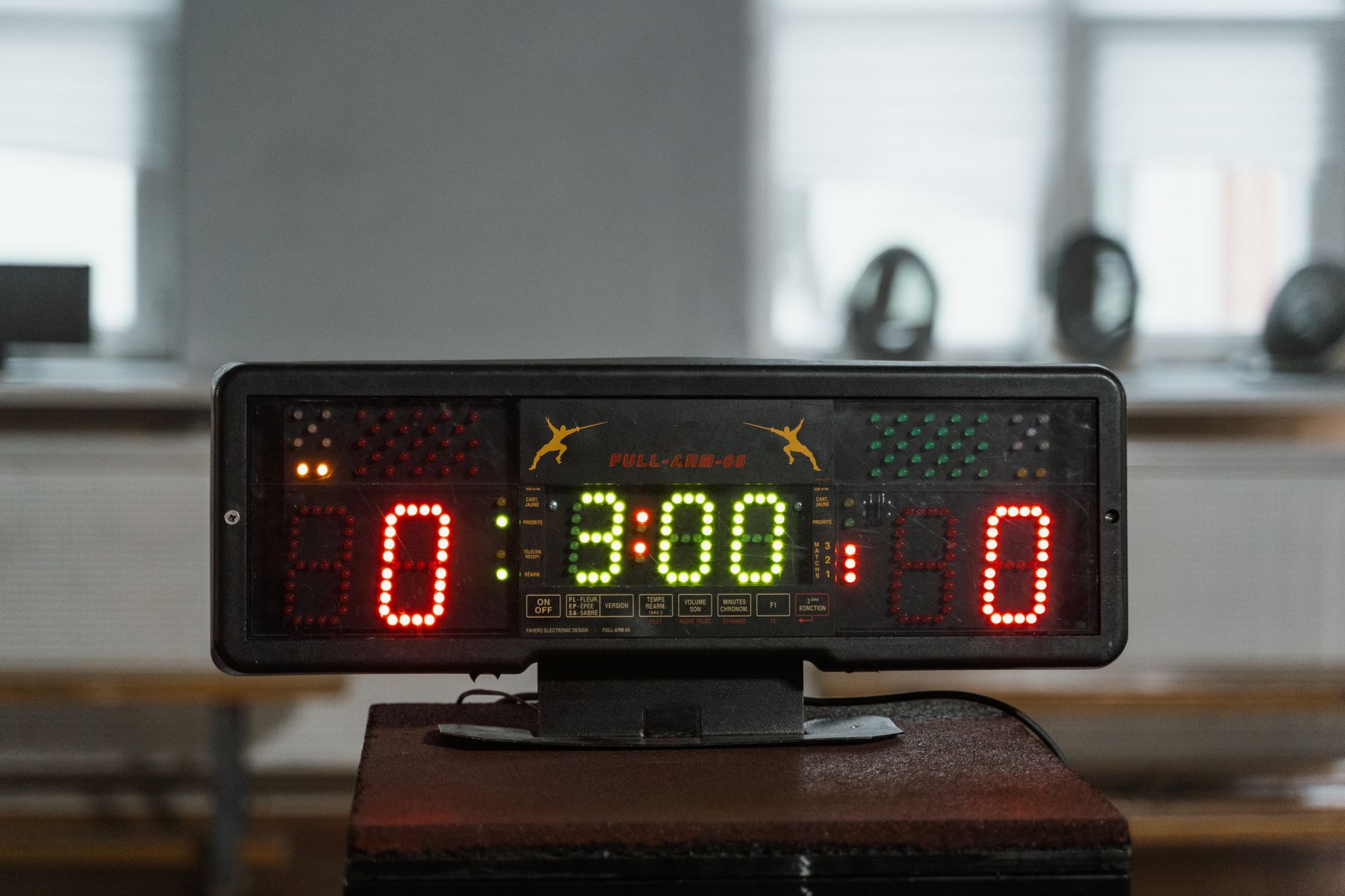 Photo: Tima Miroshnichenko via Pexels
Every symptom of a bad espresso shot traces back to extraction. Grind size is the primary lever — it controls how much surface area water contacts and how much resistance the puck offers. Get it wrong in either direction and the shot fails before temperature or pressure even enter the equation.
The good news: you don’t need a refractometer. Your senses and a timer tell you almost everything.
Signs Your Espresso Grind Is Too Fine
Too-fine grounds choke the machine. You’ll see slow drips instead of a steady stream, the pump strains audibly, and the shot runs bitter, astringent, or flat. The puck may also crack or channel unevenly because pressure has nowhere to go.
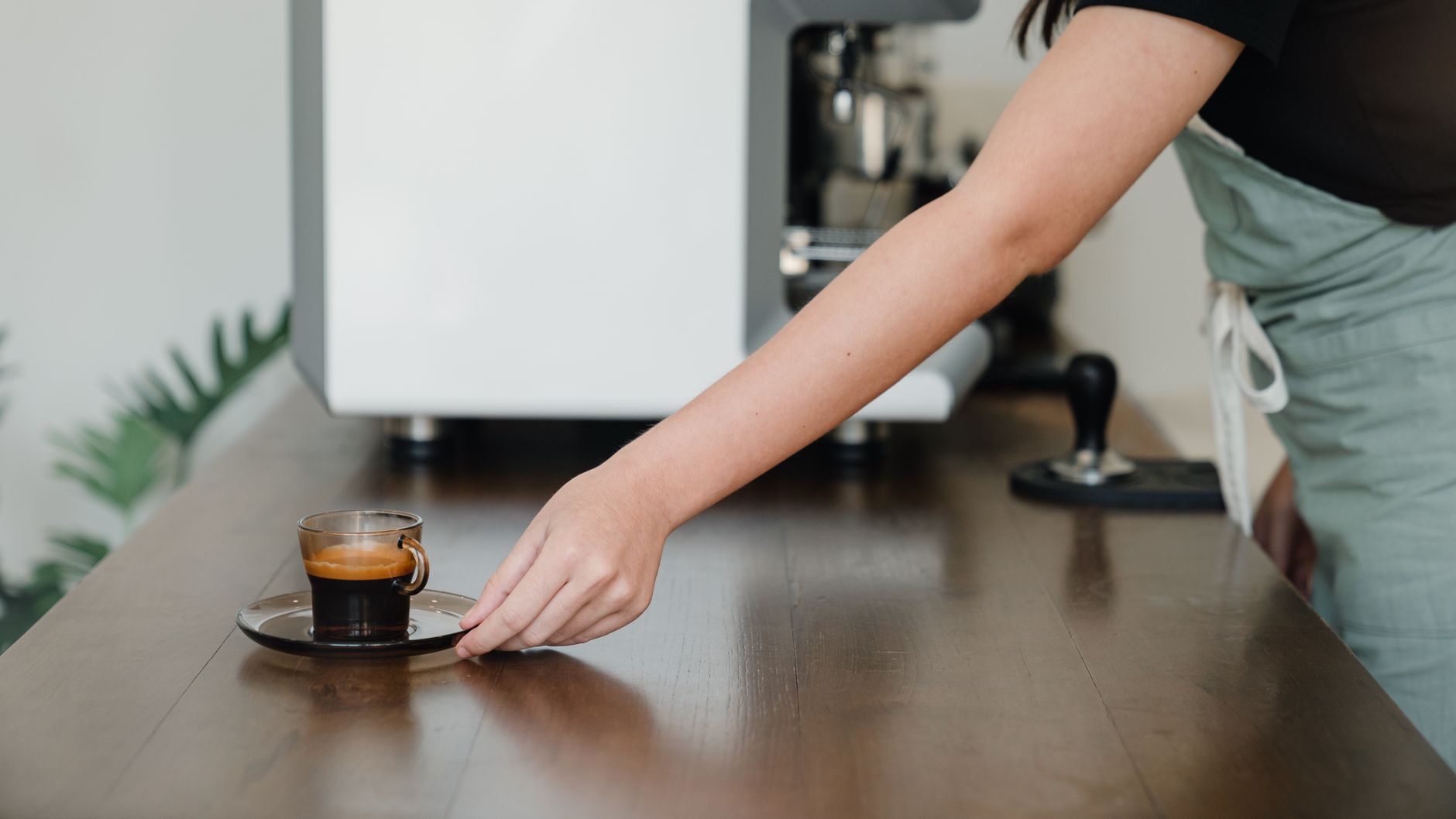
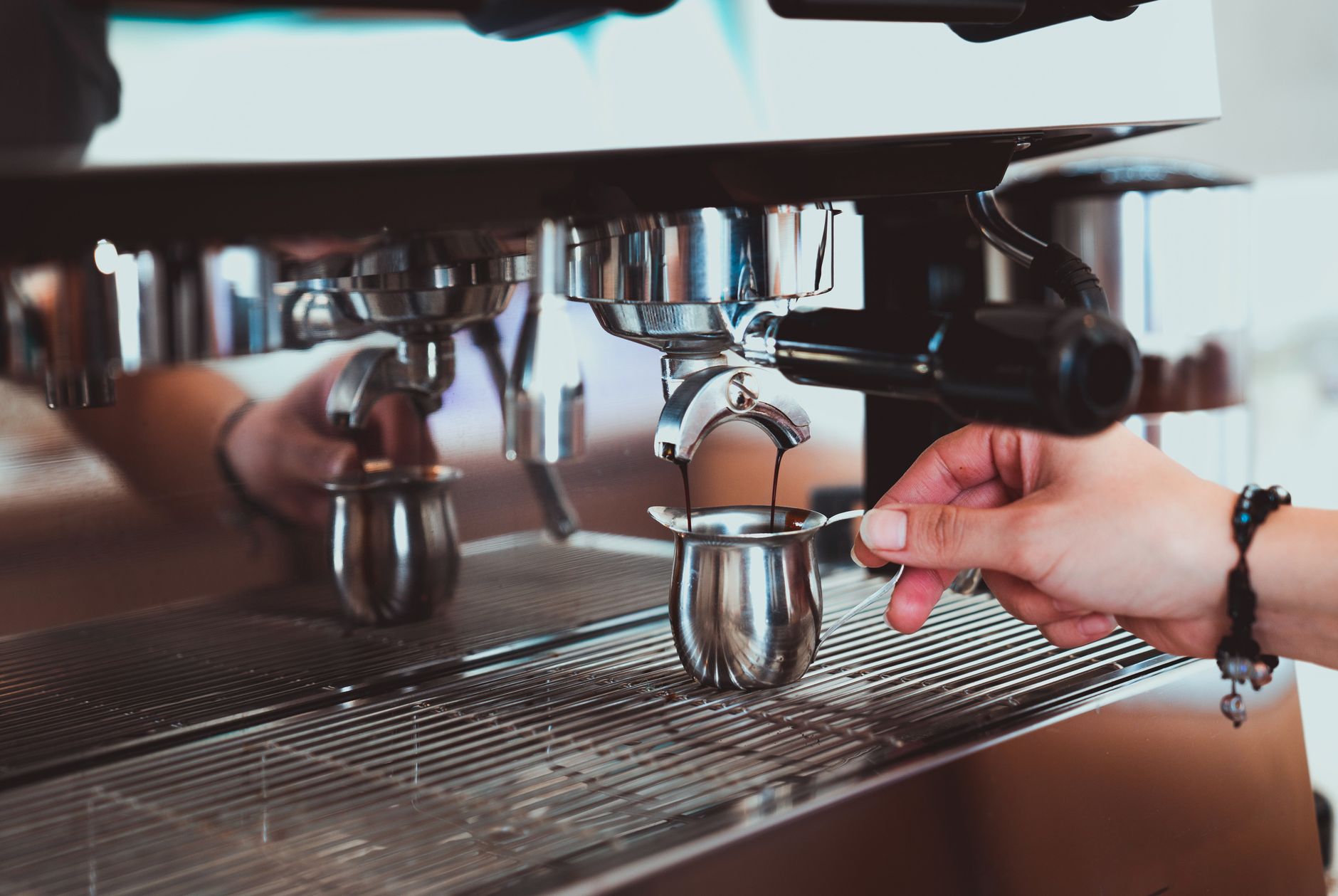 Photo: Los Muertos Crew via Pexels
Specific symptoms:
| Symptom | What It Means |
|---|---|
| Shot time > 35 sec | Puck resistance too high |
| No flow / machine struggles | Grind bordering on espresso mud |
| Bitter, dry finish | Over-extraction from too much contact time |
| Astringency on sides of tongue | Tannins extracted from over-exposed fines |
| Dark, thin crema (no body) | Channeling or complete over-extraction |
If you’re on a single-dose grinder like the Niche Zero or the DF64 Gen 2 , go one click coarser and retest. Budget grinders often require larger jumps.
Signs Your Espresso Grind Is Too Coarse
Too-coarse grounds under-extract fast. The shot blonds early, runs watery, and finishes sour or grassy. There’s often a gap between the puck and basket wall after the shot — a sign water took the path of least resistance through loose grounds.
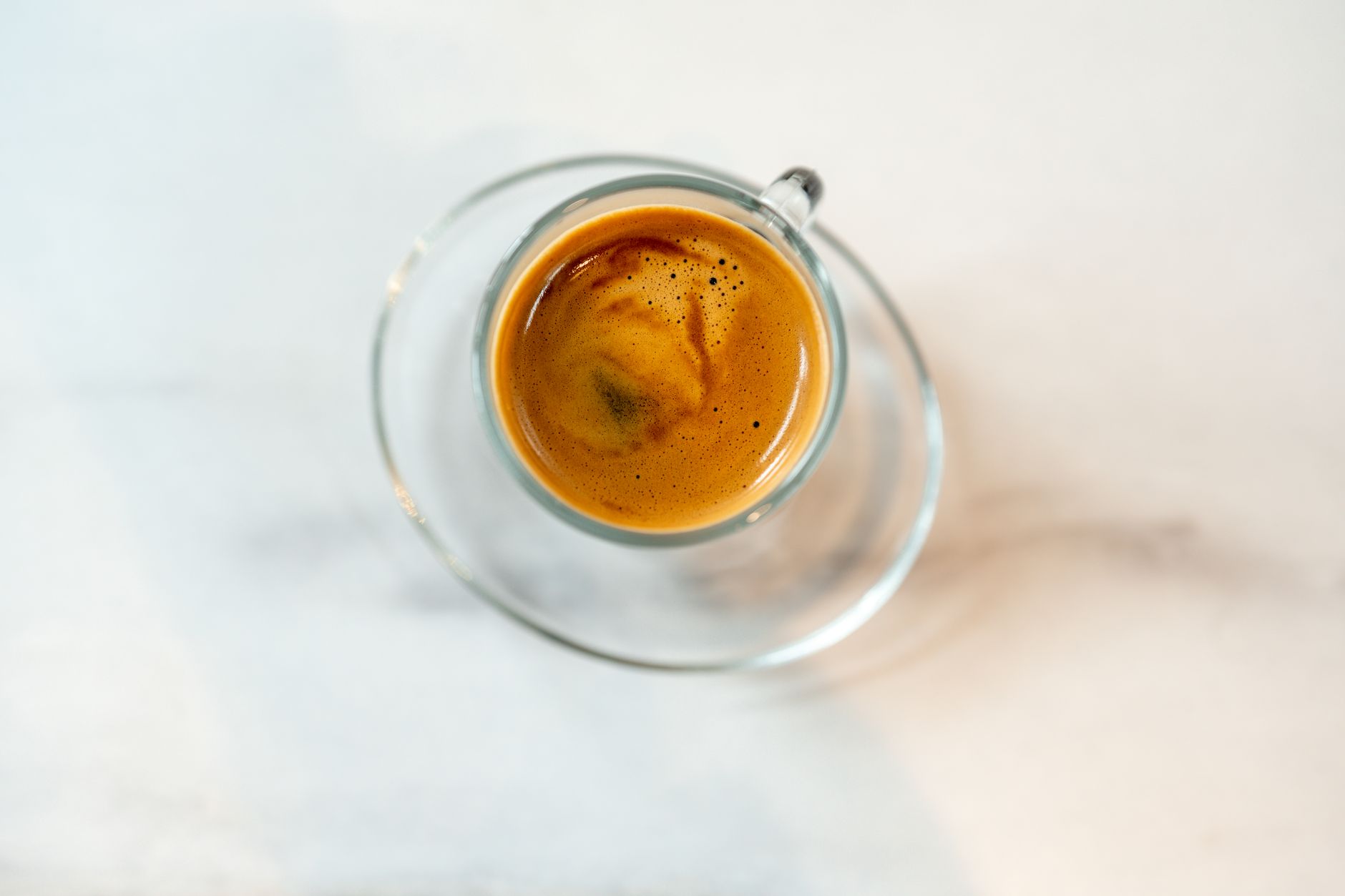
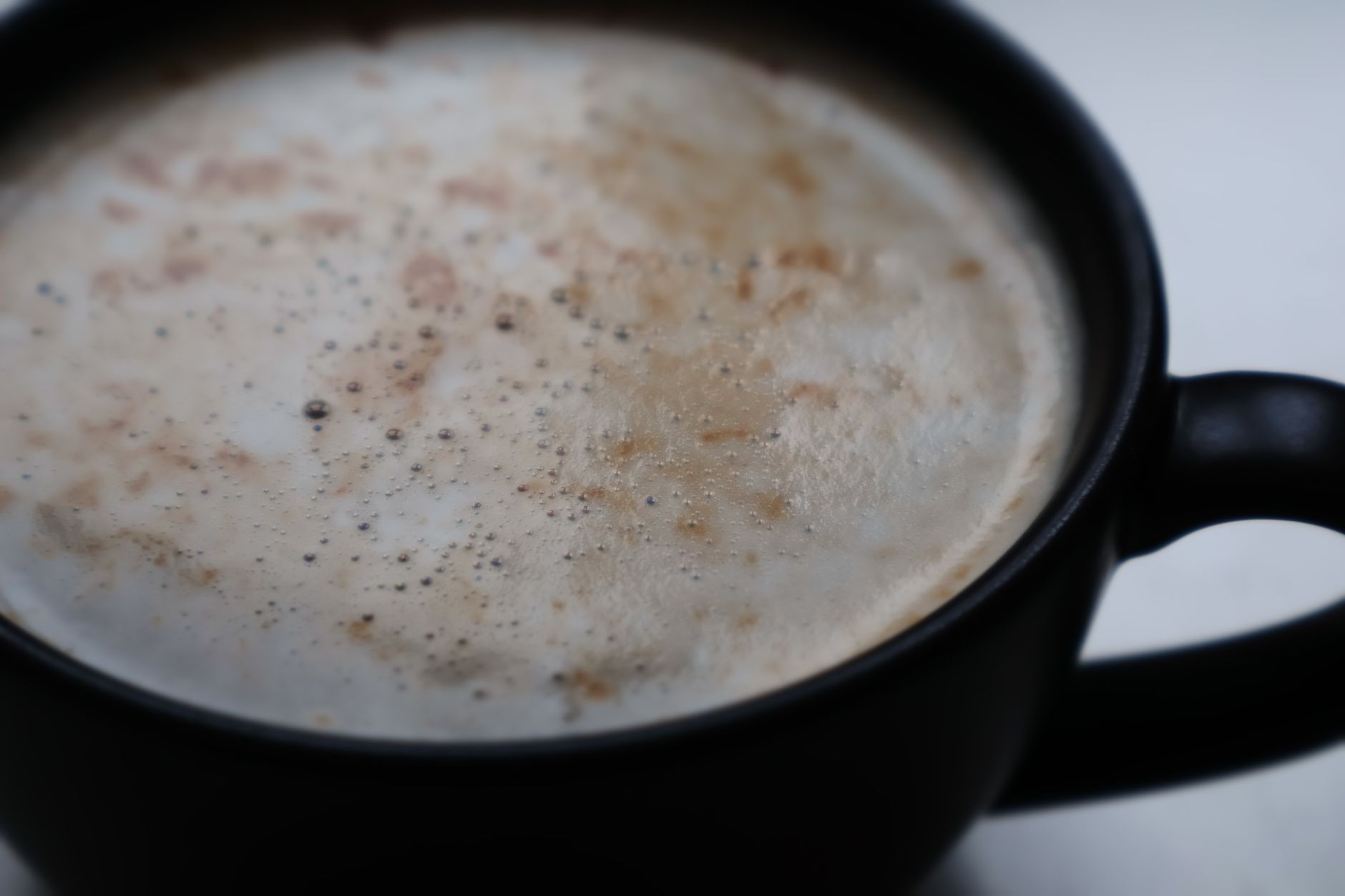 Photo: azra melek via Pexels
| Symptom | What It Means |
|---|---|
| Shot time < 20 sec | Not enough puck resistance |
| Sour, sharp, or acidic taste | Under-extraction, sugars not dissolved |
| Thin, pale, or spotty crema | CO₂ escaping too fast, low dissolved solids |
| Watery mouthfeel | Insufficient TDS, incomplete extraction |
| Grassy or raw grain notes | Early flavor compounds extracted without balance |
How to Adjust: The Dial-In Process
Brewing Guide — Espresso Extraction Parameters
| Parameter | Target |
|---|---|
| Dose | 18–20 g (adjust to basket spec) |
| Yield | 36–40 g (1:2 ratio) |
| Ratio | 1:2 (adjust to taste: 1:1.5 ristretto / 1:3 lungo) |
| Time | 25–30 sec (start of first drip to end) |
| Temperature | 90–96°C (lighter roasts higher, darker lower) |
| Pressure | 9 bar (6–8 bar for flow profiling) |
Puck Prep
Consistent puck prep eliminates variables so grind adjustments produce predictable results:
- WDT (Weiss Distribution Technique): Stir grounds with a thin needle tool before tamping to break up clumps and distribute evenly.
- Leveling: Settle the basket with a gentle tap, then use a distribution tool or finger-level sweep.
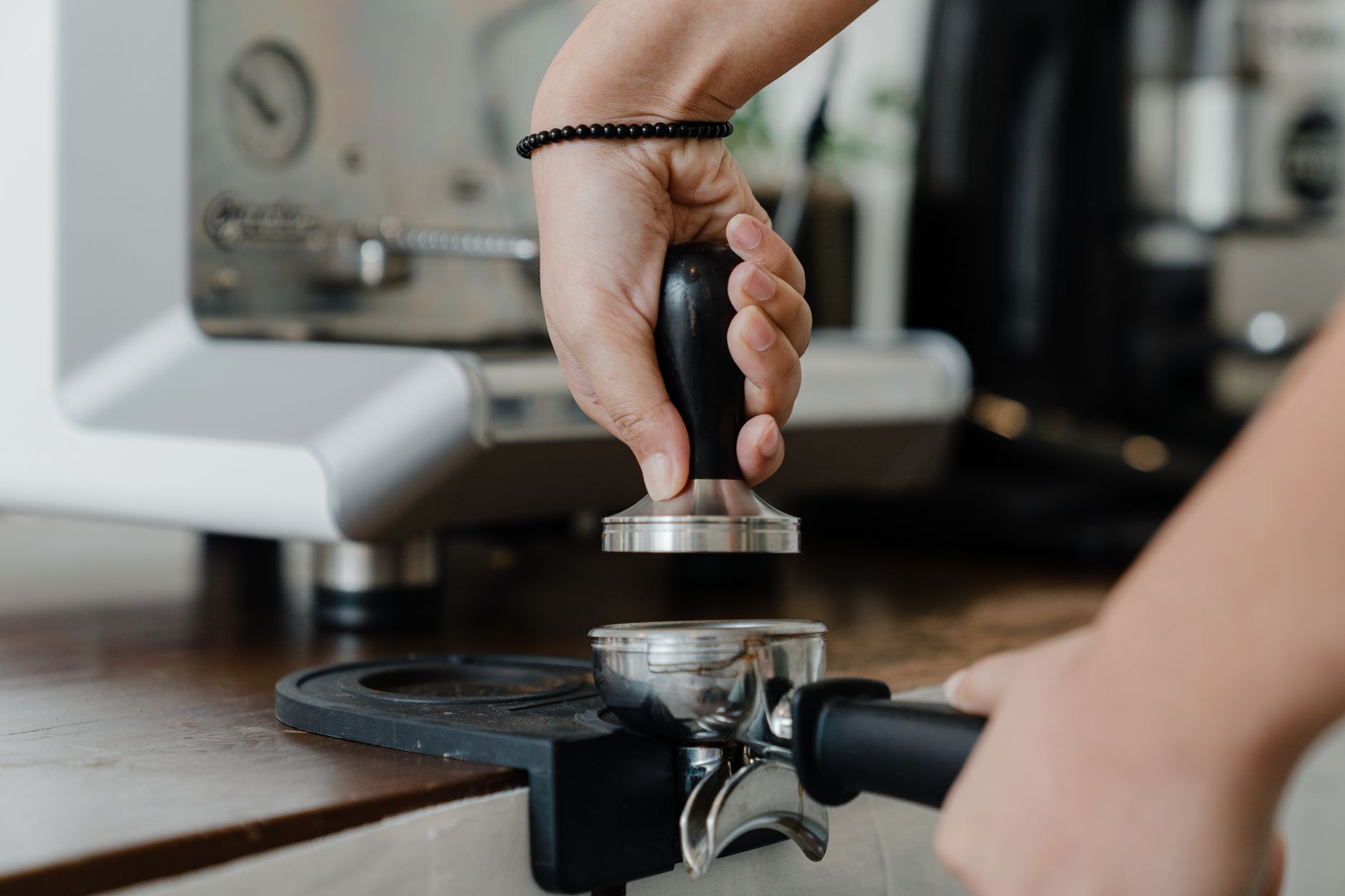
- Tamping: 15–20 kg of even, level pressure. Angled tamps cause channeling that mimics fine-grind symptoms.
- Channeling prevention: Use a precision basket (VST, IMS, or Pullman) — standard OEM baskets have uneven hole distribution.
- Pre-infusion: 3–5 seconds at 1–3 bar before full pressure wets the puck and reduces channeling — especially useful when grind is on the fine edge.
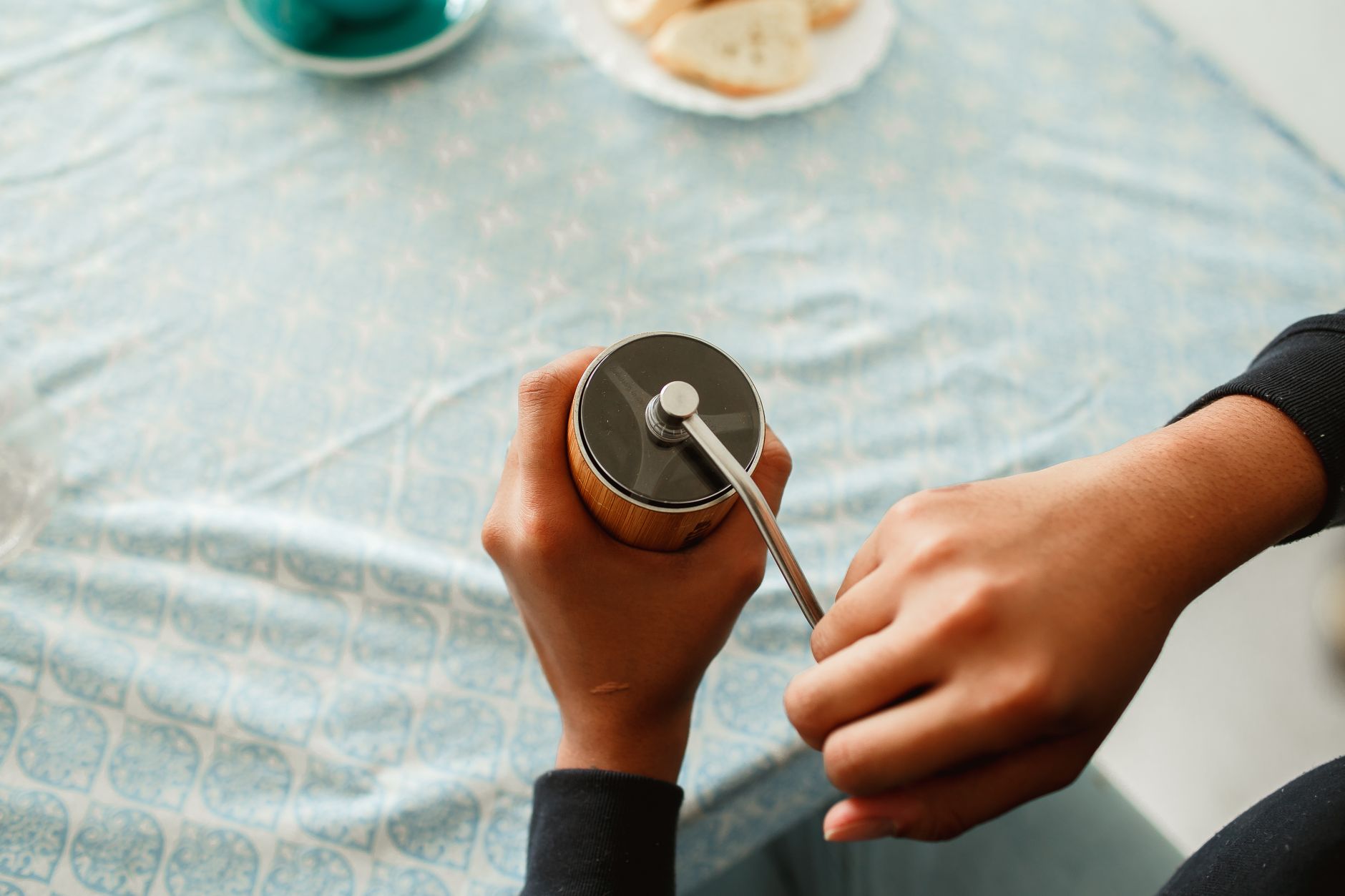 Photo: Helena Lopes via Pexels
Troubleshooting Matrix
| Symptom | Likely Cause | Fix |
|---|---|---|
| Shot too slow, bitter | Grind too fine | Coarsen 1 step, retest |
| Shot too fast, sour | Grind too coarse | Fine 1 step, retest |
| Uneven extraction, channeling | Puck prep inconsistency | WDT + level tamp before adjusting grind |
| Fast shot despite fine grind | Worn burrs or bypass | Inspect burrs; check for gaps in basket |
| Correct time, still bitter | Temp too high or stale beans | Drop 1°C or check roast date |
| Correct time, still sour | Temp too low or under-dosed | Raise 1°C or increase dose 0.5 g |
One Adjustment at a Time
Change only one variable per shot. If you adjust grind and dose together, you can’t identify which fixed it — or which made it worse. The sequence: fix grind size first → confirm time is in range → adjust dose if needed → adjust temperature last.
→ See also:
- How to Dial In Espresso: Step-by-Step Decision Tree
- Espresso Extraction Explained: Under, Over, and Perfect
- How to Tamp Espresso Correctly (Pressure, Technique, Tools)
FAQ
How do I know if my espresso grind is too fine without a timer? Taste and visual flow are reliable proxies. Too fine produces a bitter, drying finish and an extremely slow drip or complete choke. If your machine’s pump sounds strained and liquid barely appears in the cup after 10 seconds, the grind is too fine.
Can tamping pressure make a shot taste like the grind is too fine? Yes. Over-tamping compacts the puck and adds resistance identical to grinding finer. If you suspect this, reduce tamp pressure to a firm-but-not-forced 15 kg and retest before touching the grinder.
Why does my espresso grind setting change between bags of coffee? Roast level, bean density, and moisture content all affect how a given grind size extracts. Lighter roasts are denser and often require a finer setting; darker roasts grind more easily and extract faster, often needing a coarser adjustment of 1–3 steps.
How many grind steps should I adjust at once? One step at a time on quality burr grinders like the Comandante C40
Does grind size affect crema? Directly. Too fine produces thin, dark crema that dissipates fast because channeling disrupts emulsification. Too coarse yields pale, bubbly crema with no persistence. Correct grind size produces a dense, hazel-to-amber crema that holds for 60–90 seconds.
Editorial methodology: Assessments are based on manufacturer specifications, published user reviews, and editorial research. Physical hands-on testing is noted explicitly where it occurred. Rankings reflect our editorial judgment and are not influenced by affiliate commission rates. Full editorial policy · Affiliate disclosure