Contents
What Is Espresso Crema? (And What It Tells You)
TL;DR: Espresso crema is the reddish-brown foam layer that forms on top of a freshly pulled shot. It’s created when hot pressurized water forces CO₂ out of ground coffee and into an emulsion of oils and gases. Crema thickness and color are reliable diagnostic signals — but crema alone doesn’t define shot quality.
What Espresso Crema Actually Is
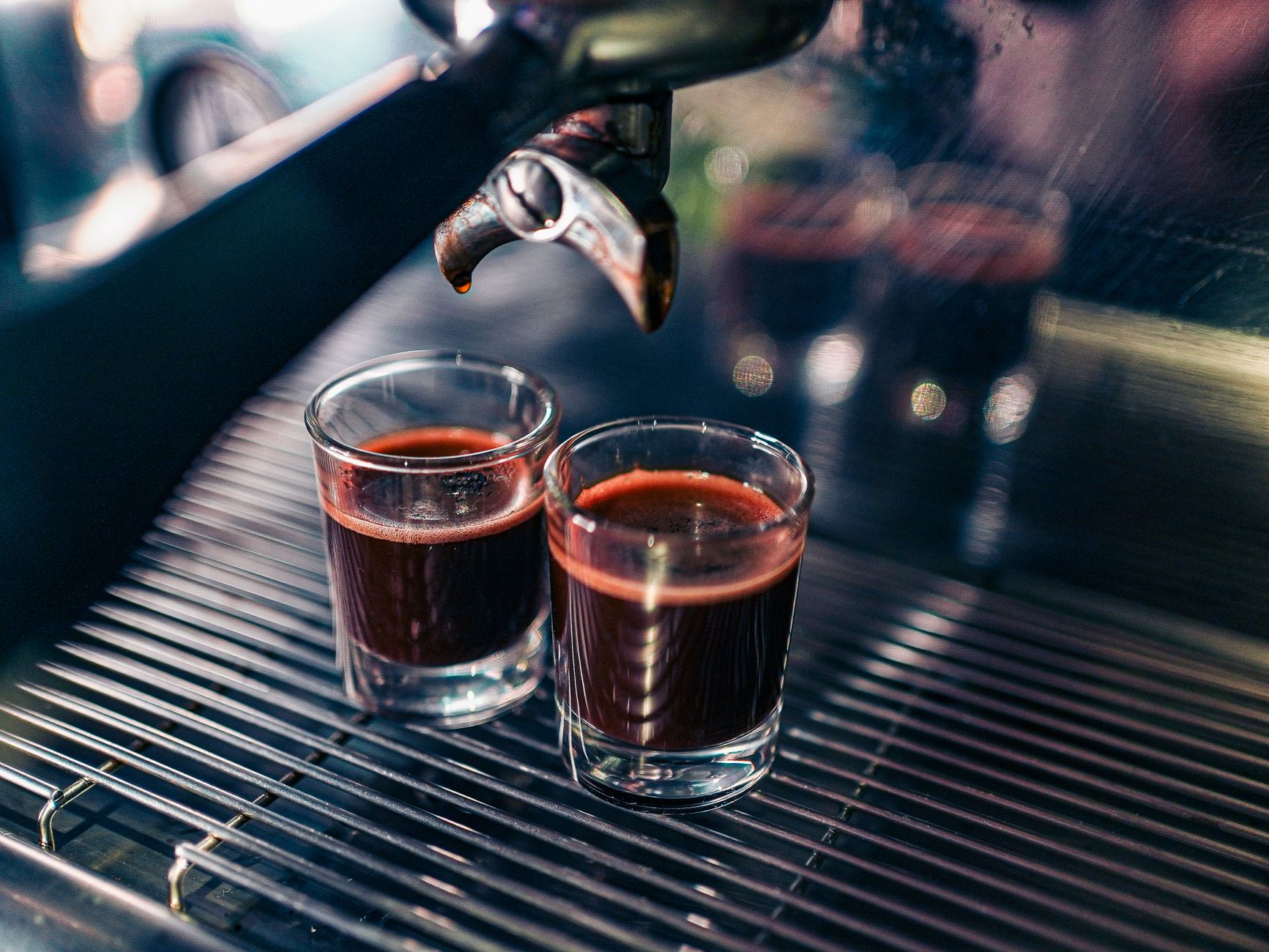
Crema is a colloid of CO₂ bubbles, coffee oils, and water suspended above your espresso. It forms because 9 bars of pressure dissolves far more gas into hot water than atmospheric pressure allows — when that liquid hits the cup, the CO₂ comes out of solution and whips coffee lipids into a stable foam layer.
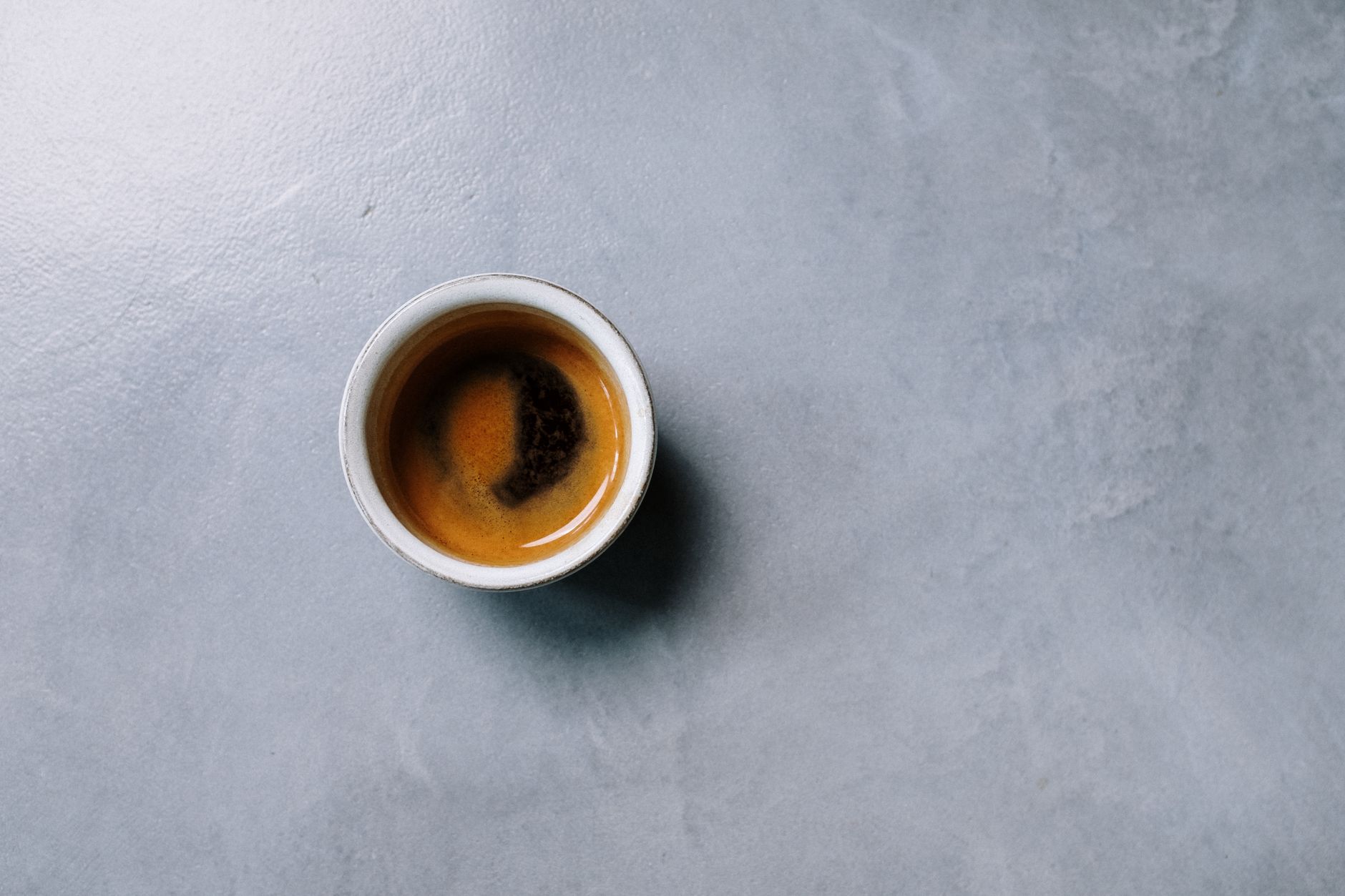 Photo: cottonbro studio via Pexels
The chemistry is straightforward: carbon dioxide is produced during roasting and trapped in the bean’s cellular structure. Grinding breaks those cells open. When water at ~93 °C hits the grounds under pressure, it picks up both CO₂ and non-polar coffee oils that water alone couldn’t carry. The moment pressure drops in the portafilter basket, that supersaturated solution degasses rapidly — crema is the visual result.
This is also why crema disappears within a few minutes. CO₂ is volatile. The foam destabilizes as gas escapes, leaving behind a thin, oily film that’s mostly lipids.
What Crema Tells You About Your Shot
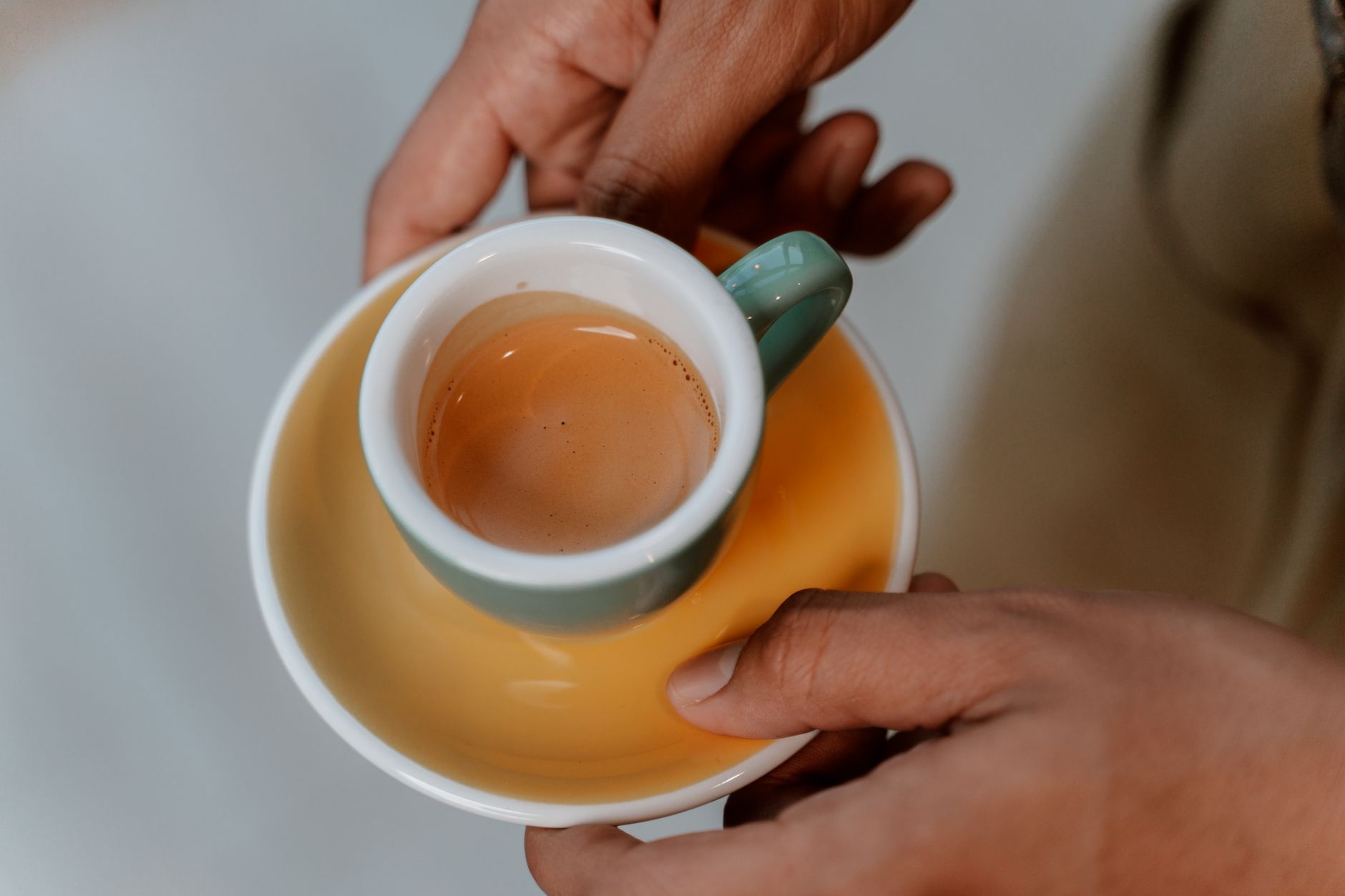
Color, thickness, and texture each carry diagnostic information. A hazelnut-to-dark-brown layer with faint tiger striping usually means good extraction. Pale or thin crema points to under-extraction or stale beans. Dark, thick, bitter crema often means over-extraction or too-fine a grind.
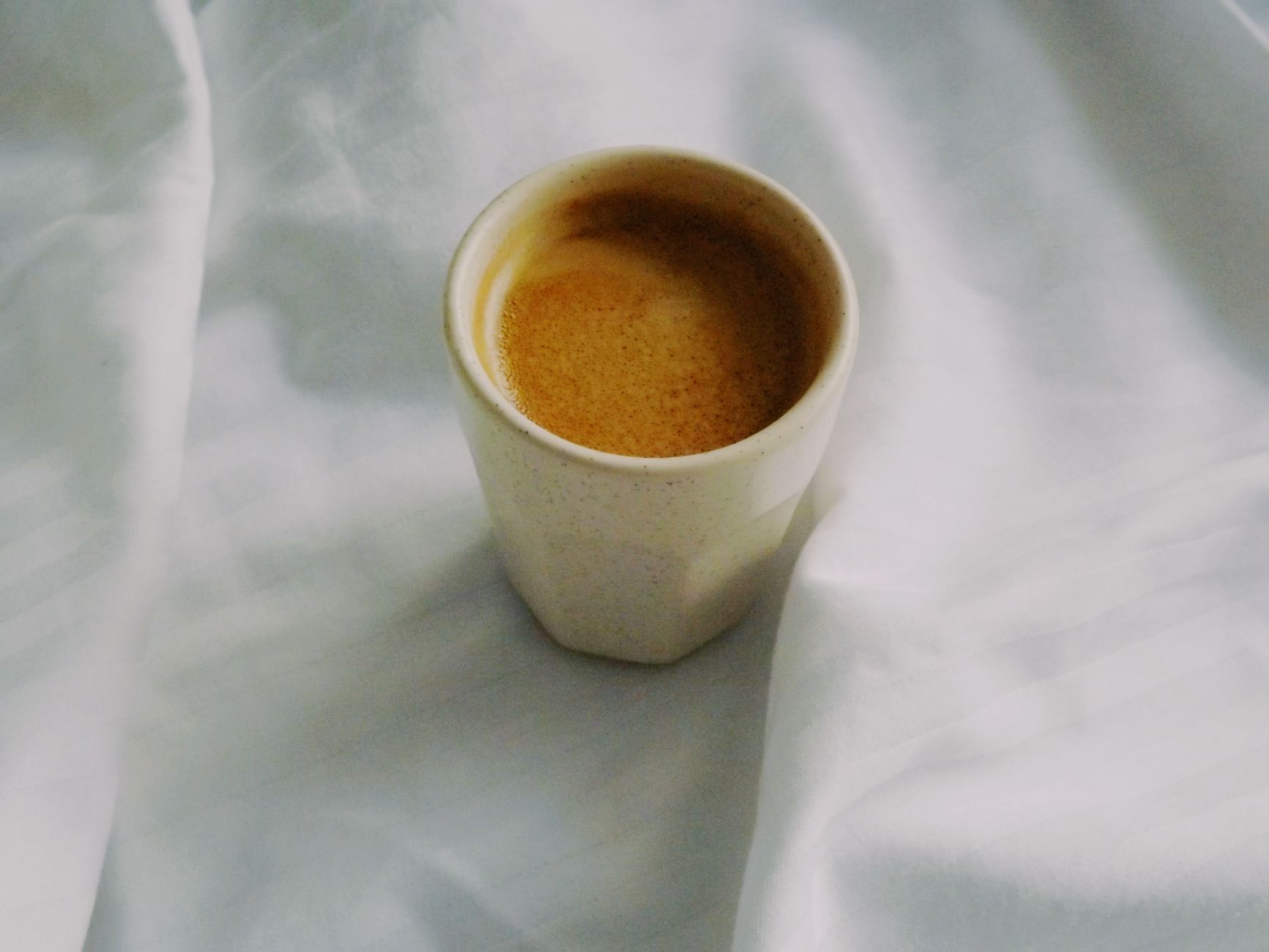 Photo: İsra Atan via Pexels
Color
| Crema Color | Likely Cause |
|---|---|
| Pale blond / white | Under-extracted, stale beans, or too coarse a grind |
| Hazelnut brown | Properly extracted, fresh beans |
| Reddish-brown with tiger stripe | Ideal — high CO₂, good emulsification |
| Very dark brown / black | Over-extracted, too fine a grind, or too high a dose |
Thickness and Persistence
A well-pulled shot on fresh beans typically produces 3–5 mm of crema that holds for 60–90 seconds. Crema that vanishes in under 30 seconds points to stale coffee — beans older than 4–6 weeks off-roast have lost most of their trapped CO₂. Excessively thick crema (5 mm+) that tastes bitter often indicates over-extraction or an overly fine grind.
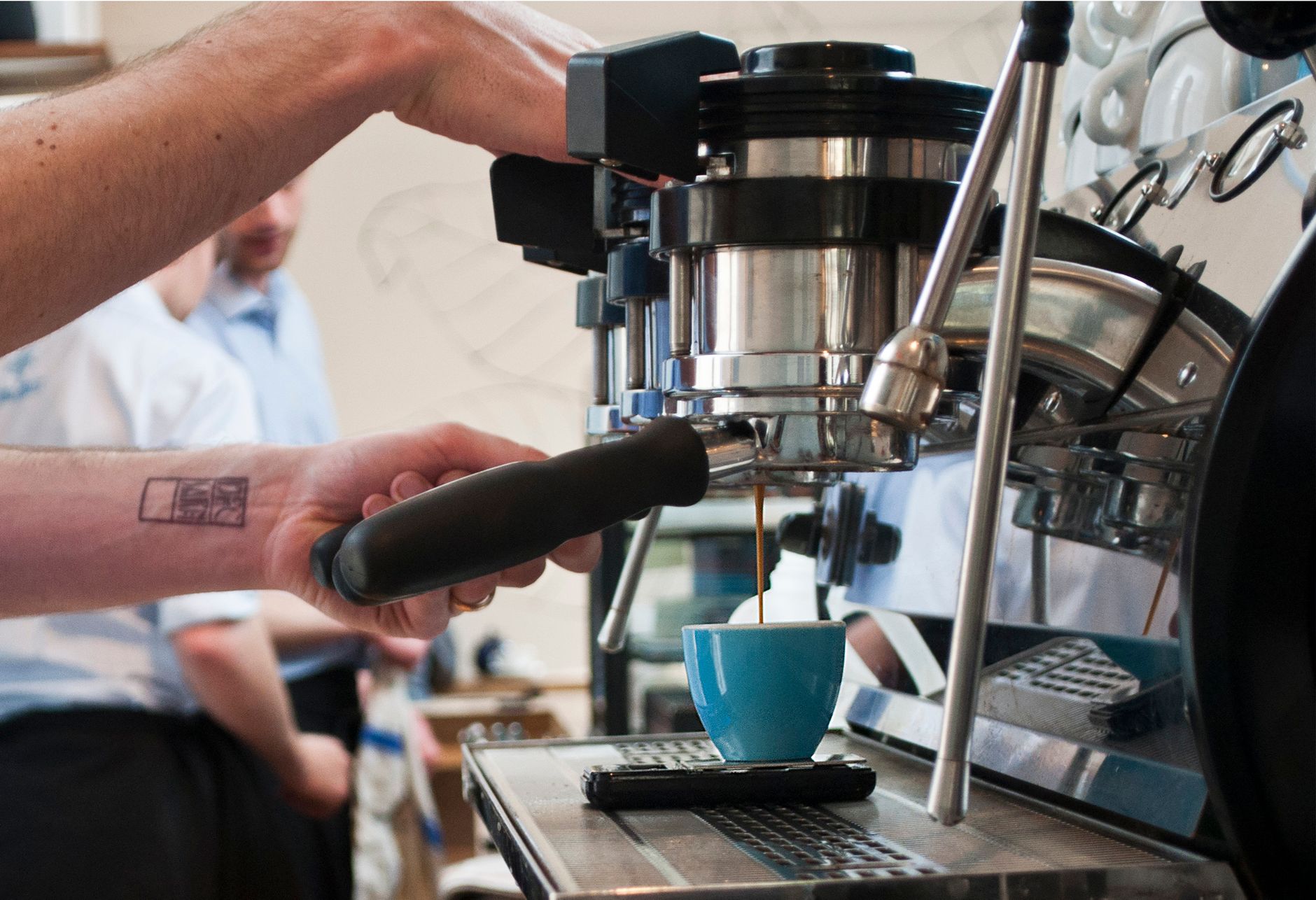 Photo: Amelia Hallsworth via Pexels
The “Spoon Test” Is a Myth
Putting a spoon of sugar on crema to watch it sink is an old Italian bar trick with limited diagnostic value. Crema density varies too much by bean origin, roast level, and machine pressure to make sinking speed a reliable quality indicator.
Factors That Affect Crema Quality
Four variables drive crema: bean freshness, roast level, grind size, and extraction pressure. Pull any one of these out of range and crema suffers — usually before the taste does.
| Variable | Too Little Crema | Too Much Crema |
|---|---|---|
| Bean freshness | Beans over 6 weeks off-roast | Beans under 4 days off-roast (over-gassing) |
| Roast level | Very light roast | Very dark roast |
| Grind | Too coarse | Too fine |
| Pressure | Under 7 bar | Over 11 bar |
A home machine like the Breville Barista Express
Crema and Flavor: Not the Same Thing
Crema contributes bitterness and some aromatic compounds, but it’s not a quality proxy on its own. Some single-origin light roasts from high-altitude farms produce thin crema while tasting exceptional. Some commodity dark roasts produce thick, persistent crema while tasting flat and burnt.
If you’re calibrating your shot, taste the espresso with and without stirring the crema in. Many baristas find stirring gives a more integrated flavor. Some prefer skimming crema entirely from lighter roasts where it reads as predominantly bitter.
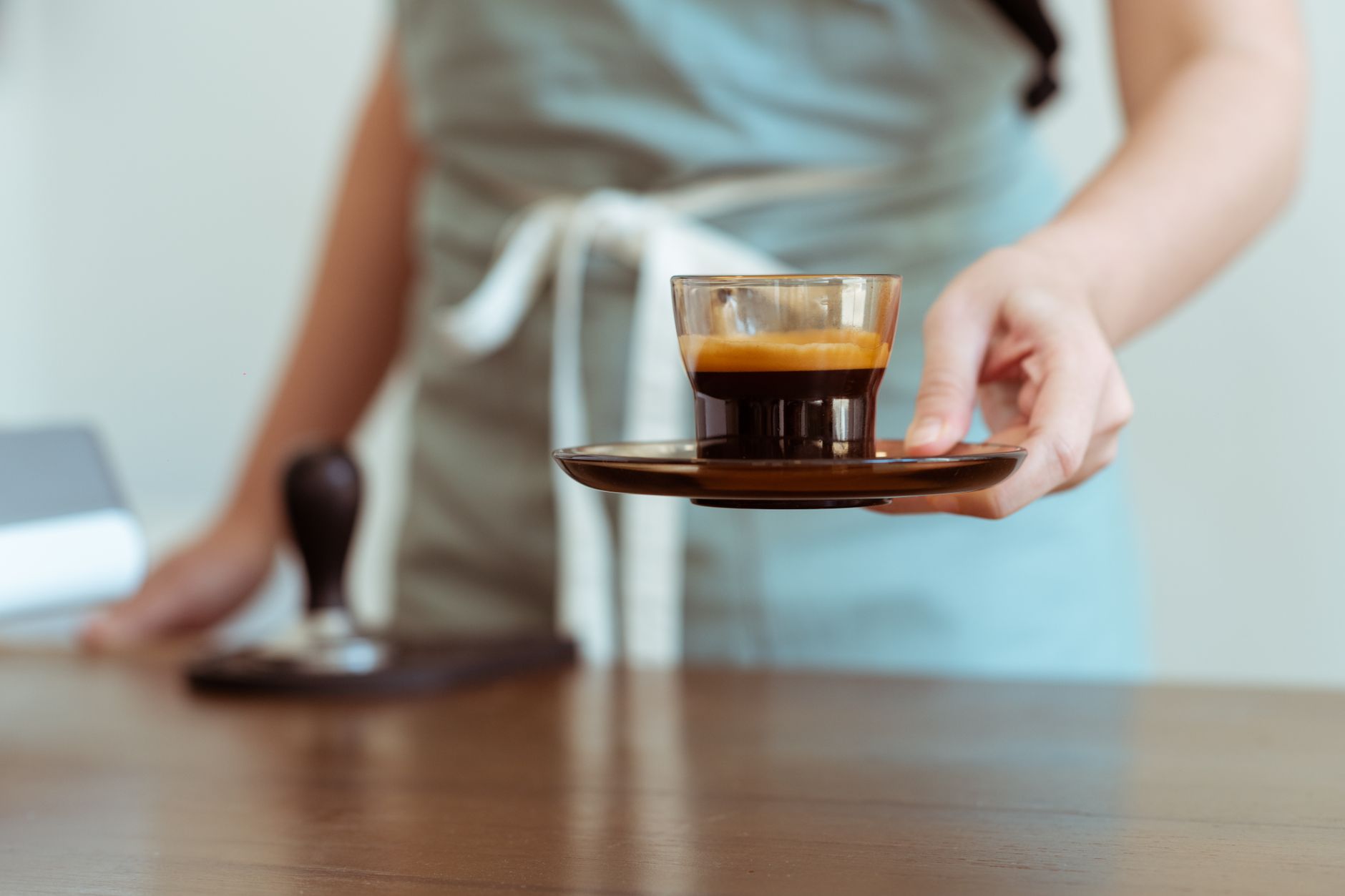 Photo: Ketut Subiyanto via Pexels
Brewing Parameters That Maximize Crema Quality
| Parameter | Target Range |
|---|---|
| Dose | 18–20 g (double basket) |
| Yield | 36–40 g |
| Ratio | 1:2 |
| Time | 25–30 seconds |
| Temperature | 90–94 °C |
| Pressure | 8–9 bar |
Puck prep: Distribute grounds with a WDT tool before tamping to eliminate clumps that cause channeling — channeling creates pale streaks through the crema and watery under-extracted pockets. Tamp level at ~15–20 kg of force. Pre-infusion at 2–3 bar for 5 seconds before ramping to full pressure helps saturate the puck evenly and reduces the risk of the sudden pressure spike that can blow channels through crema.
Troubleshooting Crema Problems
| Symptom | Likely Cause | Fix |
|---|---|---|
| No crema / very thin | Stale beans | Use beans 7–30 days off-roast |
| Pale blond crema | Under-extraction | Grind finer or increase dose |
| Dark, bitter crema | Over-extraction | Grind coarser, lower temperature 1 °C |
| Crema with white blotches | Channeling | WDT + level tamp, check basket seal |
| Crema disappears in <20 sec | CO₂ depleted beans | Source fresher coffee |
| Crema won’t form on fresh beans | Machine under-pressure | Check pump pressure; target 9 bar |
→ See Also
- How to Dial In Espresso: Step-by-Step Decision Tree
- Espresso Extraction Explained: Under, Over, and Perfect
- How to Tamp Espresso Correctly (Pressure, Technique, Tools)
FAQ
What is the ideal color for espresso crema? Hazelnut to reddish-brown with faint tiger striping is the target. That coloration indicates proper extraction of soluble solids and adequate CO₂ emulsification. Pale blond means under-extracted; very dark means over-extracted or burnt.
Why does my espresso have no crema? The most common cause is stale beans. CO₂ off-gasses through the bag over time, and beans beyond 4–6 weeks post-roast have little left to form crema. Secondary causes are too coarse a grind, low machine pressure (below 7 bar), or a poorly sealed basket.
Does crema mean espresso is good quality? Not directly. Crema signals freshness and extraction conditions — it’s a diagnostic tool, not a quality metric. A well-extracted shot from a great single-origin light roast can have minimal crema, while a poorly sourced dark roast can produce thick crema that tastes bitter.
Should you stir crema into espresso or remove it? This is preference-dependent and roast-dependent. For medium to dark roasts, stirring crema in integrates aromatics and rounds out the flavor. For very light roasts where crema reads as predominantly bitter, skimming it can reveal the cleaner fruit and acidity underneath.
Can you get crema from non-espresso brewing methods? No. Crema requires both high pressure (minimum ~7 bar) and fine grind to form. Moka pots operate at roughly 1–2 bar — too low for true crema formation, though they can produce a surface foam sometimes called “crema” colloquially. AeroPress with a Fellow Prismo can approximate it at very low levels.
Does darker roast always produce more crema? Generally yes in the short term — dark roasts degas rapidly and produce more CO₂ immediately after roast. But that CO₂ dissipates faster, meaning the window for crema-rich extraction is narrower. Lighter roasts degas more slowly and can produce excellent crema for a longer window post-roast.
Editorial methodology: Assessments are based on manufacturer specifications, published user reviews, and editorial research. Physical hands-on testing is noted explicitly where it occurred. Rankings reflect our editorial judgment and are not influenced by affiliate commission rates. Full editorial policy · Affiliate disclosure