Contents
Does Coffee Cause Anxiety? (What the Science Says)
TL;DR: Yes, coffee can cause anxiety — but only under specific conditions. Caffeine blocks adenosine receptors and spikes adrenaline, which mimics anxiety symptoms. Whether it affects you depends on your dose, genetics, and baseline anxiety levels. Most people tolerate 1–3 cups daily without issues.
How Caffeine Triggers Anxiety in the Brain
Direct Answer: Caffeine causes anxiety by blocking adenosine (the brain’s “calm down” signal) and triggering a cortisol and adrenaline release. This raises heart rate and alertness — sensations the nervous system reads as stress. At doses above 400mg, these effects become clinically significant for most adults.
 Photo: Andrea Piacquadio via Pexels
Adenosine is a byproduct of neural activity — the longer you’re awake, the more it accumulates, gradually slowing your brain down. Caffeine is structurally similar enough to adenosine that it fits the same receptors without activating them, effectively jamming the off-switch.
The downstream effect: your brain stays alert, but it also triggers a sympathetic nervous system response. Adrenaline spikes. Heart rate rises. If you’re already stressed or anxiety-prone, that physiological state is indistinguishable from an anxiety episode — because mechanically, it’s the same thing.
What the Research Shows
Studies consistently show that caffeine doses above 400mg per day increase anxiety symptoms in the general population. A 2015 meta-analysis in Psychopharmacology found that people with anxiety disorders are significantly more sensitive to caffeine’s effects than those without, with symptoms appearing at doses as low as 200mg.
 Photo: Samer Daboul via Pexels
The diagnostic manual DSM-5 formally recognizes “caffeine-induced anxiety disorder” as a clinical condition — meaning the anxiety isn’t just subjective or imagined. At high enough doses, caffeine causes anxiety in the same physiological sense that exercise causes elevated heart rate.
Who Is Actually at Risk
Direct Answer: People with generalized anxiety disorder (GAD), panic disorder, or a genetic variant called the ADORA2A gene are most vulnerable. Stimulant-sensitive individuals often feel anxious at doses that barely register for others. Occasional coffee drinkers are more sensitive than habitual users.
 Photo: LaoTie Miao via Pexels
Your genetics matter more than most people realize. The CYP1A2 gene controls how fast your liver metabolizes caffeine — slow metabolizers keep caffeine in their system far longer, intensifying and prolonging its effects. Meanwhile, ADORA2A variants increase adenosine receptor sensitivity, making caffeine hits harder.
Tolerance is real but limited. Habitual coffee drinkers adapt to caffeine’s stimulant effects over time, but research shows anxiety sensitivity doesn’t fully habituate the same way wakefulness does. You may stop feeling “wired” but still experience elevated cortisol.
Does Switching to Espresso Help?
Direct Answer: Not really — the issue is total daily caffeine intake, not the brew method. A standard double espresso (60–80mg caffeine) has less caffeine than a 12oz drip coffee (120–180mg). If espresso replaces two cups of drip, you’re cutting caffeine; if you drink it on top, you’re adding to it.
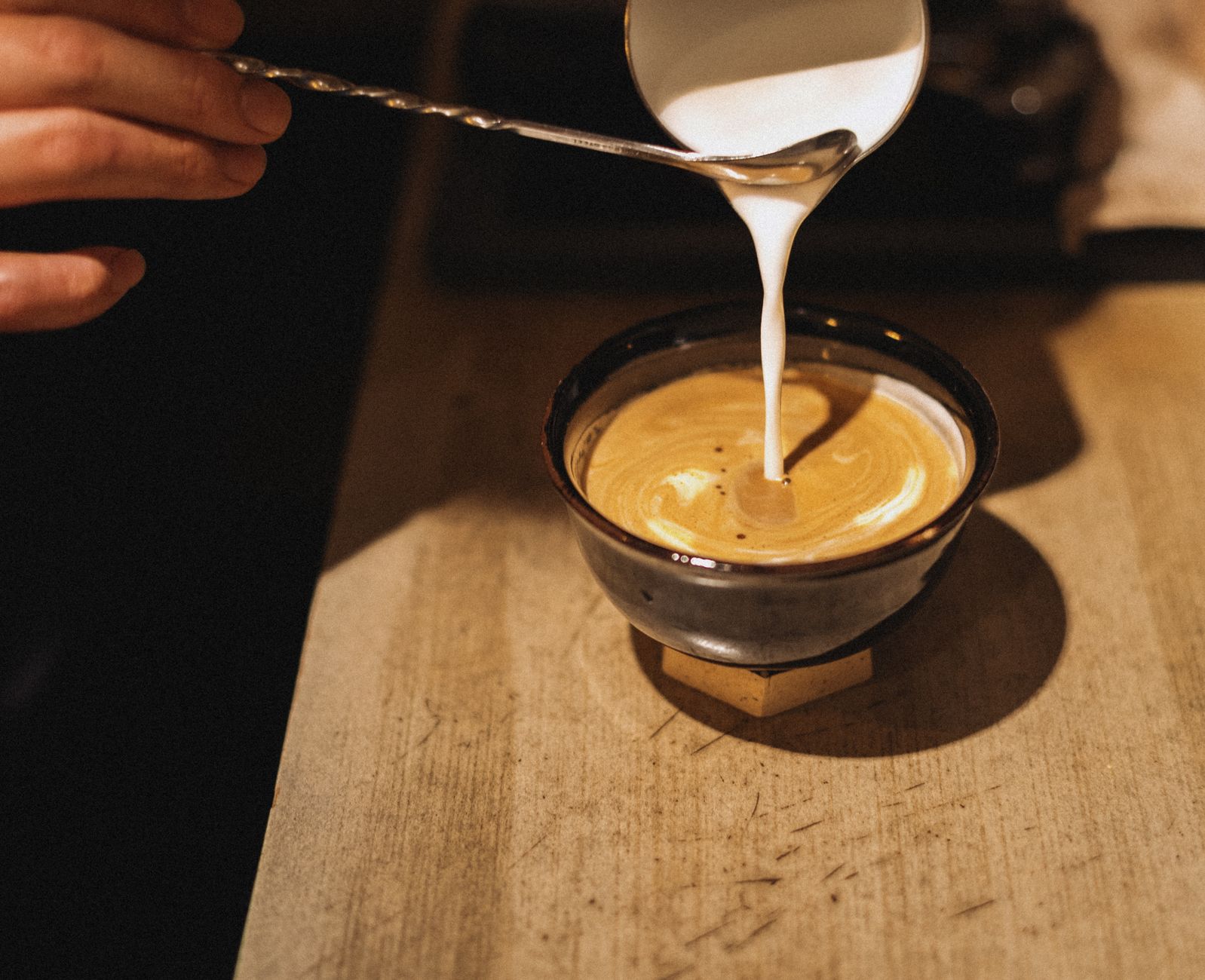 Photo: Gu Ko via Pexels
The difference between caffeine in espresso vs drip coffee is often misunderstood — espresso is more concentrated per ounce but served in smaller volumes. The real variable is how many milligrams you consume across the day, not what’s in your cup.
Practical Threshold: How Much Coffee Is Safe for Anxiety
| Daily Caffeine | Likely Effect on Anxiety |
|---|---|
| Under 200mg (~2 cups drip) | Low risk for most people |
| 200–400mg | Moderate risk; sensitive individuals may notice symptoms |
| 400–600mg | High risk; anxiety symptoms common across populations |
| 600mg+ | Clinically significant anxiety likely; DSM-5 threshold |
The FDA’s 400mg guideline applies to healthy adults. Anyone with diagnosed anxiety, panic disorder, or sleep disorders should treat 200mg as a practical ceiling and monitor response carefully.
For reference on exactly how much caffeine different brew methods deliver, see How Much Caffeine Is in a Cup of Coffee?.
Reducing Anxiety Without Quitting Coffee
Direct Answer: Cut total daily intake first. Switch from afternoon to morning-only consumption to avoid caffeine’s interference with sleep — poor sleep dramatically worsens baseline anxiety. Try half-caff or robusta-free blends. If symptoms persist below 200mg, consider a full elimination trial for 2 weeks.
 Photo: Cup of Couple via Pexels
Timing matters as much as dose. Caffeine’s half-life is 5–6 hours, meaning a 3pm coffee still has half its caffeine in your system at 8pm. Disrupted sleep amplifies next-day anxiety, creating a cycle that’s often mistaken for pure caffeine sensitivity when sleep deprivation is doing most of the work.
L-theanine, an amino acid found in tea, blunts caffeine’s anxiogenic effects without reducing alertness. Some coffee drinkers supplement 100–200mg of L-theanine alongside their morning cup. Matcha contains it naturally, which explains why tea drinkers often report calmer alertness than coffee drinkers at comparable caffeine doses.
→ See also:
- Coffee Science: The Complete Guide to Extraction, Chemistry & Flavor
- How Much Caffeine Is in a Cup of Coffee? (All Brew Methods)
- Caffeine in Espresso vs Coffee: Which Has More?
FAQ
Does coffee cause anxiety in everyone? No. Most adults tolerate moderate coffee intake (1–3 cups) without anxiety symptoms. Sensitivity depends heavily on genetics (CYP1A2, ADORA2A variants), baseline anxiety levels, and habitual intake. People with anxiety disorders are clinically more susceptible — they should treat 200mg as a ceiling, not 400mg.
Can coffee trigger a panic attack? Yes. Caffeine’s physiological effects — elevated heart rate, shallow breathing, heightened alertness — are nearly identical to the early stages of a panic attack. In individuals with panic disorder, even moderate doses can trigger a full episode. Several clinical studies have used caffeine to reliably induce panic attacks in this population under controlled conditions.
Does does coffee cause anxiety worse at certain times of day? Morning coffee on an empty stomach amplifies the cortisol spike (cortisol is naturally highest in the first 90 minutes after waking). Afternoon coffee disrupts sleep, which elevates baseline anxiety the next day. The lowest-risk window for anxiety-prone drinkers is roughly 90 minutes after waking with food.
Is decaf safe if I have anxiety? Mostly, yes. Decaf retains roughly 2–15mg of caffeine per cup — negligible for most people. However, if you’re extremely sensitive, even this trace amount can have mild effects. Decaf also contains all of coffee’s other bioactive compounds (chlorogenic acids, trigonelline), which affect the gut-brain axis but don’t have the same direct anxiogenic mechanism as caffeine.
Does does coffee cause anxiety disappear if I quit? Caffeine-induced anxiety typically resolves within 1–2 weeks of stopping. The first 2–3 days involve withdrawal (headaches, fatigue, irritability) as adenosine receptors re-calibrate. After full clearance, many people with chronic mild anxiety report notable baseline improvement — suggesting caffeine was a persistent contributor they’d normalized.
Editorial methodology: Assessments are based on manufacturer specifications, published user reviews, and editorial research. Physical hands-on testing is noted explicitly where it occurred. Rankings reflect our editorial judgment and are not influenced by affiliate commission rates. Full editorial policy · Affiliate disclosure