
Contents
Coffee and Blood Pressure: What the Research Says
TL;DR: Coffee raises blood pressure short-term by 5–10 mmHg due to caffeine blocking adenosine receptors. Regular drinkers build tolerance within days, and moderate consumption (2–4 cups/day) is not linked to chronic hypertension in most people. If you have uncontrolled high blood pressure, talk to your doctor before changing your intake.
Does Coffee Raise Blood Pressure?
Yes — temporarily. A standard cup raises systolic pressure by roughly 5–10 mmHg and diastolic by 3–6 mmHg, peaking 30–60 minutes after consumption and resolving within 3–4 hours. This effect is steeper in non-habitual drinkers and largely disappears in people who drink coffee daily.
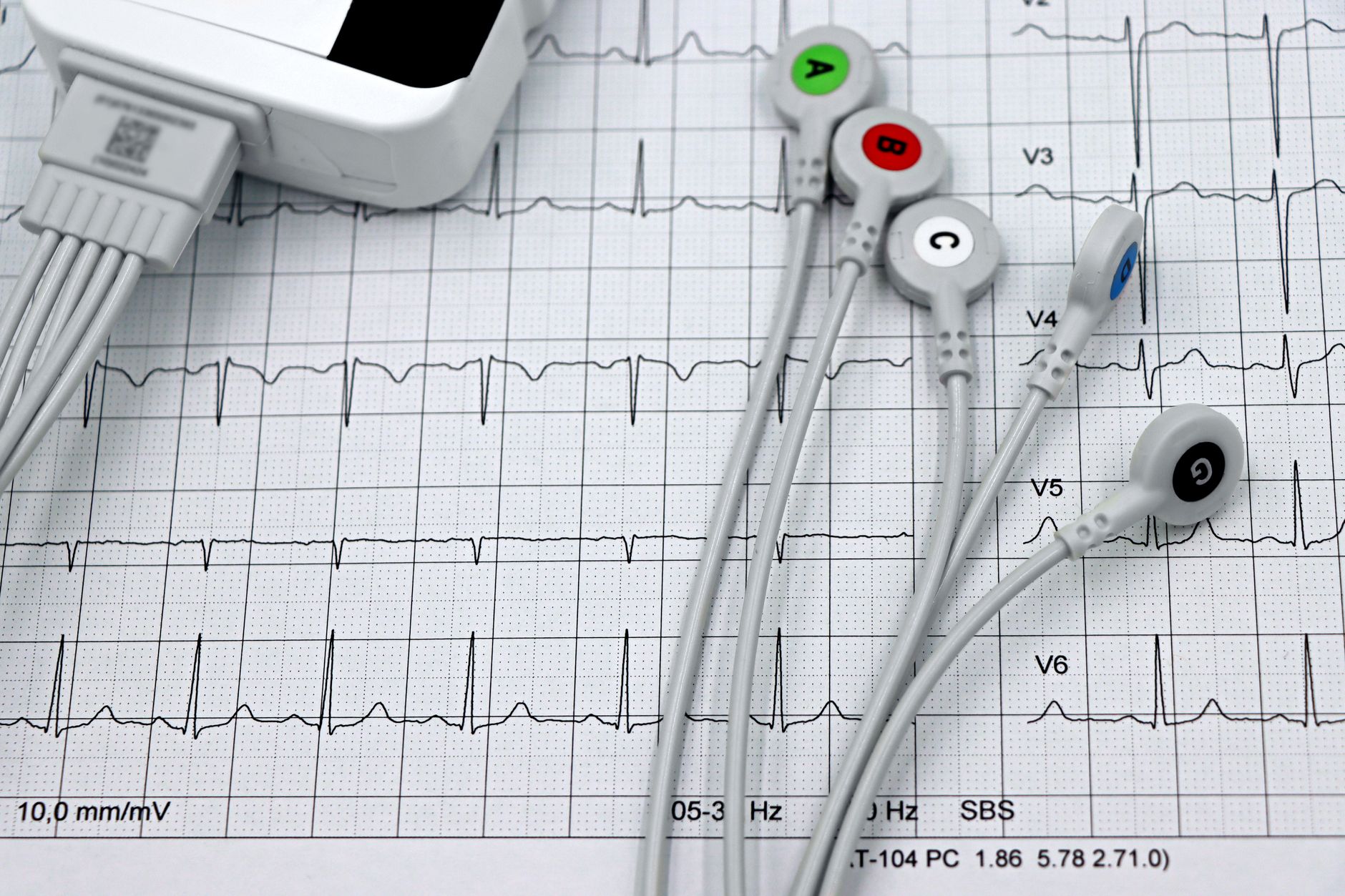 Photo: Marta Branco via Pexels
Caffeine is a competitive adenosine receptor antagonist. Adenosine is a vasodilator — it widens blood vessels and slows the heart. When caffeine blocks those receptors, blood vessels constrict and cardiac output rises, driving up pressure temporarily.
The key word is temporarily. Chronic coffee drinkers show significantly blunted responses because their cardiovascular systems upregulate adenosine receptor density over time — a pharmacological tolerance that develops within 3–5 days of regular use.
A 2012 meta-analysis in the Journal of Hypertension (covering over 5,000 participants) found no statistically significant association between habitual coffee consumption and the development of hypertension. The acute spike exists; the chronic risk, for most people, does not.
How Caffeine Affects the Cardiovascular System
Caffeine’s blood pressure effect is a cascade: adenosine block → vasoconstriction → increased peripheral resistance → higher BP. At the same time, it triggers adrenal release of epinephrine, adding a sympathetic nervous system component that amplifies the response in stress-sensitive individuals.
 Photo: Alexey Demidov via Pexels
The adrenal pathway matters more than most people realize. For someone under chronic stress or with elevated cortisol, that epinephrine hit stacks on top of an already-activated sympathetic system. This is why the same double espresso might leave one person unbothered and send another’s heart racing.
Chlorogenic acids — polyphenols abundant in unfiltered and lighter-roast coffees — have a parallel effect that runs counter to caffeine: they promote nitric oxide production, improving endothelial function and mildly lowering blood pressure over the long term. This may partly explain why observational studies on habitual coffee drinkers show neutral or slightly protective cardiovascular outcomes despite caffeine’s acute effects.
For context on caffeine dosing across brew methods, see How Much Caffeine Is in a Cup of Coffee? (All Brew Methods).
Regular vs. Occasional Drinkers: The Tolerance Gap
What Tolerance Does (and Doesn’t) Protect Against
Habitual drinkers experience dramatically reduced acute BP responses — studies show attenuation of 60–80% compared to caffeine-naive individuals. But tolerance is specific to the cardiovascular response. It does not eliminate caffeine’s effects on sleep architecture, anxiety, or bladder urgency.
 Photo: Gareth Rees via Pexels
| Drinker Type | Acute Systolic Rise | Chronic BP Risk |
|---|---|---|
| Non-habitual (< 1 cup/week) | +8–12 mmHg | Minimal if infrequent |
| Occasional (1–3 cups/week) | +5–8 mmHg | Low |
| Habitual (≥1 cup/day) | +1–4 mmHg | No established risk |
| Habitual + hypertension (controlled) | +2–5 mmHg | Moderate — monitor |
| Habitual + hypertension (uncontrolled) | +4–8 mmHg | Higher — consult physician |
The practical takeaway: if you drink coffee every day, your morning cup is not meaningfully raising your resting blood pressure. If you drink it rarely and then have three cups before a medical appointment, you may see an artificially elevated reading.
Coffee and Hypertension: Who Needs to Be Careful
People with Stage 2 hypertension (systolic ≥140 or diastolic ≥90), known arrhythmias, or high cardiovascular risk should approach coffee differently — not necessarily avoid it, but monitor more closely and discuss dosing with a cardiologist.
 Photo: David Kwewum via Pexels
The evidence here is genuinely mixed. A large 2021 study in European Journal of Preventive Cardiology found that 2–3 cups/day was associated with reduced all-cause mortality and cardiovascular events — even in people with hypertension. However, a subset analysis showed that individuals with severe hypertension who drank heavy amounts (4+ cups/day) had modestly elevated risk.
Genetics also matter. The CYP1A2 gene determines how fast you metabolize caffeine. Slow metabolizers — roughly half the population — process caffeine up to four times more slowly, meaning a single cup produces sustained elevated plasma caffeine levels. A landmark study in JAMA found that slow metabolizers who drank 4+ cups daily had increased heart attack risk, while fast metabolizers did not.
If you’ve ever wondered why your colleague slams espresso all afternoon with no apparent effect while you’re still jittery at 10 PM from a morning latte, this is why.
Does Decaf Affect Blood Pressure?
Decaf contains 3–15 mg caffeine per cup (versus 80–120 mg for regular), so the pressor response is negligible. More importantly, decaf retains most of coffee’s chlorogenic acids and antioxidants. Several studies — including a 12-week RCT published in Hypertension — found that decaf consumption modestly lowered blood pressure compared to baseline, likely through the endothelial benefits of those polyphenols.
If you’re managing hypertension and don’t want to give up coffee entirely, a quality decaf — particularly Swiss water processed or CO2-extracted to preserve flavor — is a reasonable middle path. Decaf espresso from a well-roasted bean is significantly better than most people expect.
Practical Guidance: Coffee and Blood Pressure Management
- Time your intake: Avoid coffee in the 30 minutes before blood pressure measurements to prevent artificially elevated readings
- Morning cortisol window: Cortisol naturally peaks 30–45 minutes after waking. Having coffee during this window (roughly 8–9 AM for most people) stacks caffeine on already-elevated cortisol, amplifying the pressor effect. Waiting until 90–120 minutes after waking moderates this
- Monitor your response: Home blood pressure monitoring before and 45 minutes after coffee tells you your individual response far better than population averages
- Unfiltered vs. filtered: French press and Turkish coffee deliver diterpenes (cafestol, kahweol) that raise LDL cholesterol — a separate cardiovascular consideration from BP. Paper filters remove these almost entirely
→ See also:
- Coffee Science: The Complete Guide to Extraction, Chemistry & Flavor
- How Much Caffeine Is in a Cup of Coffee? (All Brew Methods)
- Caffeine in Espresso vs Coffee: Which Has More?
FAQ
Does drinking coffee every day permanently raise blood pressure? No. Regular consumption does not establish a permanently elevated baseline in people with normal cardiovascular health. The acute pressor effect diminishes significantly with tolerance, and multiple large cohort studies show no association between habitual moderate coffee consumption and chronic hypertension development.
Should I stop drinking coffee if I have high blood pressure? Not necessarily — but the answer depends on your numbers and how well controlled they are. Moderate habitual intake (2–3 cups/day) appears safe and may even be cardioprotective for many people with hypertension. Uncontrolled Stage 2 hypertension warrants a conversation with your physician before drawing any conclusions.
Does espresso raise blood pressure more than drip coffee? Per serving, espresso has less caffeine than a standard 8 oz drip coffee (60–75 mg vs. 90–130 mg), so the acute pressor response is typically smaller per shot. The stronger flavor creates a perception of higher potency, but the physiology follows caffeine load, not concentration.
How long does coffee’s blood pressure effect last? The peak typically occurs 30–60 minutes post-consumption and returns to baseline within 3–4 hours for most people. Slow caffeine metabolizers (CYP1A2 variants) may experience effects lasting 5–6 hours or longer.
Does the type of coffee roast affect blood pressure differently? Lighter roasts retain more chlorogenic acids, which support endothelial function and may moderately offset caffeine’s acute effects. Dark roasts have lower chlorogenic acid content but also slightly less caffeine. The net cardiovascular difference between roast levels is small and likely clinically insignificant for most drinkers.
Editorial methodology: Assessments are based on manufacturer specifications, published user reviews, and editorial research. Physical hands-on testing is noted explicitly where it occurred. Rankings reflect our editorial judgment and are not influenced by affiliate commission rates. Full editorial policy · Affiliate disclosure