Contents
Coffee Roast Date: Why It Matters and What to Look For
TL;DR: A coffee roast date guide in one sentence: buy beans roasted within the last 2–4 weeks, skip anything without a printed roast date, and let espresso rest 5–10 days before pulling shots. Freshness affects CO₂ content, extraction stability, and flavor clarity more than most equipment upgrades.
Why the Roast Date Is the Most Important Number on the Bag
Fresh-roasted coffee off-gasses CO₂ for days after roasting. Too much gas and espresso channels, blooms over-aggressively, and tastes sour. Too little — staleness — and you lose volatile aromatics that define origin character. The roast date tells you exactly where you are in that window.
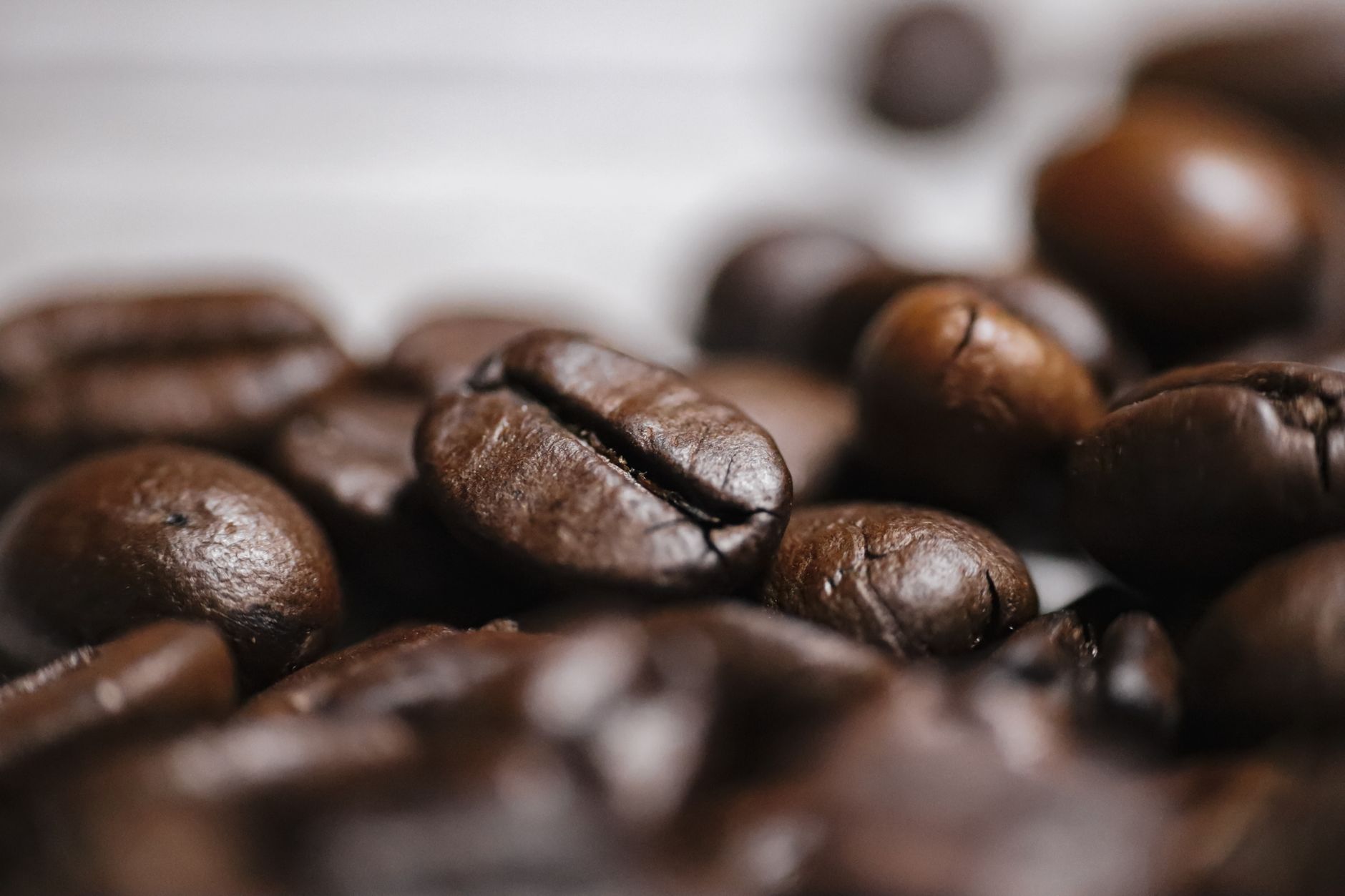
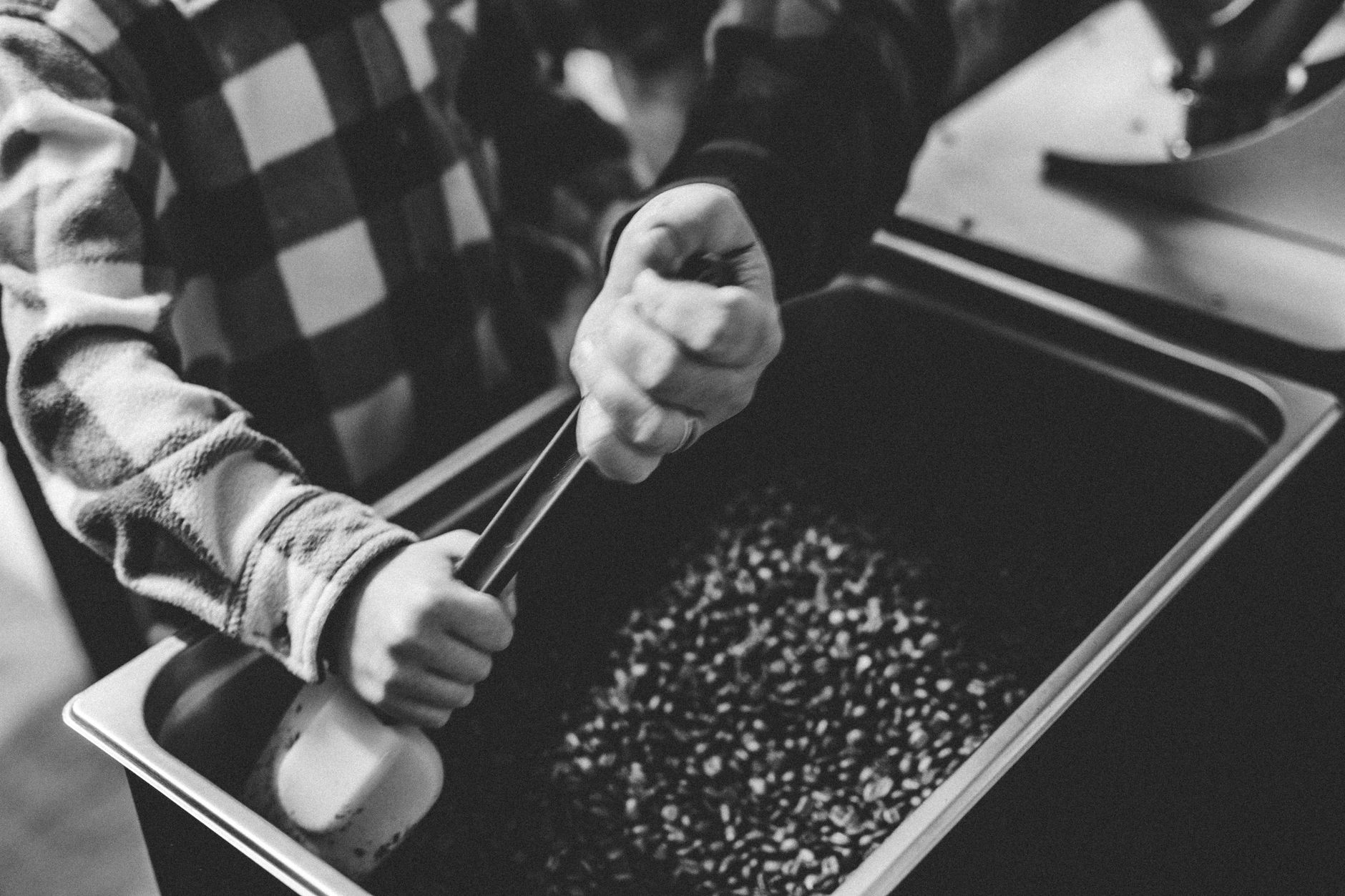 Photo: Steph Quernemoen via Pexels
Coffee starts releasing CO₂ the moment roasting ends. For the first 24–48 hours, degassing is so aggressive that brewing is unreliable — extraction is uneven and flavor is flat. By day 5–7, filter coffee hits its sweet spot. Espresso needs a longer rest: 7–14 days post-roast, depending on roast level and origin density.
After 4–6 weeks, most of what made the coffee interesting has oxidized or dissipated. You can still drink it — it won’t hurt you — but you’re paying specialty prices for commodity flavor.
The Difference Between Roast Date and Best By Date
Roasters who print only a “best by” date are hiding information. A 12-month shelf life printed on a bag tells you nothing about when the coffee was roasted — it could be a month old or six months old when it reaches your shelf.
Always look for the actual roast date. Reputable roasters print it. If a bag lacks one, treat it as stale regardless of price.
The Freshness Windows by Brew Method
Each brew method has a different optimal freshness window because CO₂ affects extraction differently. Espresso needs the longest rest; cold brew is the most forgiving.
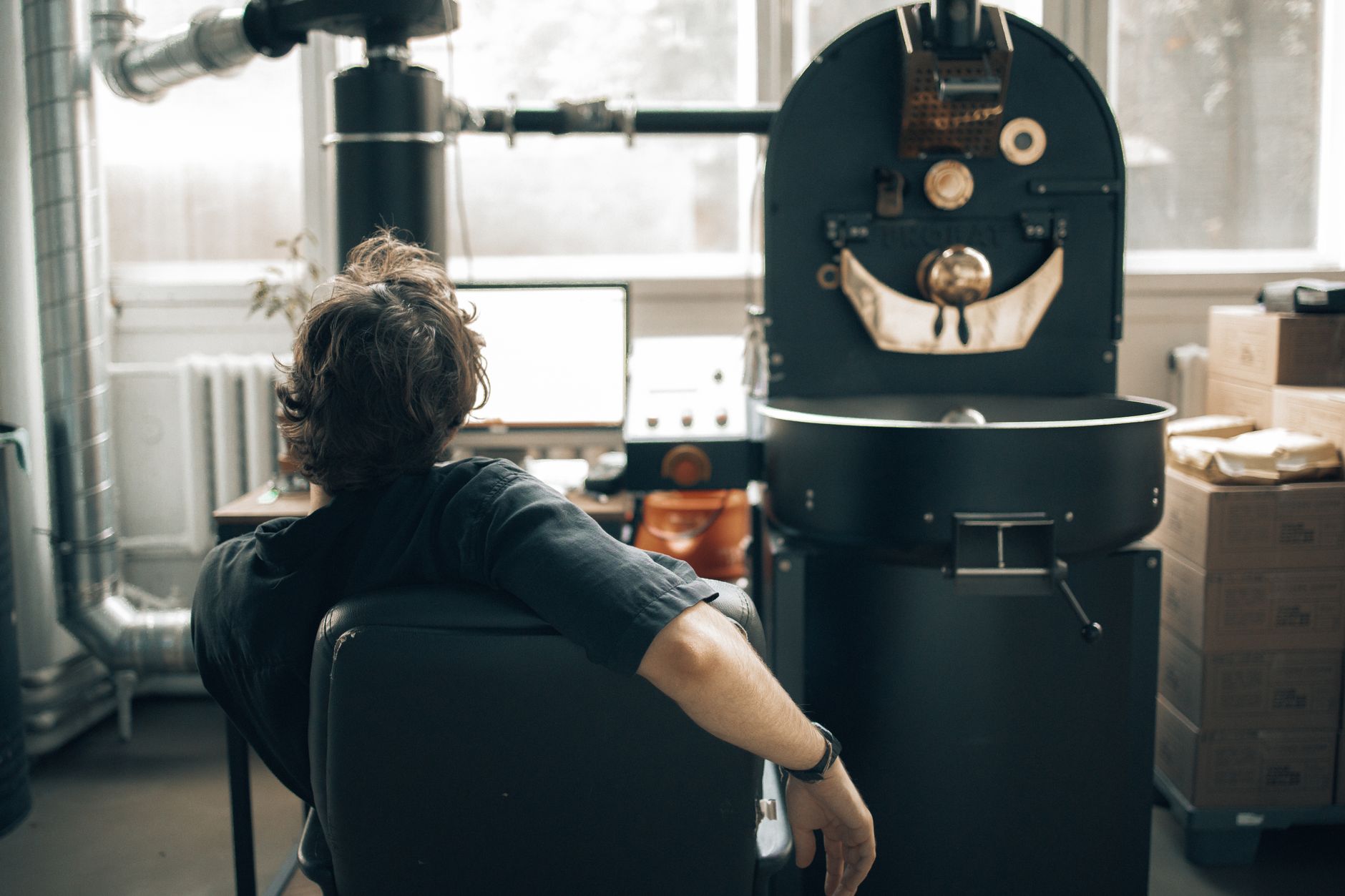
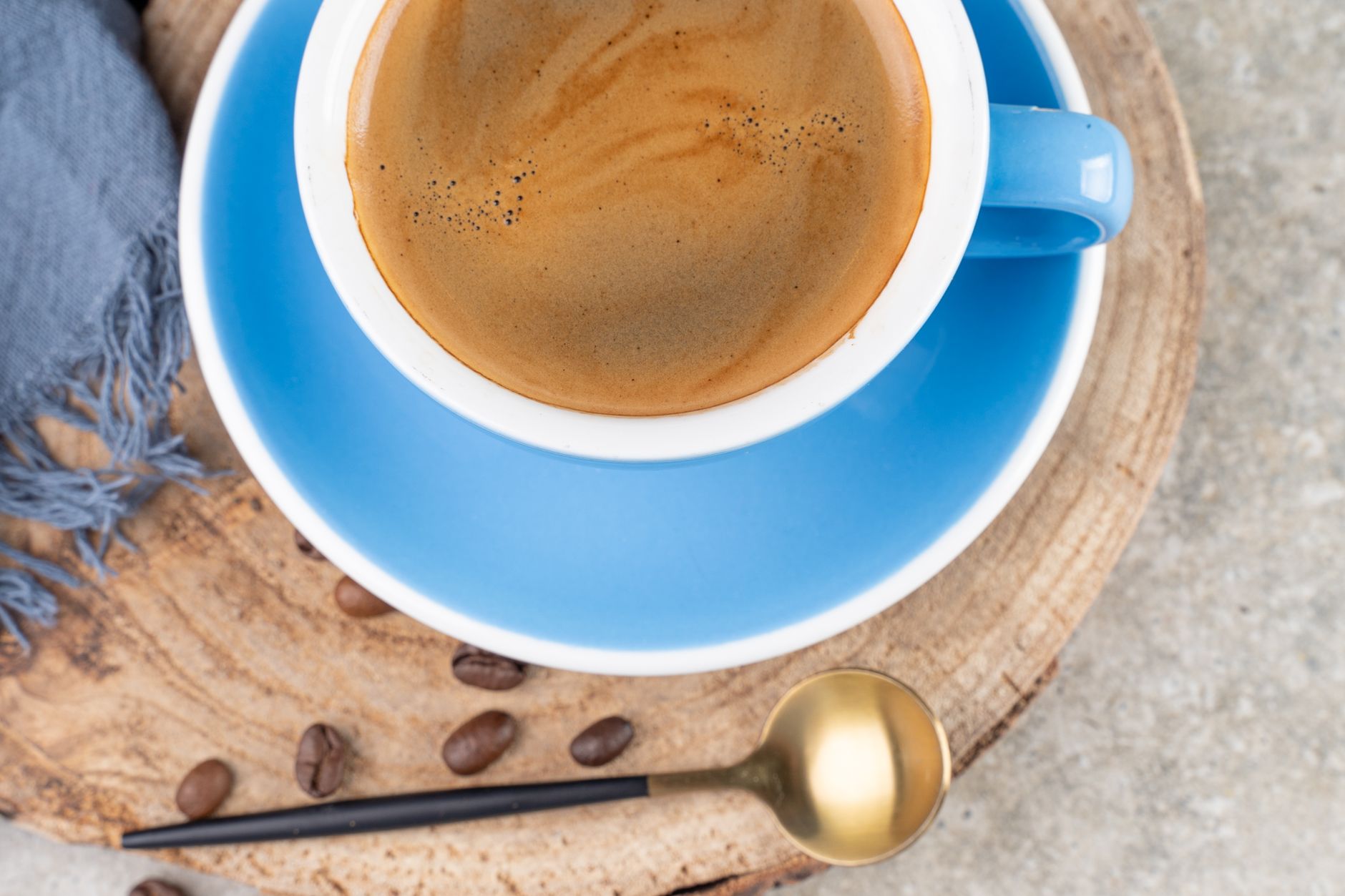 Photo: Denys Gromov via Pexels
| Brew Method | Optimal Post-Roast Window | Why |
|---|---|---|
| Filter / Pour Over | 5–21 days | CO₂ bloom is an asset; moderate gas improves extraction |
| AeroPress | 5–21 days | Similar to filter; tolerates slightly older beans well |
| Espresso | 7–35 days | High pressure amplifies channeling from excess gas |
| French Press | 7–28 days | Immersion is more forgiving; older beans acceptable |
| Cold Brew | 7–45 days | No heat, no bloom needed; freshness less critical |
| Moka Pot | 7–21 days | Pressurized; benefits from moderate degassing |
Light roasts generally need a longer rest than dark roasts — their denser bean structure traps CO₂ longer. A light Ethiopian natural might need 10–14 days before espresso is dialed; a medium-dark Brazilian blend could be ready in 5–7.
How to Read a Roast Date (and When to Pass)
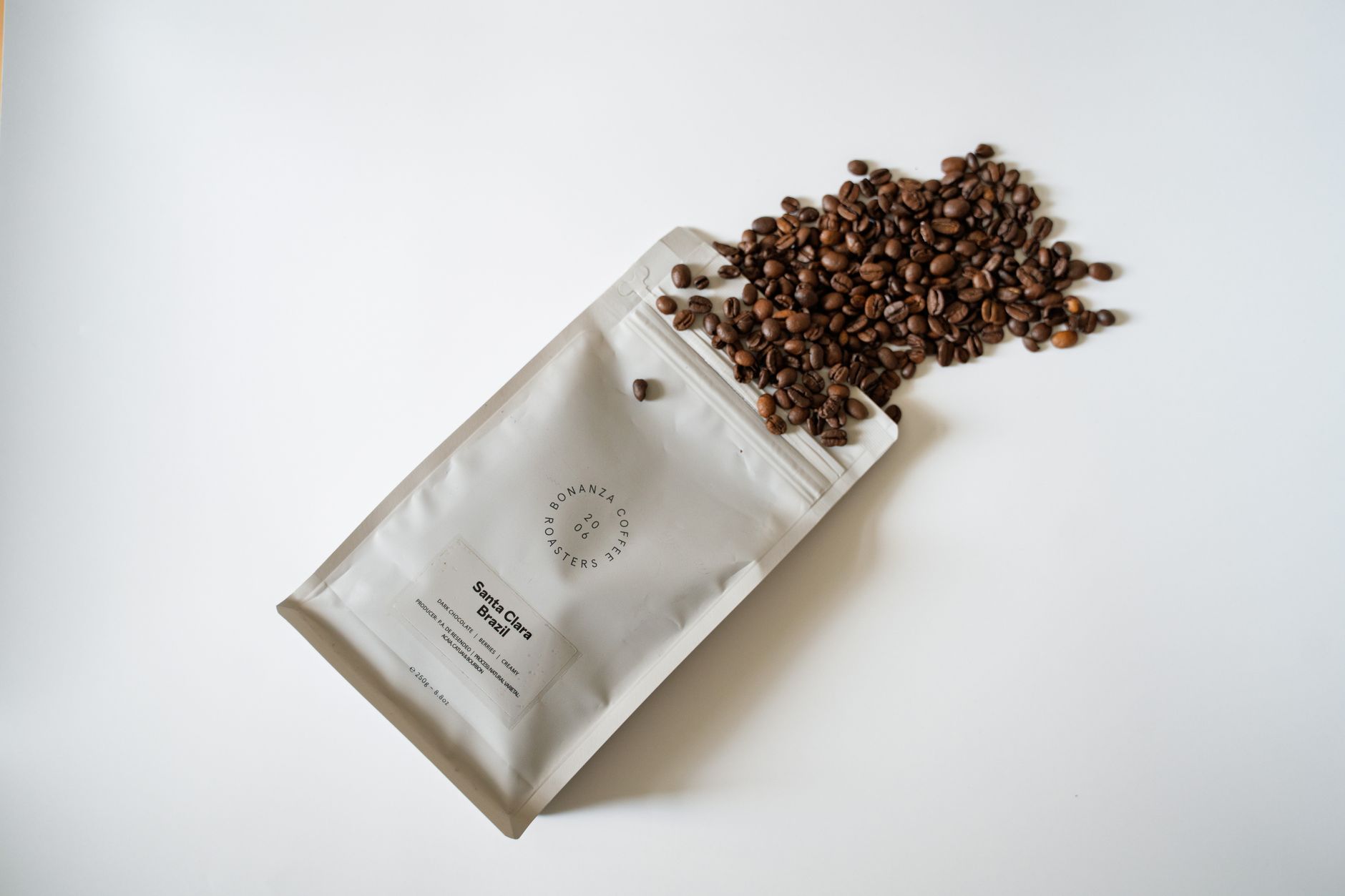
On a specialty bag, the roast date is usually printed as DD/MM/YYYY or MM/DD/YYYY near the valve or seam. Some roasters use Julian dates or batch codes — if you can’t decode it in 10 seconds, email them or move on.
 Photo: Rim Jom via Pexels
A few practical rules:
- Buy within 2 weeks of the roast date whenever possible
- Espresso: don’t brew before day 5, regardless of how good the bag smells
- Filter: brew from day 4–5 if you want maximum bloom in a V60 or Chemex
- Avoid bags roasted more than 6 weeks ago for any serious brewing
Whole beans stay fresh 2–4× longer than pre-ground. Once ground, coffee goes stale in 15–30 minutes in open air. A grinder with a good burr set and low retention extends the useful life of your beans meaningfully — the Baratza Encore
What One-Way Valves Actually Do
The degassing valve on specialty bags releases CO₂ out without letting oxygen in. It’s not decorative. A bag without one is either sealed immediately after roasting (risky — bags can burst) or left open to oxidize. Valve = the roaster thought about freshness.
Coffee Module C — Beans & Origins: Freshness by Origin Type
Different origins and processing methods have different degassing profiles. A washed Kenyan and a natural Ethiopian off-gas at different rates even at the same roast level.
Origin Freshness Table
| Country | Altitude (MASL) | Processing | Roast | Tasting Notes | Espresso Rest |
|---|---|---|---|---|---|
| Ethiopia | 1800–2200 | Natural | Light | Blueberry, jasmine, dark chocolate | 10–14 days |
| Ethiopia | 1800–2200 | Washed | Light | Bergamot, peach, lemon verbena | 7–10 days |
| Kenya | 1500–2100 | Washed | Light–Medium | Blackcurrant, tomato, grapefruit | 7–12 days |
| Colombia | 1500–2000 | Washed | Medium | Caramel, red apple, hazelnut | 5–10 days |
| Brazil | 800–1200 | Natural/Pulped | Medium–Dark | Chocolate, almond, brown sugar | 4–7 days |
| Guatemala | 1400–1800 | Washed | Medium | Dark cherry, cocoa, brown spice | 5–9 days |
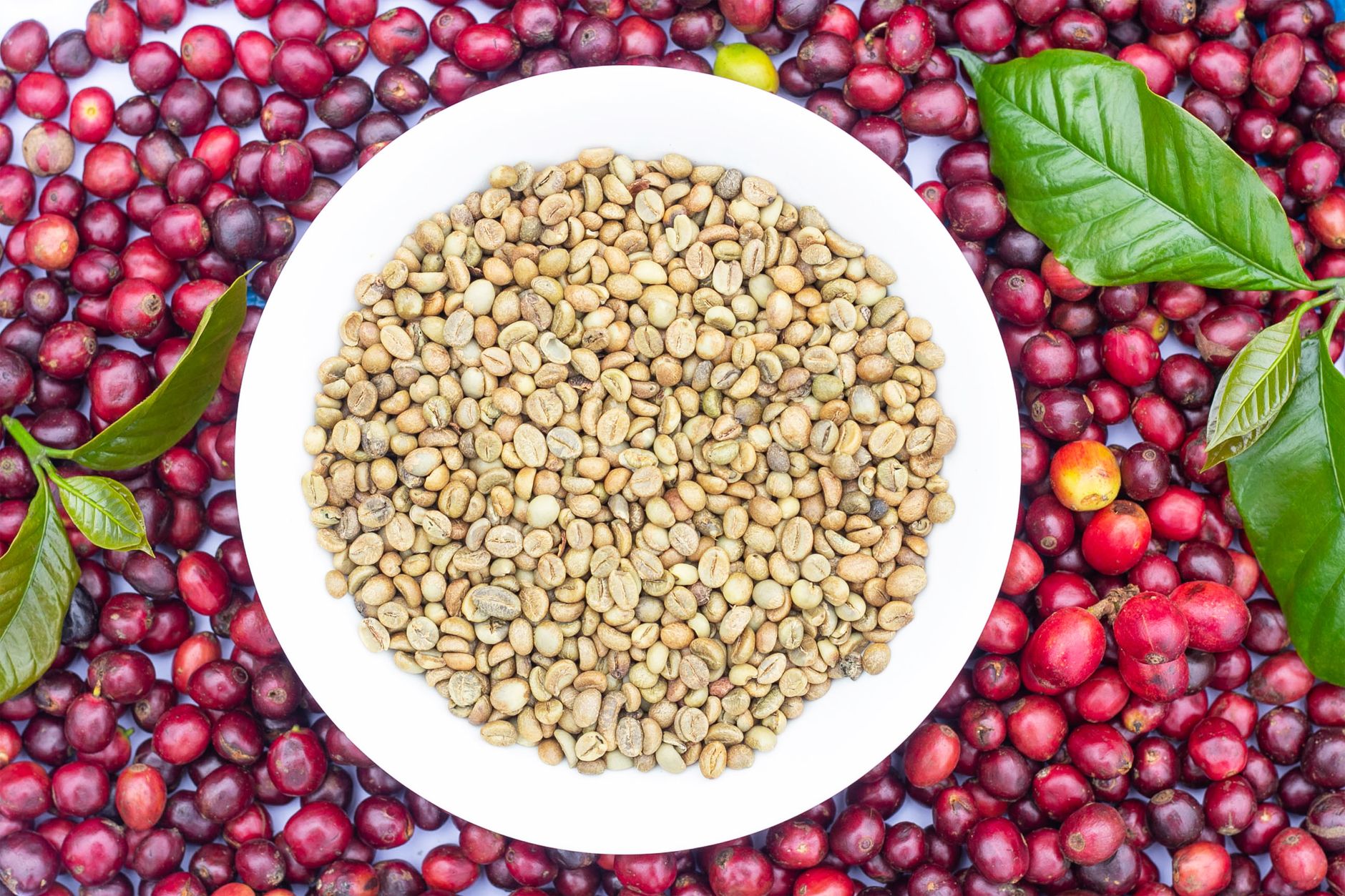
 Photo: Pixabay via Pexels
Brew Method Pairing by Origin
- Ethiopian naturals → AeroPress or pour over at 88–91°C; espresso at +2°C offset for light roasts, 19g dose
- Kenyan washed → V60 or Kalita Wave to preserve clarity; espresso at standard temp (93°C), 18g
- Brazilian naturals → espresso or French press; very forgiving, 20g dose, 91–92°C
- Colombian washed → versatile; all methods work, espresso at 92–93°C
Storage and Shelf Life
- Degassing days before brewing: 1–2 days for filter, 5–7 days minimum for espresso
- Storage: airtight container, room temperature, away from light — not the freezer for daily-use beans
- After opening: 2–4 weeks for whole bean; 1–2 weeks for pre-ground (generous estimates)
- Freezing: acceptable for beans you won’t touch for 2+ months — portion before freezing, never refreeze
→ See also:
- Coffee Bean Guide: Origins, Roasts, and How to Choose
- Best Coffee Subscription Boxes (2026 Ranked)
- Trade Coffee Review (2026): Is It Worth It?
FAQ
How long after the roast date is coffee still good? Whole bean coffee is best between 5 and 28 days post-roast for most brew methods, and drinkable up to 6–8 weeks if stored in an airtight container. Beyond that, it’s not dangerous but the flavor degrades significantly — especially the bright, volatile acids that define specialty coffee.
What if there’s no roast date on the bag? Skip it, or buy with the expectation that it’s stale. Specialty roasters always print the date; the absence of one signals either commodity sourcing or a roaster who doesn’t prioritize freshness. A “best by” date alone is not a substitute.
Can I use coffee that’s too fresh for espresso? Yes, but extraction will be inconsistent. Excess CO₂ creates uneven saturation during the shot, causing channeling and sour, underdeveloped flavor. Rest the beans — patience here pays off more than any shot-timing trick.
Does freezing coffee extend the roast date window? Yes, significantly — frozen whole beans in an airtight container can stay fresh for 2–6 months. The rule: freeze in single-use portions, never refreeze after thawing, and let beans come fully to room temperature before grinding. Condensation on cold beans damages burrs and affects grind consistency.
Why does my espresso taste sour even with fresh beans? Sour espresso with fresh beans usually means under-extraction — either too coarse a grind, too short a shot time, or water temperature too low. It can also mean the beans are still too fresh (under 5 days post-roast). Rule out the rest window first, then adjust grind.
Editorial methodology: Assessments are based on manufacturer specifications, published user reviews, and editorial research. Physical hands-on testing is noted explicitly where it occurred. Rankings reflect our editorial judgment and are not influenced by affiliate commission rates. Full editorial policy · Affiliate disclosure