Contents
Coffee Grinder Retention: What It Is and Why It Matters
TL;DR: Coffee grinder retention is the amount of ground coffee that stays trapped inside your grinder between uses. High retention means stale grounds contaminate your next brew — even a gram or two matters for espresso. Low-retention grinders deliver fresher, more consistent coffee grinder retention per dose.
What Is Coffee Grinder Retention?
Coffee grinder retention is the weight of ground coffee remaining inside the grinder after dosing. It lives in the burr chamber, chute, and exit throat. Every time you grind, old grounds mix with fresh ones — diluting flavor, skewing dose weight, and wrecking shot-to-shot consistency.
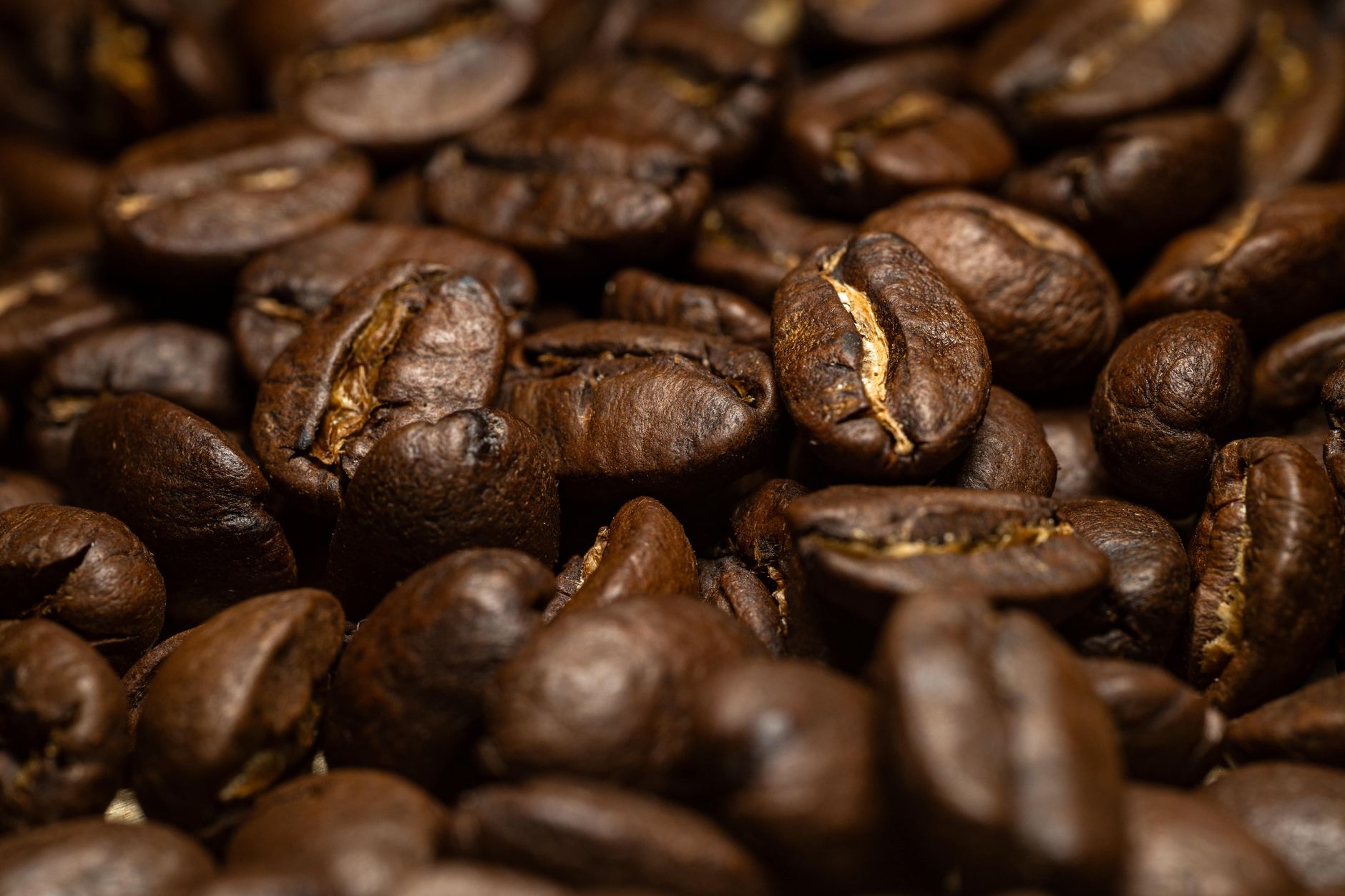 Photo: Ignacio Vazquez via Pexels
Retention happens because ground coffee is sticky. Static electricity, oils, and irregular particle shapes cause grounds to cling to burrs, walls, and chutes. Single-dose grinders are engineered to minimize this. Hopper-fed grinders — designed for high-volume café use — often retain 5–10g or more.
Why Retention Matters More for Espresso
For filter coffee, a gram of stale retained grounds in a 30g dose is roughly 3% contamination. Annoying, barely perceptible. For a 18g espresso dose, that same gram is over 5% — and espresso’s concentrated extraction amplifies every flavor defect. Day-old grounds taste flat, woody, and bitter.
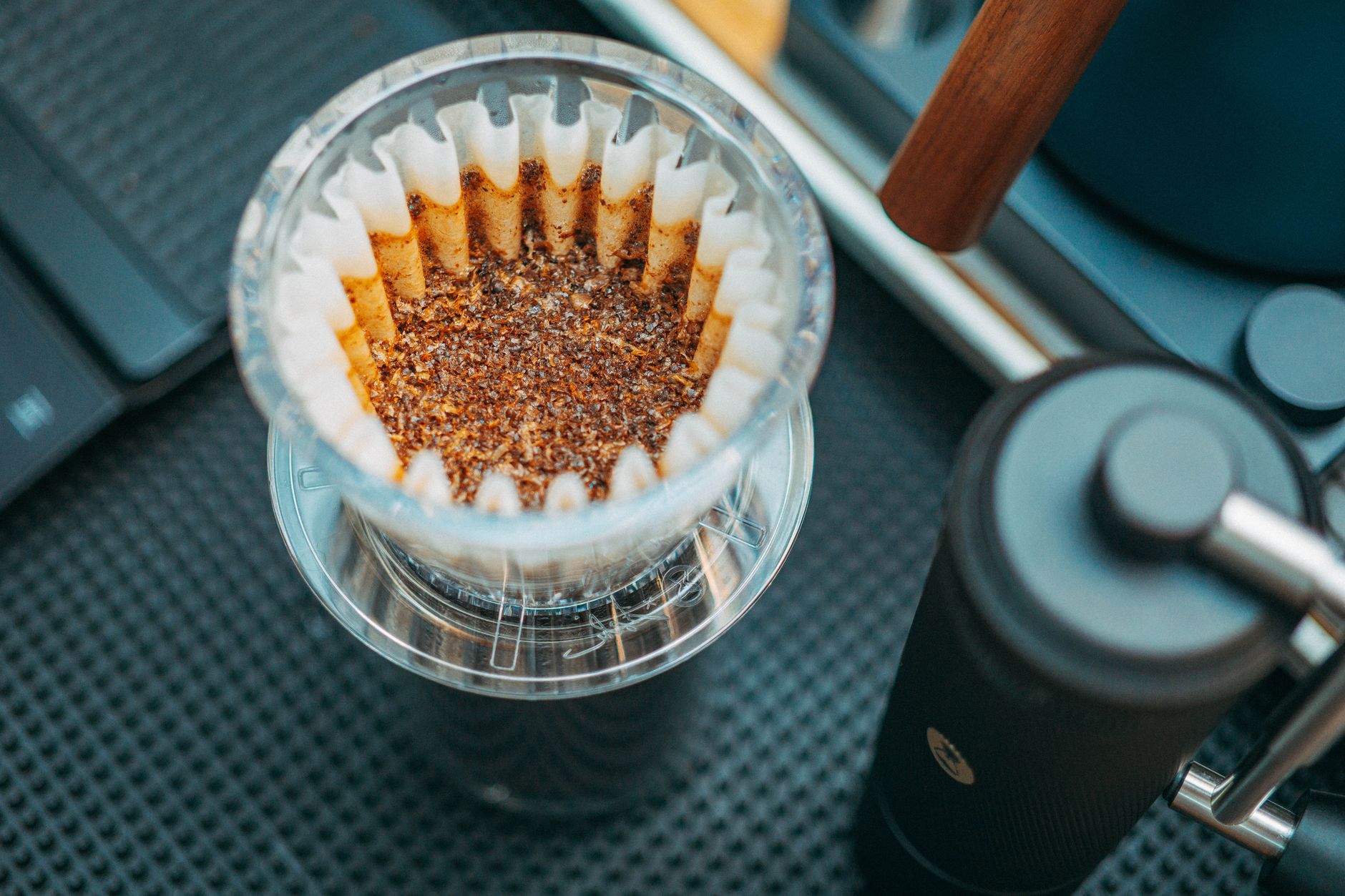 Photo: FOX ^.ᆽ.^= ∫ via Pexels
Retention also breaks dose accuracy. If your grinder holds 2g inside, grinding your target 18g actually delivers 18g of fresh grounds plus whatever stale dose was sitting inside from last time — and retains today’s fresh 2g for next time. Your actual dose is wrong every single time unless you account for it.
How Much Retention Is Too Much?
Under 0.5g is excellent — achievable in premium single-dose grinders. Under 1g is good for home use. Over 2g starts causing noticeable staleness if you don’t purge. Over 5g means you should always grind a small purge dose before your actual grind.
| Retention Level | Category | Typical Grinder Type | Impact |
|---|---|---|---|
| 0–0.5g | Excellent | Single-dose, flat burr | Negligible |
| 0.5–1g | Good | Mid-range home grinders | Minimal with fresh beans |
| 1–3g | Moderate | Mid-range hopper grinders | Noticeable for espresso |
| 3–7g | High | Commercial/prosumer hoppers | Requires purge routine |
| 7g+ | Very High | Café bulk grinders | Always purge, not for home |
The 1Zpresso JX Pro sits around 0.3–0.5g retention — one of the reasons it’s a favorite among single-dose enthusiasts. The Baratza Encore, a hopper-fed grinder, typically retains 1–2g.
Grind-by-Weight vs. Grind-by-Time and Retention
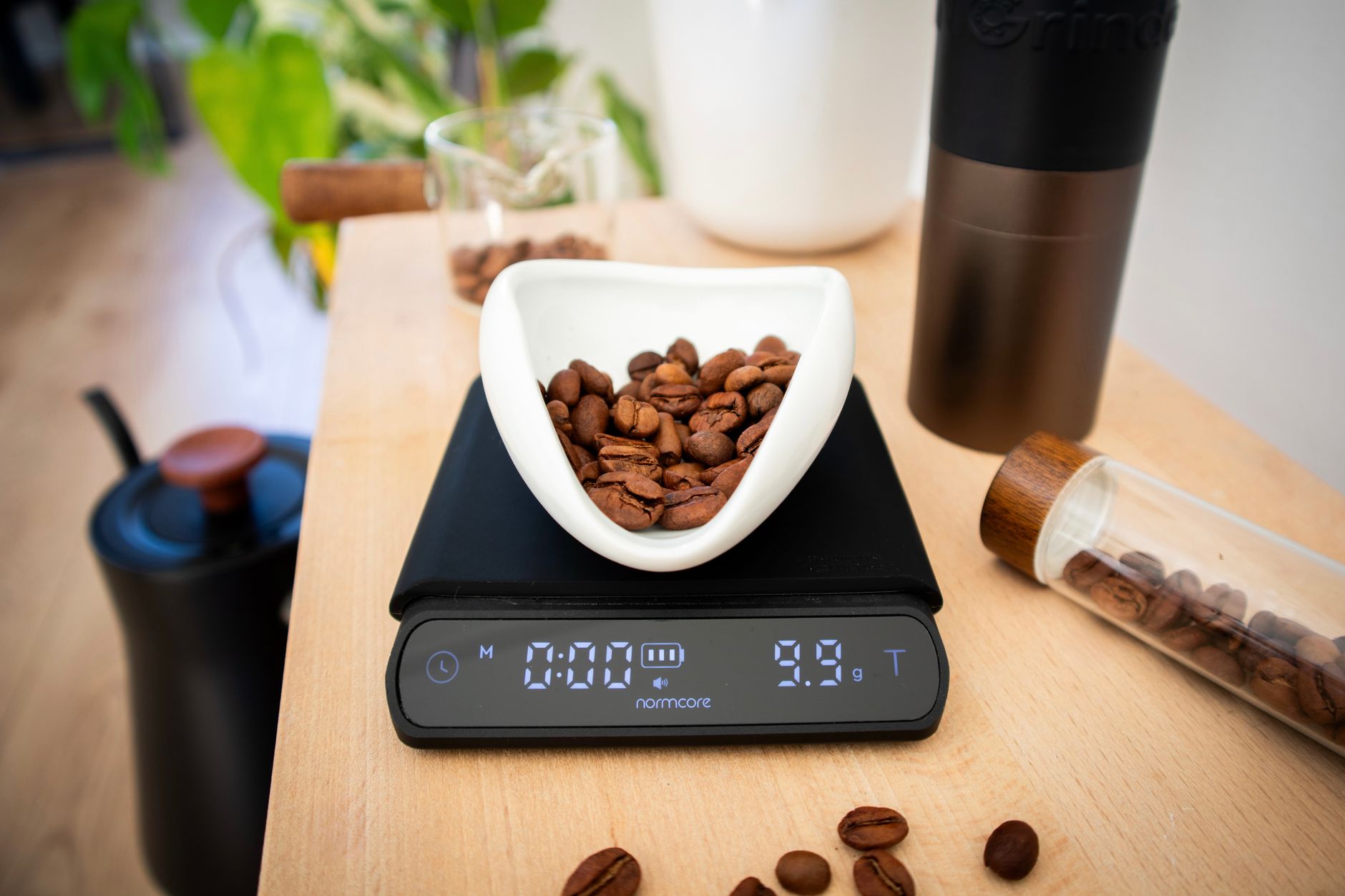
Grind-by-weight (GbW) scales compensate for retention automatically — they stop grinding when the target dose lands in the cup, not when a timer expires. This is the most practical workaround for high-retention grinders without replacing the machine.
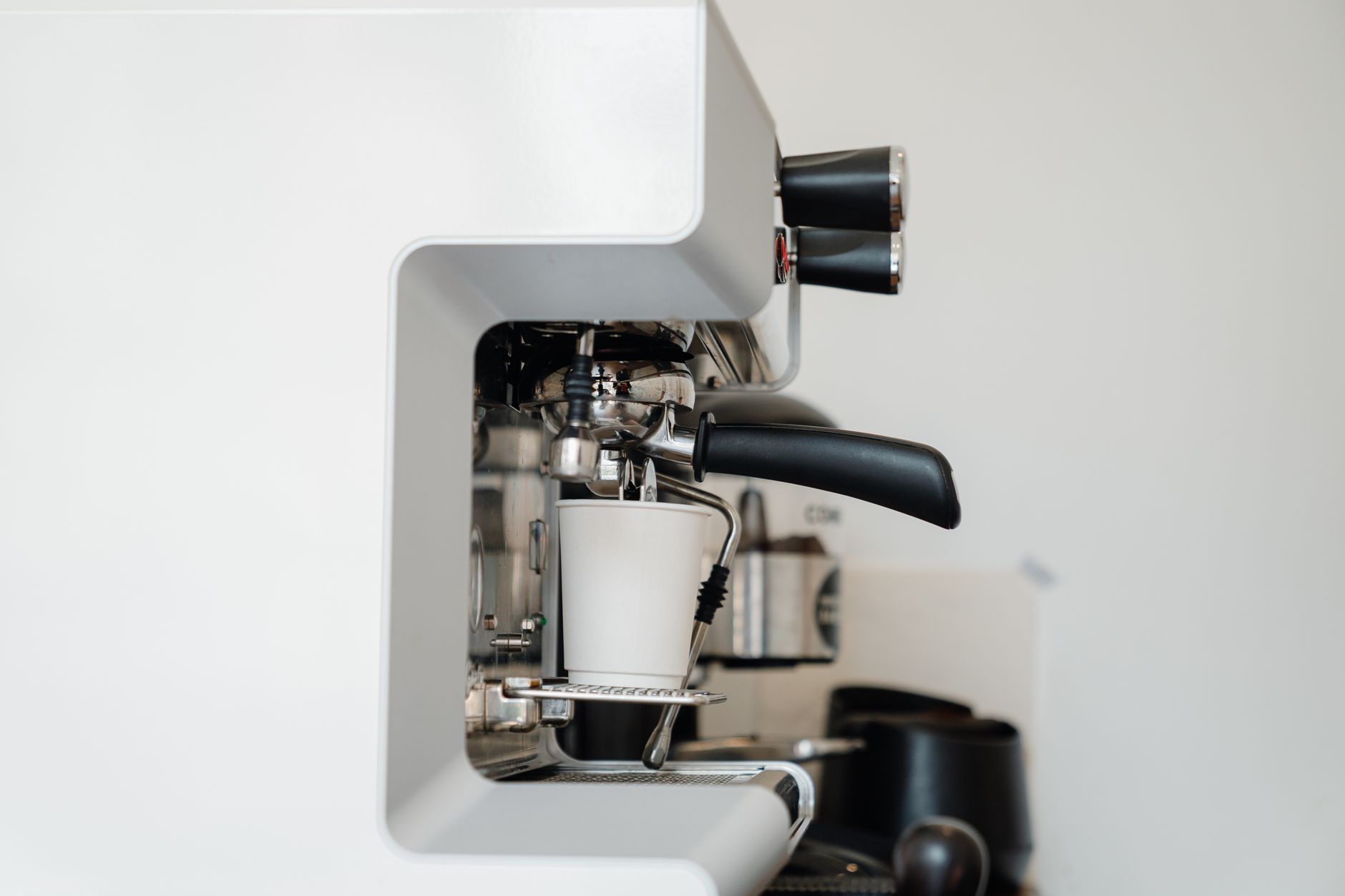 Photo: Ketut Subiyanto via Pexels
Grind-by-time assumes consistent retention. The moment retention varies — from humidity, static, grind setting change, or bean switch — your dose drifts. GbW eliminates that variable entirely. If you’re using a timer-based grinder with moderate-to-high retention, switching to a portafilter scale (or a dedicated GbW solution) is the cheapest upgrade that improves consistency.
The Purge Method
When you change beans or grind settings, retained grounds from the old setting remain inside. Purge by grinding 1–3g of the new beans before your actual dose and discarding them. This clears out stale grounds and re-coats burrs with fresh oils from the new coffee.
For single-origin espresso or high-cost beans, the purge waste adds up. It’s one of the strongest arguments for investing in a low-retention grinder upfront.
Factors That Affect Retention
Chute geometry, burr alignment, static charge, and grind fineness all determine how much coffee sticks around. Darker roasts with oilier surfaces and finer espresso grinds tend to cling more. Conical burrs typically retain less than flat burrs due to gravity-assisted exit paths.
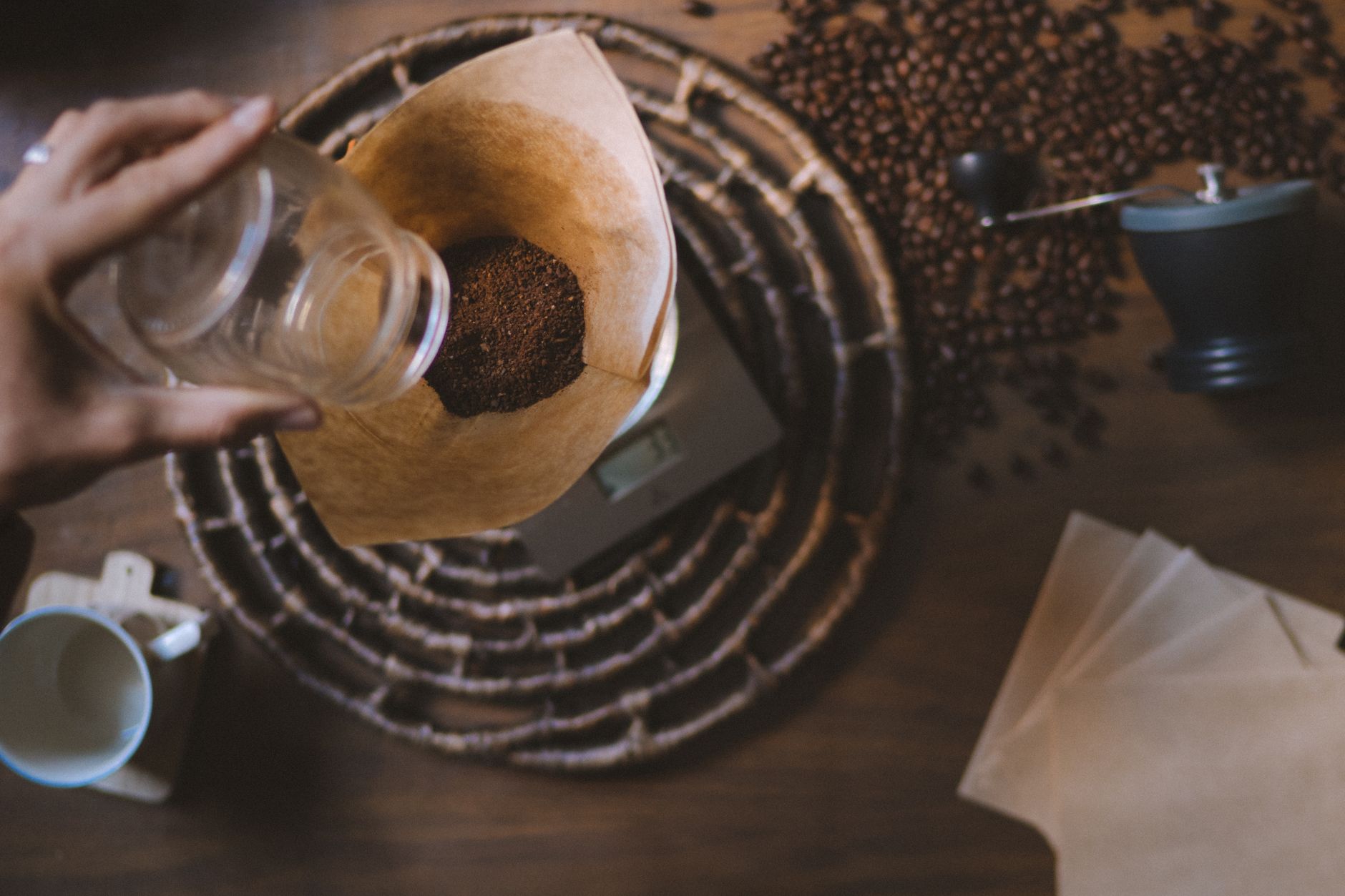 Photo: LEONARDO VAZQUEZ via Pexels
Burr type comparison:
| Burr Type | Typical Retention | Notes |
|---|---|---|
| Conical burr | Lower (0.3–1g) | Gravity helps exit; common in single-dose designs |
| Flat burr | Higher (0.5–3g+) | Horizontal exit requires more throw; varies by design |
| Ghost teeth / SSP | Variable | Depends heavily on chute and RDT use |
RDT (Ross Droplet Technique) — adding a single drop of water to beans before grinding — reduces static significantly. It costs nothing and cuts retention noticeably on grinders prone to static buildup. Stir to distribute, then grind immediately.
Low-Retention Grinders Worth Knowing
The market has shifted. Grinder makers now list retention specs, and single-dose designs have proliferated:
- 1Zpresso JX Pro — hand grinder, ~0.3g retention, excellent for travel espresso
- Lagom P64 — flat burr, purpose-built single-dose, sub-0.5g
- Niche Zero
If you’re grinding for espresso daily and switching beans regularly, low-retention design should be a primary spec — not an afterthought.
→ See also:
- The Complete Coffee Grinder Guide (2026)
- Burr vs Blade Grinder: Why It Matters for Your Coffee
- Burr Grinder Maintenance: Complete Step-by-Step Guide (2026)
- Best Coffee Grinders Under $100 (2026)
FAQ
What is a good coffee grinder retention number? For home espresso, under 1g is acceptable; under 0.5g is excellent. Anything above 2g warrants a regular purge routine or a grind-by-weight scale to compensate. Filter brewers are more forgiving — 1–2g retention has minimal impact on a 25–30g dose.
Does retention affect the taste of my coffee? Yes, directly. Retained grounds go stale faster than whole beans because the increased surface area accelerates oxidation. Even a few hours matters for espresso. If your shots taste flat or bitter without explanation, stale retained grounds are a plausible culprit.
How do I reduce retention on my existing grinder? Use RDT (one drop of water on beans before grinding), grind into a catch cup and tap the grinder body to dislodge clinging grounds, and purge 1–2g when changing beans. These won’t fix a high-retention design but meaningfully reduce the problem.
Is retention the same as grinder workflow? Related but different. Retention is a hardware spec — how much coffee stays trapped. Workflow is how you compensate for it: purge doses, grind-by-weight, RDT, or single-dose loading. A low-retention grinder simplifies workflow; a high-retention grinder demands it.
Editorial methodology: Assessments are based on manufacturer specifications, published user reviews, and editorial research. Physical hands-on testing is noted explicitly where it occurred. Rankings reflect our editorial judgment and are not influenced by affiliate commission rates. Full editorial policy · Affiliate disclosure