Contents
Best Travel Espresso Makers (2026): Portable Picks That Actually Pull Shots
TL;DR: The best travel espresso maker depends on how much you’re willing to compromise on shot quality versus portability. The Wacaco Nanopresso delivers the best espresso-to-size ratio for most travelers; the Flair 58x is for purists who pack deliberately. Battery-powered options like the Outin Nano remove the need for hot water entirely.
What Makes a Travel Espresso Maker Worth Buying?
Direct answer: A travel espresso maker earns its place in your bag if it hits 6–9 bars of pressure, handles a proper 7–18g dose, and doesn’t require a plug. Most “espresso” gadgets on Amazon fail at least one of these. The ones below don’t.
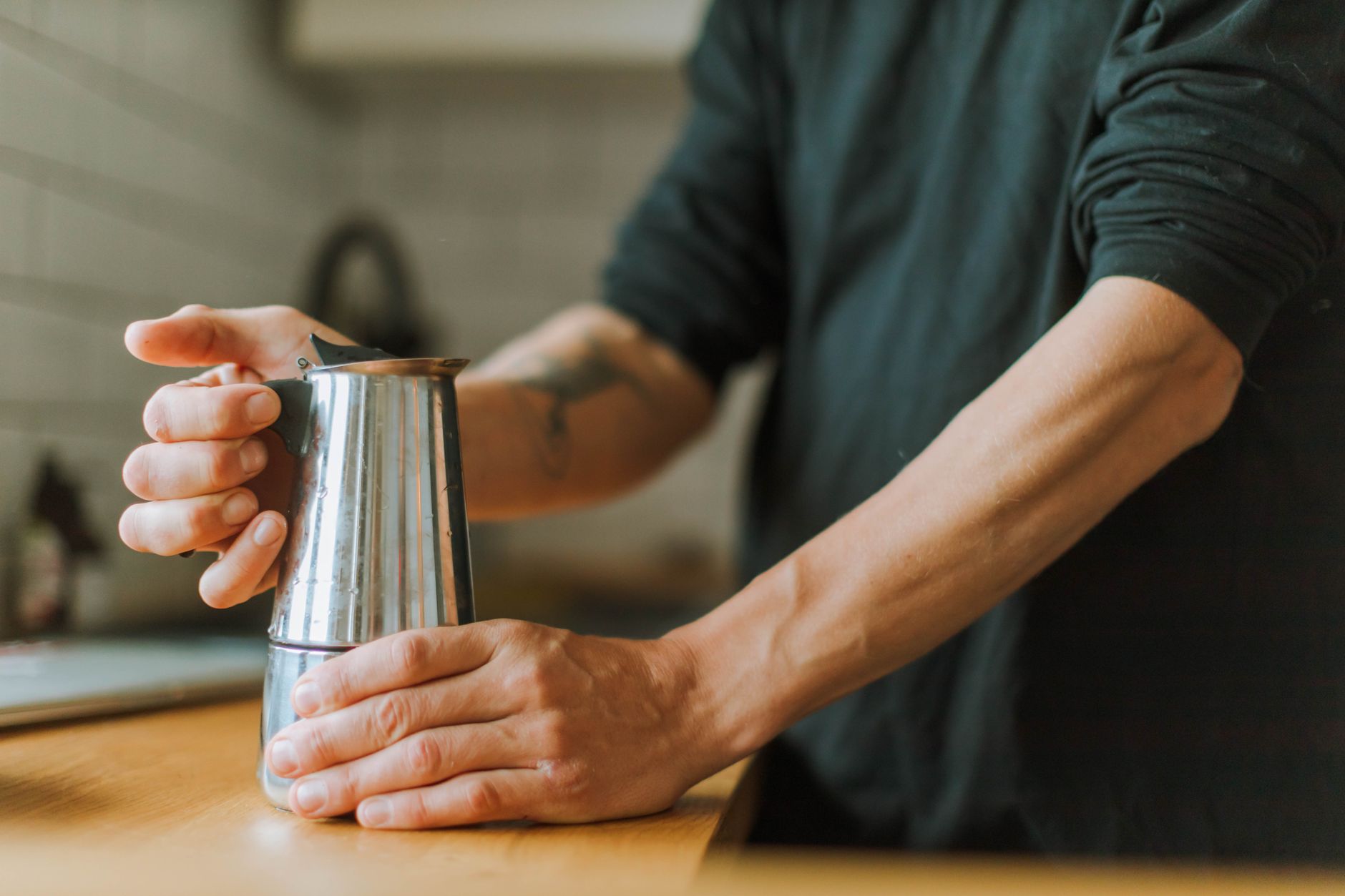 Photo: Anastasia Shuraeva via Pexels
Pressure is the most-abused spec in this category. Brands advertise 15–20 bar because it sounds impressive — but that’s max pump pressure, not extraction pressure. Real espresso needs a steady 9 bar at the puck. Devices without a pressure gauge (or a known-good pressure profile) are making strong coffee, not espresso.
Weight and pack size matter differently depending on your travel style. A 200g hand-pump unit fits in a jacket pocket. A 1kg lever machine needs its own packing cube. Neither is wrong — they serve different travelers.
Best Travel Espresso Makers at a Glance
| Machine | Weight | Pressure | Heat Source | Price | Best For |
|---|---|---|---|---|---|
| Wacaco Nanopresso | 336g | 18 bar (pump) | Pre-boiled water | ~$65 | Everyday travelers |
| Wacaco Picopresso | 350g | 18 bar (pump) | Pre-boiled water | ~$80 | Better dose control |
| Flair 58x | 1.2kg | Up to 11 bar | Pre-boiled water | ~$350 | Espresso purists |
| Flair Neo Flex | 485g | Up to 9 bar | Pre-boiled water | ~$120 | Budget lever option |
| Outin Nano | 420g | 20 bar | Built-in battery heater | ~$110 | No-kettle convenience |
| Cafflano Kompresso | 215g | 9+ bar | Pre-boiled water | ~$70 | Ultralight backpackers |
Wacaco Nanopresso — Best Overall Travel Espresso Maker
Direct answer: The Nanopresso is the best travel espresso maker for most people. At 336g and roughly the size of a large travel mug, it produces shots with genuine crema using hand-pump pressure. No batteries, no electricity — just hot water and 10–15 pumping strokes.
 Photo: James Dollin via Pexels
The Nanopresso uses a piston-pump mechanism. You fill the water chamber, attach the portafilter basket (18g dose with the NS adapter, 8g standard), and pump. It’s physically intuitive after one or two uses.
Shot quality is better than any other device in this price and size range. You won’t confuse it with a $3,000 home machine, but the extraction is real: extraction time lands around 25–30 seconds with a proper medium-fine grind, and you get crema.
The main limitation is the standard 8g basket — fine for a ristretto, tight for a full double. The NS adapter (sold separately, ~$30) solves this and should be considered essential.
Wacaco Picopresso is the Nanopresso’s upgrade: wider 52mm basket, better pressure consistency, slightly more skill required. Worth the extra $15 if you’re serious about dialing in.
Flair Espresso — Best for Espresso Purists
Direct answer: The Flair 58x is the best travel espresso maker if shot quality is non-negotiable and you’re willing to carry the weight. It uses a manual lever with a pressure gauge, accepts standard 58mm baskets and accessories, and produces shots indistinguishable from a prosumer home machine in skilled hands.
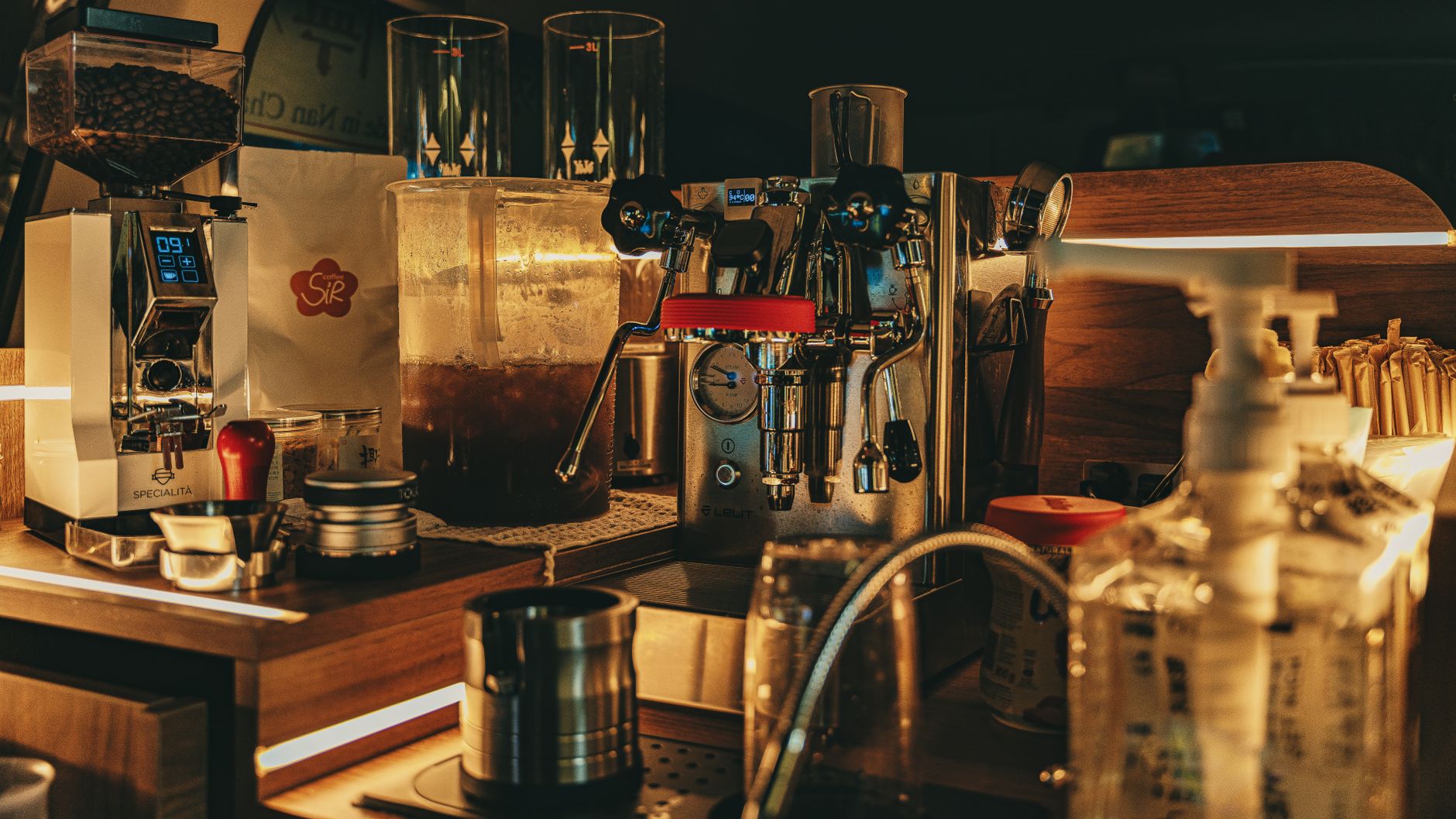 Photo: ZhiCheng Zhang via Pexels
The 58x accepts third-party baskets, distribution tools, and tampers — the same ones you use at home. That accessory compatibility is rare in portable machines and matters if you already own quality tools.
At 1.2kg and with a case that needs its own bag space, the Flair 58x isn’t for carry-on minimalists. It’s for someone traveling with checked luggage who wants real espresso at the destination, not on the go.
Flair Neo Flex is the lighter, cheaper entry point. No pressure gauge, smaller basket, but the same lever principle at roughly a third of the price.
Flair 58x Specs
| Spec | Detail |
|---|---|
| Boiler type | None (pre-heated brew head) |
| Portafilter size | 58mm |
| PID | No |
| Pump type | Manual lever |
| Burr size | N/A |
Outin Nano — Best Battery-Powered Option
Direct answer: The Outin Nano is the only genuinely self-contained travel espresso maker — it heats its own water via a USB-C charged battery. No kettle, no stove, no café needed. Shot quality is respectable; the main trade-off is weight and charging dependency.
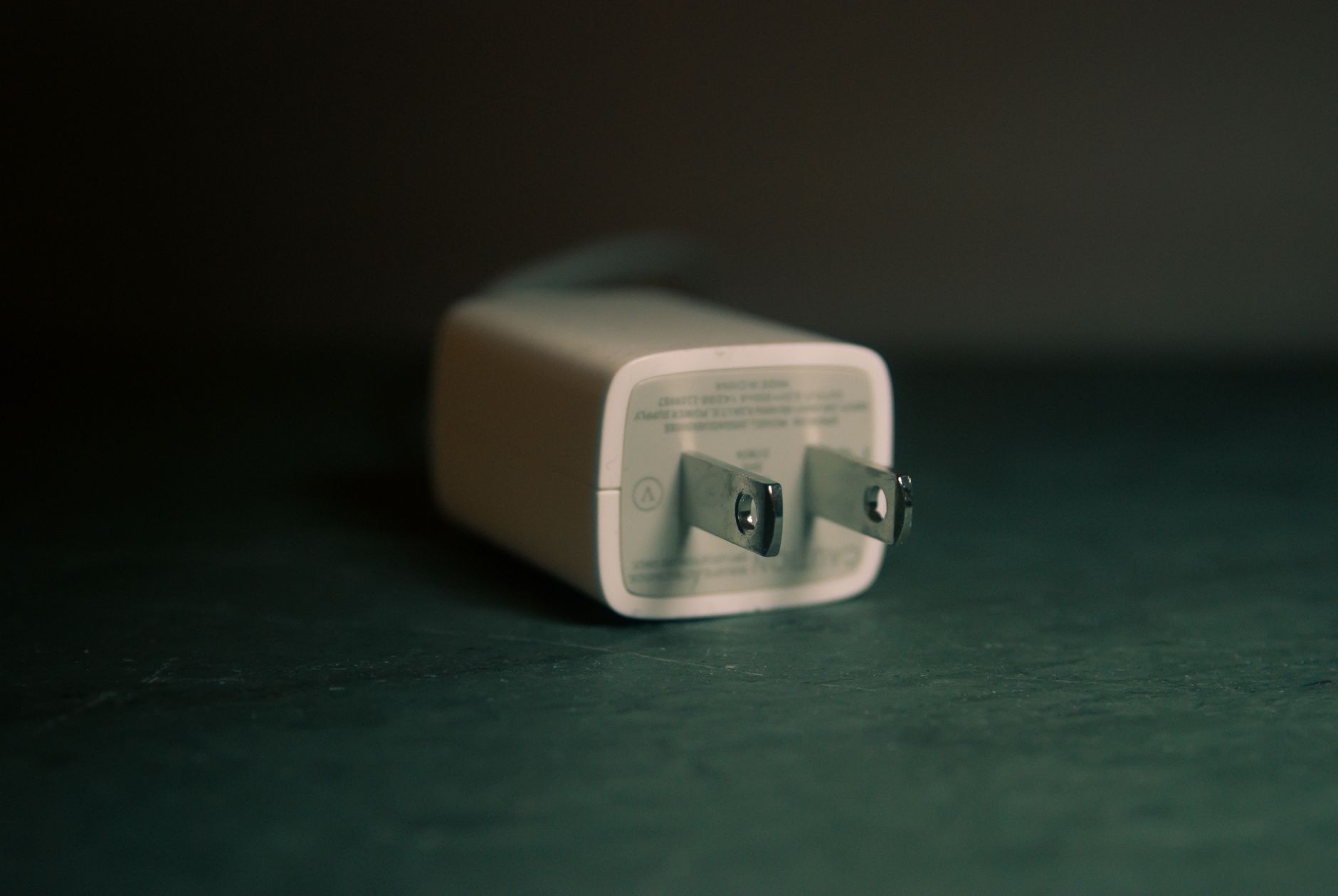 Photo: Steve A Johnson via Pexels
The Nano heats water to ~90°C in about 3–4 minutes and pulls a single shot per charge cycle. For hotel rooms without a kettle, airport lounges, or camping with a power bank, this matters more than any spec on paper.
Pressure is rated at 20 bar (peak pump) — extraction quality is comparable to the Nanopresso. The basket is small (10g dose), so manage expectations on volume.
Cafflano Kompresso — Best Ultralight Option
Direct answer: At 215g, the Cafflano Kompresso is the lightest capable travel espresso maker available. It uses a hydraulic hand-press mechanism — not a pump — to generate 9+ bar across a large 52mm basket. No moving pump parts to fail.
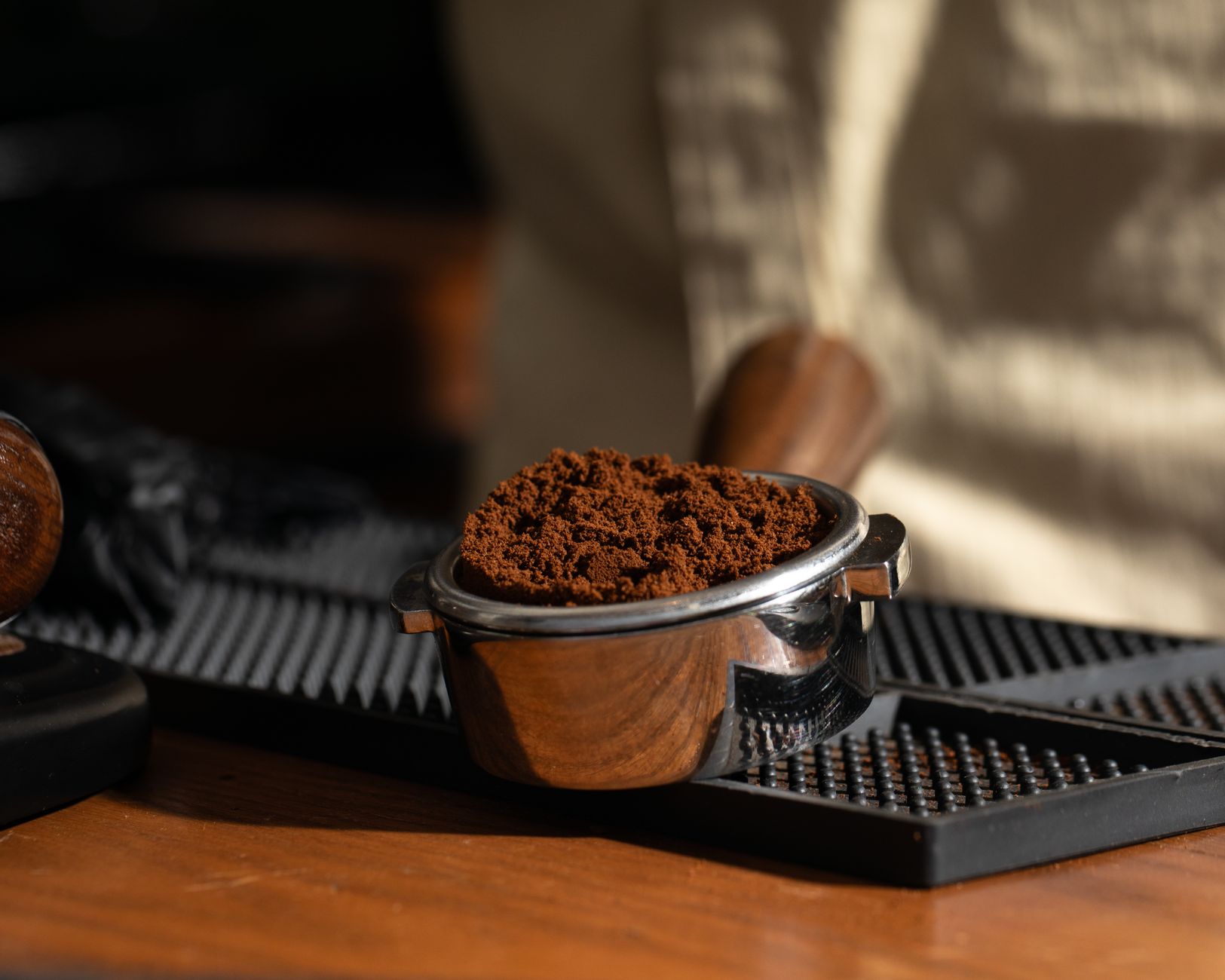 Photo: Badah Q via Pexels
The press mechanism requires strong, steady downward pressure on both handles simultaneously. It’s awkward the first time, natural by the third. The 52mm basket and solid build quality justify the slight learning curve for weight-conscious packers.
Which Travel Espresso Maker Should You Buy?
By traveler type:
- Carry-on minimalist: Wacaco Nanopresso + NS adapter. Proven, compact, ~$95 total.
- Espresso purist with checked luggage: Flair 58x. No compromises on shot quality.
- Hotel/office traveler who hates finding a kettle: Outin Nano. Self-sufficient.
- Ultralight backpacker: Cafflano Kompresso. Lightest option that pulls real pressure.
- Budget-first: Flair Neo Flex. Manual lever quality at $120.
Grinder Pairing
A travel espresso maker is only as good as the grind going into it. The best travel espresso maker setup includes a capable hand grinder.
| Grinder | Weight | Grind Range | Price |
|---|---|---|---|
| 1Zpresso JX-Pro | 540g | Wide, espresso-capable | ~$160 |
| Timemore Chestnut C3 | 310g | Espresso-capable | ~$75 |
| Comandante C40 | 320g | Espresso-capable | ~$200 |
| Hario Slim+ | 200g | Coarser, entry-level | ~$35 |
The Hario Slim+ is fine for Aeropress travel use but inconsistent enough to frustrate espresso extraction. Spend the extra money on a Timemore C3 minimum.
→ See also
- Best Coffee Accessories (2026 Complete Guide)
- Best Coffee Scales (2026 Reviewed)
- Acaia Pearl Review: Is It Worth $150?
FAQ
What pressure does a travel espresso maker actually need? Real espresso extraction requires around 9 bar at the puck. Most hand-pump portables advertise peak pressures of 15–20 bar — that’s the pump maximum, not the extraction pressure delivered. Devices like the Wacaco Nanopresso and Flair lever machines maintain 8–11 bar during extraction, which is within spec. Anything advertising “20 bar espresso” without a pressure-regulated mechanism is marketing, not engineering.
Can you use pre-ground coffee in a travel espresso maker? Yes, and it’s a reasonable compromise for travel. Use espresso-grind pre-ground (not grocery store “fine grind”) and keep it in an airtight container. Shot quality degrades noticeably versus fresh-ground, but it’s workable for a week-long trip. If you’re serious enough to pack a Flair 58x, pack a hand grinder.
Do travel espresso makers work with Nespresso pods? Some do — the Wacaco Minipresso NS2 is designed specifically for Nespresso Original capsules. The Nanopresso does not accept pods natively. Pod-compatible travel makers trade espresso quality for convenience; the extraction profile from a pod is constrained by the pod’s own resistance, not your grind.
Is the Flair 58x worth the price compared to cheaper options? For espresso purists: yes. The 58x accepts standard 58mm accessories, includes a pressure gauge for real-time extraction feedback, and produces shots you’d be proud to serve. For occasional travelers who just want something better than hotel coffee: the Nanopresso at a quarter of the price is a better value.
How do you heat water for a travel espresso maker without a kettle? Hotel room options: most rooms have an electric kettle. If not, an immersion heater (a metal coil that heats a cup of water in 2 minutes) packs flat and costs under $10. Camping: any stove works — use a thermometer clip or temperature-variable kettle if you have one; target 88–94°C. The Outin Nano eliminates this entirely via its built-in battery heater.
Can a travel espresso maker make milk drinks? The machines themselves don’t steam milk. For travel lattes and cappuccinos, pair any of the above with a handheld battery frother (~$10) and whole milk heated in a hotel kettle. The Wacaco Barista Kit accessory adds a milk frothing cup and thermometer to the Nanopresso ecosystem for around $25.
Editorial methodology: Assessments are based on manufacturer specifications, published user reviews, and editorial research. Physical hands-on testing is noted explicitly where it occurred. Rankings reflect our editorial judgment and are not influenced by affiliate commission rates. Full editorial policy · Affiliate disclosure