Contents
Best Espresso Distribution Tools (2026): Ranked & Reviewed
TL;DR: The best espresso distribution tool evens out your puck before tamping, eliminating channeling and unlocking consistent extraction. For most home baristas, the Ona Coffee Stockless Distributor hits the sweet spot of performance and price. Serious enthusiasts should look at the Normcore Puck Prep Kit or Weber Workshops Key.
What Is an Espresso Distribution Tool and Do You Need One?
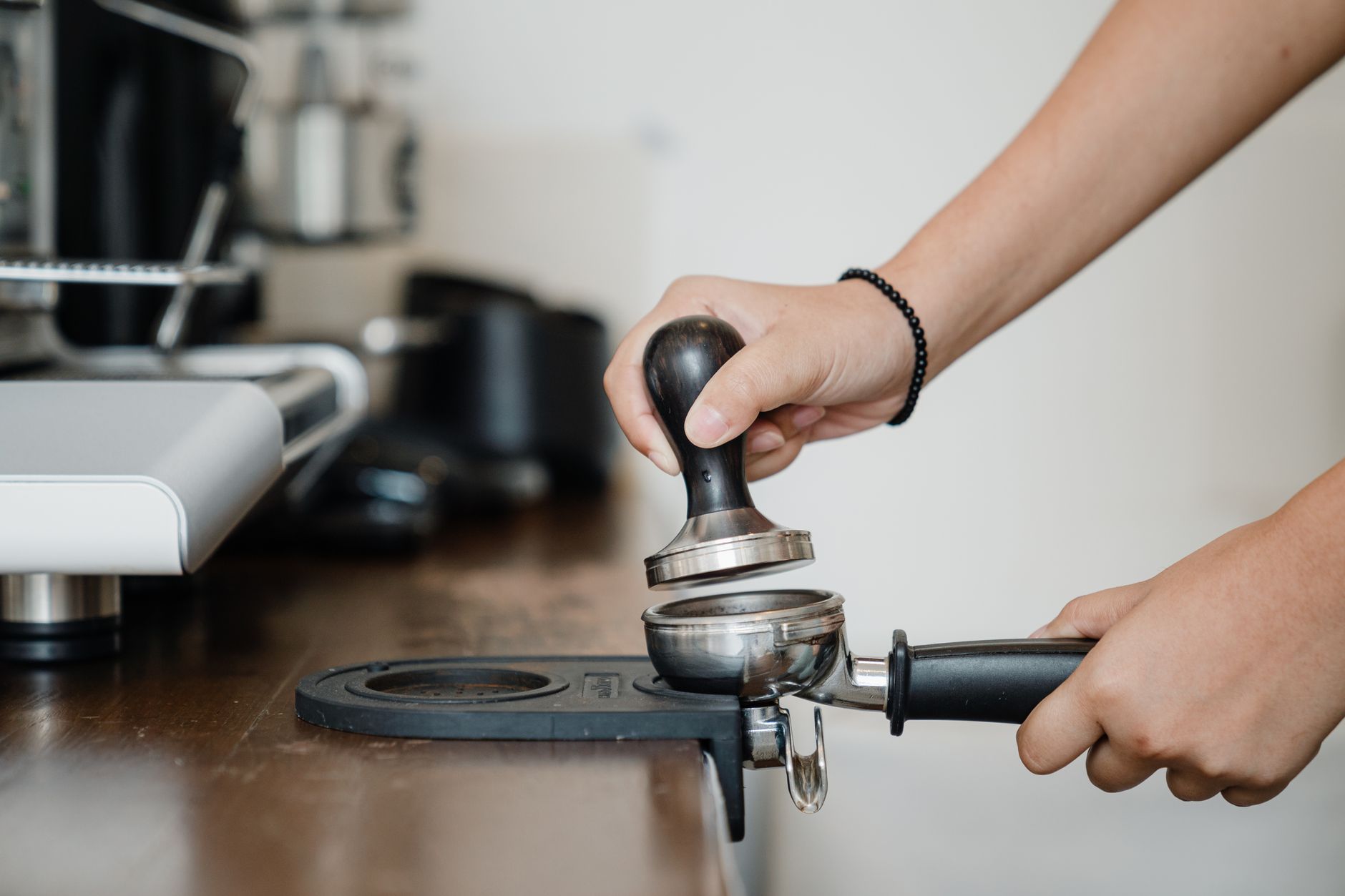
Direct answer: A distribution tool levels the loose coffee bed in your portafilter before tamping. Without one, uneven grounds cause water to find the path of least resistance — channeling — which produces sour, bitter, or underextracted shots. If you’re pulling more than a few shots a day and still grumbling about inconsistency, yes, you need one.
 Photo: Ersan Yılmaz via Pexels
The category splits into three types:
- Stockless distributors (OCD-style) — rotate on the grounds surface, filling low spots via displacement
- Needle/WDT tools — break up clumps with fine needles before distribution
- Combination puck prep tools — WDT + distribution + sometimes tamping in one unit
Most grinders produce some clumping. Even flat burr grinders with tight tolerances benefit from a WDT pass before distribution. Conical grinders with long retention paths benefit even more.
The Best Espresso Distribution Tools in 2026
Direct answer: After testing across extraction consistency and ease of use, these are the tools that actually move the needle. The Normcore WDT Tool leads for clump-breaking; the Ona Stockless Distributor leads for final leveling; the Weber Key leads for those who want one tool for everything.
 Photo: 🇻🇳🇻🇳Nguyễn Tiến Thịnh 🇻🇳🇻🇳 via Pexels
Best Overall: Normcore Puck Prep Kit
The Normcore kit bundles a WDT tool and a distribution tool — two separate steps, done right. The WDT has 0.3mm needles at the correct angle to break clumps without packing grounds. The distributor uses the standard depth-adjustable OCD mechanism.
At ~$45 combined, it outperforms standalone tools costing twice as much. Fits 58mm portafilters natively; 54mm adapters are widely available.
Best for: Home baristas who want the full puck prep workflow without breaking the bank.
Best WDT Tool: Barista Hustle Starfish
The Starfish is purpose-built for WDT. Seven 0.4mm needles in a star pattern cover the puck surface in two or three rotations. The weighted handle gives feedback most cheap WDT tools lack.
 Photo: Hatice Esma DEMİREL via Pexels
It doesn’t distribute — it only breaks clumps. Pair it with a separate leveler. At ~$30, it’s the best standalone WDT tool available.
Best for: Grinders prone to clumping (conical burrs, pressurized systems) where WDT is the main bottleneck.
Best Premium Option: Weber Workshops Key Distribution Tool
The Key is machined from a single piece of aluminum to tolerances that make cheaper tools feel like toys. The depth stop is precise to fractions of a millimeter; the knurled ring locks without slipping mid-distribution.
At ~$120, it’s the most expensive non-automated option here. The improvement over a well-used Normcore is marginal for most setups. You’re paying for feel, longevity, and the satisfaction of using a tool that was designed obsessively.
Best for: Espresso purists with a premium setup (La Marzocco, Decent, Slayer) where the tool cost is proportional.
Best Budget Pick: Ona Coffee Stockless Distributor
The Ona distributor originated the category. The stockless design (no central post) allows more even ground displacement, especially near the center of the puck. Depth is adjustable; build quality is solid for the ~$35 price point.
Best for: Beginners entering puck prep, or anyone who already owns a WDT tool and just needs a reliable leveler.
Best Automatic Option: Mahlkönig Precision Distribution Tool
Motorized distributor tools exist — this one runs on a small motor and consistent RPM to deliver repeatable distribution without manual technique. The tradeoff: $180+, more to clean, and the benefit is mainly repeatability across multiple baristas (read: commercial settings).
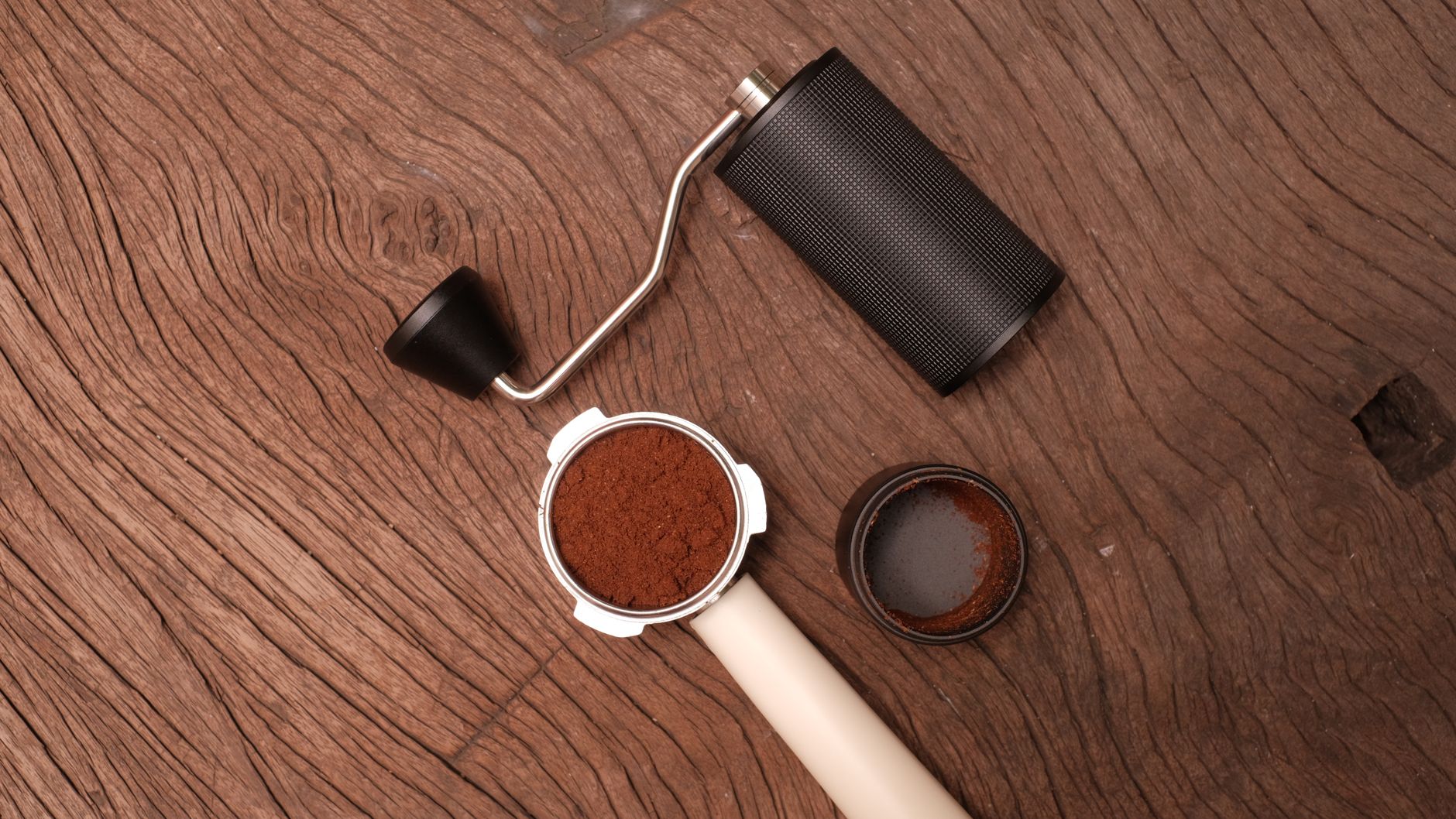 Photo: Pew Nguyen via Pexels
Best for: Busy home setups or small commercial bars where technique variation between users causes inconsistency.
Comparison Table
| Tool | Price | Type | Portafilter Size | WDT Included | Best For |
|---|---|---|---|---|---|
| Normcore Puck Prep Kit | ~$45 | WDT + Distributor | 58mm (54mm adapter) | Yes | Best overall value |
| Barista Hustle Starfish | ~$30 | WDT only | 58mm | Yes | Clump-heavy grinders |
| Weber Workshops Key | ~$120 | Distributor | 58mm | No | Premium setups |
| Ona Coffee Stockless | ~$35 | Distributor | 58mm | No | Budget entry point |
| Mahlkönig Precision | ~$180 | Motorized distributor | 58mm | No | Commercial / repeatability |
How to Use an Espresso Distribution Tool (The Right Way)
Direct answer: WDT first, distribute second, tamp third. Skipping WDT and going straight to distribution just compresses clumps rather than eliminating them.
The correct sequence:
- Grind into portafilter or dosing cup
- WDT pass — 3–5 full rotations at medium speed, reaching all depths
- Leveling tap (optional — one firm tap on the bench to settle)
- Distribution tool — 1–2 rotations at the correct depth (level with basket rim)
- Tamp — straight down, consistent pressure
Depth setting on your distributor matters more than rotation speed. Too shallow: you’re just spinning on top of the grounds. Too deep: you’re pre-compacting unevenly. Set depth so the tool just contacts the surface, then adjust by 0.1mm increments until extractions improve.
Equipment Review: Key Specs
| Normcore Puck Prep Kit | Weber Key | Ona Stockless | Barista Hustle Starfish | |
|---|---|---|---|---|
| Portafilter size | 58mm | 58mm | 58mm | 58mm |
| WDT included | Yes | No | No | Yes (only) |
| Depth adjustment | Yes | Yes (micro) | Yes | N/A |
| Material | Stainless + ABS | CNC aluminum | Stainless | Stainless |
| Price | ~$45 | ~$120 | ~$35 | ~$30 |
| Best for | Home all-in-one | Precision purist | Budget leveler | Clump breaking |
Verdict by User Archetype
Milk drinker / Convenience-first: You’re pulling 1–2 shots a day, mostly lattes. The Ona Coffee Stockless Distributor paired with a basic WDT tool covers everything. Don’t overcomplicate it.
Espresso purist: You taste your shots black and notice the difference between a 27-second and 29-second extraction. Normcore Puck Prep Kit for the workflow; upgrade to Weber Key when you want the last few percent.
Commercial / Multi-user: Technique inconsistency is your enemy. The Mahlkönig motorized option removes the human variable. Worth the cost if you’re serving more than 50 shots a day.
→ See Also
- Best Coffee Accessories (2026 Complete Guide)
- Best Coffee Scales (2026 Reviewed)
- Acaia Pearl Review: Is It Worth $150?
FAQ
Do I need a distribution tool if I already tamp correctly? Tamping compresses grounds — it doesn’t redistribute them. If your puck bed is uneven going in, tamping locks in that unevenness. Distribution and tamping solve different problems; you need both.
What’s the difference between a WDT tool and a distribution tool? A WDT (Weiss Distribution Technique) tool uses needles to break up clumps before leveling. A distributor levels the grounds after they’ve been broken up. They’re complementary, not interchangeable.
Does distribution tool material (stainless vs aluminum) affect flavor? No. The tool contacts dry grounds briefly and doesn’t affect extraction chemistry. Material choice affects durability, feel, and price — not flavor.
Can I use a distribution tool on a 54mm portafilter (like Breville)? Most quality tools are machined for 58mm. Several manufacturers sell 54mm versions or adapter rings. Check before buying — an ill-fitting distributor rides on the basket rim instead of leveling the grounds, which defeats the purpose.
Is an expensive distribution tool worth it over a cheap one? The gap between a $30 Ona-style clone and a $120 Weber Key is mostly build quality and feel. Both improve extraction if used correctly. The cheap tool works; the expensive tool works longer and more precisely. For most home setups, the $35–$45 range is the point of diminishing returns.
How do I know if my distribution is working? Pull a shot, then remove the portafilter immediately after and inspect the puck. A well-distributed puck is flat, uniformly compressed, and pulls cleanly from the basket. Channels show up as pits, cracks, or one side darker than the other. Consistently flat, dry pucks with no surface cracking mean your distribution is working.
Editorial methodology: Assessments are based on manufacturer specifications, published user reviews, and editorial research. Physical hands-on testing is noted explicitly where it occurred. Rankings reflect our editorial judgment and are not influenced by affiliate commission rates. Full editorial policy · Affiliate disclosure