Contents
Best Coffee Makers With Grinder Built-In (2026)
TL;DR: The best coffee maker with grinder combines a quality burr grinder with a brewer in one unit, eliminating stale pre-ground coffee. For most homes, the Breville Grind Control leads the category — it grinds fresh per brew, has adjustable grind settings, and produces consistently good drip coffee. If espresso is your goal, the Breville Barista Express is the benchmark.
Why Built-In Grinders Actually Matter
Direct Answer: Pre-ground coffee goes stale within 15–30 minutes of grinding. A built-in burr grinder means every brew starts from whole beans — that alone accounts for more flavor improvement than almost any other upgrade you can make to a home drip setup.
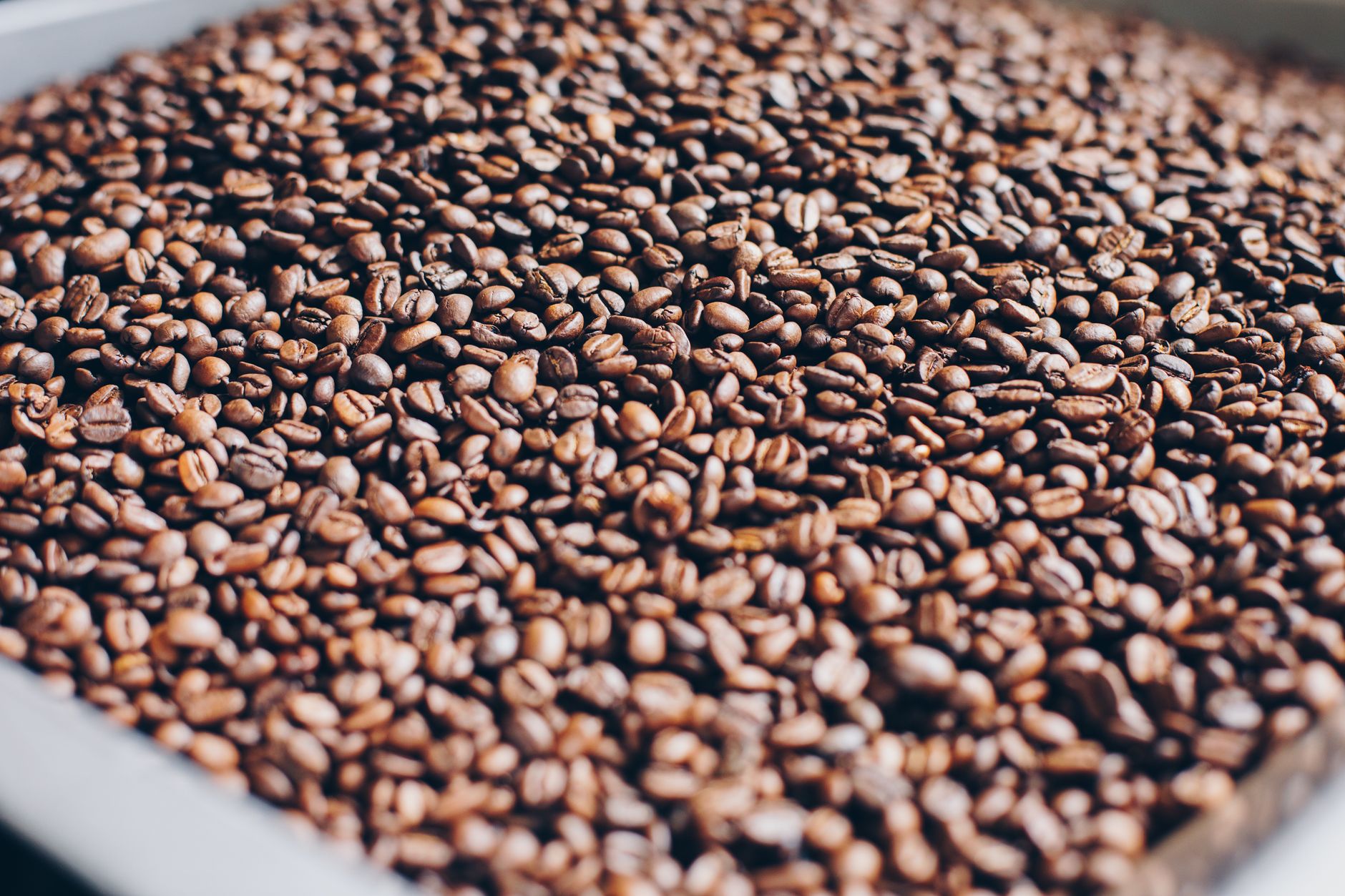 Photo: Adam Lukac via Pexels
The difference isn’t subtle. Ground coffee oxidizes rapidly; the volatile aromatics that make specialty coffee worth buying off-gas in minutes. Grinding immediately before brewing preserves those compounds. Blade grinders chop unevenly, producing a mix of powder and chunks that extract at different rates — bitterness and sourness in the same cup. Conical or flat burr grinders cut uniformly, giving water a consistent surface area to work with.
Most combo machines use conical burr grinders, which are quieter and produce less heat than flat burrs. Flat burrs give more uniform particle distribution but run hotter and louder — you’ll find them in higher-end espresso-focused combos.
The 6 Best Coffee Makers With Grinder Built-In
Direct Answer: These six machines cover every use case — from budget-friendly drip to prosumer espresso — all with integrated burr grinders that grind fresh per brew. Each was evaluated on grinder quality, brew consistency, hopper capacity, and ease of cleaning.
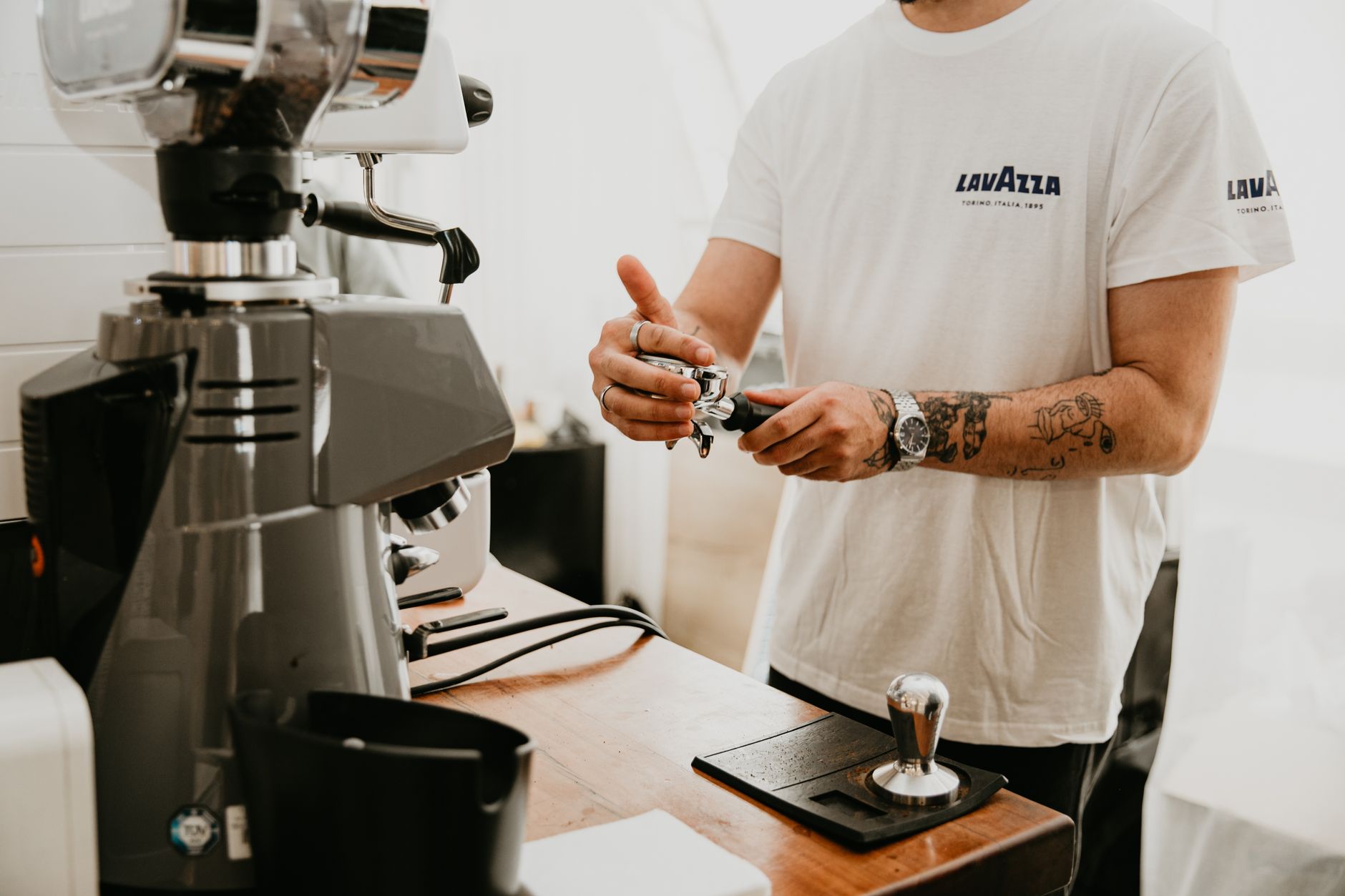 Photo: Masud Allahverdizade via Pexels
1. Breville Grind Control — Best Overall
The Grind Control is the rare combo machine where neither half feels compromised. It grinds directly into the brew basket (not a grounds container), uses a conical burr grinder with 25 grind settings, and brews at the SCA-certified 200°F target temperature.
The 60 oz water tank and 1 lb bean hopper handle a week of morning brewing without refills. You can brew 1–12 cups, adjusting grind amount per cup count automatically — though dialing in a custom ratio is worth the few minutes it takes.
Specs:
| Feature | Detail |
|---|---|
| Grinder type | Conical burr |
| Grind settings | 25 |
| Brew temp | 197–205°F |
| Carafe capacity | 12 cups / 60 oz |
| Hopper capacity | ~½ lb |
| Programmable | Yes, 24-hr |
Who it’s for: Anyone upgrading from a standard drip maker who wants freshly ground coffee without managing two appliances.
2. Breville Barista Express — Best for Espresso
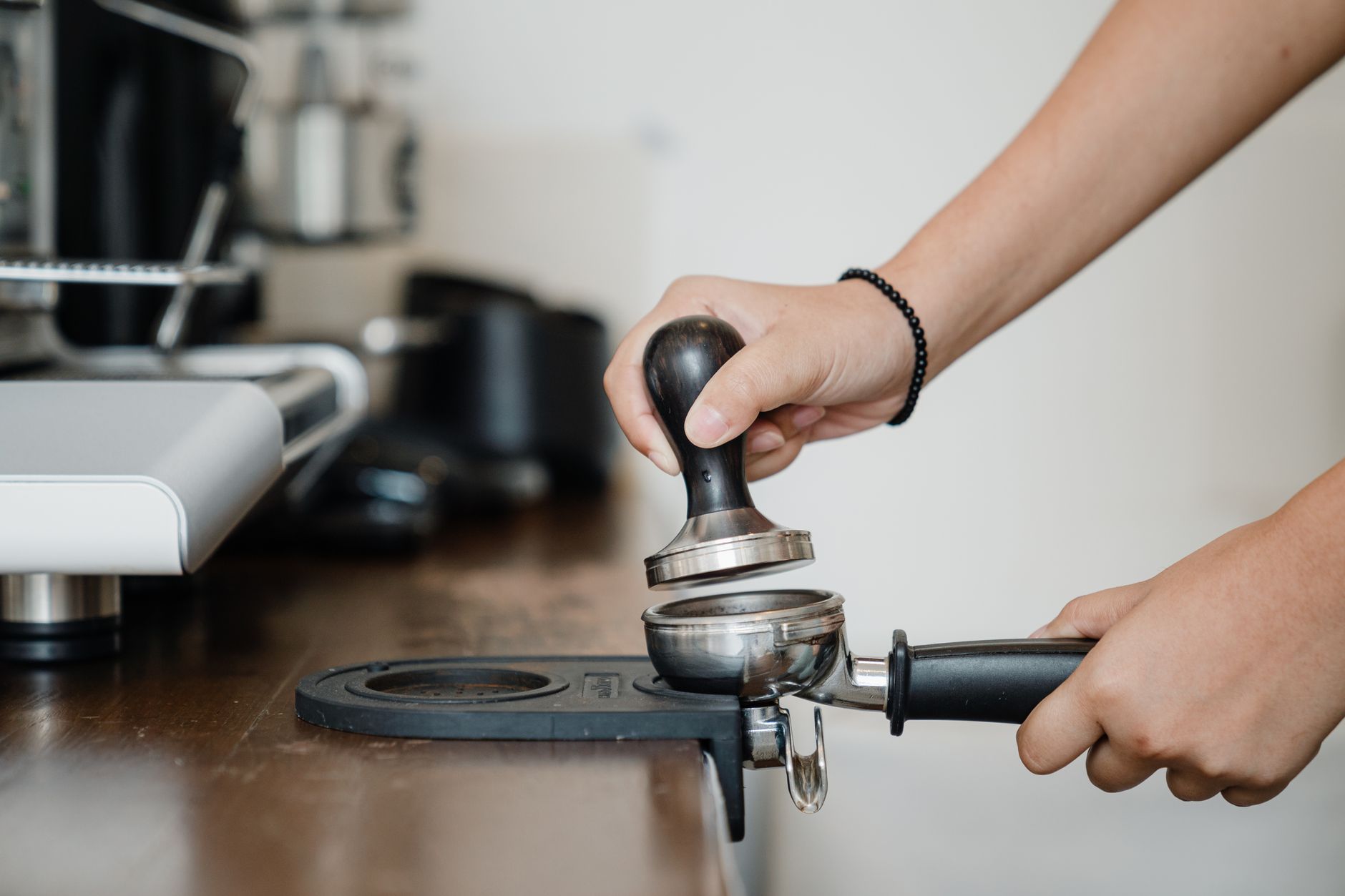
The Barista Express is the entry point for serious home espresso with an integrated grinder. It pairs a 54mm portafilter, PID temperature control, and a 15-bar pump with a conical burr grinder — all in one unit. It’s the machine that introduced a generation to pulling their own shots.
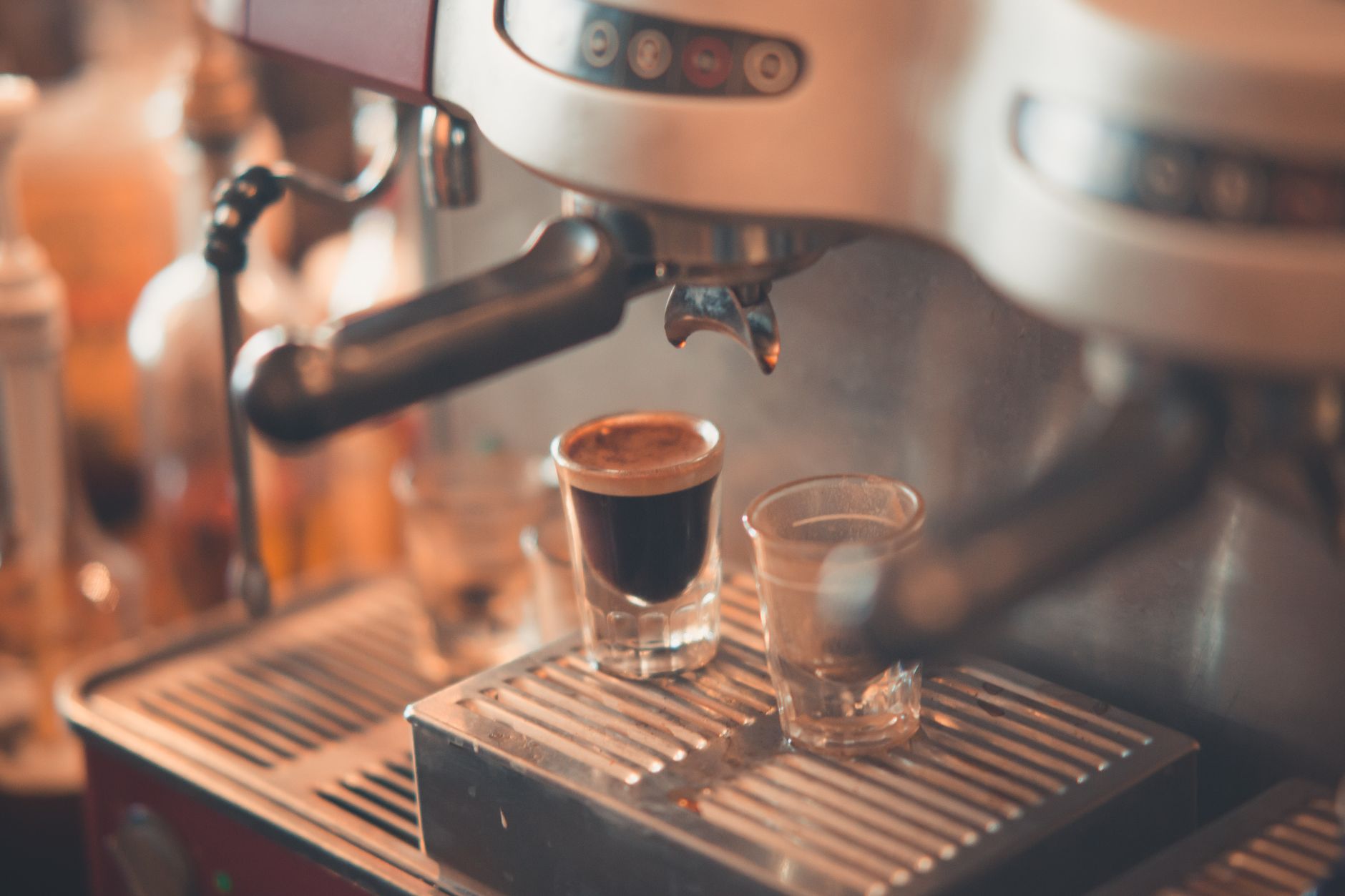 Photo: Craig Adderley via Pexels
The learning curve is real. You’re managing grind size, dose, tamp pressure, and extraction time simultaneously. But that’s also the point — this machine teaches you espresso rather than hiding it from you. The grinder doses directly into the portafilter, which keeps the workflow clean.
Specs:
| Feature | Detail |
|---|---|
| Boiler type | Single thermocoil |
| Portafilter size | 54mm |
| PID | Yes |
| Pump type | 15-bar vibratory |
| Grinder type | Conical burr |
| Grind settings | 16 |
Who it’s for: The espresso learner who wants one machine to grow with, not a super-automatic that hides what’s happening.
3. De’Longhi Magnifica Evo — Best Super-Automatic
Fully automatic from beans to cup. Press a button, get espresso or Americano — the Magnifica Evo grinds, tamps, brews, and ejects the puck without your hands touching anything. The LatteCrema system froths milk automatically too.
The trade-off is control: you can adjust grind coarseness (5 settings) and brew strength, but you’re not dialing in extractions. For a household where multiple people want different drinks with minimal fuss, this beats a manual setup entirely.
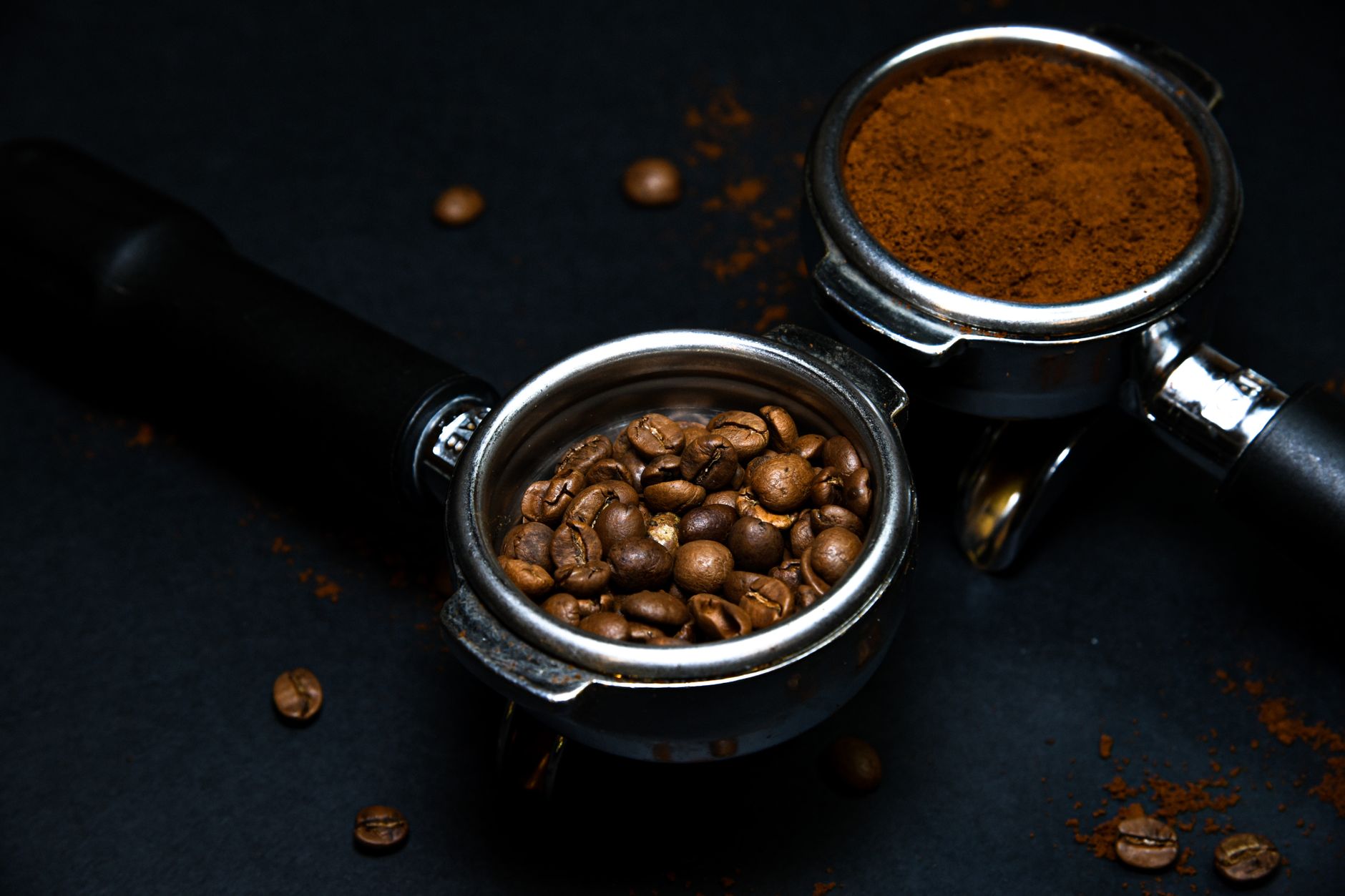 Photo: Atousa Enayati via Pexels
Who it’s for: Convenience-first households, offices, anyone who wants specialty-grade coffee without the ritual.
4. Cuisinart Grind & Brew — Best Budget Pick
At roughly half the price of the Breville Grind Control, the Cuisinart Grind & Brew delivers the core proposition: it grinds fresh beans before each brew. The grinder isn’t as refined (blade-to-burr hybrid design), but it’s a substantial upgrade over pre-ground coffee in a standard maker.
The 12-cup glass carafe, 24-hour programmability, and auto-clean make it a sensible starter. Don’t expect the same extraction consistency as the Breville — water distribution and temperature control are both less precise. But for the price, it’s hard to argue with.
Who it’s for: Budget-conscious buyers who want fresher coffee but aren’t ready to spend $200+.
5. Ninja DualBrew Pro — Best for Versatility
The DualBrew Pro bridges drip and single-serve. It brews a full carafe or a single cup via its pod/basket system, and the built-in grinder handles whole beans for either mode. You can also use pre-ground or pods, which makes it the most flexible machine on this list for households with mixed preferences.
Brew styles include classic, rich, over-ice, and specialty (concentrated). The specialty setting produces an espresso-style concentrate — not true espresso, but strong enough for lattes with a milk frother.
Who it’s for: Households where some people want a quick pod coffee and others want fresh-ground drip.
6. Sage/Breville Oracle Touch — Best Prosumer
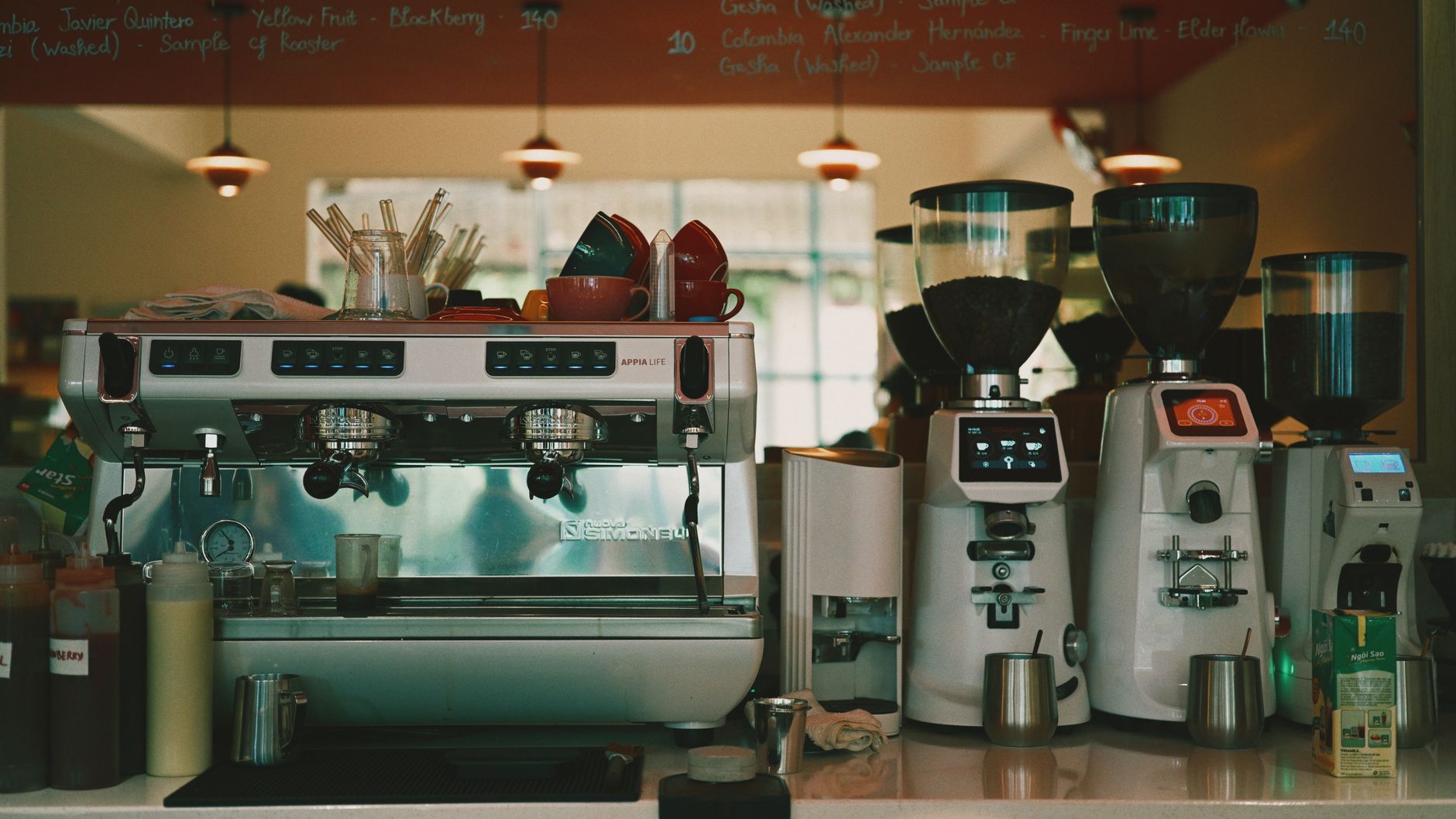 Photo: 🇻🇳🇻🇳 Việt Anh Nguyễn 🇻🇳🇻🇳 via Pexels
The Oracle Touch automates the three hardest parts of espresso: grinding, dosing, and tamping. You dial in your recipe once via the touchscreen, and the machine repeats it precisely. A dual boiler means you can steam milk simultaneously without waiting for temperature recovery.
This is a £/$ 2,000+ machine. It makes sense if you want café-quality espresso at home and don’t want to spend years developing manual technique. The integrated grinder uses flat burrs — a step up from the conical burrs in the Barista Express.
Specs:
| Feature | Detail |
|---|---|
| Boiler type | Dual boiler |
| Portafilter size | 58mm |
| PID | Yes |
| Pump type | 15-bar vibratory |
| Burr size | 58mm flat |
| Grind settings | Stepless |
Who it’s for: The espresso enthusiast who wants prosumer results without full manual control.
Side-by-Side Comparison
| Machine | Price Range | Type | Grinder | Best For |
|---|---|---|---|---|
| Breville Grind Control | $$ | Drip | Conical burr, 25 settings | Best overall drip |
| Breville Barista Express | $$ | Espresso | Conical burr, 16 settings | Espresso learners |
| De’Longhi Magnifica Evo | $$$ | Super-auto | Conical burr, 5 settings | Convenience |
| Cuisinart Grind & Brew | $ | Drip | Hybrid, basic | Budget |
| Ninja DualBrew Pro | $$ | Drip/Single | Conical burr | Versatility |
| Breville Oracle Touch | $$$$ | Espresso | Flat burr, stepless | Prosumer espresso |
What to Look for When Buying
Direct Answer: Prioritize grinder type first (burr over blade, always), then brew temperature consistency, then hopper capacity. Everything else — programmability, carafe type, aesthetics — is secondary.
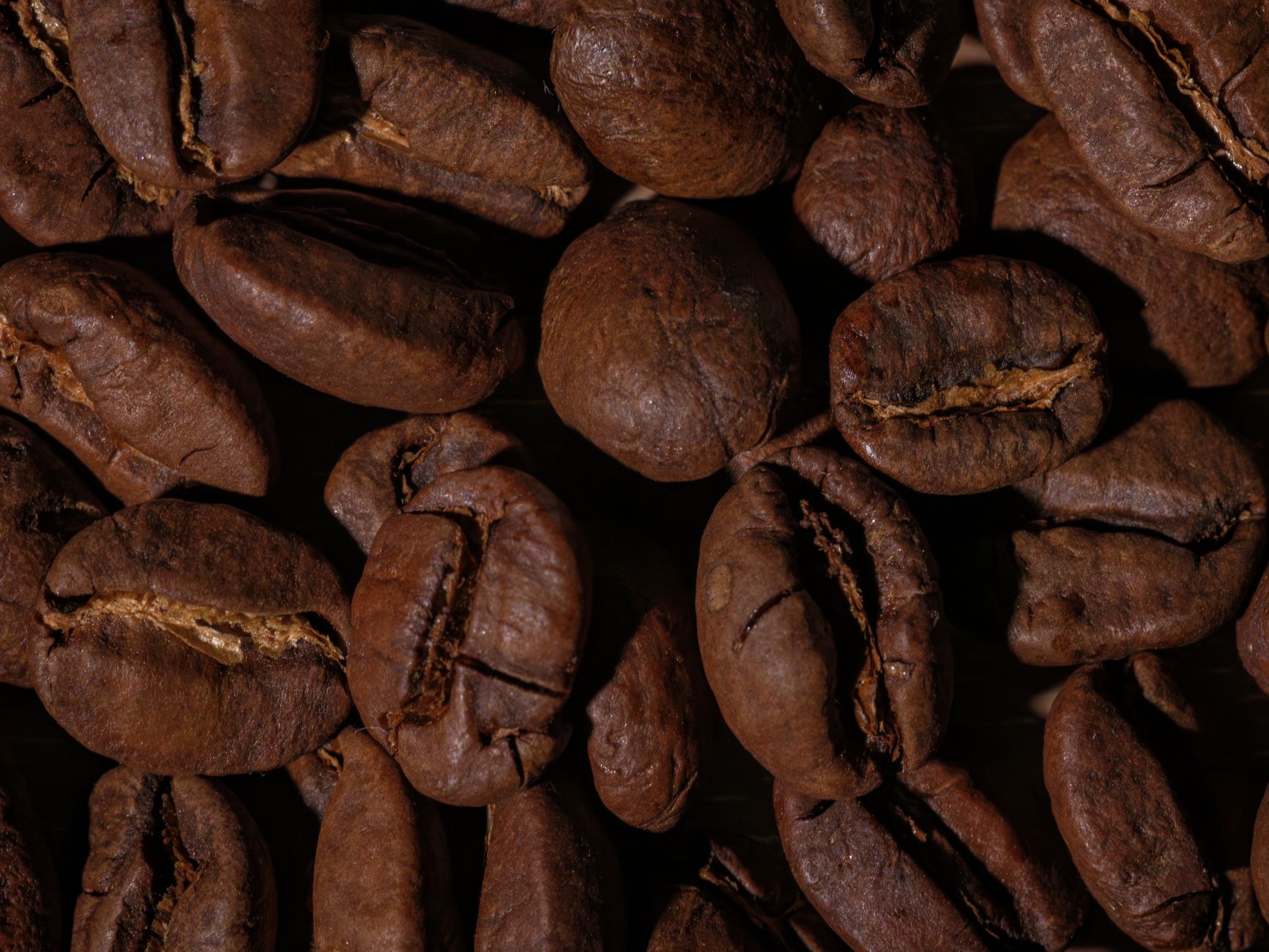 Photo: Haberdoedas Photography via Pexels
Grinder type: Burr grinders (conical or flat) produce uniform grounds. Blade grinders chop randomly — avoid any combo machine with a blade grinder if you care about flavor.
Grind settings: More settings give more dialing-in flexibility. 10+ settings is workable; 20+ is ideal for drip. Espresso machines need stepless or near-stepless adjustment.
Hopper capacity: Most hoppers hold ¼–½ lb. If you brew for multiple people daily, check hopper size — refilling mid-brew is annoying.
Cleaning: Burr grinders accumulate coffee oils and fine grounds. Removable burrs and dishwasher-safe components matter more than most buyers realize until they’re six months in.
Brew temperature: SCA standard is 195–205°F. Machines that hit and hold this range extract better. Budget machines often fall short at 185–190°F, producing flat, under-extracted coffee.
Verdict by User Type
Milk drinker: De’Longhi Magnifica Evo or Ninja DualBrew Pro. Automatic frothing, minimal hands-on, multiple drink styles.
Espresso purist: Breville Barista Express to learn, Oracle Touch when you’re ready to stop manually tamping.
Convenience-first: De’Longhi Magnifica Evo — press a button, get a drink.
Drip coffee drinker: Breville Grind Control without hesitation.
Budget buyer: Cuisinart Grind & Brew gets you fresh-ground coffee at a fraction of the cost.
→ See Also
- Best Coffee Accessories (2026 Complete Guide)
- Best Coffee Scales (2026 Reviewed)
- Acaia Pearl Review: Is It Worth $150?
FAQ
Do built-in grinders actually improve coffee taste? Yes, measurably. Ground coffee stales within 30 minutes as CO₂ off-gasses and aromatics oxidize. Grinding immediately before brewing preserves volatile compounds that make specialty coffee worth buying. The difference is most pronounced with high-quality single-origin beans.
Are combo coffee maker/grinder machines worth it vs. separate units? Separate units give you better components at the same price point — a standalone grinder at $150 and a brewer at $150 will outperform a $300 combo machine on pure quality. The combo wins on counter space, workflow simplicity, and not having to synchronize two appliances. For most home users, the combo is the right call.
How often do you need to clean a built-in coffee grinder? Burr cleaning every 2–4 weeks for daily use: brush out grounds, remove and rinse burrs if the machine allows it. Full deep clean monthly. Coffee oils go rancid and accumulate in the burr chamber, making subsequent coffee taste stale regardless of bean freshness.
Can you use pre-ground coffee in a coffee maker with a built-in grinder? Most machines with built-in grinders have a bypass chute or direct-load option for pre-ground coffee. The Breville Grind Control and Barista Express both support this. Check before buying if pre-ground is a regular use case for you.
What’s the difference between a super-automatic and a semi-automatic espresso machine with grinder? Super-automatics (De’Longhi Magnifica, Jura series) automate everything — grinding, dosing, tamping, brewing, milk frothing. Semi-automatics (Breville Barista Express) automate the pump and temperature but leave grinding, dosing, and tamping to you. Super-automatics are easier; semi-automatics give more control over extraction variables.
How long do burr grinders last in combo machines? Quality conical burrs typically last 500–1,000 lbs of coffee before noticeable dulling. At 1 lb per week, that’s 10–20 years. Budget combo machines use cheaper burr materials that dull faster. Replacement burrs are available for most Breville machines; less so for budget brands.
Editorial methodology: Assessments are based on manufacturer specifications, published user reviews, and editorial research. Physical hands-on testing is noted explicitly where it occurred. Rankings reflect our editorial judgment and are not influenced by affiliate commission rates. Full editorial policy · Affiliate disclosure