Contents
Best Organic Coffee Brands (2026 Certified)
TL;DR: The best organic coffee brands in 2026 combine USDA organic certification with direct-trade sourcing and freshness-first roasting. Café Mam, Equal Exchange, and Volcanica consistently top the category for flavor, ethics, and transparency. Certified organic matters most when you drink high volumes or use milk alternatives that amplify bean-forward flavor.
What “Certified Organic” Actually Means for Coffee
Organic certification prohibits synthetic pesticides, herbicides, and fertilizers across the entire supply chain — from farm soil to processing. USDA Organic requires third-party audits every 12 months. “Natural” or “eco-friendly” labeling means nothing without that certification seal.
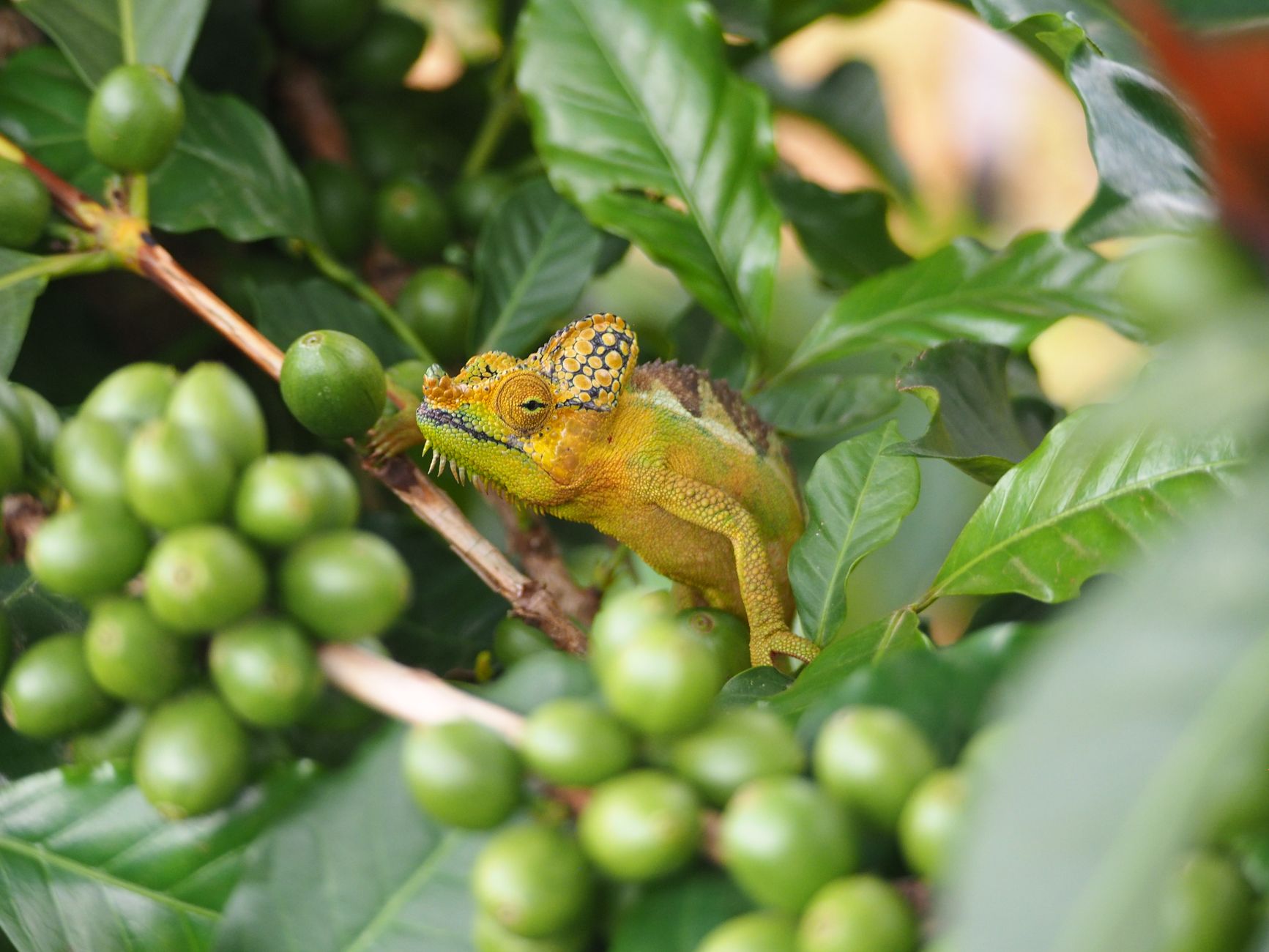 Photo: Timon Cornelissen via Pexels
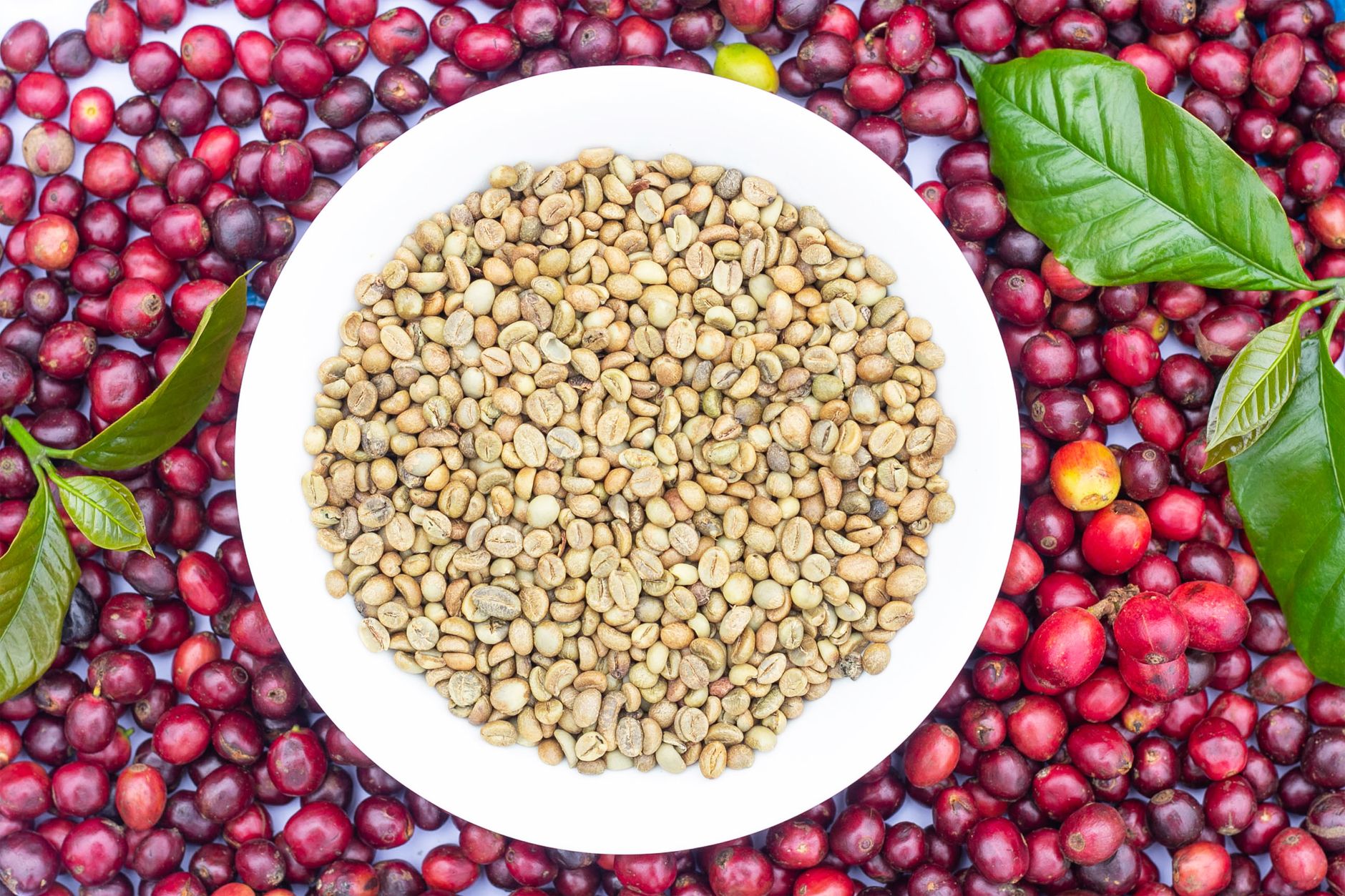
Coffee is one of the most heavily sprayed crops globally. Non-organic farms use chlorpyrifos, endosulfan, and synthetic nitrogen fertilizers — residues that survive light roasting. Organic farms rely on composting, shade-canopy management, and natural pest control. The tradeoff: lower yield per hectare, higher farm-gate price.
Does Organic Coffee Taste Better?
Not automatically. Organic certification governs chemistry, not quality. But organic farms skew toward high-altitude, shade-grown cultivation — conditions that slow cherry development and concentrate sugars — which correlates with better cup scores. The best organic coffee brands also tend to be smaller specialty roasters who buy directly from farms, which means fresher, more traceable beans.
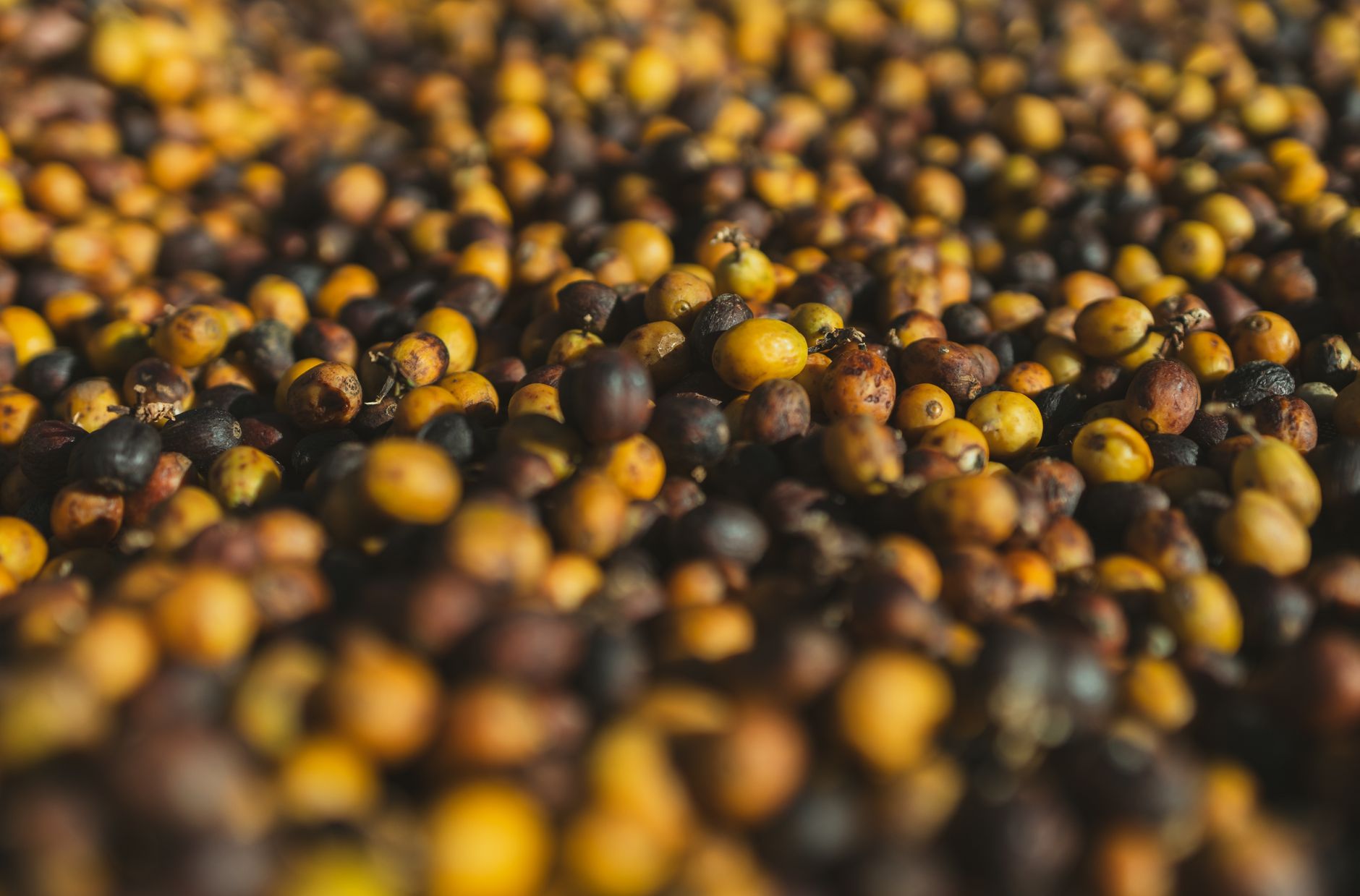 Photo: César Coni via Pexels
The 7 Best Organic Coffee Brands (2026)
These brands hold active USDA Organic certification, publish sourcing data, and roast to order or ship within two weeks of roast date. All seven are available online; six ship to the contiguous US within 3–5 days.
 Photo: Anna Tarazevich via Pexels
| Brand | Cert | Roast Range | Price / 12oz | Ships Fresh |
|---|---|---|---|---|
| Café Mam | USDA Organic + Fair Trade | Medium–Dark | $14–$18 | Yes (roast-to-order) |
| Equal Exchange | USDA Organic + Fair Trade | Light–Dark | $11–$16 | Partial |
| Volcanica Coffee | USDA Organic (select) | Light–Medium | $16–$22 | Yes |
| Lifeboost | USDA Organic + shade-grown | Medium | $30–$35 | Yes |
| Kicking Horse | USDA Organic + Fair Trade | Medium–Dark | $13–$17 | No (retail) |
| Allegro | USDA Organic | Light–Dark | $12–$15 | Partial (Whole Foods) |
| Tiny Footprint | USDA Organic + carbon-negative | Medium | $15–$18 | Yes |
Café Mam — Best Overall
Café Mam has roasted certified organic Chiapas and Guatemalan beans since 1993. Every bag is roasted to order. Their medium roast hits brown sugar, dried plum, and mild cocoa — excellent as drip, moka pot, or light espresso.
Why it tops the list: direct farm relationships with cooperatives, verifiable certifications, and a price point that doesn’t require financing.
Equal Exchange — Best Value Organic
Equal Exchange is a worker-owned co-op supplying organic coffee since 1986. Their Mind, Body & Soul blend is the most widely available fair trade organic in the US. Expect a reliable medium roast: nutty, chocolatey, low acidity. Shelf presence at most co-ops and natural food stores means accessibility matters here.
Volcanica Coffee — Best Single-Origin Organic
Volcanica sources from volcanic regions in Ethiopia, Costa Rica, and Guatemala. Their Ethiopian Yirgacheffe Organic is a standout — bergamot, jasmine, lemon curd, and long finish. Roasted weekly and shipped within 48 hours.
Lifeboost — Best for Low-Acid Preference
Lifeboost tests every batch for mycotoxins and heavy metals, ships single-origin Nicaraguan beans at a medium roast, and prices accordingly. At $30+ per bag it’s the premium end of this category. The flavor profile is mild, sweet, low-acidity — suited to those who find specialty coffee harsh.
Tiny Footprint — Best for Carbon-Conscious Buyers
Tiny Footprint is the only carbon-negative coffee roaster in this list — they offset more CO₂ than production emits via Ecuadorian reforestation projects. Their Nicaraguan medium roast is solid everyday coffee, and the mission is genuine.
Coffee Module C — Beans & Origins
Origin Breakdown
| Country | Altitude (MASL) | Processing | Roast | Tasting Notes |
|---|---|---|---|---|
| Guatemala (Chiapas border) | 1,400–1,800 | Washed | Medium | Brown sugar, dried cherry, cocoa |
| Ethiopia (Yirgacheffe) | 1,800–2,200 | Natural/Washed | Light | Bergamot, jasmine, lemon curd |
| Nicaragua (Jinotega) | 1,200–1,600 | Washed | Medium | Mild chocolate, hazelnut, low acid |
| Costa Rica (Tarrazú) | 1,500–1,900 | Honey | Medium-Light | Red apple, caramel, clean finish |
| Peru (Cajamarca) | 1,400–1,900 | Washed | Medium | Walnut, earthy sweetness, mild citrus |
Brew Method Pairing
- Ethiopian Yirgacheffe (light): Pour-over or Chemex, grind fine-medium (Baratza Encore 14–16), 93°C. Avoid espresso — floral notes collapse under pressure.
- Guatemalan/Chiapas (medium): Versatile. Drip, moka pot, or espresso at 93–94°C. Dose 18g in, 36–38g out at 28–30s.
- Nicaraguan (medium, low-acid): French press or drip. Coarser grind (19–21 on Encore). Espresso works at 92°C with 25s pull for sweetness.
Freshness Guide
| Stage | Days Post-Roast | Action |
|---|---|---|
| Degassing (CO₂ off-gassing) | 1–7 days | Rest beans before brewing; espresso peaks at day 7–14 |
| Peak flavor window | 7–21 days | Optimal extraction; best cup scores |
| Acceptable (drip/press) | 22–45 days | Flavor fades but drinkable |
| Stale threshold | 45+ days | Perceptible flatness; avoid if possible |
Storage: airtight valve bag, room temperature, away from light. Never freeze unless buying 3+ months supply — condensation on thaw degrades the bean surface. After opening: use within 2–3 weeks.
→ See Also
- Coffee Bean Guide: Origins, Roasts, and How to Choose
- Best Coffee Subscription Boxes (2026 Ranked)
- Trade Coffee Review (2026): Is It Worth It?
FAQ
Is organic coffee actually better for you? The evidence for direct health benefits is limited. What’s clear: organic farming eliminates synthetic pesticide residues and supports soil health. High-volume drinkers (4+ cups/day) reduce cumulative pesticide exposure meaningfully by switching to certified organic.
What certifications should I look for on coffee bags? USDA Organic is the baseline — legally enforced, third-party audited. Fair Trade (FLO or Fair Trade USA) adds farm-worker economics. Rainforest Alliance covers biodiversity. Bird-Friendly (Smithsonian) is the strictest shade-grown standard. Multiple certifications overlap; USDA Organic is non-negotiable if that’s your priority.
Are organic coffee brands more expensive? Yes, typically 20–40% more than conventional commercial coffee. Organic yield is lower, certification costs are passed to consumers, and most organic brands source from smaller farms at above-commodity prices. At $14–$18 per 12oz, the best organic coffee brands fall in the same range as standard specialty coffee.
Does organic certification cover the roastery too? It must. A roastery processing organic beans must hold its own USDA Organic handler certification — otherwise cross-contamination risk is unaddressed. Ask brands for their handler cert number; reputable brands list it on their website or packaging.
Can I find the best organic coffee brands at grocery stores? Equal Exchange, Kicking Horse, and Allegro have broad retail distribution. The freshest options — Café Mam, Volcanica, Tiny Footprint — ship direct-to-consumer and are unlikely to be on grocery shelves at peak freshness. For quality, ordering online is consistently better.
What’s the difference between organic and fair trade certification? They address different things. Organic is about farming chemistry — no synthetic inputs. Fair trade is about farm economics — minimum floor prices and community investment. A coffee can be one, both, or neither. The best organic coffee brands typically hold both because the same buyers who care about soil tend to care about labor.
Editorial methodology: Assessments are based on manufacturer specifications, published user reviews, and editorial research. Physical hands-on testing is noted explicitly where it occurred. Rankings reflect our editorial judgment and are not influenced by affiliate commission rates. Full editorial policy · Affiliate disclosure