Contents
Best Guatemala Coffee Beans (2026): Top Picks Ranked
TL;DR: The best Guatemalan coffee beans deliver bright acidity, chocolate depth, and floral complexity — standout traits from high-altitude volcanic growing regions like Huehuetenango and Antigua. For most drinkers, Volcanica’s Guatemala Huehuetenango or Intelligentsia’s Black Cat Espresso are the strongest all-around picks. Expect rich caramel, dark fruit, and clean finishes that punch well above their price.
What Makes Guatemalan Coffee Worth Buying?
Guatemalan coffee earns its reputation through altitude and soil. Eight distinct growing regions — all above 1,300 MASL — produce beans with structural acidity, dense fruit character, and a chocolate-to-caramel sweetness that few origins match. The volcanic soil isn’t marketing copy; it genuinely shapes the mineral clarity in the cup.
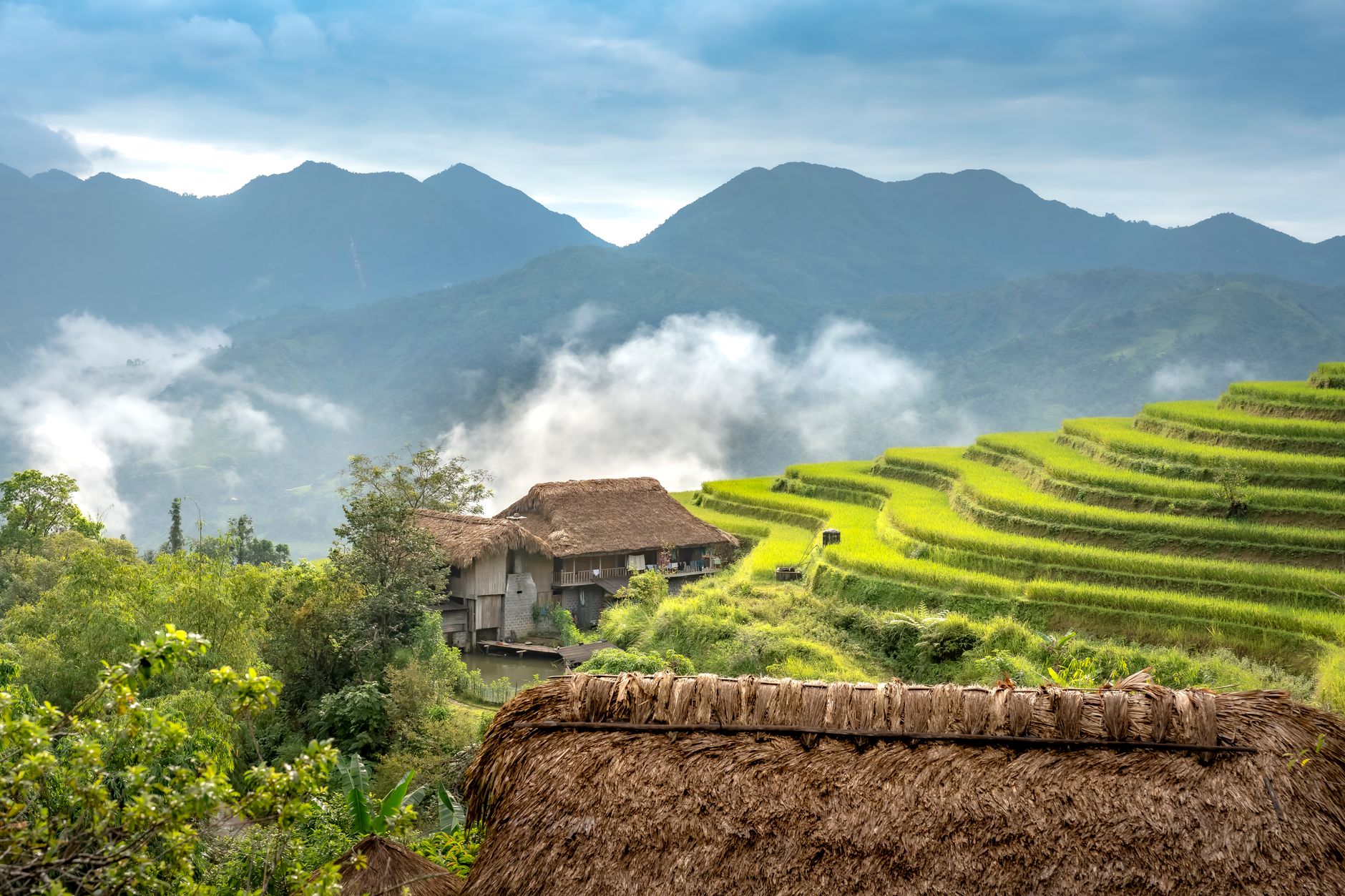 Photo: Quang Nguyen Vinh via Pexels
Guatemala sits in the “Coffee Belt” sweet spot. The country’s micro-climates — driven by Pacific and Atlantic weather systems hitting mountain ranges — create wildly different cup profiles within a single country. That variation is the point: a Huehuetenango and an Antigua bean are almost different categories.
Key growing conditions:
- Altitude: 1,300–2,200 MASL
- Processing: Washed dominant (some natural and honey from Huehuetenango)
- Soil: Volcanic, mineral-rich
- Harvest: November–April
Best Guatemalan Coffee Beans: 2026 Picks
Six roasters consistently source and roast Guatemala well. The picks below are ranked by value-to-quality ratio, with specific regional sourcing, roast levels, and best-use cases called out for each.
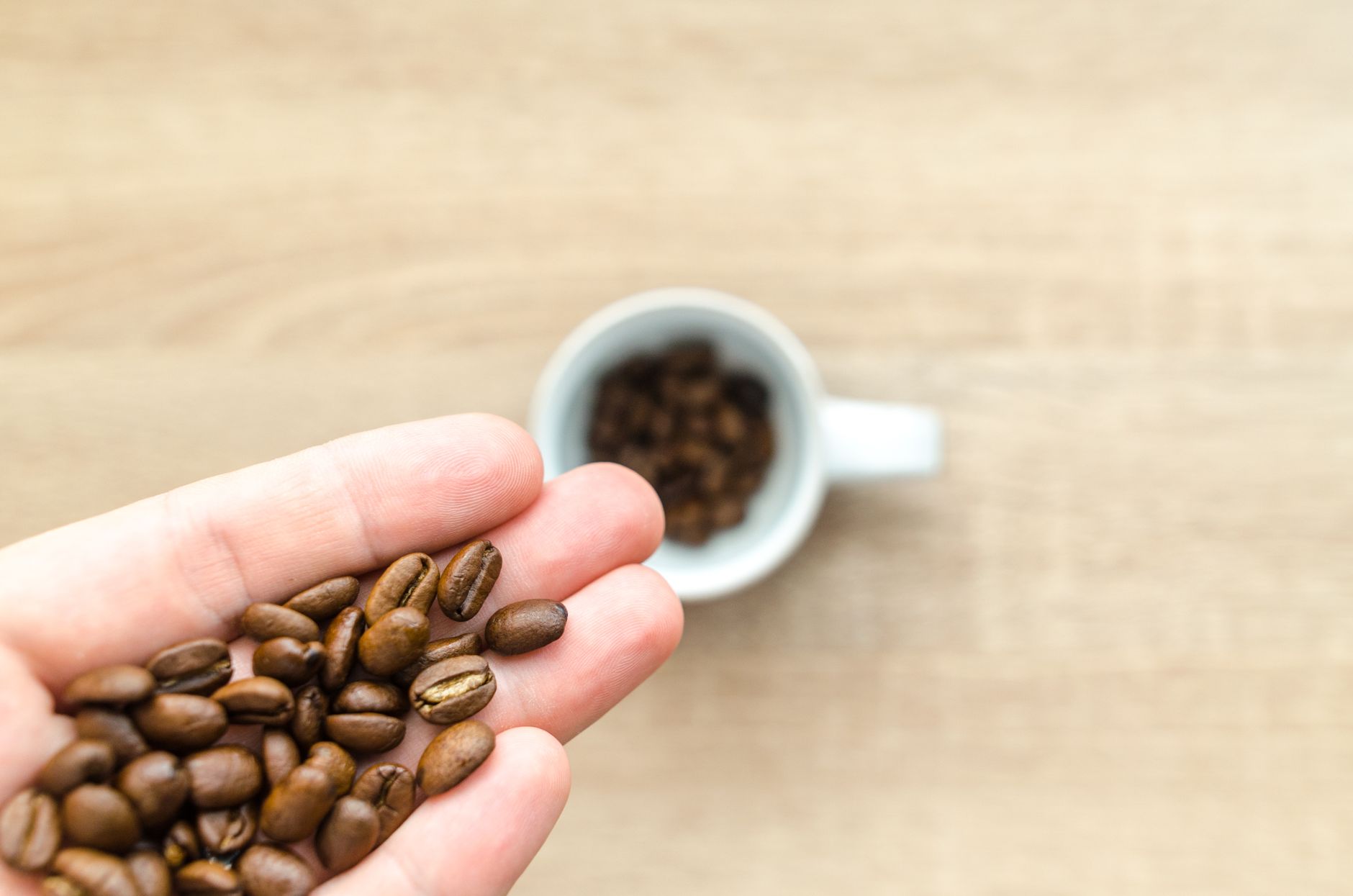
 Photo: Luna Lovegood via Pexels
1. Volcanica Guatemala Huehuetenango
Volcanica’s Huehuetenango is the benchmark for the region. Single-origin, washed process, medium roast — it’s clean, traceable, and roasted to order. Expect dried cherry, brown sugar, and lemon zest. The acidity is bright without being sharp, making it a strong all-day filter coffee.
- Best for: Pour-over, AeroPress, drip
- Roast: Medium
- Price: ~$19/12oz
2. Intelligentsia Black Cat Espresso
Black Cat blends Guatemala with Colombian and Ethiopian components, but Guatemala is consistently the backbone. Full espresso development, thick body, cocoa and hazelnut in the shot. Pulls beautifully at 93–94°C with a 1:2 ratio in 27–30 seconds.
- Best for: Espresso, milk drinks
- Roast: Medium-dark
- Price: ~$22/12oz
3. Onyx Coffee Lab Guatemala El Injerto
El Injerto is a competition-grade farm in Huehuetenango with decades of single-estate sourcing. Onyx’s light-medium roast preserves the farm’s signature peach, jasmine, and tangerine notes. The bean has a thick wax coating (a sign of slow maturation at altitude) that holds oils exceptionally well.
- Best for: V60, Chemex, light espresso
- Roast: Light-medium
- Price: ~$26/10oz
4. Cafe Imports / Trade Coffee Guatemala Huehuetenango
Available through Trade’s subscription platform , this offering changes seasonally but consistently sources from Huehuetenango smallholders. If you subscribe, request “Guatemala” in your profile — Trade’s algorithm surfaces fresh arrivals reliably.
- Best for: Drip, batch brew
- Roast: Medium
- Price: ~$15–18/12oz via subscription
5. Stumptown Hair Bender
Hair Bender is a blend, but Guatemala is a constant component. It’s the easiest entry point for drinkers transitioning from commercial to specialty. Walnut, dark chocolate, and citrus peel. Forgiving grind window, good for home espresso machines.
- Best for: Home espresso, Moka pot
- Roast: Medium-dark
- Price: ~$18/12oz
6. Equal Exchange Organic Guatemala
For organic-certified, fair-trade sourcing , Equal Exchange’s Guatemala is consistent and ethically sound. Less nuanced than the specialty picks above, but reliable chocolate and almond flavors at a value price point.
- Best for: Everyday drip, batch office brew
- Roast: Medium
- Price: ~$14/12oz
Guatemala vs. Other Central American Origins
| Origin | Acidity | Body | Flavor Profile | Best Roast | Altitude (MASL) |
|---|---|---|---|---|---|
| Guatemala | High, bright | Medium-full | Chocolate, dark fruit, caramel | Medium | 1,300–2,200 |
| Honduras | Mild-medium | Medium | Caramel, nut, mild citrus | Medium | 1,100–1,700 |
| Colombia | Balanced | Medium | Red fruit, citrus, chocolate | Light-medium | 1,200–2,000 |
| Ethiopia | High, complex | Light | Floral, berry, stone fruit | Light | 1,500–2,200 |
| Costa Rica | Bright, clean | Light-medium | Citrus, honey, apricot | Light-medium | 1,200–1,900 |
Guatemala sits in a useful middle ground: more complexity than Honduras, more body than Ethiopia, more structure than Costa Rica.
Coffee Module C — Beans & Origins
Origin Table
| Region | Altitude (MASL) | Processing | Roast | Tasting Notes |
|---|---|---|---|---|
| Huehuetenango | 1,500–2,200 | Washed, some natural | Light-medium | Peach, jasmine, dried cherry, lemon |
| Antigua | 1,500–1,700 | Washed | Medium | Dark chocolate, caramel, smoky finish |
| Cobán | 1,300–1,500 | Washed | Medium | Mild acidity, brown sugar, cardamom |
| Atitlán | 1,500–1,700 | Washed | Medium | Apple, cocoa, floral, wine-like acidity |
| Acatenango | 1,700–2,000 | Washed | Light-medium | Citrus, floral, bright clean acidity |
Brew Method Pairing & Grind Adjustments
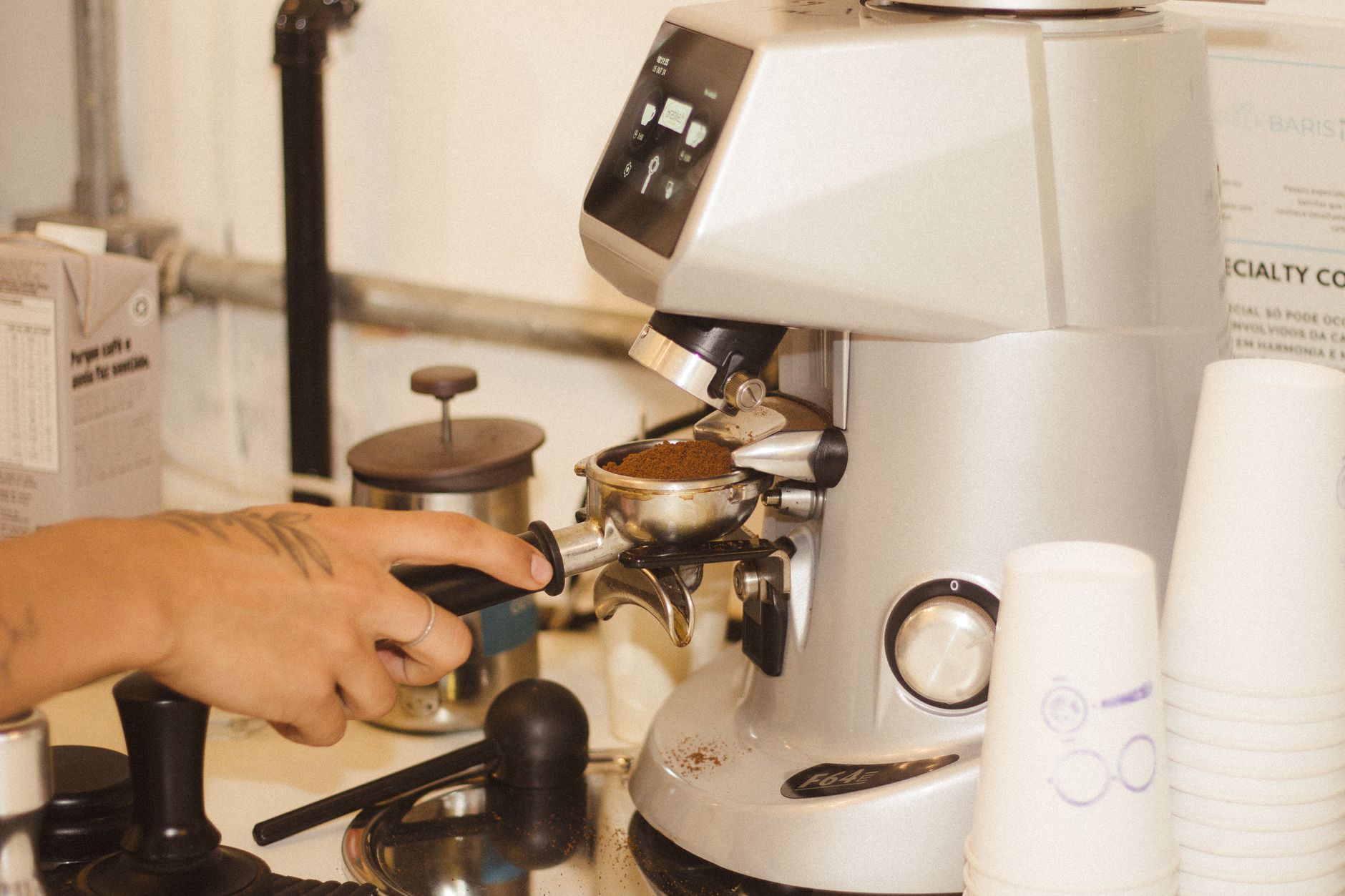
 Photo: Felix Haumann via Pexels
- Huehuetenango (light-medium): V60, Chemex. Medium-fine grind (Comandante ~22–24 clicks). Pull slightly hotter, 95°C, to open floral notes.
- Antigua (medium): AeroPress inverted, espresso. For espresso: 9 bars, 93°C, 18g in / 36g out / 28s. Slightly finer grind than typical medium roasts — denser bean structure.
- Cobán (medium): Drip, batch brew. Standard medium grind. Forgiving and consistent; good for programmatic coffee makers.
- Espresso dose offset: Guatemala beans from high altitude are denser — grind finer by 1–2 notches compared to a same-roast-level Colombian.
- Temperature offset: Light-medium Guatemala benefits from +1–2°C vs. standard. Avoid under-extraction — the bright acidity turns sharp when under-extracted.
Freshness & Storage
- Degassing: Washed Guatemalas need 5–10 days off-roast before peak extraction. Light roasts benefit from 7–12 days.
- Storage: Opaque airtight container (Fellow Atmos or Airscape), away from light and heat. Avoid the fridge — condensation damages cell structure.
- Shelf life after opening: 2–4 weeks for optimal flavor. Detectable degradation starts around day 21 at room temperature.
- Whole bean vs. pre-ground: Guatemala’s aromatic complexity — especially the florals in Huehuetenango — dissipates fast once ground. Grind to order.
Comparing Guatemalan Roast Levels
| Roast | What You Get | What You Lose | Best Brew Method |
|---|---|---|---|
| Light | Full terroir, floral, fruit-forward, high acidity | Sweetness, body | V60, Chemex |
| Medium | Balance of origin + roast character | Some floral delicacy | AeroPress, drip, espresso |
| Medium-dark | Chocolate, caramel, roast sweetness | Fruit notes, terroir clarity | Espresso, Moka pot |
| Dark | Roast flavor dominates | Almost all origin character | French press, cold brew |
For best Guatemalan coffee beans, medium is the sweet spot for most brewing contexts. Light roasts are rewarding but less forgiving to technique errors.
 Photo: itschansy via Pexels
→ See also
- Coffee Bean Guide: Origins, Roasts, and How to Choose
- Best Coffee Subscription Boxes (2026 Ranked)
- Trade Coffee Review (2026): Is It Worth It?
FAQ
What region produces the best Guatemalan coffee beans? Huehuetenango is widely regarded as Guatemala’s top region for specialty coffee. Its high altitude (up to 2,200 MASL), remote dry microclimate, and mix of small farms produce the most complex, traceable lots — especially at light-to-medium roast levels.
Is Guatemalan coffee good for espresso? Yes — particularly Antigua and medium-roasted Huehuetenango. The dense bean structure and natural sweetness hold up well under pressure. Use 93–94°C, a 1:2 ratio, and expect chocolate, caramel, and dark fruit in the shot. Avoid light roasts on lower-end machines; they’re less forgiving.
How does Guatemalan coffee compare to Colombian? Both are washed Arabica with bright acidity, but Guatemala typically has more body and a darker fruit / chocolate character, while Colombia runs toward red fruits and citrus. Guatemala’s volcanic soil adds a mineral structure that Colombian coffees rarely match.
What’s the best grind size for Guatemalan pour-over? Medium-fine on most burr grinders — roughly equivalent to table salt. High-altitude Guatemalan beans are denser than lower-grown origins, so grind slightly finer than you would for the same roast level from, say, Brazil. Adjust by taste: sour = grind finer, bitter = coarser.
Are Guatemalan coffee beans good for cold brew? Decent, but not optimal. Cold brew favors low-acidity, high-body origins (Brazil, Sumatra). Guatemala’s brightness — its best feature hot — reads as thin and slightly astringent in cold brew. If you want to try it, use Cobán or Antigua medium-dark roast, and steep 18–20 hours at room temperature rather than fridge.
What does Guatemalan coffee taste like? The baseline is dark chocolate and brown sugar with clean acidity. Regional variation adds layers: Huehuetenango leans toward peach and jasmine, Antigua toward smoke and caramel, Atitlán toward apple and wine. The common thread is a structured, satisfying sweetness that makes Guatemala a reliable choice across roast levels.
Editorial methodology: Assessments are based on manufacturer specifications, published user reviews, and editorial research. Physical hands-on testing is noted explicitly where it occurred. Rankings reflect our editorial judgment and are not influenced by affiliate commission rates. Full editorial policy · Affiliate disclosure