Contents
Best Brazilian Coffee Beans (2026): Top Picks for Every Brew
TL;DR: The best Brazilian coffee beans deliver chocolate, nuts, and low acidity — making them ideal for espresso blends and French press. Top picks include Fazenda Santa Inês, Peaberry Santos, and Yellow Bourbon single-origins. Brazil is the world’s largest coffee producer, and its best estates rival anything from Ethiopia or Colombia.
What Makes Brazilian Coffee Worth Buying?
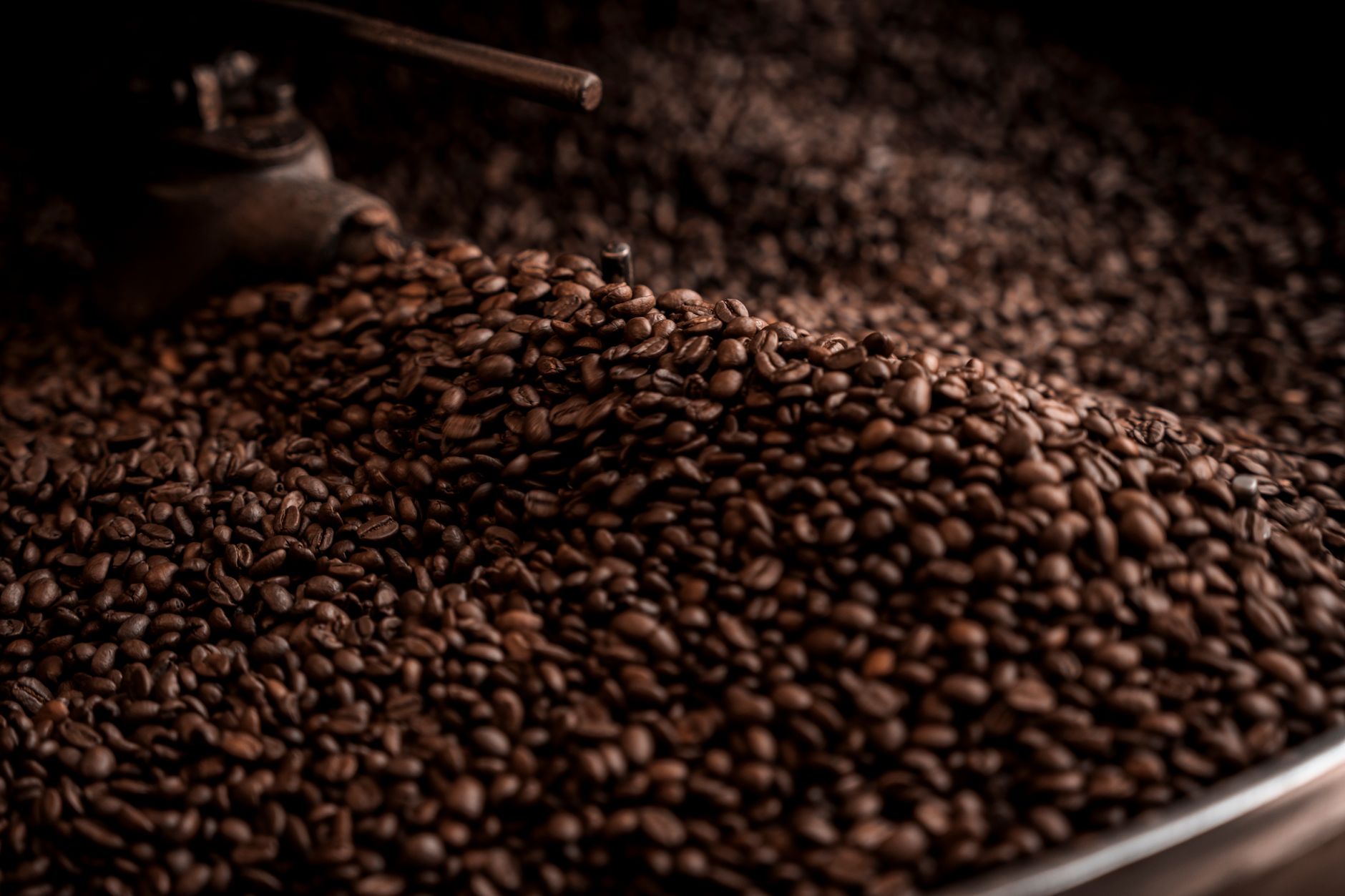
Brazilian coffee excels at sweetness, body, and low acidity. Natural and pulped-natural processing amplifies chocolate and caramel notes, while the flat terrain and moderate altitudes (800–1,200 MASL) produce dense, forgiving beans that pull well under pressure. This is why Brazil anchors most commercial espresso blends globally.
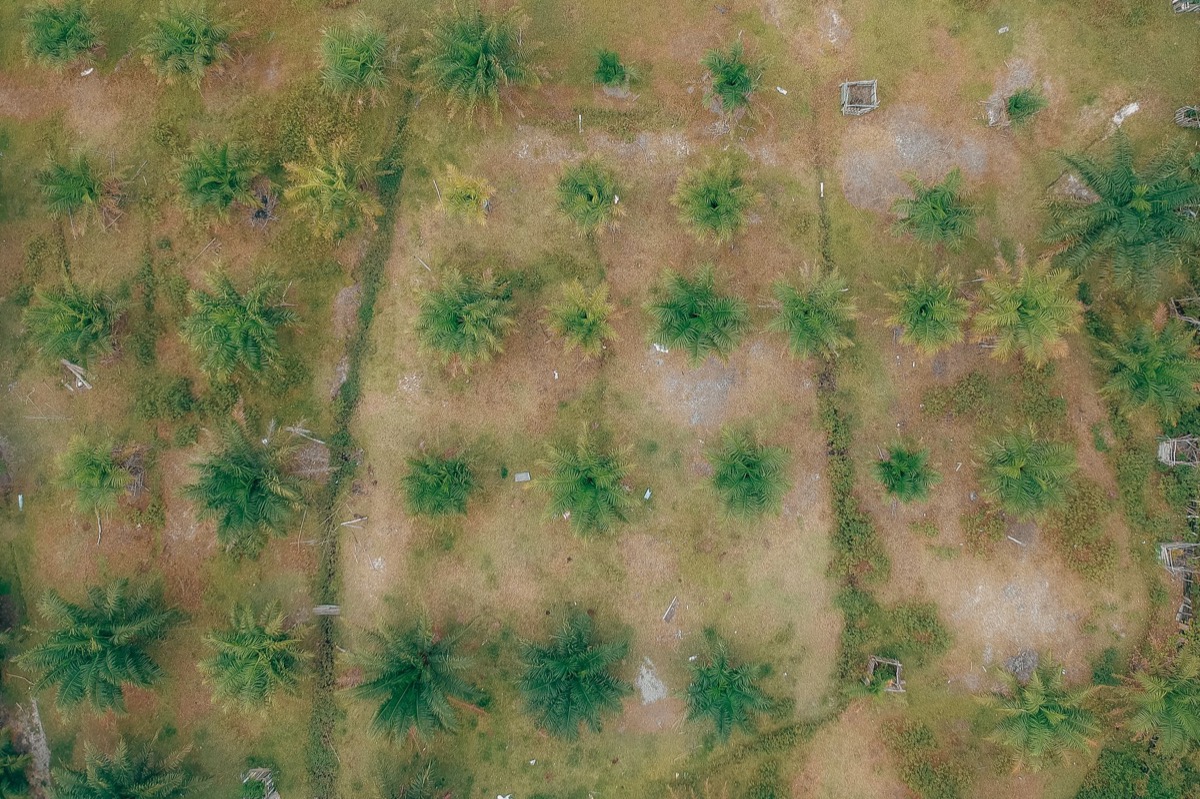 Photo: Pok Rie via Pexels
Brazil’s coffee lands span five main regions — Minas Gerais, São Paulo, Paraná, Espírito Santo, and Bahia — but Minas Gerais (Sul de Minas, Cerrado Mineiro, Mantiqueira) produces virtually all specialty-grade exports. The elevation is lower than East African origins, so you get less brightness but more sweetness and cocoa depth. For espresso, that’s often exactly what you want.
Yellow Bourbon vs. Red Bourbon: Which Should You Buy?
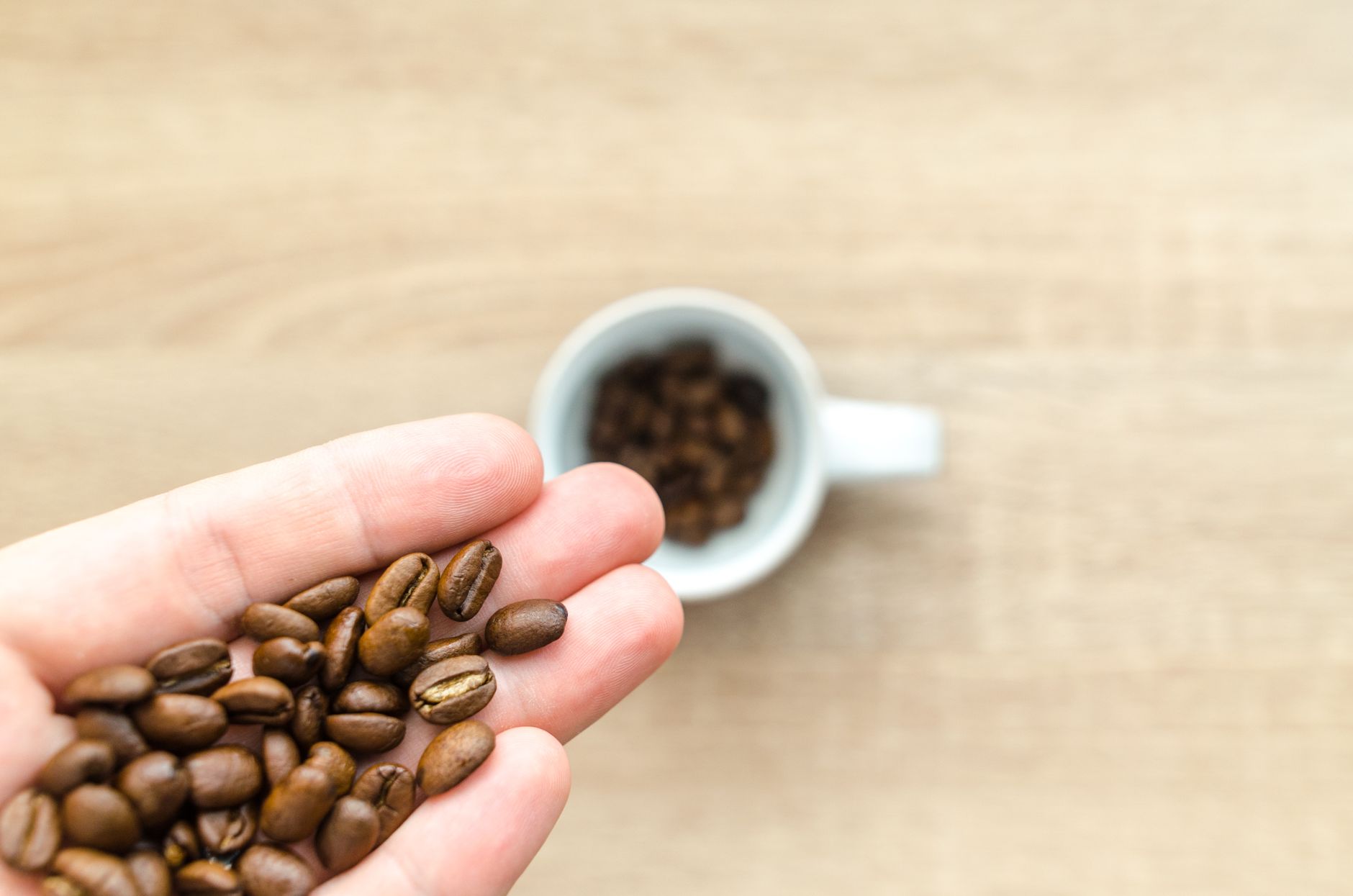
Yellow Bourbon is the sweeter, fruitier of the two. Red Bourbon carries more classic cocoa and hazelnut notes. Both are mutations of the original Bourbon variety, but Yellow tends to ripen later and develop more residual sugars. For espresso, Yellow Bourbon is the default recommendation; for filter and French press, either works.
 Photo: Julia Filirovska via Pexels
Best Brazilian Coffee Beans: Our Top Picks
Here are the six best Brazilian coffees available in 2026, selected for quality, sourcing transparency, and availability to US buyers. Each has been evaluated for green quality, roast execution, and flavor consistency across batches.
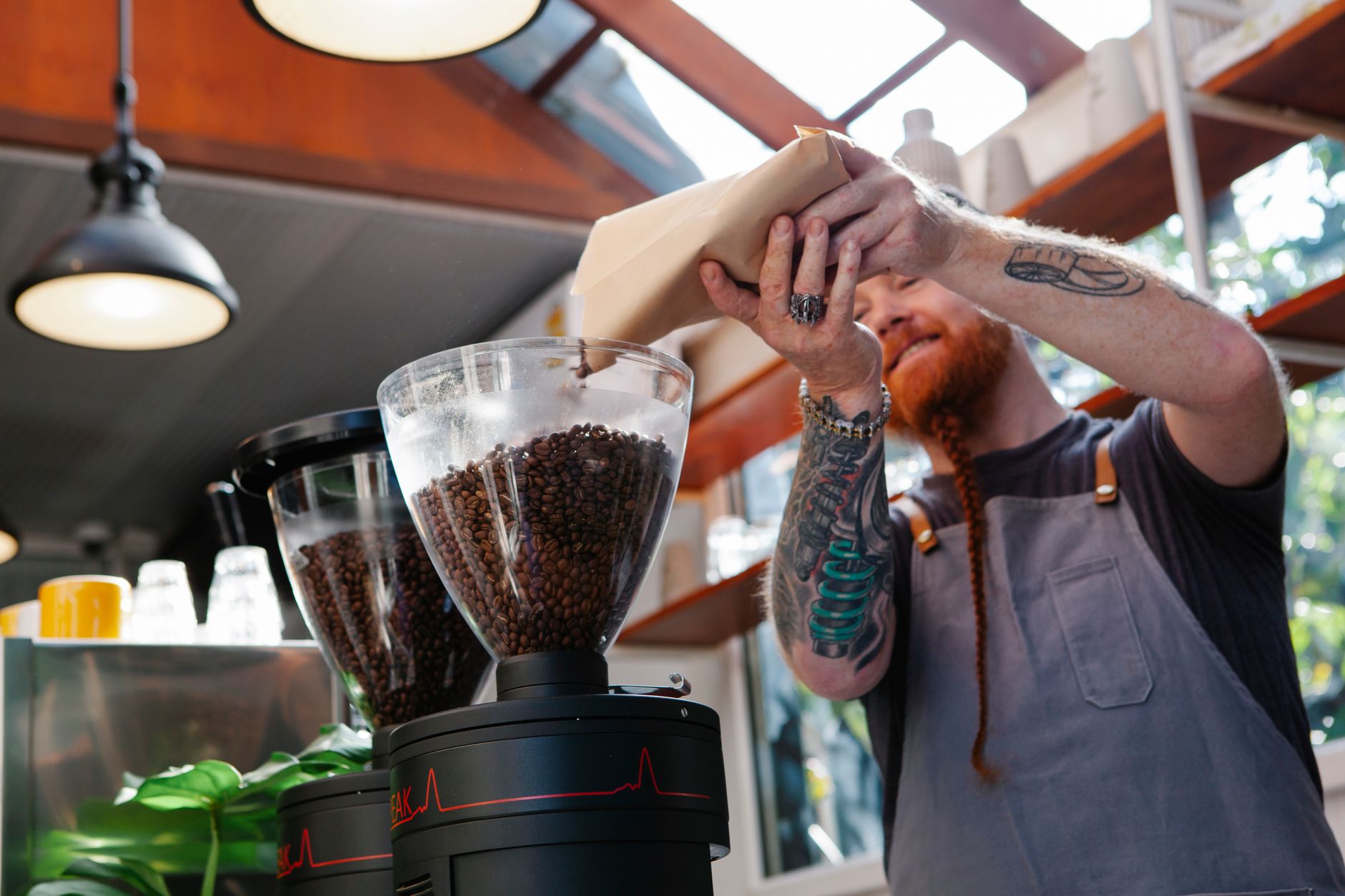 Photo: Tim Douglas via Pexels
1. Fazenda Santa Inês — Yellow Bourbon, Pulped Natural
Fazenda Santa Inês from the Mantiqueira de Minas region is the benchmark for Brazilian specialty. The Yellow Bourbon is pulped-natural processed, giving it a clean sweetness with dark chocolate, dried apricot, and a walnut finish. It cups at 87–89 on most lots.
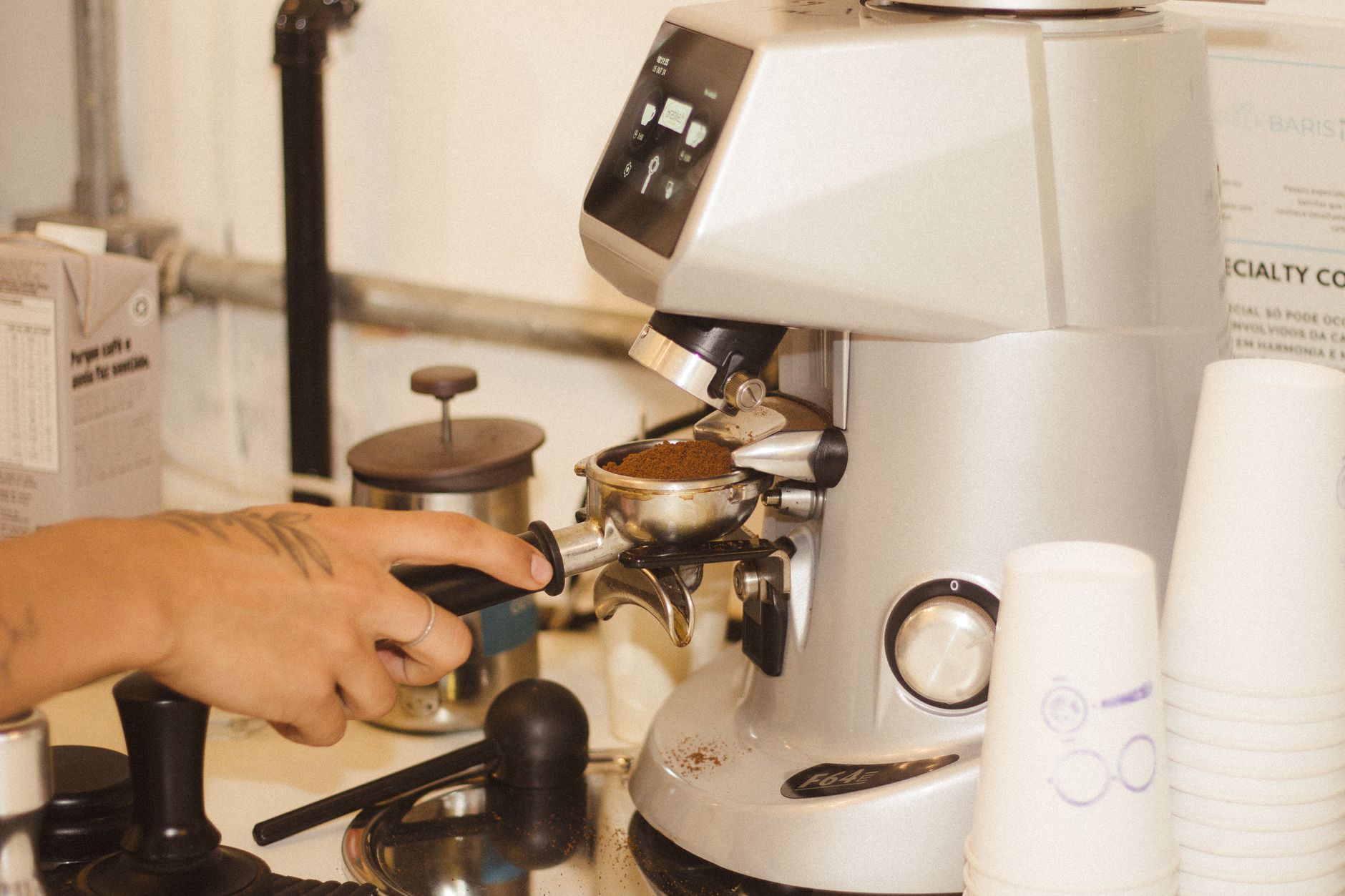
Best for espresso at 93°C, 18g dose, 36–38g yield in 28–30 seconds. Grind slightly coarser than your Ethiopian baseline — the lower acidity needs less extraction to taste balanced.
2. Cambraia Micro-Lot, Cerrado Mineiro — Natural Catuaí
This lot from the cerrado savanna tastes like chocolate-covered blueberries when roasted to a medium. Natural processing concentrates fruit sugars, and Catuaí’s inherent nuttiness keeps it grounded. Ideal for Aeropress and Moka pot. Cerrado’s consistent dry climate produces reliably uniform drying — fewer defects than washed Kenyas at twice the price.
3. Peaberry Santos Blend — Brazilian Classic
Santos Peaberry is the entry point for Brazilian specialty. Peaberries form when only one seed develops inside the cherry, concentrating flavor. Expect milk chocolate, light peanut, and smooth finish. Lower intensity than single-estate lots, but remarkably consistent and priced for daily use. Pulls clean in automatic espresso machines — less dial-in time.
4. Nossa Família — Sul de Minas Medium Roast
Nossa Família’s Sul de Minas lot is a US-import standby, sourced directly from producer families in the Varginha corridor. Tasting notes: brown sugar, almond, mild citrus. The roast is consistent medium — useful for buyers who want Brazilian body without venturing into full-city or dark territory.
5. Pinheiro Estate — Pulped Natural Acaiá
Acaiá is a large-bean Brazilian variety with pronounced body and low acidity. Pinheiro’s lot is processed pulped-natural, which strips the outer skin but leaves mucilage on during drying. The result: chocolate fudge, coconut, and cane sugar. Best for milk drinks — flat whites and cappuccinos.
6. Cooperativa Regional de Cafeicultores em Guaxupé (Cooxupé) Specialty Grade
Cooxupé is the world’s largest coffee cooperative, representing 17,000+ producers. Their specialty-grade export lots (Q-graded 84+) offer surprisingly complex profiles for a co-op — toffee, cashew, mild stone fruit. Value per gram is hard to beat. Not a micro-lot, but a step above commodity Santos grade.
Brazilian Coffee Origins: Flavor by Region
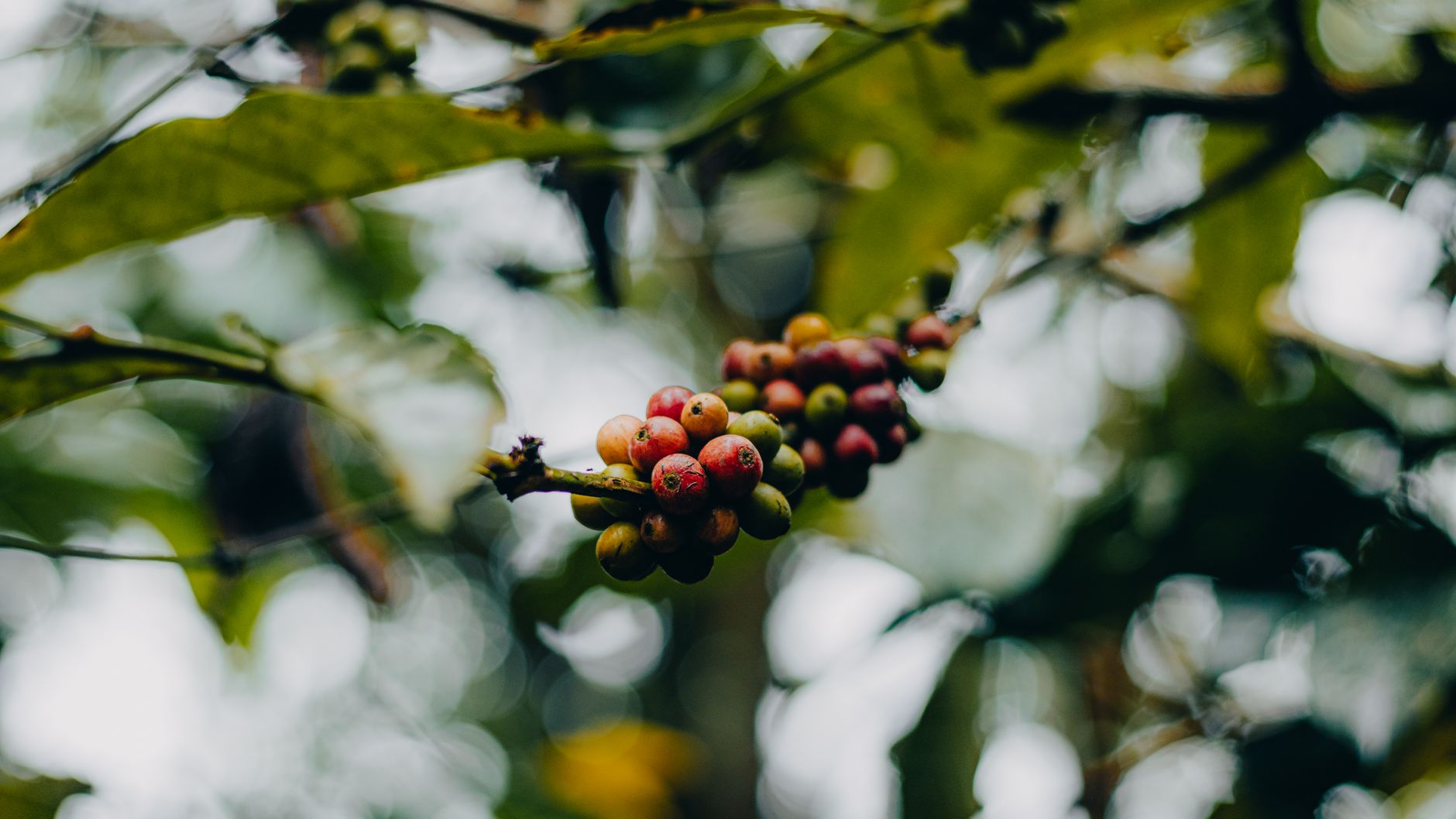 Photo: Dhilip Antony via Pexels
| Region | Altitude (MASL) | Processing | Typical Roast | Tasting Notes |
|---|---|---|---|---|
| Sul de Minas | 800–1,200 | Pulped Natural, Natural | Medium | Chocolate, nuts, brown sugar |
| Cerrado Mineiro | 800–1,100 | Natural, Washed | Medium-Light | Caramel, dried fruit, clean |
| Mantiqueira de Minas | 1,000–1,600 | Pulped Natural | Light-Medium | Apricot, jasmine, dark chocolate |
| Mogiana (São Paulo) | 900–1,100 | Natural, Pulped Natural | Medium | Walnut, mild citrus, cocoa |
| Chapada Diamantina (Bahia) | 900–1,200 | Natural, Washed | Medium | Mango, caramel, red apple |
Brew Method Pairings and Grind Adjustments
- Espresso: Dial 1–2 notches coarser than your baseline. Brazilian beans extract faster due to lower acidity. Target 93°C; 92°C for fully natural-processed lots.
- French Press: Brazilian naturals are built for immersion — 4-minute steep, coarse grind, 1:15 ratio.
- Moka Pot: Medium-fine grind, medium heat. Brazilian beans tolerate Moka’s aggressive extraction without turning bitter.
- Aeropress: 80°C water, inverted method, 2-minute steep. Highlights caramel sweetness without amplifying bitterness.
- Pour Over (V60/Chemex): Use Mantiqueira or Cerrado washed lots for clarity. Pulse pour, 1:16 ratio, medium-fine grind.
Freshness and Storage
- Degassing: Natural-processed Brazilian beans off-gas CO₂ for 5–10 days post-roast. Wait at least 7 days before pulling espresso.
- Optimal brew window: Days 10–28 post-roast for espresso; days 7–21 for filter.
- Storage: Airtight container, room temperature, away from light. Mylar bags with one-way valves outperform ceramic canisters.
- Shelf life after opening: 2–3 weeks for peak flavor; drinkable to 6 weeks.
How to Choose: Brazilian Coffee Buying Guide
Choose single-estate over blend if flavor matters; choose blend or co-op grade if consistency and value are the priority. Natural processing adds fruit complexity; pulped natural adds sweetness with cleaner cup. Match the lot to your brew method before matching it to a flavor note.
For espresso blends, a 30–50% Brazilian base is standard in commercial roasting — it adds body, lowers per-kilo cost, and smooths high-acidity Ethiopian or Kenyan components. If you’re building a home blend, start with Santos grade as the base and add 20% Ethiopian natural for brightness.
Comparison: Top Brazilian Coffee Picks
| Coffee | Best For | Processing | Intensity | Price Range |
|---|---|---|---|---|
| Fazenda Santa Inês Yellow Bourbon | Espresso, filter | Pulped Natural | Medium-High | $$$ |
| Cambraia Micro-Lot | Aeropress, Moka pot | Natural | High (fruit-forward) | $$$ |
| Santos Peaberry Blend | Daily driver, auto machines | Natural | Low-Medium | $ |
| Nossa Família Sul de Minas | Filter, drip | Washed/PN | Medium | $$ |
| Pinheiro Acaiá | Milk drinks | Pulped Natural | Medium-High | $$$ |
| Cooxupé Specialty Grade | Value, espresso base | Mixed | Medium | $$ |
→ See also:
- Coffee Bean Guide: Origins, Roasts, and How to Choose
- Best Coffee Subscription Boxes (2026 Ranked)
- Trade Coffee Review (2026): Is It Worth It?
FAQ
Is Brazilian coffee good for espresso? Yes — Brazilian beans are the backbone of most commercial espresso blends worldwide. Their low acidity, full body, and chocolate-nut flavor profile extract evenly under pressure. Natural and pulped-natural processing adds sweetness that rounds out harsher notes in high-acid blends.
What does Brazilian coffee taste like? Expect chocolate, caramel, nuts (hazelnut, almond, peanut), and low acidity. Natural-processed lots add dried fruit — blueberry, cherry, raisin. Washed Brazilian coffees lean cleaner with citrus and brown sugar. Mantiqueira micro-lots can show jasmine and apricot at light roasts.
What is the difference between Santos and specialty Brazilian coffee? Santos is a port-grade designation, not a quality grade — it refers to beans shipped through the Port of Santos and covers a wide range from commodity to specialty. Specialty Brazilian coffee is Q-graded 84+ at origin, traceable to a specific estate or cooperative lot. The flavor difference is significant: commodity Santos is flat and generic; specialty Santos lots are nuanced and roast-consistent.
Are natural-processed Brazilian coffees too fruity for everyday use? Not if you buy from a quality roaster. Brazilian naturals are restrained compared to Ethiopian naturals — the fruit is background sweetness, not fermented funk. If you want a cleaner cup, look for pulped-natural (semi-washed) processing, which strips the outer cherry skin before drying.
How much caffeine is in Brazilian coffee? Arabica-only estates — which include virtually all specialty Brazilian producers — contain 1.0–1.4% caffeine by dry weight, similar to other Arabica origins. Conillon (Brazilian Robusta), grown in Espírito Santo, runs 1.7–2.0%. Most specialty imports are 100% Arabica unless the label says otherwise.
Is Cerrado Mineiro better than Sul de Minas? Cerrado Mineiro received its own Geographical Indication (GI) designation, which guarantees origin traceability and quality standards. The climate is drier and more consistent, producing cleaner, more uniform drying. Sul de Minas has more altitude variation, which introduces more complexity but also more lot-to-lot variance. Neither is categorically better — Cerrado Mineiro is more consistent; Sul de Minas has higher ceiling on exceptional lots.
Editorial methodology: Assessments are based on manufacturer specifications, published user reviews, and editorial research. Physical hands-on testing is noted explicitly where it occurred. Rankings reflect our editorial judgment and are not influenced by affiliate commission rates. Full editorial policy · Affiliate disclosure