Contents
Best Coffee Scales in 2026: Ranked and Reviewed
TL;DR: The best coffee scale for most people is the Acaia Pearl — it combines 0.1g precision, fast response time, and a clean app integration. Budget pick: the Timemore Black Mirror Basic+ at a third of the price handles pour over and espresso well. If you’re grinding for espresso with flow rate, the Felicita Arc is the one to beat.
What Makes a Coffee Scale Worth Buying
The best coffee scale must nail three things: precision to 0.1g, response time under 500ms, and a stable platform that doesn’t creep. Everything else — Bluetooth, auto-tare, timers — is secondary. A scale that drifts 2g mid-brew or lags behind your pour ruins your recipe faster than bad beans.
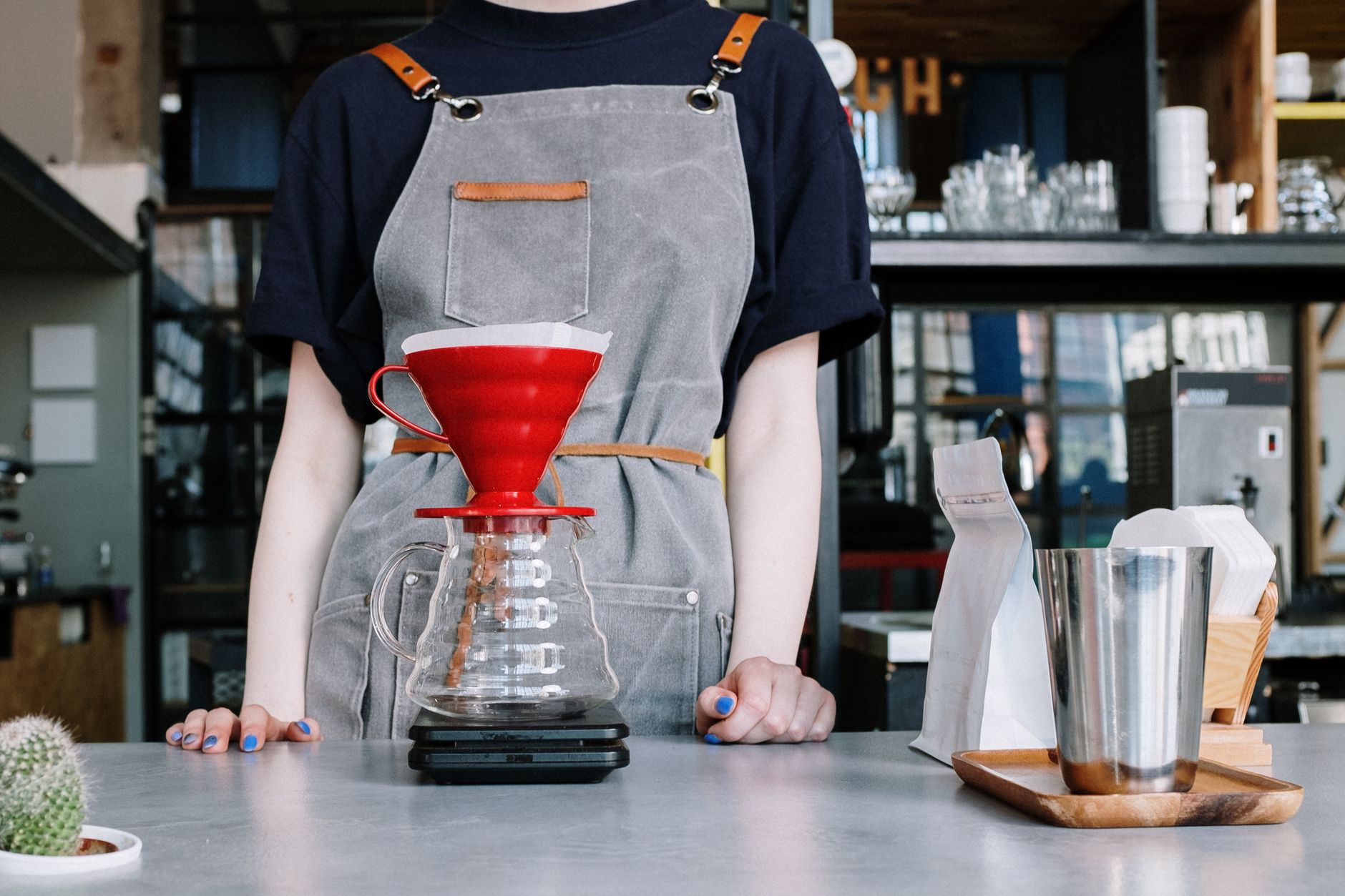
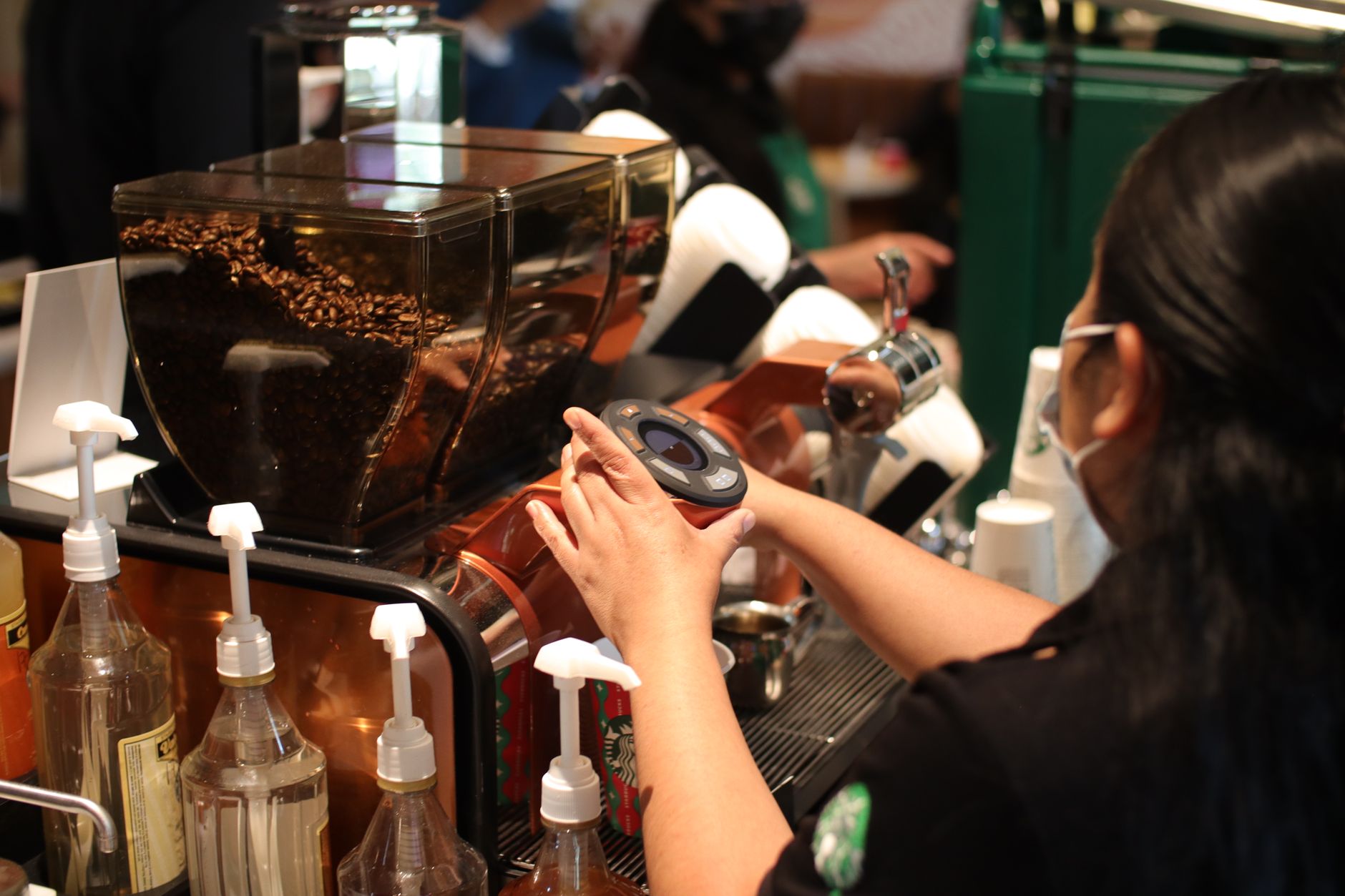 Photo: Ludovic Delot via Pexels
Coffee scales differ from kitchen scales in two critical ways: resolution (0.1g vs 1g) and response time. A kitchen scale reading to the nearest gram will put you 20% off on a 10g espresso dose. A slow response scale makes ratio brewing a guessing game. Weight, precision, and speed — in that order.
What to Look for in a Coffee Scale
| Feature | Minimum | Ideal |
|---|---|---|
| Precision | 0.1g | 0.1g |
| Response time | <1s | <300ms |
| Max capacity | 500g | 2000g |
| Waterproofing | Splash-resistant | IPX4+ |
| Battery life | 2 hours | 8+ hours |
| Timer | Built-in | Auto-tare + auto-start |
Best Coffee Scales: Full Rankings
Six scales stand out from the crowded field. The Acaia Pearl leads for versatility, the Timemore for value, and the Felicita Arc for espresso flow tracking. Two honorable mentions round out every budget.
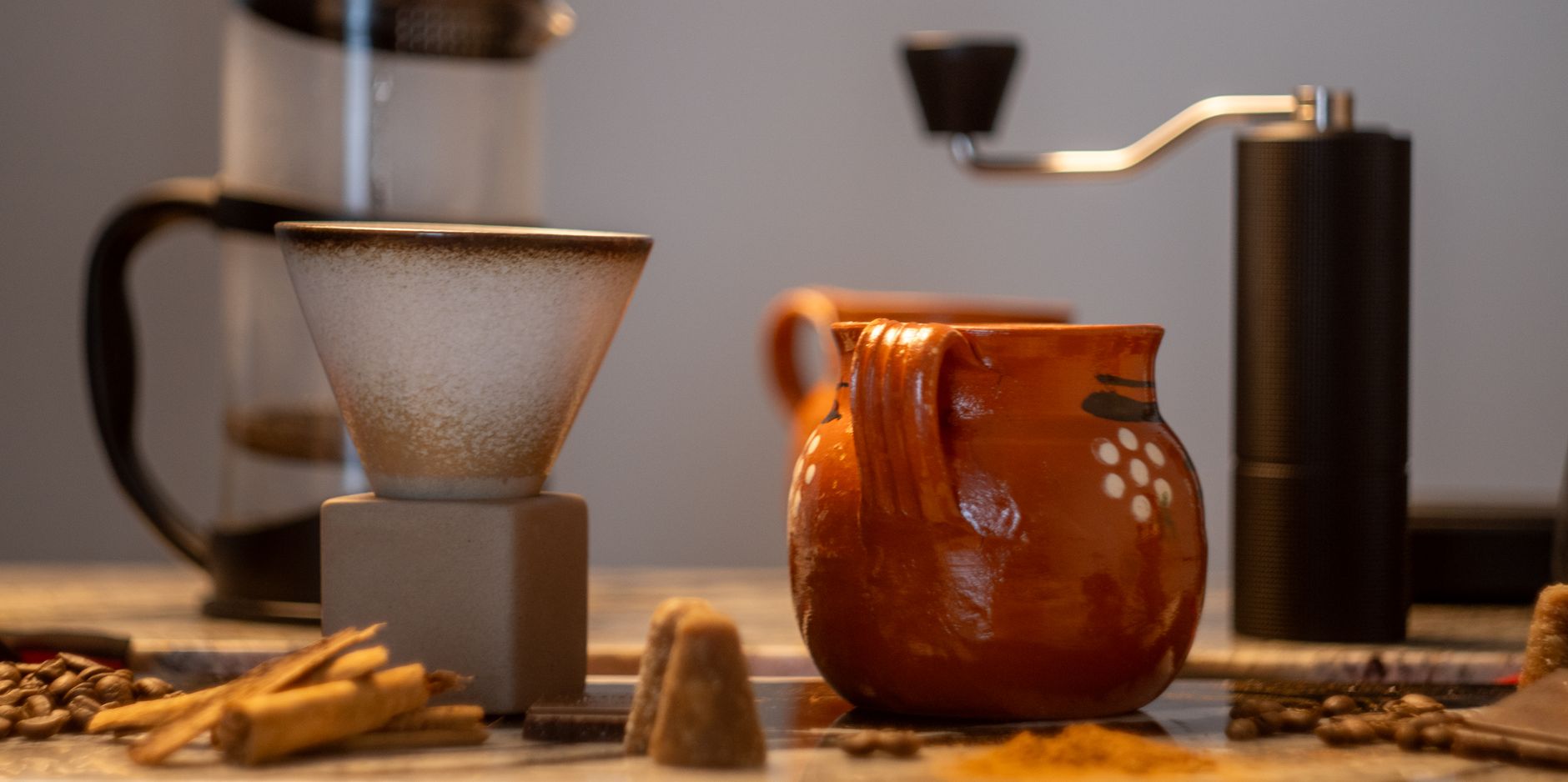
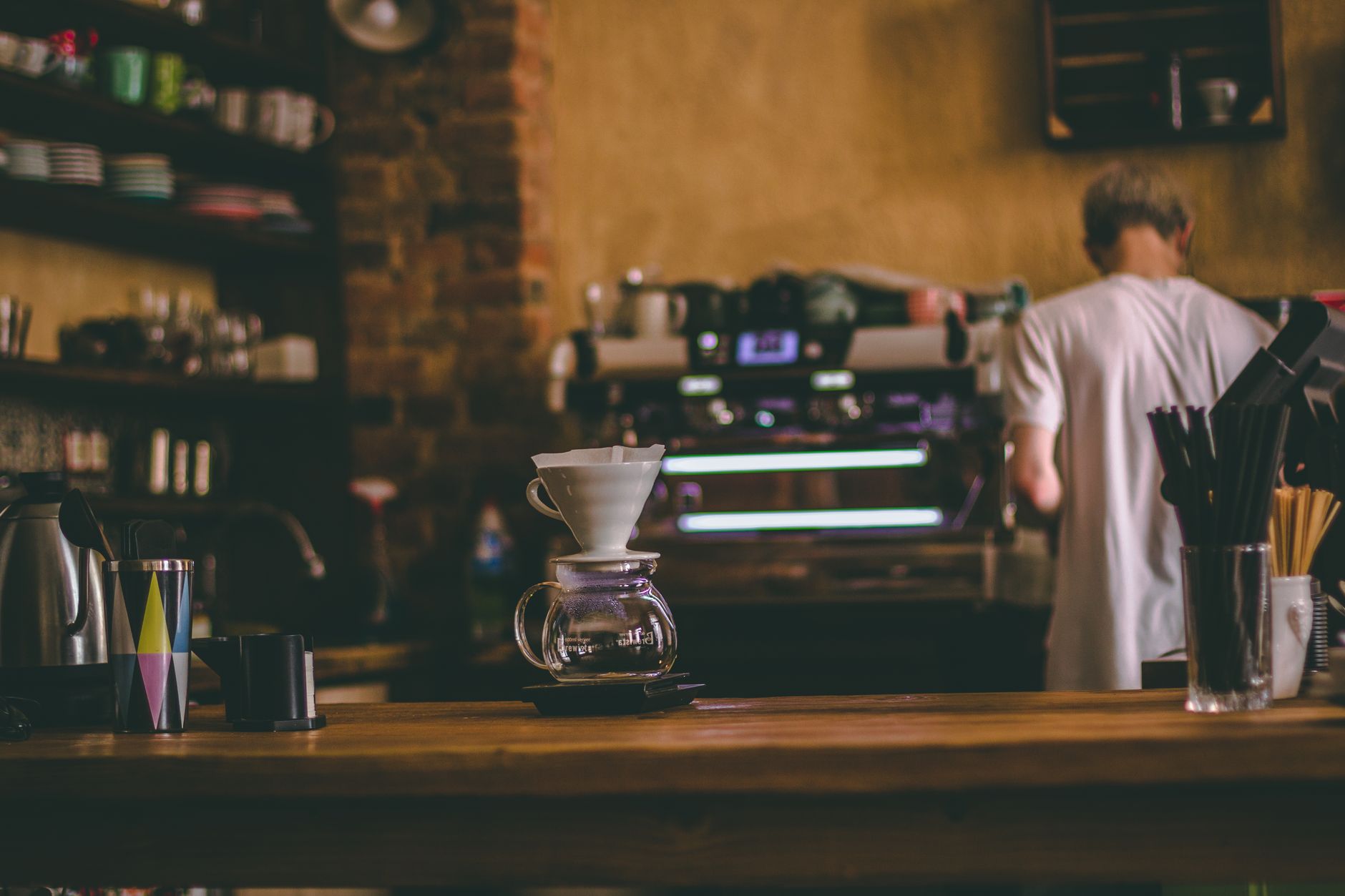 Photo: Marta Dzedyshko via Pexels
1. Acaia Pearl — Best Overall
The Pearl is the scale that turned specialty coffee into a measurable discipline. Response time sits at 150ms, capacity at 2000g, and the companion app logs every brew session. The auto-start timer triggers the moment water hits the platform — a small detail that becomes essential once you’ve used it.
Specs:
| Spec | Detail |
|---|---|
| Precision | 0.1g |
| Capacity | 2000g |
| Response | ~150ms |
| Battery | 8+ hours |
| Connectivity | Bluetooth |
| Waterproofing | Splash-resistant |
Best for: Pour over obsessives, anyone using the Acaia app for recipe logging, baristas tracking multiple brew variables simultaneously.
The Pearl’s weakness is price. At $150+, it’s a serious commitment. If you’re starting out or brewing casually, the price premium doesn’t show up in the cup — it shows up in the data.
2. Timemore Black Mirror Basic+ — Best Value
At roughly $50, the Timemore Black Mirror Basic+ punches well above its tier. Response time is around 200ms, which is indistinguishable from the Pearl in real pour-over use. The built-in dual timer (brew time + pour time) is a feature Acaia charges more to replicate.
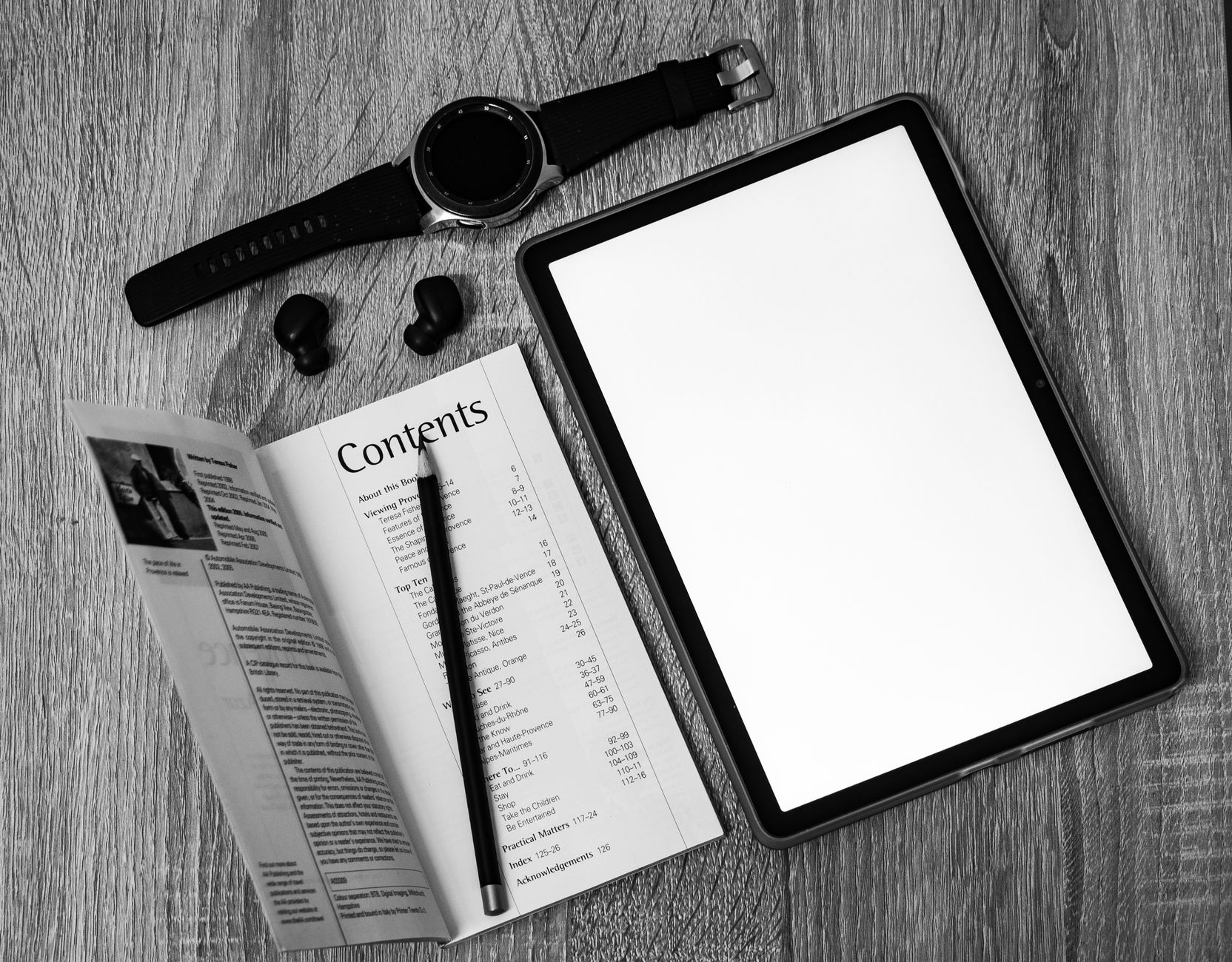 Photo: Huzaimi Ismail via Pexels
| Spec | Detail |
|---|---|
| Precision | 0.1g |
| Capacity | 2000g |
| Response | ~200ms |
| Battery | 4–5 hours |
| Connectivity | None (Basic+) |
| Waterproofing | Splash-resistant |
Best for: Home brewers who want precision without paying for Bluetooth features they won’t use.
The lack of app integration is a non-issue unless you’re tracking historical data. For day-to-day brewing, the hardware is nearly identical to the competition at three times the price.
3. Felicita Arc — Best for Espresso
The Felicita Arc is built around one thing: espresso flow rate. The scale updates at 20 times per second — that’s the fastest response in this class — and the charging base doubles as a display stand. The companion app overlays a flow rate graph in real time, showing you exactly when channeling occurs.
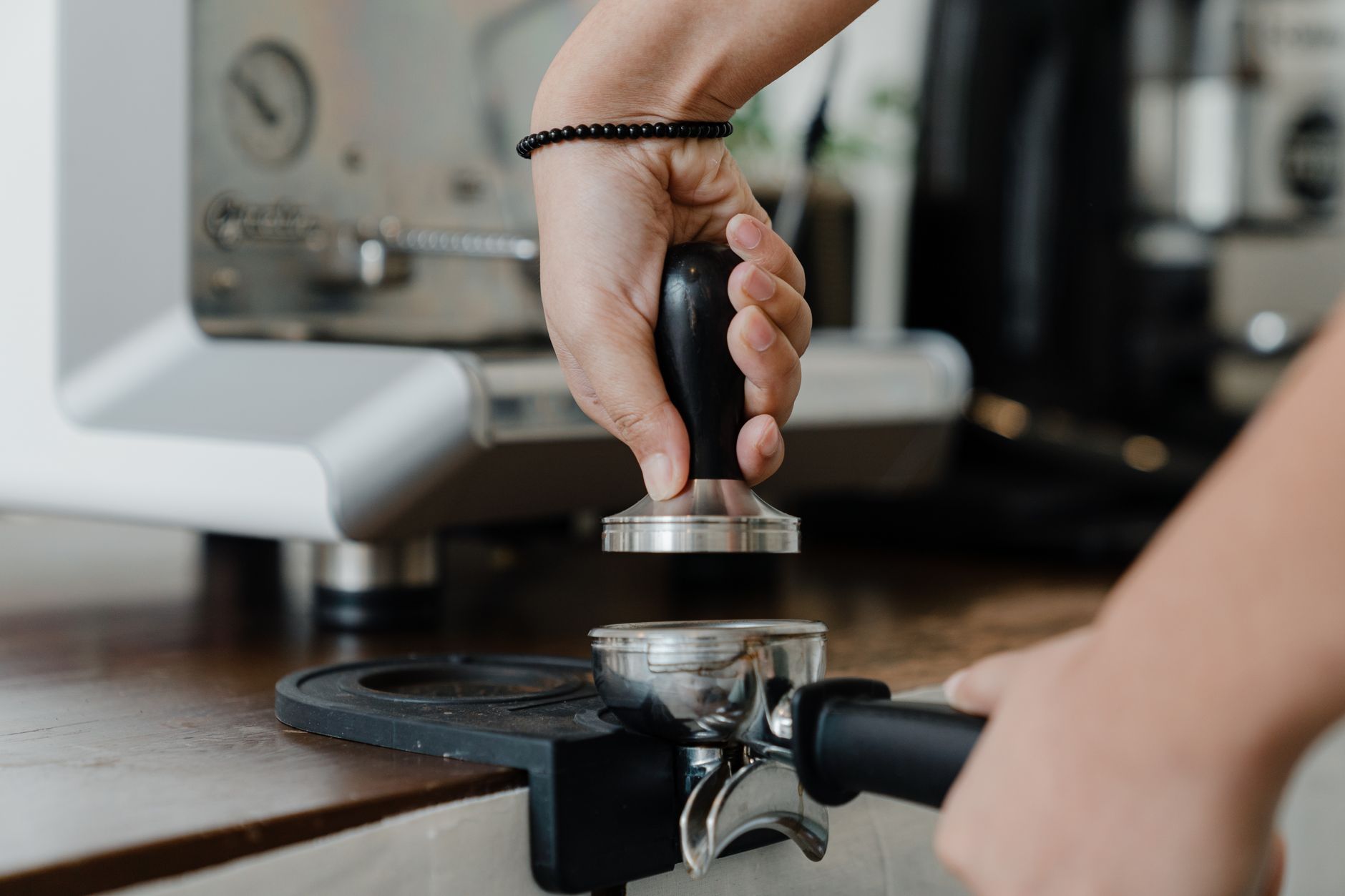
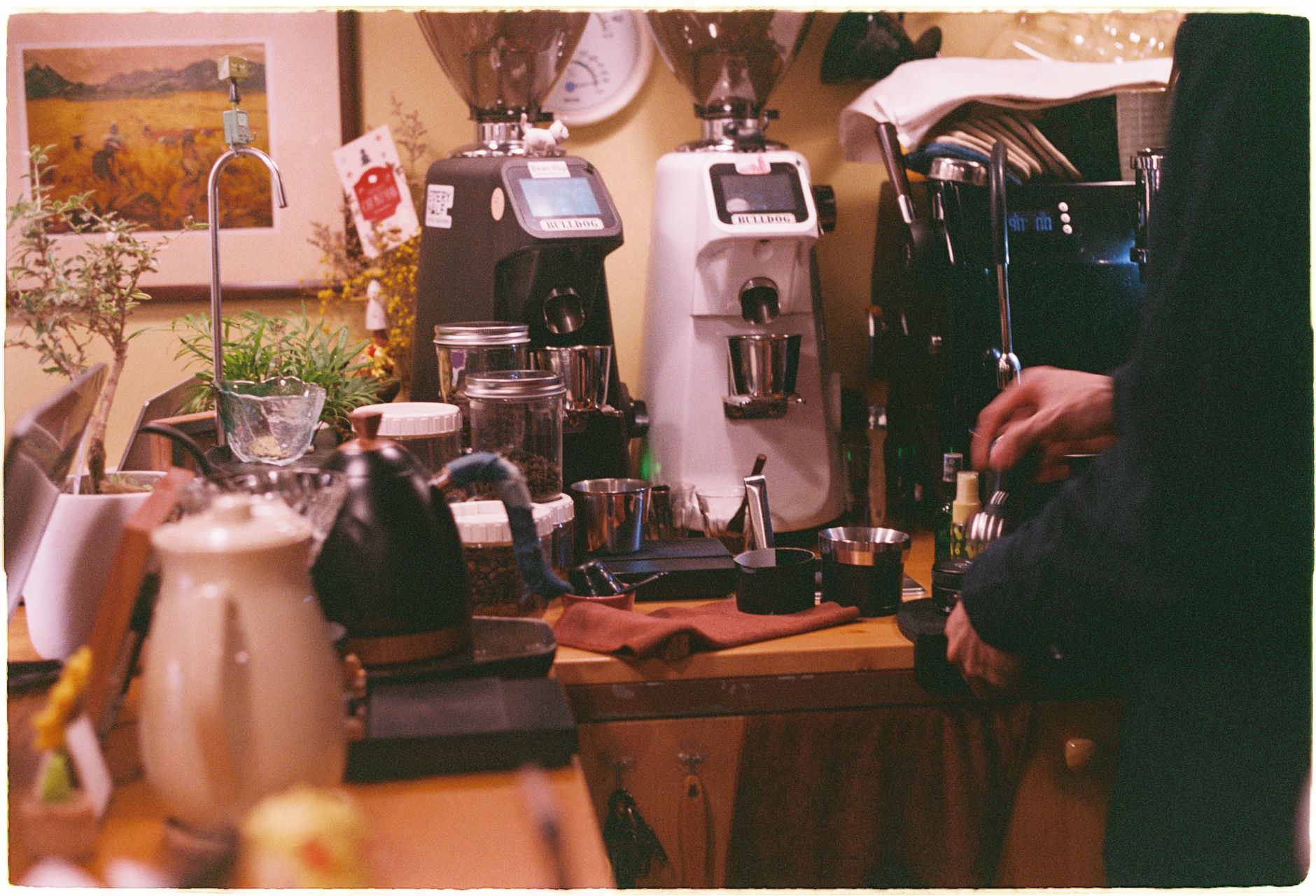 Photo: Ánh Đặng via Pexels
| Spec | Detail |
|---|---|
| Precision | 0.1g |
| Capacity | 1000g |
| Response | ~50ms (20Hz) |
| Battery | 6+ hours |
| Connectivity | Bluetooth |
| Waterproofing | Splash-resistant |
Best for: Espresso-first setups where understanding extraction dynamics matters more than pour-over versatility.
The 1000g max capacity is a limitation for anyone using it for larger batch brewing. For espresso — where you’re working in 30–50g outputs — it’s irrelevant.
4. Hario V60 Drip Scale — Best for Beginners
The Hario scale has one job: time your brew and weigh your water. The dedicated timer button and clean two-button interface make it the easiest scale to hand to someone who’s never used one. Response time is slower (~1s), which matters less for beginner pours where precision is learned rather than demanded.
| Spec | Detail |
|---|---|
| Precision | 0.1g |
| Capacity | 2000g |
| Response | ~1s |
| Battery | AAA (long life) |
| Connectivity | None |
| Waterproofing | No |
Best for: First-time scale buyers, gifting, anyone prioritizing simplicity over data.
5. Decent Espresso DE Scale — Best for High-End Espresso Machines
Designed as a first-party accessory for the Decent DE1 espresso machine, this scale integrates directly into the machine’s tablet interface. If you own a Decent machine, this is the obvious pairing. Standalone, it’s overspecced for the price.
6. AWS LB-3000 — Best Budget Precision Scale
At under $30, the AWS LB-3000 offers 0.1g resolution to 3000g capacity. There’s no timer, no Bluetooth, no auto features — just accurate weight. For anyone who wants to dial in dose weights without any overhead, this is the honest budget choice.
Full Comparison Table
| Scale | Price | Precision | Response | Capacity | Bluetooth | Best For |
|---|---|---|---|---|---|---|
| Acaia Pearl | ~$155 | 0.1g | ~150ms | 2000g | Yes | Overall / pour over |
| Timemore Basic+ | ~$50 | 0.1g | ~200ms | 2000g | No | Value pick |
| Felicita Arc | ~$90 | 0.1g | ~50ms | 1000g | Yes | Espresso flow |
| Hario V60 Scale | ~$50 | 0.1g | ~1s | 2000g | No | Beginners |
| Decent DE Scale | ~$100 | 0.1g | ~150ms | 500g | Yes | Decent machine users |
| AWS LB-3000 | ~$28 | 0.1g | ~1s | 3000g | No | Budget precision |
Do You Actually Need Bluetooth?
No — unless you’re logging brews or using flow rate visualization, Bluetooth adds cost and battery drain for a feature most people check once and forget. The Timemore Basic+ at $50 proves that the core hardware problem (precision + speed) is solved at a fraction of the connected price.
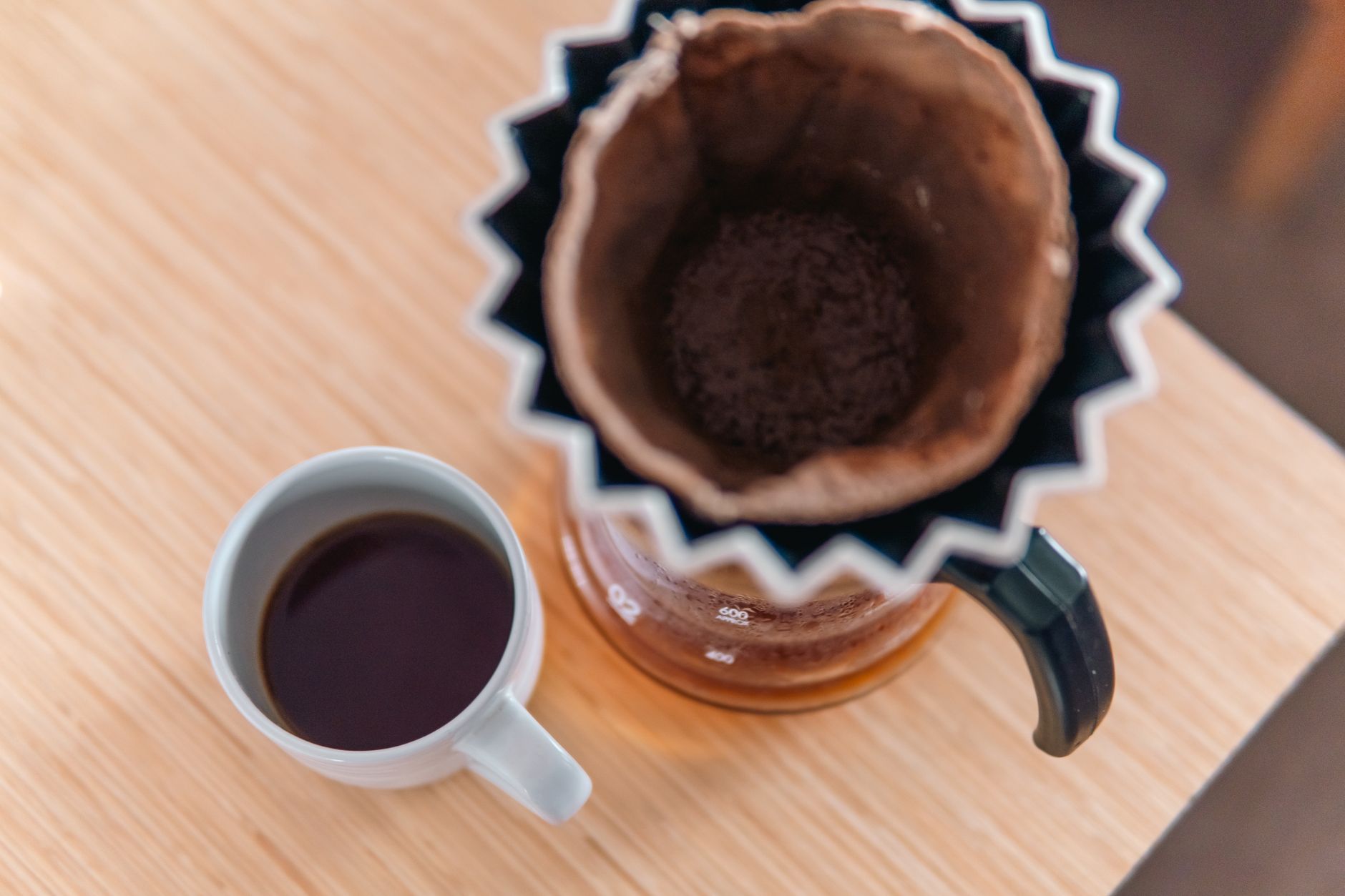 Photo: Israyosoy S. via Pexels
Where Bluetooth earns its place:
- Flow rate espresso monitoring (Felicita Arc, Acaia Lunar)
- Recipe logging with the Acaia app
- Machine integration (Decent DE1)
If none of those describe you, skip it.
→ See Also
- Best Coffee Accessories (2026 Complete Guide)
- Acaia Pearl Review: Is It Worth $150?
- Best Gooseneck Kettles for Pour Over (2026)
FAQ
What is the best coffee scale for pour over? The Acaia Pearl is the top choice for pour over — its 150ms response time and auto-start timer make flow-rate pours significantly more controllable. For the same brewing use at lower cost, the Timemore Black Mirror Basic+ gets within 50ms of the Pearl at a third of the price.
Do I need a scale for espresso? Yes, if you’re trying to dial in a recipe. Espresso yield matters — a 1:2 ratio means 18g in, 36g out, and a kitchen scale reading to 1g puts you 3% off on a 36g shot. That’s the difference between a tight, balanced shot and one that’s noticeably over-extracted.
What’s the difference between a coffee scale and a kitchen scale? Resolution and response time. Coffee scales read to 0.1g and update in real time as you pour; kitchen scales round to 1g and lag by a second or more. For brewing coffee where 1g can shift your ratio by 5–10%, kitchen scale precision is genuinely inadequate.
How long do coffee scales last? Well-maintained scales from Acaia, Timemore, and Hario typically last 5+ years. The failure points are usually the charging port (USB-C on modern units is more durable), water damage from spills, and battery degradation. Avoid setting hot vessels directly on the platform.
Is the Acaia Pearl worth the price? For a serious home brewer or professional barista tracking recipes across sessions, yes. The build quality, response time, and app ecosystem are best in class. If you’re brewing one coffee method consistently and don’t need data logging, the Timemore Basic+ delivers 90% of the functionality at 30% of the cost.
Can I use a postal scale for coffee? Technically yes for measuring beans, but postal scales typically max at 500g with 1g resolution — not enough precision for a 15g pour over dose where 1g is a 6.7% error. More importantly, they have no timer integration and high response lag, making them unusable for active pour-over brewing.
Editorial methodology: Assessments are based on manufacturer specifications, published user reviews, and editorial research. Physical hands-on testing is noted explicitly where it occurred. Rankings reflect our editorial judgment and are not influenced by affiliate commission rates. Full editorial policy · Affiliate disclosure