Contents
Third Wave Water Review: Best Coffee Water Minerals?
TL;DR: Third Wave Water is a mineral supplement designed to turn distilled or RO water into the ideal brewing water for coffee. In third wave water reviews, most specialty coffee drinkers find it noticeably improves clarity, sweetness, and balance compared to tap — especially if your local water is hard, flat, or heavily chlorinated. It’s not magic, but the chemistry is sound.
What Is Third Wave Water and Does It Actually Work?
Third Wave Water is a pre-measured mineral packet you dissolve in distilled or reverse-osmosis water to hit the SCA’s recommended mineral profile for coffee brewing: ~150 ppm total dissolved solids, ~85 ppm magnesium, ~17 ppm sodium. Independent testing and user experience largely confirm it does what it claims — the flavor difference is real, and it’s reproducible.
 Photo: Ling App via Pexels
Water is the main ingredient in every cup you brew. The SCA (Specialty Coffee Association) has published a target water profile since 2009: clean, no odors, neutral pH, and specific mineral levels. Magnesium in particular enhances the extraction of aromatic compounds. Calcium contributes to overall TDS but can create scale. Sodium in low concentrations rounds out sweetness.
Third Wave Water ships three formulations — Classic, Espresso, and Hard — each tuned for a different baseline mineral balance. The Classic profile targets drip and pour-over. The Espresso profile runs slightly higher TDS, which produces a denser, more syrupy shot. The Hard profile is for areas where your distilled water already carries residual minerals.
Does it work? The short answer: yes, with caveats. If you’re already on soft, clean water, the improvement is marginal. If you’re brewing with heavily chlorinated municipal water or very hard tap water, the jump in cup quality is significant. The limiting factor is your coffee and grinder, not the water — perfect mineral balance can’t save a stale bag or a cheap burr set.
Third Wave Water vs Tap Water: Is the Upgrade Worth It?
For most home brewers, tap water is the biggest uncontrolled variable in their setup. Third Wave Water removes that variable entirely. Whether the upgrade is “worth it” depends on the cost of your coffee ritual — if you’re pulling shots on a $500+ espresso machine with freshly roasted single-origin beans, the $0.15 per liter cost is trivial.
 Photo: Betül Üstün via Pexels
The comparison comes down to three factors:
| Factor | Tap Water | Third Wave Water |
|---|---|---|
| Mineral consistency | Variable — changes seasonally | Identical batch to batch |
| Chlorine / chloramine | Often present | None (distilled base) |
| Scale buildup | High risk in hard water areas | Controlled — lower calcium |
| Flavor impact | Unpredictable | Tuned for extraction |
| Cost per liter | ~$0.001 | ~$0.15 |
| Convenience | Instant | Requires distilled water |
The biggest practical downside isn’t cost — it’s logistics. You need a supply of distilled or RO water on hand. That means either buying gallon jugs at the grocery store or investing in an RO filter under your sink. For espresso drinkers already buying specialty beans at $20–30 per bag, most find the extra step worth it.
The Espresso Profile: Better for Machines?
The Espresso profile runs around 150–200 ppm TDS with a higher magnesium-to-calcium ratio than Classic. It’s designed to maximize extraction yield in espresso and reduce scale on group heads and boilers. If you run a home espresso machine, this is the formulation to start with.
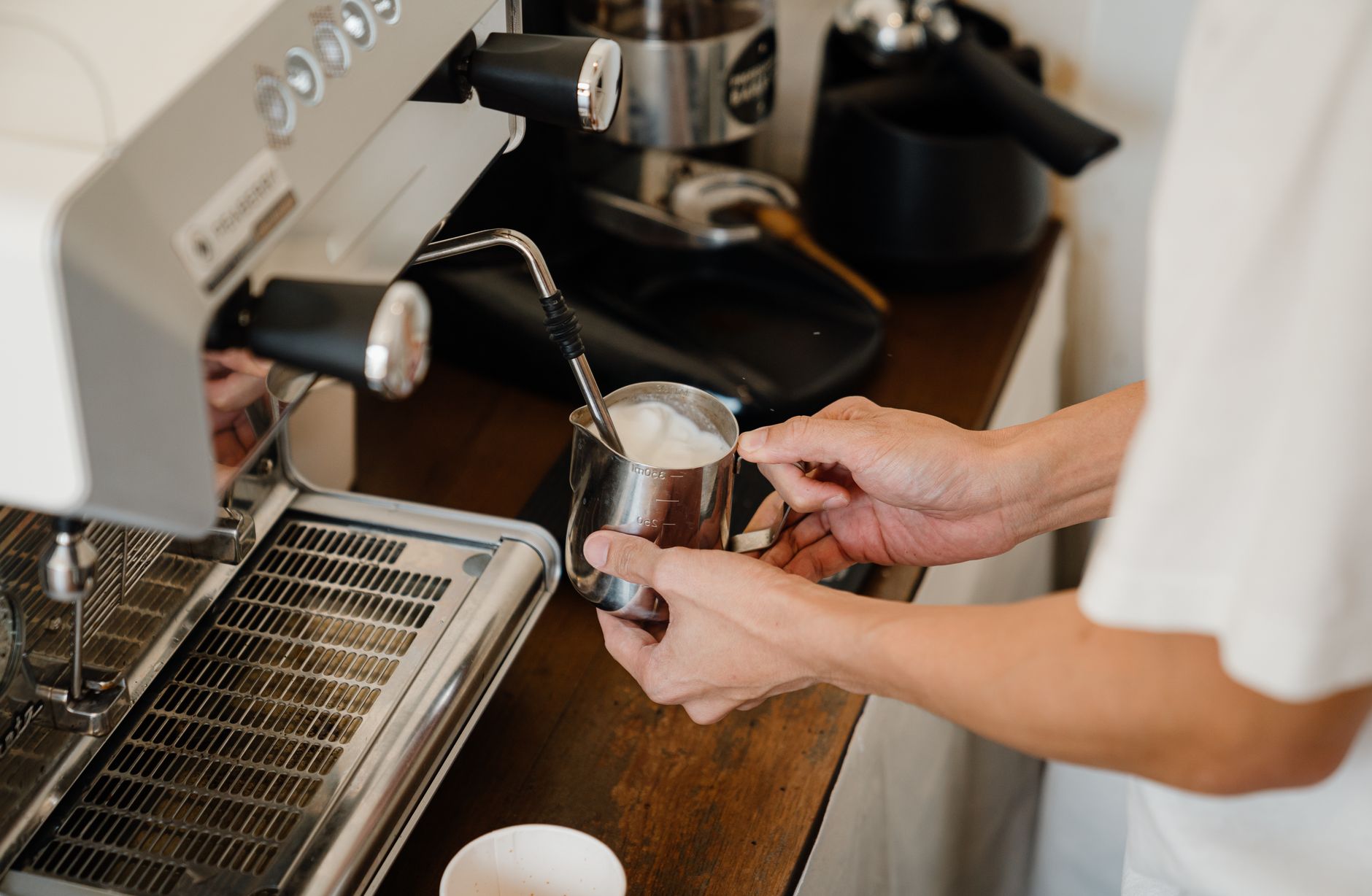 Photo: Ketut Subiyanto via Pexels
Scale is the enemy of espresso equipment. Calcium and magnesium carbonate deposits form on heating elements, boilers, and flow restrictors — shortening equipment life and skewing temperature stability. The Espresso profile deliberately keeps calcium lower than Classic, which reduces scale formation without sacrificing the mineral-driven extraction benefits.
One practical note: if your machine has a water softener system built in (common on Breville/Sage machines with the Claris filter), using Third Wave Water in distilled water bypasses the softener entirely. Check your machine’s documentation — some void warranty claims if you run non-recommended water types.
Does It Change Espresso Flavor Noticeably?
Most users in the specialty coffee community report sweeter, cleaner shots with more fruit clarity — particularly on light to medium roasts where brightness and delicate florals are the point. On dark roasts, the difference is subtler; the low-acid roast profile already masks many of the mineral-driven flavor contrasts.
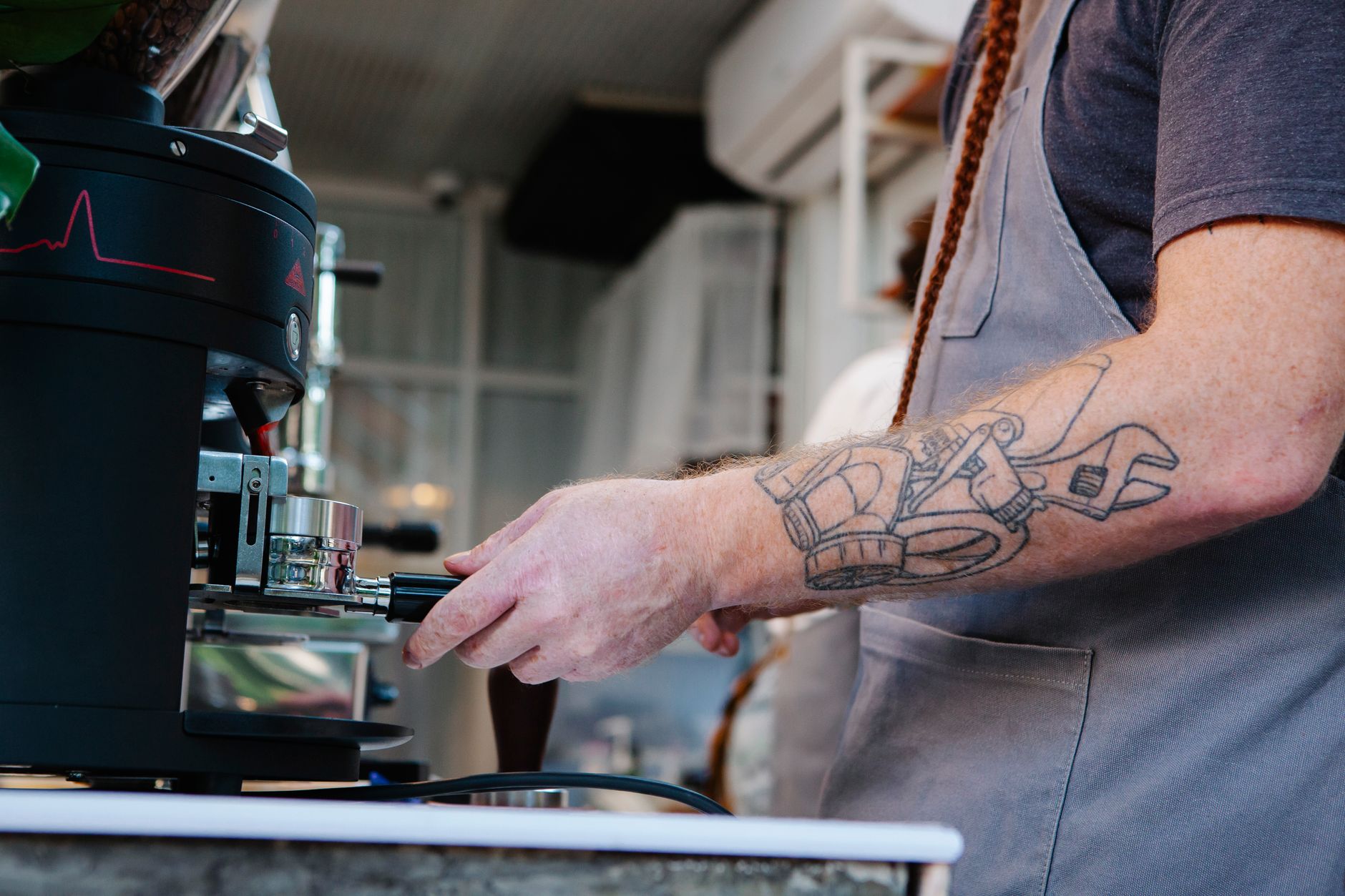 Photo: Tim Douglas via Pexels
For filter coffee — V60, Chemex, batch brew — the Classic profile delivers similar improvements: cleaner cup, better brightness, less flat or hollow aftertaste that’s typical of very soft water.
Alternatives to Third Wave Water
You don’t have to buy Third Wave Water to brew with good water. DIY mineral additions using food-grade magnesium sulfate (Epsom salt) and sodium bicarbonate (baking soda) produce the same chemistry at a fraction of the cost — but require a scale accurate to 0.1g and a bit of math.
| Option | Cost | Consistency | Convenience |
|---|---|---|---|
| Third Wave Water Classic | ~$0.15/L | High | Easy |
| Third Wave Water Espresso | ~$0.15/L | High | Easy |
| DIY Epsom + baking soda | ~$0.01/L | High (with care) | Medium |
| Filtered tap (Brita, etc.) | ~$0.02/L | Low–Medium | Easy |
| Spring water (Evian, etc.) | ~$0.08/L | Varies by brand | Easy |
Evian and similar mineral waters have fixed mineral profiles and work reasonably well for filter coffee. For espresso, spring water’s variable calcium load is a scale risk — check the label TDS before running it through your machine.
The DIY route with a 1-liter concentrate stock solution (precise amounts of MgSO4 and NaHCO3 dissolved in distilled water, dosed per liter) gives you complete control and near-zero cost once you have the reagents. Barista Hustle’s Water Calculator is the standard tool for building custom profiles.
→ See also:
- Coffee Science: The Complete Guide to Extraction, Chemistry & Flavor
- How Much Caffeine Is in a Cup of Coffee? (All Brew Methods)
- Caffeine in Espresso vs Coffee: Which Has More?
FAQ
Does Third Wave Water work with any coffee maker? Yes — it’s compatible with any brewing method: espresso machines, drip brewers, French press, AeroPress, pour-over, and cold brew. The Espresso profile is optimized for high-pressure extraction; Classic works for everything else. The only requirement is starting with distilled or reverse-osmosis water.
Is Third Wave Water safe to drink? Yes. The mineral additions — magnesium sulfate, calcium citrate, and sodium chloride — are all food-grade ingredients used in normal quantities. The resulting TDS (~150 ppm) falls within standard drinking water guidelines. Some people find pure distilled water (zero minerals) slightly flat-tasting; Third Wave Water’s mineral addition actually makes it more palatable.
How long do Third Wave Water packets last? Unopened, indefinitely — they’re dry mineral salts. Once dissolved into water, treat the mixed water like any other drinking water: use within a few days and store in a sealed container. Don’t mix a batch and leave it sitting for weeks.
Can I use Third Wave Water in a kettle or coffee machine without it affecting the warranty? Generally yes, but check your machine’s terms. Most manufacturers object to scale-causing hard water, not low-calcium mineral water. Third Wave Water’s controlled mineral profile is typically safer for equipment than unfiltered tap. That said, a handful of manufacturers specify distilled-only water to ensure their own descaling protocols remain relevant — if warranty coverage matters, confirm with the brand directly.
Does water quality affect espresso extraction more than filter coffee? Yes, significantly. Espresso extracts at 9 bar in 25–30 seconds — mineral concentration, pH, and TDS all have a magnified effect on solubility and flavor compound extraction at high pressure. Filter brewing is more forgiving because longer contact time and lower pressure smooth out some mineral variation. This is why dialing in water chemistry first is standard advice for anyone seriously pursuing espresso quality.
Editorial methodology: Assessments are based on manufacturer specifications, published user reviews, and editorial research. Physical hands-on testing is noted explicitly where it occurred. Rankings reflect our editorial judgment and are not influenced by affiliate commission rates. Full editorial policy · Affiliate disclosure