Contents
Antioxidants in Coffee: How Much and What Type?
TL;DR: Coffee is one of the richest dietary sources of antioxidants in Western diets, delivering 200–550 mg of polyphenols per 8 oz cup — primarily chlorogenic acids. The exact amount varies by roast level, brew method, and bean origin. Antioxidants in coffee are real, measurable, and well-documented by nutritional science.
What Antioxidants Are Actually in Coffee?
Direct answer: Coffee contains dozens of antioxidant compounds, but chlorogenic acids (CGAs) dominate — typically making up 50–70% of the total antioxidant load. Other key players include caffeic acid, ferulic acid, melanoidins (formed during roasting), and trigonelline. Espresso and filter coffee share the same compound classes but differ significantly in concentration per serving.
 Photo: Magic K via Pexels
The chlorogenic acid family alone includes at least 12 individual compounds. Caffeic acid, which forms when CGAs are hydrolyzed during brewing or digestion, is particularly active as a free-radical scavenger. Melanoidins — the brown polymers created through Maillard reactions during roasting — add a second wave of antioxidant activity that’s structurally absent from green coffee.
Beyond the headline compounds, coffee contains small amounts of vitamin E, selenium, and manganese, though these contribute minimally compared to the polyphenol fraction. If you’re drinking coffee for antioxidants, you’re drinking it for the chlorogenic acids.
How Much Do You Actually Get Per Cup?
Direct answer: A standard 8 oz filter coffee contains roughly 200–550 mg of total polyphenols. An espresso shot delivers 50–150 mg in ~1 oz — more concentrated, but less total volume. Green (unroasted) coffee has the highest CGA content, up to 12 g/100g dry weight; by the time it reaches your cup, that number drops significantly.
 Photo: Natalie Goodwin via Pexels
Here’s how brew methods compare per typical serving:
| Brew Method | Serving Size | Estimated Polyphenols | CGA Content |
|---|---|---|---|
| Filter / Drip | 240 mL (8 oz) | 200–550 mg | 130–350 mg |
| Espresso (single) | 30 mL (1 oz) | 50–150 mg | 30–100 mg |
| French Press | 240 mL | 180–400 mg | 120–280 mg |
| Cold Brew (concentrate) | 60 mL | 100–250 mg | 60–180 mg |
| Instant Coffee | 240 mL | 100–300 mg | 70–200 mg |
Numbers vary widely across studies because bean origin, roast, water temperature, and contact time all affect extraction. These are representative mid-range values from peer-reviewed nutritional analyses.
Does Roasting Destroy Antioxidants?
Direct answer: Yes — significantly. Light roasts retain 2–3× more chlorogenic acids than dark roasts. But roasting simultaneously creates new antioxidants (melanoidins) that partially compensate. The net result: total antioxidant capacity doesn’t collapse as dramatically as CGA content alone suggests.
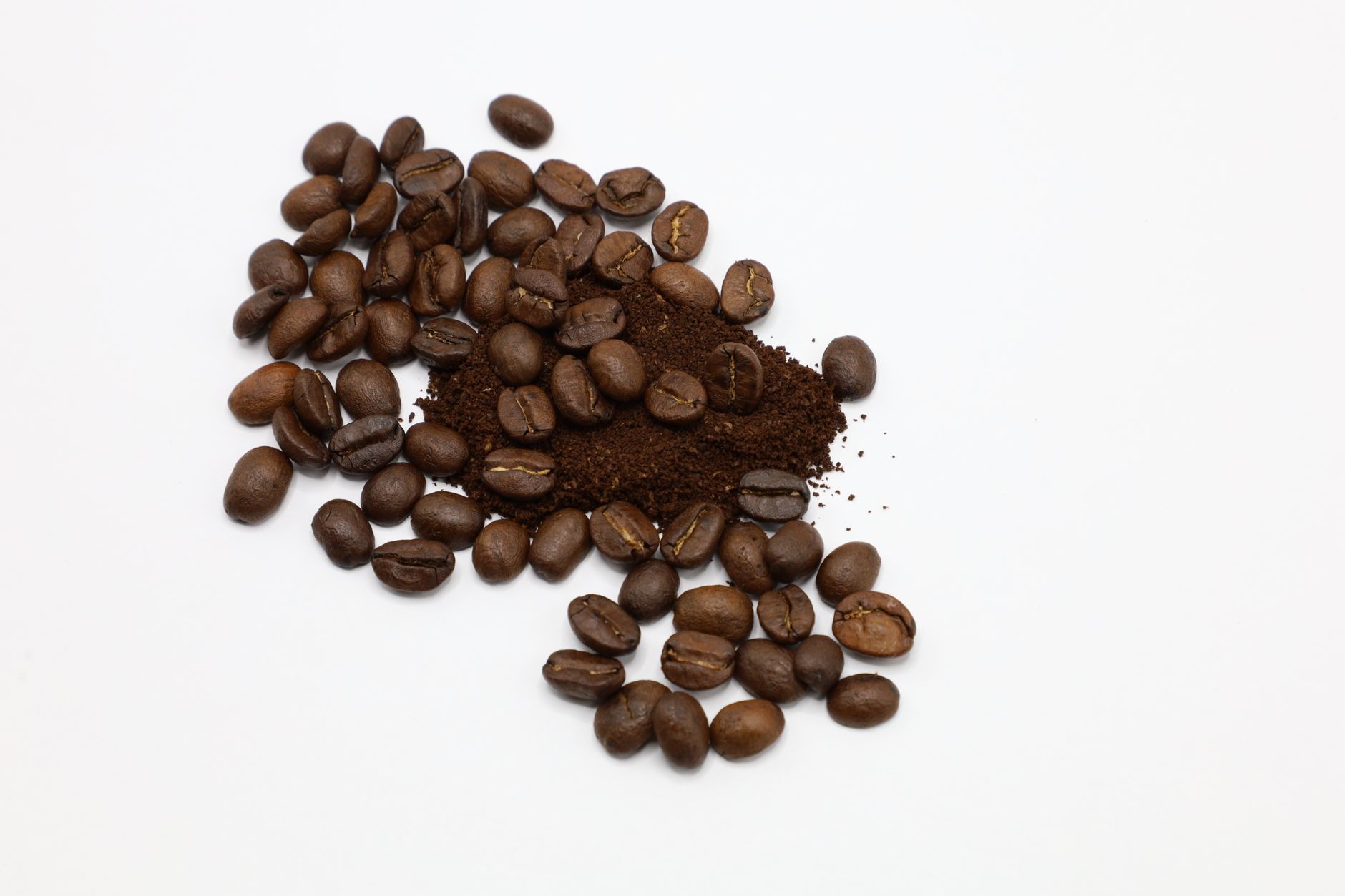 Photo: Tony Wu via Pexels
Green coffee beans contain 6–12 g of CGAs per 100g. A light roast retains roughly 4–6 g; a medium roast drops to 2–4 g; a dark roast may hold only 1–2 g. That’s a 60–80% reduction at the dark end.
However, the Maillard reaction generates melanoidins with documented antioxidant and prebiotic properties. A well-executed dark roast isn’t nutritionally inert — it’s just delivering a different antioxidant profile. If maximizing CGAs is the goal, light-roasted, freshly ground, lightly filtered coffee is the target.
Does Brew Temperature Matter?
Higher water temperature extracts more chlorogenic acids, which is one reason pour-over and espresso (both using hot water) outperform cold brew on a per-gram-of-coffee basis. Cold brew compensates partly through longer contact time, but still yields lower CGA extraction efficiency than hot methods.
 Photo: Soumojit Basu via Pexels
Coffee as a Dietary Antioxidant Source — Does It Actually Matter?
Direct answer: For most Western adults, yes — coffee accounts for 64–79% of total dietary polyphenol intake according to multiple epidemiological studies. That’s not because coffee is uniquely superior; it’s because most people drink more coffee than they eat blueberries. Context matters enormously.
| Antioxidant Source | Typical Daily Polyphenols (mg) |
|---|---|
| 2 cups filter coffee | 400–1100 |
| 100g blueberries | 260–600 |
| 1 cup green tea | 150–300 |
| 1 glass red wine | 150–400 |
| 100g dark chocolate | 300–600 |
Coffee’s dominance in Western diets is partly a volume effect — two cups a day adds up in a way that occasional fruit servings don’t. The epidemiological evidence linking coffee consumption to reduced risk of type 2 diabetes, certain cancers, and neurodegenerative diseases is partly attributed to this antioxidant load, though caffeine and other bioactive compounds are also implicated.
Does Milk or Sugar Affect Antioxidant Absorption?
Direct answer: Milk protein (casein) binds chlorogenic acids and may reduce their bioavailability. The magnitude of this effect in real-world consumption is debated — some studies show 10–30% reduction in CGA absorption when adding milk; others show minimal impact. Sugar has no meaningful effect on antioxidant content.
Adding oat milk or almond milk introduces fewer protein-antioxidant binding concerns than cow’s milk, though the overall evidence is still thin. If antioxidant absorption is a priority, drinking coffee black is the safe call — but the practical difference may be smaller than headlines suggest.
→ See also:
- Coffee Science: The Complete Guide to Extraction, Chemistry & Flavor
- How Much Caffeine Is in a Cup of Coffee? (All Brew Methods)
- Caffeine in Espresso vs Coffee: Which Has More?
FAQ
Does decaf coffee still have antioxidants? Yes. The decaffeination process removes caffeine but leaves most chlorogenic acids intact. Decaf delivers roughly 70–90% of the antioxidant content of regular coffee, making it a viable option for those avoiding caffeine who still want the polyphenol benefit.
Which has more antioxidants — espresso or drip coffee? Espresso is more concentrated per milliliter, but a standard espresso shot (30 mL) delivers less total antioxidants than an 8 oz cup of filter coffee. Per gram of coffee used, espresso extraction is highly efficient; by total serving, drip wins on volume. For maximizing antioxidant intake per cup, filter coffee is the practical choice.
Does instant coffee have antioxidants in coffee? Instant coffee retains a meaningful portion of the original bean’s polyphenols — typically 40–70% of what you’d get from freshly brewed filter coffee. Spray-drying and freeze-drying both degrade CGAs to some degree, with freeze-dried generally preserving more. It’s a lesser source, but not a negligible one.
Are the antioxidants in coffee actually absorbed by the body? Yes, though not fully. Bioavailability studies show that 30–65% of ingested chlorogenic acids reach systemic circulation, depending on the individual’s gut microbiome, the coffee form, and whether food is present. Some CGAs are metabolized by colonic bacteria into bioactive smaller molecules — so the story doesn’t end at gastric absorption.
Does brewing with a paper filter affect antioxidant levels? Paper filters remove cafestol and kahweol (diterpenes linked to cholesterol effects) but do not significantly strip chlorogenic acids or other antioxidant polyphenols. Filtered coffee and unfiltered (French press, espresso) are comparable in their polyphenol delivery; where they differ is in diterpene content, not antioxidant content.
Editorial methodology: Assessments are based on manufacturer specifications, published user reviews, and editorial research. Physical hands-on testing is noted explicitly where it occurred. Rankings reflect our editorial judgment and are not influenced by affiliate commission rates. Full editorial policy · Affiliate disclosure