Contents
The Third Wave Coffee Movement: A Complete Guide
Third wave coffee explained: Third wave treats coffee as an artisanal agricultural product — like wine or craft beer — tracing flavor back to origin, variety, and processing. It’s defined by direct trade relationships, light roasts that preserve terroir, and brewing precision. The movement began in the early 2000s and now sets the standard for specialty coffee globally.
What Is Third Wave Coffee?
Third wave coffee is the approach of treating coffee as a fine agricultural product worthy of the same scrutiny applied to wine — evaluating it by origin, variety, processing method, and roast level, rather than simply as a commodity beverage. It emphasizes transparency from farm to cup, with the roaster and barista acting as stewards of flavor rather than manufacturers of a standardized product.
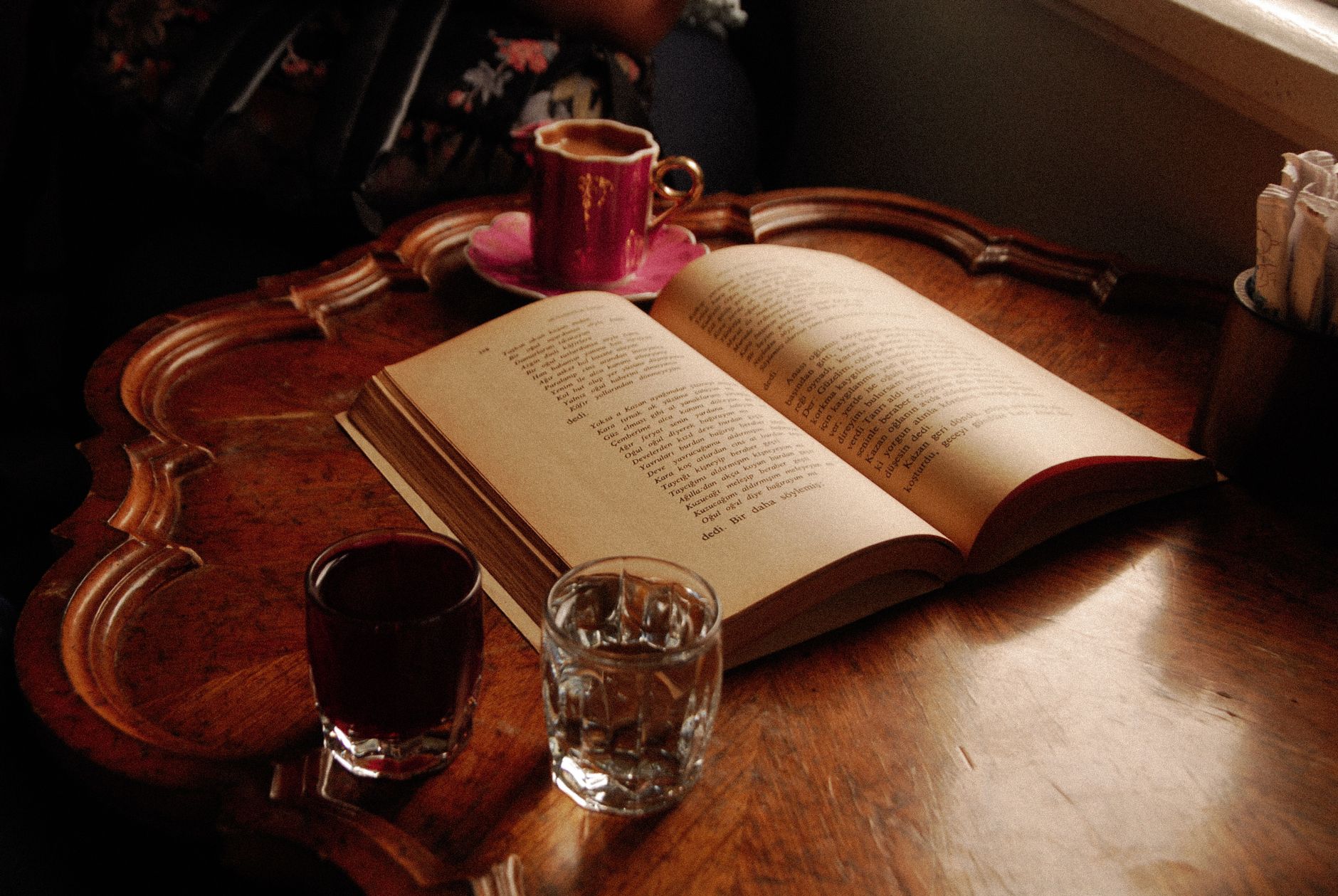
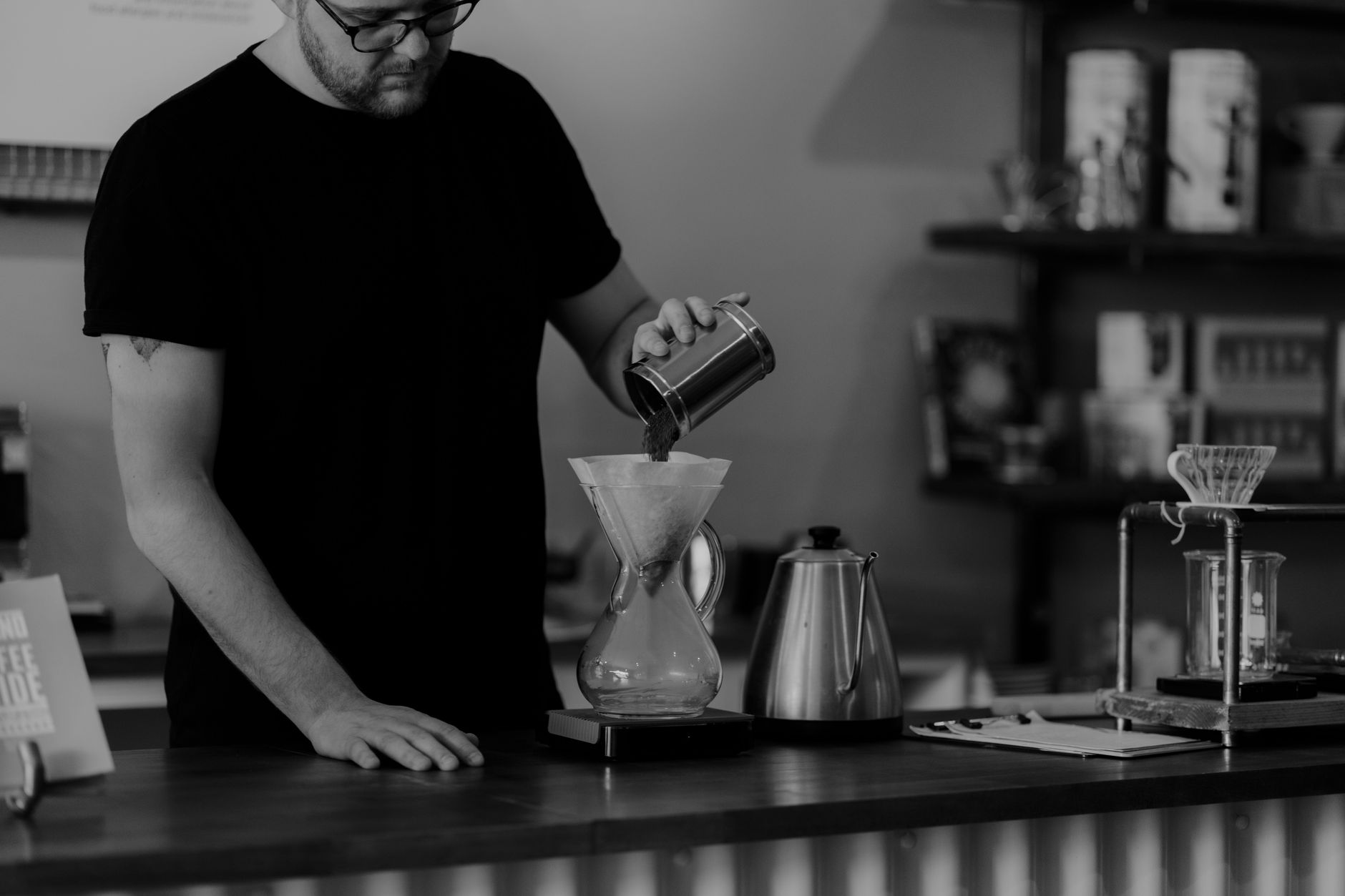 Photo: Iain via Pexels
The term was coined by Trish Rothgeb in a 2002 Roasters Guild newsletter. She described three distinct eras: the first wave (coffee as convenience — Folgers, instant, Maxwell House), the second wave (coffee as experience — Starbucks, espresso drinks, the café as a “third place”), and the third wave (coffee as craft, defined by quality and provenance).
Third wave coffee explained simply: it’s less about the drink and more about the ingredient. A third wave roaster asks where the beans were grown, at what altitude, by which producer, using which process. A third wave barista dials in extraction variables the way a chef calibrates heat.
The timing matters. The Specialty Coffee Association of America (now the SCA) had been building scoring infrastructure since the 1980s — cupping protocols, the 100-point scale, Q-grader certification. Third wave was the consumer-facing expression of that professional apparatus finally becoming visible to the public.
The Three Waves: A Quick History
First wave (pre-1960s to 1980s): Coffee as utility. Second wave (1980s–2000s): Coffee as lifestyle. Third wave (2000s–present): Coffee as craft. Each wave didn’t replace the last — all three coexist today, serving different needs and price points.
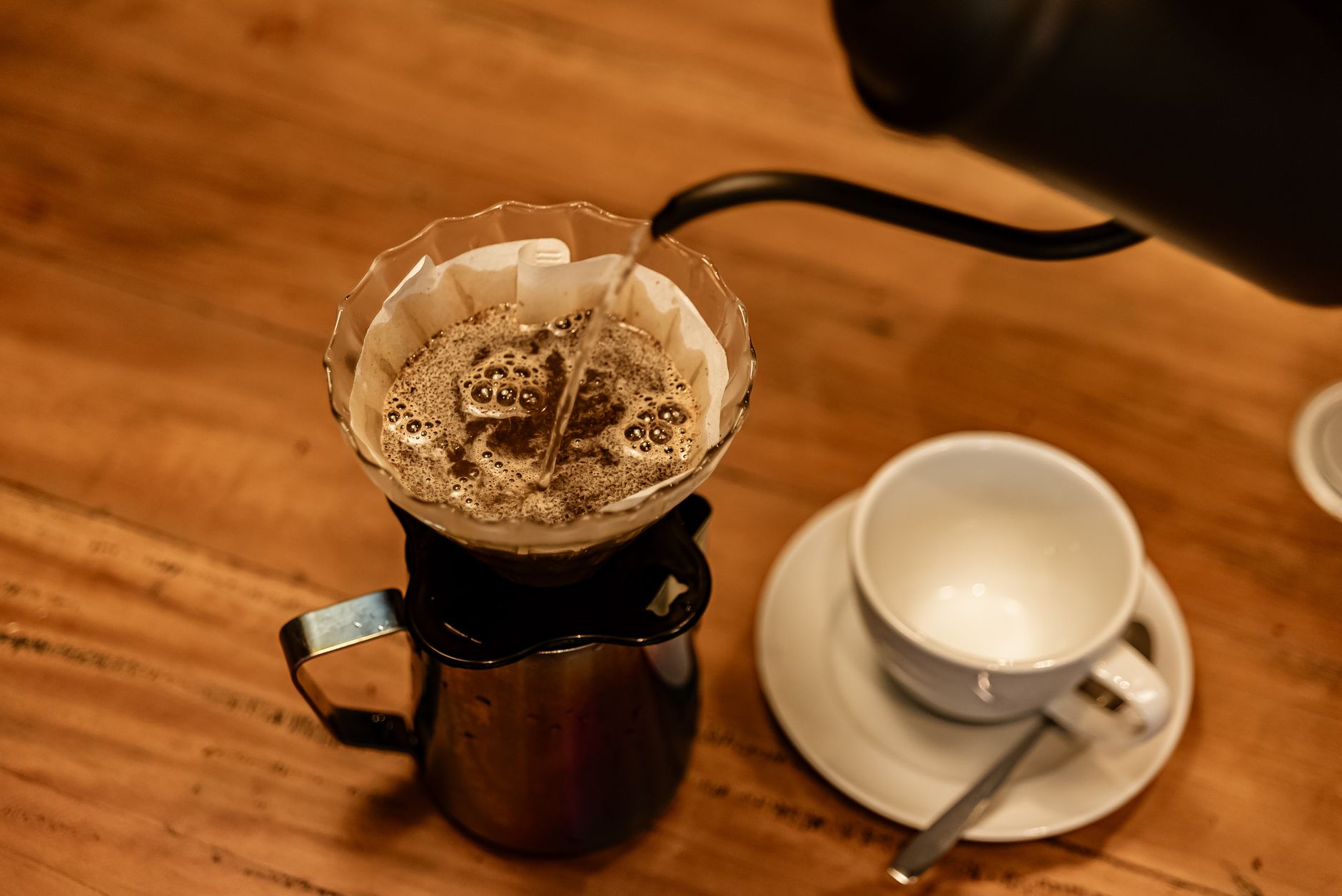
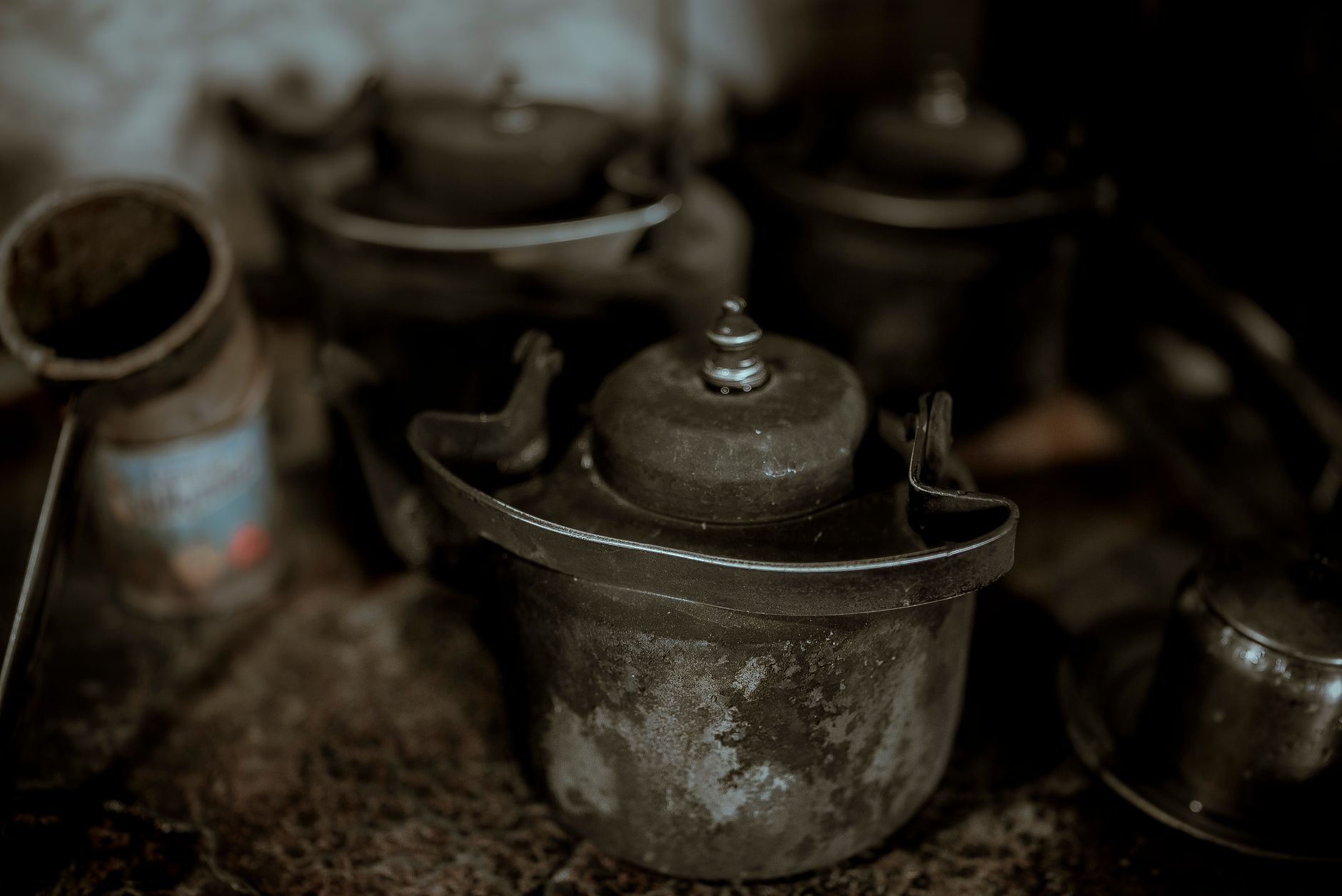 Photo: anil kumar via Pexels
First Wave
Canned, pre-ground, shelf-stable. The goal was caffeine at scale. Hills Bros., Folgers, and Maxwell House dominated. Flavor was secondary to consistency and convenience. Vacuum-sealed cans extended shelf life at the expense of freshness.
Second Wave
Starbucks, Peet’s, and their imitators built the café as destination. Espresso drinks with milk — lattes, cappuccinos, mochas — brought coffee culture to the American mainstream. Darker roasts became the signature: bold, smoky, consistent enough to work as a flavor base beneath steamed milk and syrups.
The second wave improved café culture dramatically but still treated coffee primarily as a vehicle. The origin on the bag was marketing shorthand, not a flavor indicator. “Italian Roast” meant “dark,” not Italian.
Third Wave
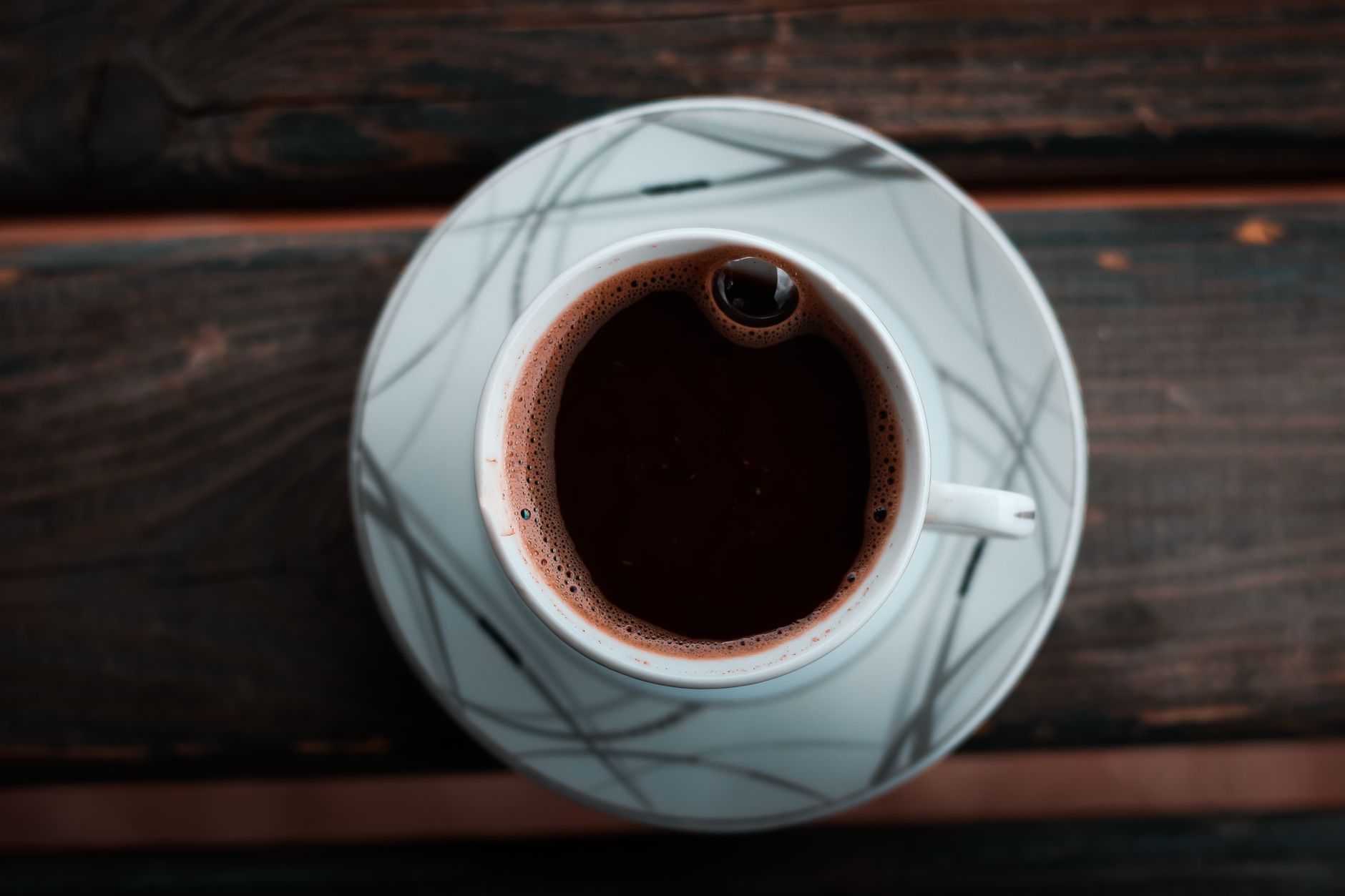
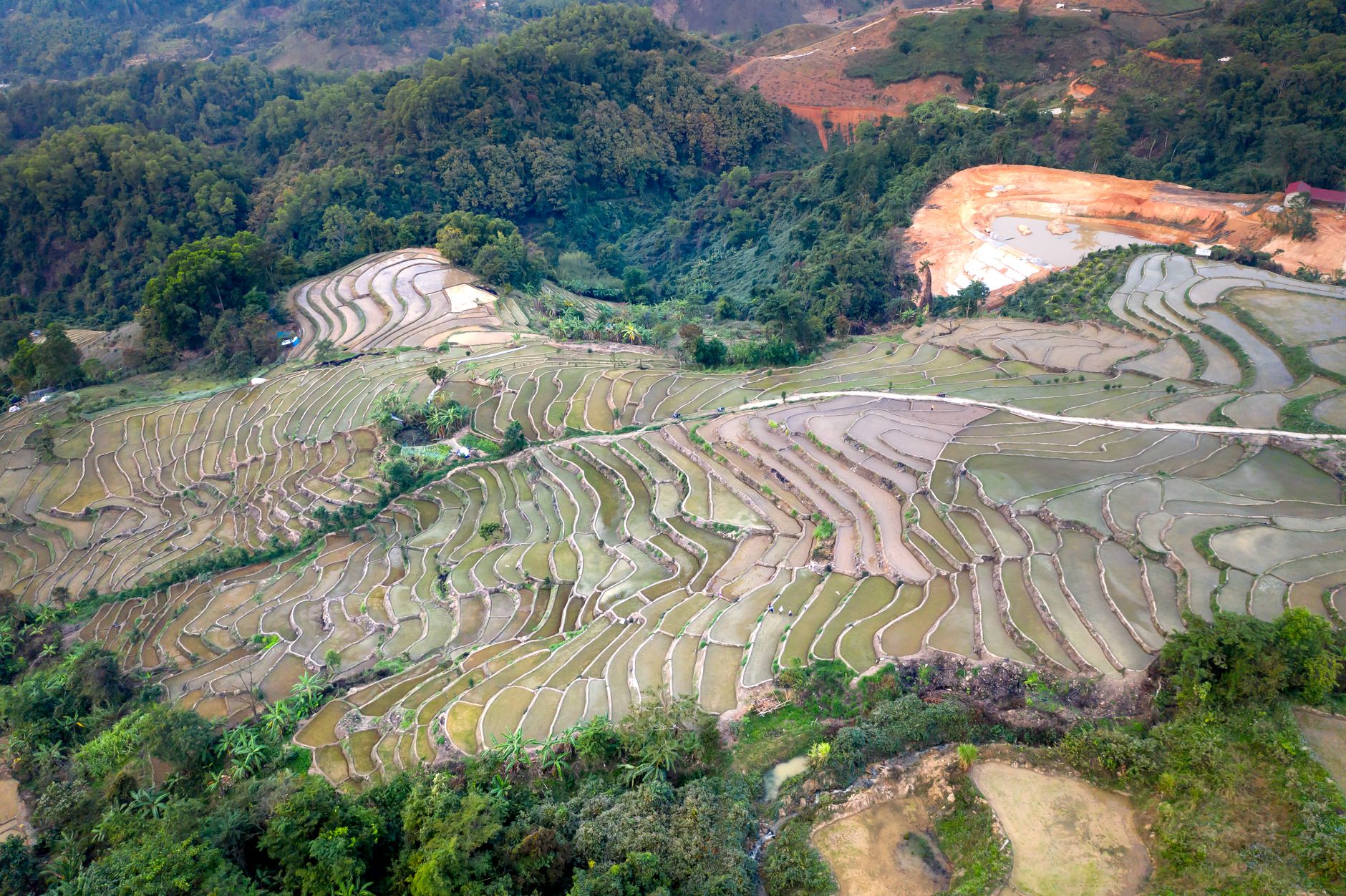 Photo: Quang Nguyen Vinh via Pexels
Origin became identity. Roasters began listing specific farms, washing stations, and cooperatives — not just “Ethiopia” but “Yirgacheffe, Kochere washing station, washed process.” Light roasts replaced dark to let origin character express itself rather than burning it off. The flavor wheel expanded. Tasting notes got granular: jasmine, bergamot, dried apricot, brown sugar.
This shift required new supply chain infrastructure: direct trade relationships, longer lead times, higher prices paid to farmers. The economics of third wave aren’t charity — they’re value-chain transparency.
Key Principles of Third Wave Coffee
Third wave coffee rests on four pillars: traceability (knowing where coffee comes from), quality-focused processing (how the cherry is turned into green bean), precise roasting (developing flavor without masking it), and skilled brewing (extracting correctly every time).
Traceability and Direct Trade
Commodity coffee trades by grade and country. Third wave coffee trades by lot. A bag might list the farm name, the farmer’s name, the altitude (often 1,800–2,200m for quality arabica), the harvest year, and the processing method.
Direct trade — where roasters buy directly from producers, bypassing commodity brokers — is the supply chain model that makes this possible. It doesn’t have a formal certification the way Fair Trade does, but the better roasters publish their sourcing transparently, including what they paid per pound.
Processing Methods
How the coffee cherry is processed after harvest shapes flavor dramatically. Third wave roasters and consumers care about this:
| Process | Flavor Profile | Notes |
|---|---|---|
| Washed (wet) | Clean, bright, acidic | Fruit mucilage removed before drying |
| Natural (dry) | Fruity, heavy, wine-like | Whole cherry dried intact |
| Honey | Balanced, syrupy | Partial mucilage removed |
| Anaerobic | Fermented, complex, funky | Fermented in sealed tanks |
| Carbonic maceration | Tropical, intense | Whole cherry fermentation |
Roast Philosophy
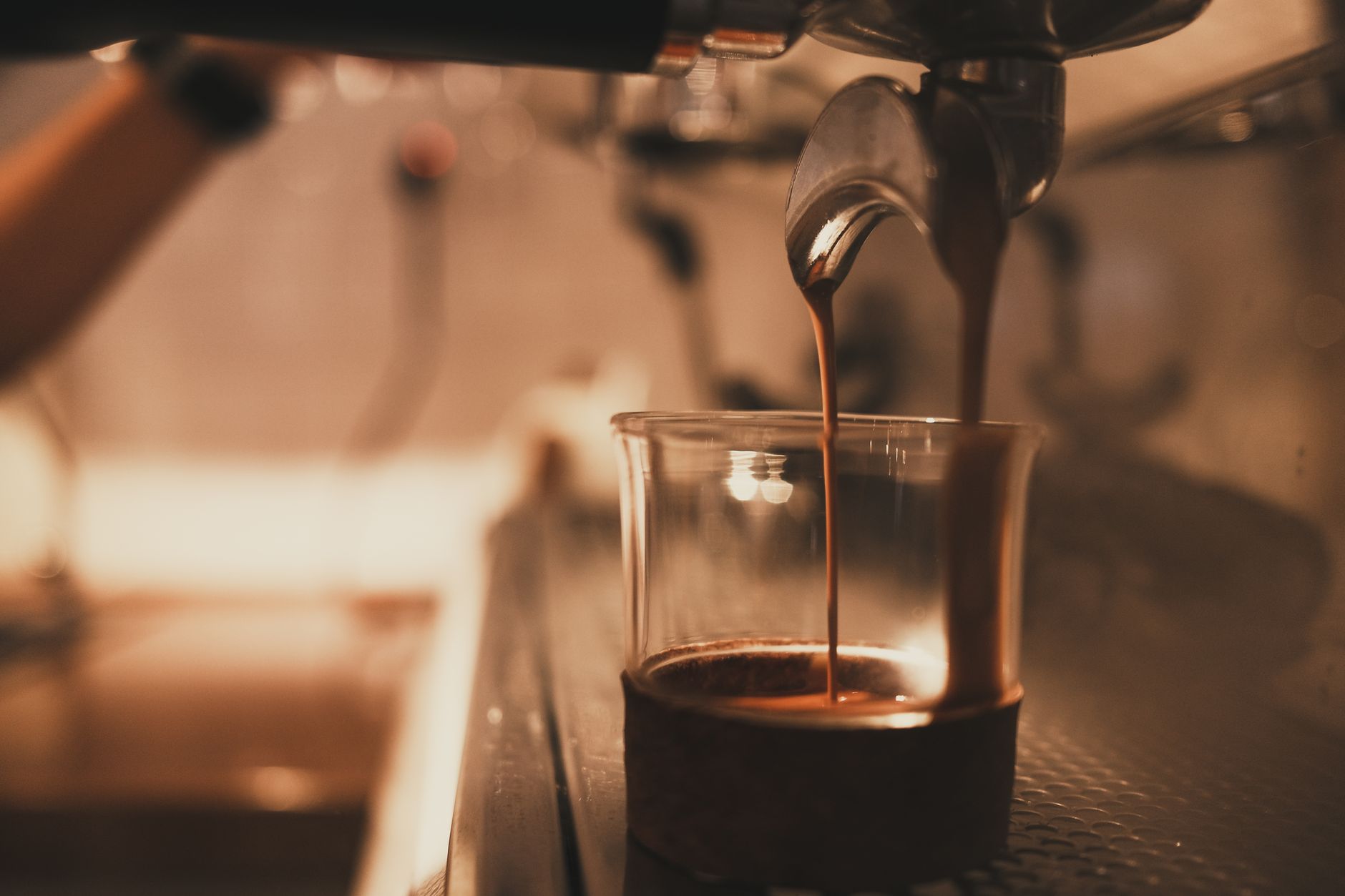
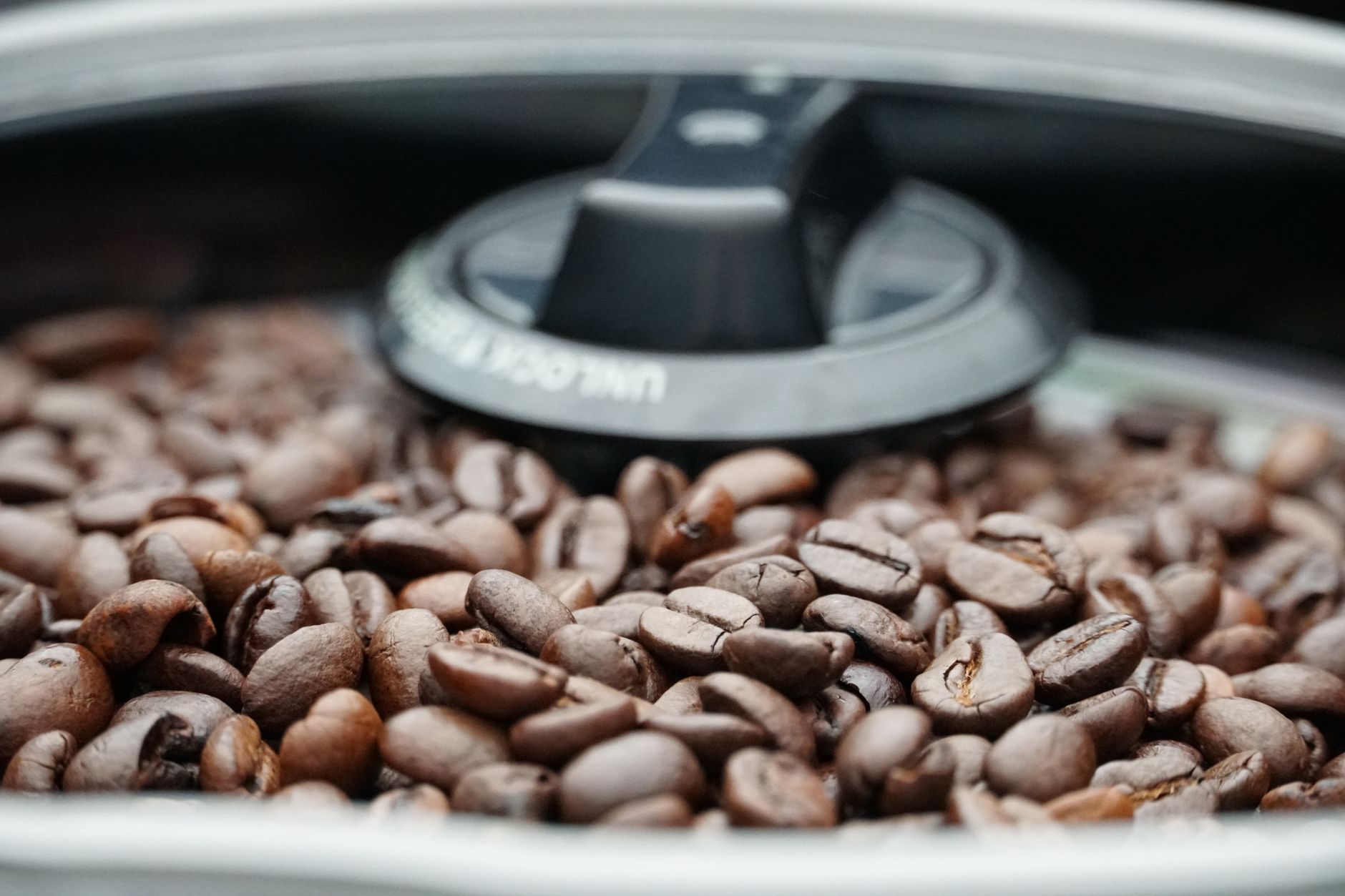 Photo: Peter Laskowski via Pexels
Second wave defaulted to medium-dark and dark roasts. Third wave overwhelmingly favors light to medium-light. The reasoning: high heat drives off volatile aromatics and produces roast-derived flavors (carbon, char, bitter) that overwrite origin character. A light roast on a well-processed Ethiopian natural can taste like blueberry and hibiscus. The same bean taken to a French roast tastes like French roast.
This is where third wave gets its most visible — and most divisive — aesthetic. Critics argue light roasts can be under-developed and sour; advocates argue dark roasts homogenize. Both have merit. The best third wave roasters work in the light-to-medium range with precision, not ideology.
Brewing Precision
Third wave coffee explained at the bar: variables that were once guesswork are now measured. Dose by gram, not scoop. Water temperature logged to within a degree. Extraction yield calculated from total dissolved solids (TDS). Brew ratios standardized — typically 1:15 to 1:17 for filter, 1:2 to 1:2.5 for espresso.
Grinder quality became the bottleneck. A good grinder matters more than a good brewer — uneven particle distribution creates uneven extraction regardless of technique. High-end flat burr and conical burr grinders became the equipment status symbol that portafilters were in the second wave.
Third Wave Coffee vs. Specialty Coffee: Are They the Same?
Not quite. “Specialty coffee” has a technical definition: green coffee scoring 80+ points on the SCA’s 100-point scale. Third wave is a cultural and commercial movement. All third wave coffee is specialty coffee. Not all specialty coffee is third wave — a dark-roasted 82-point bean from a conventional roaster qualifies as specialty but doesn’t embody third wave values.
The SCA’s Q-grader system trains professional tasters to evaluate green coffee on 10 attributes — fragrance, aroma, flavor, aftertaste, acidity, body, balance, uniformity, clean cup, and sweetness. An 80+ score clears the specialty threshold. Above 90 is exceptional; above 93 is competition-grade.
Third wave culture adopts this scoring framework but extends it into consumer communication. Flavor notes on the bag, cupping events open to the public, and brewing classes — these are the retail expression of the cupping table.
Third Wave Coffee Roasters: Who Defines the Category?
The movement’s early canonical names: Stumptown (Portland, 1999), Intelligentsia (Chicago, 1995), Counter Culture (Durham, 1995). These three — sometimes called “the big three” of third wave — built the blueprint: direct trade sourcing, light roasts, barista training programs, transparent sourcing documentation.
They also proved the model could scale. Stumptown was acquired by Peet’s (itself owned by JAB Holding) in 2015. Intelligentsia followed. Counter Culture remains independent. The acquisitions triggered debate: could third wave values survive corporate ownership? The evidence is mixed — supply chain practices largely continued, but the scrappy independence that defined the movement’s identity blurred.
The second generation of influential roasters pushed further: George Howell Coffee (Massachusetts), Onyx Coffee Lab (Arkansas), Heart Roasters (Portland), Ruby Coffee Roasters (Wisconsin), Chromatic Coffee (California). These roasters pursued even tighter sourcing, started competing at origin for micro-lots, and drove the natural and anaerobic processing trends.
How to Brew Third Wave Coffee at Home
The core of home third wave brewing: fresh whole beans (roasted within two to four weeks), a quality grinder, filtered water at 90–96°C, and a gram scale. The brew method matters less than these four inputs.
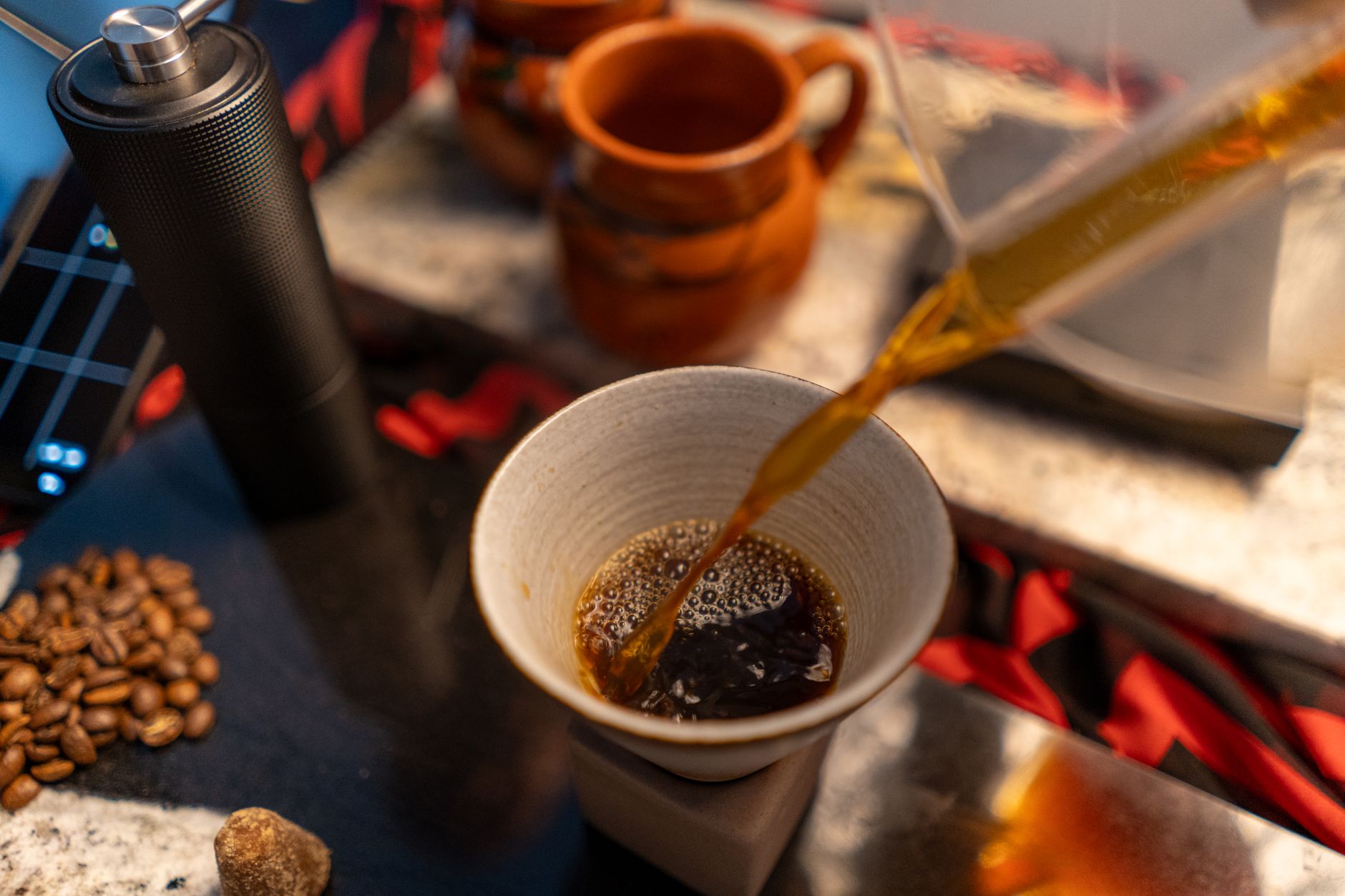 Photo: Omar Tapia via Pexels
Equipment Hierarchy
Prioritize in this order:
- Fresh beans — Roast date on the bag, not a “best by” date. Use within 2–4 weeks of roast.
- Grinder — A burr grinder, not blade. Entry-level: Baratza Encore
Basic Pour-Over Recipe (V60, one cup)
| Variable | Value |
|---|---|
| Dose | 15g coffee |
| Water | 250g at 93°C |
| Ratio | 1:16.7 |
| Grind | Medium-fine (table salt) |
| Total brew time | 2:30–3:30 |
Bloom 30g water for 30 seconds, then pour in steady circular pulses. Adjust grind coarser if bitter and fast; finer if sour and slow.
Third Wave Coffee and Espresso
Espresso in the third wave context is a different animal from second wave espresso. The shift:
| Second Wave | Third Wave | |
|---|---|---|
| Roast | Dark (Italian, French) | Light to medium |
| Ratio | ~1:1.5–1:2 (ristretto-leaning) | 1:2 to 1:2.5 standard; 1:3+ for “lungo” |
| Extraction time | 25–30 sec | 25–40 sec depending on ratio |
| Flavor target | Bitter-sweet, syrupy | Fruity, sweet, complex, low bitterness |
| Grinder | Prosumer commercial | High-end flat burr (EK43, Mythos, Niche) |
The biggest change is espresso tasting notes. A third wave single origin espresso might taste like cherry cola and cacao, not roasted nuts and tobacco. This confuses customers expecting the second wave profile and delights those who want something new.
Milk drinks in third wave cafés shifted too. Flat whites, cortados, and smaller cappuccinos became the staple — less milk to let the espresso character come through. The 20-oz latte didn’t disappear, but it’s no longer the default.
Is There a Fourth Wave?
The “fourth wave” label circulates but hasn’t crystallized. Proposed definitions include: hyper-scientific brewing (pressure profiling, advanced water chemistry, bottomless precision), sustainability-first sourcing (carbon accounting, regenerative agriculture), and the democratization of specialty coffee through better supermarket beans and accessible home equipment.
Some argue the fourth wave is simply the maturation of the third — not a discontinuous break but the movement fulfilling its own logic. Others point to the rise of competitive coffee (World Barista Championship, World Brewers Cup) and origin-side innovation (new varieties like Gesha, Sudan Rume, Typica Mejorado) as genuinely new terrain.
The honest answer: the wave metaphor has probably run its useful life. Coffee culture is now segmented enough that a single wave label can’t describe it. High-volume specialty chains, hyper-local micro-roasters, origin-side roasters, and home espresso enthusiasts are all doing something “third wave” but barely recognize each other as the same movement.
→ See also:
FAQ
What is third wave coffee explained simply? Third wave coffee treats coffee as a high-quality agricultural product — like wine — focusing on where it’s grown, how it’s processed, and how it’s roasted and brewed. It’s the opposite of commodity coffee, which prioritizes consistency and low cost over flavor and provenance.
How is third wave coffee different from Starbucks? Starbucks is the defining second wave company: consistent, dark-roasted, milk-drink-focused, designed for scale. Third wave cafés use lighter roasts to preserve origin flavor, source from specific farms rather than commodity markets, and typically serve single origin coffees with tasting notes. The experiences, prices, and flavor profiles are distinct.
Why is third wave coffee so expensive? The price reflects real costs upstream: higher farm-gate prices for specialty-graded coffee, direct trade logistics, small roast batches, more labor-intensive processing methods (natural and honey processes require more drying infrastructure than washed), and trained baristas who treat extraction as a technical skill. A $7 pour-over at a third wave café is expensive; an $80/lb micro-lot roasted in 5kg batches is also expensive before the markup.
Do I need special equipment to make third wave coffee at home? A burr grinder is the single most important purchase. An inexpensive blade grinder produces uneven particles that extract unevenly — no amount of technique corrects it. After that: fresh beans and a scale. The brew device matters far less than these fundamentals. You can make excellent third wave coffee with a $20 pour-over cone and $150 grinder.
What roast level is third wave coffee? Predominantly light to medium-light. The goal is to develop the bean’s inherent flavors without generating roast-derived notes (charcoal, ash, bitter). Some third wave roasters work in the medium range for espresso or blends, but dark roasts are rare — they’re seen as masking origin character rather than enhancing it.
What origins are most associated with third wave coffee? Ethiopia and Kenya drove the early movement — their heirloom varieties and fruity, acidic profiles were the clearest demonstration that coffee could taste like fruit, not just coffee. Colombia, Guatemala, and Yemen followed. Panama gained outsized attention when Gesha variety beans from Hacienda La Esmeralda broke auction price records in the mid-2000s, becoming the movement’s trophy coffee. Today, exceptional lots come from across Central America, East Africa, and increasingly from producers in Bolivia, Peru, and Myanmar.
What is a Q-grader and why do third wave roasters care? A Q-grader is a certified coffee quality evaluator trained and licensed by the Coffee Quality Institute. Passing requires 22 exams covering sensory skills, cupping protocols, and green coffee evaluation. Q-graders assess coffee on the SCA’s 100-point scale; 80+ qualifies as specialty. Third wave roasters use Q-graders (or Q-grader protocols) to evaluate green coffee before purchasing, ensuring the beans they source meet specialty thresholds before they ever reach the roaster.
Editorial methodology: Assessments are based on manufacturer specifications, published user reviews, and editorial research. Physical hands-on testing is noted explicitly where it occurred. Rankings reflect our editorial judgment and are not influenced by affiliate commission rates. Full editorial policy · Affiliate disclosure