Contents
Chemex vs French Press: Which Brewer Wins?
TL;DR: The Chemex produces a clean, bright, sediment-free cup best for showcasing delicate single-origins. The French press delivers a full-bodied, rich brew with more oils and texture. Neither is objectively better — they suit different palates and different coffees.
Chemex vs French Press: The Core Difference
The Chemex uses a thick paper filter that strips coffee oils and fine particles, producing clarity and brightness. The French press uses a metal mesh screen, leaving oils and micro-grounds in the cup for a heavier, more textured result. Same beans, radically different cups.
 Photo: cottonbro studio via Pexels
| Feature | Chemex | French Press |
|---|---|---|
| Filter type | Thick bonded paper | Metal mesh plunger |
| Brew time | 4–5 minutes | 4 minutes steep |
| Body | Light, clean | Full, heavy |
| Oils in cup | Stripped | Preserved |
| Sediment | None | Some fines |
| Price range | $40–$55 | $20–$60 |
| Grind size | Medium-coarse | Coarse |
| Cleanup | Moderate | Easy |
Both methods are immersion-adjacent, but Chemex is technically a pourover — you’re pouring water through grounds held in a filter, not steeping and pressing. That distinction drives everything downstream.
Flavor Profile: What Your Cup Actually Tastes Like
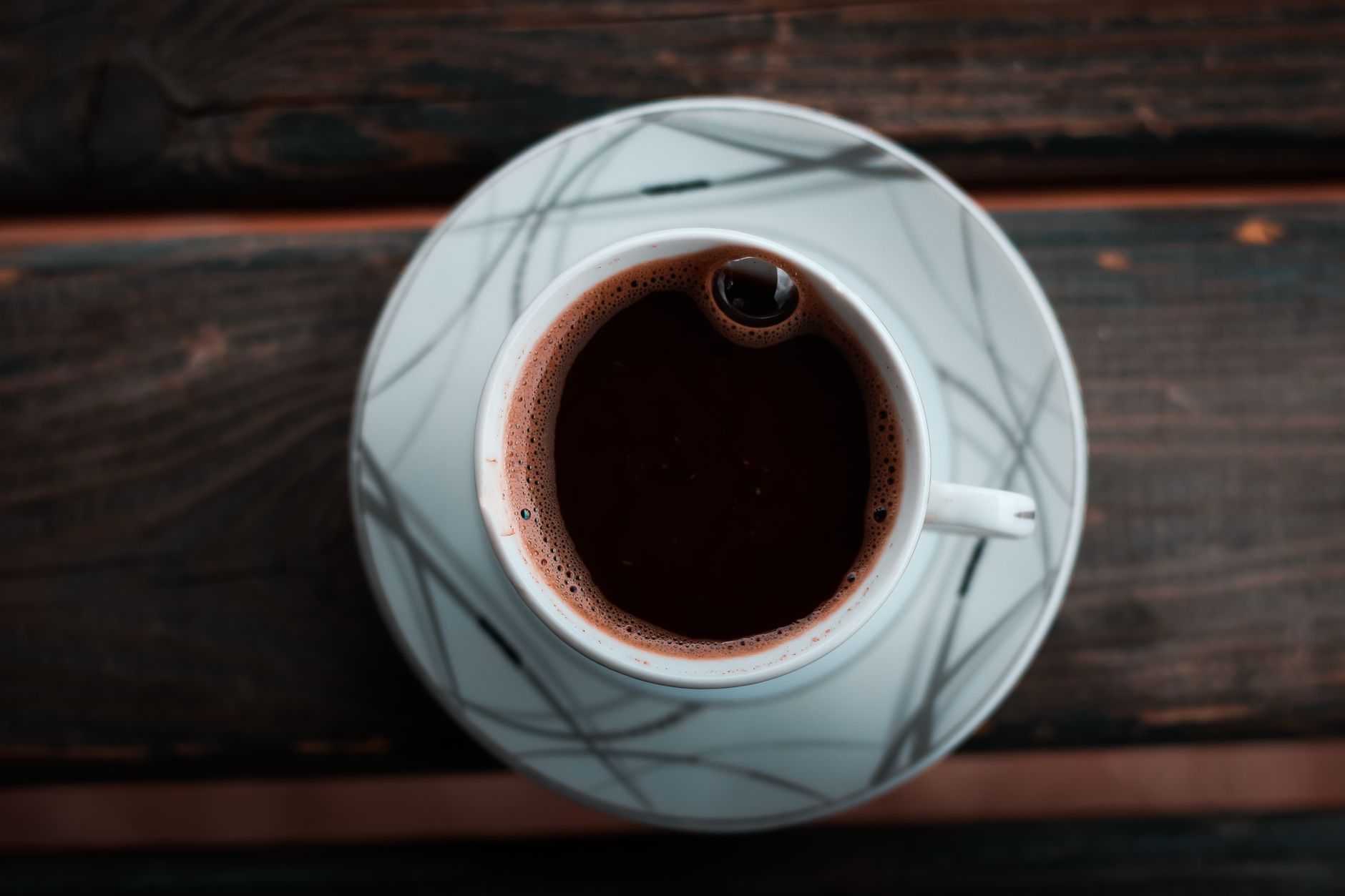
Chemex coffee reads as transparent. Fruity esters, floral aromatics, and acidity come through without interference. French press coffee reads as opaque — roast character, chocolate, and body dominate because the oils coat your tongue and amplify low-frequency flavors.
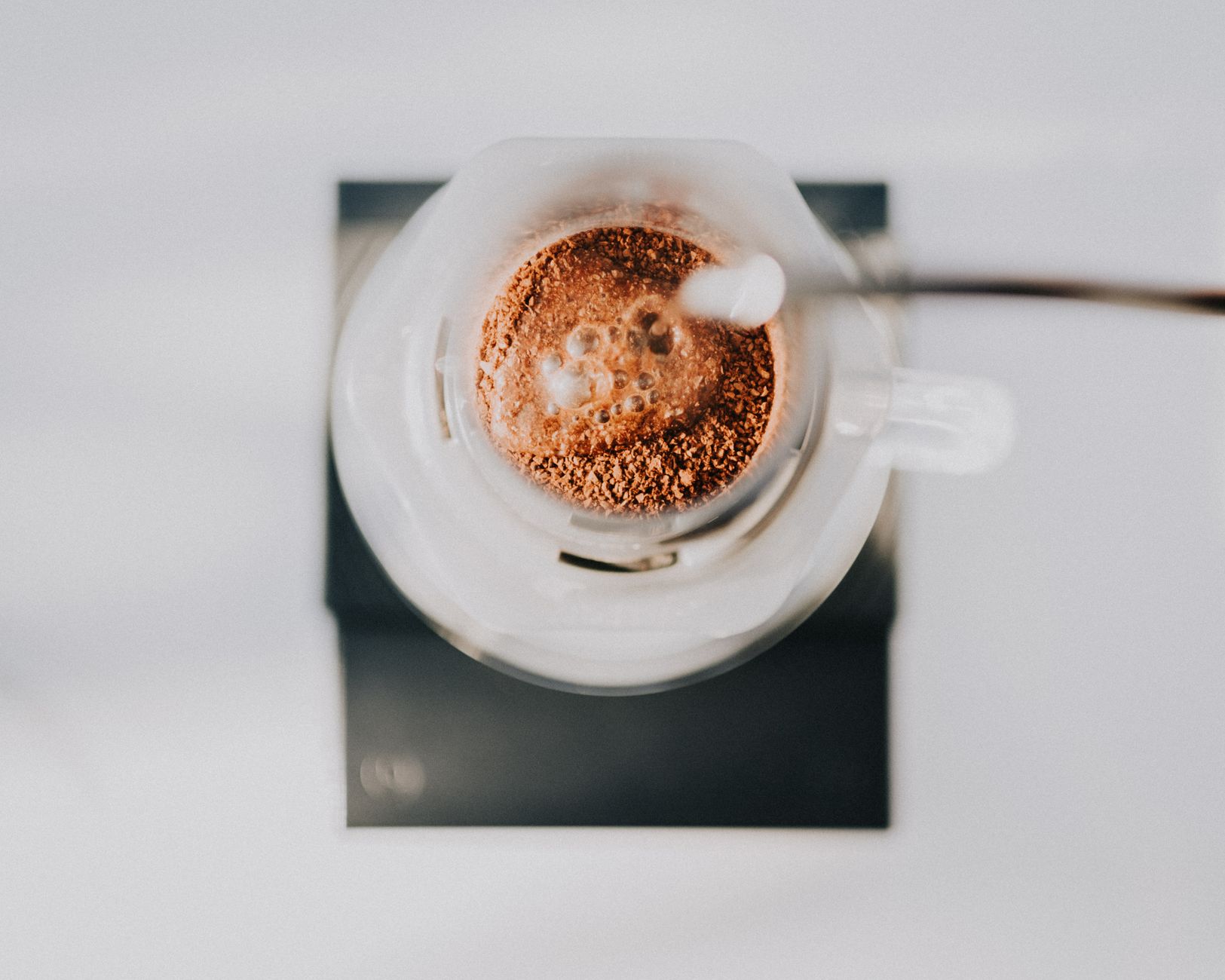 Photo: Onur Kaya via Pexels
If you’re drinking a washed Ethiopian Yirgacheffe, the Chemex will reveal its jasmine and blueberry; the French press will bury those notes under a heavier mouthfeel. If you’re drinking a natural Brazilian, the French press amplifies its chocolate and nut character beautifully.
This isn’t a quality difference — it’s a translation difference. The French press isn’t a worse lens; it’s a different lens entirely.
Acidity and Bitterness
Paper filtration removes the diterpenes (cafestol and kahweol) responsible for perceived heaviness. What’s left is a cup where acidity reads more prominently. Some people experience this as brightness; others find it sharp if the extraction runs long or the water is too hot.
French press coffee can read as bitter if grounds steep too long or the grind is too fine. The metal mesh doesn’t stop fines, which continue extracting even after the plunge — a common problem solved by decanting immediately into a separate vessel rather than leaving grounds in the press.
Ease of Use and Learning Curve
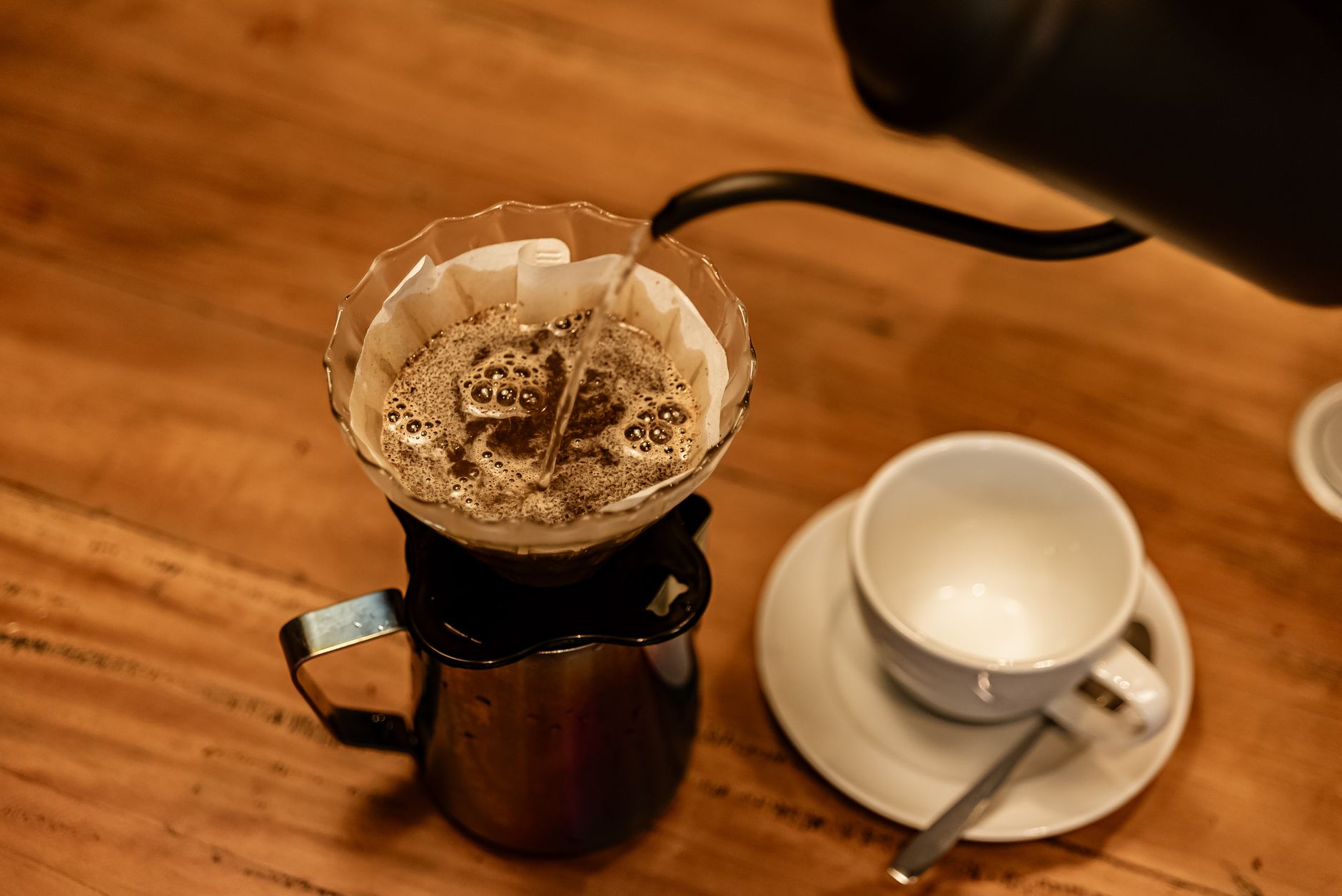
French press is simpler: add coarse grounds, add hot water, wait four minutes, press, pour. The Chemex requires a specific pour technique, a bloom phase, and more attention to flow rate — variables that directly affect extraction quality.
The Chemex punishes inconsistency. Pouring too fast channels water through one side of the bed. Uneven grounds distribution creates over-extracted patches. The filter can stall if you pour too quickly and flood it. None of this is difficult once practiced, but it has a floor — your first Chemex will probably not be your best.
French press is more forgiving. The steep-and-press method self-levels minor inconsistencies in grind distribution. A slightly uneven grind matters less when everything is steeping together.
Grind Requirements
Both methods need a coarser grind than espresso, but for different reasons. Chemex needs medium-coarse to prevent the thick filter from stalling under too-fine particles. French press needs coarse to minimize fines passing through the mesh and to slow extraction during the steep.
A quality burr grinder matters more for French press than most people assume — blade grinders produce inconsistent particles that generate excessive fines, which muddy the cup. If you’re using a blade grinder, neither method will shine, but the French press will suffer more visibly.
Brew Capacity and Practicality
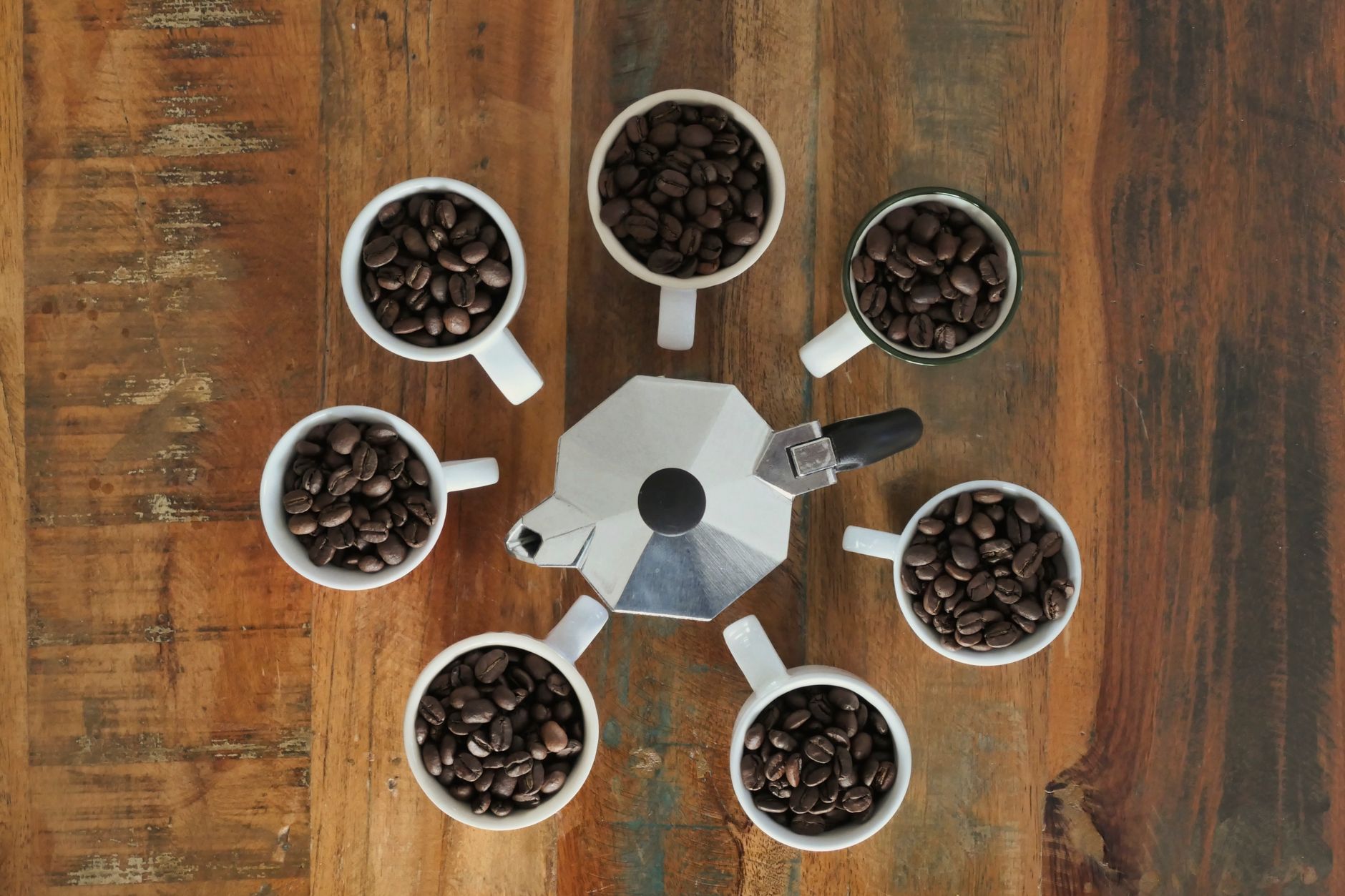
Chemex comes in 3-cup, 6-cup, 8-cup, and 10-cup versions. French press ranges from single-serve (12 oz) to large carafes (34 oz+). For serving a crowd, the 8-cup Chemex or a large French press both work; for a solo morning cup, the French press has less waste.
 Photo: thAnh nguyễn via Pexels
Chemex filters are a recurring cost — roughly $0.10–0.15 per brew. French press has no consumables after purchase. Over a year of daily brewing, that filter cost is negligible ($35–55/year), but it’s worth noting if you’re evaluating total cost of ownership.
Cleaning is a real consideration. The Chemex carafe is a single piece of glass with a narrow waist — beautiful to look at, awkward to hand-wash. The wooden collar and tie need to stay dry. The French press disassembles fully and most components are dishwasher-safe.
Which Coffee Roast Works Best
Light roasts reward the Chemex — paper filtration amplifies the brightness and complexity that light roasts carry. Dark roasts suit the French press — oils and body complement the roast’s smoky, bitter-sweet character without the acidity that dark roasts can develop under paper filtration.
Medium roasts work with either. If you’re buying pre-ground supermarket coffee (which trends medium-dark), the French press is the safer default. If you’re buying from specialty roasters (which trend light-to-medium), the Chemex is worth the extra technique investment.
Specialty Coffee and the Chemex
The Chemex became an icon of third-wave coffee culture specifically because it rewards sourcing-forward coffees. When a roaster spends months sourcing a specific lot from a specific farm, they want the flavor to land — paper filtration doesn’t obstruct the signal. That’s why you’ll see Chemex pots on pourover bars at specialty cafés.
Chemex vs French Press for Specific Use Cases
 Photo: Pavel Danilyuk via Pexels
| Situation | Better Choice |
|---|---|
| Showcasing single-origin beans | Chemex |
| Dark roast, bold morning cup | French press |
| Brewing for guests | Chemex (8-cup) or large French press |
| Zero technique, consistent result | French press |
| Camping or travel | French press (more durable) |
| Gift for coffee-curious friend | Chemex (visual impact) |
| Budget under $30 | French press |
| Espresso alternative (strong cup) | French press |
Product Recommendations
The Chemex Classic 8-Cup is the most versatile size — scales from two to six cups without waste. The Chemex Bonded Filters (Natural Square) are the correct pairing; generic substitutes frequently cause stalls.
For French press, the Bodum Chambord 34oz is the standard against which everything else is measured — durable, replaceable glass, widely available. For a step up, the Fellow Clara French Press adds a double-wall insulated design that holds temperature through the steep with better mesh filtration than most.
If you’re serious about either method, pair it with a Baratza Encore burr grinder
→ See also:
- The Third Wave Coffee Movement: A Complete Guide
- Best Coffee Cities in the US (2026 Guide)
- New York City Specialty Coffee Guide: 20 Best Cafés
FAQ
Is Chemex coffee stronger than French press? Not inherently. Strength depends on your coffee-to-water ratio, not the brewing method. At a 1:15 ratio, both methods produce similar strength. Chemex coffee tastes lighter because paper filtration removes oils that create perceived weight on the palate — it can be a similar concentration while tasting less intense.
Can I use regular coffee filters in a Chemex? No. Standard paper filters are too thin for the Chemex’s thick walls and flow rate — they collapse, stall, or produce under-extracted coffee. Chemex bonded filters are three times thicker than standard filters; that thickness is what produces the clean cup the method is known for.
Why does my French press coffee taste bitter? The most common cause is leaving coffee in contact with the grounds after plunging. The plunger doesn’t stop extraction — pressing it only pushes grounds to the bottom while coffee continues extracting from them. Pour immediately after pressing, or decant into a separate vessel. Over-steeping beyond five minutes and too-fine a grind are the other main culprits.
Does the Chemex remove caffeine? No. Paper filtration removes oils (diterpenes) and micro-particles, but caffeine is water-soluble and passes through fully. A Chemex cup contains the same caffeine as an equivalent French press brew at the same ratio.
Which is easier to travel with? French press. Most Chemex carafes are uninsulated borosilicate glass with a wooden collar — functional at home, impractical in a bag or at a campsite. Several French press models use double-wall stainless steel construction (GSI Outdoors, Stanley) that handles drops and temperature retention. If portability matters, French press wins without contest.
Do I need to wet the Chemex filter before brewing? Yes. Rinse the filter with hot water before adding grounds — this seals the filter against the glass walls, removes any paper taste, and preheats the carafe. Pour the rinse water out before brewing. Skipping this step introduces papery off-notes and slightly cools the brew vessel, which drops extraction temperature.
Editorial methodology: Assessments are based on manufacturer specifications, published user reviews, and editorial research. Physical hands-on testing is noted explicitly where it occurred. Rankings reflect our editorial judgment and are not influenced by affiliate commission rates. Full editorial policy · Affiliate disclosure