Contents
TDS Meter for Coffee: Measure Brew Strength Like a Pro
TL;DR: A TDS meter for coffee measures the percentage of dissolved solids in your brew — the actual coffee compounds extracted into the water. Specialty coffee targets 1.15–1.45% TDS for filter coffee and 8–12% for espresso. It’s the fastest way to diagnose under- or over-extraction without guessing.
What TDS Actually Measures in Coffee
A TDS meter reads electrical conductivity and converts it to a percentage of total dissolved solids (TDS) in your cup. In coffee, those solids are the flavor compounds — acids, sugars, melanoidins, and bitter chlorogenic acids — suspended in water after extraction. Higher TDS = stronger, more concentrated brew.
 Photo: Boryslav Shoot via Pexels
TDS is expressed as a percentage of the brew weight. Brew a 300g cup and your meter reads 1.3%? That means 3.9g of coffee solids dissolved into the water. The rest is water.
This matters because strength (TDS) and extraction yield are related but different. You can have high TDS from a short extraction — strong but sour. Or low TDS from a long one — weak but bitter. A TDS meter gives you the first number; the Coffee Science: Complete Guide to Extraction, Chemistry & Flavor covers how to calculate extraction yield from it.
How to Use a TDS Meter for Coffee
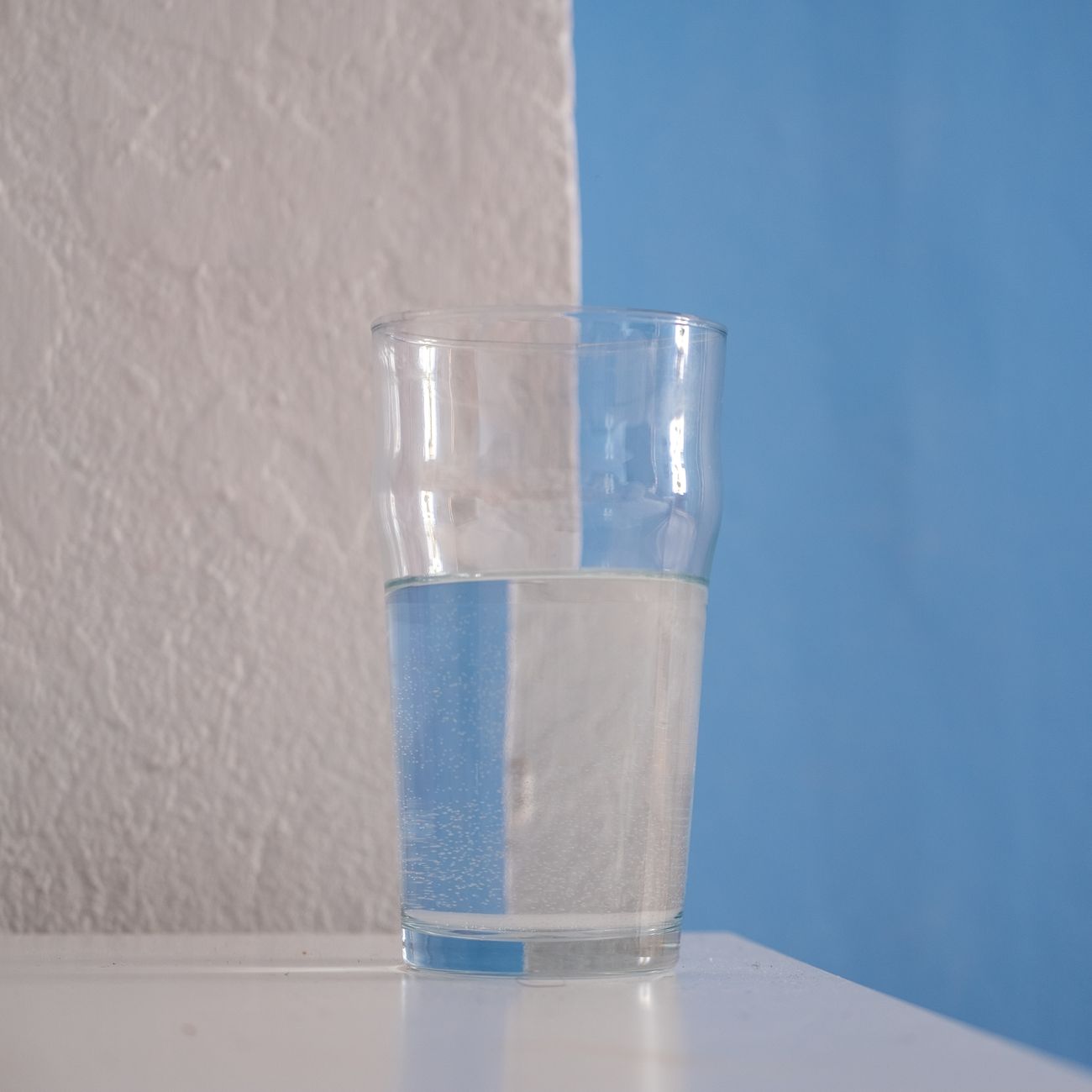
Let your sample cool to room temperature first — heat affects conductivity readings. Drop the probe into a small sample (a tablespoon is enough), wait for the reading to stabilize, and record the percentage. Most meters designed for coffee read in % or ppm; for coffee work, you want a refractometer or a meter calibrated for coffee, not aquarium or hydroponics tools.
 Photo: Lisa from Pexels via Pexels
Step-by-Step
- Pull a small sample — dilute espresso 1:1 with distilled water if using a basic meter
- Let it cool to 20–25°C (room temp)
- Submerge the probe, stir gently, wait 10–15 seconds
- Record the reading
- Rinse the probe with distilled water immediately after
Most consumer TDS meters like the Milwaukee MW101 or the Atago PAL-COFFEE read in ppm (parts per million). Divide by 10,000 to get percentage: 13,000 ppm = 1.3%.
The Atago PAL-COFFEE is a true refractometer and the standard tool in specialty cafés — it reads both TDS% and Brix directly, handles espresso without dilution, and doesn’t drift with temperature the way conductivity meters do.
Target TDS Ranges by Brew Method
The Specialty Coffee Association (SCA) sets the filter coffee target at 1.15–1.45% TDS (ideal: 1.3%). Espresso runs 8–12%. Outside these windows, the brew is objectively weak, strong, or unbalanced — regardless of whether it tastes okay to you.
 Photo: Maksim Goncharenok via Pexels
| Brew Method | TDS Range | Notes |
|---|---|---|
| Filter / Pour Over | 1.15–1.45% | SCA Gold Cup standard |
| French Press | 1.2–1.6% | Slightly higher due to fines |
| Espresso | 8–12% | Depends on roast and recipe |
| Cold Brew Concentrate | 3–5% | Dilute before serving |
| AeroPress | 1.2–1.8% | Wide range depending on recipe |
| Moka Pot | 2–4% | Not espresso, but concentrated |
If your filter brew reads 0.9%, you’re underextracted or used too little coffee. If it reads 1.8%, cut your dose or coarsen your grind. The meter tells you where you are; adjustments get you back on target.
TDS Meters vs. Refractometers for Coffee
For casual home brewing, a conductivity-based TDS meter works fine. For espresso dialing or café-level consistency, invest in a coffee refractometer. Refractometers measure light refraction through dissolved compounds — more accurate, temperature-stable, and they don’t require diluting espresso.
 Photo: Lum3n via Pexels
| Feature | TDS Meter (conductivity) | Coffee Refractometer |
|---|---|---|
| Price | $20–$60 | $200–$600 |
| Accuracy | ±0.1% at best | ±0.01% |
| Espresso-ready | Needs 1:1 dilution | Direct reading |
| Temperature comp | Partial (ATC) | Full |
| Best for | Home filter coffee | Café, dialing espresso |
The VST LAB Coffee III is the industry reference — used by World Barista Champions. For most home users, the Atago PAL-COFFEE hits the sweet spot between accuracy and cost.
Calculating Extraction Yield from TDS
Once you have TDS, you can calculate extraction yield (EY) — the percentage of coffee mass that actually dissolved into the cup:
EY = (TDS% × Brew Weight) / DoseExample: 1.3% TDS × 300g brew ÷ 20g dose = 19.5% extraction yield
The SCA target for filter coffee is 18–22% EY. Under 18% = underextracted (sour, thin). Over 22% = overextracted (bitter, harsh).
This single calculation tells you more about your brewing than any taste description — and it’s why a tds meter for coffee pays for itself in dialed recipes.
→ See also:
- How Much Caffeine Is in a Cup of Coffee? (All Brew Methods)
- Caffeine in Espresso vs Coffee: Which Has More?
- Coffee Science: The Complete Guide to Extraction, Chemistry & Flavor
FAQ
What is a good TDS for coffee? For filter coffee, 1.15–1.45% TDS (SCA standard) is the target, with 1.3% as the sweet spot. Espresso runs 8–12%. These aren’t subjective preferences — they reflect the concentration range where flavor compounds are in balance.
Can I use a regular TDS meter for coffee? Yes, but with limitations. Standard conductivity meters (sold for water quality or hydroponics) work for filter coffee. For espresso, you need either a coffee-specific refractometer or to dilute your shot 1:1 with distilled water before measuring, then double the reading.
Why does my TDS reading change as the coffee cools? Conductivity varies with temperature. Most meters have automatic temperature compensation (ATC), but it’s designed for water, not coffee. Always measure at room temperature (20–25°C) for consistent results, or use a refractometer with full thermal compensation.
What’s the difference between TDS and extraction yield? TDS is the concentration of your brew — how much stuff is dissolved right now. Extraction yield is the percentage of the original coffee grounds that dissolved. TDS tells you strength; extraction yield tells you efficiency. You need both numbers to fully diagnose a brew, and you calculate EY using TDS plus brew weight and dose.
Is higher TDS always better coffee? No. Higher TDS means stronger, but not necessarily better. A 1.8% filter coffee is probably overextracted or over-dosed — it’ll taste thick, bitter, or harsh. The target ranges exist because that’s where extraction chemistry produces the most balanced cup, not because strong = good.
Editorial methodology: Assessments are based on manufacturer specifications, published user reviews, and editorial research. Physical hands-on testing is noted explicitly where it occurred. Rankings reflect our editorial judgment and are not influenced by affiliate commission rates. Full editorial policy · Affiliate disclosure